
Why Are High-Quality IV Devices Important In Healthcare Settings?
High-quality IV devices are important in healthcare settings because they reduce infection risk and ensure accurate fluid and drug delivery. Durable catheters and pumps reduce

High-quality IV devices are important in healthcare settings because they reduce infection risk and ensure accurate fluid and drug delivery. Durable catheters and pumps reduce

What types of IV devices are most common in hospitals? Peripheral IV catheters are the most common device, deployed for short-term fluids, medications, and blood

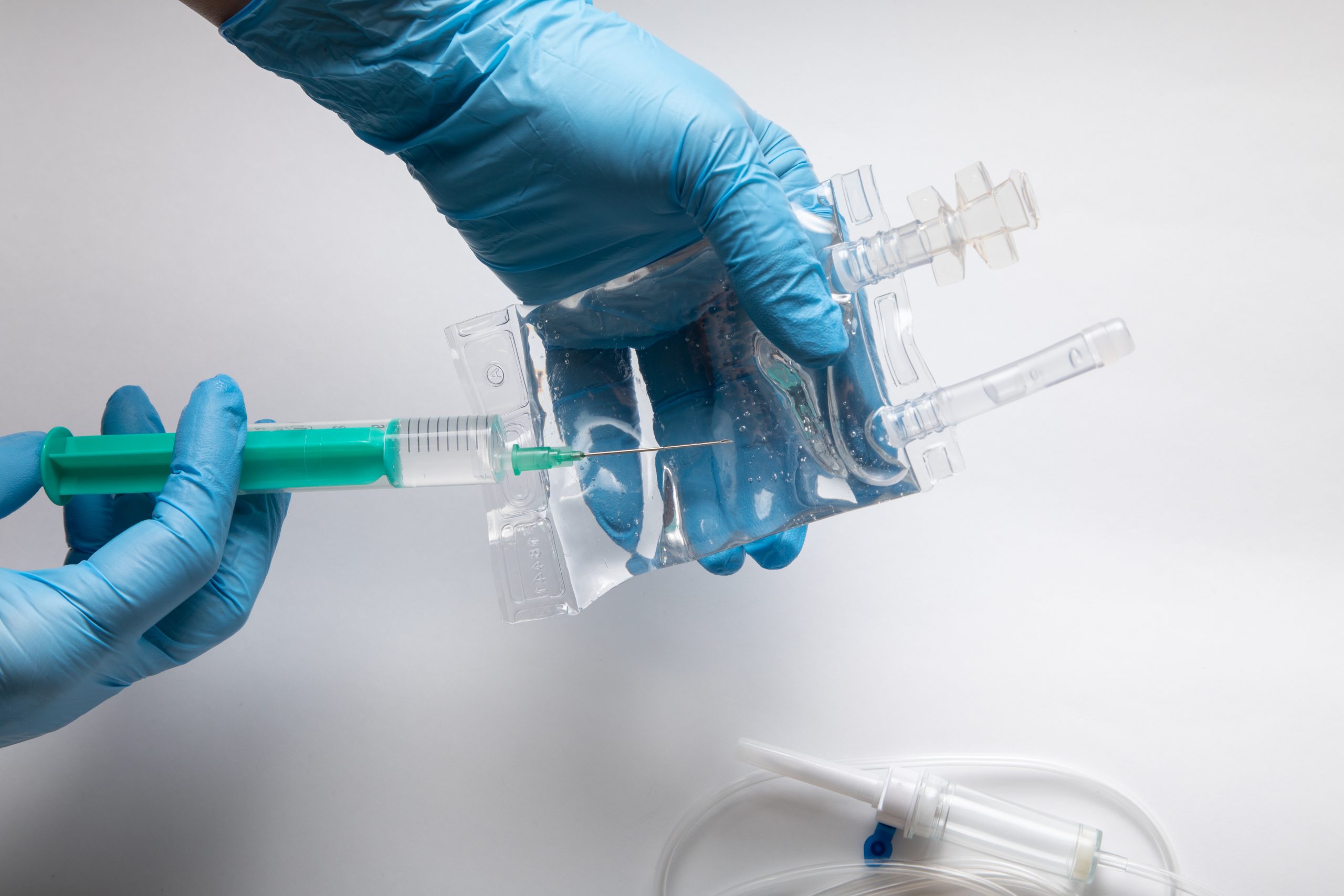
IV administration sets improve patient care efficiency by standardizing fluid delivery, reducing medication errors, and cutting nursing time per infusion. IV administration sets increase patient

ISO standards provide a globally recognized framework for ensuring the quality, safety, and performance of medical devices throughout the procurement process. By establishing consistent manufacturing

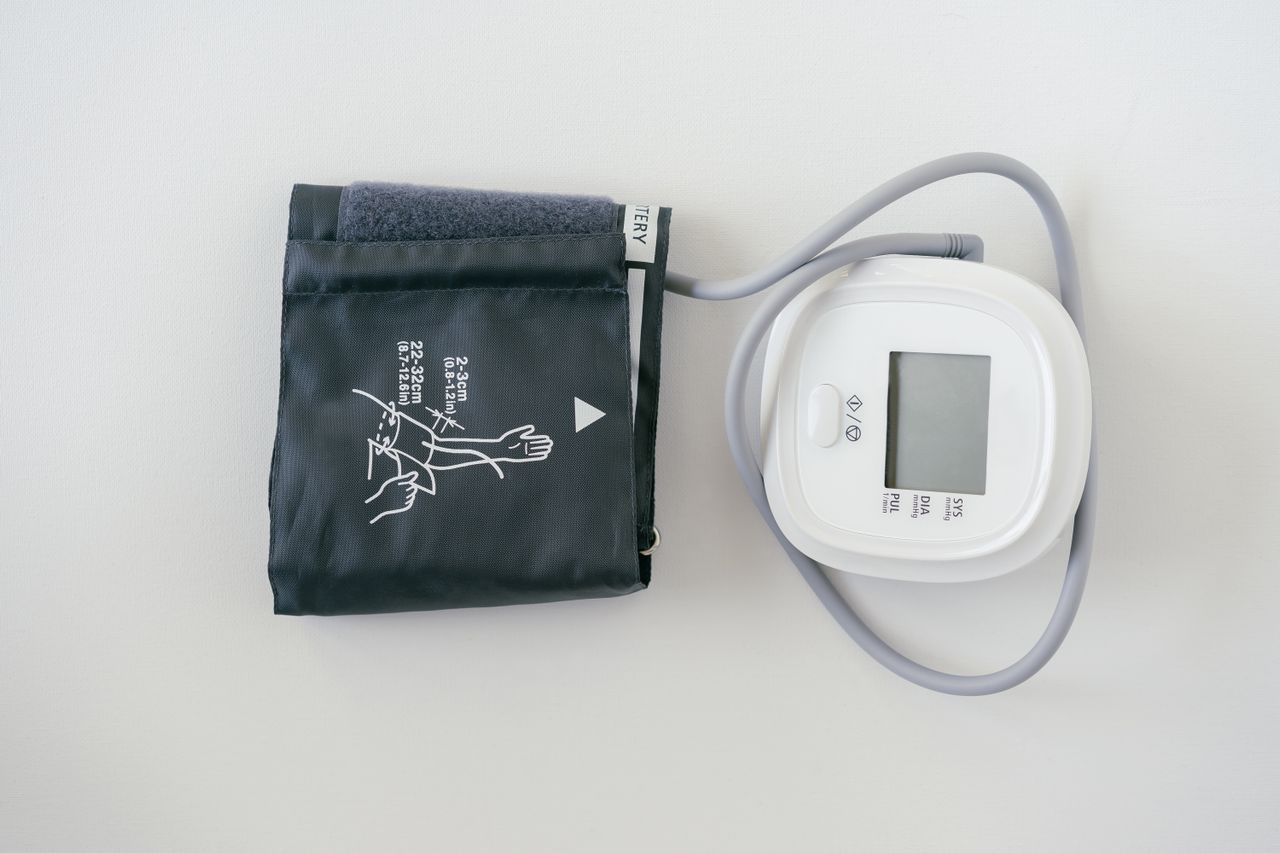
The best-selling medical devices in clinics are digital thermometers, blood pressure monitors, pulse oximeters, ECG machines, and infusion pumps. Clinics use these devices every day

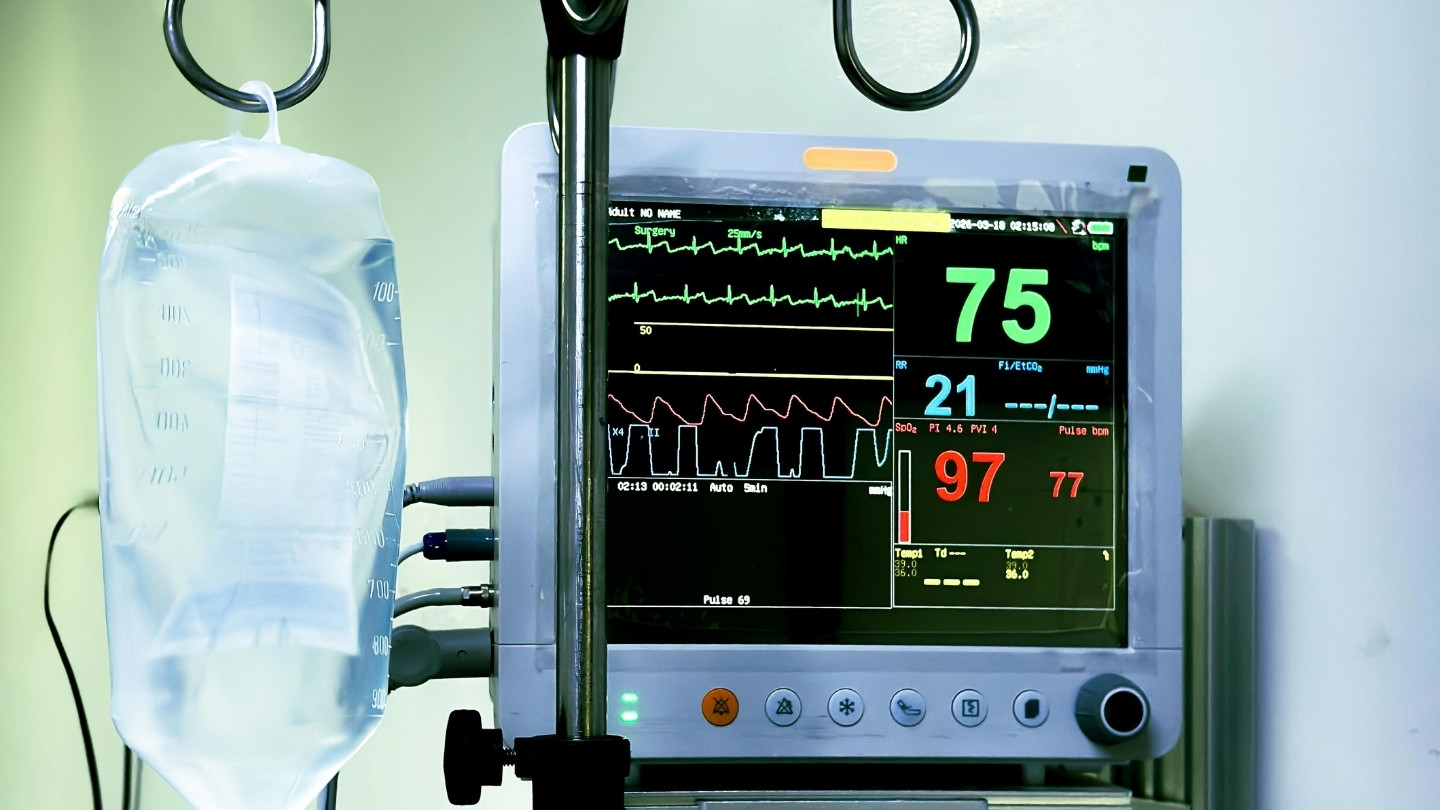
Medical devices contribute to fortifying patient safety protocols by providing real-time information, proactive warnings, and continuous monitoring throughout patient care. Trusted equipment, such as infusion

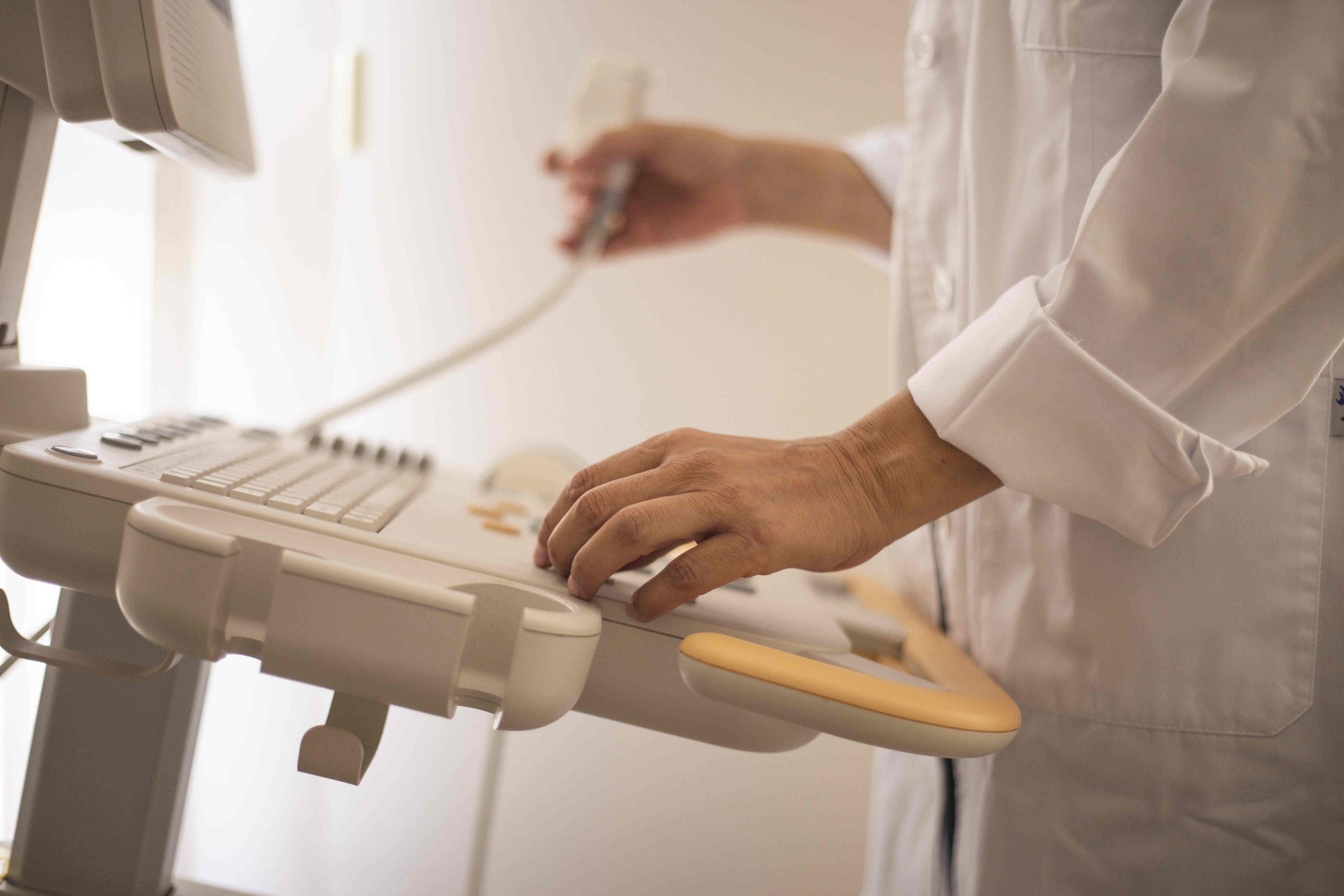
Medical devices that offer the best return on investment (ROI) for hospitals often include diagnostic imaging tools, infusion pumps, and patient monitoring systems. Devices such

Inquiring about safety checks, device approval, and past recalls helps clinics reduce risks. Requesting information on after-sales service, repair response times, and training demonstrates the


FDA-registered medical devices play an important role in promoting safety throughout healthcare settings. Before these devices can be used in clinics, hospitals, and other medical
Senior Clinical Content Editor
Jennifer Martinez is a healthcare content specialist focused on vascular access, infusion therapy, medical supplies, and healthcare procurement. She develops clear, research-driven educational resources that help healthcare professionals stay informed about industry best practices, product innovations, and clinical decision-making.