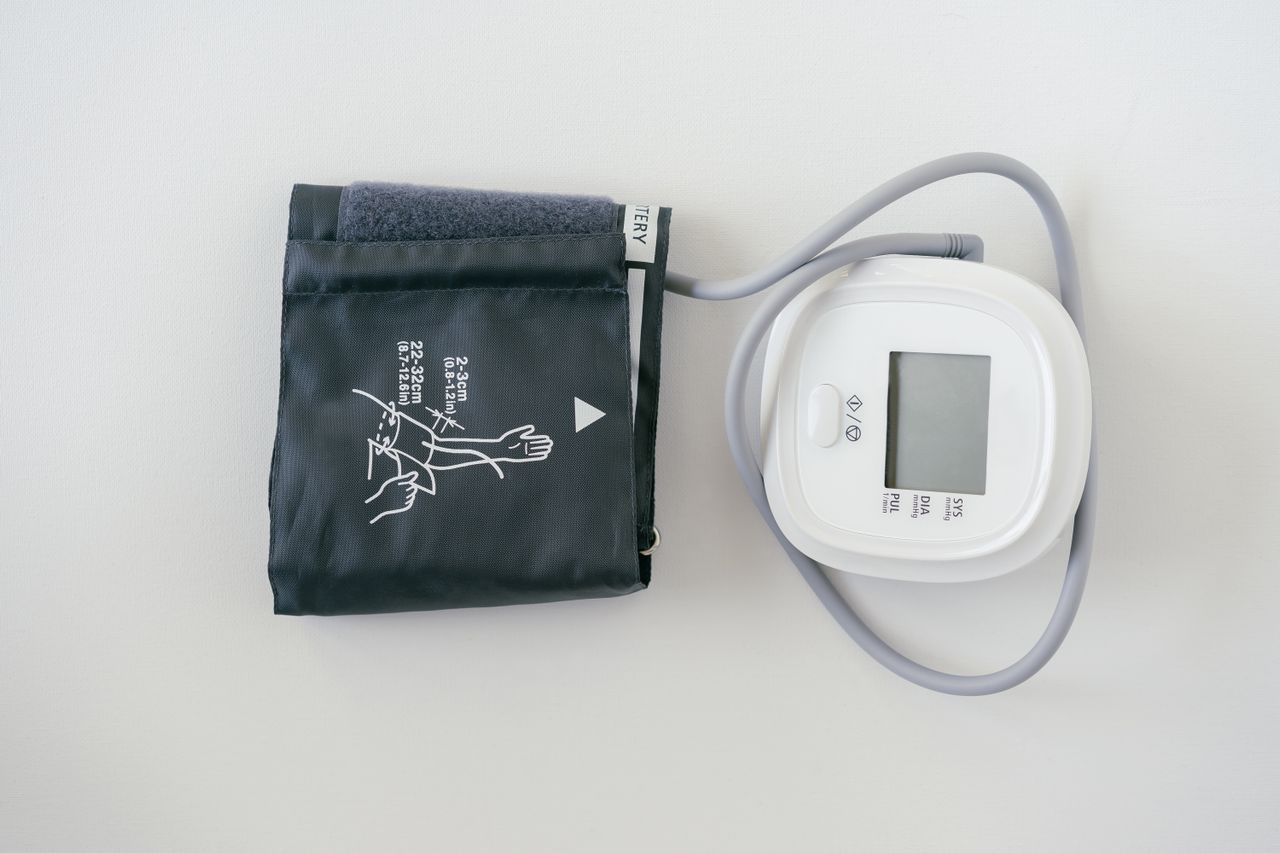
The best-selling medical devices in clinics are digital thermometers, blood pressure monitors, pulse oximeters, ECG machines, and infusion pumps. Clinics use these devices every day to screen basic health indicators, monitor heart rhythms, and assist in patient management. Digital thermometers and blood pressure monitors provide quick results to staff as well as patients. Pulse oximeters measure blood oxygen saturation and can be very simple to operate. ECG machines assist in detecting heart problems with high-precision data. Infusion pumps allow clinics to safely administer fluids or medicine. These devices perform well for clinics of every size and satisfy numerous patient needs. To illustrate how each device fits into clinic work, its roles and what to check when buying are listed in the main body.
Key Takeaways
- Clinics worldwide rely on a core set of medical devices, including diagnostic tools, patient monitors, sterilization systems, and emergency response equipment, to ensure effective and safe patient care.
- Purchasing medical devices involves careful consideration of clinical requirements, cost of ownership, and regulatory compliance to ensure quality, safety, and efficacy.
- Incorporating cutting-edge technology, including telehealth-capable devices and data management tools, boosts efficiency and fosters better patient results.
- Strategic vendor partnerships and reliable supply chains are critical for prompt device acquisition and continuous equipment maintenance. This helps mitigate risks of shortages or disruptions.
- Smart budgeting, ongoing staff training, and rigorous performance evaluation remain crucial to optimizing device value and successful implementation in the clinic.
- By embracing innovation and remaining aware of technology trends, partner clinics can evolve alongside changing healthcare needs and provide superior patient care.
Essential Clinic Medical Devices
Medical devices, including essential hospital devices like defibrillators and EKG machines, are key players in healthcare facilities, enhancing patient care, accelerating diagnosis, and ensuring the safety of treatments. These devices range from fundamental examination tools to advanced life support systems. The specific device list often varies according to the clinic’s specialty, local requirements, and patient demographics.
- ECG machines for heart monitoring
- Ultrasound systems (portable and fixed)
- Blood collection sets for lab work
- Otoscope and ophthalmoscope sets
- Patient monitors (vital signs, multi-parameter)
- Infusion pumps
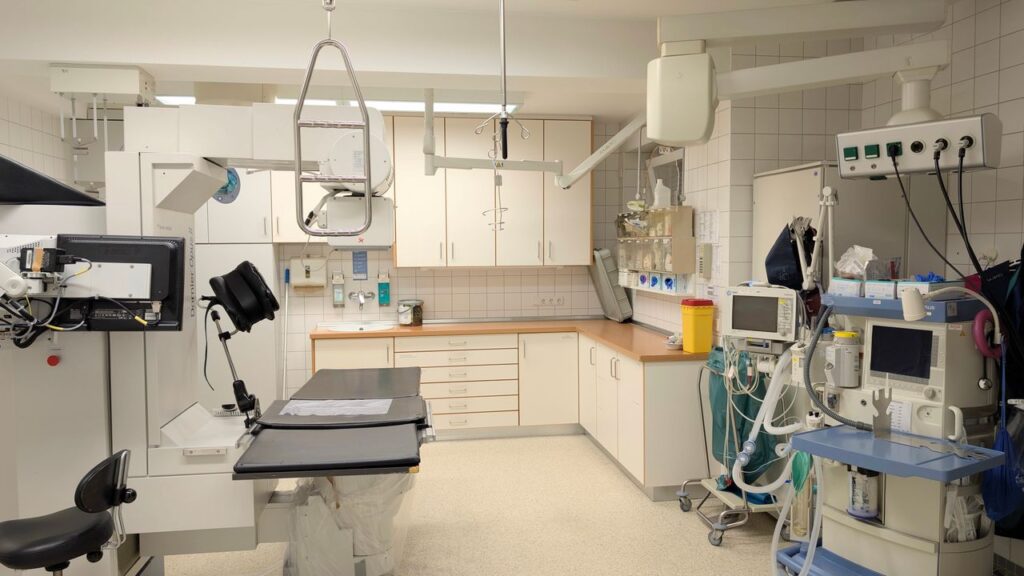
- Anesthesia machines
- Surgical instruments
- Ventilators
- Autoclave sterilizers
- Defibrillators (AEDs and manual)
- Emergency kits
- Isolation gowns
1. Clinical Diagnostic Tools
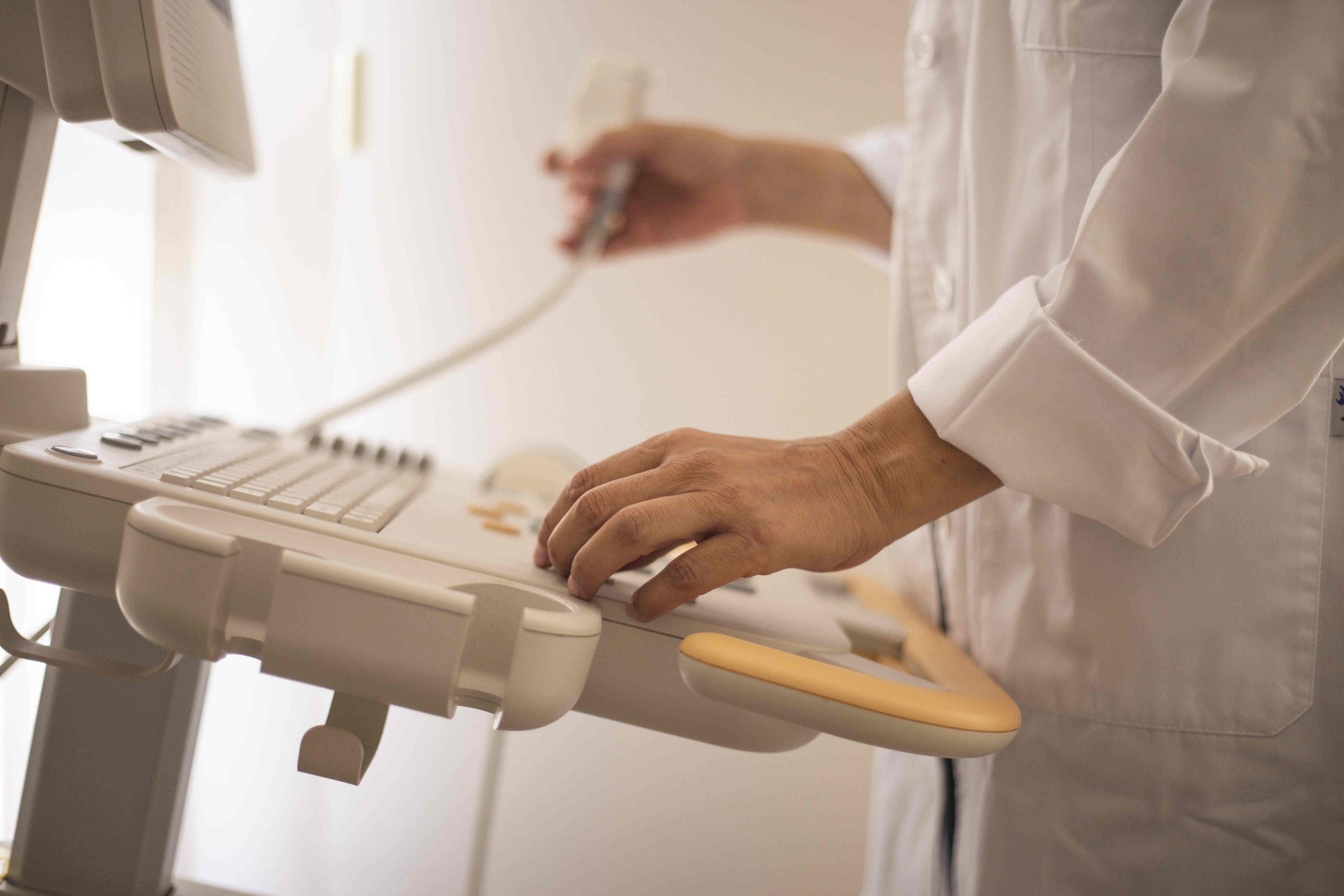
The diagnostic tools that enable clinics to make rapid and definitive diagnoses include essential hospital devices like ECG machines, which provide a real-time look at heart rhythms and detect issues such as arrhythmias. Portable ultrasound systems allow healthcare professionals to perform internal scans for prenatal monitoring or examine joints and organs directly at the bedside. Additionally, otoscopes and ophthalmoscopes come with two devices to inspect the eyes and ears, while blood collection sets remain a key part of lab work, ensuring safe and precise samples for tests.
2. Patient Monitoring
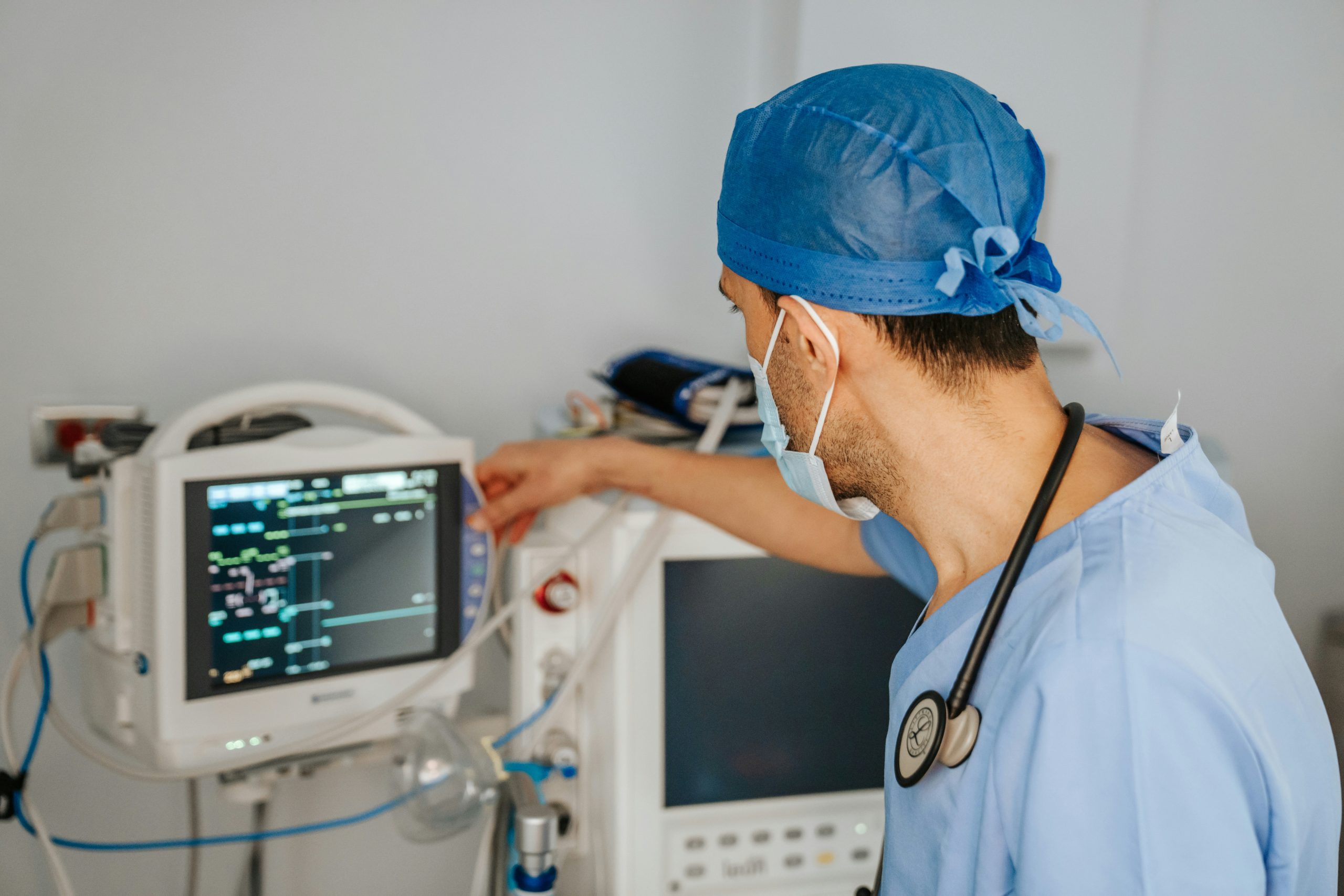
Contemporary monitors, including vital patient monitoring devices, record heart rate, blood pressure, oxygen, and temperature in real time. These essential hospital devices are critical systems in intensive care units, where patients require continuous monitoring. Others are wearable, providing healthcare professionals with information between appointments or post-surgery. Alerts from these monitors assist medical personnel in responding quickly, reducing the risk of overlooking changes in patient health.
3. Treatment Equipment
Infusion pumps, a vital component of healthcare equipment, administer specific quantities of fluids, medications, or nutrients, commonly in ICUs and recovery rooms. Surgical instruments range from basic forceps to advanced scopes for various procedures. Anesthesia machines are essential devices that maintain patients during surgeries, while ventilators are critical devices that assist those who can’t breathe independently, making them crucial for intensive care. Great treatment equipment enhances safety features, ensuring patients heal more quickly.
4. Sterilization Systems
Sterilization gear, including autoclaves and chemical sterilizers, is essential healthcare equipment that keeps tools clean between uses, aiding infection prevention and maintaining safe care in healthcare facilities. Trustworthy sterilizers underpin hospital cleanliness, ensuring safety features are in place for medical personnel.
5. Emergency Response
Defibrillators, including both AEDs and manual types, are crucial pieces of medical equipment in cardiac emergencies and should be present in every healthcare facility. Emergency kits contain essential devices and medicines for accidents or unexpected illnesses, while life support machines, like ventilators, are vital for patient health in extreme cases.
Your Device Selection Criteria
Choosing medical equipment in the clinic is a balancing act between necessity, expense, and risk. Each healthcare facility faces unique challenges, so the criteria for selecting essential devices like defibrillators should be transparent, rigorous, and grounded in both evidence and practical experience.
Clinical Care Priorities
Determining what your clinic really requires is the initial task. Consider what kinds of cases and emergencies you experience most. Basic diagnostic devices, such as blood pressure monitors, pulse oximeters, and ECG machines, frequently make up the top of the list because they address daily requirements for multiple conditions. Understanding your patient population, ages, prevalent chronic conditions, and urgent care patterns, lets you select devices that fit the reality on the ground.
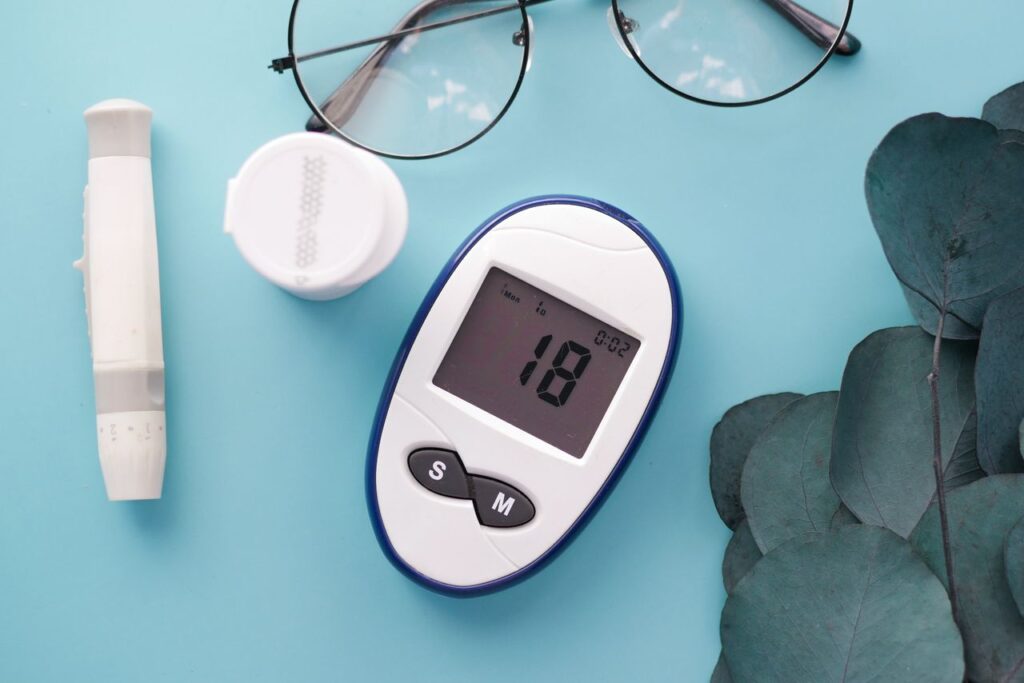
Medical staff must chime in, particularly those on the front lines, so devices align with actual clinical patterns. For example, if you see a lot of diabetic patients, point-of-care blood glucose analyzers are a necessity. We believe that choosing devices based on your clinic’s strategic initiatives, like enhancing infection control or increasing ambulatory surgery, drives better outcomes. Focus on equipment that facilitates these objectives, such as autoclaves or surgical kits designed for high-volume operations.
Total Procurement Cost
Don’t just consider the sticker price. The true cost of a medical device is maintenance, staff training, and consumables. A device might feel cheap initially, but it may have expensive upkeep or need lots of repairs, pushing the total ownership costs up. For instance, ultrasound machines require expensive probes that need to be replaced every few years.
Plan for upgrades and replacements as tech moves fast, and new models might provide superior features in a short amount of time. Look around for suppliers not just on price, but on warranty, after-sales support, and services. Useful applets, such as 10-year cost and lease versus buy calculations, can aid clinics in making more financially intelligent decisions. Involving finance and procurement teams in these evaluations can provide a useful point of view.
Regulatory Approval
Go with devices that are globally recognized for safety, like being FDA-registered and ISO 13485-certified. These approvals aren’t simply regulatory checkmarks, but they prove that a device has undergone rigorous safety and efficacy testing. Trust, but check that supplier credentials and documentation are up to date when purchasing.
Having a record of certifications and compliance with regulations is important for continued safety and insurance considerations. Involve your QA team to check documentation and randomly audit devices in use, so your clinic remains in step with changing guidelines and doesn’t risk an expensive recall or fine.
Evaluating Device ROI
Calculating medical device ROI for clinics involves a complex analysis that integrates clinical outcomes, operational efficiency, long-term costs, and continuing value. Recent data indicates that the average age of medical equipment is slightly over five years, leading clinics to frequently reassess device ROI and value. This is particularly crucial when procurement practices and technology velocity influence decisions regarding essential hospital devices. Hospital-based health technology assessments (HTAs), user trials, and value-based purchasing have become best practices in healthcare settings for balancing financial, clinical, and technical priorities.
Factor | Description | Example |
Clinical Effectiveness | Impact on patient outcomes, recovery, and safety | Advanced ECG monitors, infusion pumps |
Cost-Effectiveness | Total cost versus measurable health and financial benefits | Ultrasound machines, digital X-ray |
Operational Efficiency | Time and labor savings, workflow improvements | Automated analyzers, barcode scanners |
Durability and Scalability | Device reliability and ability to adapt to future needs | Modular vital sign monitors |
Supplier Partnerships | Long-term vendor support, training, and maintenance | Service contracts with OEMs |
Timeliness | Access to updated information, adaptability to new technology | Annual HTA reviews, user trials |
Patient Outcomes
Medical device ROI depends on how significantly it accelerates patient outcomes and recovery. For instance, sophisticated monitoring systems can monitor vital signs with instant alerts, resulting in earlier interventions and reduced hospital stay durations. There’s no correlation between these systems and lower blood pressure or better glucose control. Technology further enhances patient safety. Dosage automation devices, for instance, lower medication mistakes, increasing satisfaction and trust.
Clinics use data-driven evaluations to measure outcomes before and after device adoption. By tracking metrics such as readmission rates or recovery times, clinics can demonstrate how particular equipment influences care and put evidence at the heart of device ROI conversations.
Clinical Workflow Efficiency
Devices that automate workflows reduce manual work. Automated blood analyzers, for example, minimize turnaround time and reduce user error, so staff can concentrate on patient care rather than monotonous, busy work. Integration is key. Devices need to seamlessly integrate with existing IT infrastructure so that the data can flow to points where it is most useful.
Monitor device ROI over time. Hospitals employ feedback loops and periodic audits to identify issues, optimize processes, and maximize return on their investments.
Long-Term Value
Good devices pay dividends beyond just the immediate. Long-lasting, dependable machines reduce repair expenses and downtime, whereas scalable options, such as modular monitors, allow clinics to increase functionality as requirements increase. Long-term supplier relationships nurtured with training, support, and maintenance contracts increase device value by providing reliable uptime and up-to-date features.
Clinics should consider these long-term savings and benefits, not just the sticker price, when selecting new technology.
The Impact Of Technology
Technology influences how clinics purchase and consume healthcare equipment. New technology accelerates care, enhances the precision of treatments, and empowers clinics to do more with less. With deep learning and AI on the rise, clinics witness new tools that can identify lesions, draft reports, and even recommend diagnoses. These tools increase efficiency and precision, assisting in early diagnosis of conditions such as diabetic retinopathy, melanoma, and Alzheimer’s. The integration of defibrillator technology enhances patient health outcomes significantly. These benefits come with new expectations and anxieties, as clinics must keep pace with data security, privacy, and ethical use, particularly as AI can disrupt jobs and workflows. With the 5G chipset market ascending, clinics will experience an influx of even more connected and smart devices, making it crucial to remain up-to-date and open to new ideas.
Device Integration
Introducing new medical equipment in clinics is more than just plugging it in. Each piece of equipment, including essential devices like defibrillators, has to integrate with legacy systems, such as electronic health records (EHRs) and monitoring devices. When devices can communicate with one another, care teams deliver data more quickly and make smarter choices. Interoperability, when devices and software can work together, reduces errors and improves speed in emergency responses. For instance, linking a smart ECG machine with EHRs allows physicians to access heart data immediately, facilitating faster treatment. Teams from IT to nursing have to collaborate to ensure that new devices don’t create bottlenecks. When it all connects smartly, clinics gain sharper insight into patient demand and can observe trends.
Data Management
Clinics deal with massive quantities of patient information, from scan images to test results. Good data stewardship involves securely and accessibly storing this information, especially in healthcare facilities. Electronic health records enable clinics to monitor the performance of essential hospital devices and service needs. Data analytics empowers clinics to identify trends, anticipate issues, and make intelligent purchases when new medical equipment is needed. AI automates repetitive tasks, such as classifying reports, freeing medical personnel for hands-on patient care. AI also introduces new rules for privacy and security, as more clinics encrypt data and adhere to stringent regulations to keep patient info secure.
Telehealth Capability
Telehealth allows clinics to see more patients, wherever they may live. Devices that work well with telehealth, like smart thermometers or blood pressure monitors, are essential healthcare equipment for physicians to monitor patients remotely. This is crucial for folks in rural locations or with physical challenges. Virtual visits rely on robust technology, including patient monitoring devices that can transmit meaningful data and facilitate video calls. As 5G networks expand, clinics can use real-time data, enhancing the utility of remote care. By supplementing in-person visits with telehealth tools, healthcare services can now provide care beyond their walls, making the healthcare system more accessible for all.
Overcoming Procurement Hurdles
Medical clinics encounter several procurement hurdles when purchasing essential hospital devices, including diagnostic monitors, infusion pumps, ECG machines, and ultrasound systems. These frustrations range from supply chain dependability and budget concerns to the seamless deployment of new healthcare equipment. The table below outlines common hurdles and practical strategies for overcoming them.
Procurement Hurdle | Strategy To Overcome |
Supply chain disruptions | Diversify suppliers, foster strong relationships, and use real-time tracking. |
Budget limitations | Careful fund allocation, compare quarterly budgets, forecast needs |
Implementation and adoption | Staff training, user trials, feedback loops, phased rollouts |
Rapid technology changes | Early market research, timely decisions, and the use of Health Technology Assessment (HTA) |
Clinical and financial alignment | Value-based purchasing, collaborative decision-making, and evidence review |
Provider Supply Network
A reliable supply chain is crucial for clinics in every corner of the world to receive new medical equipment promptly, particularly for essential devices such as patient monitors and defibrillators. When shipments are late, it can mean that hospitals have to postpone care or resort to outdated healthcare equipment. Robust supplier relationships keep clinics informed about new products and supply challenges, facilitating planning.
Transparent supply chain milestones reduce hazards by indicating the status of orders, whether there are bottlenecks, or whether emergent technologies are on the horizon. By employing a combination of healthcare equipment suppliers rather than a single source, clinics can circumvent shortages if one organization encounters an issue. For example, by procuring syringes or diagnostic kits from multiple vendors, the supply of critical devices continues to flow even amid worldwide disruptions.
Vendor transparency and engagement let clinics identify issues early and respond quickly. Frequent supplier check-ins combined with digital monitoring tools allow healthcare providers to monitor shipments and inventory. Establishing trust with your suppliers frequently results in excellent prices and early access to new merchandise.
Budgeting
Some savvy budgeting is required when purchasing medical equipment. Budgets have to be allocated for upfront investment and continued maintenance. Most clinics rely on quarterly budget checks to identify trends, such as an uptick in purchases of essential devices during high patient loads. These checks assist clinics in adjusting their expenditures quickly according to what’s actually required.
It’s wise to plan and predict what new hospital equipment may be required in the next year or two, as device technology evolves rapidly. This foresight helps skirt last-minute scrambles to purchase new tech, which tends to be pricier. By checking budgets frequently, clinics can move money as priorities shift and maintain cost stability.
A value-based buying process, grounded in clinical evidence and cost, helps clinics get the most out of their investment. When clinics consider evidence and estimated effect rather than personal preference, they are less likely to overspend and more likely to purchase what helps patients the most.
Implementation
- Remember to evaluate local needs and tailor device capabilities to clinical needs.
- Conduct user trials and ask for staff input on every new device.
- Organize staff training sessions before full rollout.
- The trick is to phase in new devices to prevent a huge workflow shakeup all at once.
- Use Health Technology Assessment (HTA) to back up choices.
Training is key to smooth device use and getting the most from new tools. Clinics that allow staff to trial equipment and provide input experience fewer procurement headaches. It helps identify training gaps early.
Periodic input from healthcare professionals assists clinics in identifying what is effective and what is not, enabling them to adjust training or replace equipment if necessary. Well-implemented means patients benefit from superior care because staff can finally use the devices as intended and detect issues earlier.
The Vendor Partnership Factor
Vendor partnerships play a significant role in clinics’ adoption and utilization of essential medical equipment. The connection between clinics and vendors transcends mere transactions, and it embodies the Vendor Partnership Factor, where a robust bond is forged that benefits both parties. This principle applies not only to high-tech surgical robots but also to basic tools such as blood pressure monitors and EKG machines. A surgical robotics study highlights that collaborating with surgeons, medical personnel, and corporate partners is crucial when launching new programs. Therefore, clinics must look beyond just price or brand and instead focus on building trust and maintaining open lines of communication with their vendors.
Excellent vendor support can significantly enhance a device’s effectiveness and longevity. Clinics depend on vendors for much more than quick solutions, and they rely on them for comprehensive training, setup assistance, and on-site support for new healthcare equipment. This support ensures that users can maximize the potential of their devices, minimizing the risk of errors or downtime. For advanced or costly machines, like imaging devices or robotic surgical tools, this assistance becomes even more vital. Vendors often provide hands-on training or conduct hospital pilots before a full launch, allowing clinics to evaluate real-life usage and establish a solid foundation for future purchases.
Maintaining open negotiations with vendors is essential for clinics. They need a mechanism to convey feedback regarding the healthcare equipment, its affordability, and any challenges encountered. The vendor partnership factor fosters a collaborative environment where issues can be resolved quickly, and new needs can be addressed as they arise. Some clinics implement official programs to track the impact of vendor initiatives on expenditures and patient outcomes. Such transparency can reduce costs and enable clinics to select equipment that best meets their needs.
If you’re buying high-volume stuff, long-term vendor ties can result in better buy results. Vendors who are familiar with the clinic’s needs can provide special deals, new tech tips, and even recommend how to squeeze more value out of each device. In many cases, these ties help both sides learn and grow, making it easier to introduce new tech and enhance care. Vendor influence can determine which devices are selected, which makes transparent and equitable discussions all the more critical.
Final Remarks
Choosing the right medical equipment for a clinic is more than just a matter of the sticker price. Smart choices deliver rapid care, reduce errors, and keep your days running smoothly. Consider how tech drives care today. Smart monitors, digital records, and new tools change how clinics run. Collaborate with reliable vendors, verify what is effective, and monitor outcomes. Every decision builds patient confidence and practice expansion. To maximize the value of equipment, be candid with evaluations, continue your education, and engage professionals in your specialty. Share your wins and stumbles. For additional advice or to exchange ideas, contact us or attend our upcoming Q&A.
Frequently Asked Questions
1. What Are The Most Essential Medical Devices Used In Clinics?
The most necessary medical equipment includes blood pressure monitors, thermometers, ECG machines, pulse oximeters, and ultrasound scanners, which facilitate regular patient examinations and accurate diagnoses.
2. How Should Clinics Choose Which Medical Devices To Purchase?
Clinics ought to take into account patient needs, space available, staff training, device reliability, and local health regulations. Focusing on essential hospital devices that aid daily operations enhances efficiency and quality of care.
3. How Can Clinics Measure The Return On Investment (ROI) For Medical Devices?
Clinics can measure ROI by tracking device usage, patient outcome improvements, and lower maintenance costs, particularly for essential hospital devices like defibrillators and patient monitoring systems that enhance workflow and patient satisfaction.
4. Why Is Technology Important When Selecting Clinic Medical Devices?
New technology in healthcare equipment makes it more accurate, efficient, and connected. Advanced medical equipment could connect with online records and telemedicine, enhancing patient care and clinic prestige.
5. What Are Common Hurdles Clinics Face When Buying Medical Devices?
Typical roadblocks in healthcare facilities include budgets, regulatory requirements, lack of training, and complicated purchasing processes for essential medical equipment, impacting safe and cost-effective purchases.
Power Your Practice With Reliable Medical Devices From Merit Pharmaceutical
Running a busy medical practice requires more than just high-quality care—it requires dependable medical devices that arrive on time, perform consistently, and meet strict clinical standards. When supply issues arise, such as backorders, inconsistent product quality, or last-minute substitutions, they can disrupt workflows and add unnecessary strain to your team.
Merit Pharmaceutical supports healthcare providers with a broad portfolio of medical devices and clinical-use supplies designed to help maintain consistency and reliability in everyday care. From essential IV administration components and extension sets to a wide range of clinical and injectable solutions, every product is selected with a focus on safety, performance, and dependable supply continuity.
As an FDA-registered, Los Angeles-based supplier with more than 40 years of industry experience, Merit Pharmaceutical understands the demands of clinical environments and the importance of regulatory compliance and product consistency. The company also works with established global manufacturers such as Abbott, BD, Baxter, and B. Braun to help ensure providers have access to trusted, high-quality options.
Choosing Merit Pharmaceutical means partnering with a supplier focused on reducing supply chain friction and supporting smoother procurement processes—so your team can stay focused on patient care rather than sourcing challenges.
Contact Merit Pharmaceutical to learn more about available medical device solutions or to set up an account and access competitive pricing tailored for healthcare providers.
Disclaimer
The information provided on this website is intended for informational and educational purposes only. It is not a substitute for medical advice, diagnosis, or treatment, and should not be relied upon as such. Healthcare professionals should always use their own clinical judgment when selecting and administering medical products. Patients should consult with a qualified healthcare provider regarding any specific medical condition or treatment.
While we strive to keep product details and information current, Merit Pharmaceutical makes no guarantees as to accuracy, completeness, or applicability to your particular situation. Do not act or refrain from acting solely based on information from this site without seeking appropriate medical or professional guidance. To the fullest extent permitted by law, Merit Pharmaceutical disclaims all liability for any decisions or actions taken based on the contents of this site.