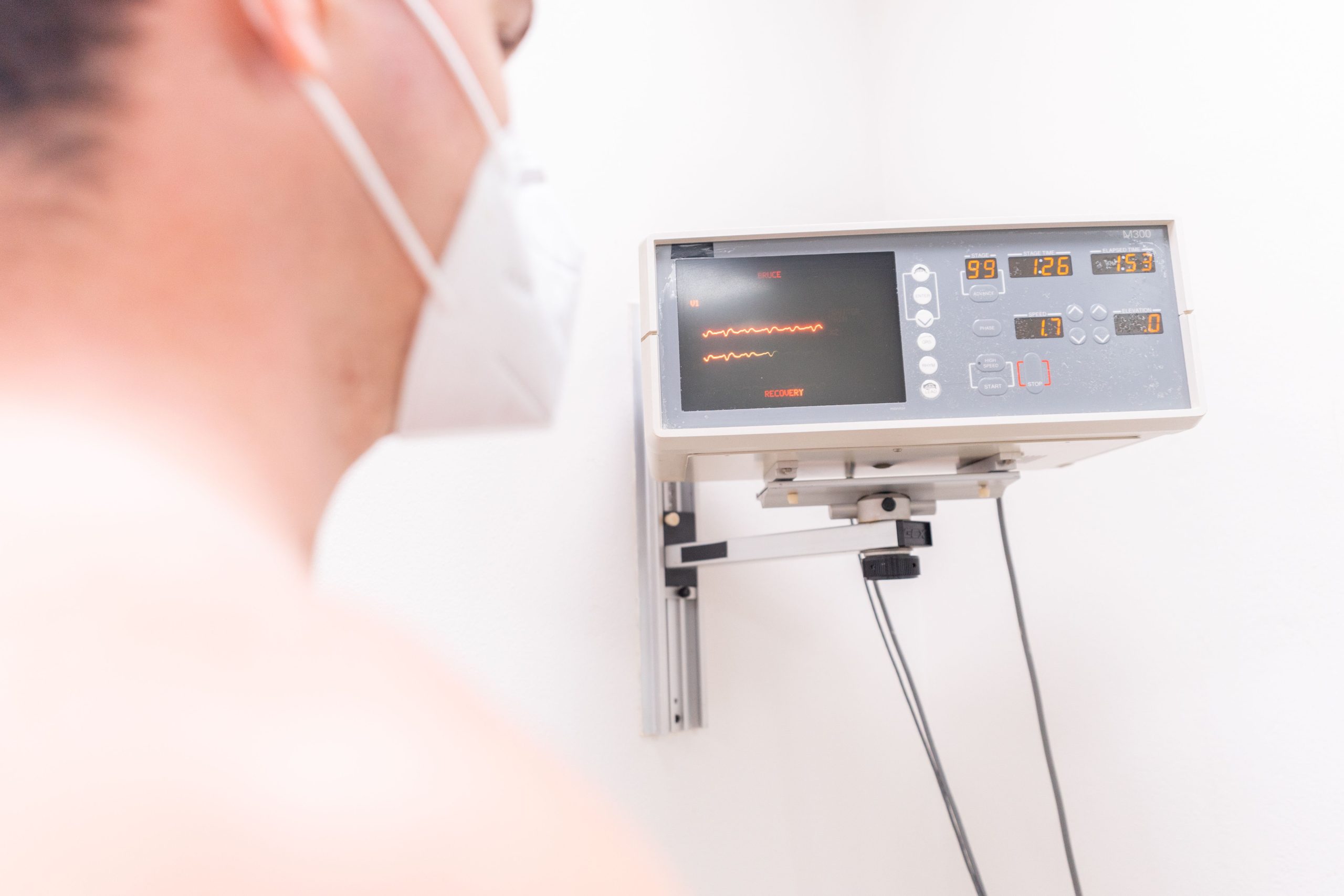
Why Are FDA-Registered IV Devices Critical for Healthcare Providers?
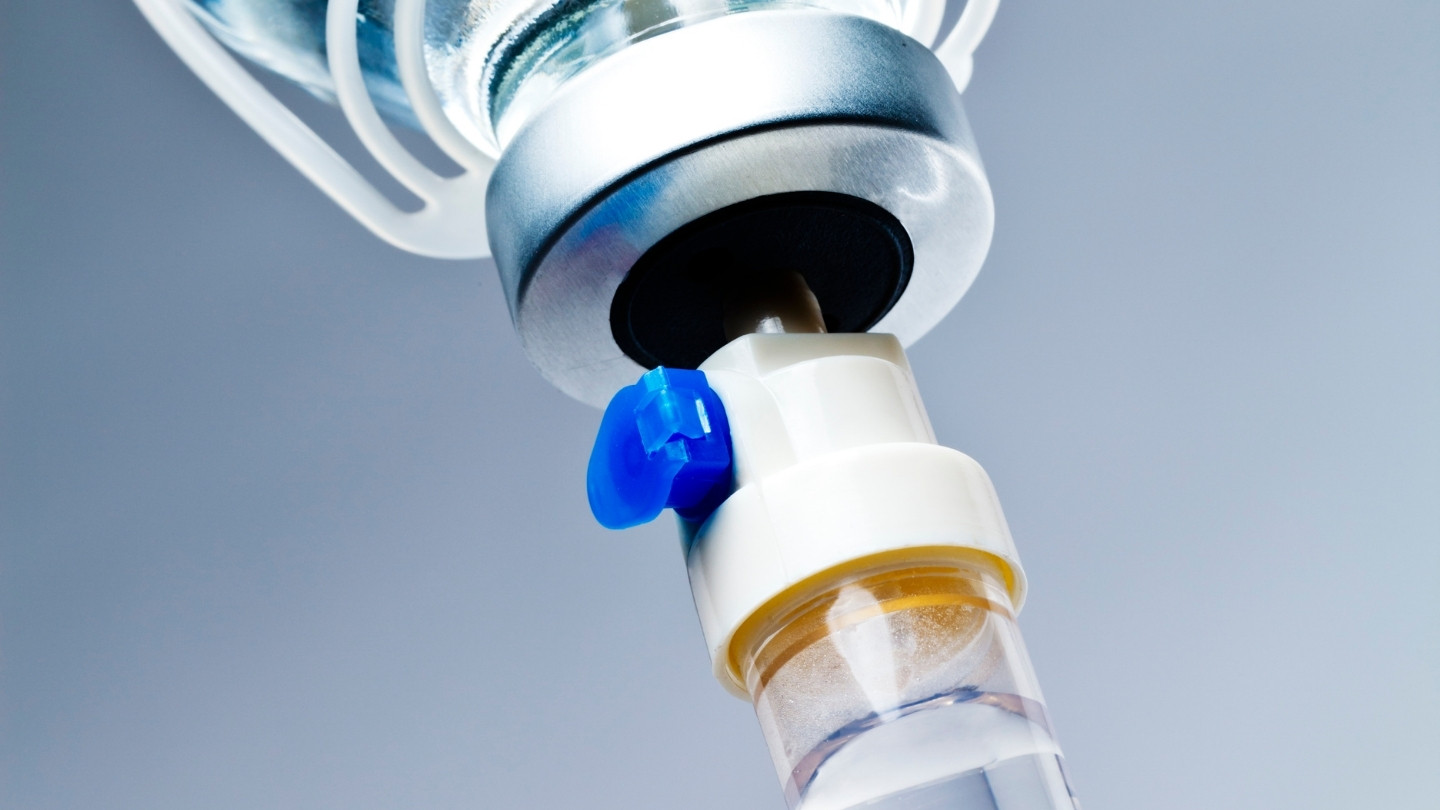
FDA-registered IV devices are medical tools approved by the U.S. Food and Drug Administration for safe use in clinical settings. They meet set standards for

FDA-registered IV devices are medical tools approved by the U.S. Food and Drug Administration for safe use in clinical settings. They meet set standards for

The really good sets are the ones that marry a low risk of infection with a consistent flow and ease of maintenance. Gravity-free designs or

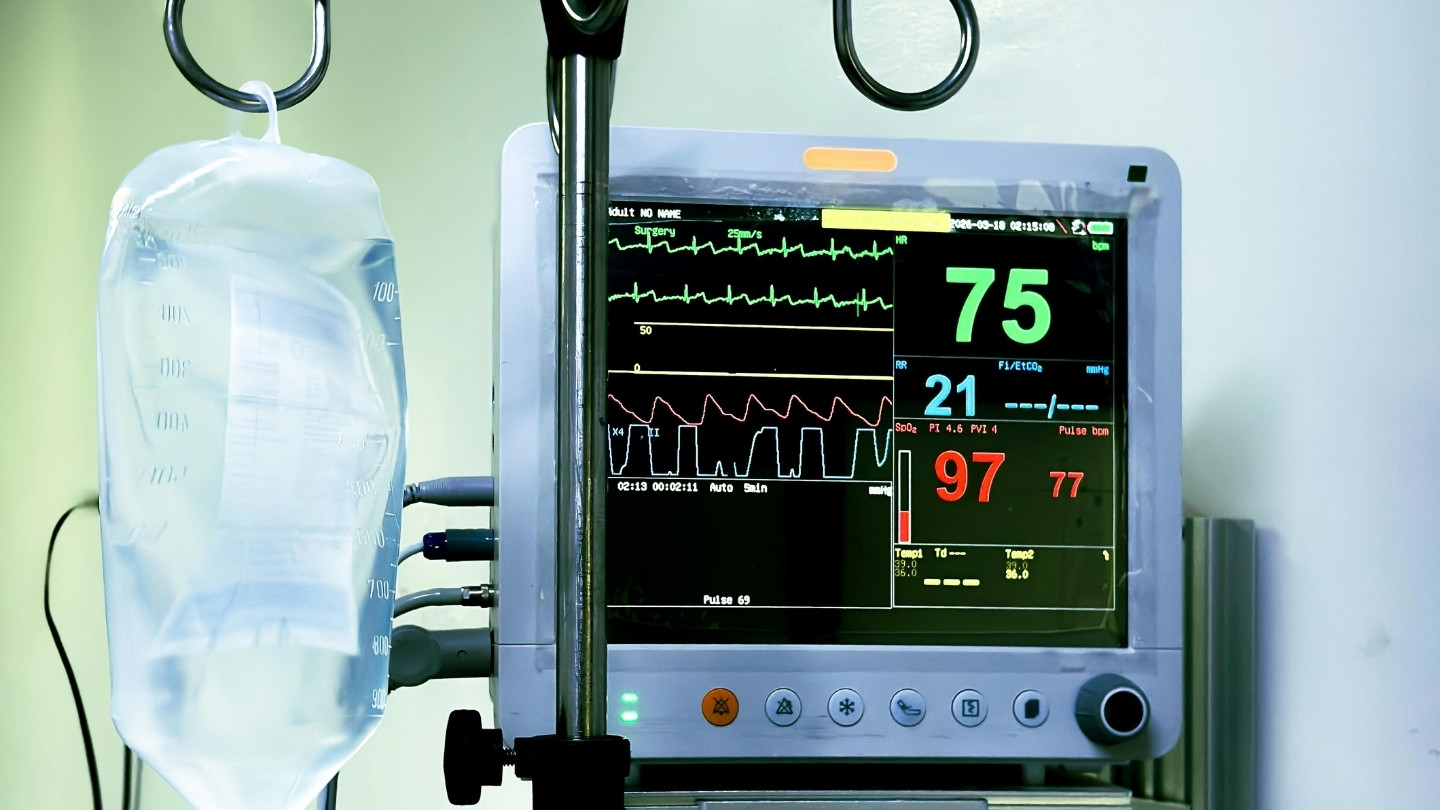
Advanced IV devices help hospitals improve efficiency by combining smart infusion pumps, barcode medication verification, and integrated software that supports standardized workflows. These technologies automate

IV solutions occupy a central role in contemporary infusion therapy by administering fluids, electrolytes, nutrients, and drugs directly into the bloodstream. They replace fluids and

The best IV bags for outpatient infusion centers are those that offer safe materials, clear labeling, and easy handling for staff and patients. Options can

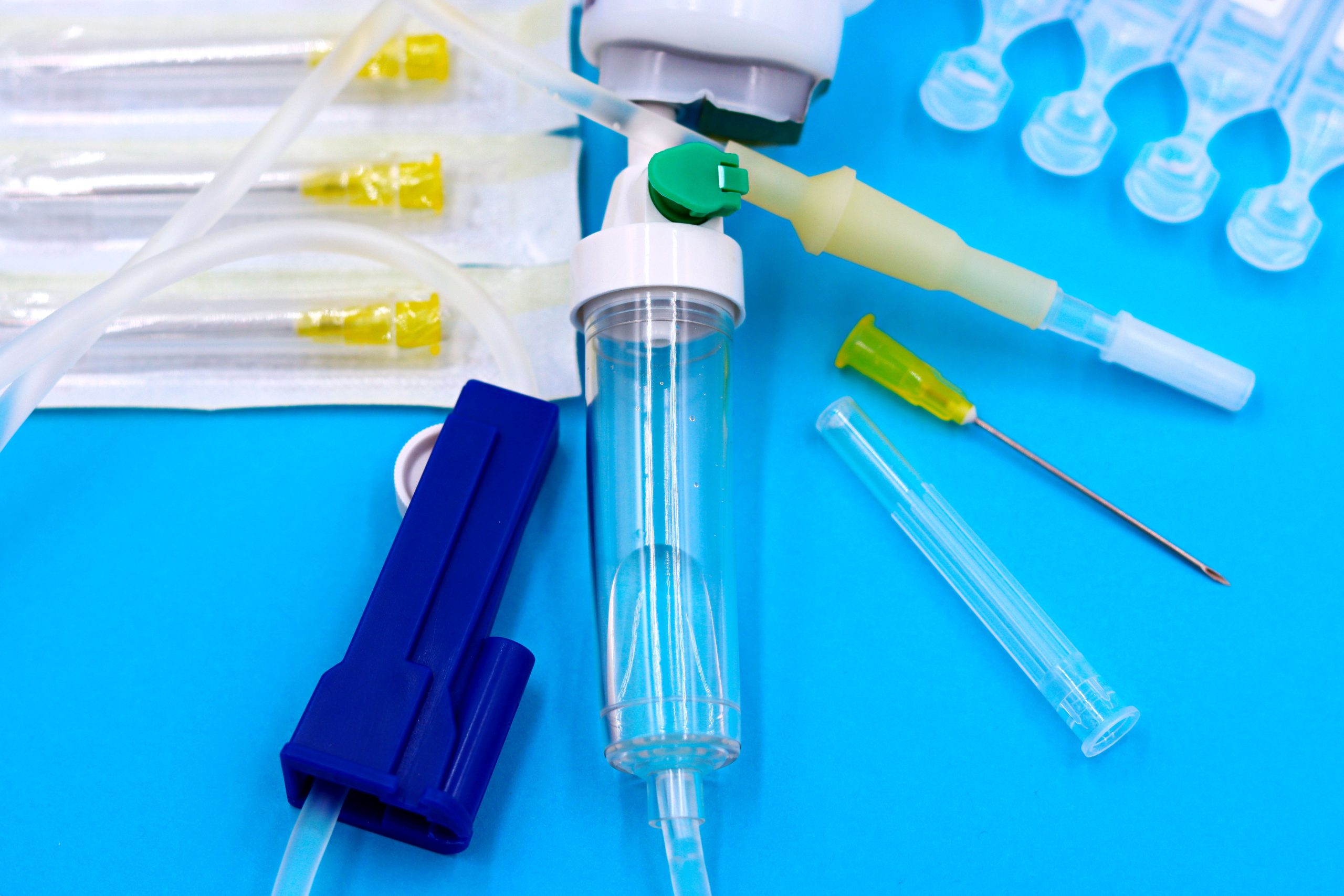
The best IV sets for outpatient infusion centers are those that combine precise flow control, low priming volume, and reliable air elimination. Premium polyurethane or

High-quality IV devices are important in healthcare settings because they reduce infection risk and ensure accurate fluid and drug delivery. Durable catheters and pumps reduce

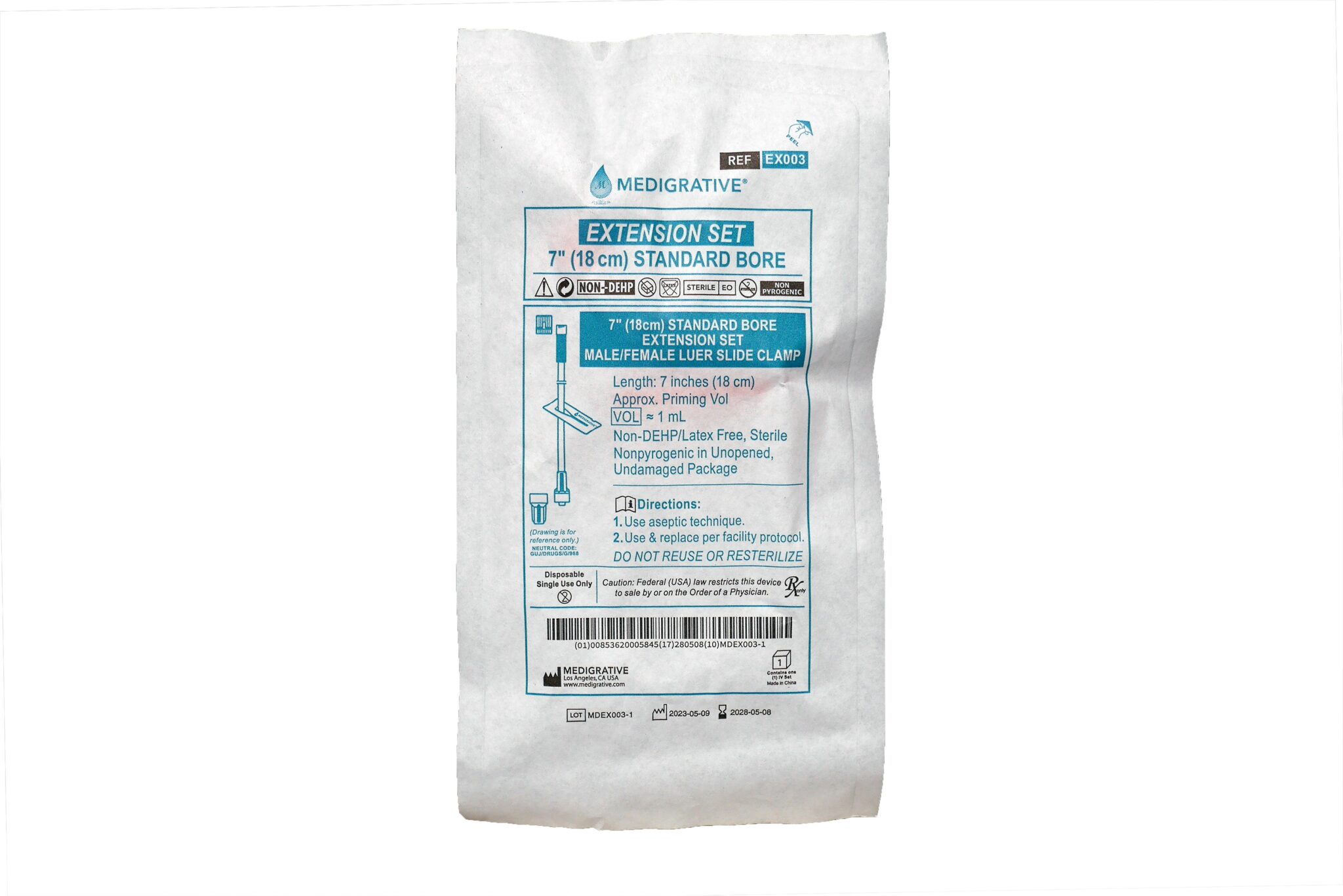
How clinics compare different types of IV administration sets is a matter of selecting tubing, filters, and connectors to correspond to the therapy requirements. Clinics

What types of IV devices are most common in hospitals? Peripheral IV catheters are the most common device, deployed for short-term fluids, medications, and blood

IV administration sets improve patient care efficiency by standardizing fluid delivery, reducing medication errors, and cutting nursing time per infusion. IV administration sets increase patient
Senior Clinical Content Editor
Jennifer Martinez is a healthcare content specialist focused on vascular access, infusion therapy, medical supplies, and healthcare procurement. She develops clear, research-driven educational resources that help healthcare professionals stay informed about industry best practices, product innovations, and clinical decision-making.