Advanced IV devices help hospitals improve efficiency by combining smart infusion pumps, barcode medication verification, and integrated software that supports standardized workflows. These technologies automate dose calculations, document infusion activities, and generate real-time alerts, reducing manual tasks and helping clinicians focus more on direct patient care. Automated data capture also minimizes documentation errors while improving workflow consistency across departments.
In addition, information collected from connected IV devices supports quality audits, inventory management, and resource planning by identifying usage patterns, reducing medication waste, and preventing supply shortages. When integrated with electronic health records and centralized monitoring systems, these devices provide greater visibility into medication administration and performance across the hospital. The following sections explore the key features, implementation strategies, and performance metrics healthcare organizations can use to maximize operational efficiency with advanced IV technology.
Key Takeaways
- Advanced IV devices streamline clinical workflow by automating documentation, integrating with patient logistics systems, and reducing procedure delays. This allows staff to spend more time on direct patient care.
- These devices enhance safety with improved vein visualization, standardized prevention of infections, and monitoring of catheter dwell times. All of these help to reduce complications and medication errors.
- Smart infusion pumps and IV management software raise dosing accuracy and infusion consistency, facilitate medication reconciliation, and deliver measurable improvements in clinical performance.
- By investing in staff training, vascular access teams, and simulation-based practice, hospitals can empower clinicians, increase insertion success rates, and build confidence with new technologies.
- A systems approach that standardizes protocols, enforces compliance checklists, and integrates devices with electronic health records maximizes operational gains and throughput.
- Perform a cost-benefit analysis and create a phased implementation roadmap with stakeholder engagement, training milestones, and performance metrics to ensure long-term value and better patient outcomes.
How Advanced IV Devices Boost Efficiency
Advanced IV devices enhance IV therapy safety by collapsing multiple steps into repeatable, verifiable actions that save minutes from daily work and minimize variation across teams. These advanced vein visualization devices centralize infusion control, logging, and safety checks, allowing clinicians to spend less time on paperwork and more time focusing on patient care quality.
1. Streamlining Workflow
- Automate IV therapy and patient data entry so less manual oversight is necessary, and staff can be available for direct care. Automated logs record start and stop times, volumes, and alerts, reducing charting time and enabling quicker handoffs.
- Connect IV devices to patient logistics platforms to create a seamless patient journey and maximize the inpatient flow business. When pumps communicate status with bed management systems, transfer and procedure preparation times decrease.
- Employ bedside supply carts and systematized IV lines to reduce IV administration delays and enhance procedure preparedness. Prepped carts with marked tubing and pre-programmed drug libraries help nurses initiate infusions more quickly.
- Use patient flow software to track and maximize patient intake, transfers, and get patients home when they should. Real-time infusion status facilitates discharge planning by indicating when IV therapy completion coincides with discharge windows.
2. Enhancing Safety
- Use state-of-the-art vein visualization devices to improve successful catheter insertions and reduce serious complications. More effective first-stick success reduces procedure duration and infection risk.
- Follow infection prevention and sterilization techniques to prevent intravenous infiltration and compromised patient health. Routine device hygiene audits reduce complication-related delays.
- It’s interesting how it is often the most straightforward ideas that create the most profound results. Safety software with drug libraries enforces dose limits and decreases wrong-drug events.
- Track catheter dwell times and insertion sites to quickly identify potential complications or device failures. Monitoring dwell time reduces the response time to infiltration or occlusion.
3. Improving Accuracy
- Tap into intelligent IV workflow for precise dosing and uniform infusions, minimizing infusion mishaps. Intelligent pumps, according to the studies, generated 494 critical catches, resulting in an estimated annual savings of $7,513,333.
- Use IV management software to record real infusion times and medication reconciliation, helping you comply with care protocols. Connectivity with middleware pools device data for audits.
- Let advanced IV technology standardize IV placement success rates and select the right catheter type and size.
- Maintain thorough evaluations of patient history and conditions to tailor targeted treatment planning and minimize clinical errors.
4. Empowering Staff
- Offer clinical training and IV mastery programs to equip healthcare providers with effective IV line management skills. This familiarity increases nurse satisfaction and minimizes hesitation.
- Provide your vascular access teams with the most advanced medical device technologies for complex care environments and delicate procedures.
- Provide patient education and online patient portals to help staff reach out to eligible patients and achieve better results.
- Encourage operational coordination by having staff trained on new IV equipment and protocols.
5. Elevating Outcomes
- Enhance the quality of patient care and outcomes by minimizing IV failure rates and providing uninterrupted healthcare.
- Improve patient safety by reducing catheter complications and serious patient harm with impactful IV therapy assistance.
- Gain patient confidence by providing quality care with state-of-the-art venous access devices and standardized processes.
- Drive predictable discharges and shorter extended stays by increasing IV therapy efficiency and throughput.
The Clinical And Operational Edge
Advanced IV devices, particularly those that enhance vein visualization, create a clinical and operational edge by extending catheter life, minimizing IV complications, and integrating device data into workflows. High catheter survival rates prevent removal for infection or malfunction, which reduces reinsertion and downstream burden on staff. Better devices reduce the number of unsuccessful insertion attempts, improving patient care quality and comfort. These gains matter because unpredictable patient flow and limited capacity make every saved minute and avoided complication a tangible operational victory.
Performance
Trackable metrics make the impact of advanced vein visualization devices visible. By tracking successful catheter insertion rates, the number of insertion attempts per patient, and dwell-time averages, healthcare facilities can demonstrate gains post-device deployment. It is essential to contrast baseline results with after-implementation data to measure IV therapy safety and complication reduction, leading to less catheter removal. Note effects on throughput: shorter infusion start times, reduced bed hold times, and faster discharge decisions. Use concrete examples: a 15 to 30 percent drop in reattempts after staff training with a new IV set or a 20 percent faster infusion initiation when smart pumps auto-load protocols. Log medication errors related to IV setup, as many hospitals report fewer wrong-rate deliveries once their devices enable dose checks and barcode scanning.
Integration
Seamless data flow is still a central problem in healthcare operations. Almost half of healthcare data goes unused as systems don’t share cleanly. To enhance patient care quality, ensure IV therapy safety by making certain IV devices communicate with electronic health records and medication administration systems using industry-standard protocols like HL7 and FHIR. Push device status to patient portals and hospital dashboards so clinicians and patients receive real-time updates. Synchronize device data with scheduling and telehealth platforms to streamline the flow between diagnostic testing, infusion suites, and outpatient follow-up, while also minimizing IV complications through effective management software interoperability.
Validation
Validation on the strength of strict proof and explicit adherence is essential for IV therapy safety. Leveraging clinical trial data and real-world evidence from acute care chains can help substantiate claims regarding device efficacy and catheter survival. It is crucial to verify that devices comply with regulatory standards and guidelines. Developing an insertion and maintenance checklist, along with structured feedback from frontline clinicians, will enhance patient care quality and operational efficiency within healthcare facilities.
Beyond The Device: A Systems Approach
A systems approach views advanced vein visualization devices as a component of a broader ecosystem of people, processes, and data. Device-fixing by itself won’t address uneven patient care quality, rising costs, or low productivity. Hospitals need to establish strategic guidelines and feedback loops to ensure that devices support quantifiable improvements in IV therapy safety and efficiency.
Standardized Protocols
Unify preparation, insertion, and maintenance across units and sites to minimize practice variation in care and device use. This should include protocols for PIVC insertions, central line care, dressing changes, and infusion documentation. Use checklists to minimize oversights and render handoffs explicit.
- Pre-use device checks and calibration
- Patient assessment and vein selection criteria
- Aseptic insertion steps and time-stamped start documentation
- Securing, dressing change frequency, and tubing exchange intervals
- Regular site checks and escalation triggers for infiltration or infection.
- Medication compatibility and infusion rate verification
- Data capture for complications and device usage rates
Oversee adherence with checks and automated records. Documentation errors for infusion start times are all over the map, anywhere from approximately 1 to 31 percent, so time-stamped electronic records and barcode scanning help close that gap. Ongoing surveillance detects adherence holes and aids focused education and workflow modification.
Specialized Teams
Create vascular access teams to consolidate expertise in surge mapping, device selection, and challenging insertions. These teams reduce PIVC failure rates, which hover between 35 and 50 percent without targeted care. Pharmacy techs should manage infusion prep and double-check high-risk meds to minimize dosing and compatibility mistakes.
Put inpatient teams in charge of IV placements, device troubleshooting, and handoffs at transitions of care. Back these teams with escalation paths and the latest visualization tools and infusion pumps. Continuing clinical training, routine competency audits, and common outcome dashboards keep teams connected to system priorities.
Continuous Training
Plan dedicated sessions on new devices, insertion, and infection prevention through simulation labs for challenging cases like kids’ access, obese patients, or emergency insertions, because simulation improves skill and communication within the care team. Develop a staff training checklist for certification, device-specific competence, and refresh frequency.
Monitor training completion and tie it to performance metrics and rewards. Employ process improvement tools, such as root cause analysis and Plan-Do-Study-Act cycles, to reduce defects and restore trust. A system-wide strategy across departments can deliver tangible improvements in safety and efficiency.
Human Element In IV Care Management

Human factors behind how next-gen IV devices reinvent bedside work are crucial for improving patient care quality. Staff encounter cognitive stress during peak shifts due to disrupted flow, multiple alerts, and conflicting priorities, which can increase the risk of IV therapy safety issues and recording errors. Audits reveal infusion start-time errors in 1% to 31% of cases across 16 trusts, contributing to the 1.8% to 24% rate of accidental dislodgement of venous catheters. Framing device adoption around real work and attention constraints helps mitigate these risks and keeps care timely.
Reducing Cognitive Load
Simpler device interfaces and concise procedure cheat sheets reduce steps and accelerate decisions. Visual design that organizes controls by activity reduces mistakes and minimizes training. Automating chart entries and feeding pump data directly to the electronic health record addresses a key gap. One study found that 68% of pump-recorded start times lagged electronic health record entries by up to ten minutes. Manual entry drives many of the 1% to 31% documentation errors reported.
Provide stepwise prompts for setup and troubleshooting to limit decision fatigue. Visual aids, bedside checklists, color-coded lines, and on-device icons support staff in high-acuity moments. Reminders for dwell-time checks and routine assessments are essential since PIVC failure rates range from 35% to 50%, and up to 53% of lines fail overall. Timely checks reduce preventable complications that prolong stays.
Increasing Staff Confidence
Hands-on practice with advanced vein visualization devices raises first-attempt rates and lowers IV complications. These devices show a first-attempt success rate of 62% to 79%, compared to 47% to 79% for traditional methods. Simulation training is crucial; in a study involving 46 nurses, those who underwent simulation training required fewer insertion attempts and experienced a 21% complication rate versus 33% with conventional training. Tying simulation to annual competency checks helps refresh skills and align staff with new guidelines.
Real-time feedback during placements, including supervisor coaching and device-assisted metrics, promotes the right technique. Publishing results that demonstrate fewer complications and a shorter length of stay can build confidence in new technology. Peer mentoring programs also facilitate the diffusion of tacit knowledge, ensuring high performance in healthcare settings.
Improving Patient Experience
The use of advanced vein visualization devices significantly reduces painful attempts and provides patients with fewer needle sticks, directly enhancing comfort and IV therapy safety. Transparent, peaceful explanations of every step minimize stress and maximize compliance. Patient feedback loops drive care adjustments, while quicker, more dependable IV starts reduce wait times and can prevent additional expenses since IV complications can add around two days in the hospital and approximately $4,000 in costs. Constant observation, personalized interaction, and adjustment based on feedback render IV care safer and more humane.
Financial And Strategic Considerations

Cutting-edge IV therapy safety devices alter cost structures and clinical workflows. Before purchasing, you need transparency regarding financial trade-offs and long-term value, along with an implementation plan that aligns with patient care quality, efficiency, and regulatory guidelines.
Cost-Benefit Analysis
When you compare upfront costs with downstream savings, it’s a mixed, often favorable picture. High-quality smart pumps and closed-system connectors have greater capital and maintenance costs than normal IV sets. Savings accrue from fewer infusion errors, fewer CLABSIs, shorter length of stay, and reduced readmissions.
- Reduced medication errors and wrong-rate infusions
- Lower infection-related treatment costs and antibiotic use
- Less staff time for troubleshooting and documentation
- Fewer device replacements and disposables over time
- Reduced paperwork and record management costs
Any such potential reductions in medication errors correspondingly mean lower liability and malpractice exposure. This relies on baseline error rates, but can be significant. Showing decision-makers a table of net present value, payback period, and cost per avoided adverse event illuminates the investment merits.
Metric | Baseline | With Advanced IV | Delta |
Annual device cost (USD) | 0 | 1,200,000 | +1,200,000 |
Estimated savings from fewer FTEs (USD) | 0 | 22,238,568 | +22,238,568 |
Reduced infection cost (USD) | 2,500,000 | 1,500,000 | -1,000,000 |
Net financial benefit (USD) | – | – | +20,038,568 |
Long-Term Value
Advanced IV therapy safety measures significantly increase productivity and improve patient care quality in the long run by standardizing infusions and enabling data collection. Staff experience fewer manual checks and paperwork, which boosts productivity and decreases burnout, ultimately helping to reduce turnover. Hospitals that leverage lean and Six Sigma approaches often see a greater ROI when they funnel device data into analytics, particularly with advanced vein visualization devices.
Maintaining compliance with infection-prevention standards becomes easier when devices impose protocols. Armed with better data, rolling forecasts allow healthcare facilities to match staffing to demand, avoiding unnecessary hires and supporting emergency readiness while managing costs effectively. This strategic approach enhances patient flow management and operational efficiency.
Better healthcare outcomes foster trust and reputation, which influence patient volume and payer negotiations. Fragmented systems remain a challenge. Integration with electronic health records and supply systems is essential for unlocking the full value of healthcare delivery in hospital settings.
Implementation Roadmap
Start with needs assessment and stakeholder mapping. Pilot devices in high-use units, collect baseline metrics,s and then scale based on measured gains.
Phase | Key steps | Timeline |
Assess | Baseline metrics, cost models, stakeholder input | 1-2 months |
Pilot | Deploy in one unit, train staff, monitor metrics | 3-6 months |
Scale | Integrate with EHR, expand units, refine workflows | 6-18 months |
Sustain | Ongoing analytics, maintenance, and continuous improvement | Ongoing |
Training, support, and resource allocation need to be clear. Engage clinical engineering, IT, finance, and frontline nurses to prevent siloed rollouts and to align with strategy.
The Future Of Intravenous Therapy
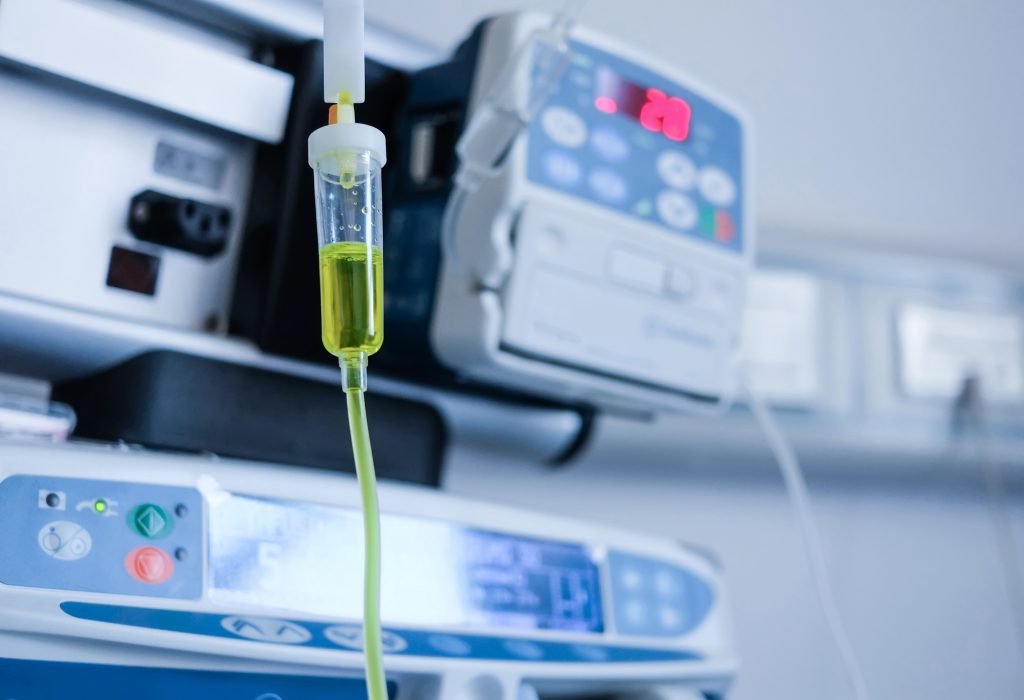
The future of IV therapy safety will focus on precision and efficiency advances powered by closer hardware and software integration, and intelligent automation. Smart infusion pumps are getting finer dose control, closed-loop features, and built-in clinical decision support that reduce the 21 points where one infusion can go awry. AI will assist in flagging risky orders, recommending dose adjustments by weight and kidney function, and learning from local incident data to avoid repeats. Barcode systems and scanners already reduce administration errors by as much as 80 percent. Combining those with pump libraries and AI checks will make that advantage more uniform across shifts and healthcare facilities.
Broad adoption of advanced vein visualization devices and sterilization technology will move IV insertions from blind guesswork to mechanical, predictable tasks. Near-infrared (NIR) vein lighting will increase first-stick success, eliminate delays, and reduce the need for ultrasound in many cases. Better sterile single-use kits and ultraviolet or antimicrobial surface technology will reduce infection risk at the insertion site. Because these devices are getting smaller and cheaper, you can expect them to push out of tertiary centers and into community hospitals and outpatient clinics, where nurse shortages make every successful stick more precious.
Patient-centric IV therapy will turn on a constant data stream and remote connections. Pumps and bedside monitors will send infusion rates, line pressures, and patient vitals to a centralized dashboard. Telehealth connections enable off-site pharmacists or critical care nurses to review infusions in real time, modify protocols, and guide bedside staff through complicated cases. Data analytics will identify patterns such as late boluses, common alarm types, or units with high line failure and inform focused training or device swaps. Automation will liberate staff from mundane checks so nurses can concentrate on intricate judgment calls and patient care quality.
Evolving clinical and regulatory pressure will require continuous change management. New device classes and AI features prompt concerns over validation, liability, and auditing automated decisions. Hospitals will require formal pathways for device rollouts, ongoing post‑market surveillance, and plans to retrain staff to satisfy stricter standards. Technology may soften the blow of labor shortages, but safe adoption needs oversight, transparent escalation routes, and outcome metrics.
Conclusion
How hospitals get more efficient with advanced IV devices. Sensors and smart pumps prevent typical mistakes. Data feeds assist in identifying supply gaps and optimizing workflows. Nurses spend less time on shallow rounds and more time at the bedside. Hospitals reduce line infections and drugmismatchesh. Finance teams realize quicker returns through decreased waste and reduced readmissions. IT teams get transparent, actionable data that integrates with EHRs. They lead, and leaders build a steady, scalable IV program by pairing tech with clear protocols and training. Clinicians maintain the ultimate control, not the device. Small pilots show big gains: one ward cut IV setup time by 30 percent and dropped errors by half. Try a pilot in your own unit and monitor the time, cost, and safety metrics.
Frequently Asked Questions
1. How Do Advanced IV Devices Improve Medication Accuracy?
Hospitals can increase efficiency with advanced IV devices, improving IV therapy safety and enhancing patient care quality.
2. Can These Devices Speed Up Nurse Workflows?
Yes. Automation and protocol presets enhance IV therapy safety by reducing manual programming, allowing nurses to focus more on patient care quality at the bedside.
3. Do Advanced IV Systems Reduce Infusion-Related Infections?
Certain advanced vein visualization devices offer closed systems and needleless connectors that enhance IV therapy safety and reduce the risk of contamination.
4. What Operational Benefits Do Hospitals See Immediately?
Hospitals typically experience better bed usage, improved patient care quality, and reduced medication errors within weeks of deploying advanced vein visualization devices.
5. How Do IV Devices Support Staff Training and Compliance?
Smart pumps track usage and variations, enhancing patient care quality by enforcing protocols and facilitating audits for regulatory compliance in healthcare facilities.
6. Are There Measurable Financial Returns From Upgrading IV Technology?
Yes. Savings derive from fewer adverse events related to IV therapy safety, lower length of stay, and less supply waste in healthcare facilities. Return on investment timelines differ but are typically in the one to three-year range.
7. How Will IV Therapy Evolve With New Technology?
Anticipate closer electronic health record integration, advanced vein visualization devices, and closed-loop systems that eliminate more human error and optimize healthcare outcomes.