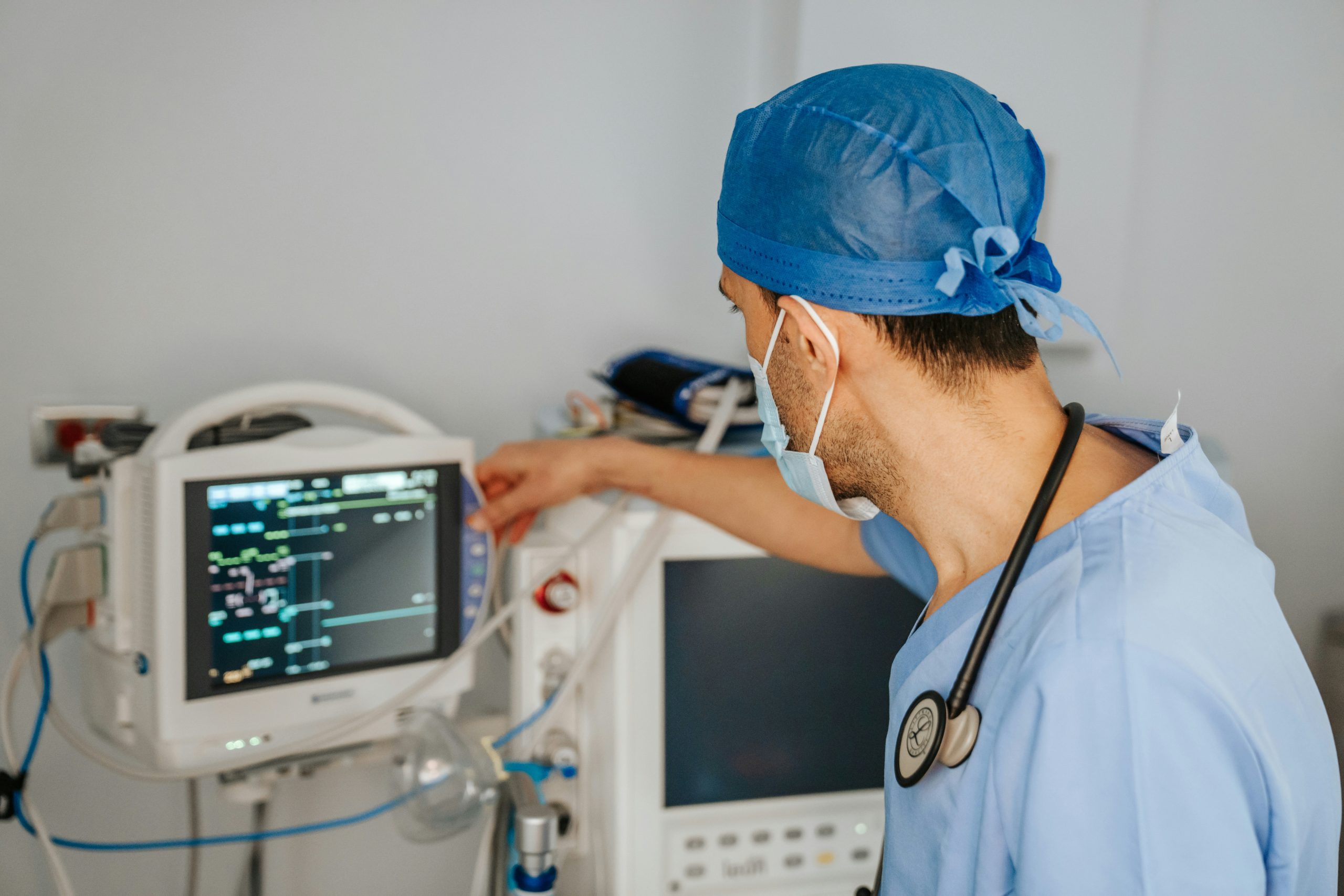

Medical devices contribute to fortifying patient safety protocols by providing real-time information, proactive warnings, and continuous monitoring throughout patient care. Trusted equipment, such as infusion pumps, heart screens, and ventilators, observes and monitors essential body signs. They assist in identifying complications quickly and reduce the likelihood of errors. In collaboration with healthcare personnel, these technologies promote safe medication dosages, correct treatment procedures, and optimal patient outcomes. When configured properly, medical devices reduce risk and increase confidence in treatment. To comply with international standards, manufacturers and hospitals maintain, calibrate, and repair devices regularly. Strong ties between engineering teams and medical staff ensure devices are secure and functional. The following sections dissect how devices integrate into safety plans.
Key Takeaways
- Crucial to patient safety by advancing diagnostic accuracy, therapeutic precision, real-time monitoring, and infection control throughout healthcare systems worldwide.
- Ongoing staff education, service maintenance, and protocol evolution remain essential for medical devices to be safely and effectively integrated into clinical workflows. This integration enables dependable patient outcomes.
- Due diligence on device vendors, such as quality and regulatory checks, assists healthcare organizations in finding trusted partners and meeting global safety standards.
- Manufacturers are key by emphasizing device design, biocompatible materials, post-market surveillance, and clear reporting.
- Cybersecurity cannot be an afterthought, as medical devices are at risk of data and identity breaches, hijacking, and even system failures that can impact physical safety.
- Continued awareness of new technologies, active collaboration with industry stakeholders, and a commitment to continuous improvement will be required to drive patient safety through medical device innovation.
The Core Functions In Patient Safety
Patient safety stands upon a handful of functions: prevention, diagnosis, treatment, rehabilitation, and palliation. Medical devices lie at the core of each of these functions. Their meticulous design, oversight, and continuous evaluation assist in keeping hazards minimal and outcomes transparent. International standards such as ISO 14971:2000 guide how devices should be made and used to keep hazards at bay. Device choice, management, and post-market surveillance all contribute to safety, not simply the device.
1. Diagnostic Accuracy
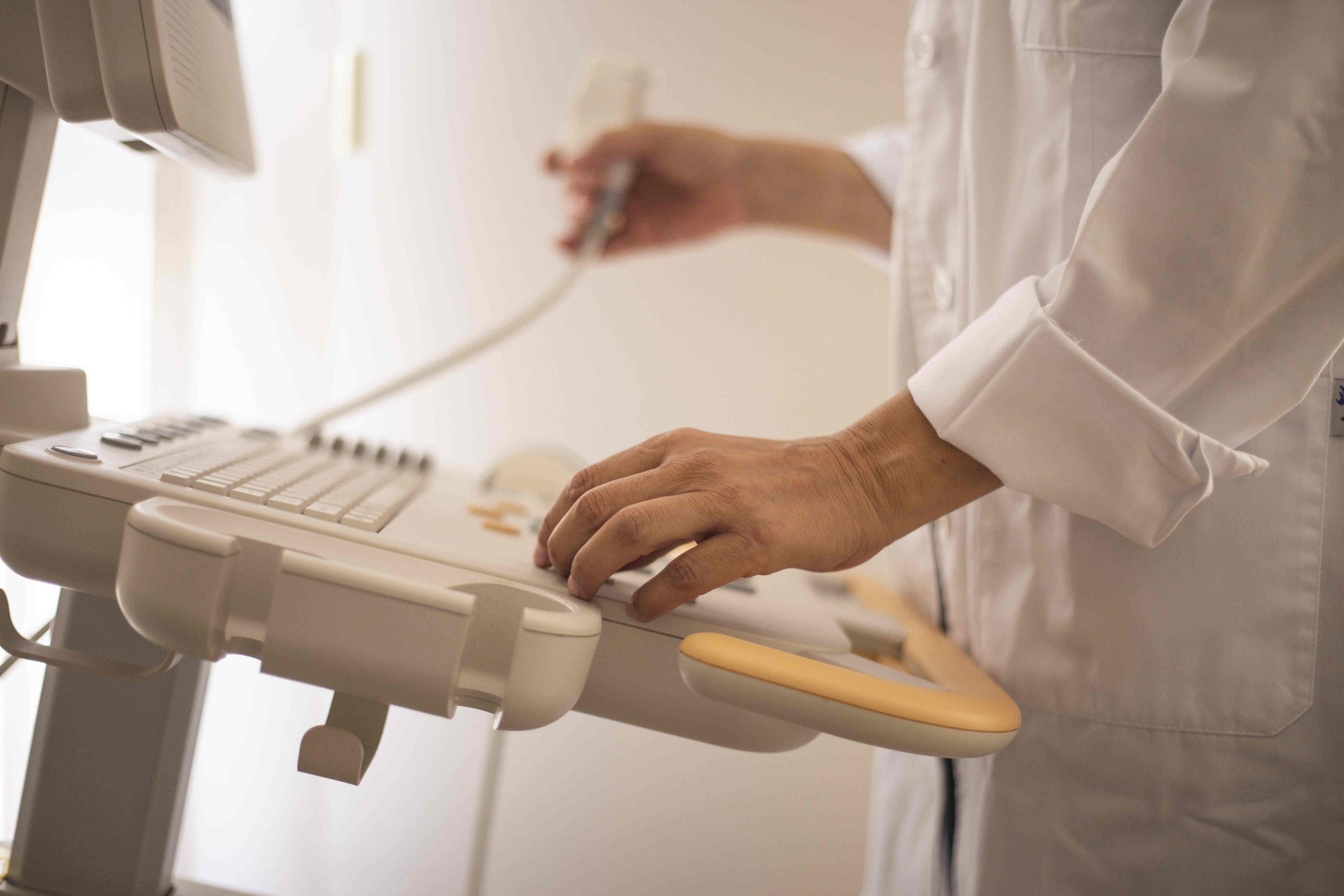
Diagnosis accuracy is crucial. Digital imaging devices, PCR analyzers, and handheld ultrasounds must demonstrate high sensitivity and specificity to detect disease and reduce false positives. Keeping these tools working right requires routine calibration and checks, with transparent logs maintained for every instrument. Core Functions in Patient Safety: staff require hands-on training, not just manuals, to prevent easy-use errors. Checking the info that these things gather can detect care gaps or emerging patterns, allowing teams to act before issues escalate.
2. Therapeutic Precision
Therapies must fit each patient. Infusion pumps and smart inhalers administer doses tailored to the patient’s response, not a generic dosage regimen. Tracking the impact involves using feedback from the patient and clinical data to determine if the device is performing as intended. Precision is the point with tools such as insulin pumps, which deliver just enough dose to sustain without hurting. Staying current on new technologies and practices enables teams to provide care that meets the most recent standards.
3. Continuous Monitoring
Real-time monitoring devices, such as ECGs and pulse oximeters, monitor vital signs with immediate feedback. Wearables push this reach beyond the walls of the hospital, providing a constant stream of information to remote care teams. Alerts have to have response actions. Staff have to know what to do when a device flashes an alarm. New tools come quickly, so regular reviews keep the tech relevant.
4. Infection Control
Intrinsic barriers or easy-clean surfaces built into devices help prevent infection. Training includes not only use but also deep cleaning, with audits verifying that such steps are taken. Reports from these audits assist in identifying vulnerabilities. Partnering with device providers committed to infection prevention delivers safer care choices.
5. Error Reduction
These basic interventions have proven surprisingly powerful in preventing errors at the bedside. A culture where errors can be openly reported without fear promotes learning. Devices now alert users to dangerous settings or overlooked actions. Reviewing incident logs brings trends to light and allows safety teams to make adjustments before mistakes recur.
Evaluating Device Suppliers
Selecting medical devices for patient safety measures involves more than just reviewing spec sheets. A good evaluation process validates supplier trustworthiness, quality, and continued support. There are five main criteria: performance, compliance, support, partnership, and cost. It needs to be obvious and reproducible, with each step grounded in evidence and real data. Insufficient oversight, marred by resource constraints and conflicts of interest, may endanger patients. Systematic reviews, peer-reviewed studies, and oversight from agencies, both domestic and international, assist in identifying data and compliance gaps, particularly as many devices enter the marketplace with little evidence.
Applied Clinical Performance
Focus on devices in situ, not in the lab. Real-world performance data analysis identifies problems or advantages unseen in lab tests. Consult references from other hospitals and clinics, but these anecdotes can expose real-world issues or special features. Contrast user satisfaction scores. These indicate everyday dependability and user-friendliness. Price alone is deceptive, and the total cost of ownership includes maintenance, downtime, and training costs to the mix, providing a more complete view of value.
Verifying Compliance
Be sure to ensure that any device suppliers have regulatory marks, FDA clearance, and ISO certifications, among others. Request documentation from suppliers to demonstrate this conformance, including audit reports and safety records. Just because it’s compliant once doesn’t mean it will be next time. Audits and spot checks help ensure it continues to be. Device suppliers are regulated, and regulations change, so keep up-to-date with new rules that affect device sourcing and safety.
Assessing Support
Robust tech support is essential post-purchase. Staff training onsite, remotely, or via detailed manuals enables safe, proper use. Fast, informed service responses mean no care bottlenecks. Transparent, direct lines of communication to suppliers facilitate quick troubleshooting and assistance.
Long-Term Partnership
Work with device suppliers who believe in relationships, not transactions. Flexible contract terms allow your facility to adjust to shifting demands and technology. Frequent meetings will keep device suppliers up to speed on your objectives and device performance. Partners who support your growth by providing upgrades, training, or research support help create safer, better care as you evolve.
Manufacturer Safety Responsibilities
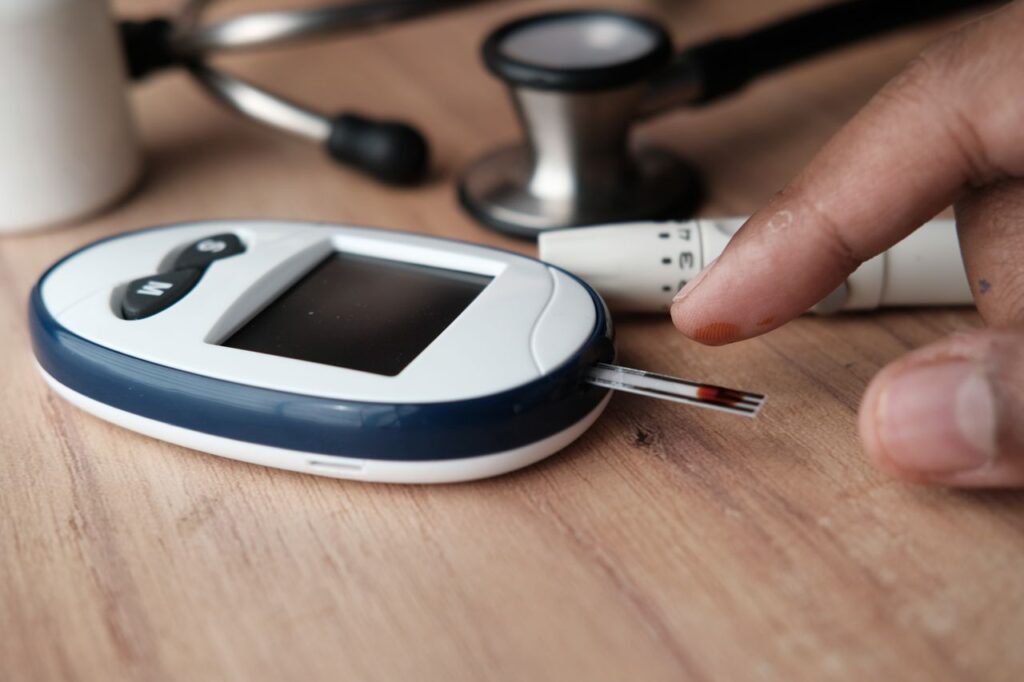
Patient safety depends on device reliability. Manufacturers are required to adhere to rigorous standards to mitigate danger and safeguard users in any context. Medical device quality management is defined by ISO 13485, while ISO 14971 establishes risk management. All devices need to pass safety and performance standards set forth by international standards like GN-16. Manufacturers should record every step, from design to post-market, to prove compliance and protect patient outcomes.
Design Integrity
Safety begins at the design level. Devices need built-in safety mechanisms that keep things from going haywire, such as alarms for abnormal readings or failsafes that interrupt unsafe use. Easy and safe to use, usability should become a need for healthcare staff, with intuitive controls and instructions that minimize human errors. All designs must adhere to established safety measures and demonstrate conformity to international standards. Engaging end-users in product development helps catch these real-world hazards, which makes the device both safer and more usable. The design and packaging must further facilitate proper use, even when devices are paired with others or used in sophisticated care environments.
Biological Material Compatibility
Manufacturers must disclose information about any substances in a device. Biocompatibility testing assures that materials are not harmful, such as causing allergies or toxicity. Testing encompasses lab analysis to real-world simulations, with outcomes meticulously recorded. Any material that has caused past recalls or alerts should be flagged and swapped for safer alternatives. Manufacturers partner with vendors who verify that their substances are safe and non-toxic, providing an additional safety net for patients.
Post-Market Monitoring
Post-release, performance and safety need to be monitored rigorously. Manufacturers establish processes to gather problem information, including adverse events and close calls. This information is reviewed to identify patterns that could indicate underlying safety concerns. If issues are identified, manufacturers have to move quickly to resolve them, occasionally recalling devices or revising directions. This loop keeps the device safe as new threats emerge in the wild.
Transparent Reporting
Manufacturers should transparently report device safety and performance. Reports must be easily available to health professionals, regulators, and patients. There should be regulations for how updates and risks are communicated so that all parties are notified. Communication includes recalls, new hazards, or changed performance. By fostering a culture of openness, you make it more likely that these types of problems will get caught and fixed early, which keeps patients safer.
Integrating Devices Into Protocols
Medical devices make patients safer only when they’re well integrated into protocols. Creating explicit protocols for how new devices become part of care is essential, from installation to regular use. Protocols must cover everything: how staff use devices, when alerts go off, how data flows into clinical decision support systems (CDSS), and what happens when devices flag problems. For instance, an intravenous pump connected to a CDSS can transmit real-time infusion data to avoid medication errors and generate early warnings. These protocols develop over time as feedback is received and as technologies evolve, keeping up to date with new standards and patient requirements. It’s not just a technical process. Nursing, pharmacy, IT, and engineering teams need to collaborate to ensure devices enable safe, efficient workflows and minimize alert fatigue, a risk when clinicians are distracted by too many alarms.
Interoperability
Compatibility counts. Integrating devices into protocols includes verifying that they work well with EHR, network, and other monitoring tools. Most hospitals prefer devices that use standard data formats and facilitate open communication so that data flows between systems. Connecting smart IV catheters to fuzzy logic can allow a system to alert about early signs of failure only if data is moving freely between the pump and CDSS. Frequent retesting is essential. Systems need to be tested not only at launch but on an ongoing basis as updates and new devices are introduced. Poor interoperability can stand in the way of predictive analytics or AI-driven alerts, rendering care less safe.
User Training
- Clear, role-specific instructions for each device
- Hands-on practice sessions, including device setup and troubleshooting
- Scenario-based simulations to mirror real-world patient care
- Emergency procedures and alert response drills
- Digital resources and manuals for quick reference
Hands-on experience trumps classroom time. Simulations enable staff to practice with real information, enhancing confidence and competence. Refresher courses are important as devices evolve and protocols change. Every time they use the products, the protocols throw them off, and WANDA jumps in with suggestions. Training programs should be evaluated by tests and staff input so lacunae can be addressed.
Maintenance Schedules
By integrating devices into protocols, regular device inspections decrease the likelihood of unexpected breakage. Your schedule should have daily, weekly, and monthly tasks from manufacturer recommendations and clinical requirements. Each check is recorded. This establishes confidence and simplifies trend or problem identification.
Sharing maintenance guides with staff ensures everyone is aware of their role. Staff need to understand why maintenance matters. A missed check could lead to patient harm, especially when devices manage fluids or medications. Partnering with device manufacturers helps customize the timeline to actual use cases, not just blanket policies.
The Hidden Risk Of Cybersecurity
Medical devices do far more than monitor or treat patients now. With IoT and cloud connections, these devices store, process, and exchange sensitive medical data. More connections mean more paths for cybercriminals to infiltrate. Devices in ICUs, anesthesia machines, and even home-use wearables can be vulnerable. The drive for remote care and self-monitoring introduces additional risks. Medical device cybersecurity isn’t an IT issue, but it’s patient safety. Hospitals and clinics need to keep pace as threats escalate and evolve.
Data Breaches
A vulnerability in one device, such as an infusion pump or MRI machine, can provide hackers an entry point. Breach indicators might be logins at odd hours, weird device behavior, or massive downloads. Routine inspections by IT teams and device vendors can detect these at an early stage. When a breach occurs, swift action is critical. Quarantining the device, notifying personnel, and adhering to a predefined response plan can mitigate damage. Employees should understand the importance of securing data. Preserving patient confidence requires collaborating with IT, training all staff, and sustaining awareness.
Device Hijacking
Hijacking is when a person controls a device. It could be as straightforward as adjusting settings on a pacemaker or as sophisticated as powering down life-support machines. Security measures encompass robust passwords, restricting access to devices, and patching software to seal identified vulnerabilities. Updates have to be frequent, as hackers are quick. Employees need to be on the lookout for abnormal behavior, such as devices powering on or off spontaneously. It is important to report odd behavior. In recent years, a few hospitals have experienced actual attacks where hackers attempted to alter drug doses or take down systems. These tales emphasize why all of us must remain vigilant and respond quickly.
System Failures
Not all risk is external. They can crash from bugs, power outages, or excessive strain. It’s not just best practice to have a backup plan. This implies routine device tests and employee drills, so that all know what to do if a system crashes. Quick and transparent failure messages help reduce panic. Backup tools, like extra monitors, manual pumps, and paper charts, can keep care going. These actions don’t prevent attacks or errors, but they ensure patients are protected if something happens.
Future Of Device-Led Safety
Device-led safety in healthcare is changing quickly. New technology, tougher rules, and a better understanding of human factors all influence the way medical devices operate and protect patients. Because they can remain in use for a decade or more, the design, safety, and maintenance of these devices must address future risks and threats as well.
Keeping up with new tech is crucial as new devices hit the market. AI and machine learning now detect risks before they occur. For instance, smart monitors detect subtle shifts in patient data, enabling staff to respond quickly. These tools can scan thousands of data points simultaneously, detecting patterns humans might overlook. These tools have to fit naturally into your workday and be easy to use, or errors will creep in. A real problem is bad design, think infusion pumps or barcode scanners, where difficult-to-use configurations compel staff to take shortcuts, endangering patients.
Cybersecurity is a major worry. In 2022, a few big deperimeters indicated the soft underbelly and weak spots of device networks. Devices now require vulnerability scans and rigorous penetration testing before deployment, so weak points are identified and patched. It’s not just about patient data privacy. It’s about safety as well. Hackers who get into device controls can cause actual damage. There are new rules, including the EU’s MDR and IVDR, that seek to enhance device auditing and protection from cyber threats.
Collaborating with industry leaders to establish device-led safety standards means not just making devices smarter, but safer and easier to use in real work settings. Human factors engineering, researching how people interact with devices, is now a necessity. It assists teams in identifying where workarounds or uncertainty may introduce risk. For example, slapping barcodes on walls instead of patients is an indication that device design doesn’t fit real-world needs.
Continual research is required to keep pace with emerging threats and solutions. Here’s what the next phase of device-led safety mixes: smart tech, human-centered design, and robust cybersecurity. It’s all parts, such as tech, people, and rules, playing nicely together to keep patients safe.
Final Remarks
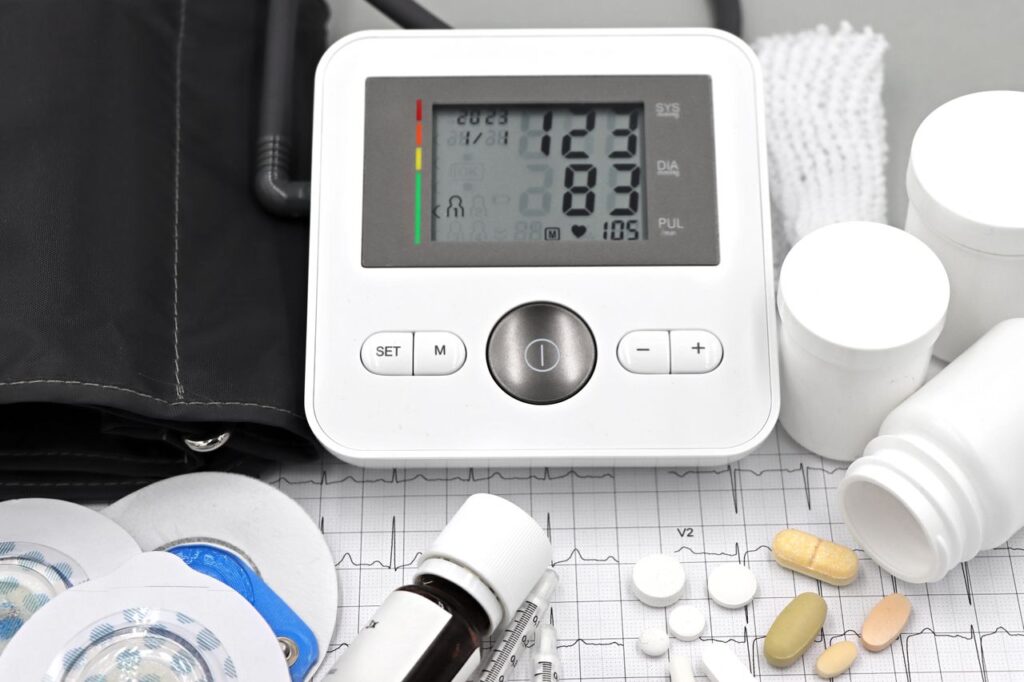
Medical devices are at the core of patient safety. Good design aids nurses in identifying issues quickly. Clear alerts help doctors respond immediately. Tough regulations from manufacturers reduce device errors. Something medical devices do that patient safety checklists don’t is that teams who test gear typically find tiny glitches before they cause injury. As cyber risks increase, experts test device connections and replace vulnerable software promptly. Fresh instruments, such as wireless monitors, now gauge health on a live basis. Care providers who implement them require hands-on instruction and simple instructions. Collaborating with reliable vendors such as Merit Pharmaceutical ensures access to dependable, innovative solutions that support optimal patient outcomes. Interested in staying current on the latest medical safety tools? Subscribe for updates and insights.
Frequently Asked Questions
1. How Do Healthcare Providers Select Safe Medical Devices?
Providers evaluate suppliers based on quality, regulatory certifications, performance data, and user feedback. This ensures devices meet international safety standards and patient care needs.
2. What Are Manufacturers’ Responsibilities For Device Safety?
Manufacturers must adhere to rigorous design, testing, and reporting standards. They assume safety risks and make sure their devices remain reliable and safe during use.
3. How Are Medical Devices Integrated Into Patient Safety Protocols?
Healthcare teams incorporate device use into safety practices. That includes employee education, regular upkeep, and defined procedures for use to guarantee patients’ well-being.
4. Why Is Cybersecurity Important For Medical Devices?
Connected devices are susceptible to cyberattacks. Securing medical devices from unauthorized access protects patient information and prevents interruptions in patient treatment.
5. How Can Patients Benefit From Safer Medical Devices?
Safer devices prevent complications, shorten recovery times, and enable providers to offer more consistent care, impacting patients around the world.
Power Your Practice With Reliable Medical Devices From Merit Pharmaceutical
Running a busy medical practice requires more than just high-quality care—it requires dependable medical devices that arrive on time, perform consistently, and meet strict clinical standards. When supply issues arise, such as backorders, inconsistent product quality, or last-minute substitutions, they can disrupt workflows and add unnecessary strain to your team.
Merit Pharmaceutical supports healthcare providers with a broad portfolio of medical devices and clinical-use supplies designed to help maintain consistency and reliability in everyday care. From essential IV administration components and extension sets to a wide range of clinical and injectable solutions, every product is selected with a focus on safety, performance, and dependable supply continuity.
As an FDA-registered, Los Angeles-based supplier with more than 40 years of industry experience, Merit Pharmaceutical understands the demands of clinical environments and the importance of regulatory compliance and product consistency. The company also works with established global manufacturers such as Abbott, BD, Baxter, and B. Braun to help ensure providers have access to trusted, high-quality options.
Choosing Merit Pharmaceutical means partnering with a supplier focused on reducing supply chain friction and supporting smoother procurement processes—so your team can stay focused on patient care rather than sourcing challenges.
Contact Merit Pharmaceutical to learn more about available medical device solutions or to set up an account and access competitive pricing tailored for healthcare providers.
Disclaimer
The information provided on this website is intended for informational and educational purposes only. It is not a substitute for medical advice, diagnosis, or treatment, and should not be relied upon as such. Healthcare professionals should always use their own clinical judgment when selecting and administering medical products. Patients should consult with a qualified healthcare provider regarding any specific medical condition or treatment.
While we strive to keep product details and information current, Merit Pharmaceutical makes no guarantees as to accuracy, completeness, or applicability to your particular situation. Do not act or refrain from acting solely based on information from this site without seeking appropriate medical or professional guidance. To the fullest extent permitted by law, Merit Pharmaceutical disclaims all liability for any decisions or actions taken based on the contents of this site.