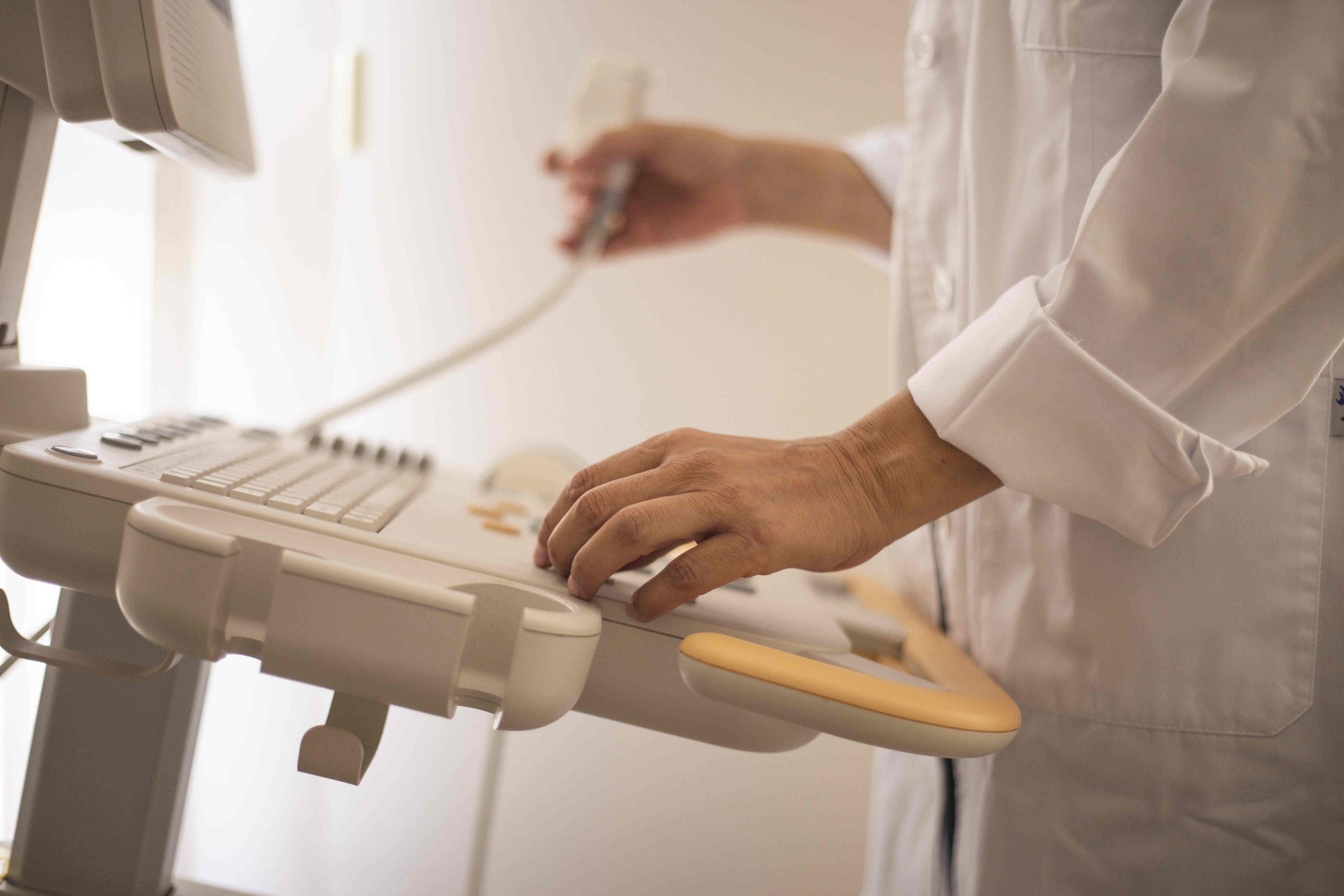
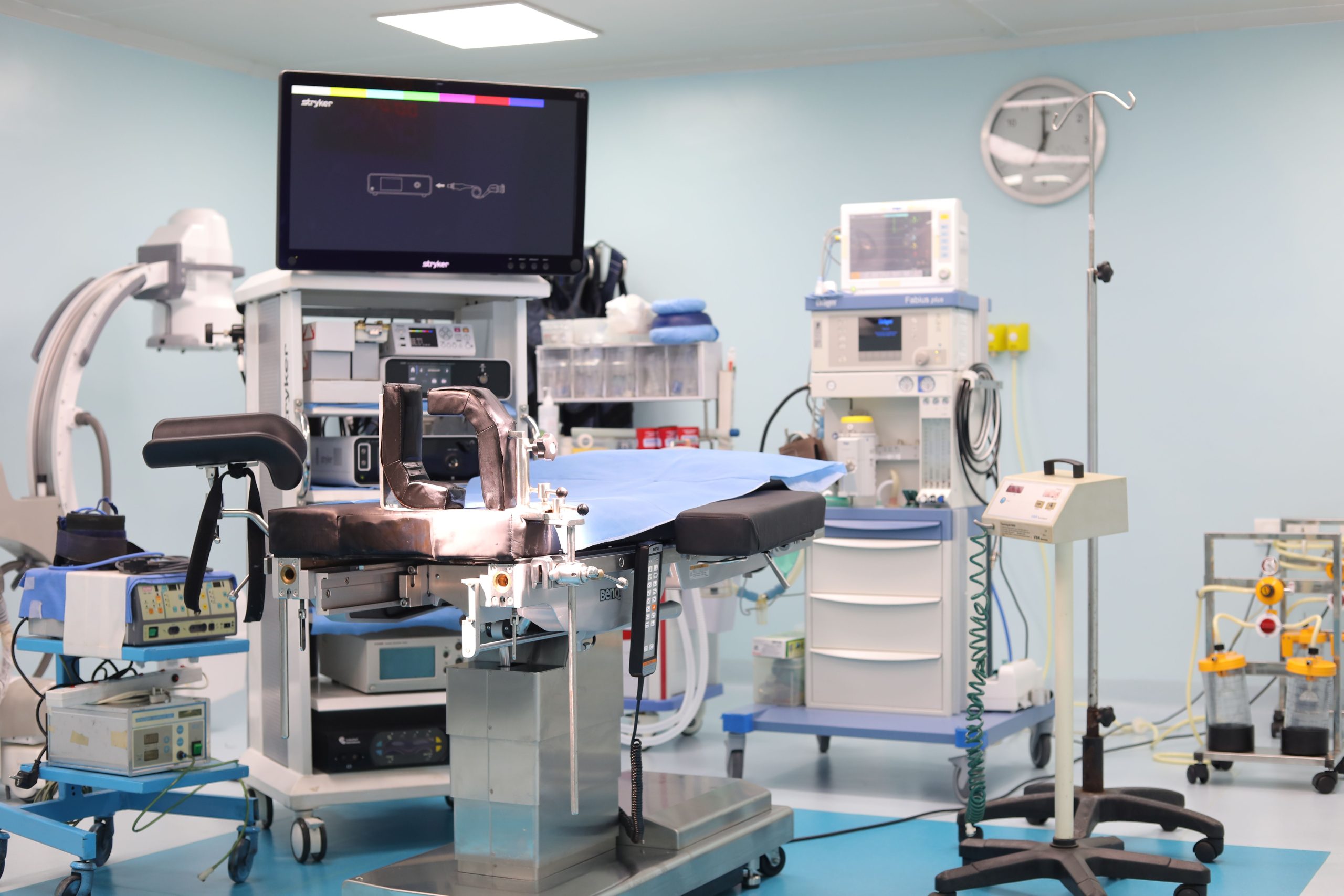
What types of IV devices are most common in hospitals? Peripheral IV catheters are the most common device, deployed for short-term fluids, medications, and blood draws in ward and emergency settings. Central lines, including PICCs and tunneled lines, provide long-term IV therapy, vasopressors, and parenteral nutrition. Midlines fill the middle ground for one- to four-week therapies when central access isn’t needed. Infusion pumps, both volumetric and syringe, offer controlled delivery rates and dose precision for essential medications. Elastomeric pumps power outpatient antibiotics and pain therapy. Below, we expand on device selection, failure modes, insertion practices, and monitoring strategies employed in contemporary clinical care.
Key Takeaways
- Peripheral, central, and midline catheters and implantable ports form the core IV device set and should be chosen based on vein size, expected therapy duration, and patient condition to balance access needs with complication risk.
- Administration sets, including tubing, drip chambers, and ports, must be compatible with chosen catheters and solutions and maintained on hand in standard and specialty configurations to accommodate diverse therapies.
- Infusion pumps, notably programmable smart pumps with drug libraries that reduce medication errors and allow complex regimens, need regular calibration, maintenance, and staff training to operate safely.
- Common IV solutions like normal saline, lactated Ringer’s, and dextrose are chosen by clinical need and drug compatibility. Hospitals must ensure sterile handling, appropriate storage, and dependable vendors.
- Device procurement must use a checklist balancing clinical performance, safety profile, interoperability, and total cost of ownership. It must include frontline clinician input for practical usability.
- Continuous clinician education, infection-prevention protocols, safety-engineered devices, and multidisciplinary teamwork are critical to reducing risks such as infection, occlusion, infiltration, and thrombosis.
The Essential IV Device Toolkit
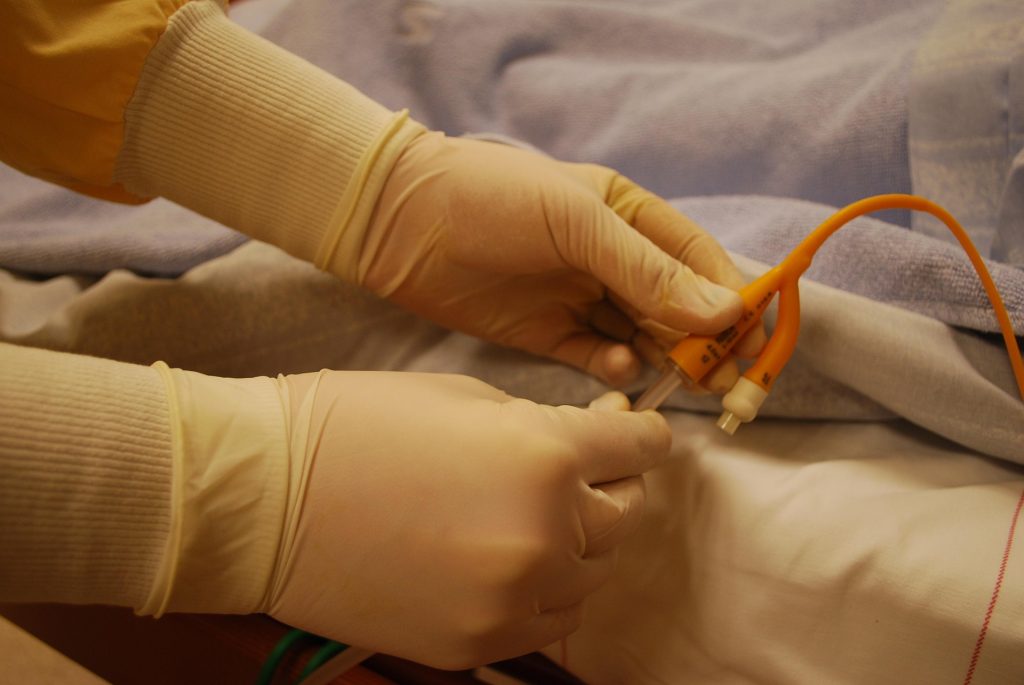
An IV device toolkit, essential for intravenous access, includes all the basic supplies for administering fluids and drugs through IV catheters. From emergency resuscitation to long-term therapy, this toolkit must balance reliability, sterility, and compatibility.
1. Catheters
Peripheral IV catheters provide short-term access for routine fluids and medications, while midline catheters can offer one to four weeks of use if central venous access is not indicated. Central venous catheters and implantable ports are essential for long-term, high-flow, or vesicant therapies, delivering safe intravenous access for repeated use. The selection of the appropriate IV line is based on vein size, duration, drug characteristics, and patient condition. For instance, a small, fragile vein will require a smaller gauge peripheral IV catheter, whereas a long-term chemotherapy patient may need an implanted port. Correct catheter insertion technique is crucial to minimize risks such as infiltration, thrombosis, and infection.
2. Administration Sets
Administration sets consist of IV tubing, drip chambers, clamps, free injection ports, and, frequently, an inline filter to prevent bacteria and Candida. Extension sets connect directly to peripheral IV catheters to extend reach and minimize line manipulations. As we discussed previously, compatibility between sets, catheter hubs, and solutions prevents leaks and accidental disconnection. Select luer-lock compatible components and maintain obturator male/female luer lock caps. Have a combination of your standard gravity sets and low-volume/filter-equipped IV lines to pair therapies. Maintain site hygiene with sterile technique, microporous tape for securement, and alcohol prep pads during connections.
3. Infusion Pumps
Volumetric pumps provide fixed flow rates for larger-volume infusions, making them essential for intravenous access in various medical settings. Syringe pumps are particularly useful for accurate small-volume delivery of potent drugs, especially when using IV catheters. Programmable pumps minimize dosing errors and enable complicated regimens like multi-rate or titrated infusions, which are critical for patient safety. Regular calibration and preventative maintenance are necessary to ensure optimal performance in delivering IV lines.
4. IV Solutions
All of these are commonly infused with fluids such as 0.9% sodium chloride, lactated Ringer’s, and dextrose solutions through IV catheters. Solution selection corresponds with fluid requirements, electrolyte targets, and drug compatibility. Some medications require special diluents. Keep fluids sterile as per vendor instructions. Open bags should be discarded within 24 hours, and IV lines should be frequently changed within 24 hours, with some medications requiring more frequent changes. Reliable sourcing protects against shortage.
How Hospitals Select Devices
How hospitals choose devices involves matching the type of device to the therapy required: peripheral IVs are used for short-term fluids or medications, while PICC lines are ideal for extended courses. When long-term access or high-osmolarity solutions are necessary, central lines are preferred. Patient condition plays a significant role in this decision-making process, as fragile veins, obesity, or limited peripheral access lead teams to consider options like tunneled central catheters or PICCs. The length of therapy also dictates the choice; central access is best for weeks to months, whereas peripheral lines are suitable for hours to a few days.
The evaluation focuses on clinical performance, reliability, and safety. Clinicians assess device failure rates, the frequency of occlusions, and compatibility with the infusions that need to be administered. Safety features that minimize risks, such as CLABSI, are crucial, including antimicrobial-impregnated IV catheters, closed-system connectors, and securement devices that help decrease migration and infiltration. Compatibility with infusion types is also checked; infusion pumps are standard for continuous infusions and drugs with narrow therapeutic windows, while syringe or gravity systems may suffice for intermittent boluses.
Procurement experts consider cost-effectiveness and supplier reputation alongside clinical teams. Total cost analyses account for unit price, insertion and maintenance labor, device lifespan, and complication costs like CLABSI treatment. Procurement checks supplier quality metrics, training support, and spares availability. A hospital with a tight budget might favor a device that saves nurse time or decreases complication rates, resulting in lower total costs even if the unit price is higher.
Operational realities significantly impact the final decision. The availability of trained staff and certain equipment, such as ultrasound for difficult needle sticks or pumps for infusion protocols, can limit choices. Patient comfort and mobility are also important; PICCs allow for more movement during long courses than temporary central lines. The properties of medications matter as well; vesicant drugs or high-osmolarity parenteral nutrition often require central access to avoid injury to peripheral veins.
A checklist for selection includes matching the device to therapy type and duration, examining the patient’s vascular condition, and verifying medication compatibility. Safety features such as antimicrobial properties and closed systems should be considered, along with failure and complication data. Determining the total cost of ownership is essential, as is checking for supplier support and training. Finally, confirming the availability of equipment and personnel, as well as considering patient comfort and mobility requirements, rounds out the decision-making process.
The Human Factor In IV Therapy
Safe IV care sits on clear steps: evidence-based practice, standard work, training, and checks. Clinician skill determines if someone needlessly puts a peripheral IV catheter or central line in, with all of the attendant complications of doing so. Nurses and techs who receive training on ultrasound and near-infrared vein imaging insert IV catheters more rapidly and with fewer needle sticks for hard-stick patients. Competency is hands-on experience and documented evaluation; without it, attempts increase and complications ensue. The nursing workforce is aging, with many in their mid-50s and retirements looming, so hospitals need to prepare for the loss of tacit skills by pairing veterans with newer clinicians and using simulation training to maintain procedural proficiency.
Clinician behavior and patient experience connect deeply. Patient comfort, communication, and informed consent impact cooperation on insertion and minimize movement that leads to failed attempts. Describe the indication, risks such as phlebitis or CR-BSI, and what you will do to minimize them. Basic things like warmth, when to remove the tourniquet, and positioning are important. Consent counts ethically and legally and facilitates collaborative decision-making regarding options like midline catheters or ultrasound-guided access.
We can prevent them through continuous training around phlebitis, infiltration, infection, and such rare but severe occurrences as air embolism. Train staff to maintain the drip chamber one-third to one-half full, tighten all connections, and clamp lines when not in use. Highlight aseptic technique, both at insertion and during hub access, and monitor sites often. Barcode scanning and electronic MARs reduce dosing and infusion errors by connecting the correct medication, dosage, and patient. They decrease the projected significant daily medication error load and provide an additional safety barrier to human care.
Interprofessional teamwork saves the day. Nurses, physicians, and pharmacists need to share protocols for catheter selection, dwell time, and antimicrobial policies. Pharmacists can flag incompatibilities and infusion rates. Physicians determine central access when necessary. Nurses carry out care and surveillance. Routine multidisciplinary reviews of IV-related incidents and near misses, together with root-cause analysis, assist in process refinement and reduce fatigue and stress-related errors. Training, technology such as vein imaging, and tight team workflows combine to make IV therapy safer and more patient-centered.
Smart Pumps Vs. Traditional Systems
Smart pumps incorporate software, additional checks, and network connectivity on top of the simple mechanics of traditional pumps. They add automated dose checks, programmable drug libraries, and logging that seeks to reduce errors and enhance patient safety in the administration of IV catheters. Traditional pumps administer volumes and rates that are set with no embedded drug rules and depend on manual calculations, clear orders, and vigilant clinicians.
In comparing smart pumps to traditional systems in safety, programmability, and error reduction, it is evident that smart pumps enforce hard and soft limits through Dose Error Reduction Systems (DERS). These systems alert or block when programmed rates fall outside safe ranges, leading to a higher remediation of wrong-dose hard limit errors with smart pumps, which is 75% compared to 38% for traditional devices. Additionally, smart pumps show superior remediation of critical overdose errors, achieving 75% success for smart pumps and 38% for traditional devices. Notably, smart pumps with electronic drug libraries cut syringe pump drug administration errors in half, enhancing the safety of IV access procedures.
The integration of drug libraries and dose error reduction systems is crucial for minimizing risks in intravenous access. Drug libraries standardize concentrations, dosing units, and limits, allowing the pump to compare a drug order to pre-set parameters. This minimizes unit and decimal mistakes significantly, especially when combined with barcode medication administration. Best practices recommend using programmable smart pumps with DERS for all IV meds, which is vital for patient care and safety.
Challenges exist in implementing smart technology across healthcare facilities. Adoption remains uneven, with only about 44.0% of US hospitals using smart pumps. Barriers include high upfront and recurring costs for hardware, maintenance, licensing, and drug library updates. Intensive staff training is necessary to ensure that healthcare providers remain knowledgeable and skilled in using these systems effectively.
While smart pumps offer considerable advantages over traditional systems in terms of safety and error reduction, their successful implementation requires overcoming various challenges. Continuous education and simulation for healthcare professionals play a critical role in maintaining high standards of patient comfort and safety during procedures involving intravenous lines and other invasive devices.
Feature | Smart Pumps | Traditional Pumps |
Dose checks/DERS | Yes, it enforces limits | No, it relies on the user. |
Drug library | Electronic reduces errors | None |
Error reduction | Significant (up to 50%+) | Limited |
Cost | High (purchase + upkeep) | Lower upfront cost |
Training | Ongoing required | Less training |
Interoperability | Depends, can integrate | Minimal |
Future Of Intravenous Technology
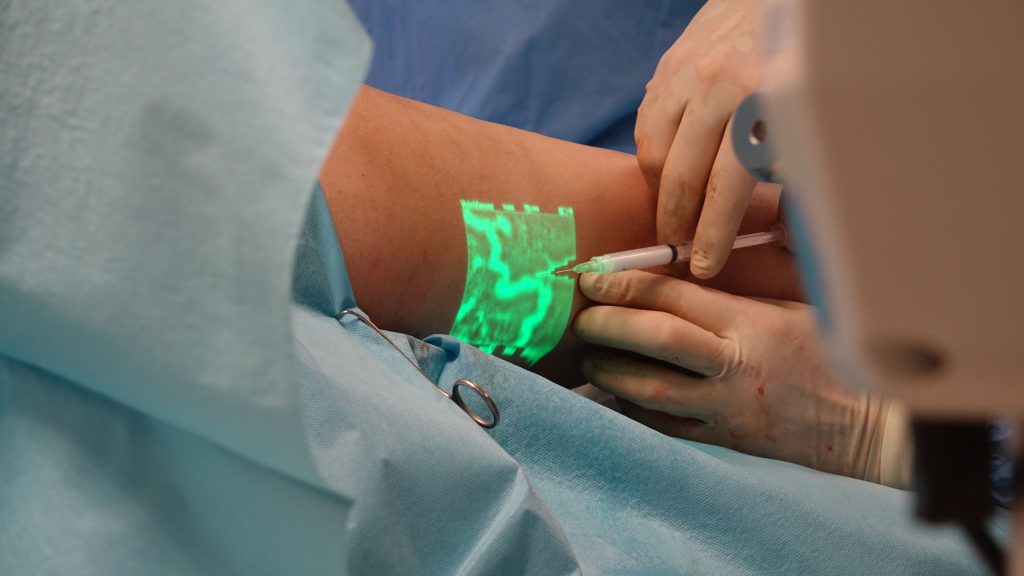
The next decade will transform the way clinicians place, monitor, and manage IV therapy, powered by device innovation, data integration, and evolving care demands. Growth in the peripheral IV catheter market, from an estimated USD 7.50 billion in 2026 to USD 14.89 billion by 2036 at a 7.1% CAGR, reflects demand from aging populations, rising chronic diseases, and expanded hospital capacity worldwide. These pressures drive makers and health systems to invest in safer, smarter IV catheters.
Ultrasound and IR-guided access will become routine for hard-to-access venous access. Ultrasound-assisted peripheral IV placement reduces both failed attempts and complications by enabling clinicians to visualize vessel size, depth, and flow in real time. Infrared vein visualization systems and advanced vascular access technologies supported by Merit Pharmaceutical help increase first-attempt success in difficult-to-cannulate patients and are becoming more widely used in emergency and ward settings. Think handheld, more affordable units for imaging and integrated guidance in IV lines, so less-experienced staff can place lines dependably.
Wireless sensing and data integration will connect infusion pumps, peripheral IVs, and electronic medical records for real-time monitoring. Connected pumps and smart sensors will log flow rates, occlusions, dwell time, and patient reactions and alert mobile devices. This minimizes bedside charting and allows remote teams to observe a large number of patients. Integration will also feed analytics platforms to spot trends, predict device failure, and support staffing decisions where nurse shortages exist.
The future will include catheter materials and coatings to reduce infection and thrombosis. Antimicrobial-coated and closed-system catheters are already preferred, as recommended by the CDC 2024 guidelines for high-risk patients to reduce bloodstream infections and blood exposure. New polymers, heparin-bonded surfaces, and drug-eluting coatings aim to reduce biofilm formation and clot risk. Broader acceptance of these alternatives will be influenced by cost, reimbursement, and proven outcome improvements.
Minimally invasive vascular access and automated infusion management are the future. Think implantable or extended-dwell peripheral devices with sensors or imaging embedded to enhance placement and longevity. Automated pumps with closed-loop feedback can modulate infusion based on sensor input. There is growth in the Asia Pacific as hospital expansion and primary care investment fuel market adoption.
Mitigating Common IV Risks
Common complications from IV devices are catheter occlusion, infection, infiltration, thrombophlebitis, and embolism. Brief context: these events arise from device design, insertion site, patient biology, and care practices. Understanding each link lets teams cut risk and keep therapies on track.
Key complications and best practices for risk mitigation:
- Catheter Occlusion/Infiltration (Approximately 23% Incidence): flush protocols, avoid small-bore pressure during infusion, replace catheters when flow drops, and prefer securement devices to reduce movement.
- Phlebitis (Approximately 12% Incidence): Use appropriate catheter size, rotate sites per policy, apply warm compresses at the first sign, and stop infusions if redness or tenderness progresses.
- Dislodgement (Approximately 7% Incidence): Use adhesive securement, minimize arm movement when possible, and select sites away from joints for high-risk patients.
- Infection/Bloodstream Infection: strict aseptic insertion, maximal barrier precautions, chlorhexidine skin prep, and removal of catheters when no longer needed.
- Embolism: avoid intraluminal air during flushes, use closed systems, and inspect catheters for damage before use.
Safety-engineered devices and hand hygiene prevent needlestick injuries and bloodstream infections. Employ needleless connectors with transparent fluid paths, backflow-reducing valves, and closed infusion systems. Perform hand hygiene before and after any line contact and use gloves for insertion. Antimicrobial or anti-thrombotic catheter materials help. These coatings reduce bacterial colonization and limit thrombus formation that can occlude lumen or seed infection. Remember that blood cells stick to polyurethane or silicone catheters within minutes, so surface selection and care begin right away.
These devices and patient risk factors direct device selection and surveillance. Steer clear of wrist and hand placements and antecubital fossa sites for longer-term or high-flow needs, favoring larger veins and 20-gauge over 22 or 24 when clinically acceptable. Female patients and older adults are associated with higher complication rates, so enhance surveillance and select sites and devices accordingly. Common IV risks include antibiotics that increase the risk of infiltration, occlusion, phlebitis, and failure. Use central access if long-term therapy or vesicant is required.
Develop a risk mitigation checklist for providers covering the indication for the device, the device and gauge chosen, the insertion site, sterility steps, material/coating, the securement method, daily review for removal, and signs to watch. Trained catheter teams lower complications. Implement focused training, competency checks, and data feedback loops to keep rates down.
Conclusion
Hospitals recycle a narrow range of IV gadgets. Peripheral IV catheters, central lines, infusion pumps, and IV tubing comprise the core kit. Staff select devices that reduce errors, save time, and reduce infections. Great device selection connects to transparent protocols, continuous education, and hands-on feedback. Nurses and techs define how well a device works. A pump with smart dose guards can prevent bad drug events. Better catheter and site care can reduce infections by fifty percent in some wards. New tech adds remote checks and data that help teams act fast. Go for easy choices that suit your unit requirements. Experiment with one pilot change. Monitor infection, flow, and user convenience. Distribute findings throughout your organization and expand what is effective.
Frequently Asked Questions
1. Which IV Devices Are Most Commonly Used In Hospitals?
Common hospital IV devices include peripheral IV catheters, central venous catheters, PICC lines, and IV lines, which are essential for administering daily fluids, medications, and long-term intravenous access therapies.
2. What Is A Smart Pump, And Why Do Hospitals Use It?
A smart pump is an infusion device with software that enforces dose limits and alerts staff to errors, enhancing patient safety during intravenous access procedures. They are used in hospitals to decrease medication errors, increase safety, and record infusions for auditing and quality improvement.
3. When Is A Central Line Chosen Over A Peripheral IV?
Clinicians select a central catheter for long-term treatment, vesicant or irritant medications, poor peripheral venous access, or when high-flow or precise hemodynamic monitoring is required, enabling therapies that peripheral IV catheters can’t safely administer.
4. How Do Hospitals Decide Which IV Device To Buy?
Decisions regarding peripheral iv catheters depend on clinical need, safety features, cost, supplier support, and staff training. Committees usually consist of clinicians, pharmacists, and procurement experts.
5. How Long Can An IV Catheter Safely Remain In Place?
Peripheral IV catheters, essential for intravenous access, are typically replaced every 72 to 96 hours or sooner if complications arise, while central catheters and PICC lines can remain longer with appropriate care and monitoring.
6. What Are The Main Risks Of IV Therapy and How Are They Reduced?
Main risks associated with IV catheters include infection, infiltration, occlusion, and medication errors. Prevention involves aseptic technique, securement devices, routine monitoring, and staff education.
7. Will Smart Pumps Replace Traditional IV Systems Entirely?
Smart pumps enhance patient safety by reducing errors in administering intravenous access, but don’t fully replace traditional IV catheters and systems just yet. Adoption will depend on cost, training, infrastructure, and clinical needs.