
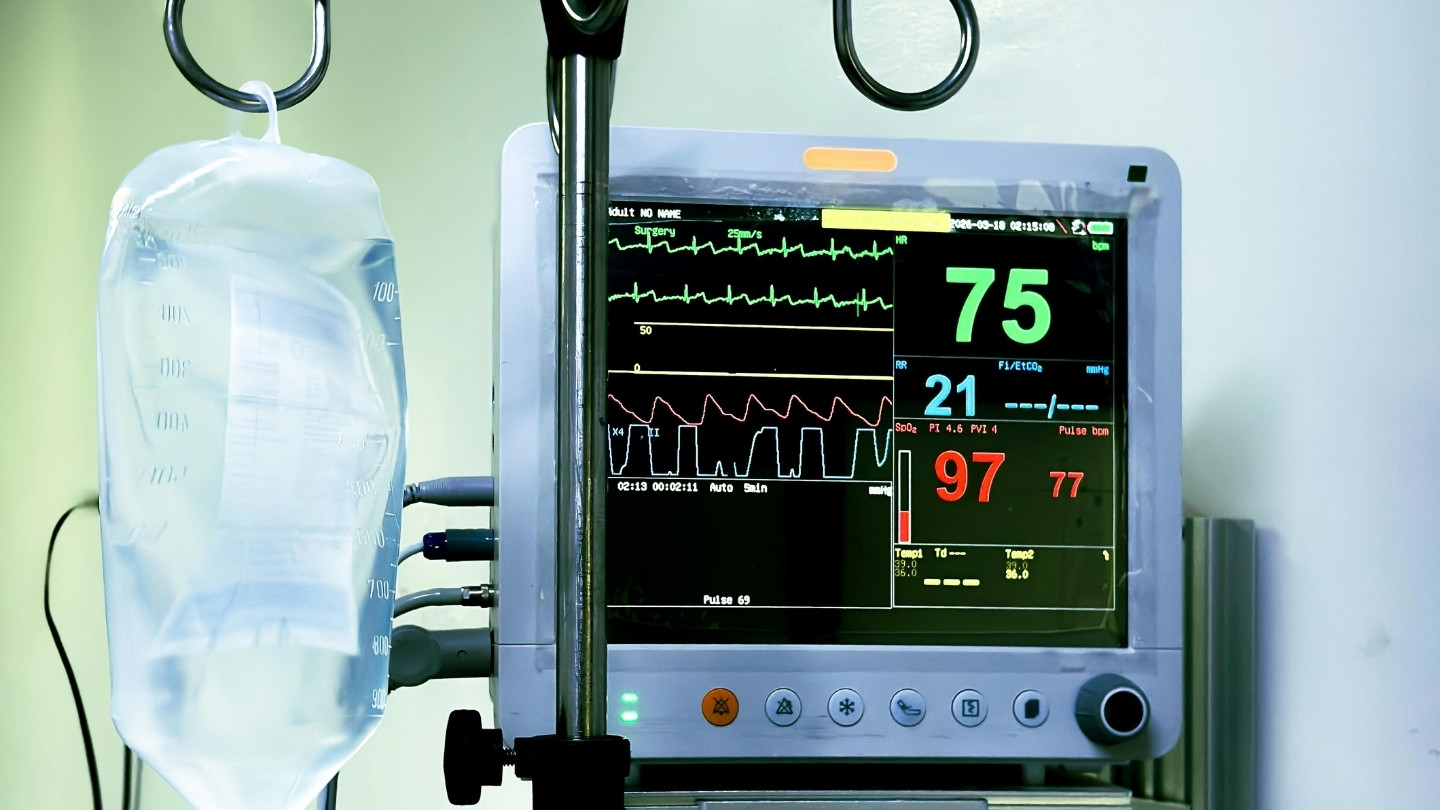
Modern healthcare depends on delivering the right treatment at the right dose, at the right time, and in the right way. For patients who require medications, fluids, nutrients, blood products, or other therapies administered directly into the body, infusion therapy provides a controlled and adaptable method of treatment. The effectiveness of infusion therapy depends on more than the medication itself. The quality, reliability, compatibility, and usability of the infusion therapy equipment supporting treatment can also influence patient care.
Infusion therapy products include a broad range of equipment and supplies, from infusion pumps and syringe pumps to administration sets, IV tubing, connectors, catheters, filters, and related accessories. Together, these components form an interconnected system that helps healthcare professionals administer therapy according to a prescribed treatment plan.
The U.S. Food and Drug Administration (FDA) describes infusion pumps as devices that deliver fluids such as medications and nutrients into the body in controlled amounts. Depending on the pump, these devices can provide small volumes at programmed rates or automated intervals.
This level of control can be particularly important when patients require precise medication delivery or continuous treatment. Properly selected infusion therapy products can help support consistent administration, reduce avoidable interruptions, improve workflow, and provide alerts when certain delivery problems occur.
Better clinical outcomes do not come from technology alone. Infusion products must be appropriate for the intended therapy, correctly configured, maintained, and operated by trained healthcare professionals. The FDA has also identified potential infusion pump risks, including over-infusion, under-infusion, missed therapy, and delayed treatment when equipment malfunctions or is used incorrectly.
For hospitals, outpatient infusion centers, clinics, home healthcare organizations, and other medical facilities, choosing dependable infusion therapy equipment is therefore an important part of creating a safe and effective treatment environment.
Key Takeaways
- Controlled delivery supports consistent treatment. Infusion pumps and related products can help clinicians administer medications and fluids at prescribed rates, volumes, and schedules.
- Reliable equipment can reduce avoidable interruptions. Properly maintained systems can alert clinicians to issues such as occlusions, air-in-line conditions, battery problems, or other delivery concerns.
- Smart infusion technologies can add safety checkpoints. Certain smart pumps can alert users when programmed parameters fall outside established limits or when potential medication-related risks are identified.
- Infection prevention depends on equipment and clinical practice. Sterile products, single-use components, aseptic technique, proper storage, and appropriate handling all contribute to safer infusion therapy.
- Different therapies require different equipment. Large-volume pumps, syringe pumps, PCA pumps, elastomeric pumps, and ambulatory systems serve different clinical applications.
- Compatibility matters across the entire system. Pumps, tubing, connectors, syringes, bags, medications, and other components must be appropriate for the intended application.
- Training and maintenance remain essential. Advanced technology cannot replace qualified users, established procedures, preventive maintenance, and appropriate equipment checks.
- Supplier selection affects long-term reliability. Healthcare facilities should consider quality, regulatory requirements, technical support, availability, compatibility, and lifecycle value rather than focusing solely on purchase price.

1. Precision Helps Clinicians Deliver Therapy More Consistently
One of the most important ways infusion therapy products support clinical outcomes is through controlled delivery. When fluids or medications are administered manually, healthcare professionals may have less precise control over delivery rates than they would with an appropriately selected infusion pump. Infusion pumps are designed to deliver fluids at programmed rates and durations, helping clinicians follow prescribed treatment parameters more consistently.
This can be especially valuable when treatment requires carefully controlled administration. Depending on the clinical situation, a patient may need continuous medication, controlled fluid replacement, small-volume medication delivery, long-duration therapy, time-sensitive treatment, nutritional support, patient-controlled analgesia, or ambulatory infusion.
The clinical importance of precision varies according to the medication, patient, treatment protocol, and care setting. In some situations, even relatively small deviations in delivery can be significant. A dependable infusion therapy product creates a more controlled pathway between the prescribed treatment and its administration. It does not determine the correct treatment independently; instead, it gives clinicians a tool for carrying out an established treatment plan with greater control.
2. Infusion Pumps Can Support Accurate Medication Delivery
Some medications need to be delivered gradually rather than all at once, while others may need to be administered continuously over a specific period. Infusion pumps can help healthcare professionals establish and maintain programmed delivery rates according to the prescribed therapy.
The FDA notes that infusion pumps may be used for medications such as insulin, hormones, antibiotics, chemotherapy drugs, and pain-relieving medications, among other applications. This versatility explains why infusion pumps are used across numerous healthcare environments.
Depending on the device, an infusion pump can support controlled rates, defined delivery durations, small-volume administration, continuous or intermittent infusion, portable treatment, and patient-controlled therapy for appropriate applications.
Programming delivery parameters can make treatment more reproducible because clinicians can establish the desired settings through the device rather than relying entirely on manual regulation.
3. Smart Pump Features Can Add A Safety Layer
Some infusion pumps, commonly known as smart pumps, can provide alerts when programmed parameters fall outside established safety limits. The FDA notes that some smart pumps are designed to alert users about potential adverse drug interactions or programming parameters outside specified limits.
These features can create an additional checkpoint between programming and administration. For example, when a programmed dose or infusion rate falls outside a configured limit, an alert may prompt the clinician to review the setting before continuing. Capabilities vary among products, software configurations, clinical environments, and institutional protocols, so smart technology should not be treated as a replacement for professional judgment.
Instead, safety features can complement medication verification, independent checks where required, clinical protocols, staff training, pharmacy review, patient monitoring, and appropriate documentation. The FDA also emphasizes the importance of healthcare facility policies and procedures that promote patient safety when infusion pumps are used. The strongest approach is therefore to integrate pump safety features into a well-designed clinical process rather than relying on technology alone.
4. Alarms Can Help Identify Problems During Infusion
Infusion therapy can involve several potential points of failure. Tubing can become occluded, air-in-line conditions can occur, batteries can become depleted, or mechanical and software problems can interfere with operation. Infusion pumps may include alarms and operator alerts that draw attention to certain problems. The FDA notes that some pumps can alert users when air or another blockage is detected in the tubing.
These alerts allow clinicians to investigate a problem rather than allowing a potential interruption to continue unnoticed. When an occlusion alarm occurs, for example, a healthcare professional may need to examine the IV line, tubing position, clamps, connectors, catheter or access site, pump setup, and other potential causes.
An alarm does not necessarily identify the precise cause of a problem, and responding appropriately requires clinical judgment. Nevertheless, timely notification can help healthcare professionals respond more quickly to certain equipment or delivery issues. Well-designed infusion equipment can therefore contribute to a more responsive treatment environment.
5. Reliable Equipment Can Help Reduce Treatment Interruptions
Clinical care depends heavily on continuity. When an infusion is unexpectedly interrupted, healthcare staff may need to troubleshoot equipment, replace components, reassess the patient, or determine whether therapy requires adjustment according to clinical protocols. Equipment reliability can therefore affect both workflow and patient care. The FDA has identified potential infusion pump problems involving software defects, human-factors issues, damaged mechanical components, and battery failures. Such problems can contribute to over-infusion, under-infusion, or delayed therapy.
For this reason, healthcare facilities should look beyond basic functionality when evaluating infusion therapy products. Important considerations include product reliability, alarm functionality, battery performance, maintenance requirements, software stability, compatibility, availability of replacement components, manufacturer support, serviceability, and staff familiarity. A product that operates consistently and can be maintained appropriately may help healthcare professionals spend less time addressing avoidable equipment issues and more time focusing on patient care.
6. The Right Product Can Match The Therapy To The Clinical Environment
Different infusion devices are designed for different purposes. The FDA identifies several types of infusion pumps, including large-volume pumps, patient-controlled analgesia pumps, elastomeric pumps, syringe pumps, enteral pumps, and insulin pumps. Some are primarily intended for bedside use, while ambulatory pumps are designed to be portable or wearable.
This variety allows healthcare facilities to select equipment according to specific clinical requirements.
- Large-Volume Infusion Pumps: Large-volume pumps are commonly used for controlled administration of larger fluid volumes and may support fluids, medications, and other therapies in hospital environments.
- Syringe Pumps: Syringe pumps provide controlled delivery from a syringe and can be useful when therapy involves relatively small volumes or requires precise administration.
- PCA Pumps: Patient-controlled analgesia systems are designed for specific pain-management applications in which patients may receive medication according to programmed parameters established by clinicians.
- Elastomeric Pumps: Elastomeric systems use a flexible reservoir to provide portable infusion and may be suitable for certain ambulatory therapies.
- Ambulatory Infusion Pumps: Portable systems can support patients who need treatment while moving between environments rather than remaining connected to a stationary bedside device. Selecting the appropriate product requires consideration of the treatment, patient, clinical setting, duration, mobility requirements, volume, delivery rate, and organizational protocols.
7. Infusion Products Can Support Ambulatory And Home-Based Care
Some patients receive treatment in outpatient clinics or at home, and portable or ambulatory infusion systems can allow certain therapies to be administered outside a traditional inpatient setting. The FDA notes that infusion pumps are used in hospitals, nursing homes, and home settings and provides guidance for patients using pumps at home. For appropriate patients, this flexibility can help them receive treatment outside a hospital bed, maintain greater mobility, and continue scheduled therapy at home under an established care plan.
Home infusion does introduce additional considerations. Patients and caregivers may need education regarding equipment operation, alarms, power requirements, troubleshooting, storage, and when to contact a healthcare professional. The FDA recommends that patients using infusion pumps at home work with healthcare providers to develop plans for potential pump failures and understand applicable backup power or emergency procedures.
8. Infection Prevention Starts With Safe Infusion Practices
IV therapy involves contact with medication containers, tubing, connectors, syringes, catheters, and vascular access devices. Contamination caused by improper handling can create significant risks. The CDC recommends aseptic technique when preparing and administering medications and emphasizes that needles and syringes should be used for one patient only. CDC guidance also recommends appropriate use of fluid infusion and administration sets for individual patients and proper disposal.
These recommendations demonstrate why equipment quality and clinical practice must work together. Healthcare facilities should pay attention to sterility, packaging integrity, single-use requirements, connector compatibility, proper storage, expiration dates, aseptic handling, disposal procedures, and staff training. The CDC emphasizes that unsafe injection practices can contribute to the transmission of bloodborne pathogens and bacterial or fungal infections.
9. Compatible Components Help Create A More Reliable Infusion System
A complete setup may include the pump, IV tubing, administration sets, syringes, connectors, catheters, filters, medication containers, fluid bags, extension sets, clamps, and other accessories. Compatibility among these components matters because each part contributes to the intended pathway for fluid or medication delivery.
Facilities should verify that components are appropriate for the specific pump, therapy, medication, patient population, and intended use. Compatibility should be considered during purchasing rather than after equipment has already been acquired. A knowledgeable supplier can be valuable in this area. Instead of treating every product as an isolated purchase, an experienced supplier can help healthcare organizations consider how individual components fit into an existing infusion workflow.
10. Better Usability Can Support Clinical Workflow
Healthcare professionals frequently work in demanding environments where time, attention, and resources are limited. Equipment that is difficult to operate can increase the cognitive and operational burden on staff. Conversely, intuitive controls, readable displays, understandable alarms, and straightforward setup can contribute to more efficient workflows.
This is one reason the FDA considers human-factors issues when addressing infusion pump safety. Poor user-interface design can contribute to performance problems. When evaluating infusion therapy equipment, facilities should therefore consider more than specifications on a product sheet. They should assess whether the display is easy to read, programming steps are understandable, alarms provide useful information, and staff can quickly identify important settings.
11. Standardized Equipment Can Support Consistency Across Departments
Large healthcare organizations may use infusion equipment across multiple departments, making consistency an important consideration. Standardizing selected products or product families can simplify training and help staff become familiar with common interfaces, controls, alarms, and procedures. When departments use compatible platforms, clinicians who move between units may encounter fewer differences in routine operation.
Appropriate standardization can support more consistent training, simplified maintenance, streamlined inventory, equipment familiarity, and easier troubleshooting. Standardization should not mean using the same device everywhere regardless of clinical requirements. An intensive care unit, oncology department, outpatient infusion center, and home healthcare program may have substantially different needs.
12. Preventive Maintenance Helps Protect Equipment Performance
Healthcare organizations should establish processes for inspection, cleaning where applicable, battery management, calibration or performance verification when required, software updates where appropriate, and servicing according to manufacturer instructions and institutional policies. The FDA has identified battery failures, mechanical problems, software defects, and other issues as potential causes of infusion pump performance problems.
Preventive maintenance can help organizations identify equipment concerns before they become more disruptive. A comprehensive maintenance program may include scheduled inspections, functional testing, battery checks, preventive servicing, software management, documentation, repair tracking, and procedures for removing malfunctioning equipment from service.
13. Training Makes Infusion Technology More Effective
Healthcare professionals should understand the equipment they operate, including programming functions, alarm systems, limitations, maintenance requirements, and applicable clinical protocols. Effective training can help users recognize incorrect setup, unexpected alarms, occlusion conditions, battery concerns, air-in-line alerts, programming problems, damaged components, and other equipment abnormalities.
The FDA’s risk-reduction guidance emphasizes the importance of healthcare facility policies and procedures for promoting patient safety when infusion pumps are used. A facility that purchases advanced equipment without providing appropriate education may not realize the full safety or operational value of its investment. When evaluating suppliers, organizations should therefore consider product education, technical documentation, service support, and available training resources alongside the equipment itself.
14. Equipment Quality Can Influence Total Cost Of Care
Healthcare purchasing decisions should not be based exclusively on initial price. A lower-cost product may not provide the best long-term value if it requires frequent replacement, creates workflow difficulties, lacks dependable technical support, or is difficult to integrate with existing systems.
Healthcare organizations should consider the total cost of ownership, including the initial purchase, consumables, replacement components, preventive maintenance, repairs, training, applicable software or accessories, downtime, replacement cycles, and supplier support.
15. Dependable Suppliers Can Strengthen Equipment Management
Selecting the right infusion therapy products is only part of the purchasing decision. The supplier behind those products also matters. A dependable supplier can help healthcare organizations navigate product selection, availability, compatibility, documentation, and ongoing equipment requirements.
- Product Range: A supplier should offer the types of infusion equipment and accessories that match the organization’s actual clinical needs.
- Product Quality: Products should be appropriate for their intended applications and meet applicable quality and regulatory requirements.
- Technical Knowledge: Suppliers should be able to explain differences between equipment models and help customers understand their appropriate applications.
- Availability: Essential equipment, consumables, and replacement components should be available through a reliable supply process.
- Support: Technical assistance should be accessible when healthcare organizations have equipment questions or encounter operational concerns.
- Documentation: Appropriate instructions, specifications, and product information should be available to support safe and effective use.
- Long-Term Partnership: A strong supplier should be capable of supporting an organization’s equipment requirements as clinical needs, inventory requirements, and operational demands evolve.
16. Regulatory And Safety Considerations Matter
Infusion therapy equipment is used in circumstances where device performance can have direct implications for patient care. Regulatory and safety considerations are consequently important components of equipment selection and management. The FDA has developed guidance addressing the total product lifecycle of infusion pumps to improve pump quality and reduce recalls and adverse events.
Healthcare organizations should verify that products meet applicable regulatory requirements for their intended use and market. They should also maintain awareness of manufacturer safety communications, recalls, product updates, device alerts, maintenance requirements, corrective actions, and applicable reporting procedures. The FDA encourages reporting suspected infusion pump problems so potential device risks can be identified and better understood.
17. Better Infusion Products Can Support Patient-Centered Care
Clinical outcomes are not limited to laboratory values or medication delivery. The patient experience also matters. Equipment that is portable, appropriately sized, intuitive, and dependable can make treatment less disruptive in certain settings. For patients receiving long-term therapy, mobility can be especially important. Ambulatory infusion systems may allow certain patients to move through their daily environment while continuing prescribed therapy.
For inpatient patients, equipment that integrates smoothly into bedside workflows may reduce unnecessary operational interruptions. For outpatient patients, dependable equipment can contribute to a more predictable treatment experience. These benefits must always be considered within the patient’s medical condition and treatment plan. Not every patient is appropriate for ambulatory or home infusion, and treatment decisions should remain under the direction of qualified healthcare professionals.
18. Better Outcomes Depend On The Entire Infusion Process
It can be tempting to assume that a better infusion pump automatically produces better clinical outcomes. In reality, the relationship is more complex. Clinical outcomes depend on the interaction of the appropriate therapy, suitable equipment, correct setup, patient monitoring, clinical procedures, and trained professionals.
An advanced pump cannot correct an incorrect medication order. A sterile administration set cannot compensate for poor aseptic technique. A reliable device cannot overcome incorrect programming, and a smart pump cannot replace clinical judgment. Infusion therapy equipment should therefore be viewed as part of a complete care system.
19. What Should Healthcare Facilities Look For In Infusion Therapy Products?
Hospitals and healthcare organizations can benefit from a structured evaluation process when purchasing infusion therapy equipment.
- Intended Clinical Application: Determine which therapies the equipment will support, which patients will use it, and where treatment will take place.
- Required Delivery Precision: Consider the flow rates, volumes, durations, and other delivery parameters required for the intended applications.
- Safety Features: Evaluate relevant alarms, alerts, programming safeguards, and other risk-reduction features.
- Usability: Consider whether clinicians can operate the equipment efficiently, consistently, and with appropriate training.
- Compatibility: Review compatibility with existing tubing, syringes, connectors, medication containers, fluid bags, and other components.
- Infection-Control Requirements: Confirm applicable sterility, single-use, packaging, storage, handling, and disposal requirements.
- Maintenance: Understand inspection, servicing, calibration or performance verification, battery, software, and replacement requirements.
- Training: Determine what training is necessary and whether the manufacturer or supplier provides educational resources.
- Supplier Support: Evaluate technical assistance, product availability, replacement components, documentation, and customer service.
- Lifecycle Value: Look beyond the initial purchase price and consider long-term operating costs, reliability, maintenance, downtime, and replacement requirements.
20. Why Quality Infusion Therapy Equipment Is A Long-Term Investment
Infusion equipment may be used repeatedly across numerous treatments and patients, making quality and reliability important long-term considerations. A dependable product can become part of a facility’s infrastructure for medication and fluid administration. Its value can extend beyond the initial purchase to include workflow consistency, maintenance support, staff familiarity, reliable availability, and compatibility with existing processes.
The FDA recognizes the important role infusion pumps play in controlled drug and fluid delivery while also emphasizing the safety risks associated with their use. Healthcare organizations should therefore seek a balance among innovation, safety, practicality, reliability, and lifecycle value. The most technologically advanced equipment is not necessarily the best choice for every facility. The better choice is the equipment that appropriately meets the clinical requirement, integrates into the organization’s workflow, can be used safely by trained professionals, and can be supported throughout its useful life.
Conclusion
Infusion therapy products play an important role in supporting controlled, consistent, and potentially safer patient care. From infusion pumps and syringe pumps to administration sets, connectors, tubing, and other accessories, each component contributes to the overall infusion system.
Reliable infusion pumps can help clinicians control delivery rates and volumes. Smart technologies may provide additional alerts and programming safeguards. Appropriate administration supplies can support infection-prevention practices. Portable systems can make certain therapies possible in outpatient and home environments, while well-designed equipment can contribute to more efficient clinical workflows.
At the same time, infusion therapy equipment should never be considered a substitute for clinical expertise. The FDA has documented potential infusion pump risks, including over-infusion, under-infusion, missed treatment, and delayed therapy, reinforcing the importance of appropriate equipment selection, maintenance, policies, and trained use.
For healthcare organizations, the most effective approach is to consider infusion therapy as a complete system rather than a single device. Facilities should evaluate clinical applications, delivery requirements, safety features, compatibility, usability, maintenance, training, regulatory considerations, and supplier support before making purchasing decisions.
Choosing dependable infusion therapy equipment is ultimately an investment in more than hardware. It supports consistent workflows, responsible medication administration, equipment reliability, infection prevention, and the ability of healthcare professionals to provide appropriate treatment.
Frequently Asked Questions
1. How Do Infusion Therapy Products Improve Patient Care?
Infusion therapy products can support patient care by helping healthcare professionals deliver medications, fluids, and other therapies in controlled amounts and at programmed rates. Infusion pumps may also provide alarms and other safety features designed to identify certain delivery problems.
2. What Types Of Infusion Therapy Equipment Are Available?
Infusion equipment includes several categories, such as large-volume pumps, syringe pumps, patient-controlled analgesia pumps, elastomeric pumps, ambulatory infusion pumps, and other specialized systems.
3. Are Smart Infusion Pumps Safer Than Standard Pumps?
Smart infusion pumps can provide additional safety features, including alerts associated with certain programmed parameters and medication-related risks. Smart technology does not eliminate the possibility of errors or equipment problems. The FDA continues to emphasize appropriate use, facility policies, procedures, training, and risk-reduction strategies when infusion pumps are used.
4. Why Is Infection Prevention Important When Selecting Infusion Therapy Products?
Infusion therapy involves equipment that can come into contact with medications, vascular access devices, and patients. Improper handling, contamination, or inappropriate reuse can create infection risks.
The CDC recommends aseptic technique and appropriate use of needles, syringes, and fluid infusion or administration sets for individual patients.
5. What Should Hospitals Consider When Choosing An Infusion Therapy Equipment Supplier?
Hospitals should consider product quality, intended applications, equipment compatibility, safety features, availability, maintenance requirements, training, technical support, documentation, and long-term value.
Reliable Infusion Therapy Equipment From Merit Pharmaceutical
Infusion therapy depends on reliable equipment to safely deliver medications, fluids, nutrients, and other treatments. Hospitals, clinics, infusion centers, and healthcare providers need dependable infusion therapy equipment to support accurate administration, efficient workflows, and consistent patient care. Having the right products available when they’re needed can help reduce treatment delays and keep clinical operations running smoothly.
Merit Pharmaceutical supplies high-quality infusion therapy equipment for a wide range of healthcare settings and treatment needs. As an FDA-registered, Los Angeles-based company serving healthcare providers nationwide for more than 40 years, Merit Pharmaceutical understands the importance of product quality, dependable availability, and responsive service. The company works with trusted global manufacturers such as Abbott, BD, Baxter, and B. Braun to provide healthcare organizations with reliable products backed by recognized names in the medical industry.
When healthcare organizations choose Merit Pharmaceutical, they gain an experienced medical supply partner committed to supporting safe, efficient infusion therapy. Contact Merit Pharmaceutical today to learn more about available infusion therapy equipment, or register for an account to explore the full catalog and ordering system.
Disclaimer
The information provided on this website is intended for informational and educational purposes only. It is not a substitute for medical advice, diagnosis, or treatment, and should not be relied upon as such. Healthcare professionals should always use their own clinical judgment when selecting and administering medical products. Patients should consult with a qualified healthcare provider regarding any specific medical condition or treatment.
While we strive to keep product details and information current, Merit Pharmaceutical makes no guarantees as to accuracy, completeness, or applicability to your particular situation. Do not act or refrain from acting solely based on information from this site without seeking appropriate medical or professional guidance. To the fullest extent permitted by law, Merit Pharmaceutical disclaims all liability for any decisions or actions taken based on the contents of this site.