
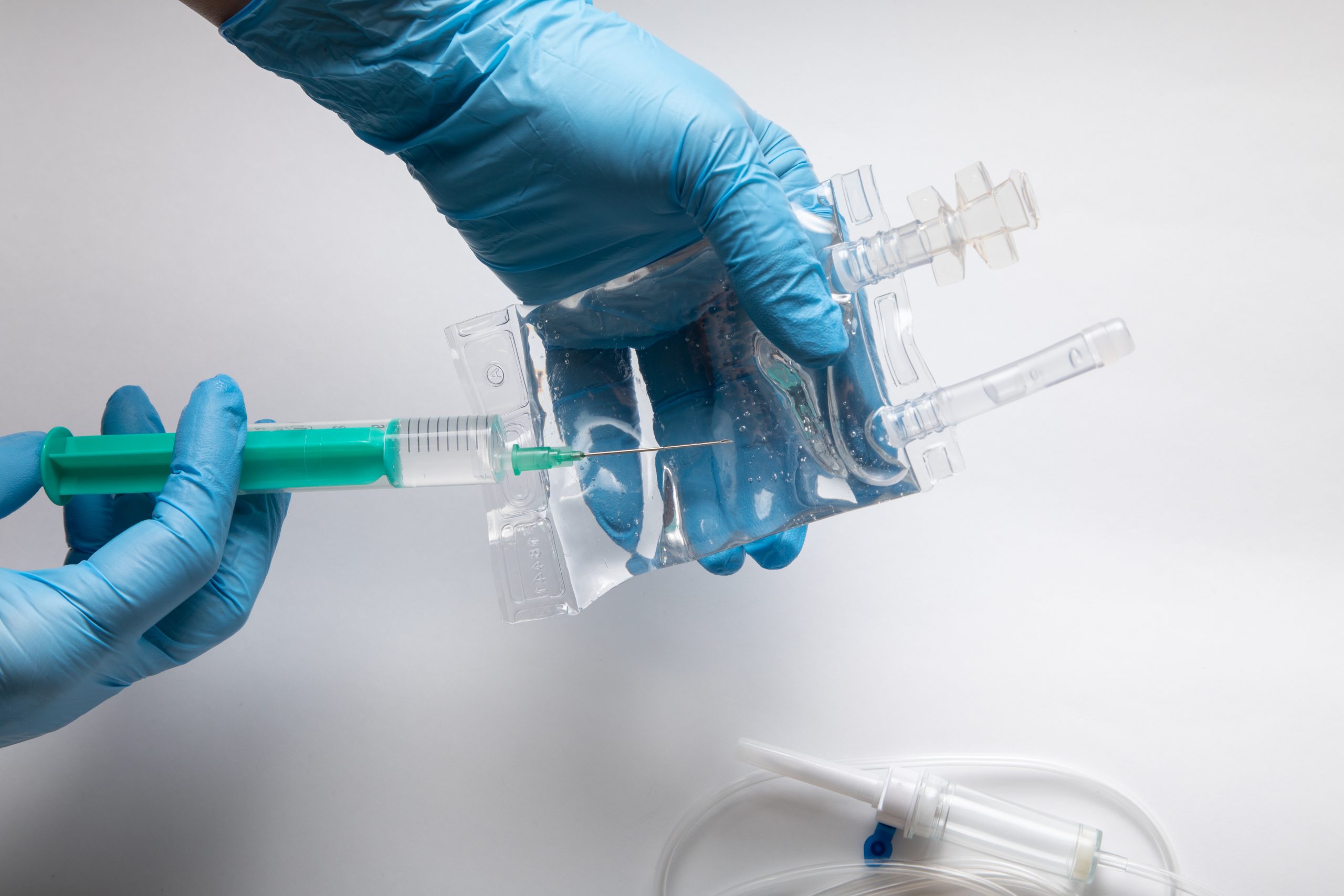
IV administration sets improve patient care efficiency by standardizing fluid delivery, reducing medication errors, and cutting nursing time per infusion. IV administration sets increase patient care efficiency with reliable flow rates, clear labeling, and seamless connectors that reduce the risk of line disconnections and contamination. Mechanical and electronic sets with drip chambers and flow regulators allow easy dosing in milliliters per hour to support protocol-driven fluid, antibiotic, and vasoactive drug administration. Less downtime and quicker preparation liberate nurses for evaluations and notes, as embedded filters shield patients from debris. We explore set types, tangible gains in clinical workflows, and advice for choosing systems to fit your institution.
Key Takeaways
- IV administration sets make patient care more efficient by eliminating the time spent in preparation and setup.
- Accurate dosing and flow control reduce the risk of accidental boluses and under- or over-infusion, enabling safer administration of complicated therapies and improved outcomes for high-risk patients.
- Modern design elements like needle-free connectors, built-in filters, and closed systems reduce infection and contamination and reduce needlestick injury risk to providers.
- Standardized IV sets and protocols streamline workflows, decrease cognitive burden on clinicians, and enhance clinical pathway compliance, allowing for consistent, auditable care across units.
- With system integration to pharmacy, EHR, and automated devices, IV administration sets can facilitate data-driven coordination, minimize medication errors, and enhance quality improvement efforts.
- Economic advantages come from fewer complications, less waste, and greater staff efficiency, which enhance return on investment and enable sustainable, affordable care.
How IV Sets Drive Efficiency

IV sets are essential for ensuring patient safety by eliminating unnecessary delays in intravenous medication administration, minimizing variation, and enabling safer, more coordinated care in critical care settings.
- Faster medication setup and reduced clinician prep time
- Improved dosing precision and fewer inadvertent boluses
- Lower IV complication rates and reduced infection risk
- Better coordination across pharmacy, nursing, and physicians
- Easier documentation and integration with electronic systems
- Support for adherence to clinical pathways and standardized protocols
1. Dosing Precision
IV sets play a crucial role in IV medication administration, allowing precise dosing of infusion rates and volumes that maintain medication concentrations within therapeutic ranges. The effectiveness of precise intermittent infusions is particularly important for antimicrobials, inotropes, and parenteral nutrition, as poor regulation could lead to underdosing or toxicity. Dose error reduction software linked to pumps flags discrepancies and can prevent about 28 percent of infusion errors. Coupling smart pumps with a proper set of configurations mitigates risk. Reducing unintended boluses decreases acute adverse events, with sophisticated luer-lock designs and anti-siphon valves assisting in avoiding abrupt flow transitions. For complicated regimens, secondary medications, titrations, and nutrition, accuracy in tubing length, chamber volume, and clamp placement defines dose fidelity and clinical effect, especially in sicker patients.
2. Faster Setup
Intuitive IV sets significantly enhance patient safety by reducing priming and connection steps, saving precious minutes in emergencies. With features like simple color coding, pre-attached spike ports, and gravity-to-pump adapters, healthcare providers can move swiftly. These streamlined care pathways minimize setup mistakes and expedite transitions from primary to secondary bags, supporting time-critical orders in intensive care. By increasing nurse productivity, faster setup also helps ensure timely IV medication administration, eliminating delays that can otherwise extend the length of stay.
3. Risk Mitigation
Design elements such as closed systems and soft cannula connectors significantly enhance patient safety by reducing contamination and mechanical trauma. Considering that as many as 53% of IV lines fail, and complications can add two hospital days and $4,000 in cost, these mitigations are material. Better sets minimize infiltration, phlebitis, and infection risks, which is crucial for effective IV medication administration. When coupled with IV management software and periodic competency verification, they promote guideline compliance and reduce complications overall.
4. Workflow Simplification
Bundled steps and standardized sets minimize the brain strain on time-pressed teams, enhancing patient safety. Documentation errors plague 1 to 31 percent of intravenous medication administration start times, and integration with electronic health records and pump systems enables more accurate timestamps and tracking. With fewer steps, there are fewer pokes at sticks, leading to significant effects on patient outcomes and experience.
5. System Integration
IV sets work with automated dispensing, smart pumps, and hospital systems to enable real-time monitoring and quality metrics, which are essential for effective IV medication administration. These connections fuel cross-disciplinary communication, assisting healthcare providers in reducing IV failure rates and achieving institutional quality objectives.
Key Design Innovations

IV administration sets incorporate several focused design innovations that enhance patient safety and improve the effectiveness of IV medication administration. These innovations include needle-free connectors, integrated filters, and flow regulators, which contribute to maintaining consistent drug levels in critical care settings. The following subheads highlight these patented features, illustrating their clinical significance and how key engineering decisions optimize their functionality.
Needle-Free Connectors
Needle-free connectors eliminate needles from standard access, significantly enhancing patient safety by reducing clinician needlestick injuries and decreasing sharps disposal requirements. They streamline connect and disconnect steps, bringing drug swap-out time from approximately 39 to 41 seconds down to around 7.5 seconds, which is a speedup of 80.8 to 81.7 percent. In hectic adult wards and outpatient centers, time savings compound into fewer distractions and quicker drug rounds. In ICU environments and other scenarios where high-risk IV medications are present, connectors with strong sealing and one-way valves prevent contamination and enable safe administration of allert medications. They further aid patient comfort during bedside handling and reduce training time because the motion and steps are fewer and more standardized, assisting staff in achieving high compliance rates encountered with smart pump ecosystems.
Integrated Filters
Filters embedded within sets eliminate endotoxins and microbial contaminants directly before infusion, thereby enhancing patient safety during IV medication administration. For immunocompromised patients and those on parenteral nutrition, in-line filtration significantly reduces the danger of embolic or inflammatory responses by trapping contaminants and clots. These filters assist hospitals in achieving both internal policies and external guidelines for sterile IV practice, ultimately driving up the quality of patient care. When paired with sensors that use non-contact detection and plus or minus 1.5 mm accuracy with a 500 ms response, filters become integral to a closed-loop safety chain, ensuring effective treatment delivery.
Flow Regulators
Flow regulators play a crucial role in IV medication administration by enabling exact dosing and quick titration of intermittent infusions, which is essential for maintaining stable drug plasma levels in patients. They significantly minimize the risk of under- and over-infusion exposure, enhancing patient safety. Mechanically, stepper and DC motors, such as a 28 mm OD, 1.0 A, 3.0 V size 28 stepper and 4.8 V, 4.8 kg·cm motors, provide consistent torque and speed control. Input torque and power goals, such as 1.15 times ten to the power of negative seven N·m and 1.20 W, inform selection. The result is smart pumps with high compliance greater than 95% and nearly 86% fewer keystrokes for IV tasks, while catheter tech can keep up to 89% of lines functional through therapy.
Reducing Clinical Complications
IV administration sets improve patient safety by enforcing consistent workflows and minimizing contamination paths, which enhances the effectiveness of IV medication administration. Standardized order sets and care protocols that accompany optimized IV systems not only decrease postoperative length of stay but also improve quality patient care and adherence to pneumonia core measures.
Sterility Management
Disposable IV infusion sets and needle-free connectors play a crucial role in enhancing patient safety by eliminating cross-contamination points through the removal of multi-use interfaces. The closed-system designs and integrated filters not only decrease particulate and microbial ingress but also contribute to the overall effectiveness of infection control measures, leading to lower bloodstream infection rates that can fuel morbidity. Hospitals that use these single-use devices alongside rigorous infection control policies and regular compliance auditing have reported significant reductions in central line and peripheral line infections. For example, the transition to preassembled, sterile, closed kits for postoperative patients minimizes handling and repeated access, further improving patient outcomes.
Strategies to reduce clinical complications:
- Employ disposable, closed IV sets and needle-free connectors.
- Implement order sets and critical pathways for IV therapies.
- Use DERS and e-verification at pump interfaces.
- Implement flushing protocols and line-change schedules based on dwell time.
- Implement simulation-based training for medication reconciliation and line handling.
- Track catheter usage to reduce catheters per stay.
Drug Administration Errors
Clear labeling, standardized connections, and compatibility-keyed fittings are crucial for reducing misconnection and wrong-line events, thereby enhancing patient safety. IV infusions account for 54% of all adverse drug events and 56% of medication errors, emphasizing the need for effective IV medication administration. DERS can identify dosing issues and prevent approximately 28% of infusion errors. Pharmacy admixture labels paired with bedside electronic verification significantly decrease occult administration errors and leftover line drugs, ultimately improving patient outcomes and clinician confidence in managing complex regimens and intermittent therapies.
Phlebitis Prevention
The use of biocompatible materials and soft hub designs minimizes vein irritation and inflammation, enhancing patient safety. Routine flushing protocols eliminate residual medication buildup that can lead to pain and thrombophlebitis. By streamlining IV medication administration, this care model prolongs catheter dwell times and reduces catheters per stay, ultimately improving patient outcomes. Additionally, easy delivery of secondary medication and intermittent infusion rates reduces mechanical irritation and associated complications.
The Economic Advantage
IV administration sets deliver quantifiable economic return by reducing direct and indirect costs associated with intravenous therapy, enhancing throughput, and enabling standardized care pathways that ensure patient safety and effective treatment guidelines.
Cost Category (EUR) | Typical Cost Impact | Economic Benefit |
Device procurement | $6–23 per set | Reduced rework and dose waste lowers total device needs |
Complication treatment | $1,170–5,850 per adverse event | Fewer infections and infiltrations cut these high episodic costs |
Drug replacement | $12–234 per episode | Precise delivery reduces discarded doses and repeat dosing |
Staff time | $35–70 per hour | Streamlined tasks free nursing time for billable care activities |
Length of stay | $585–1,755 per hospital day | Standardized protocols and reliable IV delivery shorten stays |
Lower Complication Costs
Better IV sets play a crucial role in enhancing patient safety by decreasing complications that lead to high incremental costs in care. By using advanced connectors, closed systems, and smoother flow profiles, healthcare providers can minimize contamination and mechanical injury, thereby reducing phlebitis, infiltration, and catheter-related infections. Fewer complications ultimately lead to less need for IV medication administration, fewer courses of antibiotics, and fewer consults from vascular surgeons. Order sets and critical pathways standardize these savings by minimizing variability in catheter selection and monitoring, which has been shown to reduce length of stay and total charges for both surgical and medical admissions. Research links order set usage with improved patient outcomes and increased compliance with pneumonia core measures, enhancing overall treatment effectiveness.
Improved Staff Productivity
Superior IV sets enable care teams to operate more efficiently and with fewer disruptions, resulting in better patient results, less overtime, and less agency spend. Simplified workflows reduce time spent fixing lines, swapping sets, and re-dosing. That time goes back to nurses for evaluation, teaching, and discharge planning, leading to shorter stays and fewer readmissions.
CPOE and protocol-linked order sets complement these gains by minimizing order clarification loops and medication errors. Clinicians make fewer stopgap actions and can handle bigger caseloads without sacrificing quality.
Reduced Material Waste
Accurate dosing and effective flushing decrease both drug volatilities and residual volumes. This minimizes the prescription disposal waste stream. Fewer secondary bag changes and less frequent ditching of partial-dose syringes reduced supply consumption and purchase cost. This supports sustainability goals and reduces disposal costs.
Less waste further shields budgets from salary-driven expense growth by retaining consumable budgets. This aids when emergency preparedness induces compromises between day-to-day operations and preparedness.
Standardizing Infusion Protocols
Standardized infusion protocols enhance patient safety by establishing a clear schematic that synchronizes devices, procedures, and human behaviors around effective IV medication administration.
Consistency
- Identify standard dosing ranges, infusion rates, and timing windows for common meds and fluids. Map those to device presets and pump libraries so clinicians select from validated options instead of free-text entries.
- Standardize tubing, connectors, and labels across units to minimize line mix-ups and speed up visual inspections.
- Incorporate protocol guidelines into infusion pumps’ decision-support libraries so deviations set off warnings and demand confirmation. Our direct observation studies indicate that nurse compliance with such software is over 98%.
- Review protocols periodically with documented pump logs and chart audits. A study of one multi-trust NHS found that 47.9% of infusions were subject to at least one procedural or documentation error, illustrating the benefit of continual checks.
Training
Standard protocols reduce the training burden by providing new employees with one simple procedure to master. Standardizing IV medication administration protocols offers clear, step-by-step instructions for IV prep, connection, priming, and start procedures, which cut down on local variations that cause errors. Education associated with protocol rollouts boosted the feeling of having sufficient training in cohorts, with 88.6% agreeing that training was adequate. Hands-on skills checks, simulation drills, and proctored initiations assist both new and seasoned practitioners in maintaining proficiency, while the use of disposable IV infusion sets decreases the mental burden during hectic shifts and facilitates accelerated training in high turnover environments.
Compliance
Integrating safe medication practices into normal data entry and logging will enhance compliance statistics and patient safety flags. Standardization supports regulatory and professional guideline alignment, such as fulfilling nursing association expectations for IV medication administration. Structured process changes and workflow redesign around standard, fixed sets have been shown to reduce pump-related medication errors; as much as half of infusion errors tie back to procedural deviations. Compliance further fuels financial gains; an intervention study projected 367,500 USD in severe harm cost avoided by the period’s end. Anticipate pushback. Cultural change campaigns, visible leadership endorsement, and transparent data feedback loops are key to breaking through.
The Future Of Infusion Therapy

As infusion therapy devices evolve, driven by technology, patient needs, and care models, IV medication administration will transform significantly. These devices and IV administration sets will transition from passive tubing and pumps to systems that ensure precision and convenience, enhancing patient safety and improving patient outcomes across various healthcare facilities.
Drive Innovation in IV Administration Sets, Solutions, and Devices to Meet Evolving Clinical Demands
Design work will prioritize minimizing line errors, streamlining setup, and minimizing waste in intravenous (IV) medication administration. Innovations include pre-connected, color-coded sets that save setup time by minutes, integrated anti-siphon valves to minimize backflow, and smaller-bore tubing that decreases priming volume for expensive biologics. Novel innovations like dose-concentrated antibiotic bags equipped with on-set dilution adapters enable nurses to prepare doses more quickly and with fewer opportunities for mistakes, ultimately enhancing patient safety. Devices will aim for modularity: one pump head that accepts multiple set types or single-use cassettes that house sterile pathways. These changes reduce labor bottlenecks and increase capacity, especially in critical care settings.
Integrate Advanced Health Information Technology and Smart Devices for Real-Time Monitoring and Decision Support
Infusion pumps and sets will connect to EHRs and clinical decision support, enhancing patient safety in intravenous medication administration. Smart pumps will automatically check prescribed rates, log infusion history, and alert if flow deviates, ultimately improving treatment effectiveness. Remote dashboards allow clinicians to monitor multiple patients and intervene early, which is crucial for maintaining consistent drug levels. These integrations reduce documentation time and minimize manual transcription errors, allowing teams to prioritize exceptions over routine checks.
Support Personalized Medicine Approaches Through Adaptable, Patient-Specific Infusion Protocols
Sets and pumps would enable variable-rate profiles, weight- or biomarker-based dosing, and rapid protocol updates for IV medication administration. For oncology or biologic therapy, programmable syringes and low-volume sets allow for microdosing and titration linked to lab results, enhancing patient safety. Patient-specific labels and barcodes will guarantee accurate drug-set matching at the point of care, rendering personalized therapy feasible in hospitals and at home.
Position Merit Pharmaceutical as a Leader In Quality, Reliability, and Clinical Performance for Future-Ready Healthcare Facilities
Merit can lead by providing proven, user-centric sets that integrate with smart pumps and EHRs, supported by real-world data on reliability and usability. Emphasizing patient safety and clear clinical guidelines will enable healthcare providers to safely adopt outpatient infusion models, enhancing treatment effectiveness and quality patient care.
Conclusion
IV administration sets reduce drudgery, and clear actions make care fast. Advanced connectors and more precise labels reduce mistakes and increase time efficiency at the patient’s bedside. Smart drip control and built-in safety components keep patients steady and allow nurses to concentrate on higher-value work. Regular sets make training quick and handoffs seamless across teams. Hospitals see fewer complications and less supply waste, freeing up budgets for staff and patient programs. New trends such as closed systems and data links will make everything even more predictable and less manual.
One small tweak to the kit can yield huge safety, time, and cost savings. Read the post on the blog and share your ward’s wins or questions to learn from real practice.
Frequently Asked Questions
1. How Do IV Administration Sets Improve Nursing Workflow Efficiency?
IV administration sets, designed for safe medication practices, eliminate setup time with preassembled tubing and convenient connections, thereby accelerating medication delivery and improving patient safety.
2. Can IV Sets Reduce Medication Errors?
Yes. Features such as clear labeling, standardized connectors, and integrated safety valves enhance patient safety, reducing risks for misconnection and dosing errors during IV medication administration.
3. Do Advanced IV Sets Lower Infection Risk?
Yes. Closed-system designs and sterile prepackaging, when used correctly, enhance patient safety by minimizing contamination sources and decreasing bloodstream infection risk.
4. How Do IV Sets Save Hospitals Money?
They reduce supply waste and complications while improving patient safety through effective IV medication administration, leading to quicker care and shorter hospital stays.
5. Are IV Administration Sets Compatible With Pump-Based Infusion Protocols?
Today’s IV medication administration sets are compatible with popular infusion pumps, facilitating standardized treatment plans that enhance patient safety and reduce errors across care teams.
6. What Innovations In IV Sets Improve Patient Comfort?
Low-resistance tubing and smoother flow control enhance patient safety by enabling gentler and more precise intravenous medication administration, reducing discomfort during fluid delivery.
7. How Will IV Administration Sets Evolve In The Future?
Expect more smart features: integrated sensors, electronic labeling, and connectivity with medical records to enhance monitoring, reduce errors, and support data-driven care.
Dependable IV Sets, Solutions & Devices From Merit Pharmaceutical
Every IV treatment depends on reliable equipment. Hospitals, clinics, surgical centers, and healthcare providers need IV sets, solutions, and devices that support efficient workflows, accurate delivery, and consistent patient care. When supplies are unavailable or product quality is inconsistent, patient care and clinical operations can be affected.
Merit Pharmaceutical provides high-quality IV Sets, Solutions & Devices trusted by healthcare professionals nationwide. We source products from respected manufacturers such as Abbott, BD, Baxter, and B. Braun, helping facilities maintain dependable inventory and deliver care with confidence.
As an FDA-registered, Los Angeles-based company serving healthcare providers for more than 40 years, Merit Pharmaceutical is committed to supplying reliable medical products backed by responsive service and industry expertise.
Contact Merit Pharmaceutical today to learn more about our IV Sets, Solutions & Devices, or register for an account to access our complete catalog and ordering platform.
Disclaimer
The information provided on this website is intended for informational and educational purposes only. It is not a substitute for medical advice, diagnosis, or treatment and should not be relied upon as such. Healthcare professionals should always use their own clinical judgment when selecting and administering medical products. Patients should consult with a qualified healthcare provider regarding any specific medical condition or treatment.
While we strive to keep product details and information current, Merit Pharmaceutical makes no guarantees as to accuracy, completeness, or applicability to your particular situation. Don’t act or refrain from acting solely based on information from this site without seeking appropriate medical or professional guidance. To the fullest extent permitted by law, Merit Pharmaceutical disclaims all liability for any decisions or actions taken based on the contents of this site.