
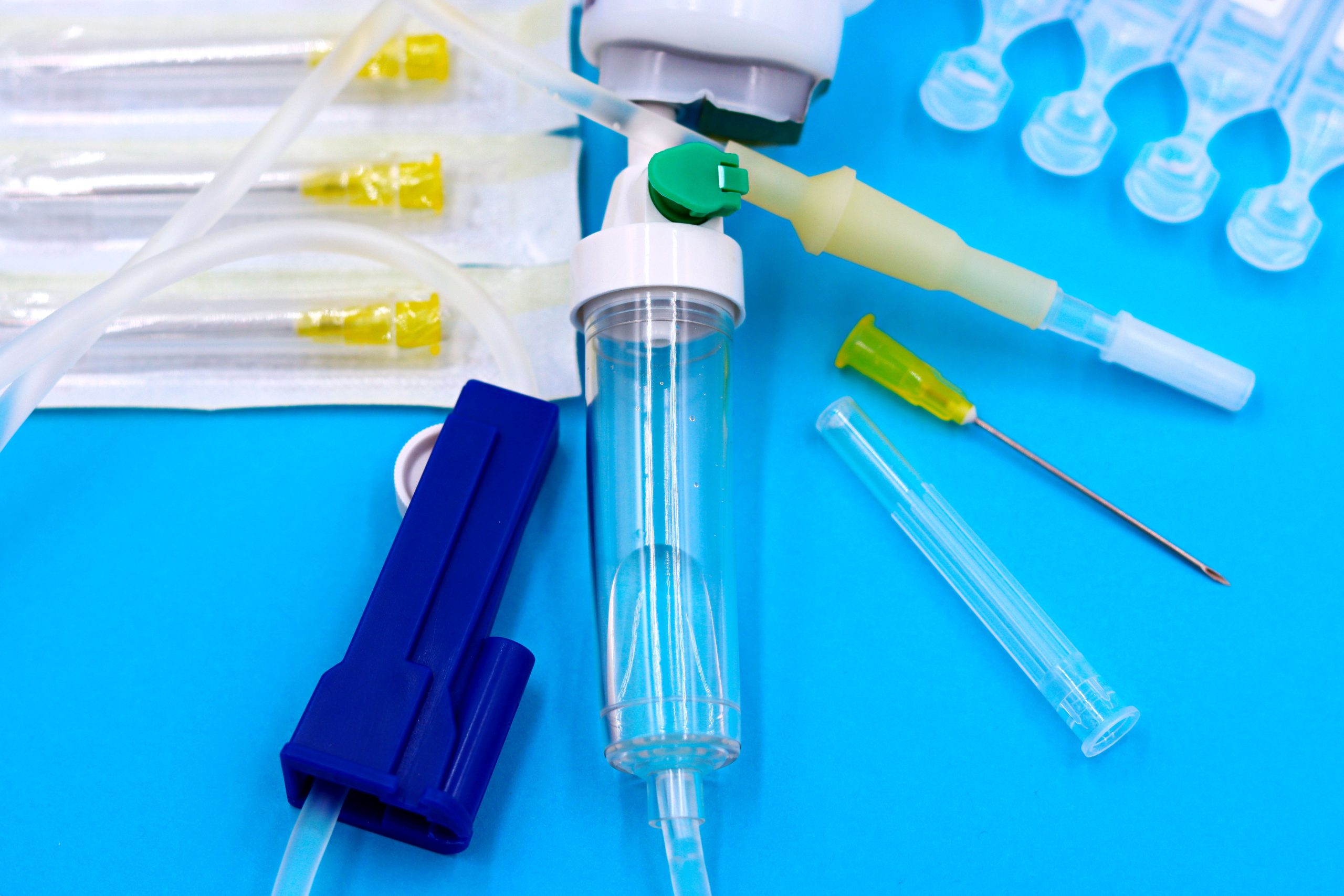
IV sets, solutions, and devices are the equipment and fluids used to deliver medicines and fluids directly into a patient’s bloodstream. These include tubing, catheters, infusion pumps, and sterile solutions in milliliters for dosing. Clinicians select products based on flow rate, compatibility with medications, and device safety features like anti-siphon valves and air-in-line detectors. The right selection minimizes infusion errors, reduces infection risks, and enhances fluid balance reporting in clinical settings. Here’s what’s next: a comparison of common IV set types, a review of solution formulations for hydration and drug delivery, and a breakdown of device features that matter for wards, emergency services, and outpatient infusion. We provide practical guidance and device trade-offs for clinical and procurement decisions.
Key Takeaways
- Safe and accurate intravenous therapy depends on selecting the appropriate IV sets, solutions, and devices that fit each patient’s unique requirements, medication compatibility, and clinical protocols to ensure effective administration of fluids, medications, and blood products.
- Evaluate device design and materials, including IV tubing length, drip chamber size, filter type, and DEHP-free components, to lower contamination risk and chemical incompatibility, particularly for pediatric and other vulnerable patients.
- Control flow and dosing with proper tubing selection, roller clamps or precision regulators, and validated drip-rate tables or infusion pumps to stay accurate and reduce medication errors.
- Protective design from insertion through needleless connectors, secure luer lock connections, and auto air stop or vented features minimizes needlestick injuries, air embolism risk, and leaks during infusions.
- Focus on safety by emphasizing infection prevention, routine device calibration, high-risk drug labeling and double-checks, and tubing changes on schedule per policy.
- This means getting ahead of the game by finding certified suppliers, tracking lot numbers and expiration dates, embracing smart infusions, and committing to continuous staff training to drive better outcomes and supply chain resilience.
Understanding IV Sets

IV sets are crucial medical equipment for IV therapy, allowing accurate administration of fluids, drugs, and blood products. They differ by indication, patient age, and substance compatibility, including plastic container suitability and flow regulation techniques. Proper selection and handling can impact safety, drug stability, and therapeutic outcomes.
1. Design And Function
Crucial elements such as tubing, drip chamber, roller clamp, and injection site play significant roles in fluid delivery systems. The tubing carries the fluid, while the drip chamber enables visual drip counting. The roller clamp controls the flow, and the injection sites allow for bolus doses, ensuring precise application. Inline filters are essential for removing particulates, and auto air stop IV sets feature mechanisms to halt flow once air collects, protecting against air embolisms. Filtered IV sets use membrane filters that capture harmful contaminants, thereby enhancing the safety of the fluid being delivered. Different types of drip chamber sizes and tubing lengths cater to specific needs; for instance, pediatric sets employ shorter, smaller-volume tubing and micro drip chambers, while adult sets are designed with longer lines and macro drip chambers for faster volumes. Sturdy design and kink-proof connectors minimize fluid loss and maintain sterile barriers, preventing dosing errors due to patient movement or equipment contact.
2. Material Composition
Usual materials include medical-grade PVC, polyethylene, and latex-free components alongside other biocompatible plastics. The selection of materials significantly impacts the flexibility and chemical compatibility with medications, as some medications can interact adversely with PVC. DEHP is commonly added to PVC sets for flexibility, raising concerns about phthalate exposure in neonates and pregnant patients. Numerous manufacturers now provide DEHP-free alternatives suitable for vulnerable populations and medications incompatible with PVC, ensuring compliance with clinical standards through rigorous quality control measures.
3. Flow Rate Control
Flow is adjusted using roller clamps, manual regulators, or precision devices, while macro drip tubing provides 10, 15, or 20 gtt/mL, depending on the application. Microdrip offers 60 gtt/mL. Gravity systems use drop factor and calculation of gtt/min to ensure accurate flow rates. Electronic infusion devices enhance precision rate control. Accurate drip counting and flow validation are essential to prevent under- or over-infusion, ensuring a steady flow for therapeutic effect and minimizing complications, which is crucial for patient safety.
4. Connection Types
Luer lock, luer slip, and needleless connectors effectively connect lines, enhancing the functionality of plastic containers used in medical applications. These needleless systems significantly reduce needlestick injuries and decrease contamination risk, ensuring tight, leak-proof connections that prevent air from entering and fluids from escaping during procedures.
5. Specialized Features
Advanced options like vented spikes for glass bottles and lightproof tubing for photosensitive drugs enhance the functionality of IV solutions. Additionally, using a plastic container for small-volume delivery and filters (0.2 micron, 15 µm) ensures quality control. Blood sets and pediatric sets have color coding to minimize mistakes, as IV solutions must be discarded every 24 hours to prevent harmful effects from bacterial growth.
A Guide To IV Solutions
IV solutions are treatments administered straight into the bloodstream to replenish fluids, balance electrolytes, and provide drug therapy or substitute blood parts. Crystalloids, colloids, and blood products serve different types of applications, and the choice depends on your goal, patient status, and safety considerations. Below are targeted descriptions, clinical applications, risks, nursing notes, and quick bedside reference lists.
Crystalloids
Crystalloids are clear aqueous solutions of electrolytes and small molecules, such as normal saline (0.9% sodium chloride) and dextrose solutions. These solutions are the first-line choice for general hydration, correction of electrolyte imbalances, and as carriers for IV drugs. Isotonic crystalloids (0.9% sodium chloride, lactated Ringer’s) expand intravascular volume with minimal cell shift, making them suitable for resuscitation and routine maintenance. Hypotonic crystalloids (0.45% sodium chloride, 0.33% sodium chloride, 2.5% dextrose in water, and 0.2% sodium chloride) move water into cells and are used for intracellular dehydration or hypernatremia correction, although they can worsen cerebral edema. Hypertonic solutions (e.g., 3% saline) draw water out of cells and are reserved for severe hyponatremia with neurologic signs. Store crystalloids in a plastic container at recommended temperatures. Once accessed, they are considered in-use and should adhere to the maximum storage duration of 24 hours. IV tubing and administration sets should be changed per local policy and assessed every 1-2 hours for site integrity, flow, and signs of complication. For flow control, position the bag about 90 cm above the heart when using gravity and calculate drops per minute or use an electronic infusion device.
Colloids
Colloids, which include larger molecules like albumin or synthetic starches (hetastarch), are essential for increasing plasma volume longer than crystalloids. They are particularly beneficial in treating hypovolemia, certain types of shock, and major hemorrhage when immediate intravascular volume support is necessary. Risks such as allergic reactions and effects on coagulation must be considered, so select your patients wisely and monitor coagulation, urine output, and hemodynamics. Always check the compatibility and condition of your plastic container before use, discarding any that are damaged.
Blood Products
Blood products replace oxygen-carrying capacity, coagulation factors, or platelets and include:
- Packed red blood cells (PRBCs)
- Fresh frozen plasma (FFP)
- Platelet concentrates
- Cryoprecipitate
Handle with rigorous compatibility tests, cold-chain storage, and recorded crossmatch techniques. Transfusions need to be monitored for reactions, documented with time and volume accuracy, and acted on quickly with any adverse signs. Consider all IV fluids as medicine, change bags at 24 hours and when 100 milliliters remain, and note on the in-and-out sheet.
Selecting Appropriate IV Devices
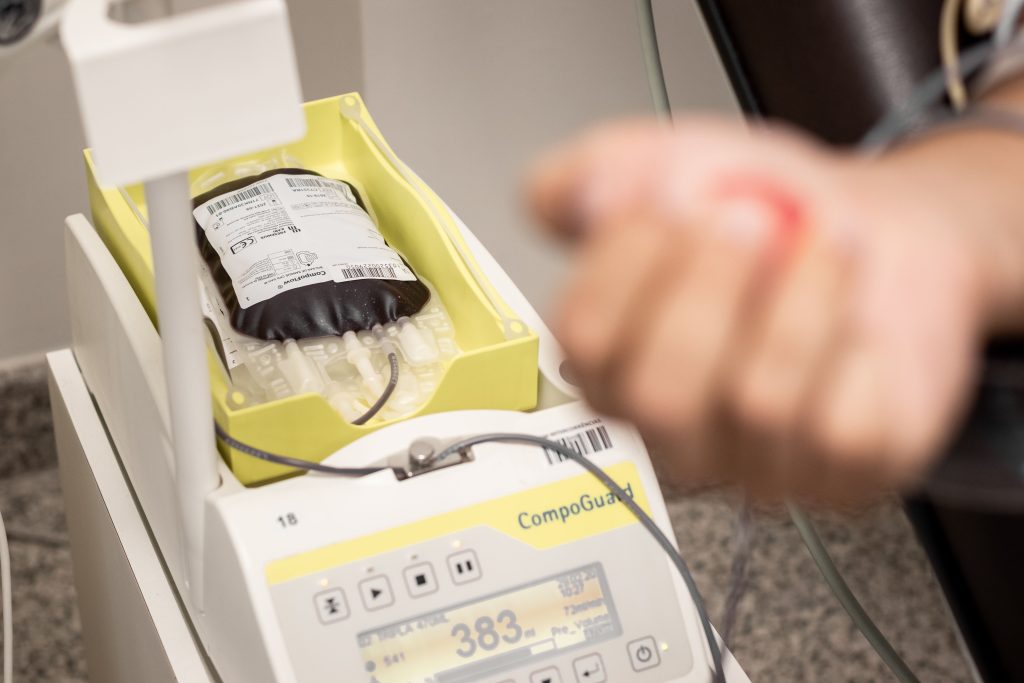
Choosing the appropriate IV device starts with a targeted evaluation of the patient, clinical context, and treatment objectives for safe, efficient vascular access. Select the different types of devices, including tubing length, filter type, connection style, and catheter gauge, that best correspond with your solution and duration. Consider the solution type, such as isotonic, hypotonic, and hypertonic, and medication stability when selecting materials and filters. Use a straightforward checklist based on patient acuity, infusion type, anticipated duration, and risk of infection to make your selections.
Patient Assessment
Evaluate vein size, condition, and accessibility to determine catheter gauge and IV set selection. Hands are the most common starting sites. If veins are poor, move up the arm. Frail elderly patients and children typically require smaller gauges, such as a 22-gauge, and peripheral catheter sizes can be anywhere from 14 to 24 gauge depending on the procedure and patient condition. Take age, weight, and any co-morbidities into account when selecting tubing size and device type, as circulation and skin integrity play a role in dwell time and risk of complications. For appropriate IV devices, consider infection risk, phlebitis potential, and infiltration likelihood. Patients with diabetes or immunosuppression require increased infection control measures and may benefit from closed systems. Record vein selection, gauge, device brand, and justification to assist continuity of care.
Clinical Setting
Different surroundings require different equipment for various applications. Inpatient wards typically carry standard gravity sets and pumps, while EDs need rapid-flow, large-gauge (14 to 18) ones for resuscitation. Ambulatory pumps, extension sets, and secure connections for mobility are a priority in outpatient infusion centers and home care. Ensure the device is congruent with your facility’s other protocols and equipment, especially concerning infection control and storage limits. Staff expertise is crucial in stocking pump-based systems, and having specialized sets on hand for high-acuity situations like chemo or PPN can greatly enhance patient care.
Treatment Duration
Match the set type and tubing length to the infusion length to ensure proper application. Short-term peripheral access can often use standard sets with short tubing to minimize dead space.
Continuous long-term infusions benefit from robust materials, longer tubing, and secure luer-lock connections. For continuous IV fluids, extension tubing from the catheter is attached to a primary administration set. For intermittent medications, use secondary or piggyback sets. Change tubing according to policy, usually every 72 to 96 hours, to reduce infection rates and enhance the effectiveness of treatment. Strategize your device choices for intermittent versus continuous therapy to minimize change-outs and save veins.
Prioritizing Patient Safety
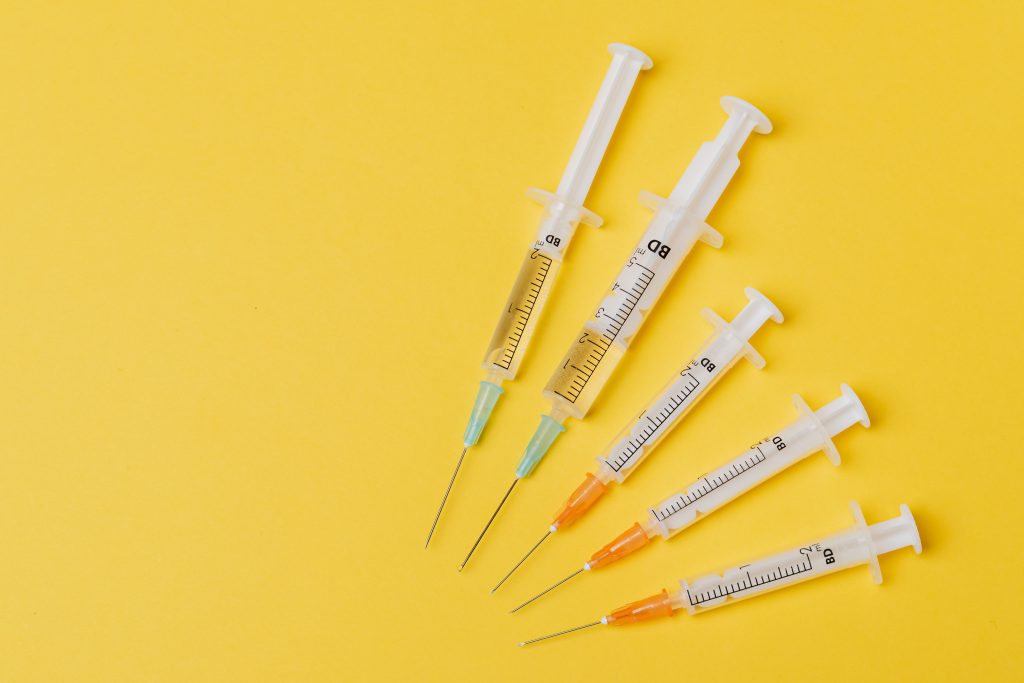
Patient safety in IV therapy relies on layered controls such as device design, staff behavior, and system workflows. Key components like clear labeling and robust training are essential. Design-driven interventions that bind users’ options, such as defaulting clinicians into the drug library on smart pumps, enhance adherence and ensure the suitability of the plastic container used.
Infection Prevention
Single-use, sterile IV sets and closed systems significantly reduce the risk of contamination. Clean injection sites and connectors before access with alcohol or chlorhexidine swabs, noting time and agent. Observe insertion sites for erythema, swelling, or discharge and change peripheral lines according to local policy, usually every 72 to 96 hours, unless clinically indicated. Training staff on hand hygiene and glove use is essential. A targeted training program that includes hands-on lab work can alter behavior far more effectively than a lecture. For instance, required practical skills labs in conjunction with elective lectures can increase appropriate pump-mode use from 5.5 percent to 30.5 percent, enhancing overall safety practices.
Dosing Accuracy
Use infusion pumps, smart pump libraries, and flow regulators to align delivery to orders. Calibrate devices routinely and verify flow rate to order post-setup. Make sure to label all IV lines and bags using standardized color codes and large-font labels, so there’s no confusion, particularly when several infusions run together. Implement redundancies on high-risk and pediatric doses. This process change mandates clinical pharmacist annotation on medication charts. Inpatients had half the rate of administration errors as controls in one study, with rates of 16.6% versus 8.1%. Rethink nursing workflows. Bring pumps and EHR terminals within arm’s reach of the bedside to enhance documentation and prevent set-up errors. Leadership follow-up, for example from a CNO, increases compliance with safety software and helps break down change resistance.
Air Embolism Risk
Of course, prime IV tubing of air before connecting to the patient. Visually inspect and tap small bubbles to move them to the drip chamber. Employ air-eliminating filters, auto air-stop sets, and vented chambers to prevent air ingress. Seal all connections using locking luer devices and tape as necessary. Observe lines for leaks, pressure alarms, or disconnections during infusion. Educate personnel on air embolism symptoms, such as acute dyspnea, chest pain, and hypotension, and practice the rapid response. Smart pumps needing to communicate with the EMR can introduce errors and financial losses through interoperability, affecting the overall advertising effectiveness. Thoughtful implementation planning prevents poor perceived usefulness and vague training materials, ensuring the quality control of services provided.
Beyond The Basics
A brief summary of system issues for IV sets, including different types of devices and their functions, sets the stage for the more detailed bullets that follow. This goes beyond the basics and includes regulatory changes, supply chain controls, and sustainable options, connecting device types, safety mechanisms, and clinical risks so readers can implement hands-on actions and policy news.
Regulatory Oversight
Regulatory bodies define the limits on device safety and performance, and devices must meet FDA, CDC, and/or international standards to be used clinically and for purchase. Make sure products have valid certifications like FDA 510(k), CE marking,or ISO 13485, and conduct routine quality assurance tests on lot samples to verify sterility, material composition, and drop factor. Trace lot numbers and expiration dates with an electronic inventory system that enables swift recall handling and facility-wide traceability, complete with batch-level scans at receipt and dispensing. Standard device differentials, such as adult versus pediatric, natural-rubber-free, PVC for particular drugs, vented versus non-vented sets, and lightproof tubing, need to find their place in regulatory dossiers and staff-level labels.
Agency | Standard / Focus |
FDA (United States) | Device clearance, labeling, post-market surveillance |
CDC (United States) | Infection control guidance, IV site care protocols |
CE / Notified Bodies (EU) | Conformity to essential safety requirements |
ISO | Quality management (ISO 13485), device standards |
MHRA / TGA | National device regulation and alerts |
Supply Chain Integrity
Purchase from credible manufacturers and distributors to minimize the counterfeiting risk and variability. For example, with experienced suppliers like Merit Pharmaceutical, you receive consistent product specifications and supporting documentation. Check deliveries against POs and CoAs, and spot-check Auto Air Stop Filter operation and lightproof tubing for critical meds. Track inventory by expiration date and drop-factor type. Macro-drip sets, which have 10, 15, or 20 drops per milliliter, must be rotated to avoid expiration and waste. Have recall or supply disruption contingency plans in place that feature alternate approved vendors, conservation protocols, and cross-facility redistribution.
Sustainable Practices
Opt for lightly packaged products and recyclable components where clinically feasible, and select DEHP-free and latex-free sets to reduce risk for patients and staff. In addition, establish device disposal protocols that segregate sharps, contaminated plastics, and recyclables while auditing quarterly. Go beyond the basics and ask your suppliers about energy use and manufacturing waste. Instead, choose to work with partners that have measurable environmental plans to ensure maximum storage duration of materials. Track clinical outcomes to make sure your sustainability decisions aren’t leading to increased phlebitis or infection rates.
The Future Of IV Therapy

Innovations in hardware, software, and data usage are transforming IV therapy from a largely manual task to a smart service that is integrated and monitored as data-supported care delivery. The use of analytics and new materials will enhance safety, mobility, and personalization, ultimately reducing errors and improving outcomes for visitors in different types of healthcare settings.
Smart Technology
Smart infusion pumps with drug libraries, dose error reduction systems, and wireless connectivity will reduce error rates by enforcing dosing limits and providing automated alerts. Connecting pumps with electronic health records (EHRs) allows clinicians to view infusion parameters alongside previous reactions in a single display, enabling safer decision-making and after-the-fact analysis. Barcode medication administration prevents wrong-drug and wrong-dose events by confirming patient, drug, and concentration at the bedside. Near-infrared (NIR) vein imaging assists in vein selection quickly and reliably, reducing the number of failed attempts and increasing first-stick success, particularly in neonatal and geriatric care settings. Wearable and ambulatory pumps take care beyond the hospital. Whether it’s chemo or antibiotics at home, these lightweight devices paired with mobile apps can report infusion status and alert clinicians in case of occlusion or completion. The researchers are trialing AI models that identify likely infusion complications using real-time vitals and pump telemetry, allowing for preemptive interventions.
Staff Competency
Training needs to include IV set selection, priming, and alarm troubleshooting, as well as understanding the different types of plastic containers used for storage. Routine competency testing and hi-fidelity simulation expose staff to infrequent but impactful events such as air embolism or occlusion, so teams rehearse responses in low-risk environments. Educational content must be regularly updated to account for new catheters, dressings, and evidence. A safety culture that rewards reporting and learning, not blame, sustains skill and motivates early adoption of safer devices and protocols.
Patient Outcomes
To effectively measure infection, dosing accuracy, line failure, and complication incidence, we must evaluate different types of technologies and protocols. Gathering patient input on comfort and mobility is essential, as clear instructions can enhance the overall experience. This feedback should guide catheter designs and home-infusion workflows. Additionally, tracing efficiency improvements, such as reduced setup times and faster discharges, can be connected to satisfaction scores and recovery statistics, ultimately justifying investment decisions in new catheter materials and technologies.
Conclusion
IV care is at the heart of most clinical pathways. Clear selection of sets, solutions and devices reduces mistakes and saves time. Easy rules assist. Match fluid type and rate to patient need. Choose lines and pumps adapted to the ward configuration and personnel expertise. Test seals and flows prior to each use. Monitor lot numbers and expiration dates. Train staff on mix checks and sterile steps. Quickly identify patterns and shore up vulnerabilities with local data. A recent med-surg unit cut the line by 30% after they standardized kits and held quick skills drills semi-monthly. Small fixes like that accumulate. Give one a chance this week and observe the outcome. Discuss what you discover with the team.
Frequently Asked Questions
1. What Is An IV Set and Why Does It Matter?
IV sets, which include tubing and connectors, are essential for transporting fluids from a plastic container to a patient. The quality of these sets impacts flow precision, infection risk, and device compatibility, ultimately affecting patient outcomes.
2. How Do I Choose The Right IV Solution?
Choose based on clinical needs: isotonic for maintenance or resuscitation, hypotonic for cellular dehydration, and hypertonic for severe hyponatremia, while considering the different types of fluids available. Follow hospital protocols and a clinician’s judgment.
3. What Factors Determine The Best IV Device For A Patient?
Consider factors such as vein quality, treatment duration, fluid type, patient mobility, and risk of infection when selecting an appropriate intravenous site. Peripheral cannulas are suitable for short-term applications, while midline catheters or central lines are preferred for long-term use.
4. How Can Clinicians Minimize IV-Related Infections?
Apply aseptic technique, including skin antisepsis and hand hygiene, while adhering to proven bundles and checking catheter sites daily to ensure quality control.
5. What Are Common Complications Of IV Therapy and Early Signs?
Common issues at the injection site include infiltration, phlebitis, occlusion, and infection. Early signs such as swelling, pain, redness, and fever require immediate response to avoid damage.
6. When Should IV Therapy Be Switched To Oral Or Alternative Routes?
Switch once the patient can absorb and tolerate oral meds, is clinically stable, and treatment goals are met, considering different types of delivery methods like enteral or subcutaneous.
7. How Is Technology Changing IV Therapy Safety and Effectiveness?
Smart pumps and closed infusion systems enhance dosing precision and infection control, significantly improving monitoring and minimizing human error during the use of various medical devices.