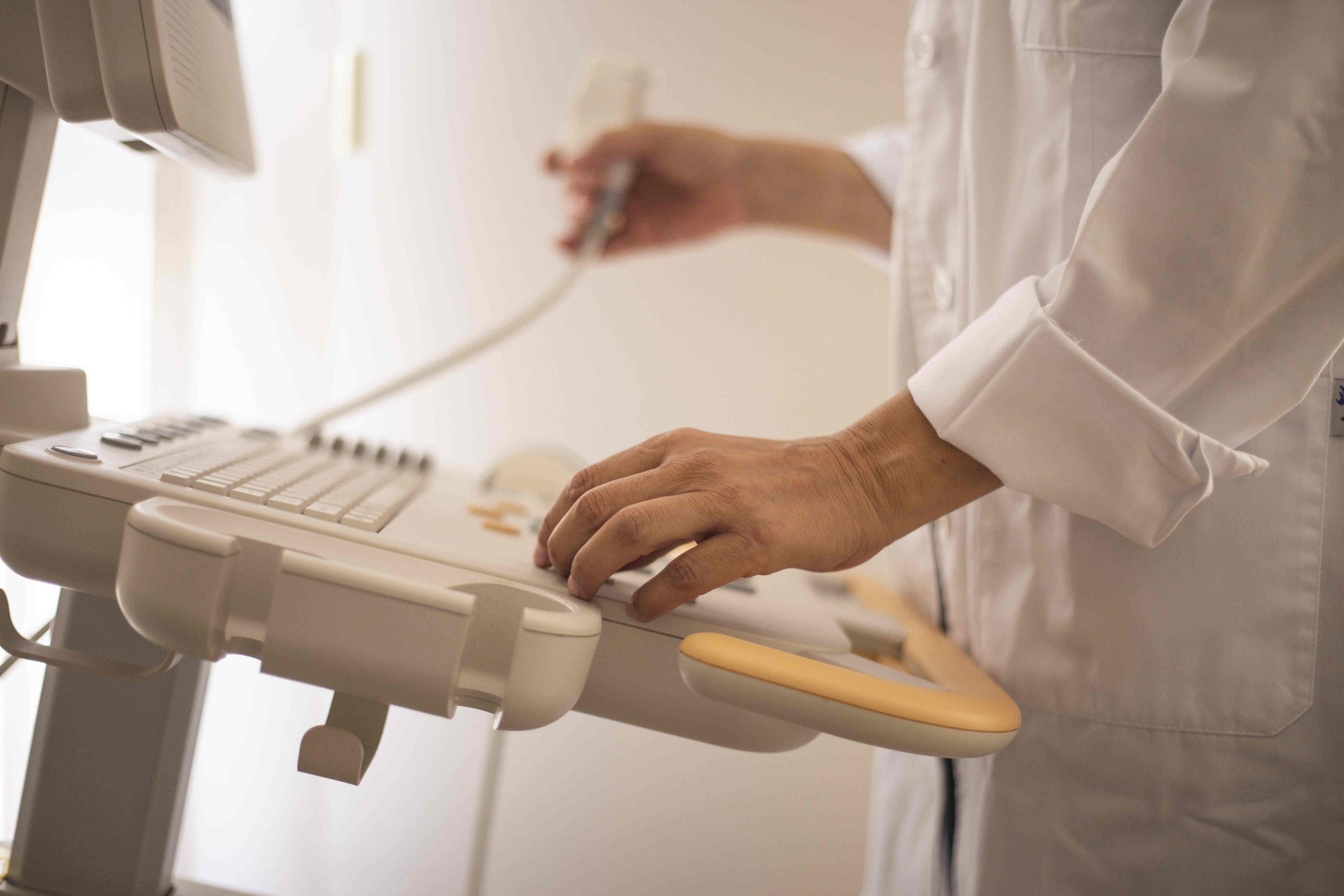

Choosing infusion therapy equipment is not simply a matter of comparing prices and selecting the model with the most features. For hospitals, clinics, ambulatory treatment centers, specialty practices, and other healthcare facilities, infusion equipment can directly affect medication delivery, patient safety, workflow efficiency, staff productivity, and long-term operating costs.
Procurement teams therefore need to look beyond the initial purchase price. An infusion pump, syringe pump, volumetric pump, or related device must suit the facility’s clinical requirements, operating environment, staffing model, maintenance capabilities, and budget. Equipment that appears economical initially may become more expensive if it requires frequent servicing, relies on costly accessories, complicates workflows, or becomes difficult to support after installation.
The growing range of infusion therapy equipment makes purchasing decisions increasingly complex. Facilities may encounter different pump technologies, configurations, administration sets, software capabilities, safety functions, connectivity options, and accessories. Each may serve different clinical applications, making it important to understand what the organization actually needs before making a purchase.
The right questions can help procurement professionals evaluate equipment systematically. Instead of asking only, “How much does this pump cost?” teams should determine whether it is appropriate for the intended therapies, how it supports clinicians, what safety features it offers, how reliably it performs, and what support will be available after the sale.
A well-planned purchasing process can also prevent unnecessary spending. Selecting equipment based on actual clinical demand helps organizations avoid paying for capabilities they will rarely use while ensuring that critical functions are not overlooked.
This guide examines the most important questions procurement teams should ask before buying infusion therapy equipment, from clinical requirements and safety to usability, compatibility, reliability, maintenance, technology, compliance, total cost of ownership, and supplier support.
Key Takeaways
- Evaluate infusion equipment according to clinical requirements rather than purchase price alone.
- Examine accuracy, alarms, drug libraries, occlusion detection, and other relevant safety functions carefully.
- Confirm compatibility with administration sets, accessories, technology systems, and existing workflows.
- Assess usability and training requirements before implementation.
- Review maintenance, replacement parts, warranty coverage, technical support, and expected service life.
- Compare the total cost of ownership rather than relying solely on the initial equipment price.
- Evaluate the supplier’s expertise, communication, service capabilities, and long-term support.
- Standardization can simplify training, maintenance, inventory management, and workflows when clinically appropriate.
- Consider future growth and changing clinical requirements before selecting equipment.
- Evaluate the supplier and the equipment together because dependable support is part of the investment.
What Clinical Applications Will The Equipment Support?

Infusion therapy encompasses many applications, including hydration, antibiotics, pain management, chemotherapy, biologic therapies, nutritional support, and other medication or fluid administration needs. Requirements can vary considerably between clinical environments.
An intensive care unit may have substantially different needs from an outpatient infusion center. A specialty clinic may prioritize compact equipment and straightforward operation, while a larger hospital may require advanced connectivity, extensive drug libraries, multiple pump configurations, and integration with existing systems.
Before comparing products, procurement teams should work with clinical leaders to identify the therapies and patient populations the equipment will support. This assessment should consider the types of fluids and medications administered, expected infusion rates, frequency of use, patient acuity, and environments in which the equipment will operate.
Defining these requirements first prevents a common purchasing mistake: selecting equipment because it has attractive specifications without determining whether those specifications address genuine clinical needs.
Which Type Of Infusion Pump Is Most Appropriate?
“Infusion equipment” covers a broad range of devices. Procurement teams should first determine which type is appropriate for the intended applications. Depending on the clinical environment, organizations may evaluate volumetric infusion pumps, syringe pumps, ambulatory infusion pumps, specialty pumps, and other infusion-related devices. Each type can provide different capabilities and may be intended for different applications.
Teams should determine what form of infusion delivery is required, what flow-rate ranges are needed, whether syringe-based administration is necessary, how important portability is, whether the equipment will be used continuously or intermittently, and whether specialty configurations are required.
They should also consider whether equipment will be shared among departments or dedicated to specific clinical areas. The appropriate choice should come from the clinical use case rather than the product catalog. Selecting the right equipment category at the beginning makes subsequent product comparisons much more meaningful.
How Accurate And Consistent Is The Equipment?
Procurement teams should ask suppliers to explain how the device controls and delivers prescribed infusion rates and which specifications apply under different operating conditions. They should review the manufacturer’s stated performance characteristics and understand the conditions under which those specifications were established. Accuracy should also be evaluated across the flow rates and applications relevant to the facility rather than treated as an isolated specification.
Teams should ask about specified delivery accuracy, factors that may affect performance, how the equipment responds to changes in pressure or resistance, the manufacturer’s testing and quality-control procedures, and how performance is verified during servicing and maintenance. Merit Pharmaceutical can provide clear guidance on these considerations and help healthcare facilities evaluate infusion equipment according to their clinical requirements.
What Patient Safety Features Are Included?
Depending on the device, modern infusion equipment may include occlusion detection, air-in-line detection, free-flow protection, configurable alarms, dose limits, drug libraries, and other safety functions. Procurement teams should determine which capabilities are included as standard and which require additional configuration, software, accessories, or licensing.
Teams should also examine how the alarm system works in actual clinical use. An alarm should communicate meaningful information clearly without unnecessarily complicating workflows. Therefore, procurement teams should evaluate not only whether alarms exist but also whether clinicians can understand, prioritize, and respond to them efficiently.
Does The Equipment Support Drug Libraries And Dose Error Reduction?
For organizations that administer medications through programmable infusion pumps, drug libraries and dose-error-reduction capabilities can be important considerations. Procurement teams should determine whether the equipment supports configurable drug libraries, whether medication parameters can be adapted to the facility’s protocols, and how updates are managed.
They should also understand whether authorized personnel can securely manage configurations, whether appropriate limits can be customized, what reporting capabilities are available, and whether different care areas or clinical profiles can be supported. The objective is not simply to purchase equipment with sophisticated software. The more important goal is to select equipment whose safety capabilities can be effectively incorporated into the organization’s medication-management processes.
Is The Equipment Easy For Clinicians To Use?
Sophisticated infusion equipment can become problematic when clinicians find it difficult to operate. Usability deserves attention because complicated interfaces can increase training requirements, slow workflows, and create frustration for clinical teams.
Whenever possible, procurement teams should arrange demonstrations and involve nurses, pharmacists, biomedical equipment technicians, and other relevant personnel. During a demonstration, users can assess how easily they can program an infusion, change settings, respond to alarms, pause an infusion, replace administration components, and troubleshoot common problems.
What Training Is Provided?

New infusion equipment generally requires some level of staff education, so procurement teams should establish exactly what training is included before signing an agreement. Suppliers should explain whether they provide initial training, train-the-trainer programs, online educational resources, technical instruction, refresher sessions, or on-site implementation support.
Training becomes particularly important when a facility replaces an established pump platform with another manufacturer’s system. Different interfaces and operating procedures can require substantial adjustment. The procurement team should also determine whether separate training is available for different user groups. Nurses may need instruction focused on clinical operation, while biomedical technicians may require additional education covering maintenance, testing, configuration, and troubleshooting.
Is The Equipment Compatible With Existing Supplies And Accessories?
Infusion equipment may rely on administration sets, syringes, tubing, connectors, batteries, mounting systems, and other accessories. Procurement teams should determine which components are required and whether they can be obtained reliably.
Teams should establish which consumables are approved, whether proprietary supplies are required, whether existing supplies can be used, which accessories are included, which must be purchased separately, and how stable the supply chain is for required components.
A device with an attractive purchase price may become less economical if its required consumables are expensive, difficult to source, or available through only a limited number of suppliers.
How Reliable Is The Equipment?
Procurement teams should request information about expected equipment life, maintenance requirements, known service considerations, and manufacturer support. They should also understand how the supplier defines reliability and what resources are available when problems occur.
Important considerations include expected service life, preventive maintenance frequency, commonly replaced components, repair timelines, availability of replacement units, and whether loaner equipment is provided during extended repairs. Teams should also ask how product updates, corrective actions, and other important notices are communicated.
What Does The Warranty Cover?
Warranty terms can significantly affect the financial risk associated with an equipment purchase. Procurement teams should review the warranty rather than assuming that every problem will be covered. They should establish how long coverage lasts, which components are included, what exclusions apply, and who is responsible for shipping, labor, replacement parts, and on-site service. It is equally important to understand what happens after the warranty expires. A supplier that clearly explains both warranty coverage and post-warranty service gives procurement teams greater visibility into long-term ownership costs.
What Technical Support Is Available?
Infusion equipment does not operate in isolation. When problems arise, clinical and technical teams need access to appropriate support. Procurement teams should determine how technical support can be reached, what hours it operates, and whether the support model is appropriate for the facility’s clinical environment. Organizations with continuous or high-acuity infusion services may require more comprehensive support than facilities with limited operating hours.
Teams should ask whether assistance is available by telephone, online, remotely, or on-site. They should also determine how service requests are prioritized and what response times customers can reasonably expect. A supplier’s support model can be as important as the equipment itself.
How Easily Can The Equipment Be Maintained?
Maintenance requirements should be understood before equipment arrives at the facility. Biomedical or clinical engineering teams should review maintenance procedures, testing requirements, calibration processes where applicable, battery management, software updates, and replacement-part availability.
Procurement teams should determine whether internal technicians can maintain the equipment or whether servicing must be completed by the manufacturer or an authorized provider. This distinction can have a significant effect on long-term operating costs. If a facility already has an established biomedical service program, equipment that fits its existing maintenance capabilities may provide operational advantages.
What Is The Total Cost Of Ownership?
One of the most common equipment procurement mistakes is focusing exclusively on purchase price. The actual cost of infusion equipment can include accessories, consumables, training, software, licensing, maintenance, repairs, replacement batteries, warranty coverage, technical support, and eventual replacement.
Procurement teams should therefore calculate the total cost of ownership rather than comparing initial prices alone. The exact calculation will vary by organization, but the principle remains consistent. A more expensive device may ultimately provide better value if it has a longer service life, lower maintenance requirements, stronger support, and greater operational efficiency.
Are There Recurring Software Or Licensing Costs?
Technology-enabled infusion equipment may involve recurring software expenses that are easy to overlook during the initial purchasing process. Procurement teams should determine whether software, cloud services, connectivity features, drug-library management, reporting tools, or other capabilities require separate licensing.
Suppliers should provide a clear breakdown of one-time and recurring expenses. This is particularly important when comparing products from different manufacturers because two systems with similar purchase prices may have substantially different long-term technology costs. Teams should understand the expected costs during the first year, subsequent years, and renewal periods before approving the purchase.
Can The Equipment Integrate With Existing Technology?
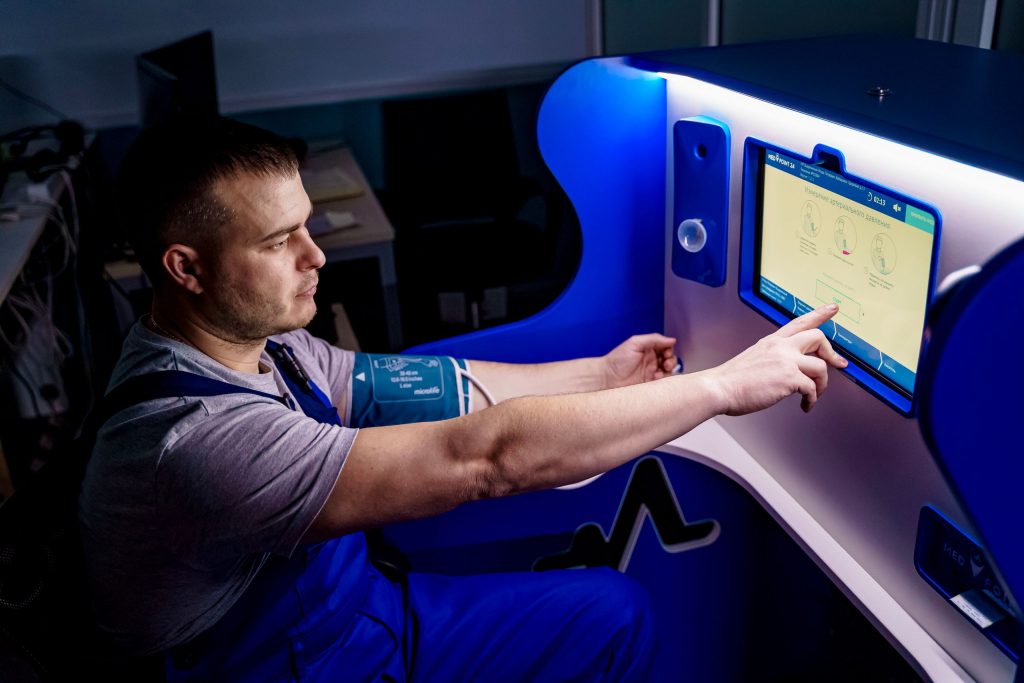
Healthcare organizations increasingly use connected technologies and electronic information systems, making interoperability an important consideration for some infusion environments. Procurement teams should determine whether the equipment can integrate with the facility’s existing technology infrastructure and whether that integration provides a meaningful clinical or operational benefit.
Relevant considerations may include data transfer, connectivity, device management, reporting, interoperability, cybersecurity, and integration with clinical workflows. Integration should not be pursued simply because it is available. Organizations should first identify the specific problem the technology is expected to solve and whether the resulting benefit justifies the added complexity and cost.
How Does The Equipment Handle Data And Cybersecurity?
Connected medical equipment introduces additional technology and cybersecurity considerations. Procurement teams should ask how devices are configured, updated, monitored, and protected when they connect to healthcare networks.
They should understand how software updates are delivered, how vulnerabilities are addressed, what security controls are supported, how access is managed, what happens when equipment reaches the end of its supported life, and how the supplier communicates cybersecurity issues. These questions should be reviewed with the organization’s IT and cybersecurity teams where appropriate.
Does The Equipment Meet Applicable Regulatory And Quality Requirements?
Procurement teams should verify that equipment is appropriately authorized or cleared for its intended market and use and that the supplier maintains suitable quality systems.
Regulatory requirements vary according to location, device type, intended use, and applicable regulations. Teams should therefore request relevant documentation and have qualified personnel review it instead of relying exclusively on marketing claims.
Quality evaluation should also extend beyond the device itself. Organizations should consider the manufacturer’s quality-management practices, documentation, traceability, and approach to product corrections, safety notices, and recalls.
What Happens If The Manufacturer Discontinues The Product?
Infusion equipment may remain in service for years, making product lifecycle planning an important part of procurement. Teams should ask how long the model is expected to remain commercially supported and what happens if the manufacturer eventually discontinues it.
Procurement professionals should establish how long replacement parts and technical support will remain available, whether software updates will continue, whether replacement models will work with existing accessories, and what the manufacturer’s product-transition strategy looks like.
Can The Supplier Provide References Or Demonstrate Relevant Experience?
Supplier experience can provide useful insight into the organization’s ability to support healthcare customers. Rather than relying solely on marketing claims, procurement teams should ask suppliers to explain their experience with similar healthcare environments and describe how they handle installation, training, service, troubleshooting, and ongoing customer support. Relevant experience becomes particularly valuable when equipment will be deployed across several departments or incorporated into complex clinical workflows.
How Does The Supplier Handle Installation And Implementation?
Purchasing equipment is only one stage of implementation. Procurement teams should ask what happens after an order is placed and determine whether the supplier assists with delivery, setup, configuration, testing, staff training, and implementation.
For larger deployments, both parties should establish a realistic implementation timeline and clearly define responsibilities. A structured implementation process can reduce disruption and help clinical teams transition to the new equipment more effectively.
What Happens When Something Goes Wrong?
Teams should understand how quickly support responds, how equipment problems are diagnosed, whether replacement units are available, how repairs are managed, and how customers are informed about significant product issues.
Procurement teams should also establish escalation procedures for serious or recurring equipment problems. A supplier that can explain this process clearly demonstrates a stronger commitment to post-purchase support.
Should The Facility Standardize Its Infusion Equipment?
Standardization can provide substantial operational benefits when the same equipment meets the clinical needs of multiple departments. Using fewer pump platforms can simplify staff training, equipment maintenance, inventory management, accessory purchasing, and workflow development. It can also reduce the number of systems that biomedical and clinical engineering teams must support.
Standardization should never override legitimate clinical requirements. Specialty departments may need equipment with capabilities that general medical units do not require. The objective should therefore be appropriate standardization: use common equipment where practical while preserving flexibility where clinical differences justify it.
Can The Supplier Scale With Future Demand?
Procurement decisions should account for future growth rather than focusing only on today’s requirements. A facility may expand its infusion service, increase patient volume, add treatment areas, or introduce new therapies. Equipment that cannot accommodate those changes could force the organization into another costly procurement cycle.
Teams should ask whether additional units, accessories, software capabilities, training, and service support can be added as demand grows. Planning for scalability can make an infusion equipment investment more sustainable over its useful life.
Is The Equipment Ergonomic And Appropriate For The Care Environment?
Physical design can influence workflow and staff efficiency. Infusion equipment may be moved between patient rooms, mounted on poles, positioned near beds, or transported throughout a facility. Equipment that is difficult to carry, position, clean, program, or store can create unnecessary challenges.
Procurement teams should evaluate dimensions, weight, mounting options, display visibility, controls, battery operation, cleaning requirements, and mobility. Staff should ideally assess the equipment in conditions that resemble actual clinical use rather than relying solely on specifications or photographs.
How Should Procurement Teams Compare Finalists?

Once the required information has been collected, procurement teams should avoid making the final decision based on a single category. A structured evaluation can score equipment and suppliers according to clinical fit, safety, usability, reliability, compatibility, service, training, technology, compliance, total cost of ownership, and supplier quality.
Clinical fit should determine whether the equipment meets the facility’s treatment requirements. Safety should address appropriate safeguards and alarm capabilities. Usability should reflect how efficiently clinicians can operate the equipment. Reliability should account for expected workload and available support.
Compatibility should cover supplies and systems, while service should consider maintenance and technical assistance. Training should address whether staff receive adequate education. Technology should determine whether connectivity provides meaningful value. Compliance should confirm applicable regulatory and quality requirements. Finally, cost and supplier quality should reflect long-term ownership value and the vendor’s ability to provide dependable support.
Why Supplier Selection Matters As Much As Equipment Selection
The best infusion therapy equipment can become a poor investment if the supplier cannot provide adequate support. For that reason, procurement teams should evaluate the supplier as an essential component of the purchase. Merit Pharmaceutical provides accurate product information, responsive communication, appropriate documentation, training resources, technical assistance, and dependable support.
The supplier should also understand that healthcare equipment purchases are not ordinary transactions. Clinical environments require dependable products and dependable support throughout the equipment lifecycle. Detailed procurement questions can help organizations distinguish between suppliers that simply sell equipment and those capable of supporting the facility’s long-term requirements.
What Should Be Included In The Procurement Checklist?
Before finalizing a purchase, procurement teams should confirm that they have clear answers across the most important areas.
- Clinical Requirements: Is the equipment suitable for the therapies, patient populations, and departments where it will be used?
- Safety: Does it provide appropriate alarms, protections, programming safeguards, and other relevant safety functions?
- Usability: Can clinicians operate it efficiently and consistently?
- Compatibility: Are required administration sets, accessories, and consumables available and appropriate?
- Maintenance: Can the organization maintain the equipment effectively?
- Support: Can technical assistance be obtained when needed?
- Training: Is adequate clinical and technical education included?
- Lifecycle: How long will the equipment, software, and components remain supported?
- Technology: Are connectivity and software capabilities appropriate for the facility?
- Compliance: Has the necessary regulatory and quality documentation been reviewed?
- Financial Considerations: What will the equipment cost throughout its expected service life?
- Supplier Reliability: Does the supplier have the expertise, communication, and resources necessary to support the organization?
Answering these questions before placing an order can significantly reduce unexpected costs and implementation problems.
Making Smarter Infusion Equipment Investment Decisions
The procurement process should ultimately focus on value rather than simply cost. Value means obtaining equipment that performs appropriately, supports patient care, helps clinicians work efficiently, remains reliable over time, and can be supported throughout its useful life.
A cross-functional evaluation can provide a more complete picture of that value. Nurses can assess usability, pharmacy professionals can evaluate medication-related functionality, biomedical teams can examine maintenance and service requirements, IT professionals can review connectivity and cybersecurity, and finance and procurement specialists can analyze total cost of ownership.
Conclusion
Buying infusion therapy equipment is a significant decision that requires more than comparing prices and technical specifications. Procurement teams must determine whether equipment is clinically appropriate, safe, reliable, easy to use, compatible with existing systems, maintainable, and supported by a dependable supplier.
The most useful questions address the entire equipment lifecycle. Teams should determine what the equipment will be used for, how accurately it performs, which safety features it provides, how clinicians will operate it, what training is available, which accessories and consumables are required, and how the equipment will be maintained.
They should also investigate warranty coverage, technical support, software costs, cybersecurity, regulatory considerations, product lifecycle management, and future scalability.
Most importantly, procurement teams should evaluate the total value of the investment, not merely the initial purchase price. A dependable infusion equipment solution should support clinical teams today while providing the reliability, service, and lifecycle support needed for continued use.
By asking detailed questions before placing an order, healthcare organizations can make more confident purchasing decisions, reduce avoidable costs, improve operational efficiency, and select infusion therapy equipment that aligns with their clinical and organizational goals.
Frequently Asked Questions
1. What Should Procurement Teams Consider First When Buying Infusion Equipment?
Procurement teams should begin by identifying the clinical applications the equipment will support. This includes the types of medications and fluids administered, patient populations, infusion rates, clinical environments, expected usage levels, and staff requirements.
2. Why Is Total Cost Of Ownership Important For Infusion Therapy Equipment?
The purchase price represents only one part of the investment. Total cost of ownership may include accessories, consumables, software or licensing, staff training, maintenance, repairs, replacement parts, technical support, and eventual replacement.
3. What Safety Features Should Procurement Teams Look For In Infusion Pumps?
The appropriate safety features depend on the equipment and clinical application, but procurement teams may evaluate functions such as occlusion detection, air-in-line detection, free-flow protection, configurable alarms, dose limits, and drug libraries.
4. How Important Is Supplier Support After Purchasing Infusion Equipment?
Supplier support can be extremely important because infusion equipment requires installation, training, maintenance, troubleshooting, and potentially repairs throughout its service life. Procurement teams should investigate technical-support availability, response processes, warranty coverage, replacement parts, preventive maintenance requirements, training, and post-warranty service before selecting a supplier.
5. Should Hospitals Standardize Their Infusion Equipment?
Standardization can simplify staff training, equipment maintenance, inventory management, accessory purchasing, and clinical workflows when the same equipment meets the needs of multiple departments. Standardization should not come at the expense of clinical requirements.