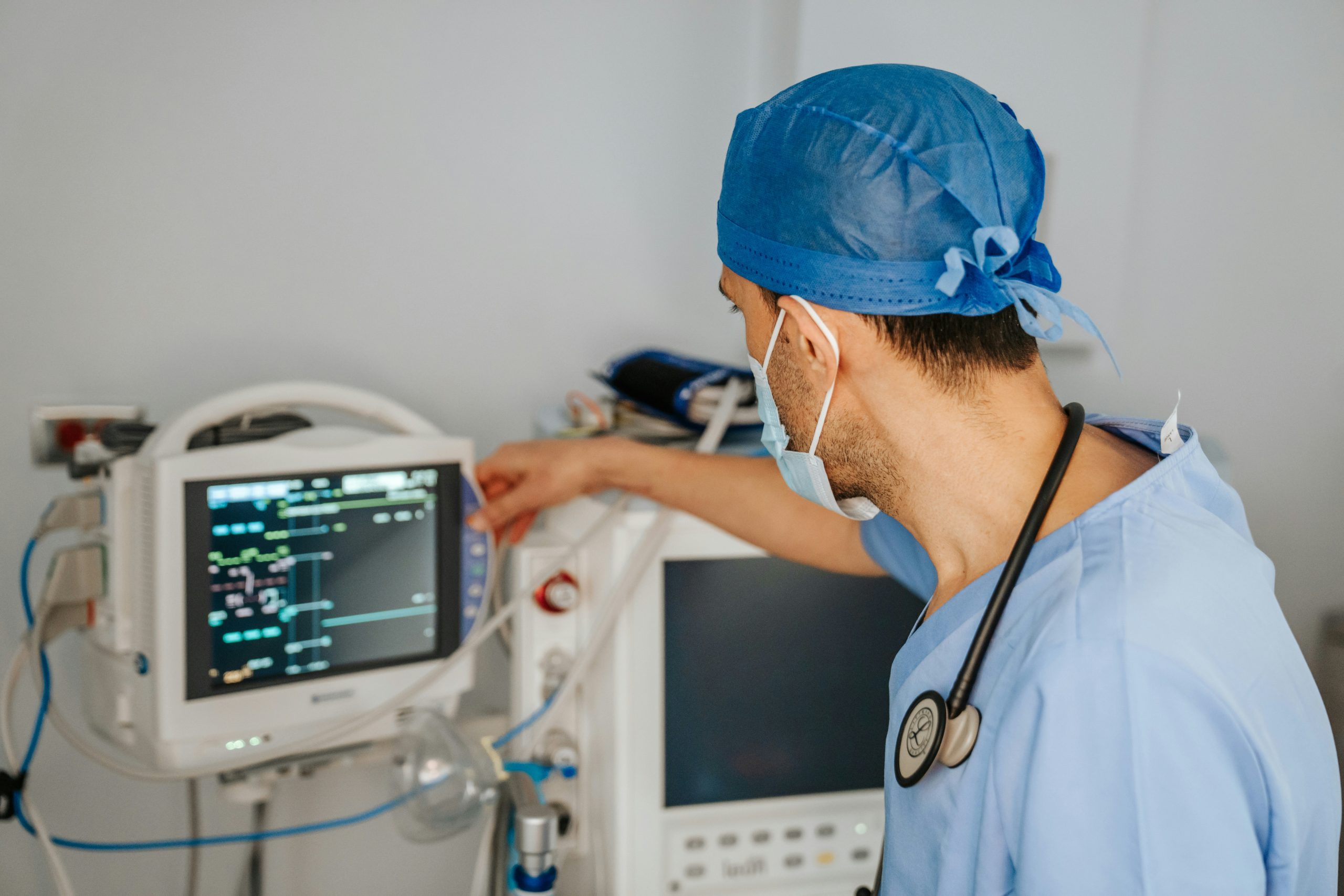
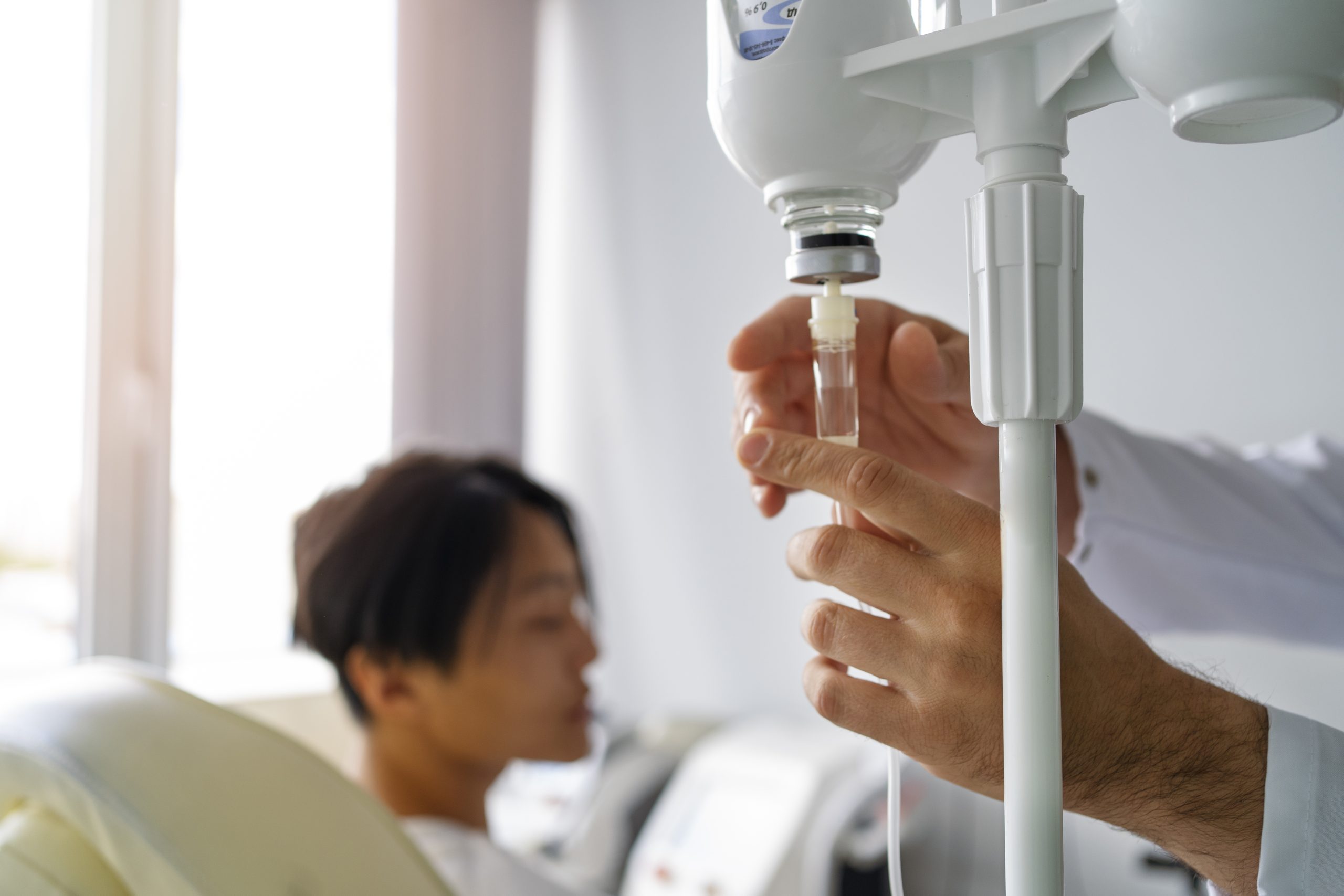
Infusion therapy is an essential part of care in many clinics, outpatient treatment centers, specialty practices, and ambulatory healthcare facilities. Patients may depend on infusion therapy for hydration, antibiotics, pain management, nutritional support, biologic medications, chemotherapy, and other treatments. Because these therapies often require precise administration and careful monitoring, the equipment used to deliver them can directly affect clinical efficiency, patient safety, staff workload, and operating costs.
For clinics, purchasing infusion therapy equipment is not simply a matter of choosing the lowest-priced pump or device. The initial purchase price represents only one part of the total cost of ownership. Equipment that requires frequent maintenance, creates workflow complications, has limited compatibility, or is difficult for staff to operate can become more expensive over time.
Better infusion therapy equipment can help clinics manage costs from a broader perspective. Reliable infusion pumps, appropriate accessories, dependable monitoring capabilities, and well-supported equipment can reduce avoidable waste while helping clinical teams work more efficiently. The right equipment can also contribute to consistent medication delivery, fewer interruptions, better use of treatment areas, and more predictable maintenance requirements.
This does not mean every clinic needs the most technologically advanced infusion equipment available. The goal is to select equipment that matches the clinic’s patient population, treatment protocols, staffing model, workflow, and long-term operational requirements.
Understanding how infusion therapy equipment affects costs can help healthcare organizations make more informed purchasing decisions. By considering reliability, durability, usability, maintenance, compatibility, safety features, scalability, and supplier support, clinics can invest in infusion solutions that provide value well beyond the initial purchase.
Key Takeaways
- The cheapest infusion therapy equipment is not always the least expensive option over its useful life.
- Reliable equipment can reduce downtime, workflow interruptions, maintenance burdens, and avoidable replacement costs.
- User-friendly infusion pumps can streamline clinical workflows and reduce unnecessary staff time.
- Accurate and dependable infusion delivery supports safer and more consistent treatment practices.
- Equipment compatibility can reduce waste and simplify inventory management.
- Preventive maintenance and strong supplier support can extend equipment life and improve operational predictability.
- Clinics should evaluate the total cost of ownership rather than focusing exclusively on the purchase price.
- Scalable infusion therapy equipment can help facilities adapt as patient volumes and treatment requirements change.
- Choosing the right supplier is just as important as choosing the right equipment.
- Better infusion therapy equipment should balance cost, quality, safety, reliability, and clinical practicality.
Why Infusion Therapy Equipment Matters To Clinic Costs

Infusion therapy equipment affects more than the process of delivering medication or fluids. It is part of a larger clinical workflow involving nurses, physicians, pharmacists, technicians, patients, supplies, treatment rooms, documentation, cleaning, maintenance, and inventory management.
When equipment works reliably, staff can spend more time providing patient care and less time addressing equipment-related problems. When equipment is difficult to operate or frequently unavailable, the resulting costs may appear in areas that are not immediately associated with the original purchase.
A pump that repeatedly requires troubleshooting can consume valuable staff time. A device that is unavailable because it is undergoing unexpected repairs may require another unit to be located or purchased. Equipment with limited compatibility can require clinics to maintain additional supplies or accessories. Older equipment may also lack features that support efficient workflows. These indirect expenses are important because healthcare facilities operate in environments where staff time and treatment capacity are valuable resources.
Better infusion therapy equipment can therefore contribute to cost control by supporting equipment reliability, staff productivity, treatment efficiency, maintenance planning, inventory management, patient throughput, safety, consistency, and long-term equipment usage. The objective is not simply to spend less money on equipment. It is to achieve better value from the money a clinic spends.
1. Evaluate Total Cost Of Ownership
A low-cost infusion pump may appear attractive when comparing quotations, but the actual expense can increase if the equipment requires frequent servicing, replacement components, specialized accessories, or premature replacement. Conversely, equipment with a higher initial price may provide better long-term value if it is durable, reliable, maintainable, and suitable for the clinic’s workflow.
Total cost of ownership can include the equipment purchase, installation and setup, staff training, routine maintenance, repairs, replacement parts, consumables and accessories, software or technology-related expenses, equipment downtime, eventual replacement, and staff time associated with operation and troubleshooting.
Clinics should consider these factors before making a purchasing decision. A useful question is not simply, “How much does this infusion pump cost?” Instead, decision-makers should ask, “What will this equipment realistically cost us to purchase, operate, maintain, and replace over its useful life?” This broader approach makes equipment comparisons more meaningful and can help clinics identify the option that offers the strongest overall value.
2. Choose Equipment Based On Actual Clinical Needs
Another common source of unnecessary spending is purchasing equipment that does not match the clinic’s actual requirements. A specialty infusion center may have different needs from a general outpatient clinic. A facility administering complex therapies may require features that are unnecessary for a practice with a narrower range of treatments.
Before selecting infusion therapy equipment, clinics should evaluate the therapies they currently provide and expect to provide in the future. Factors such as treatment types, typical treatment durations, patient volume, required flow rates, frequency of equipment use, number of treatment stations, staff experience, space limitations, monitoring requirements, and existing equipment should all be considered.
This needs-based approach can prevent both underbuying and overbuying. Equipment that lacks essential capabilities can create operational problems, while purchasing advanced features that the clinic rarely uses can unnecessarily increase costs.
The best infusion therapy equipment is not necessarily the most sophisticated option. It is equipment that provides the capabilities the clinic needs without adding unnecessary complexity or expense.
3. Reduce Costs Through Equipment Reliability
Reliability is one of the most important financial considerations when purchasing infusion equipment. Every time a device becomes unavailable, the clinic potentially loses productive capacity. Staff may need to locate another pump, rearrange treatment schedules, delay a procedure, or spend time troubleshooting the problem. Reliable equipment can help reduce these interruptions.
For clinics, reliability should be evaluated through more than marketing claims. Purchasing teams can ask suppliers about expected service requirements, maintenance schedules, warranty coverage, replacement parts, technical support, and equipment lifecycle expectations.
A dependable infusion pump should perform consistently under the conditions for which it is designed and maintained. Reliability can also help clinics establish more predictable operating expenses. Planned maintenance is generally easier to budget for than unexpected equipment failure.
This is especially important for facilities where infusion services represent a significant part of daily operations. When equipment is central to patient treatment, dependable performance can have a direct effect on productivity.
4. Improve Staff Efficiency With User-Friendly Equipment
Infusion equipment that is complicated to set up, difficult to program, or challenging to troubleshoot can increase the amount of time clinicians spend on equipment-related tasks. Even small inefficiencies can become meaningful when repeated throughout the day.
User-friendly infusion therapy equipment can help streamline routine processes. Equipment with clear controls, understandable interfaces, and practical programming features may help trained staff complete routine setup and operation more efficiently.
Usability should never be separated from safety. Simpler does not automatically mean better. Equipment should support appropriate clinical procedures, safeguards, alarms, and staff training.
When evaluating infusion pumps, clinics should consider how easily trained staff can set up the equipment, enter and confirm required parameters, identify alarms, resolve common issues, clean the device according to manufacturer instructions, perform routine checks, and learn the equipment’s operation. Efficient equipment can help reduce unnecessary staff workload while supporting consistent clinical processes.
5. Minimize Equipment Downtime
Downtime can be costly for infusion clinics because treatment capacity is closely tied to equipment availability. If a clinic has ten treatment stations but several infusion pumps are unavailable, the facility may not be able to use all of its available capacity. Depending on the circumstances, this could result in scheduling delays or reduced throughput.
Reducing downtime begins with selecting dependable equipment and maintaining an effective service strategy. Clinics should establish procedures for routine equipment inspections, preventive maintenance, battery management where applicable, cleaning and storage, fault reporting, service scheduling, and equipment replacement planning.
Keeping records of equipment performance can also help identify patterns. If a particular device repeatedly requires service, replacing it may eventually be more economical than continuing to repair it. The goal is to manage equipment proactively rather than waiting for failures to disrupt operations.
6. Consider Maintenance And Repair Requirements
Maintenance is another major part of the cost equation. Before purchasing infusion therapy equipment, clinics should understand what routine maintenance is required and whether servicing can be performed conveniently.
Suppliers should be able to clarify maintenance intervals, replacement-part availability, warranty coverage, technical support, repair procedures, service times, and whether appropriate loaner units are available. A supplier that provides strong after-sales support can help clinics manage the equipment lifecycle more effectively.
Preventive maintenance can also help identify potential issues before they become major problems. Proper maintenance should always follow the manufacturer’s instructions and applicable clinical and regulatory requirements.
7. Reduce Waste Through Better Compatibility
Compatibility is an often-overlooked consideration when evaluating infusion therapy equipment. A clinic may purchase an infusion pump at an attractive price but later find that it requires specialized accessories, tubing, administration sets, or other components that complicate inventory management.
When selecting equipment, clinics should understand which consumables and accessories are required and how they fit into existing systems. Standardization can sometimes make inventory management easier. If appropriate equipment can use supplies already incorporated into the clinic’s workflow, the facility may be able to reduce unnecessary inventory complexity.
Compatibility decisions must always prioritize manufacturer specifications and patient safety. Clinics should never substitute supplies or accessories simply to reduce costs unless the equipment manufacturer and applicable requirements specifically support that use. Better purchasing decisions can help reduce waste without compromising clinical standards.
8. Standardize Equipment Where Practical
Standardization can provide operational benefits when implemented thoughtfully. If a clinic uses many different infusion pump models, staff may need to learn multiple interfaces, programming methods, alarm systems, and maintenance procedures. This can increase training requirements and complicate equipment management.
Using compatible or standardized equipment where clinically appropriate can simplify workflows by making staff training, maintenance, inventory management, replacement planning, and routine operation more predictable.
Standardization does not mean every device must be identical. Clinics may still need different equipment for specific treatments or patient populations. Instead, the objective is to avoid unnecessary variation when a smaller range of appropriate equipment can meet the clinic’s needs.
9. Invest In Safety Features That Support Better Outcomes
Cost reduction should never come at the expense of patient safety. Infusion therapy involves medications and fluids that may require precise administration. Equipment should therefore provide appropriate safety features for its intended use.
Depending on the equipment and clinical application, relevant features may include alarm systems, occlusion detection, programmable settings, dose-related safeguards, battery indicators, and other mechanisms designed to support safe operation. The exact requirements depend on the device, therapy, patient population, and applicable regulations.
Safety features can also have an economic dimension. Preventing errors, interruptions, and equipment-related incidents may help reduce avoidable costs while protecting staff and patients. Clinics should therefore evaluate safety as part of the overall value proposition rather than treating it as an optional feature.
The right question is not, “How can we buy the cheapest infusion equipment?” It is, “How can we obtain dependable equipment that supports safe care while delivering responsible long-term value?”
10. Select Durable Equipment For Long-Term Use
Durability can have a substantial effect on the cost of infusion therapy equipment. Equipment designed for appropriate clinical environments and maintained according to manufacturer requirements may remain useful longer than equipment that is poorly suited to the demands of the clinic.
Before purchasing, clinics should consider how frequently each device will be used. A pump used occasionally may have different requirements from one used continuously throughout a busy infusion center.
Decision-makers should examine expected usage, construction quality, manufacturer support, maintenance requirements, replacement-part availability, warranty terms, expected service life, and ease of servicing. Durability should not be confused with simply buying the most expensive product. The goal is to select equipment designed for the expected workload and environment.
11. Think About Training Costs
Training is another expense that can influence the real cost of infusion equipment. When new equipment is introduced, staff need appropriate instruction before using it in clinical practice. Training can involve supplier demonstrations, internal education, competency assessments, and time away from routine duties.
Unnecessarily complex equipment may require more extensive training. Clinics can therefore consider training support when comparing suppliers. A strong infusion therapy equipment supplier may offer documentation, user guidance, technical assistance, and other educational resources that help staff become familiar with the equipment.
Training should always be appropriate to the equipment and the responsibilities of the users. No purchasing decision should assume that a device requires little training simply because its interface appears straightforward. Proper education is part of responsible equipment use and can support both safety and efficiency.
12. Plan For Scalability
A clinic’s needs can change. Patient volumes may increase, new therapies may be introduced, additional treatment rooms may be opened, and existing services may expand. Purchasing equipment only for today’s needs can sometimes result in another round of purchasing sooner than expected.
Scalable infusion therapy equipment can give clinics greater flexibility. When planning an equipment purchase, healthcare administrators can consider expected patient growth, additional treatment stations, potential new therapies, expansion to other locations, equipment integration, and future training requirements.
Planning for reasonable future needs can help clinics avoid unnecessary replacement cycles. At the same time, facilities should avoid purchasing excessive equipment based solely on hypothetical growth. Scalability should be realistic and aligned with the clinic’s strategic plans.
13. Work With A Dependable Infusion Therapy Equipment Supplier
A clinic does not simply purchase a physical device. It is also establishing a relationship with a company that may be responsible for equipment guidance, product availability, technical assistance, warranties, replacement components, and future purchases. A dependable supplier should help clinics understand available options and identify equipment appropriate for their applications.
When evaluating suppliers, clinics should consider product quality, manufacturer relationships, technical knowledge, product availability, warranty support, maintenance assistance, replacement parts, customer service, training resources, and long-term product support. A supplier that understands infusion therapy equipment can help purchasing teams avoid choosing products based solely on price.
Good suppliers should be willing to explain differences between equipment models, clarify compatibility requirements, and discuss lifecycle considerations. This type of support can make the purchasing process more informed and reduce the risk of costly mismatches.
14. Compare Equipment By Value, Not Just Price
Two infusion pumps may have different prices because they offer different capabilities, construction, support arrangements, maintenance requirements, or expected service lives. A useful comparison should examine initial acquisition cost, operating expenses, maintenance and repair costs, potential downtime, training requirements, compatibility, expected longevity, and available supplier support.
This approach gives administrators a more complete understanding of value. A higher-priced device may be the better investment if it provides substantially better reliability and support. Conversely, an expensive device may not be appropriate if the clinic does not need its additional capabilities. The right choice depends on the organization’s specific requirements.
15. Use Equipment Data To Improve Purchasing Decisions
Administrators can track equipment failures, maintenance frequency, repair costs, downtime, usage, replacement frequency, staff-reported usability concerns, the number of devices available compared with actual requirements, and supply consumption. This information can help identify equipment that is underperforming or underused.
If one group of pumps requires significantly more repairs than another, that information can influence future purchasing decisions. Likewise, if certain equipment features are rarely used, the clinic may reconsider whether those features justify a higher purchase price. Data-driven purchasing allows healthcare organizations to move away from assumptions and make decisions based on actual operational experience.
16. Avoid Cutting Costs In The Wrong Places
Healthcare organizations should be especially careful about reducing expenses by compromising equipment quality, maintenance, staff training, or appropriate safety procedures. Delaying necessary maintenance may appear to save money temporarily but could create larger expenses later. Purchasing equipment without considering compatibility can lead to unexpected supply costs. Selecting an unfamiliar device solely because it is inexpensive may increase training or workflow burdens.
Cost reduction should therefore focus on eliminating waste and inefficiency rather than eliminating essential safeguards. A responsible approach is to consider whether a proposed cost reduction could affect patient safety, equipment reliability, clinical performance, staff competency, regulatory or manufacturer requirements, or long-term equipment value. If a cost-cutting decision creates significant risks in any of these areas, it may not represent genuine savings.
17. Develop A Long-Term Equipment Strategy
Rather than purchasing infusion therapy equipment on an individual, emergency basis, clinics can benefit from developing a long-term equipment strategy. This strategy can account for the current equipment inventory, device age, usage levels, maintenance history, replacement priorities, future clinical requirements, preferred equipment models, supplier relationships, and budget expectations.
A replacement schedule can also help facilities avoid situations where multiple devices reach the end of their useful lives simultaneously. Planned replacement allows clinics to budget more effectively and evaluate new equipment before an emergency occurs. This can be especially valuable for growing infusion centers where equipment availability directly affects treatment capacity.
18. Why Better Infusion Therapy Equipment Can Deliver Long-Term Value
When clinics evaluate infusion therapy equipment carefully, the financial benefits can extend beyond the equipment itself. Reliable equipment can support smoother workflows. User-friendly systems can reduce unnecessary staff effort. Appropriate maintenance can reduce unexpected failures. Standardization can simplify training and inventory. Durable equipment can reduce premature replacement.
Together, these advantages can contribute to better operational efficiency. The key is to view infusion equipment as part of the clinic’s overall infrastructure rather than as an isolated purchase. A successful investment should help the facility provide dependable patient care while making responsible use of its financial and human resources.
What Should Clinics Look For In Infusion Therapy Equipment?

When comparing infusion therapy equipment, clinics should create a clear evaluation framework.
The most important considerations generally include:
- Reliability: Equipment should be appropriate for its intended clinical workload and supported by a manufacturer or supplier capable of providing ongoing assistance.
- Safety: Safety features should be suitable for the therapies and patient populations involved, with proper staff training and procedures.
- Usability: Clinicians should be able to operate the equipment efficiently after receiving appropriate training.
- Compatibility: Equipment and required accessories should fit the clinic’s approved workflow and manufacturer specifications.
- Maintenance: Routine service requirements should be understood before purchase, including warranty and repair arrangements.
- Durability: Equipment should be capable of supporting its expected level of use when properly maintained.
- Scalability: The equipment should provide reasonable flexibility for future changes in patient volume or treatment services.
- Supplier Support: The supplier should provide clear product information, responsive customer service, and appropriate after-sales support.
- Total Cost: The clinic should consider the complete cost of ownership rather than relying on the purchase price alone.
How Better Infusion Equipment Supports Clinic Efficiency
The connection between equipment quality and operational efficiency is straightforward. When infusion equipment is dependable, staff are less likely to spend time dealing with preventable equipment problems. When equipment is easy to understand and appropriate for clinic workflows, routine processes can be more consistent. When maintenance is planned, unexpected disruptions may be reduced. These improvements can help clinics make better use of their available resources.
Equipment alone cannot solve every operational challenge. Staffing, clinical protocols, scheduling, inventory systems, patient volume, and facility design all affect efficiency. The most effective approach combines appropriate infusion therapy equipment with sound clinical and operational processes.
Making A Smarter Infusion Equipment Investment
Before finalizing a purchase, clinic administrators and clinical leaders should evaluate their priorities together. A purchasing team might begin by identifying its most important problems. Is the clinic experiencing frequent pump failures? Are staff spending too much time troubleshooting? Is equipment difficult to standardize? Are maintenance expenses increasing? Is the clinic preparing for expansion?
Once the problem is defined, the team can identify equipment features and supplier services that address it. This approach is more effective than purchasing equipment based solely on a product brochure or the lowest available quotation. It also encourages collaboration between clinical users, administrators, purchasing personnel, and technical staff. The result can be a more balanced decision that considers both financial responsibility and clinical practicality.
Conclusion
Clinics can reduce costs with better infusion therapy equipment by focusing on long-term value instead of simply choosing the lowest purchase price. Reliable, durable, user-friendly, and appropriately designed equipment can help reduce downtime, simplify workflows, manage maintenance requirements, and support more efficient use of staff and treatment resources.
The most important consideration is the total cost of ownership. Clinics should evaluate the purchase price alongside maintenance, repairs, training, accessories, compatibility, equipment lifespan, supplier support, and potential operational disruptions.
Choosing equipment that matches the clinic’s actual needs is equally important. Not every facility requires the same infusion pump or the most advanced available technology. The right solution supports the therapies provided, fits the clinical workflow, meets appropriate safety requirements, and offers dependable performance over time.
Ultimately, better infusion therapy equipment is an investment in more than hardware. It can support safer treatment delivery, more efficient clinical workflows, predictable equipment management, and responsible long-term spending. By evaluating quality, reliability, usability, compatibility, service, and total cost together, clinics can build an infusion equipment strategy that delivers meaningful value while maintaining the high standards patients and healthcare professionals expect.
Frequently Asked Questions
1. Can Better Infusion Therapy Equipment Really Reduce Clinic Operating Costs?
Yes. Better-suited infusion therapy equipment can potentially reduce costs by improving reliability, minimizing downtime, simplifying workflows, reducing unnecessary maintenance burdens, and supporting more efficient use of staff and treatment resources.
2. Should Clinics Choose The Cheapest Infusion Pump Available?
Not necessarily. The lowest purchase price does not always represent the lowest overall cost. Clinics should consider total cost of ownership, including maintenance, repairs, training, accessories, compatibility, expected service life, downtime, warranty coverage, and supplier support.
3. What Features Should Clinics Consider When Purchasing Infusion Therapy Equipment?
Clinics should consider reliability, appropriate safety features, usability, accuracy, compatibility, durability, maintenance requirements, battery performance where applicable, alarm capabilities, training requirements, and manufacturer or supplier support.
4. How Can An Infusion Therapy Equipment Supplier Help Clinics Control Costs?
A knowledgeable supplier can help clinics select equipment based on actual clinical requirements rather than price alone. Suppliers may also provide information about maintenance, warranties, replacement parts, accessories, compatibility, training, and long-term product support.
5. How Often Should Clinics Replace Infusion Therapy Equipment?
Replacement decisions should consider the manufacturer’s recommendations, equipment condition, maintenance history, usage, reliability, availability of replacement parts, technology changes, and applicable safety or regulatory requirements.