

About how exam room supplies are such a big part of being regulatory compliant in health care. Exam room supplies, including fresh gloves, sterile instruments, and disposable equipment, aid clinics in maintaining regulatory standards. Easy-to-read labels, clear storage, and the right disposal bins assist staff in staying on top of record-keeping and waste laws. Exam room supplies play a role in regulatory compliance. Local and national health groups will often audit whether clinics are using supplies consistent with their regulations. Proper supplies keep your staff safe and reduce infection rates for your patients. For clinics and hospitals, ensuring exam room supplies are current and well documented is an integral part of passing audits. The main body spells out these connections further.
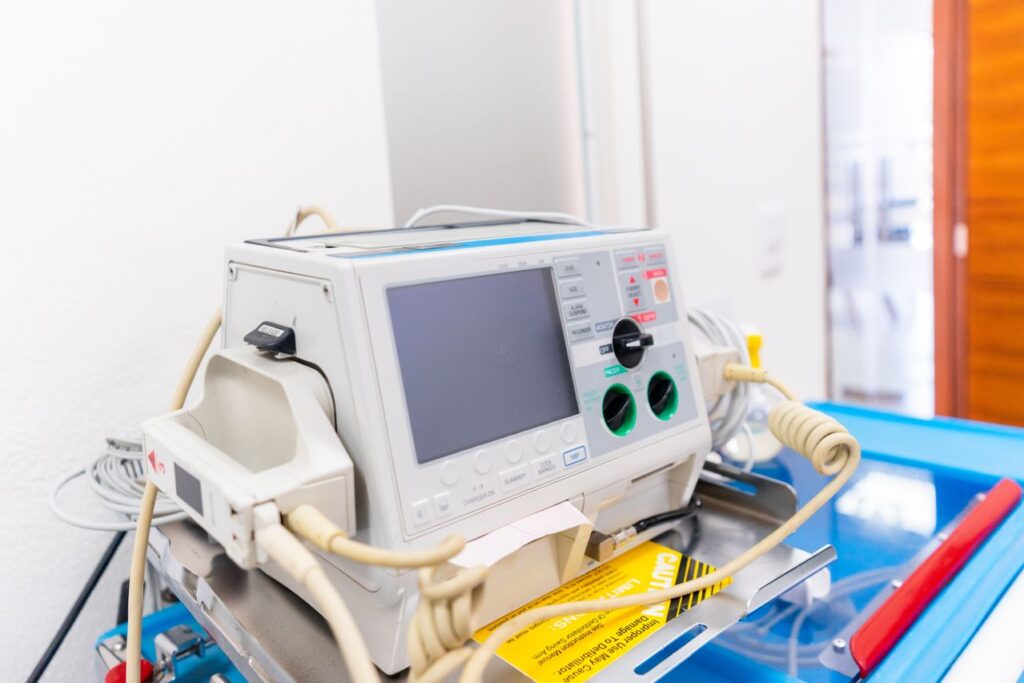
Key Takeaways
- Maintaining high-quality, compliant exam room supplies is essential for patient safety, accurate diagnostics, and robust staff protection. This supports both regulatory adherence and quality care.
- With the use of inventory systems and electronic documentation, exam room supplies help you be audit ready. This makes supply data readily available during regulatory audits.
- Universal design and barrier-free exam room supplies promote accessibility by creating healthcare spaces that are welcoming to and accommodating of all patients, no matter their physical capabilities.
- Leveraging technology such as automation and calibration tracking enhances supply management and ensures diagnostic equipment remains compliant with safety standards.
- Continuous staff training in supply management, correct utilization, and disposal procedures is essential for risk reduction, regulatory compliance, and fostering a safety culture.
- Regular risk assessments, supplier evaluations, and market surveillance help facilities adapt to evolving global regulations and manage supply specific risks effectively.
The Compliance Role Of Supplies
Exam room supplies are not just about functionality, they are essential for compliance with ADA standards. From patient safety and diagnostic accuracy to staff protection and audit readiness, compliant supplies enable healthcare facilities to meet legal obligations while facilitating the best possible care for patients in accessible exam rooms.
1. Patient Protection
Patient safety hinges on the quality and appropriateness of every supply in the exam room. Disposable gloves, sterile drapes, and disinfectants must comply with rigorous safety standards in order to reduce infection.
The packaging of surgical supplies such as sharps containers and disposable needles needs to be utilized, stored, and disposed of properly to prevent cross-contamination. Rules evolve. Periodic audits and maintenance keep exam rooms current. Educating staff on safe supply use is crucial as it establishes a culture of safety and protects patients from injury.
2. The Diagnostic Accuracy
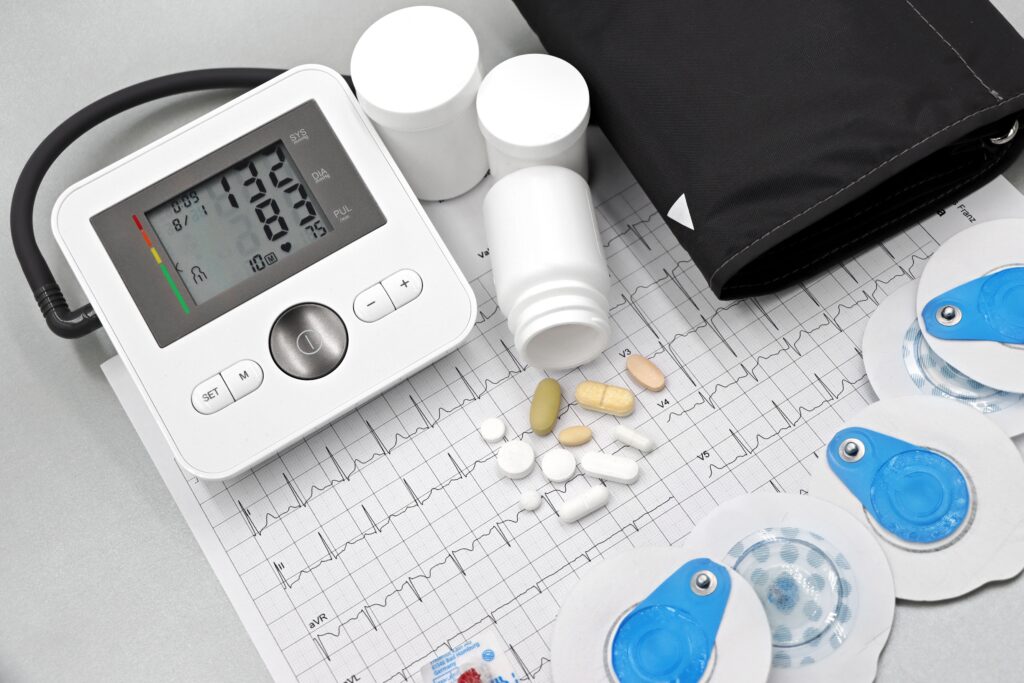
Devices such as blood pressure cuffs and thermometers, or point-of-care test kits, have medical device standards to provide accurate results. These medical devices require routine inspection and calibration to ensure accuracy. Even seemingly minor misreadings can cause misdiagnosis, expensive further testing, or patient injury. Educating employees to properly use and maintain these tools on a daily basis keeps mistakes low and assists patients in receiving appropriate treatment.
3. Staff Safety
Personal protective equipment, such as masks, gowns, and face shields, is essential for staff safety from bloodborne pathogens and chemical spills. A thorough risk assessment can identify areas needing extra precautions, like spill kits for chemicals. Emergency supplies, including eyewash stations or first-aid kits, should be readily accessible in the healthcare facility. Training programs and safety drills are crucial for maintaining safety measures and ensuring everyone is prepared for emergencies, adhering to safety requirements.
4. Audit Preparedness
Healthcare facilities need to maintain clear, current documentation of all medical supplies, from order records and safety sheets to disposal records. These records assist during audits by demonstrating evidence of compliance with ADA standards and accessible design. Routine internal inspections detect holes in providing staff before external auditors, ensuring that accessible exam room requirements are met.
5. Facility Reputation
Safe, compliant supplies beget trust from patients and staff. Informing patients about safety practices and displaying regulatory certificates in the common areas can help increase confidence. Nothing attracts new patients like showcasing safety wins on the brochure or website, especially when highlighting accessible design and compliance with ADA standards. Seeking patient input regarding comfort and safety assists your organization in refining its services while cultivating a positive image.
Navigating Global Regulatory Frameworks
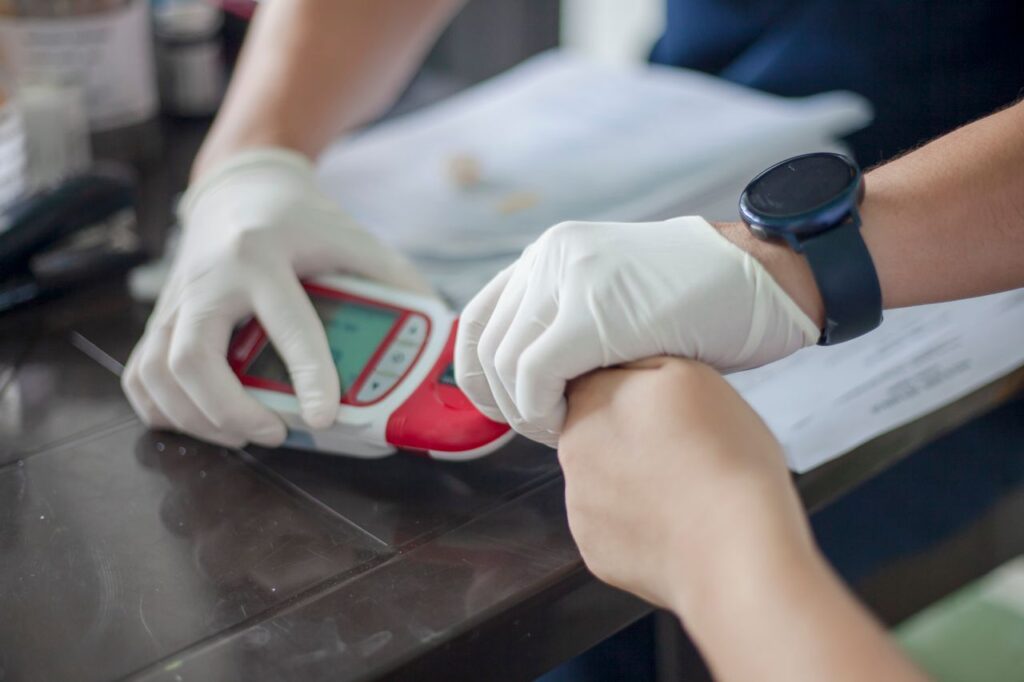
Global healthcare environments require rigorous adherence to accessible design and exam room supply standards. International standards, like ISO and the International Medical Device Regulators Forum (IMDRF), dictate that supplies uphold obvious safety and performance standards. Local laws can pile on even more layers, specifying regulations for how healthcare equipment is purchased, stored, and utilized. Remaining up-to-date on these frameworks is key to prevent fines, safeguard patients, and maintain pace with top standards for quality and security.
Quality Systems
A robust quality system is the foundation of exam room supplies regulatory compliance. Plants must establish transparent procedures to monitor every supply, from procurement to consumption. We ensure every vendor undergoes stringent quality checks before a purchase. This precludes any blind spots that might allow a defective tool to slip into patient treatment.
Regular audits are required. Through auditing supplies on a regular basis, organizations detect problems before they affect care. This implies maintaining records of such checks and corrective measures. Audits and documents demonstrate to regulators that the facility adheres to strict standards and prioritizes patient well-being.
Device Classification
| Device Class | Risk Level | Regulatory Controls | Example |
| Class I | Low | General | Examination gloves |
| Class II | Medium | Special | Blood pressure cuffs |
| Class III | High | Strict | Infusion pumps |
Device classification influences how consumables are purchased and consumed. Things in higher classes encounter more regulation, which can impact lead times and inventory levels. Keeping abreast of any modifications to these classes is critical. It ensures supply strategies comply with the prevailing regulations.
Collaborating with manufacturers is crucial. They’re aware of what devices are approved or just around the corner and can assist buyers in remaining compliant. If a device switches to a higher class, purchasers have to change their procedure quickly or risk being out of compliance with the law.
Market Surveillance
Observing market trends is important to identify potential risks with supplies. This encompasses monitoring global incident reports and health agency updates. With an eye on supply performance, teams can identify if specific brands or batches underperform.
If a problem is encountered, it needs to be reported to the appropriate regulator immediately. Swift action can prevent damage and demonstrate a dedication to safety. Ongoing market surveillance training keeps staff attuned to what to look for and how to respond.
Supply Categories And Specific Risks
Exam room supplies are categorized in ways that present unique compliance challenges and operational risks. These supplies are crucial for clinics and hospitals to establish protocols that adhere to ADA standards and ensure patient safety. Risks must be identified and controlled in real time, as shifts in how supplies are utilized or changes in regulatory standards can significantly impact compliance within the healthcare system.
- Disposables: gloves, masks, syringes, gauze
- Reusable instruments: forceps, scissors, stethoscopes
- Diagnostic equipment: thermometers, blood pressure monitors, otoscopes
Each supply category carries its own risks. For instance, disposables can lead to infections if misused or sourced from unreliable suppliers. Reusable instruments pose a risk of cross-contamination if sterilization processes fail. Furthermore, diagnostic equipment can yield false results due to poor calibration or wear, necessitating strict adherence to medical device regulation. Each risk demands tailored sourcing and management approaches to mitigate potential issues.
Procurement strategies must address the unique characteristics of each supply group. For disposables, consistent vendor assessments and stock checks are vital to maintain compliance with accessible exam room requirements. For reusables, implementing maintenance schedules and comprehensive staff training is essential. Diagnostic equipment requires regular performance testing and software updates to ensure reliability. Risk assessments must be continuously updated as practices, supply sources, or regulations evolve to maintain effective compliance.
Disposable Medical Supplies
- Store disposables in clean, dry spaces away from contamination.
- Track lot numbers and expiration dates to manage recalls.
- Dispose of used items in marked, secure waste bins.
Make sure all the staff are trained to dispose of it, all of the staff. This reduces bloodborne pathogen exposure and helps comply with waste disposal regulations. Routine supply audits lessen the likelihood of depleting key items such as gloves or masks.
Evaluate suppliers by reviewing certifications and audit results. Only source from vendors who follow international safety and quality standards. This reduces the risk of counterfeit or subpar products.
Reusable Instruments
Disinfect reusable equipment after each use by using approved protocols. This involves autoclaving or chemical disinfecting, depending on the material. One cycle missed can imperil patients.
Check and service instruments frequently. Replace wear parts. Record each phase, from cleanup to fixes. This log is requested during audits or inspections.
Caregivers need to know how to manage, store, and carry instruments. Training reduces breakage and keeps the clinic audit-proof.
Clinical Diagnostic Equipment
Select diagnostic supplies that adhere to global safety standards. Devices should have the appropriate certification marks and conform to local requirements, such as CE or FDA.
Calibrate and service all diagnostic tools regularly. Slights in readings can lead to misdiagnosis. They need to know how to use and interpret results.
Follow the lifecycle and utilization of all tests. Retire tired or broken equipment before it causes issues.
The Unseen Impact Of Physical Accessibility
Physical accessibility in exam rooms is more than just a compliance tickbox, it directly impacts patient safety, comfort, and overall quality of care. The design of accessible exam rooms, where medical supplies and equipment are within reach, can determine compliance with ADA standards. Accessibility isn’t merely a legal obligation but involves creating healthcare spaces that function optimally for everyone, ensuring inclusive care for all individuals, regardless of mobility or sensory requirements.
Barrier-Free Equipment
Choosing medical devices that help people with disabilities isn’t a choice anymore. Accessible design features like adjustable-height exam tables, accessible weighing scales, and easy-to-use blood pressure monitors enable patients with limited mobility to be full participants in their care. Having devices that can be used from a sitting position, such as ophthalmoscopes and otoscopes on swinging arms, adds to the independence of patients in healthcare settings.
Regular evaluation is essential. Providers ought to verify that devices comply with the most recent ADA standards. Periodic audits help identify equipment that doesn’t meet these standards. It’s not a once and done kind of thing, it’s rather an ongoing effort to stay up-to-date with evolving standards and patient requirements in the healthcare industry.
Certain locations offer transfer boards, grab bars, or mobile stools to assist patients in an exam. These aids reduce physical stress and possible injury for patients and personnel alike.
Nothing beats good old-fashioned staff training. Without it, barrier-free tools can sit unused. Training teaches why accessibility is important and how every device promotes patient dignity and wellness in medical examination rooms.
Space And Layout
A good design can eliminate much of the physical inaccessibility. Having supplies within arm’s reach and wide hallways helps wheelchair or walking patients. A minimum clear floor area of 1.5 by 1.5 meters provides turning space for mobility devices.
Rooms must be adaptable. One of the hidden effects of physical accessibility is that this versatility permits providers to rapidly pivot from pediatric to adult and geriatric care.
Regular reviews of room layouts can reveal hidden obstacles. Adjusting furniture placement or storage can open movement paths and make care delivery smoother.
Universal Design
Universal design is designing for everyone from the beginning. It sidesteps retrofits and generates spaces that serve all. Height adjustable chairs and multi-function work surfaces accommodate a diverse group of body types and abilities.
When selecting furniture and supplies, think about those with vision or hearing impairments, chronic pain, or who are shorter in stature. Braille signs, high-contrast labels and non-slip flooring are all incremental access increases.
Good design is more than physical. It increases patient confidence and reduces stress. By making exam rooms more intuitive and less intimidating, patients are more likely to participate in their care.
Patient feedback is crucial. Bringing in perspectives from people of diverse backgrounds helps refine designs and equipment choices to make spaces more accessible.
Technology In Supply Management
Technology in supply management has transformed how exam rooms comply with ADA standards and other rigorous regulations. Supply management tools now assist clinics in meeting accessible exam room requirements while saving time and reducing errors. These digital systems enable improved tracking and utilization of medical supplies, ensuring that clinics remain inspection-ready and reduce the risk of audit failures.
Inventory Automation
Automating inventory prevents most of the screw-ups that occur when people manually count and order supplies. Tools such as RFID tags or barcode scanners enable clinics to instantly know what they have on hand. This allows them to identify products that are running low or nearing expiration. Alerts pop up when it is time to buy more or take old stock off the shelf.
It’s systems that maintain an entire history of what’s used and when. This data helps identify patterns or waste. Clinics can schedule orders off of actual data, so they’re not buying too much or under buying. It keeps costs down and makes sure exam rooms are always stocked with what they need.
Digital Documentation
Going to digital records reduces paper, keeps things tidy, and helps clinics access what they need quickly. All supply orders, usage logs, and checklists are kept in a single place so that when inspectors arrive, employees can display compliance documentation within seconds. Secure systems safeguard protected health information via robust passwords and encryption.
Employees update files immediately after every delivery or consumption. This keeps records current and ensures nothing falls through the cracks. Digital records assist clinics in compliance with regulations from health boards and other bodies. If a clinic wants to investigate past orders or demonstrate audit compliance, the data is readily available.
Calibration Tracking
Tracking calibration for diagnostic tools is a must. Software maintains a calendar for each piece of equipment, prompting employees when to perform inspections. Every test or fix is recorded, creating an audit trail. It indicates the clinic makes efforts to maintain test results accurately and safely.
Staff get trained on why calibration is important. If tools fall out of spec, patient care can take a hit. Proper tracking keeps clinics up to code and inspection-ready.
Beyond The Product: Human Factors
Human factors significantly impact the way that exam room supplies, including medical devices and healthcare equipment, are ordered, consumed, and inventoried for regulatory purposes. Even the best-designed products depend on healthcare professionals to use them properly. By focusing on accessible design and ensuring compliance with ADA standards, clinics and hospitals can reduce errors, increase safety, and meet strict regulations.
Staff Skills Development
- Understanding regulatory standards for supply storage, use, and disposal
- Learning basic infection control measures
- Using and maintaining supply tracking systems
- Identifying and reporting supply issues or shortages
- Handling hazardous items safely
- Practicing emergency procedures involving supply mismanagement
- Applying data privacy principles with supply documentation
Staff require periodic refresher courses. This keeps all of us up to date on evolving guidelines and best practices. Brief sessions every few months can help patch knowledge gaps as they arise.
Peer-to-peer sharing counts as well. When staff share what works in real time, it disseminates good habits quickly. It aids new hires in acclimating.
To verify if training functions, managers need to request feedback and observe employee behavior. This identifies what is working and what needs to change.
Proper Use
We all have to follow the manufacturer’s directions on each. It’s not just about safety, it’s how clinics pass legal and quality checks. Cutting corners or using the incorrect instrument endangers patients and staff.
Managers should observe how employees use resources. They can identify habits that trigger mistakes or compliance issues. Random checks or audits will help keep things honest.
They require immediate access to current guides and reference charts. This makes it easier to verify correct usage on the spot.
When errors or confusion occur, clinics should audit and provide additional training in those topics. This keeps skills sharp and prevents repeat mistakes.
Disposal Protocols
Explicit written guidelines for dumping used or expired materials are mandatory. These protocols need to align with local and national legislation and safeguard the environment.
Employees need to learn how to properly deal with sharps, chemicals, or biohazards. Improper handling can cause injury or infection.
Checking these rules every once in a while makes sure they still fit with the law. Regulations evolve, and clinics can’t afford to lag.
All disposals ought to be recorded. This tracking helps clinics prepare for audits and demonstrates they meet compliance targets.
Final Remarks
How do exam room supplies impact regulatory compliance? Exam room supplies aren’t just clutter filling a shelf, they’re a way to stay regulation-compliant and reduce risk. Good supply decisions protect patients and staff, while clever tech reduces waste and monitors inventory with pinpoint precision. Well-trained teams that are checking exam room supplies regularly notice omissions quickly. These measures enable clinics to stay out of trouble and comply with international regulations. In the end, little supply adjustments can keep care slick and secure. For more or to share your own supply wins, join the conversation at the blog or leave a comment below. Stay sharp, keep it simple, and let the tools work.
Frequently Asked Questions
1. What Is The Role Of Exam Room Supplies In Regulatory Compliance?
Exam room supplies, including accessible design elements, aid in regulatory compliance. The right medical equipment minimizes risks, guarantees patient care standards, and enables legal compliance for healthcare providers everywhere.
2. How Do Exam Room Supplies Impact Patient Safety?
Proper supplies, including accessible design for healthcare equipment, avoid cross-contamination, allow safe procedures, and minimize medical error.
3. Why Do Global Regulations Matter When Choosing Exam Room Supplies?
Countries have their own regulations for medical supplies, including accessible design and ADA standards. Adhering to these ensures legal operation and patient protection.
4. What Are Common Risks Associated With Improper Supply Management?
Improper management of medical supplies can lead to infections, injuries, or regulatory fines, affecting patient outcomes.
5. How Does Technology Improve Exam Room Supply Management?
Technology monitors inventory, restocks automatically, and ensures you’re using compliant medical products, keeping everything medical standard and minimizing human error.
Stay Compliant With Reliable Exam Room Supplies From Merit Pharmaceutical
Regulatory compliance starts with using dependable exam room supplies that support patient safety, infection prevention, and accurate clinical care. From sterile disposable products and diagnostic equipment to properly labeled storage solutions, every item plays a role in helping healthcare facilities meet industry standards while maintaining efficient daily operations. Choosing high-quality products also helps reduce compliance risks, improve audit readiness, and create a safer environment for both patients and healthcare professionals.
At Merit Pharmaceutical, we provide trusted exam room supplies designed to support hospitals, clinics, and medical practices in meeting evolving regulatory requirements without compromising efficiency. Our commitment to quality, consistency, and reliable product performance helps healthcare teams stay prepared for inspections while delivering exceptional patient care. Partner with Merit Pharmaceutical to equip your facility with compliant, dependable medical supplies that support operational excellence and long-term regulatory success.
Disclaimer
The information provided on this website is intended for informational and educational purposes only. It is not a substitute for medical advice, diagnosis, or treatment, and should not be relied upon as such. Healthcare professionals should always use their own clinical judgment when selecting and administering medical products. Patients should consult with a qualified healthcare provider regarding any specific medical condition or treatment.
While we strive to keep product details and information current, Merit Pharmaceutical makes no guarantees as to accuracy, completeness, or applicability to your particular situation. Do not act or refrain from acting solely based on information from this site without seeking appropriate medical or professional guidance. To the fullest extent permitted by law, Merit Pharmaceutical disclaims all liability for any decisions or actions taken based on the contents of this site.