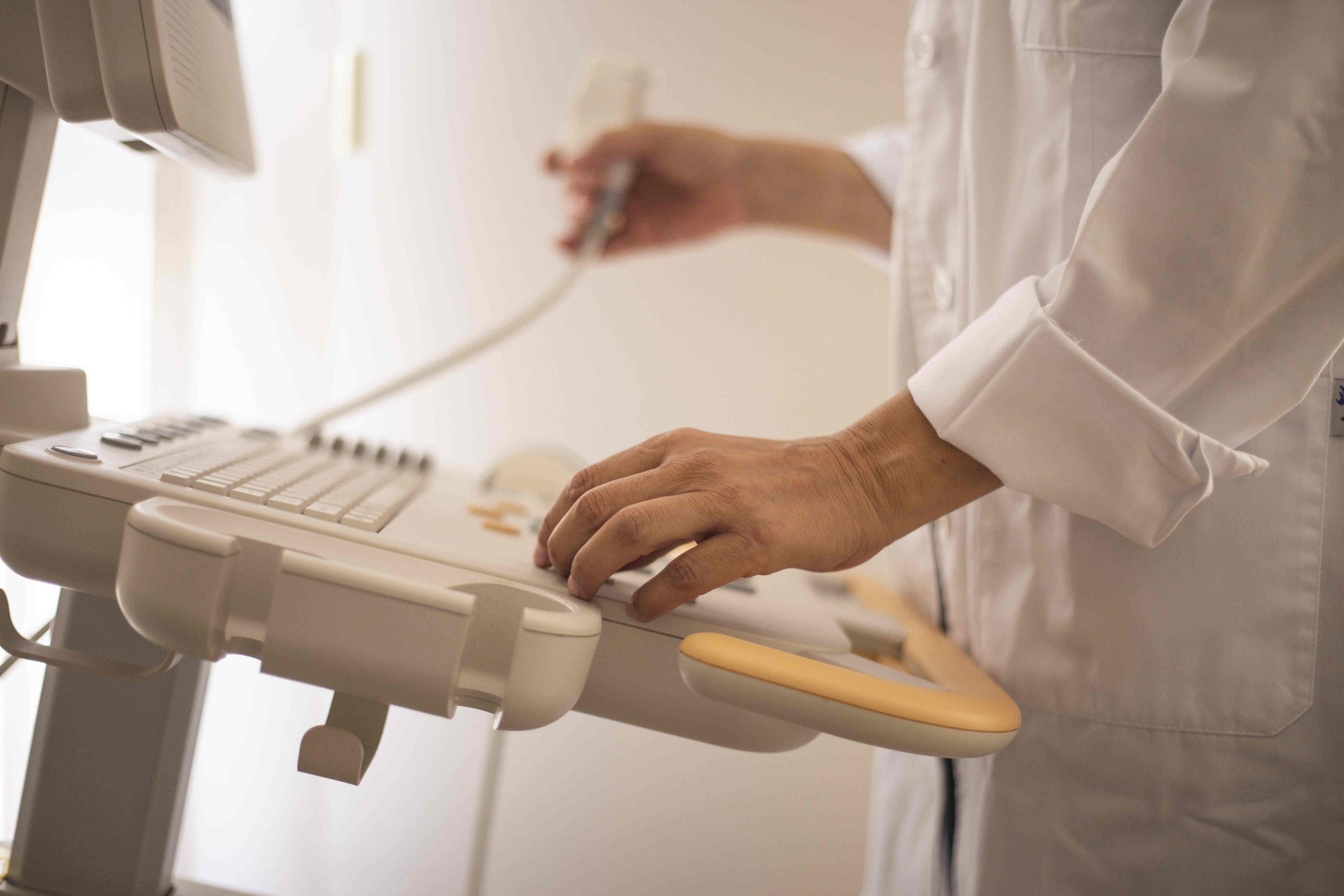
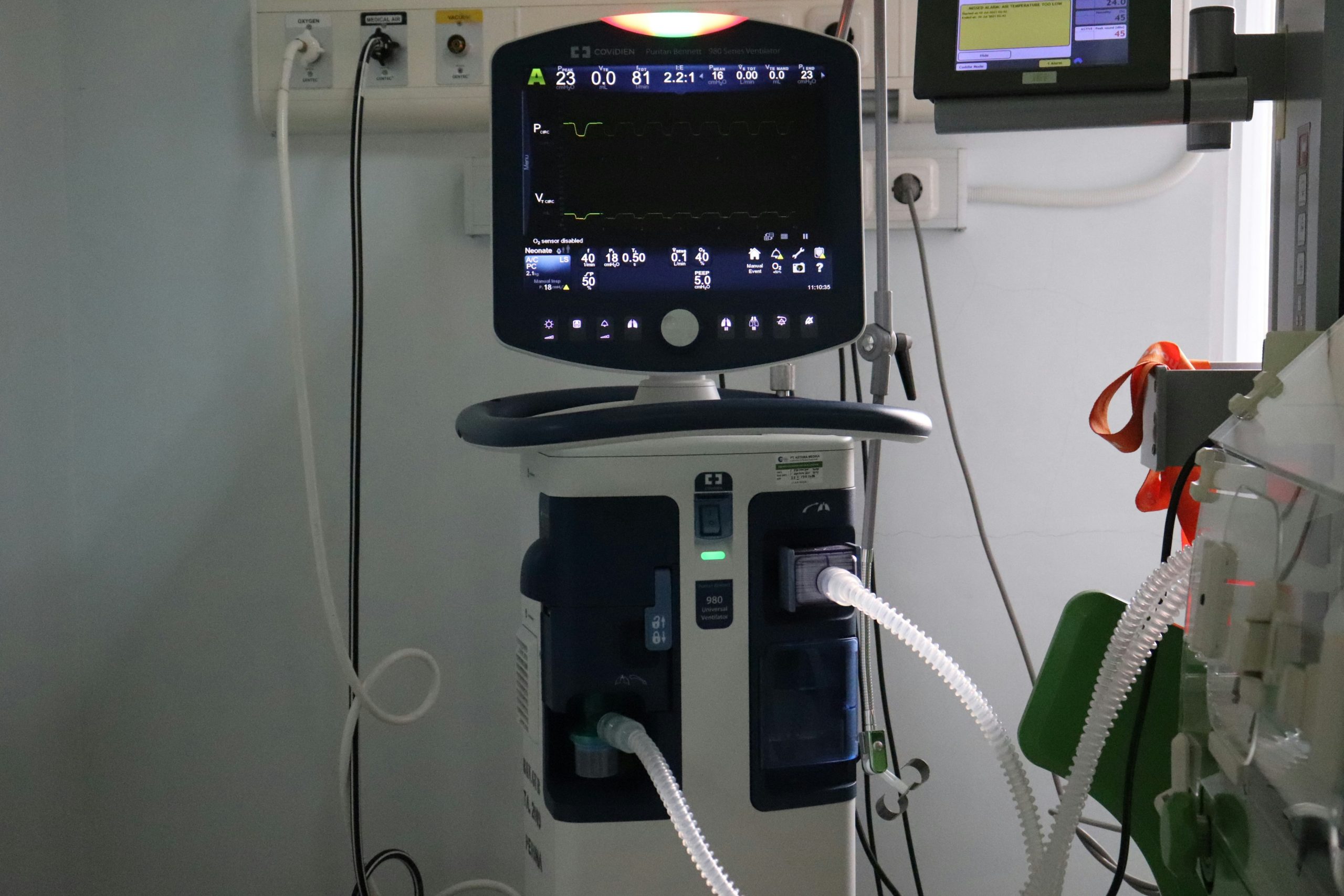
Infusion therapy plays an important role in modern healthcare, allowing clinicians to deliver fluids, medications, nutrients, blood products, and other prescribed therapies in a controlled and clinically appropriate manner. It is used across hospitals, outpatient infusion centers, specialty clinics, physician practices, oncology facilities, home-care programs, and other healthcare environments. Because infusion therapy can involve medications that require careful dosing and monitoring, selecting dependable infusion therapy equipment is an important part of creating a safe and efficient treatment environment.
For clinics, choosing the right equipment involves much more than purchasing a pump or selecting the lowest available price. Healthcare providers must consider the therapies they administer, patient populations, treatment volumes, required flow rates, staff experience, available space, maintenance requirements, infection-control procedures, applicable safety standards, and compatibility with existing workflows.
The best infusion therapy equipment should support accurate delivery, dependable operation, straightforward programming, appropriate safety features, and efficient clinical use. Because no two clinics have the same requirements, equipment selection should be based on the organization’s patients, treatments, staff, workflow, and safety needs rather than on a universal definition of the “best” equipment.
Key Takeaways
- Clinics should select infusion therapy equipment according to their treatments, patient population, workflow, and clinical requirements rather than relying solely on price or brand recognition.
- Infusion pumps, syringe pumps, gravity-based systems, administration sets, IV accessories, and monitoring equipment serve different purposes and should be evaluated as part of an integrated system.
- Accuracy, reliability, safety features, alarm systems, ease of use, and compatibility are important considerations when comparing equipment.
- Clinics should evaluate maintenance, staff training, technical support, replacement components, and total cost of ownership alongside the initial purchase price.
- Properly selected and maintained infusion therapy equipment can support consistent treatment delivery, efficient workflows, and a safer clinical environment.
- A knowledgeable medical equipment supplier can help clinics compare appropriate options and identify solutions that align with their clinical and operational needs.
What Is Infusion Therapy Equipment?
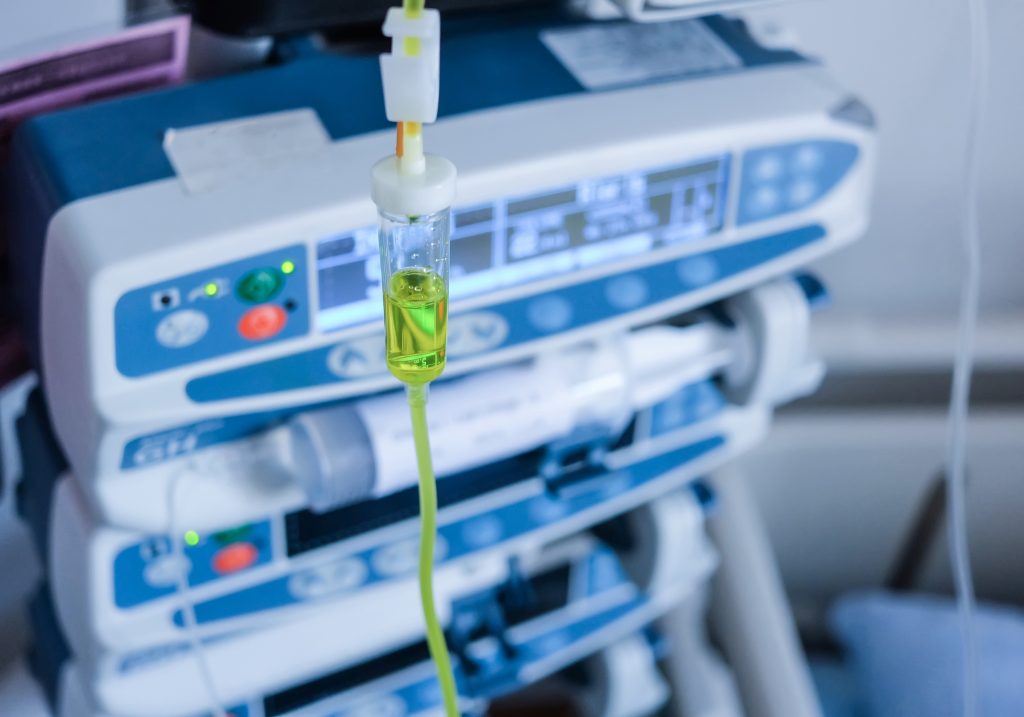
Infusion therapy equipment encompasses the devices and accessories used to administer prescribed fluids, medications, nutrients, blood products, and other therapies through an infusion system. Depending on the clinical setting and treatment, this equipment can range from simple gravity-based systems to sophisticated electronic infusion pumps.
Infusion pumps regulate the delivery of fluids or medications at a specified rate and may include features such as programmable flow rates, dose calculations, alarm systems, occlusion detection, air-in-line detection, and battery operation. Syringe pumps use a syringe to deliver relatively small volumes of medication or fluid in a controlled manner and can be useful when precise administration of a limited volume is required.
Gravity infusion systems rely on gravity and appropriate flow-control components rather than electronic pumping. Their suitability depends on the prescribed therapy, required level of control, clinical setting, and applicable protocols.
Additional equipment may include IV poles, administration sets, extension tubing, connectors, filters, needleless access devices, flow regulators, pressure-monitoring components, and other accessories. Because these components work together, clinics should evaluate the complete infusion setup rather than selecting individual products in isolation.
Why Choosing The Right Infusion Equipment Matters
Infusion therapy requires consistency and control. When medication or fluid must be administered according to a specific treatment protocol, the equipment used to deliver that therapy becomes an important part of the overall clinical process.
Reliable equipment can help healthcare professionals maintain appropriate delivery rates, monitor treatments, and reduce unnecessary interruptions. Equipment selection also affects workflow. A pump that is difficult to program, requires frequent troubleshooting, or does not fit established procedures can create avoidable delays, while equipment that is intuitive and appropriately configured can make routine procedures more efficient.
Standardized equipment can also help staff become familiar with operation, alarms, setup, cleaning, and troubleshooting procedures. Most importantly, equipment should support patient safety. Infusion systems must be selected, installed, maintained, and operated according to manufacturer instructions, clinical protocols, and applicable requirements. Equipment cannot replace clinical judgment or proper monitoring, but appropriately selected and maintained equipment can form an important part of a comprehensive safety strategy.
1. Clinics Start With Their Clinical Needs
The first step is to determine exactly how infusion therapy equipment will be used. Clinics should review their current therapies while considering how their infusion program may develop. Important factors include the types and frequency of treatments, required volumes and flow rates, treatment duration, patient population, number of simultaneous infusion stations, portability requirements, battery operation, and appropriate monitoring needs.
For example, a practice providing occasional hydration therapy may have very different requirements from an oncology center administering multiple medication protocols throughout the day. Purchasing sophisticated equipment that is rarely needed can create unnecessary expense, while equipment that cannot adequately support the clinic’s therapies can create operational problems. The objective is to match equipment capabilities to actual clinical requirements.
2. Evaluate Infusion Pump Accuracy
Accuracy is a major consideration when evaluating infusion pumps. A pump should deliver fluid or medication at the programmed rate within the manufacturer’s specified performance parameters. The level of accuracy required depends on the therapy and clinical application.
Clinics should carefully review manufacturer specifications and consider factors that can influence performance, including flow rate, tubing, pressure, container height, fluid characteristics, and other operating conditions. For therapies requiring highly controlled delivery, precise equipment may be particularly important.
Accuracy should also be evaluated alongside usability. A technically capable pump that staff find difficult to program may create practical challenges. The equipment should therefore support the clinic’s clinical protocols without introducing unnecessary operational complexity.
3. Look Closely At Safety Features
Safety features deserve careful attention when comparing infusion therapy equipment. Depending on the device, infusion pumps may provide alarms for conditions such as occlusions, air in the line, low battery levels, and pressure-related problems.
Some systems may also include drug libraries, dose-error reduction features, programmable limits, and other technologies designed to support standardized infusion practices. Clinics should focus on features that address meaningful clinical or operational risks rather than assuming that a greater number of features automatically makes equipment better.
Safety technology should complement, not replace, trained personnel and established procedures for patient assessment, medication verification, infusion monitoring, emergency response, and documentation.
4. Consider Ease Of Use
Usability is particularly important in busy healthcare environments. Unnecessarily complicated equipment can slow procedures and make programming or setup more difficult.
Clinics should evaluate how intuitive the controls are, whether the display is easy to read, how clearly alarms are presented, how straightforward setup is, and how efficiently new staff can be trained. The physical design should also be practical for repetitive procedures.
Whenever possible, appropriate clinical staff should interact with demonstration equipment before a purchase. Hands-on evaluation can reveal workflow issues that may not be apparent from product specifications or brochures. The best infusion therapy equipment should provide the necessary capabilities without creating unnecessary complexity.
5. Match Equipment To Patient Population
Patient characteristics can significantly influence equipment selection. Adults, pediatric patients, elderly patients, and individuals receiving specialized treatments may have different clinical requirements. Some applications may require particularly precise low-volume delivery or specialized monitoring.
Clinics should consider the patients they routinely serve and determine whether equipment supports their specific treatment requirements. Pediatric applications, for example, can require careful attention to volume and dosing requirements, while specialty treatments may require particular programming or monitoring capabilities.
Portability, tubing configuration, noise levels, and equipment design can also influence the treatment environment. Although clinical requirements and safety should remain the primary considerations, practical equipment design can contribute to a more comfortable and efficient experience.
6. Examine Compatibility With Existing Equipment
New equipment should be evaluated against the clinic’s existing IV poles, administration sets, tubing, connectors, electronic systems, and other infusion-related infrastructure. Compatibility can affect convenience, availability, and long-term costs.
Some pumps require specific administration sets or accessories. Clinics should determine which consumables, replacement parts, and configurations are recommended before purchasing. Equipment should be used only with components that are appropriate for the device and intended application according to manufacturer instructions and applicable clinical requirements.
7. Assess Equipment Reliability
Reliability becomes especially important when equipment is used throughout the day. Frequent failures can disrupt treatments, delay patients, increase staff workload, and create unexpected expenses.
Clinics should review manufacturer specifications, service requirements, warranty terms, maintenance recommendations, and technical support options. Reliability should be evaluated across the expected service life rather than based only on how equipment performs when new.
Dependable equipment, combined with appropriate maintenance and service procedures, can reduce avoidable interruptions and provide greater operational confidence.
8. Compare Total Cost Instead Of Purchase Price Alone
The lowest purchase price does not necessarily represent the best value. Clinics should evaluate the total cost of ownership, including the initial equipment price, compatible administration sets and accessories, replacement components, preventive maintenance, calibration or performance verification, repairs, training, applicable software or technology expenses, and eventual replacement.
A less expensive pump can become more costly if it requires specialized accessories or has limited service support. Conversely, a higher-priced system may provide useful capabilities, dependable support, and a longer practical service life. Comparing the complete financial picture provides a more realistic basis for purchasing decisions.
9. Review Manufacturer Support And Training
Infusion therapy equipment requires appropriate training and ongoing support. Before purchasing, clinics should determine whether the supplier provides product education, operating documentation, technical assistance, replacement parts, and other resources.
Staff should understand equipment operation, alarm conditions, cleaning procedures, inspection requirements, and applicable troubleshooting procedures. Internal training and competency processes should complement any product demonstration provided by the supplier.
10. Consider Maintenance And Service Requirements
Infusion equipment requires ongoing attention to remain suitable for clinical use. Before purchasing, clinics should understand manufacturer recommendations for inspection, testing, calibration, cleaning, preventive maintenance, and servicing.
They should also determine who is qualified to service the equipment, whether replacement parts are readily available, how quickly technical support can respond, and whether local service is available. Clinics that rely on multiple pumps every day should have a clear plan for handling equipment that needs to be removed from service.
A proactive maintenance strategy can help identify potential problems before they interfere with patient care and can support appropriate equipment-service documentation.
11. Evaluate Portability And Space Requirements
Infusion environments vary considerably. Some clinics have dedicated infusion chairs and treatment bays, while others need equipment that can move between rooms or accompany patients during certain procedures.
Clinics should consider equipment size, weight, storage requirements, transport needs, cord management, battery operation, pole compatibility, display visibility, and overall footprint. Equipment should be practical for the physical environment in which it will actually be used.
12. Think About Infusion Workflow
The best infusion therapy equipment should fit the clinic’s workflow rather than forcing staff to redesign procedures around the equipment. Clinics can evaluate the patient journey from arrival through treatment and discharge to determine where infusion equipment is used and where practical requirements arise.
Staff may need to prepare multiple infusions, move equipment, monitor several patients, document treatments, and respond to alarms while handling other responsibilities. Equipment that supports an efficient workflow can reduce unnecessary interruptions.
Where clinically appropriate, standardizing equipment and configurations can also simplify training, maintenance, and daily operations.
13. Consider Infection Prevention And Cleaning
Infusion environments require appropriate infection-prevention practices. Equipment should be compatible with the clinic’s cleaning and disinfection procedures and maintained according to manufacturer instructions.
Clinics should understand which components are reusable, which are single-use, and how reusable equipment should be cleaned and disinfected. Staff should also be trained to follow the organization’s infection-control procedures.
Considering infection prevention during equipment selection can help prevent avoidable operational challenges and support appropriate clinical practices.
14. Assess The Need For Advanced Technology
Advanced infusion systems may provide features that support programming, medication management, documentation, connectivity, or monitoring. Some may offer drug libraries, dose-related safety features, or integration with broader clinical information systems.
Advanced technology should be evaluated according to actual clinical value. Additional features can also introduce training, software management, cybersecurity, maintenance, and integration requirements. The most sophisticated system is not automatically the best option. The right technology provides meaningful benefits while remaining practical for the organization to manage.
15. Verify Regulatory And Quality Considerations
Healthcare equipment should be evaluated with applicable regulatory, quality, and safety requirements in mind. Clinics should verify that products are appropriately authorized or cleared for their intended market and use where applicable and should review manufacturer documentation, instructions, warranty information, and applicable operating and maintenance requirements.
A reputable supplier should provide clear information about product specifications, sourcing, manufacturer details, support resources, and service arrangements. Clinics should avoid making purchasing decisions based solely on an attractive price without adequately evaluating documentation, quality, support, and intended use.
16. Compare Suppliers, Not Just Products
Two suppliers may offer similar equipment while providing very different levels of service and support. Clinics should evaluate whether a supplier can answer technical questions, provide product information, assist with training or installation where applicable, and help with replacement parts and service.
An experienced supplier can remain useful beyond the initial transaction. Clinics may need assistance when expanding their infusion program, replacing aging equipment, troubleshooting operational issues, or identifying compatible accessories. Supplier expertise should therefore be considered part of the overall purchasing decision.
17. Ask For Demonstrations Before Making A Decision
Hands-on demonstrations can help clinics evaluate equipment in practical situations. Nurses, technicians, purchasing personnel, and other appropriate team members can examine programming, displays, alarms, setup, portability, cleaning considerations, and overall usability.
The evaluation should focus on whether the equipment makes everyday clinical work safer, clearer, and more efficient. Feedback from the personnel who will regularly use the equipment can identify practical concerns that specifications alone may not reveal.
18. Create A Structured Evaluation Process
A structured evaluation can make purchasing decisions more objective. Clinics can establish criteria based on their priorities and compare suitable products against the same requirements.
Relevant categories may include clinical suitability, accuracy and performance, safety features, ease of use, compatibility, reliability, maintenance, training and support, total cost of ownership, and supplier responsiveness. Each category can be weighted according to its importance to the organization. This approach prevents a single factor, such as price or brand familiarity, from dominating the decision and provides a documented rationale for the final selection.
19. Avoid Common Equipment Selection Mistakes
Clinics can encounter several common problems when purchasing infusion therapy equipment. Selecting equipment solely because it has the lowest upfront price may overlook long-term costs and operational performance. Choosing equipment with unnecessary features can introduce additional complexity, training, and maintenance requirements.
Clinics may also overlook consumables and accessories or fail to confirm that compatible components will remain available. Another common issue is excluding clinical staff from the evaluation process, which can cause purchasing teams to overlook practical workflow considerations.
Finally, equipment selection should not be treated as a one-time decision. Patient volumes, treatment offerings, staffing, technology, and operational requirements can change over time.
20. Build A Long-Term Infusion Equipment Strategy
Strong equipment decisions account for future needs as well as current requirements. A clinic planning to expand its infusion services should consider whether its selected equipment can support additional treatment stations, changing protocols, and increased demand.
Standardizing equipment where appropriate can simplify training, maintenance, inventory management, and replacement planning. Clinics can also establish an equipment lifecycle strategy that identifies when devices should be inspected, serviced, upgraded, or replaced.
A long-term strategy can help organizations avoid rushed purchasing decisions when equipment unexpectedly reaches the end of its useful service life.
What Should Clinics Look For In An Infusion Therapy Equipment Supplier?
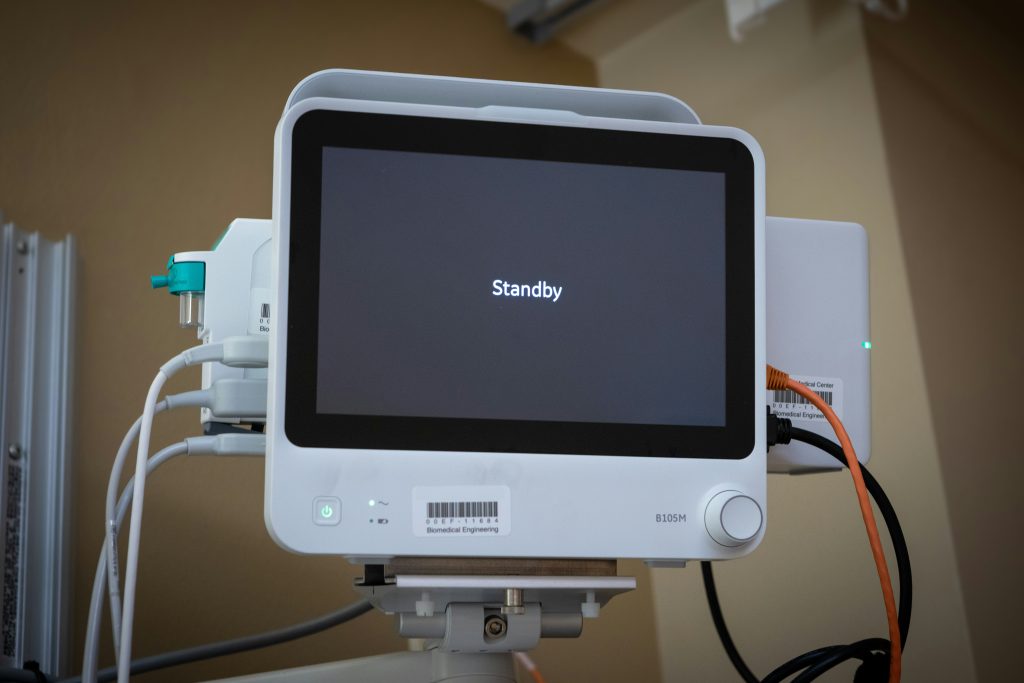
A dependable supplier should provide more than a product catalog. Clinics should look for a supplier that understands different categories of infusion therapy equipment and can explain practical differences between available options. The supplier should be able to discuss specifications, compatible accessories, maintenance considerations, training requirements, availability, and support.
Communication is equally important. Healthcare facilities need clear and reliable information when equipment will become part of routine patient care. A strong supplier relationship should support the clinic before, during, and after the purchase.
Rather than simply promoting a particular product, a qualified supplier should help the clinic identify solutions that fit its actual clinical and operational requirements.
How Quality Infusion Therapy Equipment Supports Modern Clinics
Appropriate equipment can support consistent treatment delivery when used according to manufacturer instructions and clinical protocols. It can also help staff manage infusion procedures efficiently through practical controls, suitable alarms, and designs that fit everyday workflows.
Reliable equipment can reduce operational interruptions and unexpected downtime, while a well-planned equipment strategy can support future growth. These benefits demonstrate why infusion therapy equipment should be considered part of the clinic’s broader care infrastructure rather than an isolated purchase.
When Should A Clinic Replace Infusion Equipment?
Equipment does not necessarily need to be replaced simply because it reaches a particular age. Clinics should instead consider its condition, manufacturer recommendations, service history, performance, availability of replacement parts, and suitability for current clinical needs.
Replacement may become appropriate when equipment repeatedly requires repair, can no longer meet operational requirements, lacks adequate support, or has reached the end of its expected service life according to the manufacturer or applicable policies.
Changes in clinical practice can also prompt replacement. A clinic that begins offering new infusion therapies may find that existing equipment no longer provides the necessary capabilities. Regular assessments can help identify these needs before they become urgent.
How Can Clinics Make The Final Purchasing Decision?
The final purchasing decision should bring together clinical, operational, technical, and financial considerations. Clinics can begin by defining their clinical requirements, identifying appropriate equipment categories, comparing suitable products, involving staff who will use the equipment, evaluating suppliers, and reviewing the total cost of ownership.
Before finalizing a purchase, the organization should verify product documentation, compatibility, maintenance requirements, training needs, warranty terms, and support arrangements.
Most importantly, the decision should be evidence-based. The best infusion therapy equipment is not necessarily the most expensive, newest, or most feature-rich option. It is the equipment that reliably and appropriately meets the clinic’s actual requirements while fitting its workflow, budget, and long-term plans.
Conclusion
Choosing the best infusion therapy equipment requires more than comparing prices or selecting the product with the longest list of features. Clinics must consider how equipment will be used, which patients will receive treatment, what therapies will be administered, how staff work, and which safety and operational requirements must be met.
The right solution should provide appropriate accuracy, dependable performance, practical usability, relevant safety features, compatibility with required accessories, and manageable maintenance requirements. Training, technical support, product availability, and total cost of ownership should also be part of the decision.
A thoughtful purchasing process begins by defining clinical needs and comparing equipment against those requirements. Involving staff, evaluating suppliers, reviewing documentation, and considering long-term service needs can make the decision more informed and sustainable.
Ultimately, quality infusion therapy equipment should support clinicians, staff, and patients. By choosing equipment according to clinical suitability, safety, reliability, workflow, and long-term value, modern clinics can build infusion systems that are dependable today and adaptable to future needs.
For clinics evaluating infusion therapy equipment, working with a knowledgeable medical equipment supplier can make the purchasing process more manageable. The right guidance can help healthcare organizations compare suitable options and develop an infusion solution that supports safe, efficient, and dependable patient care.
Frequently Asked Questions
1. What Equipment Is Commonly Used For Infusion Therapy?
Common infusion therapy equipment includes electronic infusion pumps, syringe pumps, gravity-based infusion systems, IV administration sets, extension tubing, connectors, IV poles, filters, and other accessories. The appropriate equipment depends on the therapy, patient population, clinical setting, and required level of control.
2. How Do Clinics Determine Which Infusion Pump Is Right For Them?
Clinics should evaluate treatment protocols, required flow rates, patient population, infusion volume, safety requirements, workflow, compatibility, maintenance needs, and budget. Reviewing manufacturer specifications and obtaining hands-on demonstrations can also help staff identify equipment suited to their clinical environment.
3. Is The Most Advanced Infusion Therapy Equipment Always The Best Choice?
Not necessarily. Advanced equipment may provide useful safety, programming, connectivity, and monitoring features, but every clinic has different requirements. The best option is equipment that provides appropriate capabilities without unnecessary complexity, cost, or training demands.
4. Why Is Equipment Compatibility Important?
Infusion pumps and related devices may require specific administration sets, tubing, connectors, accessories, or software configurations. Confirming compatibility helps ensure that equipment functions as intended and prevents unexpected costs or workflow problems. Clinics should always follow manufacturer instructions regarding compatible components.
5. How Can A Medical Equipment Supplier Help With Infusion Equipment Selection?
An experienced supplier can help clinics understand equipment categories, compare product specifications, identify compatible accessories, review maintenance and support requirements, and determine which solutions align with clinical and operational needs. Supplier guidance can also help organizations make a more informed long-term purchasing decision.