In an infusion therapy environment, workflow efficiency is more than convenience. It can affect how smoothly clinicians move between patients, how consistently treatments are delivered, how accurately care is documented, and how effectively a facility uses its available space and resources. Thoughtfully selected infusion therapy equipment can help create a more organized treatment environment while supporting safe and dependable patient care.
Infusion therapy may involve infusion pumps, syringe pumps, IV poles, infusion chairs, warming devices, vascular access supplies, monitoring equipment, medication preparation tools, and technologies that support documentation or connectivity. Each component serves a purpose, but the greatest workflow gains often occur when equipment functions together as part of a coordinated system.
For clinics, hospitals, ambulatory infusion centers, specialty practices, and other healthcare facilities, selecting infusion therapy equipment should involve more than comparing prices and specifications. Decision-makers should consider how each device fits into daily routines. Can it reduce unnecessary setup? Is its operating status easy to identify? Does it simplify monitoring? Can it be cleaned efficiently? Does it support the facility’s treatment protocols? Will it work with existing technology? Are training, replacement parts, maintenance, and technical support readily available?
These questions matter because minor inefficiencies can accumulate throughout a busy treatment day. A difficult-to-position infusion pump may slow setup, while poorly organized storage can increase staff movement. Complicated interfaces can increase training demands, and equipment that is difficult to clean can add to room-turnover work. Even a capable device may become a workflow obstacle when it does not fit naturally into the clinical environment.
The right infusion therapy equipment can help address these challenges by supporting standardized processes, improving accessibility, reducing unnecessary interruptions, and making routine tasks easier to complete.
So, which infusion therapy equipment improves workflow efficiency the most? The answer depends on patient population, treatment volume, clinical protocols, staffing, physical layout, and technology infrastructure. Several equipment categories consistently deserve attention when a healthcare organization wants to create a more efficient infusion workflow.
Key Takeaways
- Infusion pumps can support consistent administration workflows and reduce manual flow-rate management for appropriate therapies.
- Syringe pumps are useful when controlled delivery of smaller medication or fluid volumes is required.
- Mobile IV poles and organized infusion stations can improve accessibility and reduce unnecessary staff movement.
- Infusion chairs with practical features can support patient positioning, clinician access, comfort, and efficient room usage.
- Vital-sign monitoring equipment can help clinicians efficiently assess patients during treatment.
- Connected equipment and electronic documentation systems may reduce repetitive data entry and improve information flow.
- Barcode-based identification systems can support standardized patient and medication verification processes when appropriately integrated.
- Easy-to-clean and ergonomic equipment can reduce maintenance, cleaning, and room-turnover burdens.
- Standardized equipment configurations can simplify training and make daily operations more predictable.
- Reliable maintenance and technical support are essential to keeping equipment available and workflows uninterrupted.
What Makes Infusion Therapy Equipment Workflow-Efficient?
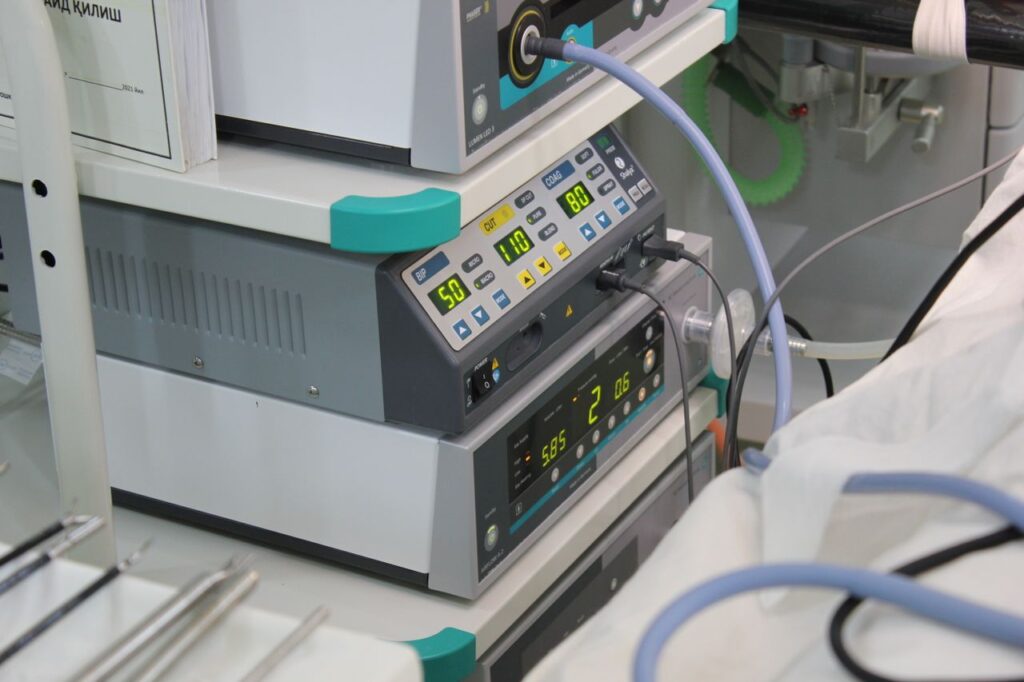
Before evaluating individual devices, it is important to define workflow efficiency in an infusion setting. An efficient workflow allows staff to complete necessary tasks safely and consistently without avoidable steps or interruptions. These tasks may include patient intake, assessment, treatment preparation, medication administration, monitoring, documentation, equipment adjustment, treatment completion, cleaning, and room turnover. Equipment contributes to workflow efficiency when it helps staff perform these activities with fewer obstacles.
- Ease Of Use: Equipment should provide intuitive controls, clear displays, accessible adjustment points, and logical operating procedures. Complicated interfaces can increase training requirements and create unnecessary delays.
- Ergonomics: Clinicians may interact with infusion equipment repeatedly throughout the day. Equipment that is difficult to position, transport, adjust, or clean can create workflow friction and unnecessary physical effort.
- Mobility: Mobile equipment allows clinicians to position pumps, monitors, and related devices according to patient and treatment requirements. This is particularly valuable in treatment areas where room configurations frequently change.
- Standardization: Using consistent equipment models or configurations where clinically appropriate can simplify training and help staff become familiar with common operating procedures.
- Reliability: Unexpected equipment failures can disrupt treatment schedules and force staff to locate replacement devices. Reliable equipment supports continuity and reduces avoidable downtime.
- Integration: Healthcare environments increasingly rely on digital information systems. Equipment that can appropriately communicate with compatible systems may reduce manual documentation and improve information flow.
- Serviceability: Equipment that is straightforward to inspect, maintain, clean, calibrate, and repair can contribute to long-term operational efficiency.
Infusion Pumps: A Foundation for Efficient Infusion Workflows
Infusion pumps are among the most important pieces of infusion therapy equipment for facilities administering intravenous fluids, medications, nutrients, or other prescribed therapies.
Unlike gravity-based systems that depend on manual regulation and fluid height, infusion pumps can provide controlled delivery according to programmed parameters. For appropriate therapies, this can support standardized infusion workflows and reduce some manual adjustments. A well-designed pump can help clinicians establish prescribed settings, monitor infusion progress, respond to alerts, and maintain a consistent process across patients.
Infusion pumps can reduce manual adjustment during certain infusion procedures, while programmable interfaces can support standardized operating routines.
Depending on the model and clinical application, useful features may include clear displays, intuitive programming, multiple operating modes, occlusion and air-in-line alerts, battery operation, rate or dose calculation support, configurable alarms, event history, drug libraries, and compatible connectivity.
More features do not automatically produce a better workflow. An overly complicated interface can increase cognitive demands and training requirements. The best infusion pump is generally one that provides the capabilities a facility genuinely needs without introducing unnecessary complexity.
Syringe Pumps For Controlled, Precise Administration
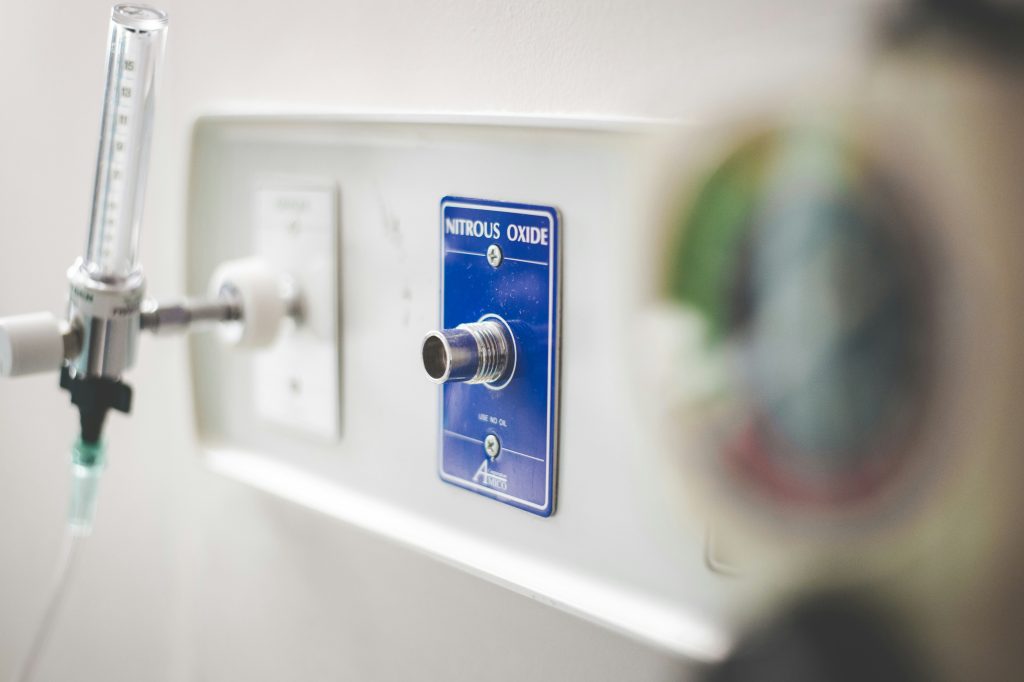
Syringe pumps are another important category of infusion therapy equipment. They deliver medication or fluid from a syringe at controlled rates and can be particularly useful when relatively small volumes or precise administration are required.
In specialty care environments, syringe pumps may support therapies in which controlled delivery is especially important. From a workflow perspective, these devices allow clinicians to establish a defined delivery rate and monitor administration through a dedicated system. Their compact size can also make them easier to position in treatment areas where space is limited.
Depending on the model, useful features may include compact construction, readable displays, programmable infusion rates, alarms, battery operation, automatic syringe recognition, simple loading mechanisms, event logging, and compatibility with different syringe sizes.
Facilities should consider how frequently syringe pumps are used and whether several devices need to operate simultaneously. A high-volume practice may benefit from standardizing syringe pump models where clinically appropriate, allowing clinicians to work with familiar interfaces rather than switching between multiple operating systems.
Infusion Chairs That Support Efficient Patient Care
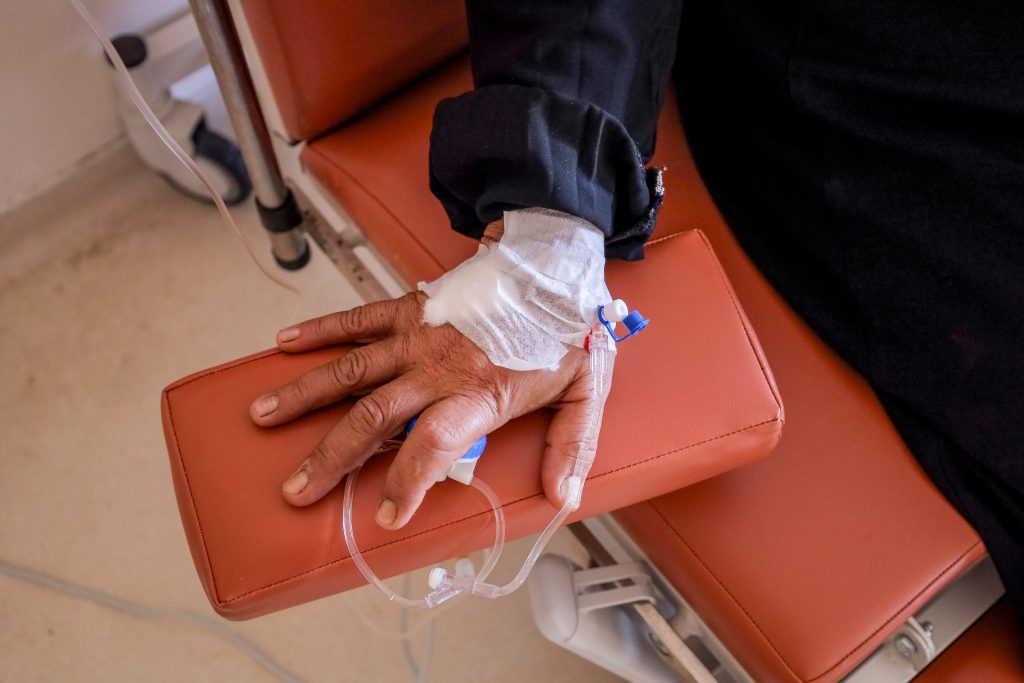
Infusion chairs may appear less technologically complex than pumps or monitoring systems, but they can have a substantial effect on workflow. A well-designed infusion chair can support appropriate patient positioning while providing clinicians with access to the treatment area. It can also help facilities use treatment rooms efficiently.
Important characteristics may include adjustable positioning, easy-clean upholstery, accessible armrests, appropriate reclining functions, stable construction, convenient equipment positioning, patient comfort, easy entry and exit, and sufficient clearance for staff.
Patient comfort also has operational implications. Patients receiving longer treatments may spend several hours in the same chair. An uncomfortable environment can lead to frequent repositioning requests or other avoidable interruptions. A comfortable, adjustable chair can therefore support both patient experience and staff efficiency.
IV Poles And Mobile Equipment Stands
IV poles are relatively simple pieces of equipment, but their design can make a noticeable difference in a busy infusion environment. A poorly designed pole may be difficult to move, unstable when loaded, or inconvenient to position. A well-designed mobile stand can help staff keep pumps and related equipment close to the patient without unnecessarily obstructing movement.
Depending on the clinical environment, useful features may include stable bases, smooth-rolling casters, adjustable height, multiple equipment hooks, pump mounting options, compact footprints, durable construction, easy-to-clean surfaces, and locking wheels.
Mobility is particularly important when treatment areas must accommodate different patient needs. An adaptable IV pole allows staff to modify the setup without completely rearranging the treatment space.
Infusion Patient Monitoring Systems
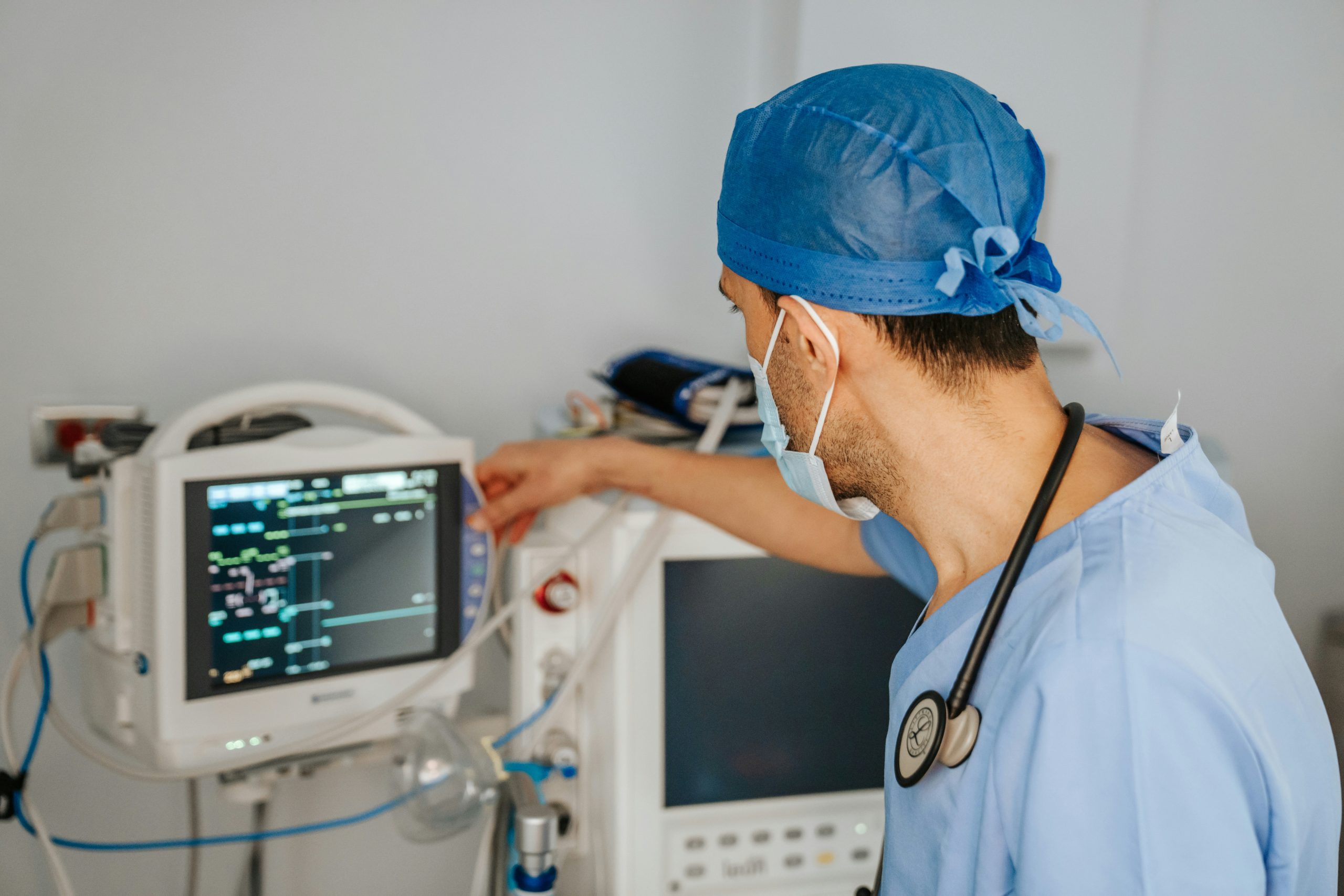
Monitoring equipment can support workflow efficiency by helping clinicians assess patients during infusion therapy. Depending on clinical requirements, monitoring may include blood pressure, pulse rate, oxygen saturation, temperature, or other relevant measurements. Automated monitoring devices can reduce the time required for certain routine measurements while helping staff establish consistent monitoring procedures.
Efficient monitoring equipment may provide rapid measurements, readable displays, multiple measurement modes, memory or data storage, portable operation, automatic measurement intervals, connectivity options, and straightforward cleaning procedures.
Monitoring equipment should nevertheless be selected according to clinical requirements rather than convenience alone. The objective is to provide an appropriate level of monitoring without adding unnecessary equipment, alarms, or documentation demands.
Barcode And Identification Technology
Barcode technology can contribute to infusion workflow efficiency by helping organize patient, medication, and treatment information. When integrated into established processes, barcode-based systems can support identification and verification while reducing certain forms of manual data entry. This can be particularly useful when multiple patients, medications, and treatment protocols are being managed simultaneously.
Barcode-enabled workflows may reduce repetitive entry, standardize identification procedures, support medication verification, improve information accuracy, connect physical items with electronic records, and promote more consistent documentation. Technology should not replace clinical judgment. Instead, it can provide an additional layer of workflow support when appropriately implemented.
Electronic Documentation And Connected Equipment
One of the most significant opportunities for workflow improvement is reducing repetitive documentation. Traditional workflows may require clinicians to record the same information in several locations. Connected equipment and compatible electronic health record systems may reduce some duplication by transferring selected information electronically. The exact capabilities depend on the equipment, software, facility infrastructure, and applicable interoperability standards.
Compatible connected infusion therapy equipment may help reduce duplicate data entry, improve equipment-status visibility, support electronic documentation, simplify data collection, and promote consistent workflows.
Connectivity should be evaluated carefully before purchase. A device may technically support connectivity but still require substantial integration work within an existing healthcare IT environment. Facilities should confirm compatibility, cybersecurity requirements, software support, licensing considerations, implementation needs, and ongoing technical support.
Medication Preparation And Organization Equipment
Infusion workflow efficiency does not begin when a patient enters the treatment chair. It starts during preparation. Medication preparation areas should be organized so authorized staff can efficiently access the supplies, labels, containers, and equipment required for each treatment.
Depending on the facility, useful resources may include organized medication carts, preparation counters, storage systems, label printers, barcode scanners, sharps containers, supply organizers, appropriate refrigerated storage, and mobile workstations.
The objective is to create a logical sequence from preparation through administration. When supplies are scattered across multiple locations, staff can spend unnecessary time walking back and forth. Thoughtful equipment placement can reduce these movements and make preparation more predictable.
Mobile Workstations
Mobile workstations can be useful in infusion environments where clinicians need electronic records while moving between patients. A workstation that can be positioned near the treatment chair may allow staff to document care without repeatedly returning to a central desk.
Important considerations include adjustable height, mobility, stability, battery life, screen visibility, keyboard and mouse positioning, cable management, cleaning compatibility, and device integration. Ergonomics should be considered carefully. A workstation that improves mobility but requires awkward working positions may simply replace one inefficiency with another.
Equipment Designed For Easy Cleaning
Cleaning and room turnover are essential parts of the infusion workflow. Equipment with complex surfaces, difficult-to-reach areas, or specialized cleaning requirements can increase the time needed to prepare a treatment space. Easy-to-clean equipment can simplify routine environmental processes.
Facilities should consider surface materials, seam construction, crevices, removable components, compatibility with approved disinfectants, resistance to routine wear, and accessibility during cleaning.
These considerations apply to chairs, poles, carts, workstations, pumps, and other equipment. Equipment that is straightforward to clean can help staff transition efficiently between patients while following appropriate infection-control procedures.
Equipment Standardization Can Reduce Training Time
Consider a clinic with several pump interfaces, multiple IV pole designs, different monitor models, and various workstation configurations. Each device may function properly, yet the overall environment can become harder to manage. Staff must remember different procedures, new employees require additional training, and replacement equipment may operate differently from the devices they are accustomed to using. Standardization can reduce some of this variation.
Using consistent equipment where clinically appropriate may simplify training, reduce user confusion, improve familiarity, standardize procedures, simplify maintenance, reduce spare-part complexity, make troubleshooting easier, and improve equipment allocation.
Standardization does not mean every department needs identical equipment. Different clinical applications may require specialized technologies. The objective is to avoid unnecessary variation while maintaining appropriate clinical flexibility.
Equipment Reliability And Preventive Maintenance
Workflow efficiency depends not only on equipment performance but also on what happens when equipment requires service. An unreliable pump, faulty monitor, damaged IV pole, or malfunctioning workstation can disrupt patient flow and force staff to find alternatives. Preventive maintenance can help facilities identify potential problems before they become operational disruptions.
A comprehensive strategy may include scheduled inspections, preventive maintenance, applicable electrical safety checks, calibration according to manufacturer requirements, battery checks, software updates, alarm verification, cleaning inspections, repair documentation, and equipment replacement planning.
Facilities should follow manufacturer instructions and applicable regulatory, accreditation, and clinical requirements. Reliable equipment is therefore not simply a purchasing consideration. It is an ongoing operational commitment.
Choosing Equipment Based On Patient Volume
The equipment configuration appropriate for a small specialty clinic may not suit a large infusion center. Patient volume should therefore influence purchasing decisions. A high-volume center may need sufficient pumps, chairs, monitors, carts, and backup devices to maintain throughput during peak periods. A smaller practice may prioritize flexible or multifunctional equipment rather than large quantities.
Before purchasing, decision-makers should evaluate average daily patient volume, peak treatment periods, average treatment duration, number of treatment bays, staffing levels, infusion therapy types, equipment turnover, backup requirements, and storage capacity. This approach can help prevent both under-purchasing and unnecessary spending.
Consider The Entire Infusion Workflow
One common purchasing mistake is evaluating equipment individually. A pump may have excellent specifications, but if it does not work well with the chair, IV pole, power configuration, monitoring system, or documentation process, its real-world value may be limited. Facilities should map the complete workflow before making major purchasing decisions.
Ergonomics: A Frequently Overlooked Efficiency Factor

Healthcare workers interact with infusion equipment repeatedly throughout the day. If equipment requires awkward bending, reaching, lifting, or repositioning, those minor inconveniences can become significant over time. Ergonomic equipment can help clinicians maintain comfortable working positions while completing routine tasks.
Useful features may include adjustable-height components, easy-to-reach controls, smooth mobility, appropriate handle placement, clear displays, accessible storage, reduced cable clutter, and simple adjustment mechanisms. Ergonomics is not simply about comfort. It can support smoother workflows by reducing unnecessary physical effort.
Alarm Management And Workflow Efficiency
Alarms are important safety features, but poorly managed or excessive alarms can interrupt workflow. When staff repeatedly encounter alarms that are difficult to understand or unnecessarily frequent, attention can be diverted from other clinical responsibilities.
Equipment should therefore provide alarms that are clear, appropriately configured, and easy to interpret. Facilities should establish suitable alarm-management procedures and follow manufacturer recommendations. The goal is not to eliminate alarms but to ensure that they communicate relevant conditions without creating avoidable confusion.
Backup Equipment Protects Workflow Continuity
Even reliable equipment may occasionally require maintenance or repair. Maintaining an appropriate amount of backup equipment can help prevent a single malfunction from disrupting an entire treatment schedule. Backup planning may include spare infusion pumps, backup monitors, replacement batteries, additional IV poles, backup workstations, essential accessories, replacement cables, and readily available service contacts.
The appropriate quantity depends on facility size, treatment volume, equipment reliability, and operational requirements. A practical backup strategy can be especially valuable when treatment schedules are tightly organized.
How To Evaluate Infusion Therapy Equipment Before Purchasing
A practical purchasing process should combine clinical, operational, technical, and financial considerations.
Step 1: Map The Current Workflow
Identify where delays occur. Determine whether clinicians spend excessive time locating supplies, moving equipment, completing repetitive documentation, or preparing rooms for turnover.
Step Identify theThe Biggest Bottlenecks
Not every workflow problem requires new equipment. Determine which problems could actually be addressed through better equipment, layout, training, or process improvements.
Step 3: Define Required Features
Create a list of essential features before comparing products. Separate must-have capabilities from optional features so the purchasing process remains focused.
Step 4: Evaluate Usability
A demonstration or hands-on evaluation can be valuable. Ask staff to perform representative tasks and observe whether controls are intuitive and routine procedures feel natural.
Step 5: Consider Compatibility
Check compatibility with existing pumps, chairs, monitors, workstations, software, power systems, accessories, and clinical processes.
Step 6: Review Maintenance Requirements
Understand maintenance schedules, service availability, replacement-part access, warranty terms, and technical support before committing to a purchase.
Step 7: Calculate Total Cost Of Ownership
Purchase price represents only one part of the overall investment. Facilities should also consider installation, training, maintenance, repairs, accessories, consumables, software, connectivity, replacement cycles, and potential downtime.
Step 8: Gather Staff Feedback
The clinicians and staff who use the equipment every day should have a meaningful role in the evaluation. They may identify practical concerns that are not obvious from a product specification sheet.
What Should Clinics Prioritize When Comparing Infusion Equipment?
There is no universal piece of equipment that will improve every infusion workflow. Facilities should prioritize equipment according to their clinical and operational needs. For many clinics, the most important considerations are:
- Safety and reliability
- Ease of use
- Clinical suitability
- Workflow integration
- Ergonomics
- Ease of cleaning
- Maintenance and service support
- Interoperability
- Scalability
- Total cost of ownership
This approach helps prevent facilities from selecting equipment simply because it has the longest list of features. The best equipment is equipment that addresses real workflow needs without creating unnecessary complications.
Building A More Efficient Infusion Environment
Workflow efficiency ultimately comes from the interaction between people, processes, technology, and physical space. Even excellent infusion therapy equipment cannot compensate for a poorly organized workflow. Equipment should therefore be considered as part of a larger operational system.
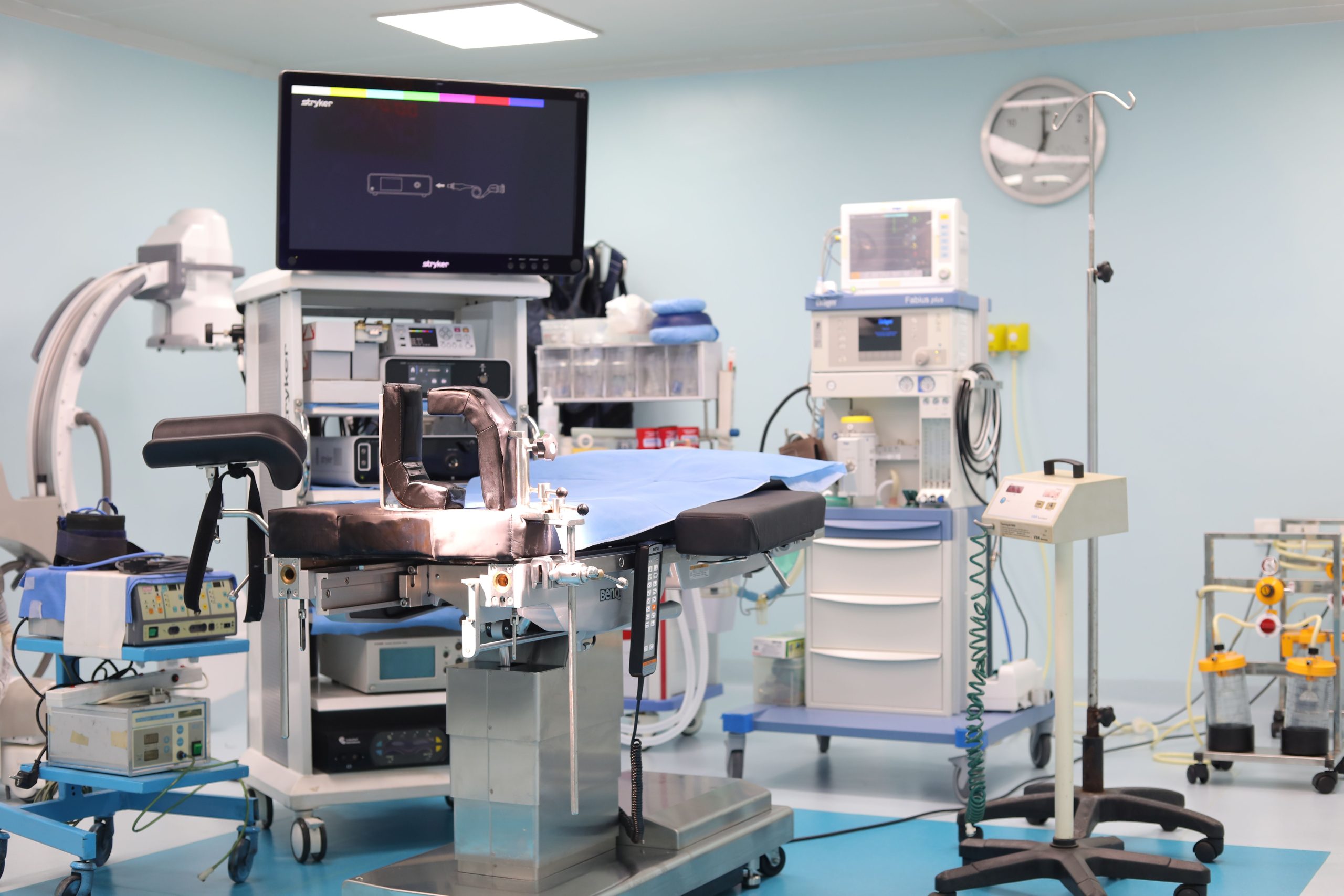
A thoughtfully designed infusion environment may include appropriately selected infusion pumps, specialized syringe pumps where required, comfortable and adjustable infusion chairs, mobile IV poles, appropriate patient monitoring, organized medication preparation areas, mobile electronic workstations, clearly arranged supplies, suitable storage, easy-to-clean surfaces, backup equipment, preventive maintenance programs, staff training, standardized configurations, and appropriate technology integration.
Why Equipment Support Matters As Much As Equipment Selection
Purchasing quality infusion therapy equipment is only the beginning. Facilities also need dependable support after the purchase. A Merit Pharmaceutical can help healthcare organizations evaluate options, understand specifications, identify compatible accessories, arrange training, and plan ongoing maintenance.
Strong supplier support can be particularly valuable when equipment is complex or when a facility is upgrading several components simultaneously. When evaluating a supplier, facilities should consider product knowledge, equipment availability, manufacturer relationships, technical support, training resources, warranty assistance, maintenance services, replacement parts, response times, and long-term product support. A Merit Pharmaceutical should be able to explain not only what a device does but also how it fits into a real clinical workflow.
The Future Of Infusion Therapy Workflow
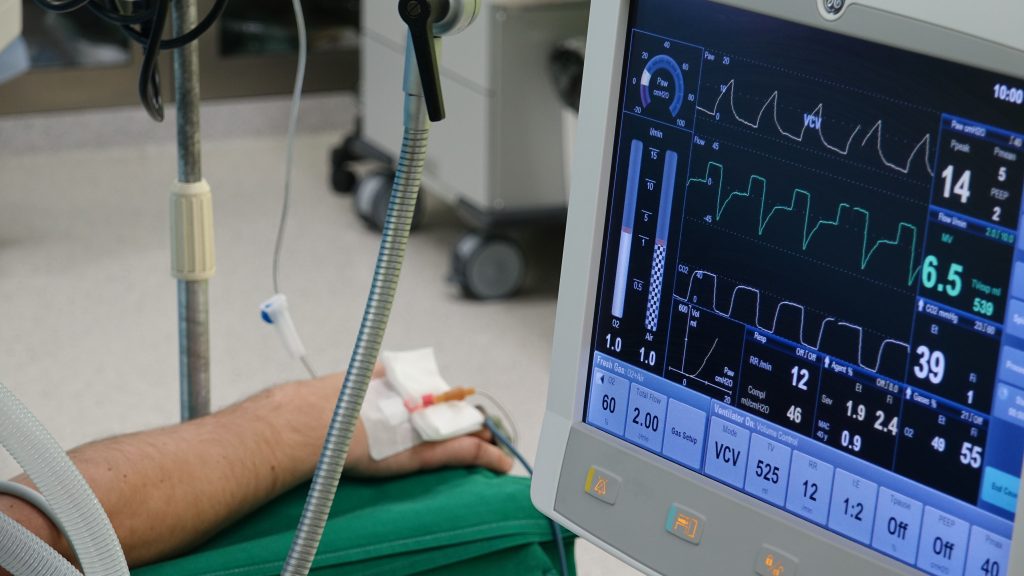
Infusion therapy equipment continues to evolve alongside healthcare technology. Future workflow improvements are likely to involve greater connectivity, improved automation, enhanced data availability, smarter equipment management, and increasingly integrated clinical systems.
Technology should serve the clinical workflow rather than complicate it. Facilities considering advanced equipment should ask a straightforward question: Will this technology make an important task safer, easier, faster, or more consistent? If the answer is yes, the technology may provide meaningful operational value. If a feature adds complexity without addressing a genuine need, it may not improve efficiency.
Conclusion
Choosing infusion therapy equipment that improves workflow efficiency requires a broader perspective than simply selecting devices with advanced specifications. The most effective equipment fits naturally into the clinical environment, supports safe and consistent treatment processes, and helps clinicians complete routine tasks without unnecessary complications.
Infusion pumps and syringe pumps can support controlled administration. Infusion chairs and mobile IV poles can improve room organization and patient access. Monitoring equipment can streamline routine assessments, while barcode technology, mobile workstations, and compatible connected systems can improve information flow. Easy-to-clean designs, standardized equipment, preventive maintenance, and dependable technical support can further strengthen daily operations.
Ultimately, workflow efficiency comes from the relationship between equipment and the people using it. A pump that is easy to program, a workstation that is easy to position, a chair that provides appropriate access, or a monitoring device that clearly communicates information can each eliminate small obstacles that otherwise accumulate throughout a busy treatment day.
For healthcare facilities evaluating infusion therapy equipment, the goal should not simply be to purchase more technology. It should be to build a dependable, practical, and coordinated infusion environment.
By assessing clinical needs, workflow bottlenecks, equipment usability, compatibility, maintenance requirements, and long-term support, clinics can make more informed purchasing decisions and select infusion therapy equipment that contributes to safer, smoother, and more efficient operations. The right equipment investment can do more than support a single infusion. It can help improve the workflow of an entire treatment environment.
Frequently Asked Questions
1. What Infusion Therapy Equipment Can Improve Clinic Workflow Efficiency?
Infusion pumps, syringe pumps, mobile IV poles, infusion chairs, patient monitoring systems, medication organization equipment, mobile workstations, barcode technology, and compatible connected devices can all contribute to workflow efficiency. The appropriate combination depends on patient volume, treatment types, staffing, room layout, and clinical requirements.
2. Are Infusion Pumps Better For Workflow Efficiency Than Gravity-Based Systems?
Infusion pumps can provide programmable and controlled delivery, which may support standardized workflows for appropriate therapies. Equipment selection should be based on the prescribed therapy, clinical requirements, facility protocols, and applicable safety standards rather than workflow efficiency alone.
3. How Do Infusion Chairs Improve Workflow?
Infusion chairs can support workflow by providing appropriate patient positioning, clinician access, mobility, and efficient use of treatment space. Comfortable, adjustable, easy-to-clean chairs can also support longer treatment sessions and simplify room turnover.
4. Should Clinics Prioritize Connected Infusion Therapy Equipment?
Connected equipment may reduce repetitive documentation and improve information flow when it is compatible with a facility’s existing systems. Clinics should evaluate interoperability, cybersecurity, software requirements, implementation costs, and clinical value before investing in connected technology.
5. How Can A Clinic Choose The Right Infusion Therapy Equipment?
Then consider clinical requirements, equipment usability, reliability, ergonomics, compatibility, maintenance, staff training, total cost of ownership, and supplier support. Involving the clinicians who will use the equipment daily can help ensure that the final selection works well in practice.