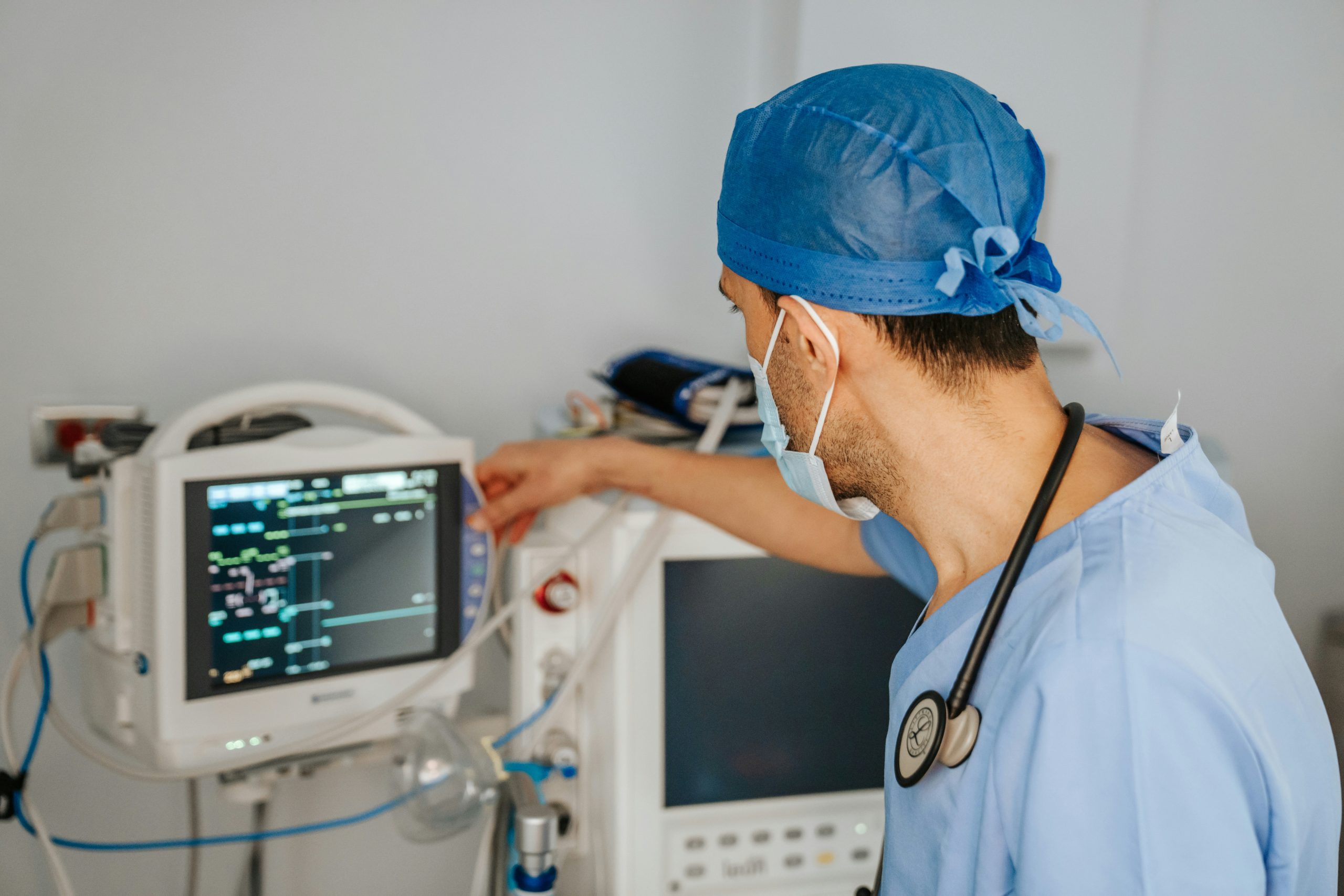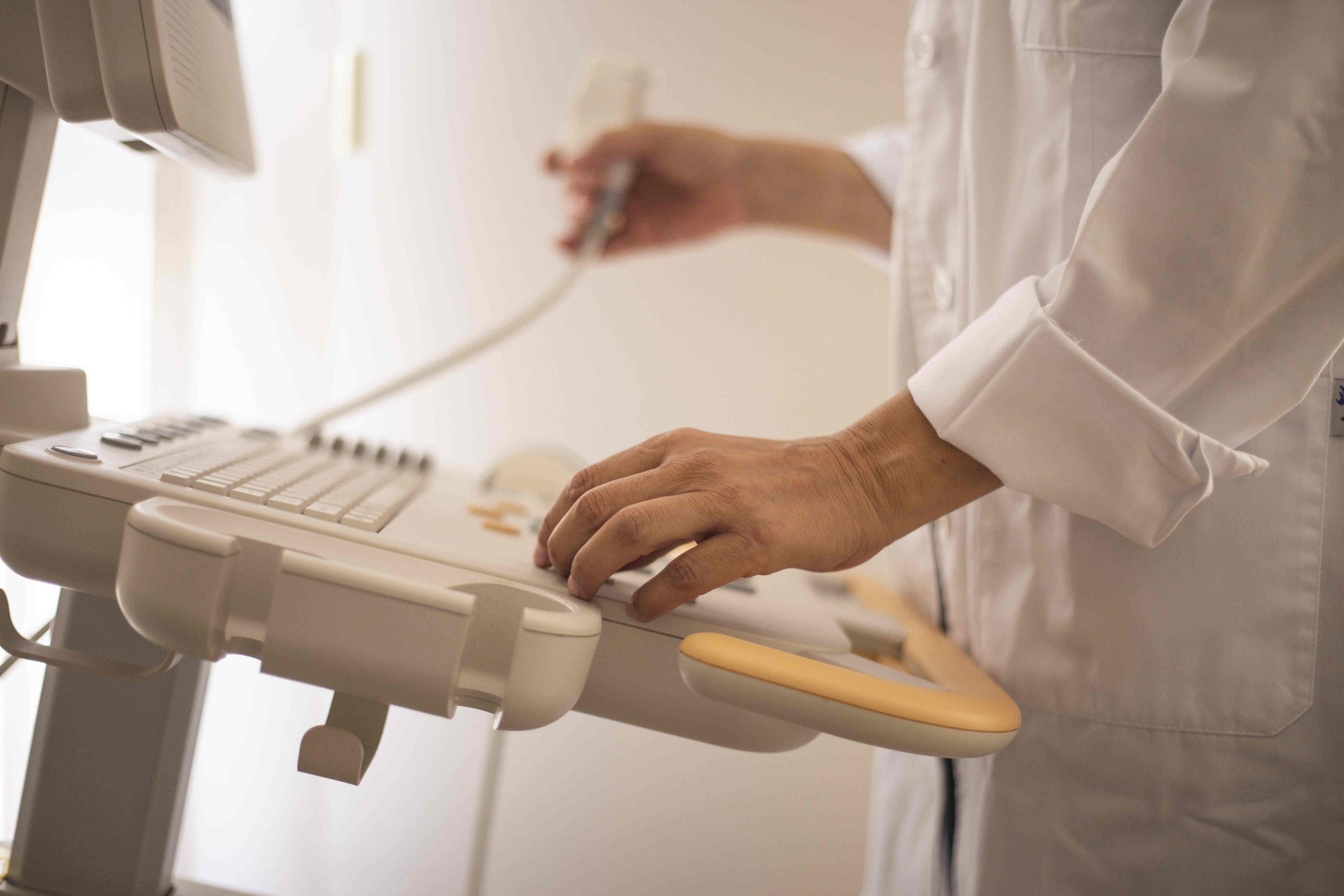
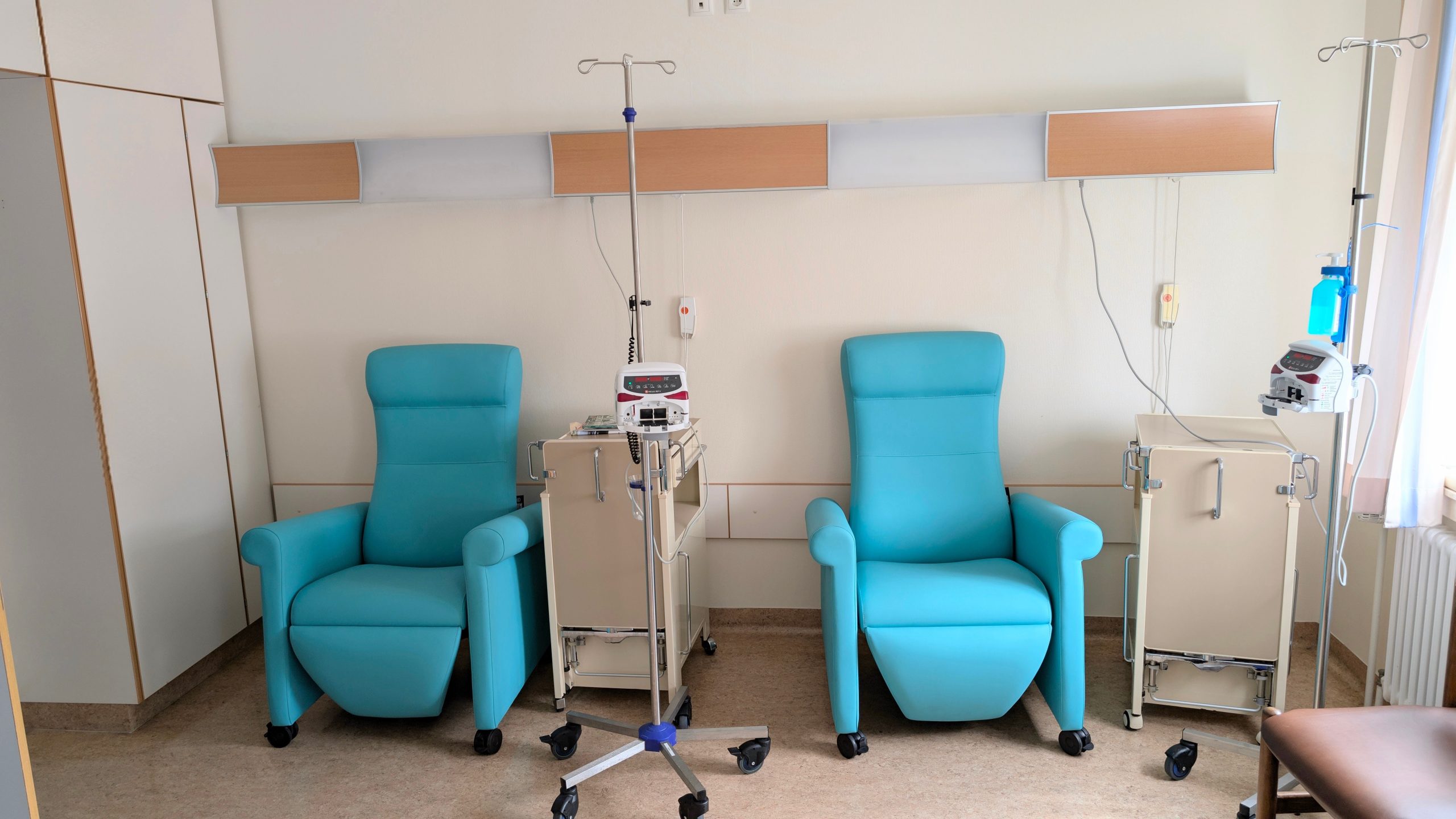
Infusion therapy has become an important part of modern healthcare, allowing medications, fluids, nutrients, blood products, and other prescribed therapies to be delivered directly into a patient’s bloodstream or through other clinically appropriate routes. From outpatient infusion centers and specialty clinics to hospitals and physician practices, reliable equipment plays an important role in making these treatments safe, organized, and efficient.
Creating an effective infusion environment involves much more than purchasing an infusion pump. Modern clinics need a coordinated range of infusion therapy equipment, infusion equipment, and infusion therapy supplies to support medication preparation, administration, patient monitoring, infection prevention, emergency readiness, and everyday workflow.
The right equipment can help clinicians deliver prescribed therapies accurately while improving organization and reducing unnecessary interruptions. Equipment selection should also account for the therapies a clinic provides, patient volume, available space, staff workflow, manufacturer instructions, facility policies, and applicable regulatory requirements.
For clinics evaluating infusion equipment, understanding the purpose of each major category is an important first step. Pumps, poles, treatment chairs, monitoring devices, vascular-access products, personal protective equipment, sharps containers, storage systems, and emergency equipment can all contribute to a safer and more functional infusion environment.
This guide examines the essential equipment used in modern infusion settings, explains why each category matters, and provides practical considerations for selecting dependable infusion therapy solutions.
Key Takeaways
- Infusion pumps are central to many modern infusion environments, helping clinicians control the delivery of prescribed fluids and medications according to applicable treatment protocols.
- Infusion poles and mounting systems provide stable support for pumps, bags, tubing, and related equipment while helping keep treatment areas organized.
- Infusion chairs and patient furniture support comfort, accessibility, positioning, and staff workflow during treatments that may last for extended periods.
- Patient monitoring equipment helps clinicians assess vital signs and respond appropriately to changes in a patient’s condition.
- Vascular-access products and infusion therapy supplies provide the components needed to connect, administer, secure, and dispose of infusion treatments appropriately.
- Safety, infection control, and emergency equipment are essential components of an infusion environment and should be planned as part of the overall equipment strategy.
- Clinics should select equipment according to their therapies, patient population, workflow, staffing, space, maintenance requirements, compatibility needs, and applicable standards.
Infusion Pumps
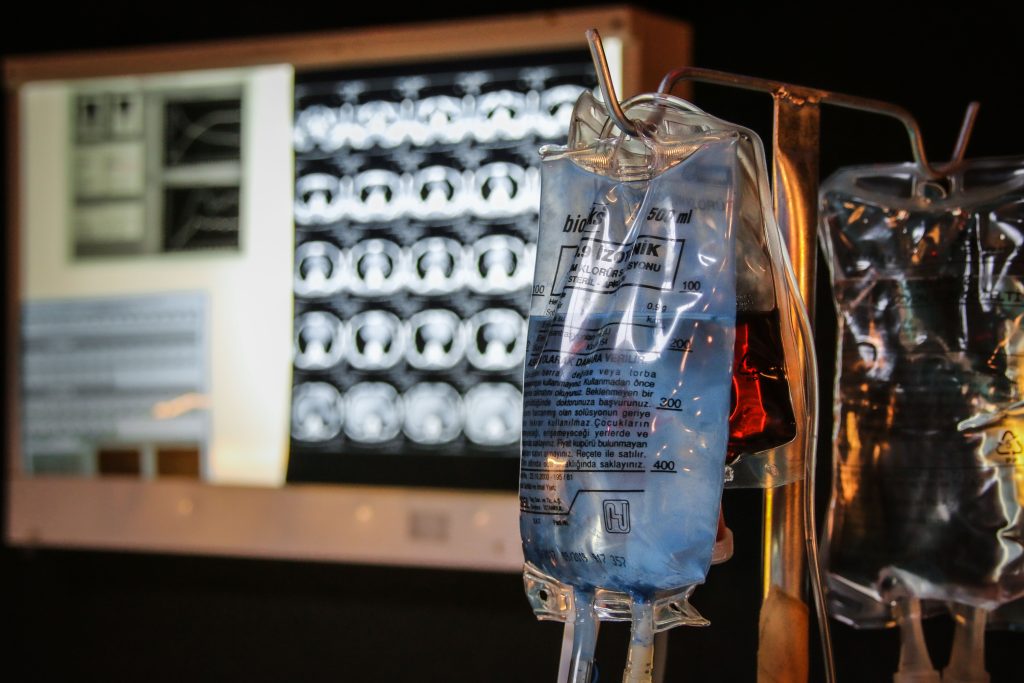
One of the most recognizable pieces of modern infusion equipment is the infusion pump. These devices control the delivery of fluids or medications at programmed rates and, depending on the model, may include additional safety and monitoring features.
Infusion pumps are particularly useful when therapy requires controlled delivery rather than relying solely on gravity. Different pump technologies serve different clinical applications, so clinics should select equipment according to the therapies they actually administer.
Volumetric Infusion Pumps
Volumetric pumps deliver a programmed volume of fluid over a specified period. They are commonly used when controlled fluid administration is required.
Syringe Pumps
Syringe pumps deliver medication or fluid from a syringe at a controlled rate. They can be useful for therapies involving relatively small volumes or medications requiring precise delivery.
Ambulatory Infusion Pumps
Some therapies may be appropriate for ambulatory infusion systems, allowing selected patients to receive treatment while remaining mobile. Their use depends on the therapy, patient, and clinical protocol.
Patient-Controlled Infusion Systems
Certain specialized therapies may use systems that allow patients to activate a prescribed dose within predefined safety parameters. These systems require appropriate protocols, patient education, and monitoring.
When evaluating an infusion pump, clinics should consider programming capabilities, alarm functions, compatibility with intended disposables, battery performance, cleaning requirements, service support, and manufacturer instructions.
The most sophisticated pump is not necessarily the best choice for every clinic. The objective is to select equipment that appropriately matches the clinical application, patient needs, and staff workflow.
Infusion Poles And Mounting Systems
Infusion poles may appear simple compared with electronic equipment, but they are fundamental to an organized infusion area. A suitable pole provides a stable location for infusion bags, pumps, tubing, and accessories. Depending on the configuration, poles may include multiple hooks, equipment mounts, adjustable heights, wheels, or integrated systems designed for different clinical needs.
For clinics administering multiple therapies simultaneously, a stable and appropriately configured pole can make treatment areas easier to organize. When selecting infusion poles, clinics should consider weight capacity, stability, wheel quality, adjustability, number of hooks, pump mounting options, compatibility with the treatment setup, ease of cleaning, and maneuverability within the available space.
Mobility is particularly important in outpatient environments. Equipment should be easy for staff to position without creating unnecessary obstacles around treatment chairs, doors, hallways, or emergency access routes.
Infusion Chairs And Patient Treatment Furniture
Infusion therapy can last from relatively short periods to several hours, depending on the prescribed treatment. Patient furniture is therefore an important part of the overall infusion environment. Infusion chairs are designed to provide supportive seating and may include adjustable backrests, leg rests, reclining functions, armrests, trays, and other features.
Comfort is more than a convenience. Patients who remain in one position for extended periods need appropriate support, while staff require adequate access to the patient and treatment equipment.
- Patient Comfort: Padding, positioning, reclining capability, and ergonomic support can influence the patient’s experience during longer treatments.
- Accessibility: Treatment furniture should accommodate the mobility needs of the patient population and allow staff to assist patients safely when necessary.
- Cleanability: Surfaces should be compatible with the facility’s established cleaning and disinfection procedures.
- Staff Access: Chair designs should allow clinicians to reach vascular-access sites, infusion equipment, and monitoring devices without unnecessary difficulty.
- Space Requirements: A comfortable chair must also fit safely within the treatment area while leaving adequate room for staff movement and emergency access. For this reason, treatment furniture should be selected as part of the complete infusion environment rather than as an isolated purchase.
Patient Monitoring Equipment
Infusion therapy requires more than medication delivery. Appropriate patient observation is an essential component of clinical care. The exact monitoring requirements depend on the therapy, patient, facility protocols, and clinician’s judgment. Depending on the setting, infusion areas may use blood pressure monitors, pulse oximeters, thermometers, cardiac monitoring equipment when indicated, and other appropriate vital-sign monitoring devices.
Monitoring equipment allows clinicians to assess relevant patient parameters before, during, and after treatment when required. For some therapies, baseline measurements may be important before administration. During treatment, clinicians may monitor patients at intervals established by the applicable protocol, with additional observations after treatment when appropriate. The important consideration is that monitoring equipment should match the clinical services provided. A clinic focused on routine outpatient infusions may have different monitoring needs from a center treating complex patients or administering therapies associated with a greater risk of acute reactions.
Vascular-Access Equipment And Infusion Therapy Supplies
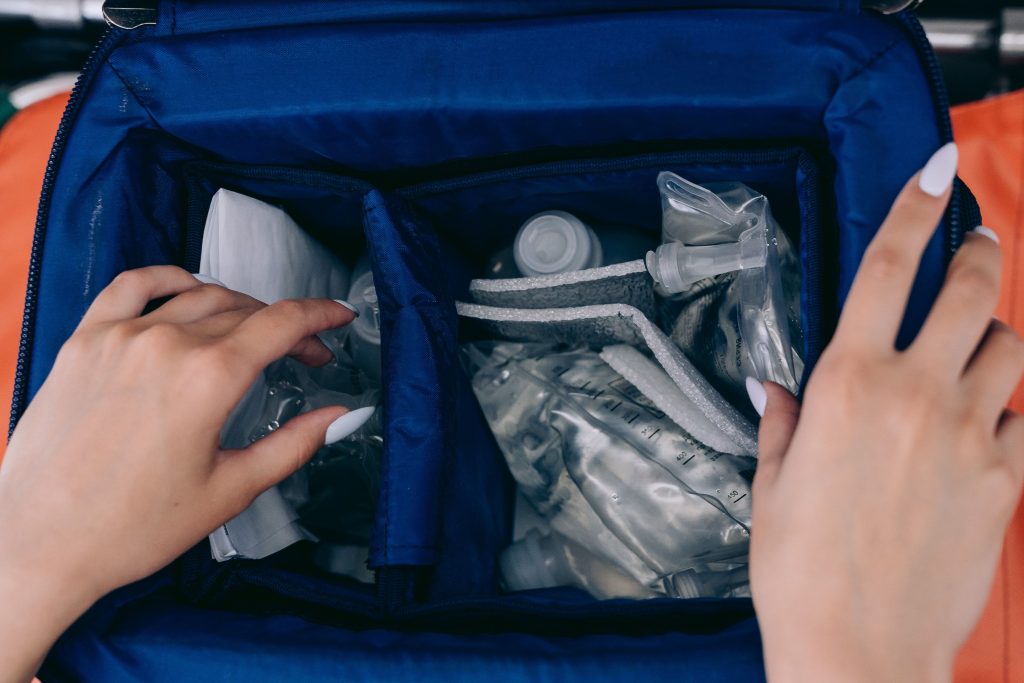
Even a high-quality infusion pump cannot function effectively without compatible supplies and vascular-access products. Infusion therapy supplies include a broad range of disposable products used to prepare, connect, administer, and secure therapy. Depending on the clinical application, these may include IV administration sets, extension sets, needleless connectors, catheters, syringes, needles, flush products, securement products, dressings, tubing, medication containers, appropriate filters, and disinfection supplies.
The exact products required vary significantly according to treatment and facility protocol. Compatibility is particularly important. Clinics should confirm that disposable components are appropriate for the pump, medication, solution, access device, and intended clinical application. Staff should also follow manufacturer instructions and facility policies regarding preparation, use, replacement, cleaning, and disposal. Maintaining the correct supplies can prevent unnecessary workflow interruptions. A well-organized inventory system can also help staff identify shortages before they affect scheduled treatments.
IV Preparation And Medication-Handling Equipment
Infusion therapy begins before a patient sits in the treatment chair. Medication and solution preparation must be performed using appropriate procedures and equipment. Depending on the clinic and medications being handled, relevant equipment may include designated preparation surfaces, medication storage systems, refrigerators for products requiring controlled temperatures, measuring devices, labeling systems, and other equipment specified by applicable protocols.
Certain medications may require specialized preparation environments or engineering controls. Clinics handling hazardous drugs may need equipment and procedures specifically designed for those risks.
Equipment decisions in this area should not be based solely on convenience or price. Clinics should evaluate the medications administered, preparation procedures, staff responsibilities, applicable requirements, manufacturer instructions, and occupational safety considerations.
Proper storage is equally important. Products should be maintained under conditions specified by their manufacturers and facility policies, including appropriate temperature, light, security, and expiration-date controls when applicable.
Medication And Supply Storage Systems
An efficient storage system can make a substantial difference in an infusion clinic. Infusion environments may contain numerous disposable products, medications, accessories, and emergency supplies. Without an organized storage system, staff may spend unnecessary time searching for items or determining whether essential supplies are available. Storage solutions may include medical cabinets, shelving systems, lockable medication storage, refrigerated storage where required, labeled supply bins, mobile carts, and inventory organization systems.
A good organization should support both efficiency and safety. Frequently used items should remain accessible without creating clutter in treatment areas. Medication storage should follow applicable security and handling requirements, while temperature-sensitive products should be stored according to manufacturer specifications. Inventory management should also account for expiration dates and product rotation. Routine inventory checks can reduce the risk of discovering that an essential item is unavailable immediately before a scheduled treatment.
Infusion And Procedure Carts
Mobile carts can help clinics keep essential supplies close to the point of care. Depending on their configuration, carts may hold syringes, dressings, tubing, gloves, disinfectants, labels, and other frequently used products. A well-designed cart can reduce unnecessary movement between treatment rooms and supply areas while providing a consistent arrangement that makes frequently used items easier to locate.
Carts should not become overfilled or cluttered. Supplies should be organized according to the clinic’s workflow, and cleaning and disinfection procedures should be followed according to the manufacturer’s instructions and facility policies.
Personal Protective Equipment And Infection-Control Supplies

Infection prevention is a foundational consideration in any clinical environment. Depending on the procedure and associated risks, infusion clinics may require medical gloves, protective gowns, masks, eye protection, hand hygiene products, antiseptic products, surface disinfectants, sterile or appropriately packaged supplies, sharps containers, and biohazard waste containers.
The precise requirements depend on the procedures performed and applicable infection-control policies. Hand hygiene supplies should be conveniently located so staff can perform appropriate hand hygiene at required points in patient care. Sharps disposal containers should likewise be appropriately positioned and used according to applicable safety requirements. Although these products may receive less attention than infusion pumps, they are essential components of a complete infusion environment.
Sharps And Medical Waste Disposal Equipment
Safe disposal is an essential part of infusion therapy. Needles, syringes, catheters, and other potentially hazardous materials must be disposed of using appropriate containers and procedures.
Sharps containers should be suitable for their intended use, securely positioned, and replaced according to applicable requirements. General medical waste and other regulated waste should likewise be managed according to facility procedures and local requirements.
The location of disposal equipment also matters. Staff should have appropriate disposal options readily available rather than carrying used sharps unnecessarily through the clinic. Good disposal practices help reduce preventable workplace risks and contribute to a cleaner, more organized treatment environment.
Emergency And Resuscitation Equipment
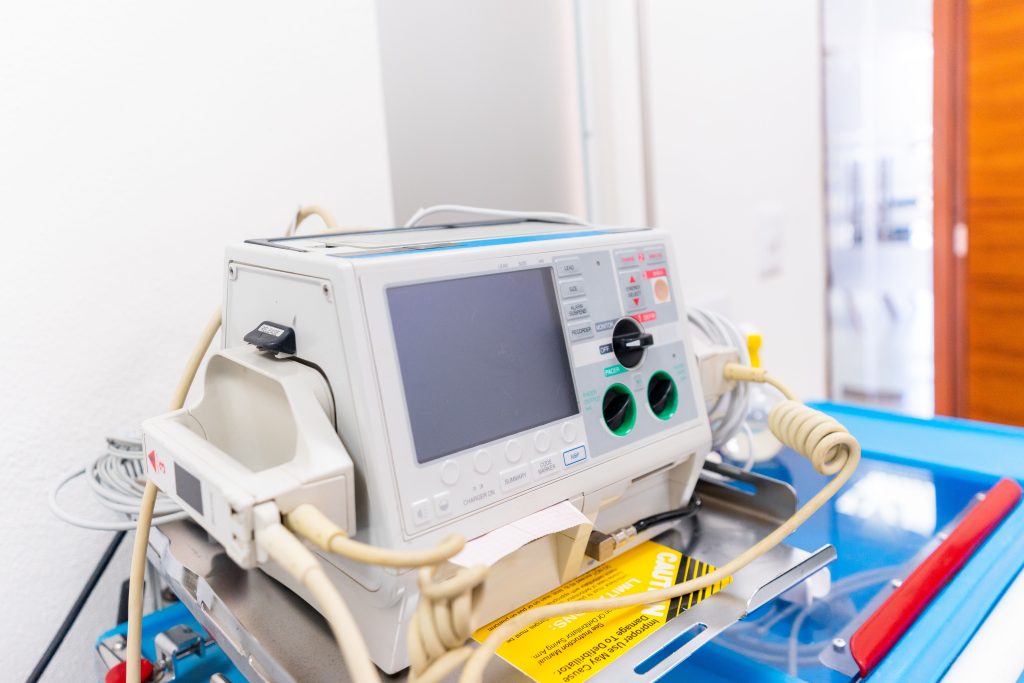
Even carefully planned infusion treatments can involve unexpected patient reactions or emergencies. Infusion clinics therefore need appropriate emergency equipment based on their services and emergency-response protocols.
Depending on the facility, this may include emergency medication supplies, oxygen-delivery equipment, suction equipment, bag-valve-mask devices, automated external defibrillators, emergency carts, appropriate airway equipment, and vital-sign monitoring devices. The exact configuration should be determined by qualified clinical leadership and applicable requirements.
Emergency equipment also requires regular inspection and maintenance. Clinics should establish procedures for checking supplies, expiration dates, batteries, equipment functionality, and accessibility. Staff should also understand their responsibilities during an emergency and receive appropriate training. Preparedness is one of the most important characteristics of a modern infusion environment.
Infusion Warming And Temperature-Control Equipment
Some therapies may require fluids, solutions, or other materials to be maintained within specified temperature conditions. Appropriate warming or temperature-control equipment may therefore be useful in certain infusion settings.
Temperature management must be based on the specific product and clinical application. Not every medication or solution should be warmed, and improper temperature handling can create risks. Clinics should use equipment specifically intended for the relevant application and follow manufacturer instructions.
Temperature monitoring can also be important for products requiring controlled storage. Appropriate refrigerators, thermometers, monitoring systems, and documented procedures may be necessary when temperature-sensitive products are involved.
Lighting And Examination Equipment
Good visibility is an often-overlooked part of infusion clinic design. Clinicians need adequate lighting to assess patients, inspect access sites, connect equipment, read labels, and perform procedures safely.
Depending on the clinic’s services, adjustable examination lights or task lighting may be useful. Lighting should support clinical work without making the treatment environment unnecessarily uncomfortable for patients. The treatment area should also be arranged so that important equipment, displays, and access points remain visible and easy to reach.
Electrical And Power-Management Solutions
Modern infusion environments often rely on electrically powered equipment, including pumps, monitoring systems, refrigeration equipment, computers, and other clinical devices.
This makes appropriate power management important. Clinics should consider available electrical outlets, equipment power requirements, cord management, battery-powered equipment, backup power requirements, electrical safety, and equipment placement.
Power cords should be managed to minimize trip hazards and avoid obstructing access routes. For equipment that depends on battery power, staff should follow procedures for charging, testing, and replacing batteries. Where continuous operation is clinically important, facilities may also need appropriate backup-power planning based on their equipment and emergency procedures.
Electronic Documentation And Infusion Workflow Technology
Technology increasingly plays a role in infusion clinic operations. Electronic health records and clinical documentation systems can help staff record treatment information, patient observations, medication administration, and other relevant clinical data. Some modern infusion systems may also support connectivity or data integration, depending on the equipment and healthcare environment.
Technology can reduce manual documentation and support workflow consistency, but it should not replace clinical judgment. Clinics evaluating connected infusion equipment should consider interoperability, cybersecurity, training requirements, maintenance, software support, and the practical benefits of integration. The best technology is technology that genuinely improves workflow and patient care rather than adding unnecessary complexity.
Equipment Maintenance And Preventive Service
Purchasing high-quality infusion therapy equipment is only the beginning. Clinical equipment requires ongoing maintenance, inspection, cleaning, calibration where applicable, and service according to manufacturer recommendations and facility policies. Preventive maintenance can help identify equipment problems before they interfere with patient care.
Clinics should maintain appropriate records and establish clear responsibility for inspections and service. For infusion pumps and other electronic devices, maintenance may involve functional testing, battery checks, software updates where applicable, alarm verification, and other manufacturer-specified procedures. Equipment should be removed from service when it is damaged, malfunctioning, overdue for required inspection, or otherwise unsuitable for use. A dependable equipment program therefore includes both acquisition and lifecycle management.
Staff Training Is Part Of The Equipment Strategy

Even the best equipment cannot compensate for inadequate training. Staff should receive appropriate instruction before using infusion pumps, monitoring equipment, emergency devices, and other specialized systems. Training may address equipment operation, programming procedures, alarm response, troubleshooting, cleaning, infection prevention, equipment inspection, emergency procedures, and manufacturer-specific requirements.
Competency should be maintained through appropriate education and evaluation. Clinics should also ensure that staff understand which equipment problems require escalation to technical support or biomedical engineering rather than attempting repairs themselves. Training helps ensure that equipment functions as intended within the broader clinical workflow.
How Should Clinics Choose Infusion Equipment?
There is no universal equipment package that is ideal for every infusion clinic. The appropriate selection depends on the clinic’s clinical services and operating environment.
Before purchasing infusion equipment, decision-makers should evaluate several factors.
- Type of Therapy: Consider the medications, fluids, or treatments the clinic will administer. Different therapies may require different pumps, tubing, filters, access products, monitoring equipment, or safety systems.
- Patient Population: Patient age, mobility, treatment duration, acuity, and accessibility requirements can all influence equipment selection. A clinic treating mostly ambulatory adults may have different priorities from a facility serving pediatric or medically complex populations.
- Treatment Volume: A small practice may require only a few treatment stations, while a high-volume infusion center may need a larger inventory of pumps, chairs, carts, and monitoring equipment.
- Workflow: Equipment should support the way staff actually work. If supplies are difficult to access or equipment is cumbersome to move, even high-quality products can create inefficiencies.
- Maintenance And Service: Before purchasing, clinics should understand how equipment will be serviced, how quickly replacement components can be obtained, and what technical support is available.
- Compatibility: Equipment and disposable components should be appropriate for their intended clinical applications and compatible with one another where required.
- Safety Features: Clinics should evaluate relevant alarms, safeguards, locking mechanisms, stability, monitoring capabilities, and other safety features according to the equipment category.
- Total Cost of Ownership: The purchase price is only one part of the cost. Clinics should also consider disposable supplies, maintenance, calibration, batteries, accessories, training, service contracts, replacement parts, and eventual equipment replacement. A higher initial investment may sometimes make sense when it provides better reliability, support, durability, or workflow efficiency.
Why Equipment Reliability Matters
Infusion therapy depends on consistency. When equipment is unreliable, the consequences can extend beyond inconvenience. Staff may experience treatment delays, workflow interruptions, additional troubleshooting, or unnecessary patient discomfort.
Reliable equipment should therefore be viewed as an operational investment. Clinics should consider suppliers based not only on product availability but also on their ability to provide accurate product information, technical support, replacement components, documentation, and dependable service.
A supplier with expertise in infusion equipment can also help clinics evaluate product compatibility and identify solutions appropriate for their specific applications. This can be particularly valuable for growing clinics that are expanding treatment capacity or adding new infusion services.
Building A Complete Infusion Environment
A successful infusion clinic is not defined by a single piece of equipment. It is a coordinated system in which pumps, chairs, poles, monitoring devices, vascular-access products, storage systems, infection-control supplies, emergency equipment, and documentation technology work together.
Consider a typical treatment workflow. A patient arrives and is assessed according to the clinic’s protocol. Appropriate baseline observations are obtained, and the prescribed therapy is prepared and verified. The patient is positioned comfortably in the treatment chair, vascular access is established using appropriate supplies, and the infusion equipment is connected and programmed according to the applicable prescription and protocol.
The patient is then observed throughout treatment as required. Used supplies are disposed of appropriately, and relevant information is documented. Every stage depends on appropriate equipment and supplies. This is why clinics should approach equipment purchasing as a complete workflow rather than simply searching for the lowest-cost pump or the most advanced device.
Common Mistakes When Purchasing Infusion Equipment
- Choosing Equipment Based Only on Price: The cheapest equipment may not provide the features, durability, compatibility, or support needed for the clinic’s applications.
- Ignoring Consumable Costs: A device may appear affordable initially but require expensive proprietary or specialized supplies.
- Failing to Plan for Maintenance: Equipment that cannot be serviced efficiently can become a long-term operational problem.
- Buying Too Much Equipment Too Early: Clinics should avoid purchasing equipment that does not match current clinical needs or realistic growth plans.
- Overlooking Staff Workflow: Equipment that looks impressive on paper may be difficult to use in a busy treatment environment.
- Neglecting Emergency Readiness: Emergency equipment should be incorporated into clinic planning from the beginning.
- Forgetting Storage and Space Requirements: Equipment needs physical space, power, cleaning access, and appropriate placement. A thoughtful purchasing strategy addresses these issues before equipment arrives.
The Future Of Infusion Therapy Equipment
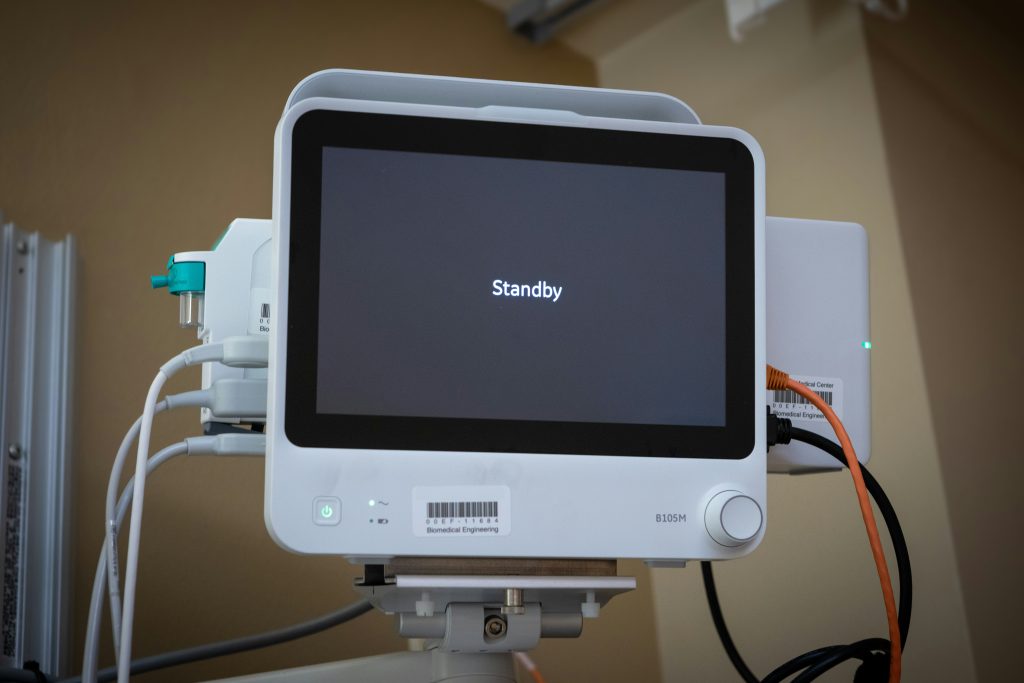
Infusion care continues to evolve as healthcare providers seek better safety, efficiency, connectivity, and patient experience. Future developments may increasingly emphasize smarter monitoring, improved interoperability, more intuitive pump interfaces, better data integration, and equipment designed around efficient outpatient workflows.
At the same time, fundamental requirements will remain. Clinics will still need dependable pumps, appropriate vascular-access supplies, comfortable treatment spaces, monitoring capabilities, infection-control products, emergency preparedness, and trained staff.
Technology can enhance these systems, but it does not eliminate the need for careful clinical processes. For clinics investing in new infusion therapy equipment, the strongest approach is to balance innovation with reliability. A new feature is most valuable when it addresses a genuine clinical or operational need.
Conclusion
Modern infusion clinics depend on a broad ecosystem of equipment rather than a single device. Infusion therapy equipment such as infusion pumps, poles, treatment chairs, patient monitoring devices, carts, storage systems, and emergency equipment provides the foundation for organized treatment environments. Meanwhile, infusion therapy supplies such as tubing, connectors, syringes, catheters, dressings, disinfectants, and disposal products support the day-to-day delivery of prescribed therapies.
Choosing the right equipment requires careful consideration of the clinic’s treatments, patient population, workflow, staffing, space, maintenance requirements, compatibility, safety needs, and budget.
Quality should remain a central consideration, but quality does not necessarily mean choosing the most expensive or technologically advanced product. The strongest equipment strategy combines appropriate functionality, dependable performance, support, compatibility, and long-term value.
Clinics that take a complete approach to infusion equipment can create treatment environments that are organized, comfortable, efficient, and prepared for the needs of both patients and healthcare professionals.
Whether a facility is opening a new infusion center, expanding treatment capacity, replacing aging devices, or updating its supply inventory, working with a knowledgeable infusion equipment supplier can make the purchasing process more straightforward. The right supplier can help healthcare organizations identify appropriate products, understand equipment requirements, and build an infusion environment around practical clinical needs.
Frequently Asked Questions
1. What Equipment Is Most Important For An Infusion Therapy Clinic?
The most important equipment depends on the therapies provided, but many modern clinics require infusion pumps, infusion poles, patient treatment chairs, appropriate patient-monitoring devices, vascular-access supplies, medication-storage solutions, infection-control products, sharps disposal equipment, and emergency equipment. Clinics should select equipment based on their specific clinical protocols and applicable requirements.
2. What Are Infusion Pumps Used For?
Infusion pumps are used to control the delivery of fluids or medications according to programmed parameters. Different pump types are designed for different applications, including volumetric and syringe-based delivery. Clinics should use pumps according to their intended purpose and the manufacturer’s instructions.
3. What Infusion Therapy Supplies Should Clinics Keep Available?
Common supplies may include administration sets, tubing, syringes, needles, vascular-access products, connectors, dressings, securement products, disinfection supplies, gloves, and appropriate waste-disposal products. The exact inventory should reflect the therapies provided and the clinic’s procedures.
4. How Often Should Infusion Equipment Be Maintained?
Maintenance requirements vary by equipment type and manufacturer. Clinics should follow manufacturer instructions, applicable regulations, facility policies, and established preventive-maintenance schedules. Equipment should also be inspected when problems are identified and removed from service when it is not functioning appropriately.
5. How Can A Clinic Choose The Right Infusion Equipment Supplier?
Clinics should evaluate suppliers based on product quality, equipment compatibility, technical knowledge, availability, customer support, maintenance resources, replacement-part access, and overall value. A knowledgeable supplier should be able to explain equipment specifications and help the clinic select solutions appropriate for its intended clinical applications.