
Infusion therapy is one of the most widely used forms of treatment in modern hospitals. It allows healthcare professionals to deliver fluids, medications, nutrients, blood products, and other therapies directly into a patient’s bloodstream or, in some cases, into specific tissues or body cavities. Because infusion therapy can involve potent medications, precise fluid volumes, and time-sensitive treatments, hospitals rely on specialized infusion therapy equipment to deliver care accurately and consistently.
From emergency departments and intensive care units to oncology centers, surgical suites, maternity wards, pediatric departments, and general patient rooms, infusion devices are part of everyday clinical practice. The equipment used may range from relatively simple gravity-based systems to sophisticated electronic infusion pumps capable of controlling extremely small flow rates.
Choosing the right infusion therapy equipment is therefore about more than selecting a device that can move fluid from one container to a patient. Hospitals must consider accuracy, safety, ease of use, compatibility with other medical equipment, maintenance requirements, clinical applications, and the needs of the patients who will receive treatment. Reliable equipment can support consistent therapy delivery while helping clinicians monitor and manage treatment more effectively.
Several types of infusion devices are commonly used across hospitals. These include volumetric infusion pumps, syringe pumps, ambulatory infusion pumps, elastomeric pumps, patient-controlled analgesia pumps, enteral feeding pumps, gravity infusion sets, and specialized infusion systems designed for particular clinical applications. Each type serves a different purpose, and no single device is ideal for every patient or treatment.
Understanding the most common infusion therapy devices can help hospital administrators, purchasing teams, clinicians, and healthcare organizations make better-informed equipment decisions. It can also clarify why a comprehensive infusion therapy equipment supplier should offer more than individual products. Hospitals need dependable solutions that fit their clinical environment, workflow, safety requirements, and long-term equipment strategy.
This guide examines the infusion devices most commonly used in hospitals, how they work, where they are used, and what hospitals should consider when selecting dependable infusion therapy equipment.
Key Takeaways
- Volumetric infusion pumps are widely used when hospitals need controlled delivery of larger fluid volumes, medications, or nutritional solutions.
- Syringe pumps provide highly precise administration of small volumes and are especially useful for medications requiring controlled, low-rate delivery.
- Patient-controlled analgesia pumps allow appropriately selected patients to receive prescribed doses of pain medication within programmed safety limits.
- Ambulatory and elastomeric infusion pumps support continuous treatment when patients need therapy outside a traditional inpatient setting or while remaining mobile.
- Enteral feeding pumps deliver liquid nutrition through feeding tubes at controlled rates for patients who cannot obtain adequate nutrition orally.
- Gravity infusion systems remain useful for certain clinical applications because they are simple, flexible, and do not require electronic pumping technology.
- Hospitals should evaluate accuracy, alarms, safety features, compatibility, durability, maintenance, training, and supplier support when purchasing infusion therapy equipment.
- Merit Pharmaceutical should be able to provide solutions that support different departments, patient populations, and treatment requirements.
Understanding Infusion Therapy Equipment
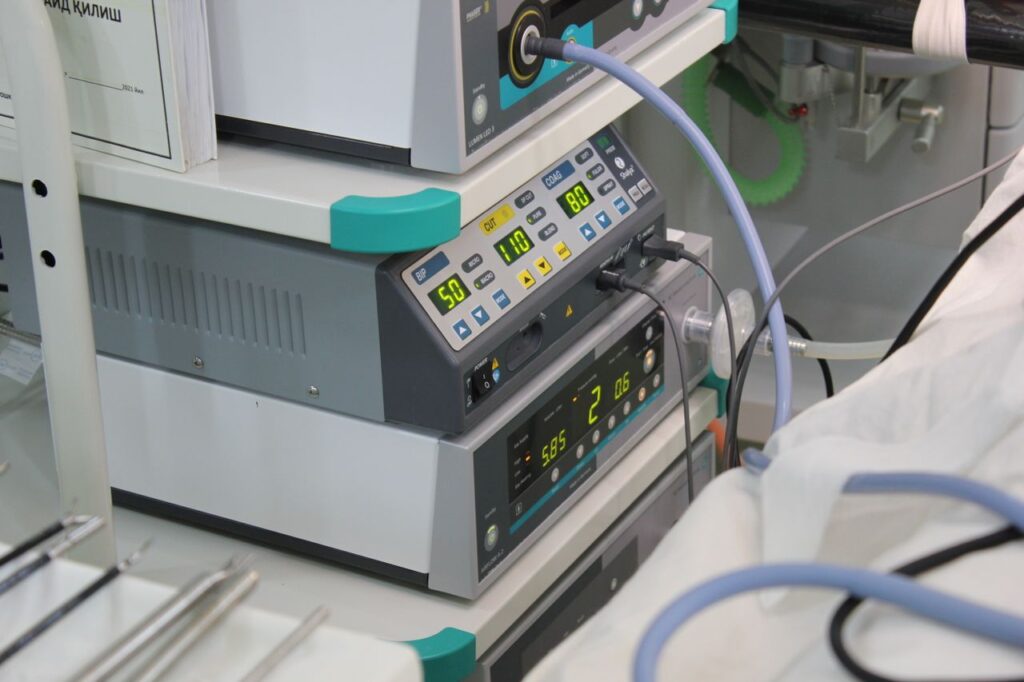
Infusion therapy equipment refers to the devices and accessories used to administer fluids, medications, nutrients, blood products, and other prescribed therapies in a controlled manner. Depending on the device, an infusion may be delivered continuously, intermittently, or according to a programmed schedule.
Infusion therapy can be administered through different routes. Intravenous infusion is particularly common in hospitals because it provides direct access to the bloodstream. Other systems may support subcutaneous administration, enteral nutrition, or specialized treatment protocols.
A complete infusion system may include a pump or delivery device, administration tubing, connectors, filters, IV sets, syringes, fluid containers, catheters, and other accessories. The specific components depend on the treatment being provided and the type of infusion device being used.
The equipment must work reliably because even small deviations in medication delivery can be clinically important in certain situations. This makes quality, usability, and appropriate device selection essential considerations for healthcare facilities.
1. Volumetric Infusion Devices
Volumetric infusion pumps are among the most commonly used infusion devices in hospitals. They are designed to deliver a predetermined volume of fluid at a controlled rate, making them useful for a wide variety of intravenous therapies.
These pumps typically use electronic controls and a pumping mechanism to move fluid through administration tubing. Healthcare professionals can program parameters such as the infusion rate and volume to be delivered, depending on the device and prescribed treatment.
Volumetric pumps are commonly used to administer:
- Intravenous fluids
- Antibiotics
- Electrolytes
- Certain medications
- Parenteral nutrition
- Blood products when the specific pump and administration system are appropriate
- Other prescribed IV therapies
One of their primary advantages is controlled delivery. Instead of relying entirely on gravity, the pump actively regulates fluid movement through the administration set.
Many modern volumetric infusion pumps also incorporate alarms and monitoring features. Depending on the model, these may identify conditions such as occlusions, air in the line, depleted fluid containers, or other situations requiring attention.
Why Hospitals Use Volumetric Pumps
The versatility of volumetric pumps makes them suitable for many departments. They may be found in medical-surgical units, emergency departments, intensive care areas, operating rooms, oncology units, and other clinical environments.
For hospitals treating large numbers of patients, standardizing certain infusion pump platforms can also simplify staff training, maintenance, accessories management, and equipment procurement.
Hospitals should evaluate the intended clinical applications carefully. A pump designed for general fluid administration may not provide every feature required for specialized therapies. Equipment selection should always be based on the manufacturer’s specifications, institutional policies, and the clinical requirements of the intended use.
2. Syringe Infusion Pumps
Syringe pumps are another essential category of infusion therapy equipment. Unlike volumetric pumps, which generally use flexible tubing connected to a fluid container, syringe pumps use a motorized mechanism to push the plunger of a syringe at a precisely controlled rate.
This makes syringe pumps particularly valuable when clinicians need to administer relatively small volumes with high precision. They are frequently used for medications that require carefully controlled infusion rates. Common applications may include critical care, neonatal care, anesthesia, emergency medicine, and other settings where small-volume medications are administered.
Advantages Of Syringe Pumps
The ability to deliver small volumes accurately is one of the biggest benefits of syringe infusion pumps. This can be especially important when a medication has a narrow therapeutic range or when the prescribed infusion rate is very low. Syringe pumps can also be useful when medication volumes are too small for conventional fluid containers to provide practical administration.
Depending on the model, syringe pumps may offer programmable flow rates, alarms, occlusion detection, battery operation, and other safety or monitoring features. Their compact design can also make them convenient for environments where bedside space is limited.
Pediatric And Neonatal Applications
Syringe pumps are particularly important in neonatal and pediatric care because smaller patients may require very small medication or fluid volumes. Precise administration can be critical in these populations.
Hospitals should pay close attention to the device’s intended patient population, minimum and maximum flow rates, syringe compatibility, alarm performance, and other manufacturer specifications when selecting syringe pumps for specialized departments.
3. Patient-Controlled Pain Relief Pumps
Patient-controlled analgesia, commonly referred to as PCA, is a specialized approach to pain management that uses a programmed infusion device to allow eligible patients to self-administer prescribed doses of analgesic medication.
A PCA pump is programmed by healthcare professionals according to an individualized treatment plan. Depending on the device and clinical protocol, parameters may include a dose amount, lockout interval, continuous infusion rate, or limits over a specified period. The lockout feature is particularly important. It prevents the device from delivering another patient-activated dose until the programmed interval has elapsed.
Where PCA Pumps Are Used
PCA systems may be used in postoperative care and other situations involving significant acute pain when clinicians determine that patient-controlled medication delivery is appropriate. The system can offer patients greater control over pain management while allowing clinicians to establish predetermined safety parameters.
Because PCA involves medication delivery and patient activation, appropriate patient selection, programming, monitoring, staff training, and institutional protocols are essential. Hospitals evaluating PCA equipment should consider programming capabilities, alarm systems, security features, ease of operation, battery performance, medication compatibility, and the availability of training and technical support.
4. Portable Infusion Pump Systems
Ambulatory infusion pumps are designed to provide controlled medication or fluid delivery while allowing patients greater mobility than conventional bedside infusion systems. These devices can be useful when patients need continuous or intermittent infusion but do not necessarily need to remain connected to a stationary hospital infusion pump.
Ambulatory pumps may be used in hospitals, outpatient facilities, home-care programs, and other settings depending on the device and therapy. Potential applications include certain antibiotic therapies, pain management, chemotherapy, and other treatments prescribed for ambulatory administration.
Benefits Of Ambulatory Infusion
One of the major advantages is mobility. A patient may be able to walk around a hospital unit, participate in rehabilitation, or continue treatment at home while carrying the pump. For healthcare systems, ambulatory infusion technology can also support outpatient treatment models and reduce the need for prolonged inpatient stays when clinically appropriate.
Portability does not reduce the importance of safety. The device must still deliver therapy according to the prescribed parameters and provide appropriate alerts or safeguards. Hospitals should consider battery life, portability, programming controls, durability, alarm functionality, ease of cleaning, and compatibility with the required administration sets.
5. Elastomeric Infusion Pumps
Elastomeric pumps are portable infusion devices that typically use an elastic reservoir to deliver medication at a predetermined rate. Unlike electronic pumps, they do not rely on an electric motor to push the medication.
As the elastomeric reservoir contracts, the medication is delivered through the connected tubing. These pumps are often associated with ambulatory infusion therapy and can be useful when patients need continuous medication delivery without carrying an electronic pump.
Common Applications
Depending on the specific device, elastomeric pumps may be used for certain antibiotic treatments, pain management, chemotherapy, and other therapies. Their relatively simple construction can make them attractive for appropriate applications. They are also lightweight and portable, which can support outpatient treatment.
Elastomeric systems are not interchangeable with electronic infusion pumps. Their flow performance can depend on factors such as temperature, viscosity, reservoir characteristics, fill volume, and the specific device design. Healthcare providers should therefore follow manufacturer instructions carefully and select an elastomeric pump specifically suited to the prescribed therapy.
6. Enteral Feeding Pumps
Not every infusion device is used to deliver medication intravenously. Enteral feeding pumps are designed to deliver liquid nutrition through feeding tubes for patients who cannot obtain sufficient nutrition through normal oral intake.
Enteral pumps regulate the delivery of nutritional formulas at a controlled rate. They may be used for continuous feeding or, depending on the system and clinical plan, other programmed feeding schedules. They are commonly found in hospitals, long-term care environments, rehabilitation facilities, and home-care settings.
Why Controlled Enteral Feeding Matters
Patients who require enteral nutrition may have complex nutritional needs. Delivering formula too quickly or inconsistently may cause complications or reduce treatment tolerance. An enteral feeding pump provides a more controlled alternative to simple gravity feeding in situations where precise delivery is desirable.
Hospitals should ensure that enteral feeding equipment is clearly differentiated from IV infusion equipment. Dedicated enteral connectors and appropriate safety standards can help reduce the risk of misconnections between enteral and intravenous systems.
7. Gravity Infusion Systems
Although electronic infusion pumps are increasingly important in modern healthcare, gravity infusion systems continue to have a role in clinical practice. Gravity infusion relies on the height of the fluid container and an adjustable flow-control mechanism rather than a powered pump. The clinician regulates the flow according to the administration set and prescribed therapy. Gravity systems are comparatively simple and do not require electrical power or batteries.
When Gravity Infusion May Be Appropriate
Gravity infusion may be useful for certain fluids and treatments when highly precise electronic control is not required and when the clinical environment supports appropriate monitoring. They can also provide a practical backup option when electronic equipment is unavailable or when a specific therapy is intended for gravity administration.
Gravity systems generally do not provide the same level of automated flow control and alarm functionality as electronic pumps. The suitability of gravity administration therefore depends on the therapy, patient, institutional policy, and clinical circumstances.
8. PCA And Specialized Medication Delivery Systems
Hospitals may also use specialized infusion systems designed around particular medication-delivery requirements. These can include systems for pain management, chemotherapy, anesthesia, critical care medications, and other specialized therapies. The important consideration is that specialized infusion therapy often demands more than basic flow control.
Critical care environments may require extremely controlled delivery of medications administered at low rates. Oncology departments may need equipment compatible with specific chemotherapy workflows and safety practices. Anesthesia teams may require compact and highly precise syringe-based delivery systems. This is why hospitals often maintain a range of infusion devices rather than relying on one universal pump.
How Hospitals Choose Between Different Infusion Devices
Selecting infusion therapy equipment requires consideration of both the device and the clinical environment where it will be used. The first question is usually: What type of therapy needs to be delivered?
A hospital administering large volumes of IV fluids may prioritize volumetric pumps. A critical care unit may need syringe pumps for precise medication delivery. An oncology department may require specialized systems for chemotherapy protocols. A home-infusion program may prioritize portable ambulatory or elastomeric devices.
Other important considerations include the following:
- Accuracy And Flow Control: Accurate fluid delivery is a fundamental requirement for infusion equipment. Hospitals should review the manufacturer’s stated accuracy specifications and understand how performance may vary according to flow rate, fluid characteristics, tubing, syringe type, or other conditions. The required level of precision depends heavily on the therapy.
- Safety Features: Safety should be central to equipment selection. Depending on the device, useful features may include occlusion detection, air-in-line detection, alarms, dose limits, lockout functions, drug libraries, event histories, and other safeguards. Hospitals should evaluate safety functions in relation to their clinical protocols rather than assuming that more features automatically mean better performance.
- Ease Of Use: Infusion devices are operated by healthcare professionals working under demanding conditions. A device with a complicated interface can increase training requirements and potentially create workflow challenges. Clear controls, intuitive programming, readable displays, appropriate alarm systems, and straightforward setup can contribute to effective use.
- Compatibility: Compatibility is another critical factor. Pumps must work with the appropriate administration sets, syringes, tubing, connectors, and other accessories. Hospitals should verify compatibility before purchasing equipment and should consider the availability and cost of compatible consumables over the expected service life of the device.
- Durability And Reliability: Hospital equipment is often used continuously and may be moved between rooms and departments. Infusion pumps must therefore be designed for demanding clinical environments. Hospitals should consider construction quality, battery performance, maintenance requirements, service intervals, and expected operating life.
- Cleaning and Infection Prevention: Infusion equipment is used around patients and may be exposed to fluids and contaminants. Surfaces and components should therefore be compatible with the healthcare facility’s cleaning and disinfection procedures. Hospitals should review manufacturer instructions carefully to ensure that cleaning agents and procedures do not damage the device.
Why Supplier Quality Matters

Choosing an infusion therapy equipment supplier is as important as choosing the equipment itself. Hospitals are not simply purchasing machines. They are establishing a relationship that may involve product selection, accessories, replacement parts, technical questions, training, maintenance, and future equipment needs. A dependable supplier should understand the different categories of infusion equipment and help customers match products to appropriate applications.
- Product Expertise: A supplier should be able to explain the differences between volumetric pumps, syringe pumps, ambulatory systems, elastomeric devices, enteral feeding pumps, and other infusion solutions. This knowledge helps purchasing teams avoid choosing equipment based solely on price or superficial specifications.
- Reliable Product Availability: Hospitals need dependable access to equipment and compatible accessories. Delays in obtaining essential devices or consumables can create operational challenges. A supplier with reliable inventory management and clear communication can make equipment procurement easier.
- Technical Support: Technical support can become particularly important when hospitals operate sophisticated electronic infusion systems. Suppliers should be able to provide appropriate product information and direct customers to qualified service resources when maintenance or technical assistance is required.
- Training And Education: Even a high-quality device needs to be used correctly. Training can help healthcare organizations understand programming, setup, alarms, cleaning procedures, and other important operating considerations. Supplier support can complement the hospital’s own clinical education and equipment-management programs.
The Importance Of Infusion Pump Safety
Infusion pumps provide major clinical benefits, but they must be used correctly and maintained appropriately. Healthcare organizations should establish procedures covering equipment selection, inspection, programming, cleaning, maintenance, staff training, and incident reporting. Hospitals should also maintain appropriate processes for checking equipment before use and removing devices from service when problems are identified.
Alarm Management
Alarms are an important component of many electronic infusion pumps. They can alert clinicians to conditions requiring attention. Alarm systems are only effective when healthcare professionals understand what the alarms mean and respond appropriately. Hospitals should therefore include alarm interpretation and response in their equipment training programs.
Preventive Maintenance
Preventive maintenance can help identify potential problems before equipment fails during patient care. Maintenance schedules should follow manufacturer recommendations and applicable institutional procedures. Equipment managers should maintain appropriate documentation for inspections, repairs, calibration where applicable, and other service activities.
Why Hospitals Need Multiple Infusion Devices

It can be tempting to look for a single infusion pump that can perform every task. In practice, hospitals often need multiple device categories because patient needs and therapies vary significantly. A patient receiving a liter of IV fluid over several hours may require a different system from a critically ill patient receiving a small-volume medication at a very low rate.
Similarly, a patient recovering from surgery may need PCA, while a patient receiving long-term outpatient antibiotics may benefit from an ambulatory or elastomeric infusion system. The best equipment strategy is therefore not necessarily about selecting the most advanced device available. It is about building an appropriate portfolio of equipment that supports the hospital’s clinical requirements.
Trends Shaping Modern Infusion Therapy Equipment
Infusion technology continues to evolve. Hospitals increasingly look for equipment that can support safer workflows, better connectivity, and more efficient equipment management.
Smart infusion pumps, for example, may incorporate drug libraries and programmable dose limits intended to support safer medication administration. Some systems can also integrate with broader hospital information technology environments.
Connectivity can provide opportunities for centralized monitoring, data collection, equipment management, and workflow improvement, depending on the system. At the same time, hospitals continue to value practical considerations such as battery life, portability, durability, ease of programming, and straightforward maintenance.
Technology should serve clinical needs rather than add unnecessary complexity. Hospitals should evaluate whether advanced features provide meaningful benefits for their specific departments and patient populations.
Building A Reliable Infusion Therapy Equipment Strategy
A successful equipment strategy begins with understanding how infusion therapy is actually delivered throughout the organization. Hospital administrators and procurement teams can start by reviewing the types of therapies administered, the departments using infusion equipment, the patient populations served, and the volume of equipment required.
They should then assess current equipment performance, maintenance history, accessory requirements, and replacement schedules. Standardization may be beneficial when appropriate because using fewer device platforms can simplify training and inventory management. Standardization should not eliminate specialized equipment where clinical requirements differ.
Hospitals should also consider the total cost of ownership rather than focusing exclusively on purchase price. A lower-cost device may become more expensive over time if it requires frequent repairs, has limited accessory availability, or creates additional training burdens.
A reliable supplier can help hospitals evaluate these factors and build an equipment portfolio that balances clinical requirements, safety, usability, reliability, and budget considerations.
What Should Hospitals Ask An Infusion Equipment Supplier?
Before purchasing infusion therapy equipment, hospitals should carefully evaluate both the products and the supplier’s capabilities. Key questions to consider may include:
- What Clinical Applications Is The Device Designed For?
Understanding intended use helps determine whether the equipment fits the hospital’s requirements. - What Safety Features Are Included?
Hospitals should understand the available alarms, safeguards, programming features, and monitoring capabilities. - What Accessories Are Required?
The availability and cost of compatible tubing, syringes, administration sets, batteries, and other accessories can significantly affect long-term costs. - What Training Is Available?
Hospitals should determine whether the supplier provides product education and what technical resources are available. - What Maintenance Is Required?
Understanding service intervals and maintenance procedures helps hospitals plan equipment management. - How Long Is The Expected Service Life?
A device’s anticipated lifespan can help procurement teams calculate long-term value. - Is Technical Support Available?
Reliable support can be particularly important when equipment is used throughout multiple departments. - Can The Supplier Support Future Equipment Needs?
A supplier capable of providing multiple categories of infusion equipment may be better positioned to support a hospital as its requirements evolve.
Common Mistakes When Purchasing Infusion Therapy Equipment
Hospitals can encounter challenges when equipment decisions focus too narrowly on price. One common mistake is selecting a device without considering the full clinical workflow. A pump may have attractive specifications but prove unsuitable if staff find it difficult to program or if compatible accessories are difficult to obtain.
Another mistake is overlooking the cost of consumables. Administration sets, syringes, tubing, and other accessories can represent a significant portion of the long-term operating expense. Failing to plan for maintenance is another concern. Electronic equipment requires appropriate inspection and servicing, and hospitals should understand these requirements before purchase.
Hospitals should also avoid assuming that every infusion device is interchangeable. Different pumps can have different operating procedures, accessory requirements, and intended applications.
Finally, procurement decisions should involve the appropriate stakeholders. Nurses, pharmacists, biomedical equipment specialists, infection prevention professionals, clinicians, purchasing teams, and administrators may all provide valuable perspectives when evaluating infusion therapy equipment.
Conclusion
Infusion therapy devices play a fundamental role in hospital care, supporting everything from routine fluid administration to highly controlled medication delivery. Because clinical requirements differ from one patient and department to another, hospitals commonly rely on several types of infusion equipment rather than a single universal system.
Volumetric infusion pumps remain an important choice for controlled delivery of fluids and medications, while syringe pumps provide precise administration of small volumes. PCA pumps support programmed patient-controlled pain management, and ambulatory and elastomeric pumps can provide portable options for appropriate therapies. Enteral feeding pumps support controlled nutritional delivery, while gravity infusion systems continue to have a place in selected clinical situations.
The right equipment is only part of the equation. Hospitals also need reliable accessories, appropriate maintenance, staff training, technical support, and a supplier capable of providing dependable solutions over the equipment’s service life.
When evaluating infusion therapy equipment, hospitals should look beyond basic purchase price and consider accuracy, safety, usability, compatibility, durability, maintenance, and long-term operational value. A thoughtful equipment strategy can help healthcare organizations support consistent workflows while meeting the diverse needs of their patients and clinical teams.
For hospitals seeking dependable infusion therapy equipment, working with an experienced supplier can simplify the process of comparing device categories, identifying appropriate solutions, and planning for long-term equipment needs. With the right combination of quality products, clinical suitability, safety considerations, and supplier support, healthcare facilities can build an infusion equipment portfolio designed to support reliable patient care.
Frequently Asked Questions
1. What Is The Most Commonly Used Infusion Pump In Hospitals?
Volumetric infusion pumps are among the most widely used infusion devices in hospitals because they can deliver controlled volumes of fluids and medications across many clinical settings. Syringe pumps are also extremely common, particularly in intensive care, neonatal care, anesthesia, and other areas requiring precise delivery of small medication volumes.
2. What Is The Difference Between A Volumetric Pump And A Syringe Pump?
A volumetric infusion pump generally moves fluid through administration tubing from a container such as an IV bag, while a syringe pump uses a motorized mechanism to push the plunger of a syringe.
3. Are Infusion Pumps Safer Than Gravity Infusion Systems?
Infusion pumps can provide automated flow control and, depending on the model, safety features such as occlusion alarms, air detection, dose limits, and other monitoring functions. Safety depends on proper device selection, programming, maintenance, training, and clinical use.
4. How Often Should Hospital Infusion Pumps Be Maintained?
Maintenance schedules vary according to the device, manufacturer recommendations, hospital policies, and applicable regulatory or quality requirements. Hospitals should follow the manufacturer’s instructions and establish appropriate inspection and preventive maintenance procedures.
5. What Should Hospitals Look For In An Infusion Therapy Equipment Supplier?
Hospitals should look for a supplier that combines reliable products with strong product knowledge, consistent availability, technical support, appropriate training resources, and dependable customer service.