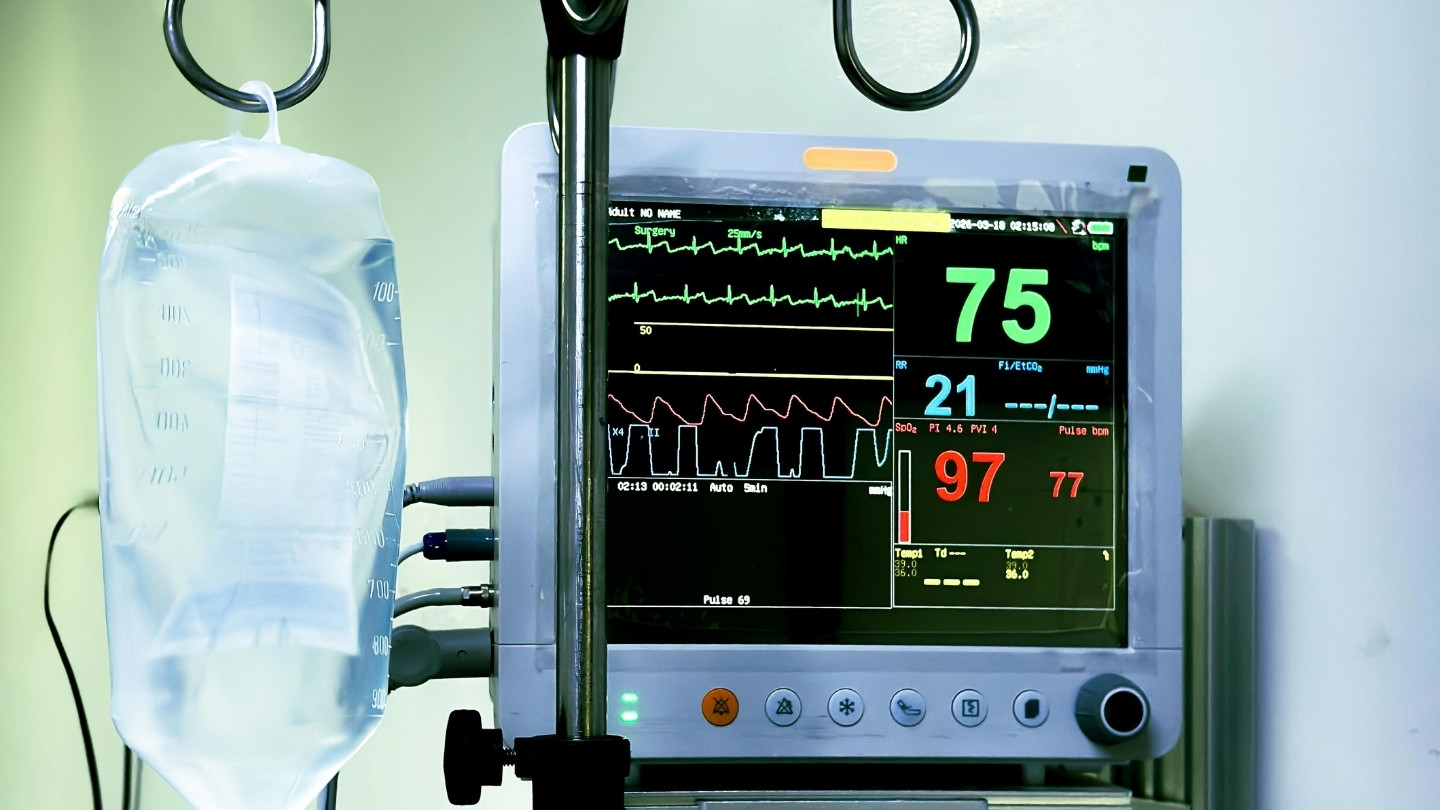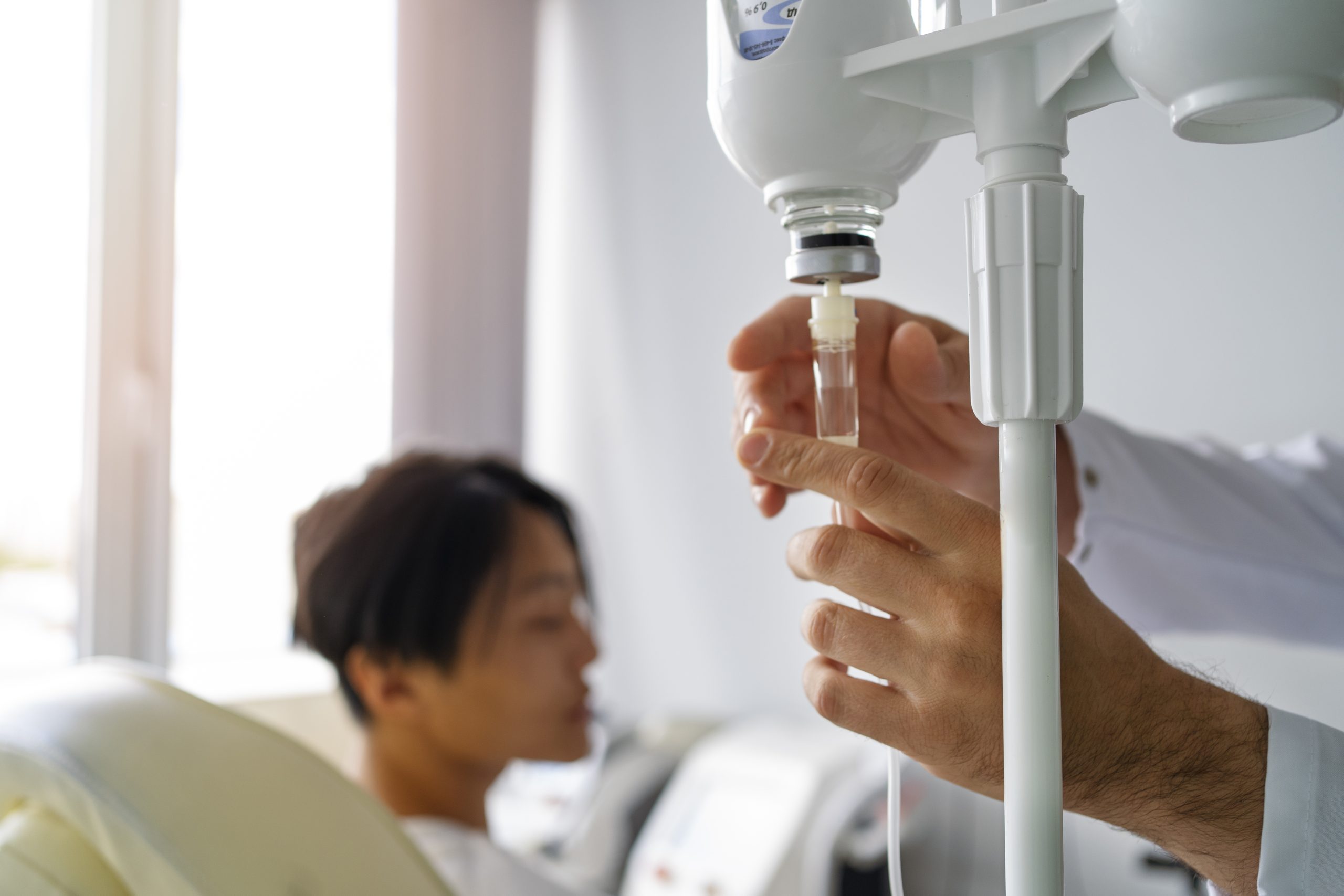

FDA-registered IV devices are medical tools approved by the U.S. Food and Drug Administration for safe use in clinical settings. They meet set standards for design, material safety, and performance, which reduces device failure and contamination risks. Hospitals and clinics rely on these devices to deliver fluids, drugs, and blood with predictable flow rates and accurate dosing. Using registered products helps teams comply with regulations and supports clearer vendor accountability when issues arise. For procurement and clinical staff, registration provides documented test data and traceability that simplify risk assessments and training. The following sections explain regulatory criteria, performance metrics, and practical steps for choosing IV devices that match clinical needs.
Key Takeaways
- FDA registration means IV devices have passed stringent safety, efficacy, and quality benchmarks. This assists clinicians in minimizing patient harm and device-related issues in routine care.
- By choosing FDA-registered devices, you simplify legal and regulatory compliance, reduce audit risk, and shield your organization from fines and liabilities.
- FDA-cleared devices give healthcare providers the benefit of consistent manufacturing quality and trusted performance, which are all critical to optimizing clinical workflow, minimizing downtime, and ensuring standardized care across facilities.
- The post-market surveillance and mandatory reporting associated with FDA registration provide providers with actionable safety data to drive procurement, maintenance, and clinical practice refinements.
- FDA-registered IV devices meet payer and reimbursement regulations and reduce total cost of ownership with fewer recalls and complication risks, all of which add up to predictable long-term costs.
- Anticipate future needs by emphasizing FDA-cleared smart and interoperable IV technologies and updating procurement and clinical policies to keep up with evolving FDA guidance.
Why FDA Registration Matters

FDA registration is the official announcement that a facility produces medical devices at an identified location and provides the agency with contact details to review, track, and respond to safety issues. For providers reliant on IV devices for fundamental and critical care, this registration connects the product back to regulatory requirements, including design controls, manufacturing records, and quality systems under 21 CFR Part 820, which encompasses design review, process control, and quality planning.
1. Patient Protection
FDA review and testing ensure that medical devices are evaluated for effectiveness and predictable risks before widespread clinical adoption. Devices that pass this review have documented hazard analyses and performance testing that minimize malfunctions and adverse events. This underscores the importance of FDA approval, as mandatory adverse event reporting and inspection authority allow the agency to see trends and spark recalls when devices break in the field. Using FDA-registered IV sets and pumps reduces the risk of device-related complications during infusion therapy, assisting clinicians in preventing avoidable patient harm.
2. Assured Quality
Registration links a product to quality system regulations and cGMP, ensuring compliance with regulatory requirements. When a supplier is registered, hospitals can request documentation demonstrating process controls, supplier management, and finished-device testing. Only devices that survive the FDA’s comprehensive review or FDA approval process reach mainstream clinical use, screening out products without fundamental quality evidence. Choosing FDA-registered manufacturers ensures procurement based on verifiable quality, not just claims.
3. Risk Reduction
By using FDA-approved medical devices, you significantly lower your legal and clinical exposure, as these products meet essential regulatory requirements and labeling expectations. The FDA’s regulatory framework requires manufacturers to anticipate hazards, track adverse events, and keep thorough records, which ultimately decreases the chance of extensive recalls or enforcement actions. Third-party replacement part manufacturers may not adhere to 21 CFR 820, making their voluntary registration a sign of commitment to product safety and the well-being of patients and clinicians.
4. Legal Compliance
By choosing registered IV devices, you can help satisfy FDA regulations and facilitate audits by maintaining registration certificates and device listings. Procurement teams can demonstrate diligence by checking FDA approval status for medical devices, minimizing fines associated with noncompliant products. Documentation also makes inspections easier and provides the basis for standardized labeling and traceability.
5. Clinical Confidence
FDA registration is crucial as it ensures compliance with regulatory requirements, allowing clinicians to trust medical devices in care pathways. Registered devices support evidence-based decisions, fostering a safety-first culture and enhancing patient trust in the clinical team.
The FDA Vetting Process

It’s about the FDA vetting process, a multistage framework that connects premarket proof, regulatory inspection, and continuous monitoring to shield patients and guarantee device efficacy in actual treatment. It pulls from the Federal Food, Drug, and Cosmetic Act and Title 21 of the Code of Federal Regulations and requires human subject protections, Institutional Review Board oversight, and Investigational Device Exemption study rules.
Stage | What happens | Typical timeline |
Preclinical testing & bench validation | Engineering tests, biocompatibility, risk analysis | weeks-months |
IDE and clinical study initiation | IRB approval, informed consent, human-subject protection | months to 1+ years |
Submission (510(k) or PMA) | Administrative acceptance, technical review, risk/benefit analysis | 90 days (510k) to 180+ days (PMA review cycles) |
Agency review & inspections | FDA reviewers and field inspectors verify data and quality systems | Concurrent with submission, inspections may extend the timeline |
Clearance/approval | Market authorization with labeling and post-market obligations | variable |
Post-market surveillance | MDR reporting, post-approval studies, device corrections | continuous |
Device Classification
Device classes correspond to risk and intended use. Class I devices are low risk and sometimes need only general controls. Class II devices need special controls and usually go through the 510(k) route. Class III devices sustain or support life and typically require PMA. This designation directs how much evidence and review are necessary.
- Examples: infusion sets, IV administration sets – Class II (moderate risk)
- Examples: implantable infusion pumps, complex IV drug-delivery systems are Class III (high risk)
- Examples: certain simple IV accessories may be Class I
Procurement teams should confirm the device’s regulation number and classification in the FDA listings before buying.
Pathway To Market
They submit a 510(k) to demonstrate substantial equivalence or a PMA with clinical data for brand-new high-risk devices. The Humanitarian Device Exemption is for rare conditions. Administrative acceptance review verifies a complete file prior to the technical review commencing. Agency reviewers and field inspectors vet clinical data, manufacturing quality systems, and labeling. Recent draft guidance (Jan 2025) adds lifecycle expectations for AI-enabled software. Addressing marketing surveillance and post-market commitments expedites access and minimizes regulatory friction. Select a path appropriate to device risk and clinical data.
Post-Market Surveillance
Manufacturers are required to report adverse events via the FDA’s Medical Device Reporting system, which receives more than 2 million reports annually.
Healthcare providers should:
- Document and report device-related adverse events promptly with detailed context
- Participate in post-approval studies and registries to capture long-term outcomes
- Share real-world performance data with manufacturers to drive corrections and labeling updates. Post-market data guides regulatory activities and product enhancements.
Clinical And Operational Impact
FDA registration of medical devices, such as IV devices, shapes both clinical practice and day-to-day operations. It establishes a baseline for product safety, device performance, and traceability that clinical teams can depend on. This baseline reduces uncertainty during procurement, supports consistent device evaluation, and helps institutions build standardized protocols that align with electronic health records (EHRs) and inventory systems.
Clinical Efficiency
Pairing FDA-cleared IV devices with EHRs and patient registration systems slashes charting time and eliminates manual entry. When device data maps to an EHR, infusion rates, volumes, and alarm logs stream directly into the patient record, reducing transcription errors and accelerating documentation. Compliance with FDA regulations ensures that standard device interfaces and profiles minimize training time, as technicians and nurses observe consistent controls and alarm behavior across sites. Adhering to regulatory requirements for FDA device management functions makes setup predictable. Calibration steps, maintenance intervals, and software update procedures follow known patterns, allowing biomedical teams to focus on optimizing patient monitoring devices and minimizing unexpected downtime in busy units like ICUs or oncology infusion suites.
Patient Results
Proven FDA safety and efficacy for devices that impact clinical results directly. By using IV pumps and monitors that survived strict performance screening, you reduced complication rates associated with dosing mistakes, extravasation, or silent alarms. FDA-cleared patient monitoring tools support treatment planning by providing clinically validated metrics clinicians rely on when titrating therapies. In settings where pediatric oxygenators or specialized catheters are uncommon, registered alternatives with proven performance assist in preventing impromptu replacements that increase risk. Medical device shortages continue to cause postponed or modified treatment. Without compulsory early warning reporting, clinicians may not have advance notice to adjust care safely.
Ways to track and analyze patient health data using FDA-compliant tools:
- Automated EHR feed of infusion parameters for trend analysis.
- Centralized alarm dashboards to detect pattern shifts across units.
- Time-stamped device event logs for root-cause review.
- Aggregate outcomes reporting linked to device make/model for benchmarking.
Standardized Care
Using FDA-registered IV devices creates standard technical specifications across hospitals, which minimizes inconsistency in therapy administration and ensures compliance with regulatory requirements. Standardized device interfaces allow benchmarking and quality improvement. For example, when device data and logs are standardized in agreed formats, analytics teams can benchmark results across units and even regions. This consistency helps ensure adherence to wider healthcare regulations. Still, gaps in U.S. shortage reporting hinder proactive mitigation. Early alert systems that exist in parts of Europe would enhance contingency planning and safeguard fragile patients.
Registered Vs. Unverified Devices
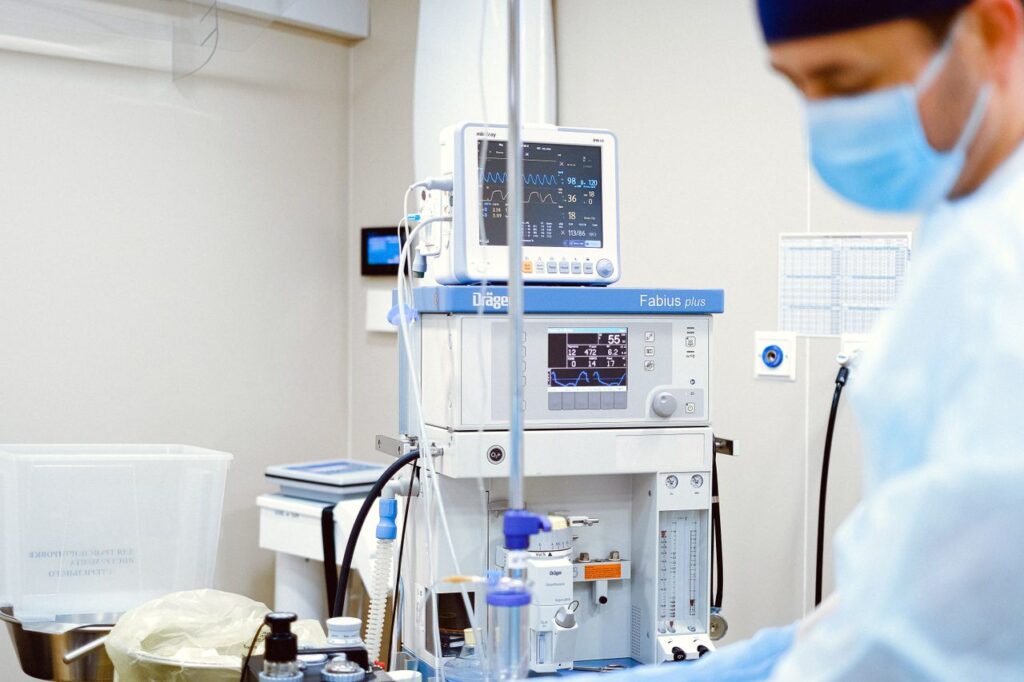
Registered medical devices have a distinct administrative trail linked to regulatory requirements, ensuring product safety and post-market supervision, while unverified products lack this infrastructure, introducing uncertain dangers to patient monitoring.
Material Reliability
FDA-registered IV devices use materials that have undergone rigorous testing for biocompatibility and durability, ensuring compliance with regulatory requirements. Manufacturers must maintain detailed records linking raw material lots to the finished devices, and the distinctions among Class I, II, and III remain crucial, as higher classes demand more stringent material tests. The QMSR establishes baseline material controls across all classes, reinforcing the need for product safety. Compliance with USP and similar standards is expected, along with evidence of testing for leachables and extractables. Traceability is essential, each batch should be linkable to supplier certificates, supporting corrective actions when failures occur.
Design Precision
These registered medical devices are design-controlled by the QMSR, which codifies the regulatory requirements for design inputs, verification, and validation. These measures mitigate hazards of dimensional differences, flow rate inaccuracies, or connector incompatibilities in IV setups. Design specs approved by regulators or evaluated during submissions indicate how tolerances were established and tested. Independent verification and quality assurance, through external or internal audits, verify production consistency. For instance, a pump connector with validated tolerance bands will decrease occlusions compared to a non-validated component. Even Class I medical devices have to run under a QMSR-compliant quality management system, ensuring that product safety is prioritized.
Performance Reliability
FDA registration is crucial for ensuring product safety and ties into performance assurance through required reporting and market surveillance. Devices that fail clinical expectations often surface in the FDA database. Reliability is supported not only by clinical testing, where required, but also by performance data kept under QMSR controls. Unverified devices may need an Investigational Device Exemption for clinical evaluation, which adds regulatory requirements and legal risk if used clinically without FDA approval. Registered products undergo annual facility registration renewal between October 1 and December 31, keeping records current for inspections, thereby enhancing regulatory certainty.
The Financial Imperative
FDA registration is not only a financial imperative but also a critical aspect of regulatory requirements. By using FDA-registered IV devices, providers align clinical care with payer guidelines, thereby minimizing the risk of costs related to denied claims, lawsuits, and device malfunction. The subsections below explore how reimbursement, liability, and long-term value intertwine to influence procurement and budget decisions.
Reimbursement Policies
With FDA-registered devices, you maintain eligibility for Medicare, Medicaid, and most private insurance payments. Payers sometimes demand evidence of FDA approval, without which they may refuse to pay or postpone payment, creating cash-flow gaps. The 510(k) rejection rates for diagnostics soared by roughly 20% between 2013 and 2023, and average review durations jumped 15 to 20%, impacting access to medical devices and billing cycles. Checking approval status prior to purchase and maintaining registration certificates and product labeling on file satisfies payer documentation requirements and minimizes administrative denials. Standardizing on FDA-cleared IV sets and pumps across clinical sites streamlines regulatory requirements and reduces coding inaccuracies, resulting in fewer resubmissions and quicker reimbursements.
Liability Reduction
Sourcing FDA-approved devices backs a transparent due diligence trail in medical malpractice defense. Devices with published FDA safety and effectiveness findings decrease the likelihood that a device failure would be an actionable issue in a lawsuit. Error rates for some unvetted medical devices have topped 50% in certain tests, causing patient harm, expensive rework, and reputational damage. Larger clinical trials are frequently necessary when defects emerge, and those trials bring direct costs for producers and indirect costs for practitioners who must otherwise replace or recall devices. Maintain a simple compliance checklist: registration certificates, device labeling, purchase invoices, maintenance logs, and incident reports. That pack accelerates responses to queries and reduces legal risks.
Sustained Value
Investing in FDA-registered devices significantly drops the total cost of ownership over time. Post-market surveillance with FDA oversight not only identifies performance trends early but also ensures product safety, minimizing surprise failures and expensive replacements. With tighter algorithm rules and extended review times for medical device manufacturers, they typically offer better warranty and support provisions to remain competitive. Providers benefit from quicker service and parts, while failing medical devices have induced misdiagnoses, sending tens of thousands of sufferers to additional care and bills. This highlights the downstream expenses prevented by responsible shopping. As seen with programs like the RAPID coverage pathway, such solutions can dramatically shorten access timelines and enhance financial returns when paired with FDA approval strategies.
Innovations In IV Administration
The future of IV administration will be technological and regulatory, emphasizing the need to mitigate infection and device-related harm. FDA approval for medical devices will be central as markets grow and clinical use cases expand. The U.S. medical device market was worth approximately USD 169 billion in 2018 and is expected to double in the next decade, making regulatory requirements and product safety critical for secure treatment globally.
Smart Systems
Combine smart IV devices with FDA-approved software to enhance monitoring and minimize human error in patient monitoring. Smart pumps and infusion systems paired with cleared clinical decision support can record infusion rates, drug libraries, and bolus events, sending timely alerts when parameters drift. Use FDA-approved mHealth applications and remote patient monitoring devices that allow clinicians to monitor infusion status remotely and intervene on trends before harm. Real-time data collection and alerts with FDA-compliant device software functions enable proactive responses to occlusions, air-in-line, or dose limits. Select smart devices that are FFDA-clearedto confirm the clinical workflows, data outputs, and product safety features have passed regulatory scrutiny and are deployable at the bedside.
Data Integration
Link IV devices to electronic health records with FDA-approved interoperability standards so medication records remain accurate and auditable. Secure patient data exchange must be HIPAA compliant and align with FDA regulations for device software and cybersecurity. Integrated devices, validated through the FDA approval process, support faster, safer clinical decisions. Dosing adjustments, allergy checks, and cross-device correlations become more reliable. Construct scalable digital health frameworks around FDA-cleared integration modules so new patient monitoring devices connect to existing EHRs without lengthy rework cycles.
Evolving Regulations
Keep an eye out for FDA approval policy shifts as regulators continue to fine-tune guidance on device classes, SaMD, and premarket approval requirements. Adjust your purchasing and clinical policies to new guidance and enforcement discretion time frames, which reduce risk when acquiring new patient monitoring devices or software. Collaborate with regulators early on to ensure device testing, labeling, and postmarket surveillance align with evolving standards, particularly where AI or algorithm updates are concerned. Prepare for tighter standards and increased oversight, especially in light of multiple contaminated reusable device outbreaks that necessitate stronger infection control measures.
Conclusion
Here’s why FDA-registered IV devices are critical for healthcare providers. They undergo rigorous testing that evaluates materials, flow rates, alarms, and sterility. Clinicians receive more consistent dosing, reduced line failures, and cleaner device data. Hospitals reduce recall expenses and liability. Payers experience fewer preventable stays and readmissions. Registered vendors have traceability and product control. In practice, a ward that exchanges untested pumps for registered units might experience fewer infusion errors within weeks and less device downtime within months. Look forward to improved supply-chain transparency and quicker incident response as more devices bear explicit FDA labeling. Select devices that fit clinical requirements, capture data, and assist personnel. Discover device specifications and clinical studies before purchase.
Frequently Asked Questions
1. Why Does FDA Registration Matter For IV Devices?
FDA registration ensures the medical device adheres to American safety and performance standards, enhancing product safety and regulatory compliance while aiding providers in selecting dependable patient monitoring devices.
2. How Does the FDA Vet IV Devices?
The FDA reviews design, manufacturing, labeling, and clinical data when necessary, ensuring compliance with regulatory requirements for medical devices and enforcing quality systems to maintain product safety.
3. Do FDA-registered IV Devices Improve Patient Outcomes?
Yes. Registered medical devices undergo rigorous testing and oversight to meet regulatory requirements, which significantly reduce device failure, contamination, and dosing errors, enhancing product safety and treatment consistency.
4. What Is The Difference Between Registered and Unverified IV Devices?
Registered medical devices have documented regulatory review and quality controls, ensuring product safety, while unvalidated devices lack these, increasing the risk of malfunction and improper delivery.
5. How Does FDA Registration Affect Supply Chain and Procurement?
Registration of FDA-approved medical devices simplifies hospital credentialing and enhances traceability in recalls, ultimately reducing vendor risk and ensuring compliance with regulatory requirements.
6. Can FDA Registration Lower Operational Costs?
Yes. Minimal malfunctions and recalls in medical devices reduce repair, replacement, and litigation costs. This predictable performance aids in compliance with regulatory requirements, reducing waste and staff time treating device-related issues.
7. What Trends Will Shape The Future Of IV Administration?
Anticipate smarter patient monitoring devices, enhanced cybersecurity, real-world safety data, and greater regulatory clarity benefiting precision and surveillance.