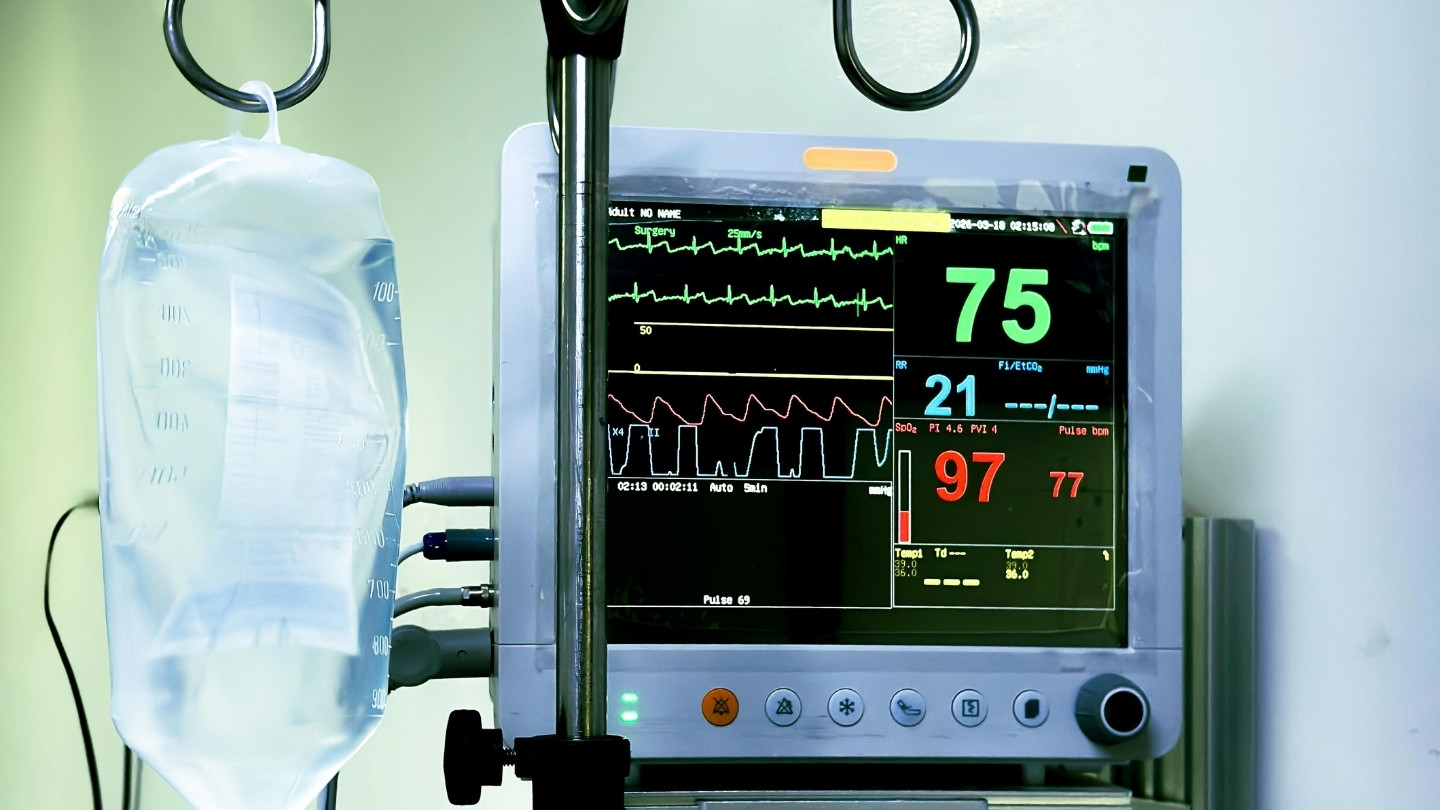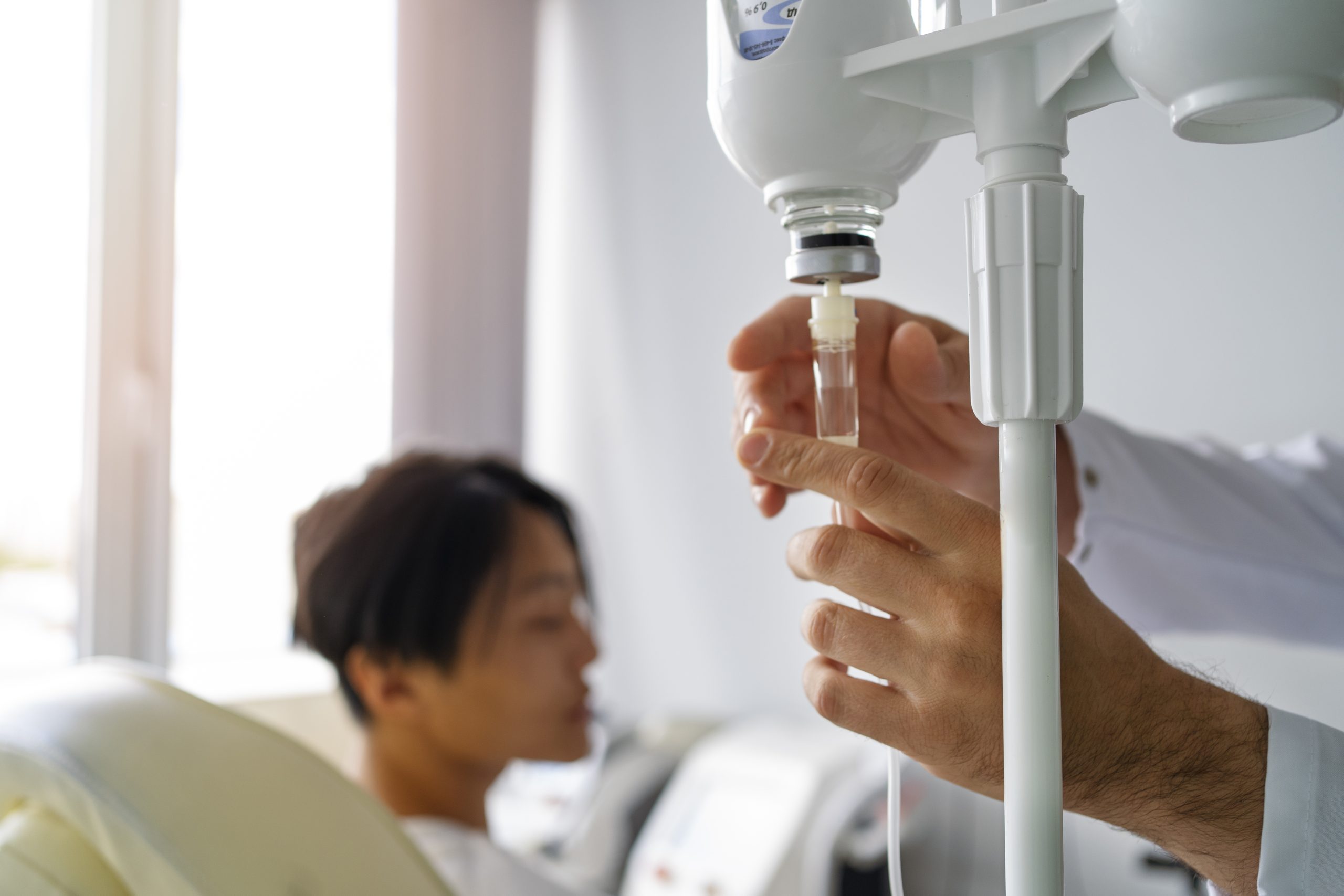
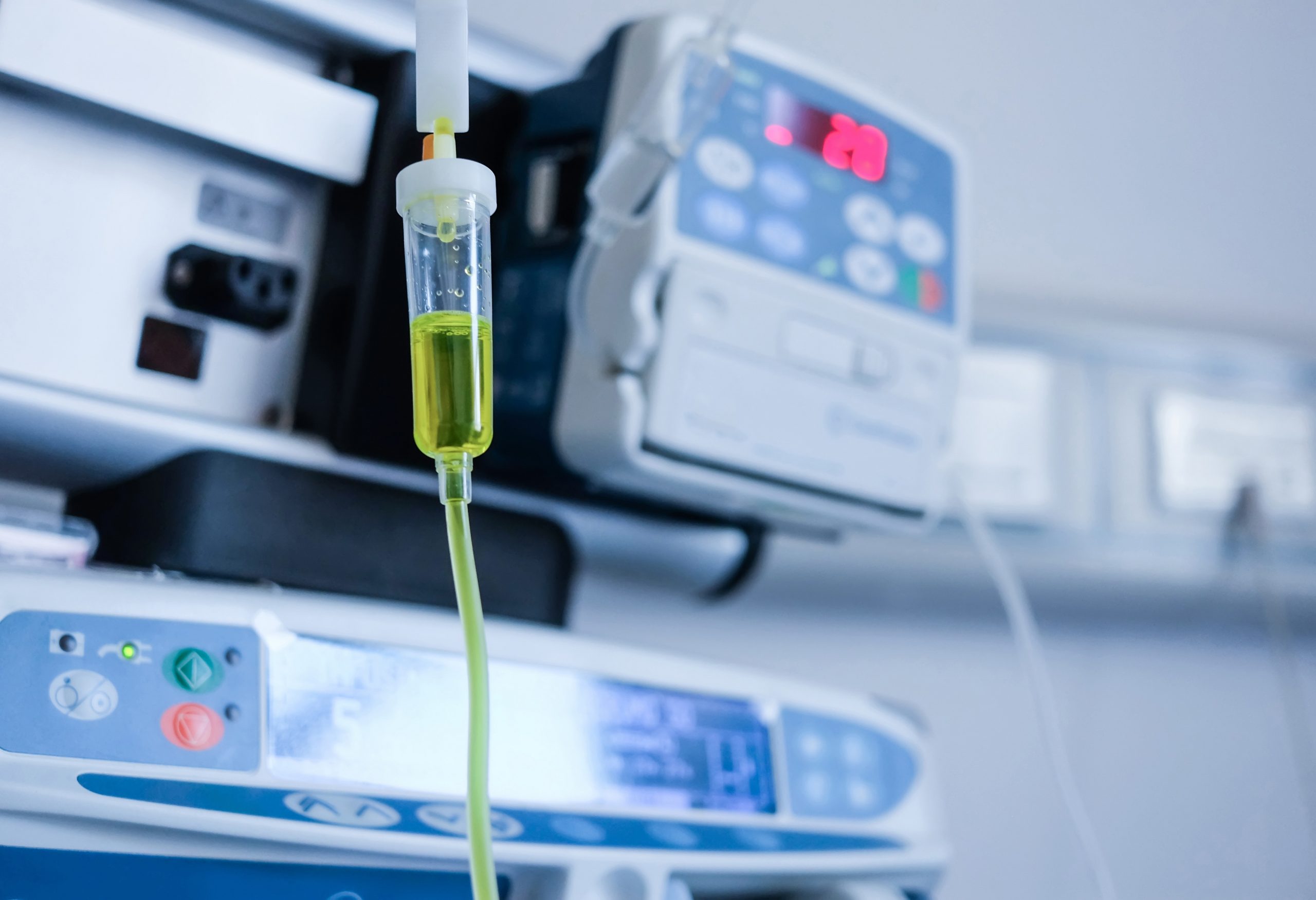
IV devices assist in enhancing security for patients and staff. IV safety devices include smart infusion pumps, closed system transfer devices, needleless connectors, and safety-engineered IV catheters. Smart pumps use dose libraries and alarms to minimize medication errors and capture infusion data for audits. Closed system transfer devices reduce exposure to hazardous drugs by closing drug transfer routes. Needleless connectors eliminate needlestick injuries and reduce infection risk when combined with proper disinfection. Safety-engineered catheters have passive needle shields and securement designs to minimize accidental injuries and dislodgement. All of them deliver quantifiable improvements, including fewer incidents, reduced infection rates, and better documentation. Key points for the main body will compare features, clinical evidence, and tips for implementation in different settings.
Key Takeaways
- Advanced catheters, needle-free connectors, smart infusion pumps, and securement devices all minimize different IV hazards and collectively create a layered defense that reduces infections, medication errors, and accidental dislodgement.
- Smart IV systems integrated with EHR and barcode drug administration can standardize dosing, automate documentation, and deliver real-time alerts to prevent infusion programming errors and improve medication reconciliation.
- Visualization tools and usability-focused device selection reduce failed insertions and micromotion, improving catheter dwell time and patient comfort while decreasing the number of insertion attempts.
- Ongoing staff training, simulation-based competency checks, and clinician feedback are critical to convert device capability into safer bedside practice and sustained compliance.
- Use data analytics and ROI tracking to quantify adverse event reductions, confirm cost savings from fewer complications, and steer procurement toward devices that demonstrate quantifiable safety improvements.
- Take a multi-pronged approach to implementation that combines device choice, standardized protocols, connectivity, staff education, and ongoing metrics monitoring for the biggest impact on patient and staff safety.
Which IV Devices Improve Safety?
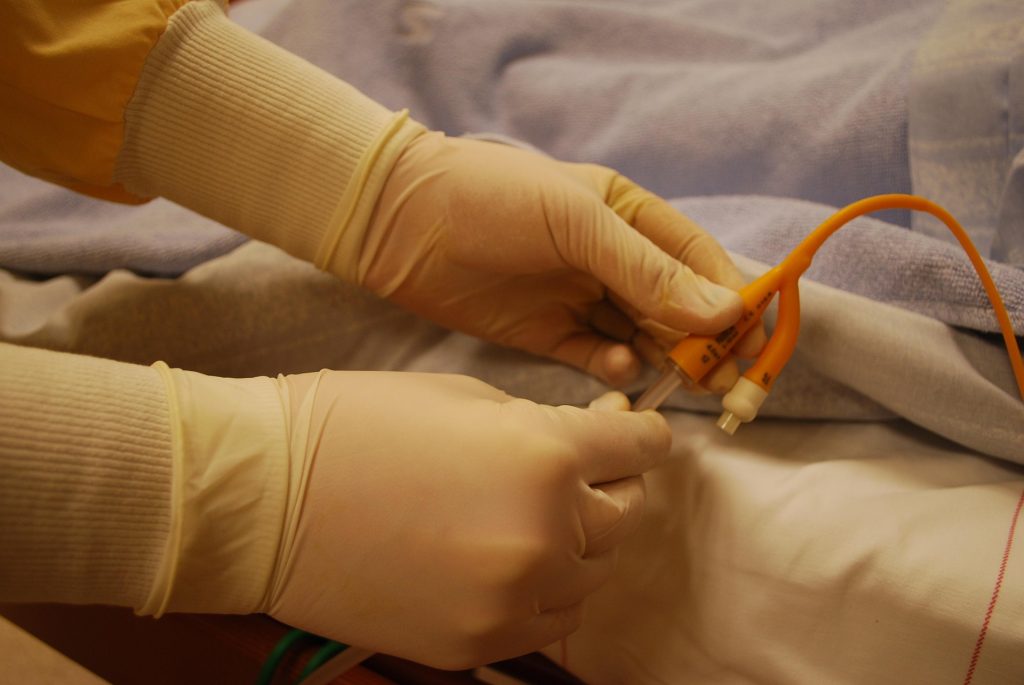
A concise overview of devices that directly enhance IV medication safety and protect staff includes advanced catheters, needle-free connectors, smart infusion pumps, securement systems, and visualization tools. Each targets particular failure modes such as infection, needlesticks, dosing errors, dislodgement, and occlusion. These devices can be supplemented with easy behaviors like gloves, hand hygiene, saline flush, and standard protocols to increase patient safety across contexts.
1. Advanced Catheters
Safety IV catheters with engineered tips and integrated stabilization play a crucial role in the IV infusion safety initiative, effectively reducing phlebitis and accidental pullouts. PIVCs equipped with securement wings or subcutaneous anchors enhance catheter survival and reduce PIV failure, leading to fewer re-inserts and less patient pain. Additionally, dressings featuring antimicrobial films and polyurethane layering decrease microbial colonization, particularly when combined with anti-kink tubing to minimize occlusion. These advancements in IV medication safety ensure that clinical evidence points towards less thrombophlebitis and increased patient-reported comfort.
2. Needleless Connectors
Needleless IV connectors are essential for enhancing IV medication safety by eliminating the leading cause of occupational needlesticks, thus reducing staff exposure to bloodborne pathogens. Select connectors that have caps or are designed for easy disinfection of surfaces, minimizing contamination risk. When standardized across a unit, these connectors simplify IV line management and eliminate steps that can induce dosing slips. Integration with smart pumps and barcode scanning further enhances safety by matching drugs to patients and alerting to mismatches.
3. Smart Infusion Pumps
Smart infusion pumps equipped with IV medication safety technology and safety software help prevent programming errors and overdoses by enforcing dosing limits and alerting clinicians to out-of-range entries. Additionally, barcode medication administration and pump alerts enhance the closed loop by tracking start times, infusion durations, and dosing units for audit and error analysis. Pumps featuring occlusion detection and pressure monitoring, along with connected pressure infusion devices, assist in effective IV line management by preventing over-infusion and under-infusion, thereby reducing the risk of fluid overload or underdose incidents.
4. Securement Devices
Advanced securement dressings from Merit Pharmaceutical and subcutaneous anchors enhance IV line management by reducing micromotion and unplanned catheter removal. Stable intravenous catheters lead to fewer site changes, decreased infection risk, and minimized infusion interruptions. Compare adhesive systems and mechanical anchors; those that preserve skin integrity and allow site visualization tend to yield longer dwell times and fewer complications.
5. Visualization Technology
Ultrasound-guided insertion enhances first-pass success and reduces multiple attempts, contributing to effective IV line management. Real-time imaging allows clinicians to assess vessel size and catheter tip placement, minimizing the risk of IV medication administration errors and infiltration injuries.
Integrating Smart IV Systems
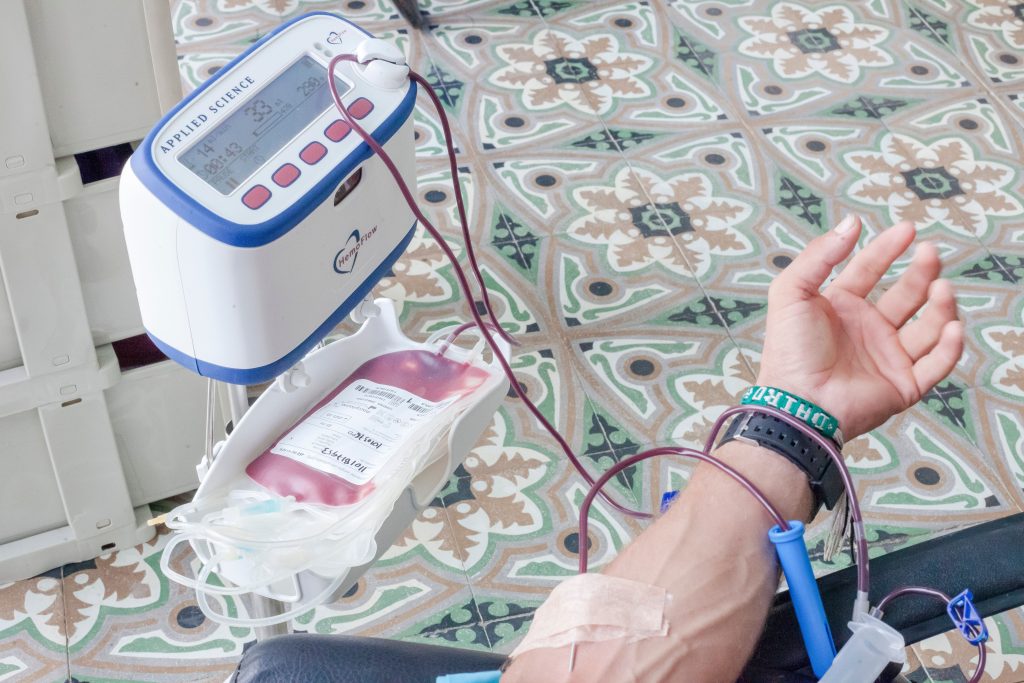
Smart IV systems combine device intelligence, software, and clinical workflows to enhance IV medication safety and reduce risk while simplifying care. Since IV infusion is associated with 54% of all adverse drug events, 56% of medication errors, and 61% of serious, life-threatening errors, integration isn’t optional. Merging infusion devices with EHR, automating documentation, enabling real-time team monitoring, and standardizing connectivity are fundamental moves to minimize those harms and improve patient outcomes that smart pumps alone have not fixed.
EHR Connectivity
Connect IV management software to EHRs to ensure that medication orders, dosing units, and infusion parameters are synced, allowing the IV infusion safety initiative to pull verified orders instead of relying on manual entry. This approach minimizes transcription errors and facilitates barcode medication administration by linking drug databases to patient records. Automated data exchange enhances tracking throughout the IV medication safety process and aids in medication reconciliation at care transitions, where many errors occur.
Benefit | EHR‑Connected Infusion Devices | Standalone Systems |
Order accuracy | Pulls validated orders directly | Manual entry risk |
Documentation | Automatic time‑stamped records | Delayed or missing notes |
Barcode support | Full medication‑to‑patient link | Partial or none |
Auditability | Easier compliance reporting | Fragmented logs |
Error reduction | Supports decision alerts | Limited safety nets |
Real-Time Alerts
Enable the IV infusion safety system alerts that flag programming errors, unsafe dose settings, and rate breaches. Smart pumps reduce reported pump errors from eight to one over three months, studies demonstrate. Setting thresholds for high-risk drugs, including opioid infusions, and maximum rates ensures care teams receive targeted warnings, avoiding alarm fatigue. Immediate feedback to clinicians and logging alert responses generate an evidence trail for quality improvement. Nurse-led champions and targeted training increase response and usage, contributing to IV medication safety. Programs increased compliance from 85% to 92% and adherence from 25% to 68% within one month.
Data Analytics
Review smart IV systems, specifically focusing on the IV infusion safety initiative. Use an infusion software dataset to discover trends such as drug errors, adverse events, and label issues that occur in 60% of infusion errors. Lapses in tubing changes happen in 35% of cases. Additionally, track catheter dwell time, infection rates, and therapy outcomes to associate device usage with clinical impact. Produce compliance and IV medication safety reports for policy, training, and device updates. Use analytics to help design future studies and protocols.
The Human Factor In IV Safety
Human factors determine if IV infusion safety systems mitigate risk or compound it. Usability, training, feedback, and team culture are the factors that actually drive how devices work in practice. About 90% of critical and acute care patients receive IV medication safety through smart pumps, making design and workflow fit just as important as device specifications. Mistakes such as syringe swaps, which account for approximately 20% of drug errors, demonstrate why human-centered decisions are required for effective IV line management.
Device Usability
Choose devices that have obvious displays, intuitive menus, and straightforward alarm hierarchies to reduce user error. Confirm usability with frontline clinicians before purchase. Simulated and bedside testing uncovers real-world friction that lab testing doesn’t find. Simplify setup. Modular tubing sets, color-coded connectors, and single-step priming cut cognitive load during busy shifts. Design for fast cleaning and regular maintenance so devices remain ready in acute environments.
- Large, high-contrast screens and text
- Distinct connector colors to prevent syringe swaps
- Hand setup and secure locks for one of the most common clinical tasks.
- Clear, tiered audible and visual alarms with mute rationale
- Integrated dose libraries and guardrails in smart pumps
- Low-maintenance tubing and reusable parts with easy sterilization
Evidence: Devices can raise IV placement success from 40 percent to 90 percent and halve the number of attempts, which reduces complications and staff time.
Clinical Training Program
Regular, structured training on infusion systems and securement matters. Use simulation-based education to mimic alarms, occlusions, and emergency stop procedures. One study with 46 nurses showed simulation-trained staff needed fewer insertion attempts and had lower complication rates, with 21% compared to 33%. Combine classroom content with hands-on practice and periodic competency checks. Short refresher sessions and scenario drills help retain skills and reduce the 54% rise in complications when multiple attempts occur.
Checklist for ongoing learning and adherence:
- Initial device orientation and competency sign-off
- Quarterly simulation scenarios for infusions and failures
- Annual assessment of drug library edits and alarm management
- Onboarding shadow shifts with dedicated IV teams
- Incident review meetings and targeted retraining
Clinical Evaluation
Collect input from nurses, pharmacists, and physicians on a rolling basis to enhance the iv medication safety initiative. Involve clinicians in procurement to tie features to workflow limitations and infection control requirements. Monitor device usability, securement, and swap concerns, and report data back to vendors and purchasing teams. Leverage frontline feedback to fuel continuous enhancements. Specialized IV teams can increase successful access in under three attempts from 89.4 percent to 95.6 percent, demonstrating that collaboration and feedback produce improved results.
Mitigating Specific IV Risks
Mitigating specific IV risks takes targeted devices, such as safety IV catheters, clear protocols, and most importantly, ongoing measurement to enhance IV medication safety and reduce infection, medication error, and dislodgement. Targeted device selections and employee education reduce rupture and injury, while tracking reveals when to switch practice.
Preventing Infections
Antimicrobial sponge dressings and standard polyurethane dressings significantly decrease local catheter-site colonization and may reduce central line-associated bloodstream infections when properly applied. To ensure IV medication safety, it is crucial to observe rigorous aseptic technique for peripheral catheter insertion and dressing changes. Data connect bundles, hand hygiene, maximal barrier precautions, chlorhexidine skin prep, and timely dressing changes to reduced infections. Monitoring results by dressing type and unit can reveal differences in infection rates. Some reports indicate that bloodstream infections decrease after changing dressings and adding surveillance. Additionally, nurse simulation training enhances procedural skill and reduces central line need by as much as 80%, ultimately improving patient safety. Regular audits and feedback complete the cycle of effective IV line management.
Reducing Errors
To enhance IV medication safety, standardizing IV medication concentrations, dosing units, and labels is essential to reduce confusion. Color-coded labeling proves especially useful in preventing syringe swaps, which account for roughly 20% of medication mistakes. Using smart pumps with integrated drug libraries and dose-error reduction systems maintains compliance above 95% while significantly reducing manual keystrokes for IV administrations by nearly 86%, effectively catching many programming errors before they affect the patient. Implementing an IV infusion safety initiative with barcode medication administration, alongside infusion checklists, guarantees the right drug, dose, and route, while mandating reporting of infusion medication errors supports safer medication practices.
Avoiding Dislodgement
Advanced securement devices play a crucial role in enhancing IV medication safety by stymying simple tape in restricting catheter motion and unplanned removals. Securement for the specific device significantly decreases micromotion that causes phlebitis and failure, thereby mitigating particular IV dangers. Educating workers on the right safety IV catheter and PIVC evaluation is essential. Common tests can reduce unnoticed migration, while guidelines and safety devices effectively reduce complications associated with higher mortality rates. Although sutures may still be necessary for some centers, adhesive anchors can offer improved patient comfort and similar security for many IVs, enhancing overall patient outcomes through effective IV line management.
The Financial Case For Safety
Enhancing IV medication safety lowers clinical risk and generates quantifiable savings across care environments. The accompanying subsections quantify costs, model returns, and connect safety to workforce stability, providing procurement and clinical leaders with concrete levers to pull for effective IV line management.
Cost Of Complications
Direct costs per IV-BSI (CLABSI or peripheral-associated) generally run between 15,000 and 45,000 USD based on severity and length of stay, while low-grade local infections add several thousand USD for antibiotics and dressings. Indirect costs, such as lost bed-days, additional imaging, litigation risk, and administrative time, frequently double the health-system burden. Medication errors associated with IV infusion may require drug reversal agents, ICU transfers, or surgery. Per-event costs are variable but often surpass 10,000 USD when escalation occurs.
These extended stays from IV complications add 2-10 extra hospital days on average. At an institutional average cost per bed-day of 1,200-2,500 USD, that compounds quickly. With effective IV-line management and safety products, including closed-system connectors, smart IV pumps, needleless valves, and securement devices, infection and failure rates are reduced by significant margins. Case example: a 300-bed hospital reduced peripheral IV failure from 30% to 15% after adopting integrated securement and staff training, saving an estimated 400,000 USD in one year from fewer replacements and shorter stays.
Return On Investment
ROI needs to be modeled as avoided costs against device and implementation spending. A smart-pump rollout with telemetry and dose-error reduction software may cost 2 to 6 million USD for a large system, but documented reductions in ADE by 40 to 60 percent generate multi-year savings that often pay back within 2 to 4 years. Track ADEs, infection rates, and PIV failure rates before and after adoption to measure gains.
Staff time saved on troubleshooting IV errors cuts overtime and lets clinicians tackle higher-value pursuits. A unit that cut IV-related incidents by half reported 8 to 12 percent less overtime and redeployed nursing hours to patient education, improving throughput.
Staff Retention
Needlestick and exposure risk reduction from safety-engineered devices reduces the volume of occupational injury claims and associated processing costs. Safer flowsheets lower clinician stress associated with last-minute IV rescue, which is linked to higher provider satisfaction survey scores and reduced attrition. Replacing a bedside nurse can cost 40 to 60 percent of annual salary, so small retention gains count.
Safety equipment communicates institutional dedication to clinician well-being, assisting in attracting talent in cutthroat markets.
Future Of IV Safety Devices

The next ten years will transform IV infusion safety systems from single-function physical tools to integrated sensing, decision support, and safer mechanical systems. AI-powered infusion pumps will fine-tune flow and alarm limits based on patient information and infusion history, preventing extravasation and fluid miscalculation. More advanced data integration will connect infusion pumps, EHRs, and bedside monitors, allowing clinicians to observe infusion status, medication context, and vascular access history at a glance. This integration eliminates guesswork, slashes charting time, and assists in identifying high-risk patients for early intervention.
Advanced vein visualization and ultrasound will become standard adjuncts to PIVC placement. Studies demonstrate that vein visualization devices make locating veins easier, increase first-stick success rates, and decrease the number of attempts. Reports on IV medication safety show first-attempt success ranging from 62% to 79%, while ultrasound can enhance the first-time success of peripheral IV insertions by as much as 50%. Pairing vein image guidance with needle guidance and feedback will continue to push success rates up toward the 80 to 90% range reported in some trials, effectively halving attempts compared to older workflows.
Security and infection prevention will have material and design changes. Antimicrobial dressings, micro-motion reducing adhesive frames, and innovative securement clips will decrease PIVC failure by thirty-five to fifty percent. Smart dressings that notify mof oisture, temperature, or early signs of infection via straightforward colorimetric or electronic signals will allow staff to intervene before complete failure develops, decreasing line days and associated complications.
Needlestick prevention will receive tougher engineering controls. Fully automatic passive safety devices prevent needlesticks twice as well as semi-automatic push-button shields and three times better than manual sliding shields. New devices will favor passive activation and single-handed use to keep hands away from sharps and to fit busy care settings where workflow speed still matters.
More clinical trials and accelerated regulatory routes will be necessary to validate these IV medication safety systems in diverse populations and environments. Trials should target outcomes like first-attempt success, device-related infections, needlestick rates, and cost per avoided adverse event. Merit Pharmaceutical is poised to provide next-gen IV sets and smart modules that address these needs and scale across hospitals and clinics globally.
Conclusion
Smart IV pumps, closed systems, and needle-free connectors reduce mistakes and infections. Real-time alarms and dose limits prevent wrong rates and wrong doses. Barcode scanning and electronic records connect meds to the correct patient and make audits quick. Staff training and protocols keep devices working as designed and build trust at the bedside. Hospitals that choose safer IV tech save time, lower costs, and reduce harm. Early pilots demonstrate fewer line failures and fewer reactions. Look for more automation, enhanced sensors, and closer data connectivity in the years ahead. Why not give a small trial a go, one ward, measure infusion errors and infection rates, share the data with staff, and let that guide you to a wider rollout?
Frequently Asked Questions
1. Which IV Devices Most Reduce Medication Errors?
Smart IV infusion pumps equipped with dose-error reduction software and barcode medication administration scanners enhance IV medication safety. They use drug libraries to alert staff to mismatches, significantly reducing wrong-dose and wrong-drug incidents.
2. How Do Closed IV Systems Improve Safety?
Closed systems reduce air entry and contamination. They minimize infection risk and fluid loss during line changes and maintenance and shield patients and staff from exposure.
3. Do Smart IV Pumps Prevent IV Infiltration and Extravasation?
Smart pumps, part of an IV infusion safety initiative, assist in managing flow rates and detecting occlusions. They don’t detect infiltration directly. Pairing pumps with dedicated infiltration sensors and frequent clinical checks enhances IV medication safety.
4. How Do IV Safety Devices Protect Healthcare Workers?
Needleless connectors, safety-engineered catheters, and closed systems enhance IV medication safety by cutting needlestick injuries and hazardous drug exposure while minimizing handling steps.
5. Are Infusion Safety Systems Cost-effective?
Yes. The implementation of an IV infusion safety initiative leads to fewer adverse events, abbreviated stays, and reduced staff injuries, ultimately saving costs through enhanced medication safety.
6. What Role Do Alarms and Analytics Play In IV Safety?
Alarms flag rate errors and occlusions as they occur in real time, enhancing IV medication safety. Integrated analytics monitor trends, inform protocol adjustments, and focus training to avoid repeat occurrences.
7. How Should Facilities Choose IV Safety Devices?
Evaluate your patient mix, typical hazards, and workflow while prioritizing IV medication safety. Focus on devices that have clinical evidence and that interoperate with electronic records, ensuring effective IV line management.