

How clinics compare different types of IV administration sets is a matter of selecting tubing, filters, and connectors to correspond to the therapy requirements. Clinics consider flow accuracy, contamination risk, drug compatibility, and cost per use in comparing sets. Staff gauge setup time, ease of priming, and patient comfort during infusion. There’s objective data from bench flow tests in milliliters per hour, particle and endotoxin checks, and common IV drug compatibility charts. Decisions tend to fall down the protocol that straddles clinical risk, device availability, and budget constraints. The body discusses how to test them, what performance metrics matter, and a simple framework for informing procurement and bedside choice.
Key Takeaways
- Clinics should compare pump, gravity, and specialized sets based on how infusion accuracy, drip rate, occlusion resistance, and air-in-line detection align with specific clinical situations and patient needs. They should then prioritize sets that meet real-world requirements.
- Assess material and design for safety and compatibility by checking tubing composition, connector types, lightproof or auto air stop features, and interchangeability with existing pumps and primary tubing to reduce compatibility errors.
- Use a total cost of ownership approach that includes purchase price, set-change frequency, maintenance, infection risk reduction, and potential improvements in patient outcomes when weighing different IV set options.
- Compare usability and training requirements by conducting clinician surveys and setting up time and error analyses. Pick easy-use features like transparent drip chambers, color-coded clamps, and simple regulators to accelerate adoption and minimize errors.
- Make sure regulatory compliance and safety by requiring FDA clearance or equivalent certifications, documenting supplier approvals, tracking adverse events, and integrating compliance checks into procurement and audit processes.
- Establish a selection system that employs multidisciplinary input, supply-chain dependability, environmental considerations, and long-term lifecycle value to inform buying and refreshes. This system includes concrete plans for pilot testing, clinician trials, and periodic reassessment.
How Do Clinics Compare IV Sets?

Clinics balance clinical needs, device compatibility, and safety features when deciding between infusion therapy options like pump IV sets, gravity IV sets, and infusion pumps. The selection process begins with the application, whether for adult or pediatric use, allergy risks (like latex and natural rubber), and the acceptability of PVC with DEHP for certain drugs. Mapping your clinical scenarios to the features of IV systems is essential before drilling down to specific criteria.
1. Performance Criteria
To measure infusion accuracy, it is essential to evaluate the delivered volume per unit time for both pumps and gravity sets, considering the differences between micro drip (60 gtt/ml) and macro drip (10, 15, 20 gtt/ml) effects on precision. When comparing IV pumps, one should focus on drip chamber geometry and sensor placement, as some chambers are designed to minimize splashing and enhance optical detection for smart infusion systems. Additionally, evaluating pump occlusion alarms, occlusion resistance, and air-in-line detection thresholds is crucial. Pumps equipped with multi-level occlusion sensing can significantly reduce false alarms during rapid IV fluid administration scenarios.
2. Material And Design
Inspecting tubing materials is crucial for ensuring effective IV fluid administration. PVC often contains DEHP for flexibility, but DEHP-free options matter for neonates and for drugs that extract plasticizers. Look for latex-free construction for allergy safety. Integrated safety clamps, color-coded roller clamps, and interchangeable set technology make swaps a snap. Additionally, lightproof designs are essential for photosensitive drugs, while features like auto air stop IV sets help restrict air embolism. Clinics should also include in-line 0.22 µm or 0.5 µm filters to eliminate bacteria and particles when needed.
3. Cost Evaluation
Total cost of ownership includes unit price, number of IV set changes, pump maintenance, and training. Weigh more expensive specialty infusion pumps against reduced medication mistakes and decreased infection rates. Measure savings from fewer side effects and less waste. How do clinics compare IV infusion sets?
4. Usability And Training
Based on setup time, clarity of labeling, and nurse feedback, it is crucial to consider the infusion pump’s functionalities. Training requirements increase with sophisticated pump types, so select kits with easy-to-navigate menus, translucent drip chambers, and pinch clamps that are clearly tactile for effective IV fluid administration.
5. System Compatibility
Check fit with major pump models, including lightweight infusion pumps, and ensure primary tubing interchange and connector types (Luer slip vs. Luer lock) are compatible. Verify closed-system compatibility and data integration with smart IV pumps for dose limits and alerts. Ensure that vented IV sets versus non-vented complement primary container types while Y-sites and injection ports enhance clinical workflow.
Key IV Set Variations
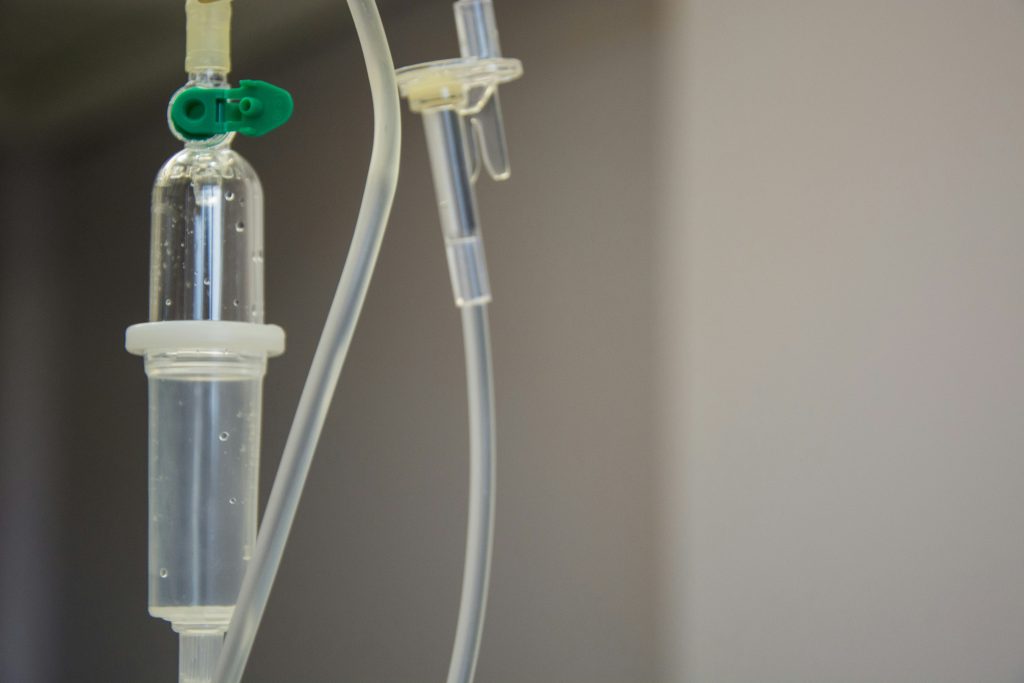
Clinics compare IV sets, such as vented IV sets and infusion sets, by matching clinical need to set design, material, and flow control. Here’s a distilled comparison of the main types and where they’re applied, followed by specific subtopics clinics use to decide.
- Gravity tubing is a routine IV administration method for adults and children. It is simple and low-cost.
- Micro-drip IV tubing: pediatric/neonatal care, accurate small-volume, long-duration infusions.
- Macro-drip solution sets (10 drops per milliliter, 15 drops per milliliter, 20 drops per milliliter): rapid fluid delivery for resuscitation or surgery.
- Pump-specific sets are designed for volumetric or syringe pumps with specific connectors and compliance.
- Vented IV sets are for glass bottles or containers requiring air entry.
- Non-vented (closed) sets are for sealed plastic bags and reduce contamination risk.
- Lightproof IV sets are for photosensitive drugs, such as some chemotherapies or nitroprusside.
- DEHP versus non-DEHP PVC sets is a choice driven by patient sensitivity and regulatory guidance.
- Extension tubing sets consist of short 20 cm leads with positive displacement caps to reduce hub manipulation.
- Hypertonic solution compatible sets: materials and connectors rated for osmotic stress and chemical compatibility.
- Transfusion and lipid-specific sets: larger bore, filters, and compatibility for blood or lipid emulsions.
Drip Rate
Micro-drip and macro-drip tubing vary by drop factor and clinical purpose. Micro-drip (60 gtts/ml) provides precise low-rate control applicable in neonates or when the drug dose is volume sensitive. Macro-drip options (10, 15, 20 gtts/ml) allow clinicians to administer larger volumes rapidly in surgical or shock resuscitation settings.
IV Administration Set Variations
Match the drip factor to the patient age, vascular access size, and target infusion rate. In the example above, a 70 kg adult requiring 1,000 ml over one hour would use a macro-drip or pump to avoid prolonged setup times. Precise drip control avoids dosing mistakes and fluid overload. Clinics verify gravity calculations against volumetric pump output.
Set model | Typical drip rate |
Micro-drip | 60 gtts/ml |
Macro-drip (10) | 10 gtts/ml |
Macro-drip (15) | 15 gtts/ml |
Macro-drip (20) | 20 gtts/ml |
Venting System
Vented IV sets allow air into the fluid container, which is essential for glass bottles and stabilizes flow by equalizing pressure. Non-vented IV sets pair with collapsible plastic bags, where venting would allow contaminants to enter. These vented designs need to manage particulate ingress and include 0.2 µm filters where required. For plasma or certain antibiotics to be administered, vented sets ensure the bottle avoids collapsing, thus maintaining the flow of intravenous fluids. Reliability varies, with cap vents, hydrophobic membrane vents, and one-way valves differing in clog risk and sterility assurance.
Connector Type
Connector security impacts leakage and line integrity in the IV system. Needle-free valves facilitate multiple secondary IV infusions while maintaining closed systems. Verify central line, peripheral cannula, and infusion set compatibility to prevent a mismatch.
- Luer Lock: secure threaded fit, high leak resistance.
- Slip Luer: quick connect/disconnect, lower torque security.
- Needle-Free Valve: reduces needlestick risk, supports closed systems.
- Spike and Bottle Adapter: For container access, varies by bottle type.
Special Features
Infusion sets can have safety clamps, auto air-stop valves, and lightproof IV set sleeves. Side clamp guards and flow protection prevent accidental rate changes in IV infusion. Interchangeable set technology simplifies training staff and reduces inventory mistakes. Pressure infusion cuffs and DEHP-free covers address specific clinical needs, including hypertonic solutions for DEHP-sensitive patients.
The Role Of Safety And Standards

Clinics select IV sets, such as vented IV sets and lightweight infusion pumps, based on safety and standards of practice to minimize potential harm and provide consistent care. First, do no harm to guide sourcing and clinical practice. Safety starts with regulatory compliance and cascades through device-level features, clinician workflow, and ongoing monitoring that collectively reduce risks of medication errors and bloodstream infections.
Regulatory Adherence
All IV pumps, sets, and accessories should be FDA-cleared or have international approval. Procurement teams maintain up-to-date product certificates and approval letters on file while requesting that suppliers provide compliance documents with every order. Compliance verification is part of the selection matrix: regulatory status, material biocompatibility, and sterilization method score alongside usability and cost. For example, when comparing two infusion sets, teams flag one with CE marking and ISO 8536 documentation over an otherwise cheaper, uncertified alternative. By integrating these checks into purchasing workflows, it reduces legal exposure and aligns clinical practice with national patient safety goals.
Adverse Event Tracking
Clinics record IV-related adverse events and device malfunctions in a centralized database, which is crucial for effective infusion therapy. Incident logs include device ID, lot number, patient impact, and time to detection. Teams review these logs monthly and use trend analysis to identify high-risk products or procedures, such as recurring occlusion alarms associated with a particular brand that trigger engineering review and a field action. Data-driven reviews have demonstrated that safety systems, including advanced IV pumps, can prevent potentially fatal coding errors. Roughly 1.1 and 1.5 errors are prevented per 1,000 patient days in published analyses, and clinics rely on such statistics to inform replacements.
Clinician Feedback
Infusion nurses offer field testing of pump sets, focusing on set ergonomics, priming ease, and clamp reliability. During product trials, feedback is solicited through short surveys, focus groups, and timed usability tests. For example, one clinic integrated its timed priming data with nurse ratings and discovered a set with fewer connectors that reduced line-setup time by 30%, which cut contamination risk. This information feeds updates to in-service training and the drug library used in infusion pumps. Standardized drug names, concentrations, and dosing limits are customized in decision-support libraries to fit clinician workflows and minimize cognitive burden. Continuous respiratory and capnographic monitoring is now being incorporated as part of protocols for high-risk therapies like PCA in an effort to detect deterioration early.
Why Specifications Aren’t the Whole Story

Clinics need to go beyond the spec sheet to evaluate how IV administration sets, such as vented IV sets and lightweight infusion pumps, perform in actual clinical care. Real-world performance and frontline user experience identify problems lab numbers overlook. Factors like low flow stability and patient comfort alter staff intervention frequency, line longevity, and ultimately therapy adherence.
Environmental Impact
Assess the full footprint: single-use PVC sets, often softened with DEHP, create both chemical and material waste. DEHP raises disposal and regulatory concerns in some regions and can affect recycling class options. Packaging adds bulk. Paperboard versus multilayer plastic changes recyclability. Prefer sets that reduce layers, use mono-material films, or adopt recyclable shipping packs.
Manufacturers who have take-back schemes or use recycled content reduce lifecycle impact. Go beyond the spec sheet and ask your suppliers for grams of plastic per set, percent recyclable, and carbon estimates for shipping. Procurement can weigh environmental scores along with clinical fit. When budgets are tight, select the lower-waste options for the high-volume wards and save the premium eco-sets for home infusion, where waste per treatment is higher.
Medical Supply Assurance
Dependable delivery is more important than the lowest price. Pump IV sets and infusion solutions are mission-critical, as one stockout necessitates suboptimal substitutions. Look at vendor on-time rates, lead-time variability, and what contingency plans they have for raw material shortages. Have a minimum of two trusted sources for key SKUs and rotate orders to keep both relationships active.
Check contract terms for emergency restocking and recall reactions. Follow the track record of disruption and map alternative products employees know to use. Small clinics gain the benefit of pooled purchasing agreements for extra leverage and less risk.
Long-Term Efficacy
Total lifecycle cost factors in such things as set durability, change frequency, and pump compatibility. Less kinked sets with even flow throughout reduce nursing time and risk of contamination. Keep in mind that IV tubing will kink when it is caught under a patient or snagged on bed rails; design and length matter. Good gravity set-ups keep the solution roughly 90 cm above the heart. Pumps set to milliliters per hour govern flow and need tending when rates fall under 60 milliliters per hour.
Infusion stability matters: constant flow prevents harm from over- or underdelivery, and IV solutions should be replaced every 24 hours to avoid contamination. Balance lower upfront cost against higher labor, waste, or complication rates over time.
Creating A Selection Framework
A transparent selection framework establishes the criteria clinics apply to choose IV administration sets, integrating safety, drug characteristics, and device materials into a consistent process. This framework supports decisions grounded in guidelines such as USP 797 for sterile compounding and NIOSH guidance on workplace safety, ultimately facilitating the reduction of IV medication errors during IV fluid administration.
- Needs Assessment and Scope Definition: List clinical areas such as ICU, pediatrics, and oncology, common drugs and concentrations, and special populations such as neonates or latex-sensitive patients. Note which drugs require non-PVC or DEHP-free sets and flag medications needing low-adsorption tubing or light protection.
- Multidisciplinary Team Formation: Includes bedside clinicians, pharmacy, infection control, procurement, biomedical engineering, and safety officers. Designate folks for clinical review, device testing, contract negotiation, and training rollout. Employ regular meetings and shared documents to maintain decision provenance.
- Categorize Products by Use Case: Create product classes, adult standard, pediatric microbore, lipid-compatible, chemo/hazmat compatible, and latex-free. In addition, consider the class record material (PVC, polyethylene, fluoropolymer), DEHP presence, and connector types. For example, choose DEHP-free tubing for neonates receiving lipids.
- Compatibility and Stability Review: Compile drug-by-solution and drug-by-material data from primary literature, manufacturers, and decision-support tools. Consider inactive ingredients that might change pH or solubility. For example, document that a particular antibiotic adsorbs to PVC and requires non-PVC tubing for infusion longer than 4 hours.
- Risk and Safety Analysis: Evaluate latex allergy risks, infusion pump compatibility, flow accuracy for low-volume delivery, and contamination risks per USP.
- Include NIOSH handling limits for hazardous drugs and closed-system transfer devices as appropriate.
- Procurement and Device Testing: Run bench tests for flow, priming volume, and compatibility with local pumps. Pilots choose sets in a single facility, gather user responses, and track error and alarm rates.
- Documentation and Governance: Store the rationale for each choice, link to cited studies, and log revisions. Establish review periods and update triggers when new evidence or devices appear.
- Ongoing Review and Education: Update criteria with new clinical data, tech advances, and post-market reports. Train staff on selection changes and track results to close the loop.
The Future Of IV Administration
The future of IV infusion will be a combination of hardware innovation, data flow, and shifting care sites to serve increasingly specific clinical needs and patient preferences. Clinics will see smart IV pumps mature with closed IV systems and layered safety measures that reduce human error and contamination risk. Smart pumps will integrate dose-error reduction software, barcode and RFID checks, and tighter alarm logic so staff spend less time on manual checks and more on care. Closed systems will minimize line breaks and exposure. Coupled with prefilled, unit-dose sets, they will decrease infection risk and provide time savings at the peak of a shift.
Digital health will integrate infusion data into wider care records, allowing clinicians to view infusion rates, fluid types, and patient responses all in a single location. Remote monitoring would allow nurses to monitor multiple patients and be alerted to occlusions, pauses in infusion, or unexpected changes in vital signs. This data flow allows more timely adjustments to fluid composition, rate, or medication mix using both real-time measures and past responses recorded in the electronic health record, enhancing the overall IV fluid administration process.
Home and ambulatory infusion will grow as devices become smaller and easier to use. With portable and wearable pumps and modular IV sets, it is now practical to transition biologic infusions and chronic enzyme replacement out of the clinic. Clinics will schedule outpatient loading, patient training, and remote follow-up. Imagine a clinic migrating stable RA patients to home infusions with standardized remote checks and local lab draws, liberating infusion chairs for acute needs.
Personalized infusion therapy will direct the selection of IV fluids, additives, and dosages customized to the patient’s genetics, comorbidities, and therapeutic objectives. New fluids and additives like refined albumin preparations or hetastarch variants will broaden choices for volume support and colloid management. Intravenous delivery of biologics and enzyme replacement will increase and will spur the need for sets that disperse viscous proteins and preserve cold-chain delivery.
Patient experience will influence set design and service models. Pain mitigation will entail smaller-gauge catheters, stabilizing connectors, and quiet, low-profile pumps to reduce stress. IV therapy will migrate toward wellness and preventive care use cases, from high-altitude hydration to nutrient infusions for recovery, expanding the variety of set clinics measured against.
Merit Pharmaceutical As An Industry Leader
Merit can lead by providing validated, reliable IV sets that support smart-pump integration and closed-system compatibility, including lightweight infusion pumps for home infusion therapy. It can provide training, data tools, and supply models that match clinic transition plans.
Conclusion
Clinics balance suitability and danger. Staff try out the various sets to test their ease of use, setup time, and even how the clamp feels. Clinics compare different types of IV administration sets using data on flow accuracy and leak rates. Cost and supply count are important, but patient safety matters even more. Examples help. A ward selected a gravity set for low-cost infusions and reduced delays by twenty percent. An ICU used closed systems and reduced infection events. Use a simple scorecard: task match, safety checks, cost per use, and staff feedback. How do clinics compare different types of IV administration sets? The best pick connects to actual work, not just specifications. Need a scorecard template to pilot in your clinic? I can do one.
Frequently Asked Questions
1. How Do Clinics Decide Which IV Administration Set To Use?
Clinics compare clinical needs, compatibility with IV fluids and infusion pumps, safety features, cost, and supplier reliability. They examine evidence on IV set changes and involve staff to best pair sets with patient types and workflows.
2. What Safety Features Matter Most In IV Sets?
Anti-reflux valves, air-elimination filters, and needleless connectors enhance the safety of infusion therapy, minimizing risks associated with IV fluid administration and air embolism.
3. How Do Regulatory Standards Influence IV Set Selection?
Standards such as ISO and local health authorities establish materials, sterility, and labeling requirements for IV infusion systems. Compliance means legal safety; ety, it ensures the performance of infusion pumps and makes buying decisions easier.
4. Can Cost Alone Guide IV Set Selection?
Cost matters, but it must be weighed against safety and compatibility, especially in infusion therapy. A lower up-front price for IV pumps can lead to complications and increased total costs.
5. How Do Clinics Evaluate IV Set Performance In Practice?
They conduct pilot trials, gather nurse and patient feedback on IV fluid administration, track complications, monitor pump alarms, and ensure flow accuracy with infusion pumps.
6. What Role Does Supplier Support Play In Choosing IV Sets?
Dependable training and tech support for IV pumps, along with on-time deliveries, count significantly. Great supplier support minimizes downtime, ensuring safe IV fluid administration and increasing confidence among staff.
7. How Will IV Administration Sets Evolve In The Next Years?
Think smarter infusion pump integration, new safety connectors, and better infection control materials for intravenous fluids. All of these trends are designed to increase safety, efficiency, and traceability.