
Clinics can evaluate quality in infusion therapy products by checking the product’s safety, reliability, and how well it meets patient needs. You can start by checking for regulatory approval and certifications that show the product meets health standards. Check for batch consistency, ease of use, and clear labeling on packaging. Product recalls, user reviews, and clinical trial data give you real-world feedback. To help your staff, look for training support or customer service from the supplier. Ask about shelf life and storage needs, since this can affect cost and supply. Comparing several brands and talking to peers in your field can help you spot key strengths or weak points. The next sections break down these steps and key points in detail.

Key Takeaways
- Ensure infusion therapy products comply with international regulatory standards and maintain up-to-date certifications for consistent quality and safety.
- Biocompatible and transparently sourced for patient health and clinical confidence.
- Don’t just take clinical performance data at face value. Combine it with real-world usability data from clinicians and patients to make well-rounded product evaluations.
- Develop robust supplier connections and continually evaluate supply chain stability to reduce hazards and ensure quality control.
- Run pilots with defined goals, structured data capture, and stakeholder engagement to trial new products before full adoption.
- Invest in staff education, encourage feedback, and implement standardized protocols to maintain quality and cultivate a culture of quality improvement.
Foundational Quality Pillars
Foundational quality pillars drive how you quantify and uphold the quality of infusion therapy products. These pillars inform your approach to safety, patient outcomes, and service efficiency, providing a consistent standard across clinics and regions. When you combine attention to regulatory requirements, bio-compatibility of materials, and manufacturing quality, you create a foundation of quality pillars that empower decisions with data and prioritize safe infusion practices for patients receiving intravenous therapy.
Regulatory Adherence
Compliance is more than a checkbox; it safeguards you and your patients, especially in the context of safe infusion practices. Validating adherence to FDA standards means any medical equipment you employ or sell adheres to rigorous health and effectiveness guidelines. This matters whether your clinic is stateside or partnering cross-border, as many countries follow the global requirements for infusion services.
We maintain ISO13485 certification as a testament to our unwavering focus on quality management in infusion systems. This global standard defines a medical device quality management system, helping your clinic steer clear of safety gaps in the infusion process. Regulatory rules shift fast, and by monitoring updates, you can maintain compliance, sidestepping expensive suspensions or sanctions.
Documentation is your evidence. Documented compliance fosters trust with healthcare partners, insurers, and patients, ensuring a reliable infusion experience while simplifying prior authorization and reimbursement procedures, which can influence the quality and efficiency of care you provide.
Material Biocompatibility
Biocompatibility is key to patient safety. Every material in infusion therapy products should be checked to avoid allergic or toxic reactions. This is not simply protective; it is generative, concerning patient experiences and outcomes.
Select materials that have international safety certifications, such as ISO 10993. These standards help safeguard that what contacts the patient’s body is safe for both short and long-term use. It’s worth it to verify the entire supply chain, from raw materials to finished parts, so each element matches your clinic’s quality standards.
Be transparent with your clinical team about material information. When employees know precisely what is in every item, they can choose the best for patients with specific needs or sensitivities.
Manufacturing Excellence
Quality begins with the way items are produced. Establish robust quality gates throughout the manufacturing process. Examine, sample, and follow up on batches to identify problems at an early stage.
Foundational Quality Pillars Robotics or real-time monitoring, for instance, assist you in making products that meet your specs each and every time. Staff training counts. When staff are in the know about best practices, they’re less likely to commit errors that might endanger patients.
Periodic audits keep your benchmarks high. These reviews help identify trends, and they help address wait time and better access to care for each patient population you serve.
How to Evaluate Infusion Products
Evaluating infusion products implies controlling quality and safety.
How Clinics Should Evaluate Infusion Products
A checklist keeps the process transparent and allows you to compare options side by side.
1. Scrutinize Certifications
Certifications are one of the initial considerations to look for when assessing medical equipment like infusion pumps. They indicate whether a product adheres to established safety regulations and standards for safe infusion practices. Seek seals of approval from reputable third-party organizations, not just the manufacturer’s own assertions. For instance, numerous clinics mandate ISO 13485 for medical devices and CE marking for products utilized in Europe. FDA approval is crucial for American products. Make sure the certification aligns with how you intend to use it, as some are only for specific uses. Maintain a list of “must-have” certifications as a fast way to filter products before proceeding.
2. Assess Performance Data
To effectively judge the reliability of medical equipment, apply both clinical and real-world evidence. Benchmark numbers such as flow rate accuracy, total infused volume, and occlusion pressure are crucial in assessing the infusion process. Additionally, it is essential to evaluate the infusion accuracy against industry standards, especially when considering the performance of infusion pumps. If patterns in the data reveal stability at specific temperatures, this indicates dependability in the infusion systems. Capturing these insights in a table or chart can streamline the evaluation process for care professionals.
3. Validate Clinical Usability
Try it out on YOUR STAFF before making a large purchase of medical equipment. Request input from physicians, nurses, and care professionals to see if they identify any issues or improvements regarding the infusion process. Observing the infusion setup in action can inform future purchasing decisions and ensure safe infusion practices.
4. Analyze Supply Chain
When evaluating infusion products, it is crucial to trace the origin of every product, considering risks such as shipping delays or shortages that could impact the infusion process. Write down your expectations from suppliers, including on-time delivery and quality proof, to ensure safe infusion for patients.
5. Review Post-Market Data
Track product performance after they arrive at your clinic, especially focusing on infusion systems and their reliability. Check for issues in post-market reports, such as particulate matter or degradation products above established limits. Leverage provider feedback to identify any patterns related to intravenous infusions and maintain a database to capture these results.
Beyond the Spec Sheet
You know, spec sheets and technical specs just cover half of it. They don’t reflect what goes on in the real world, or how a product holds up to daily use in your clinic. To really understand the infusion process, you need to see how the product performs in practice, how it integrates with your clinical team, and how patients respond to receiving intravenous therapy. A holistic approach reveals both the apparent and the unseen elements that influence the quality and outcomes of infusion care products.
Clinician Feedback
Query your clinicians about their experiences with infusion systems and what they believe regarding the products used in the infusion process. Their hands-on contribution extends beyond the spec sheet, providing critical insights into the reliability of medical equipment. Conducting surveys and interviews can gather candid, in-depth stories about where the infusion devices excel or disappoint.
Some teams share clinician comments with manufacturers, influencing future iterations of infusion pumps. By facilitating transparent feedback, you create credibility and assist others in benefiting from your infusion care experience. Here’s the truth behind the spec sheet—real clinician insights, shared as testimonials, that can help guide your next purchase or change the way you use certain tools.
You may discover that what works on paper doesn’t always translate to practice. Clinicians can pinpoint aspects like the ease of using a pump or setting up an IV line, which are crucial for safe infusion but often overlooked in specifications.
Patient Experience
Patients go beyond the spec sheet when it comes to infusion therapy products. Solicit their feedback to find out if the design makes them feel secure, calm, or stressed. Even modest design tweaks can enhance comfort and satisfaction.
Seek trends in patient reactions. If multiple refer to discomfort or confusion, that’s an obvious signal for modification. Let this feedback steer you in the right direction in selecting products that cater to more than just technical needs. A good patient experience delivers better treatment results and faster healing.
Patient stories are a great way to showcase the true value of a product. These stories humanize the stats and can engender trust with potential patients or partners.
Supplier Partnership
Cooperate with your vendors. A strong working relationship gives you better product stability and faster resolutions when things break. Broadcast your clinic’s requirements and hear what vendors have to say back.
Maintain transparent communication, whether through emails, phone calls, or weekly check-ins. Check in on supplier performance from time to time, not only when problems arise. That helps keep standards high and allows you to identify trends before they become actual issues.
Working together can result in new insights or tweaks that suit your work process better. When both sides listen, your clinic gets better tools and patients get better care.
Implementing a Pilot Program
A pilot program allows you to test new infusion therapy products in a small, controlled way before their full-scale clinical use. Starting with a pilot enables you to identify issues early, measure feasibility, and evaluate how well new products align with patient expectations and clinic priorities. This step adheres to best practices, including the CONSORT 2010 guidance, by aiding in the refinement of protocols and enhancing patient outcomes before broader adoption.
Define Objectives
Have clear, measurable goals. These could be minimizing side effects, enhancing patient satisfaction, or minimizing product waste. If trimming infusion times is a clinic priority, that becomes a specific target for your pilot.
Ensure your goals align with your clinic’s priorities and what your patients appreciate – be it safety, convenience, or savings. I find it’s best to write these down as well. Share them with the whole team so everyone involved knows what success looks like and can remain focused.
Execute Trial
Execute the pilot with your plan. Follow through on the agreed schedule, which you hope encompasses not only the trial but a well-defined evaluation period. Observe that all adhere to the correct procedures, particularly in dosing, equipment, and reporting.
Collect data consistently. For instance, monitor product flops, patient side effects, or staff impressions post-use. Be prepared to adjust your process if you find an issue, perhaps a product is difficult to use or causes bottlenecks, or employees need additional training. Little adjustments throughout your pilot can keep it headed in the right direction and make your results more trustworthy.
Measure Outcomes
Review all the information you gathered. Contrast what occurred in the pilot with your original goals. Use both data, like complication rates, and anecdotes from your team or patients. Perhaps a nurse observed a pattern of something, or a patient reported that a new catheter felt better.
Report back with your findings, what worked, what didn’t, and what needs to change before a wider rollout. Good reports utilize both statistics and quotes to support their advice. This step is critical for buy-in and for figuring out what real-world tweaks are necessary for success.
The Human Factor in Quality
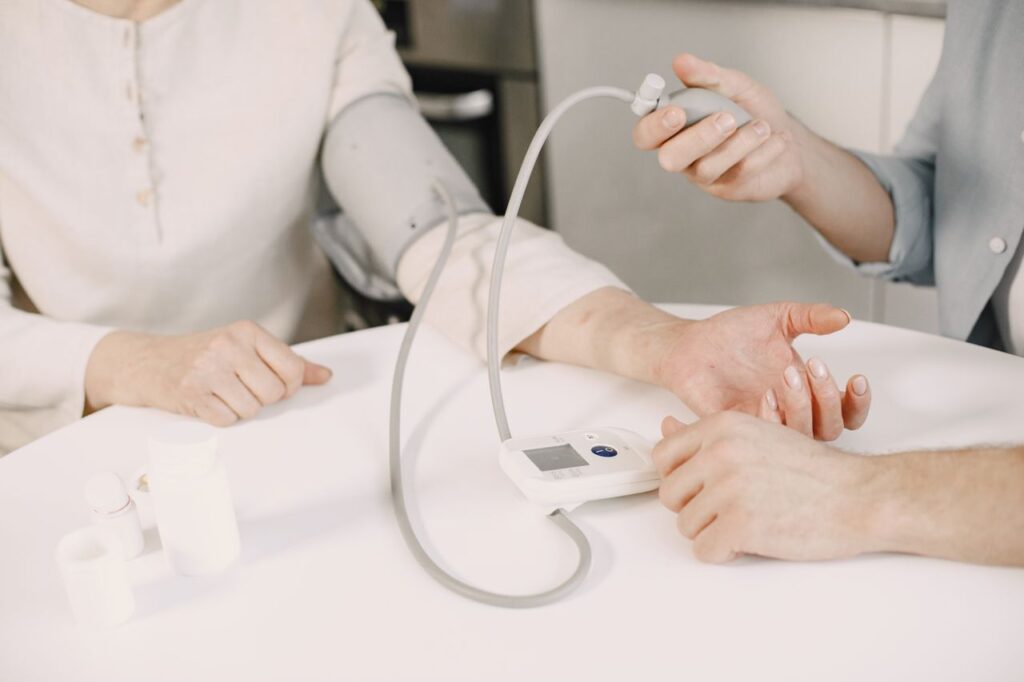
There’s more to quality infusion therapy products than just the device or drug inside. Human factors, including how your team works with these infusion systems, can significantly influence patient outcomes. Research indicates that 60% of intravenous infusions include errors, many tied to the way care professionals interact with the equipment. That’s why clinics must address the human factor in quality infusion care, not just the products themselves.
Training Impact
Think training determines how your staff manages infusion systems. When you invest in hands-on training, your crew not only learns the fundamentals of the infusion process but also picks up essential tips. Monthly sessions keep everyone current, particularly as new infusion pump devices or software roll out. For example, human factors studies can last for hours, such as one where nurses dedicated roughly six hours to usability testing, or shorter sessions ranging from forty-five to seventy-five minutes. You can detect the impact of this investment in the form of fewer user errors or improved audit handling. Clinics that share real stories about how training prevented a near miss or optimized a process can encourage all to learn.
Procedural Consistency
Having established routines for infusion care product utilization maintains stability. If all of you follow the same infusion process, your clinic minimizes the danger of preventable errors. Update and adjust these procedures as new research or tools arrive. Run audits regularly; it helps you see if your team stays the course or if you need to adjust. Maintain good notes whenever you revise a procedure. That way, everybody’s on the same page, and you have evidence of quality and responsibility. It smooths onboarding new staff.
Error Reporting Culture
A robust quality system allows your crew to raise their voice when things go awry, especially in clinical settings where intravenous therapy is administered. If they know they won’t be blamed, they’re more liable to report mistakes related to the infusion process. Track these problems, then look for trends, as this can demonstrate where users stumble with infusion accuracy, so you know what to address, be it additional training, a different tool, or a process change. By passing on what you’ve learned by error, you assist us all in avoiding it. Clinics that do this experience fewer repeat errors and cultivate trust within the team.
Future of Quality Evaluation
Quality checks for intravenous infusions are evolving quickly. As clinics, you need to go beyond the fundamentals to stand out. In the future, you will probably employ more granular methods to verify the accuracy and dependability of healthcare devices. For instance, infusion pump flow rate errors range from 10 percent to 20 percent, and even more. This means you must watch your pumps’ effectiveness closely. It is ultimately about reducing errors and protecting patients during their infusion experience.
New technology makes your work easier and more precise. Automation and AI can assist you in identifying issues more rapidly and making intelligent decisions in the moment. Automated tools can run constant checks on infusion pumps or other devices, catch small changes, and send alerts if something looks amiss. With AI, you can examine vast amounts of data to identify typical problems or detect patterns. For example, if a particular model of pump begins to show an increase in errors, AI can identify this prior to it becoming a larger hazard. Additionally, simulation models and in vitro studies provide a controlled environment to test equipment in various scenarios. This allows you to observe the real-life behavior of the products, ensuring safe infusion practices before patients are in danger.
Staying up to date means consulting with specialists both within and beyond your practice. Industry experts can introduce you to new best practices or standards you may be able to adopt. These types of global quality frameworks do not exist, so working with others helps you fill those holes and develop something that works in your own environment. Look for more clinics employing quality metrics in the future, as the demand for a standardized method to evaluate performance in outpatient settings increases.
You’ll need to be prepared to shake up your quality checks as patient needs and clinic size evolve. Over ten years, your clinic will expand, and patient demand will evolve. Plan now using risk management approaches that catch mistakes before they occur. This forward-looking strategy ensures you’re taking action in advance instead of waiting for it to all fall apart.
Conclusion
Quality in infusion therapy goes far beyond specs or sticker price. You understand the importance of safe, steady flow, strong build, and clear design. Clinics can measure quality in infusion therapy products by finding solutions that work for your people and suit your patients. Test new products in small groups, discuss with your team, and look for quick wins or pain points. Watch for new developments in this area. Stay patient, focused, and keep the dialogue open with your suppliers. Take these steps and you establish a strong foundation for care. Ready to find the next right fit? Begin with what’s important to you and your staff.

Frequently Asked Questions
What are the key quality pillars for infusion therapy products?
Prioritize safety in the infusion process, efficacy, consistency, and adherence to global standards for reliable intravenous therapy in clinical settings.
How can you evaluate the quality of infusion products?
Check for certifications, test results, and compliance with regulatory standards for medical equipment like infusion pumps. Review independent lab reports and request documentation from suppliers to verify product quality.
Why should you look beyond the spec sheet?
Spec sheets don’t always reflect real-world performance; clinical feedback and user experience are essential for assessing the reliability of infusion systems in hospital settings.
What is the benefit of implementing a pilot program?
A pilot program allows care professionals to try infusion systems in their clinic’s real-world setting. This enables early detection of problems and confirms the infusion process meets specific requirements before full implementation.
How important is staff feedback in evaluating infusion therapy products?
Staff response is key in the infusion process. Your team’s input assists in spotting usability, comfort, and risk factors related to infusion systems, ensuring safe infusion practices for patients and staff.
What trends shape the future of quality evaluation in infusion therapy?
Digital monitoring, data analytics, and smart technologies are transforming how clinics evaluate quality in infusion services and intravenous therapy products. These tools provide real-time insights, enhancing the infusion process and assisting care professionals in making improved, evidence-informed decisions for your clinic.
How can you ensure continuous quality improvement in your clinic?
Stop by and check on how the intravenous infusion product is performing. Ask care professionals and patients for feedback on their infusion experience. Keep up with evolving regulations and best practices to maintain safety and quality at your clinic.
Meta Description:
Learn how clinics can evaluate the quality of infusion therapy products with regulatory compliance, material safety, clinician feedback, and pilot testing. Ensure patient safety and optimize intravenous care with expert strategies.
Choose Merit Pharmaceutical for Trusted Infusion Therapy Products
Selecting high-quality infusion therapy products is about more than meeting technical specifications—it’s about supporting safe patient care, improving clinical efficiency, and ensuring reliable performance every day. At Merit Pharmaceutical, we provide infusion therapy supplies that meet rigorous quality standards, are manufactured with consistency, and are backed by dependable service. Whether you’re evaluating products for a hospital, clinic, or healthcare facility, our team is committed to helping you find solutions that align with your clinical requirements and operational goals.
Partner with Merit Pharmaceutical for infusion therapy products you can trust. We offer dependable supply, responsive customer support, and a commitment to quality that helps healthcare providers maintain confidence in every treatment. Contact Merit Pharmaceutical today to learn more about our infusion therapy solutions and discover how we can help your facility deliver safe, efficient, and reliable patient care.
Disclaimer
The information provided on this website is intended for informational and educational purposes only. It is not a substitute for medical advice, diagnosis, or treatment, and should not be relied upon as such. Healthcare professionals should always use their own clinical judgment when selecting and administering medical products. Patients should consult with a qualified healthcare provider regarding any specific medical condition or treatment.
While we strive to keep product details and information current, Merit Pharmaceutical makes no guarantees as to accuracy, completeness, or applicability to your particular situation. Do not act or refrain from acting solely based on information from this site without seeking appropriate medical or professional guidance. To the fullest extent permitted by law, Merit Pharmaceutical disclaims all liability for any decisions or actions taken based on the contents of this site.