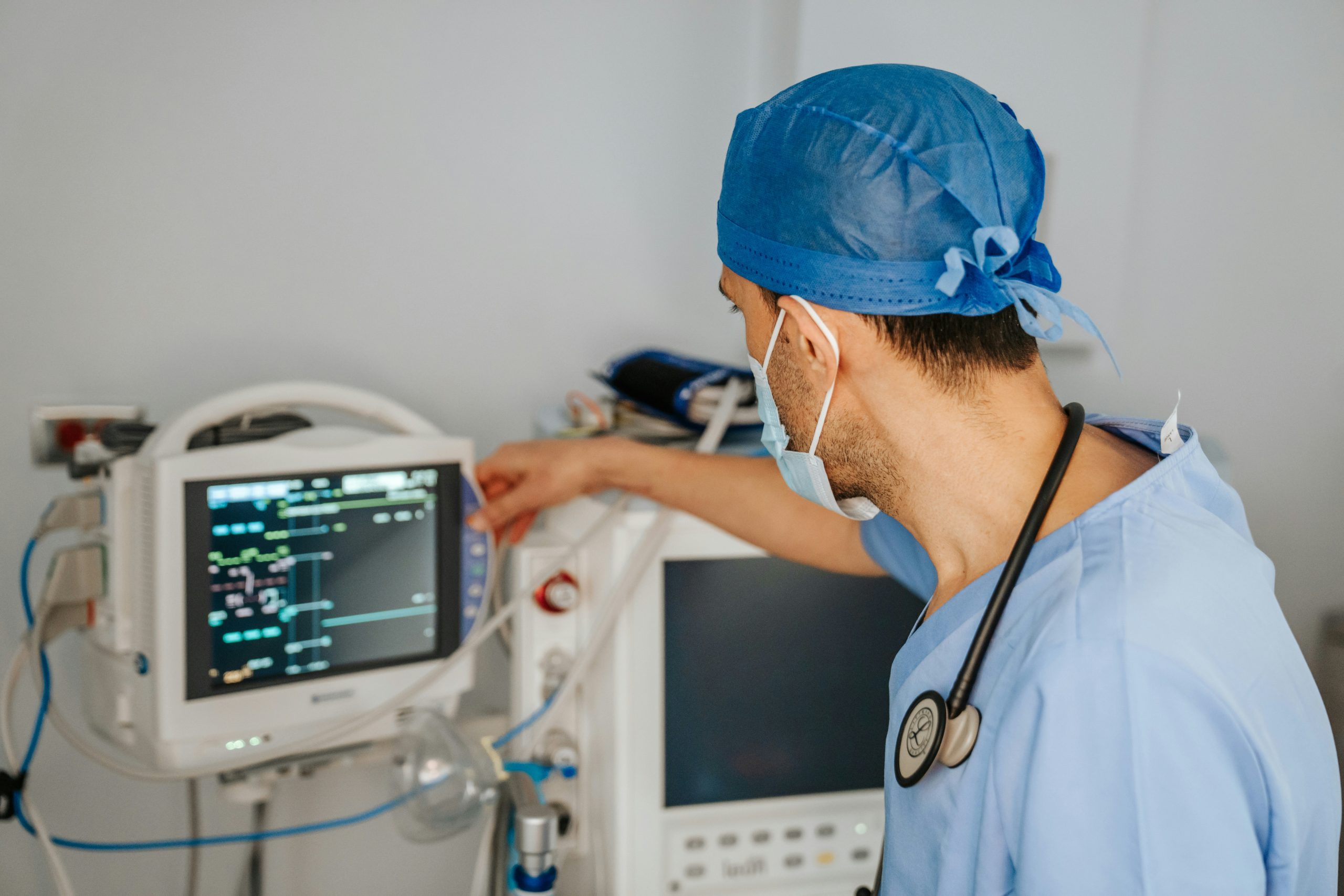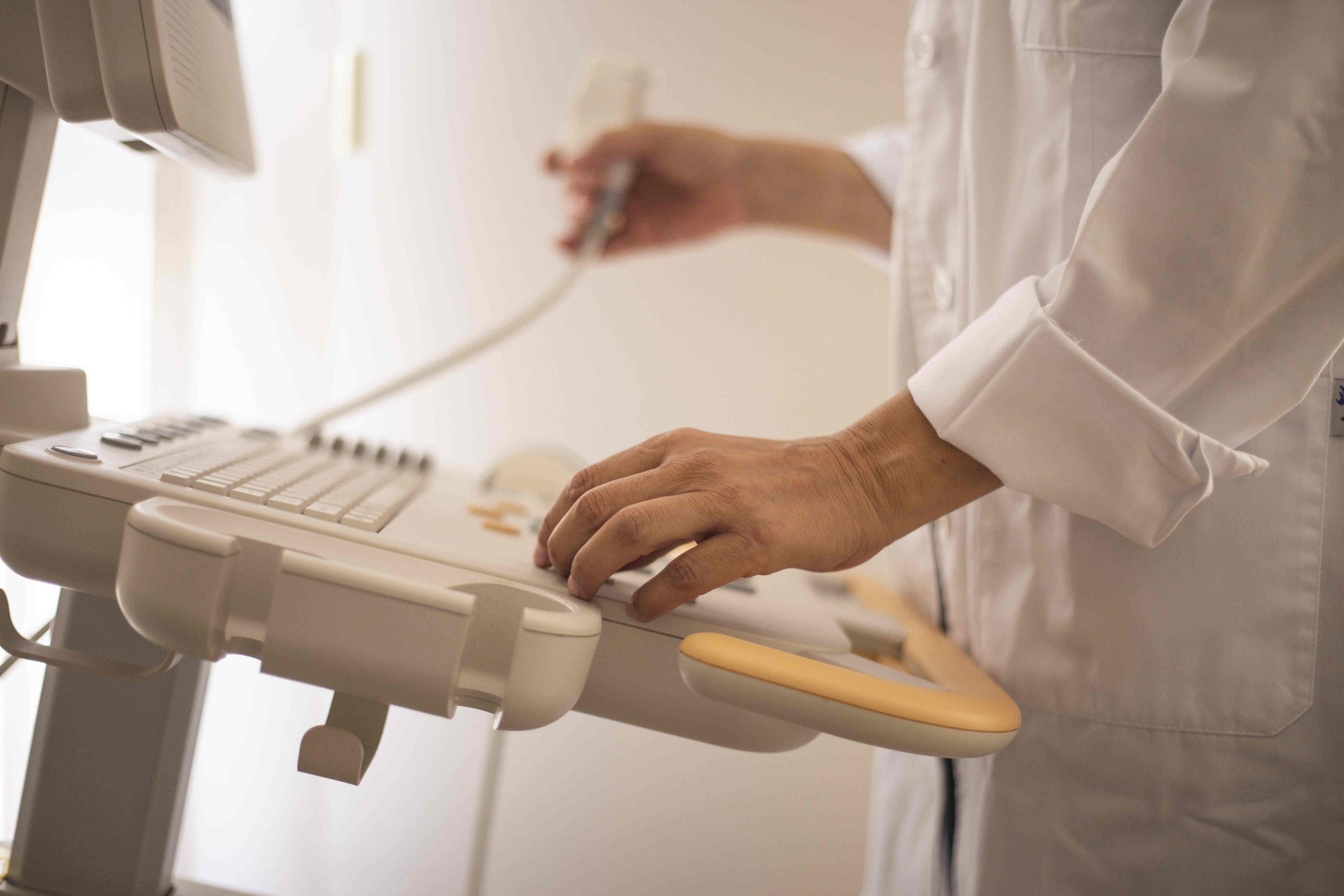
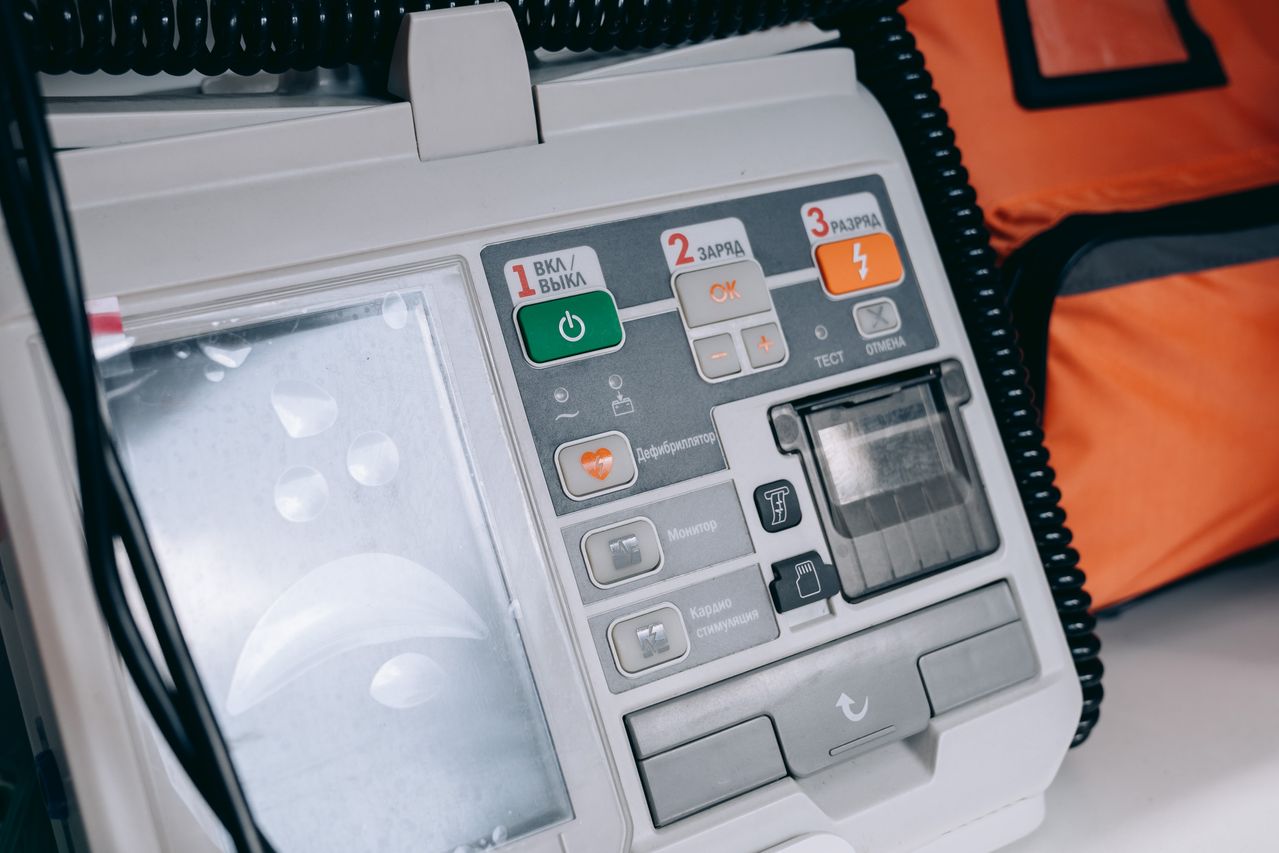
Medical devices that offer the best return on investment (ROI) for hospitals often include diagnostic imaging tools, infusion pumps, and patient monitoring systems. Devices such as ultrasounds, portable X-ray equipment, and automated drug dispensation devices typically provide quick returns because they drive down costs and improve patient care. Hospitals experience the best ROI when devices decrease downtime, reduce manual work, and integrate into existing systems well. Choosing the right device often boils down to how it addresses clinical needs, reduces wait times, and enables staff to be more efficient. Understanding the real-world impact of each option helps healthcare teams make savvy decisions. The main body will display what types of devices stand out and how hospitals can balance ROI in reality.
Key Takeaways
- High-return medical devices like advanced diagnostic imaging systems, surgical robotics, point-of-care testing, telehealth platforms, and automated laboratory systems power both clinical and operational advancements at hospitals globally.
- Hospitals need to figure out true ROI by combining financial indicators, such as total cost of ownership and payback periods, with non-financial results, such as patient satisfaction and workflow optimization.
- Accounting for full lifecycle costs, including maintenance, training, system upgrades, and integration with existing infrastructure, is crucial for an accurate evaluation of a medical device’s long-term worth.
- AI, automation, and data analytics make devices perform better and decision-making faster. They maximize clinical and operational benefits. Interoperability reduces inefficiencies and improves care coordination.
- Choosing strong, compliant partners like Merit Pharmaceutical that offer strong support is key to effective device implementation, maintenance, and minimizing downtime.
- Hospitals can mitigate investment risk with phased implementations, performance clauses for suppliers, and future-proofing purchases for evolving technologies and care needs.
High-ROI Medical Devices
Enable healthcare providers to reconcile quality care with financial health. These innovative technologies deliver strong returns by enhancing patient outcomes, reducing costs, and optimizing clinical workflows in hospital settings.
- Lower total cost of ownership
- Short payback periods
- Improved patient outcomes and satisfaction
- Reduced staff workload and manual errors
- Seamless integration with digital health records
1. Diagnostic Imaging
New digital X-ray machines, which cost $2,000 to $20,000, expose patients to 70% to 80% less radiation than older ones. Used MRI machines, typically sold for just a little over $1 million, yield great ROI, especially for high-imaging volume clinics. Quick payback is possible. A clinic can recoup digital X-ray costs in roughly five months by performing two scans daily at $100 each. Early disease detection via imaging accelerates treatment, results in better outcomes, and saves in the long term. Tighter integration with electronic records simplifies clinician access, eliminating delays and increasing patient throughput.
2. Surgical Robotics
Robotic surgery platforms are pricey but provide significant cost savings over time, particularly in high-volume hospitals. The precision of these clinical devices helps patients avoid complications and enables them to leave the healthcare facility faster. With patients healing more quickly, hospitals can treat more cases without additional resources. Minimally invasive techniques lead to fewer post-op infections and lower readmission rates. Although the upfront costs are steep, the returns in terms of both finances and clinical impact are substantial, making them a valuable investment for medical practices.
3. Point-Of-Care Testing
POC devices, used in clinics and healthcare settings, provide prompt diagnostics at the bedside. These medical devices reduce lab processing costs and turnaround times, facilitating more rapid treatment decisions. For instance, electrocardiogram machines employ 10 electrodes to capture 12 heart views, enabling swift cardiac diagnosis. POC testing increases patient satisfaction and can enhance patient flow, particularly in emergency or hectic primary care environments.
4. Telehealth Platforms
Telehealth tools extend access to care, particularly in the case of remote or underserved populations. Hospitals cut overhead by eliminating in-person visits and streamlining clinical workflows. Remote monitoring encourages chronic disease management and patient engagement, making it a vital component of modern healthcare. Telehealth platforms scale beautifully, reaching a variety of populations without the need for huge physical infrastructures. This flexibility aligns with the needs of contemporary health technology systems seeking to contain costs and extend reach.
5. Automated Lab Systems
Automation in labs decreases human error and processing time, enhancing the efficiency of medical practices. Automated systems enable healthcare providers to control expenses and boost laboratory staff productivity. By accelerating test result turnaround, particularly for urgent labs, hospitals optimize clinical workflows and care, allowing staff to focus on higher-value tasks, thus addressing the issue of biomedical professionals wasting 40% of their time on low-value work.
How To Calculate True ROI
The greatest ROI for hospitals is gained by thinking beyond the price tag to the full financial, operational, and clinical impact view, especially in the context of medical equipment purchasing. Hospitals require a trustworthy approach to evaluate medical device investments, which includes assessing clinical requirements and the effectiveness of medical technology. This means accounting for up-front, recurring, and hidden costs, and then balancing these against the real-world benefits, including metrics that demonstrate both cost containment and improved patient health.
Metric | Definition |
Total Cost of Ownership (TCO) | All costs related to buying, using, and maintaining a device over its life |
Recurring Costs | Ongoing expenses like maintenance, consumables, and training |
Utilization Rate | How often the device is used compared to its full potential |
Payback Period | The time it takes for the investment to pay for itself |
ROI (%) | (Net Profit / Total Cost) x 100 |
Financial Metrics
Hospitals have to look beyond purchase prices. Cost savings, revenue boosts, and payback period are all important. The TCO accounts for the price you paid, the cost to use it, and the cash required to maintain it. This may include maintenance fees, employee training, and consumables. Compare what you pay in advance with what you will save, such as fewer manual steps or improved billing. These figures make your case for or against the investment.
Benchmarking is key. Compare your figures with industry averages. This helps demonstrate if one device beats the others. For instance, while a surgical robot might be expensive, it reduces surgery times and thereby increases patient throughput, which increases revenue streams.
Operational Gains
Operational metrics gauge how new technologies assist doctors and patients. More efficient workflows might translate into nurses and doctors having less paperwork and more care time. A device that automates lab results, for example, can accelerate diagnosis and liberate personnel, which tends to result in fewer mistakes and shorter hospital stays.
KPIs post-rollout are faster response times and greater staff satisfaction. You can observe these gains in terms of changes to patient throughput, fewer administrative hours, and easier shift handovers.
Clinical Outcomes
- Reduced readmission rates due to more accurate monitoring devices
- Quicker recovery times using minimally invasive tools
- Fewer complications from smart infusion pumps
- Higher patient satisfaction with telemedicine units
Patient data is core in healthcare settings. Measure patient outcomes pre- and post-device use to ensure medical technology assists in achieving treatment objectives. Evaluate recovery times, complication rates, and direct patient feedback to determine the effectiveness of clinical devices.

Beyond The Initial Cost
Hospitals must consider factors beyond the price tag when selecting medical equipment, particularly how it integrates into clinical workflows and influences patient care delivery. Evaluating the long-term functionality and maintenance needs is essential for effective hospital purchasing and optimizing health technology management.
Lifecycle Expenses
Medical devices have maintenance costs that accumulate, making medical equipment purchasing a critical aspect of hospital management. Maintenance, repairs, and constant part-swapping add up, meaning hospitals are actually spending significantly more than the sticker price. Long-lasting items like rechargeable handles save on battery expenses year after year, and refurbished devices can be 30 to 50 percent less than new ones while still meeting clinical requirements. Obsolescence is another huge cost, and even devices like digital X-rays, with initial costs that can run from $2,000 to $20,000, require software updates and occasional hardware upgrades to remain safe and useful. Warranties and service contracts can trim surprise costs, but hospitals must balance those against long-term value. Investing in quality medical technology, such as portable multi-function meters, translates to reduced downtime and minimized maintenance costs later on.
Device-System Integration
Integrating new medical devices into existing hospital infrastructure counts as much as sticker shock. Good devices that interface properly with electronic health records or other medical software enhance healthcare efficiency, allowing your staff to work more quickly and eliminate errors from manual data entry. For instance, with integrated health technology solutions, patient data flows rapidly through the system, translating to more timely care and less waiting. When all clinical devices communicate, hospitals save both money and time. Integrating new equipment with legacy systems can be expensive, particularly when it requires custom software or workflow adjustments. This can initially slow things down, but the speed and precision benefits often compensate for the learning curve.
Medical Team Training
Hospitals need to budget for training expenses related to medical equipment purchasing. Even the most excellent medical technology is inconsequential if the staff doesn’t know how to use it. Training is expensive and time-consuming, but it results in fewer errors and safer patients. Well-trained staff catch issues early, such as identifying surgical site infections, which can cost over $25,000 each. Continued new tech education helps maximize device-related care investments, keeping care quality high in healthcare settings.
The Technology Multiplier
Captures how investment in smart medical devices and systems can generate huge changes in the quality of care and cost savings. A little leap in tech saves time, saves people, and saves lives. Hospitals can extract more of every euro or dollar spent when the right medical equipment does the heavy lifting. The proper combination of cutting-edge equipment, frictionless connections between systems, and real-time data utilization can produce significant increases in efficiency for both healthcare practices and patients. Device design, proper setup, and ongoing staff training are key factors in how well these gains manifest in practice.
AI And Automation
AI-powered software is already beginning to transform how physicians diagnose and treat disease. Deep learning-based imaging systems assist in identifying issues, such as tumors, more quickly and with fewer errors than was possible previously. These systems can sift through thousands of scans every day, allowing physicians to concentrate on the most challenging cases. Smart triage software accelerates emergency care by directing patients along appropriate treatment paths. Automation could replace the humdrum tasks, such as scheduling and lab work, reducing labor expenses and allowing technical personnel to spend more time with patients.
AI aids hospitals in monitoring patients, identifying risks before they escalate. For instance, wearable monitors powered by predictive algorithms can warn medical teams about early signs of infection or heart trouble, increasing the likelihood of swift, life-saving intervention. Looking forward, AI promises smarter, more flexible devices that adjust to the patient, making treatments more personalized and less wasteful.
Data Analytics
Hospitals are now leveraging analytics to monitor device usage, identify patterns, and address vulnerabilities. Data dashboards show which machines perform best, which require repairs, and how they impact patient health. This type of insight assists leaders in selecting technologies that provide the greatest return on investment. Real-time data streams into clinical decisions, reducing errors and lags.
With better data, hospitals can order what they actually need and plan upgrades that generate the best return. Analytics highlight areas where training or process modifications may enhance safety. For example, in a number of clinics, small changes implemented once a trend was noticed in the data have resulted in reduced readmissions and length of stay.
Health System Interoperability
- Different brands and models usually can’t “speak” to one another.
- Data silos prevent the easy exchange of information between devices and systems.
- Upgrades and new pieces can snap old connections, creating glitches.
- Privacy and security rules add layers of complexity.
- High upfront costs for integration tools and expert support.
When the systems cooperate, hospitals can reduce waste, unnecessary duplicate testing, and securely exchange patient information. This integration of health technology allows teams to gain a 360° view of every patient, enabling rapid responses during emergencies. What had been isolated, information hunting, and siloed databases is now quick and easy to access, all thanks to advancements in medical technology.
About The Tech Multiplier: to get to this point of connection requires time, planning, and financial resources. Every new gadget or application might require tailored patches in order to integrate, and the trained personnel to administer those patches. Despite the costs, the payoff is clear: better care, less hassle, and fewer errors.
Why Your Supplier Matters
Choosing a strong partner like Merit Pharmaceutical impacts patient outcomes, workflow efficiency, and agility.
Factor | Why It Matters |
Reliability | Consistent delivery, fewer service interruptions |
Support | Quick help, smoother training, less downtime |
Compliance | Patient safety meets legal and quality standards |
Pricing | Affects total cost and long-term ROI |
Parts Supply | Limits device downtime, keeps care running |
Proven Operational Reliability
What do we mean by a reliable supplier, one that has a record of providing devices and parts when promised, with no surprise delays or missing pieces? This matters because late deliveries can stall surgeries or life-saving treatments, jeopardizing patient care and causing staff to scurry for patchwork solutions. A reliable supplier like Merit Pharmaceutical delivers devices and parts on time, minimizing risk and ensuring continuity in care.
When suppliers are late or ship defective materials, hospitals face surgeries being dropped at the last minute or patient injury. These disruptions can escalate costs in the long run, as emergency solutions and last-minute buying are often costly.
To gauge reliability, hospitals can measure on-time delivery, defect rates, and response times to urgent requests. Checking references and past performance reports helps as well.
Operational Support Services
Robust supplier support results in hospitals receiving quality training and technical assistance to ease the device installation and maintenance anxiety. If an issue arises, such as equipment failure or a lost component, a supplier with accessible expert assistance minimizes downtime. This is important for patient safety and staff morale.
Some suppliers provide continuing education, assisting medical teams in deploying new devices safely. Response customer service is key when hospitals need answers fast, especially in emergencies.
Users are happiest when assistance is immediate and continuous. That support optimizes device performance and keeps clinical teams assured in their efforts.
Standards Compliance
Suppliers like Merit Pharmaceutical adhere to regulations and certifications to guarantee device safety and reliability. This adherence protects patients and allows medical equipment to perform as expected. Hospitals can count on compliant suppliers to stay ahead of evolving laws and health technology standards.
When vendors cut corners, the hospital can be fined, sued, or even forced to recall devices, jeopardizing both patient safety and the hospital’s reputation. Compliance means a supplier is serious about quality, which builds trust among healthcare providers who require transparency to select the appropriate medical equipment.
This trust is crucial as clinical engineers and clinical leaders depend on compliant suppliers to ensure that the devices used in healthcare settings maintain high standards of safety and effectiveness.
Mitigating Investment Risk
Hospitals face genuine risks in medical equipment purchasing due to device underperformance, rapid obsolescence, and economic downturns that can compress budgets. Mitigation involves cost control, measurement, and adaptability. Partnering with Merit Pharmaceutical and implementing phased rollouts, performance clauses, and future-proofing can reduce these risks. Clear business metrics and a culture of openness build accountability and enable continuous health technology management and ROI evaluation.
Phased Implementation
Phase-wise rollouts of medical devices mitigate investment risk by spreading out large investments into manageable portions. This strategy allows hospitals to amortize expenses and pivot should the economy or clinical requirements shift. The gradual approach provides regular feedback from staff and patients, making it easier to catch issues early and adjust processes or device configurations before broad adoption. Training can be paced to device deployment, ensuring that staff aren’t overwhelmed while reinforcing learning in healthcare environments.
Hospitals can measure device usage and clinical outcomes at all of these phases. For instance, if utilization metrics fall below target, adjustments can be made before advancing to the next phase. This procedure prevents overspending that can reach as high as 25 percent in certain health systems, according to research.
Performance Clauses
Contracts with device suppliers should contain clear performance clauses. These contain minimum uptime, reliability, and clinical efficacy standards. By linking payments or ongoing partnerships to these measures, hospitals make sure suppliers stay on the hook during the contract period. Underperformance can trigger remedies or penalties, minimizing the risk of being saddled with ineffective technology.
Performance clauses can cultivate stronger supplier relationships. Both sides know what the expectations are, and both share accountability for results. This transparency fosters open communication and helps hospitals respond rapidly to problems, bolstering a culture that appreciates ROI and accountability.
Future-Proofing
It is about selecting devices that can evolve with new standards. Phones with modular hardware or software upgrade paths or compatibility with new protocols mitigate obsolescence risk. Meticulous market research is critical, assisting hospitals in choosing devices that complement developing models of care and patient requirements. Investing in research and development, even at a small level, keeps you ahead.
Long-term ROI is enhanced if devices stay relevant and useful as clinical needs evolve. Planning and continuous measurement mean the hospital can report and defend technology decisions to stakeholders.

Final Remarks
Hospitals’ best ROI medical devices go with simple devices that run well, run long, and work with many. Ultrasound machines, infusion pumps, and patient monitors tend to deliver solid, swift payback. Great ROI comes from more than price. Simple maintenance, straightforward training, and effective utilization go a long way. The smartest teams look beyond the sticker and examine how a device will integrate with everyday work. They consider how well it can scale with new technology. A good supplier can repair issues quickly and maintain operations. To maximize every purchase, continue to ask hard questions and seek evidence, not just assurances. Share your own stories or tips below. Real talk helps all of us discover the next best win.
Frequently Asked Questions
1. Which Medical Devices Typically Offer The Highest ROI For Hospitals?
Diagnostic imaging systems, patient monitoring systems, and infusion pumps typically offer the best ROI for hospitals due to their frequent use, ability to enhance patient outcomes, and operational efficiency in healthcare settings.
2. How Can Hospitals Accurately Calculate The ROI Of A Medical Device?
Hospitals should evaluate medical equipment’s total cost against direct and indirect financial benefits over time, including maintenance, training, and expanded patient throughput in healthcare settings.
3. Why Is It Important To Look Beyond The Initial Purchase Price?
Upfront price does not account for the total cost of ownership, including maintenance and upgrades, which are crucial for medical equipment finance options and impact real ROI over time.
4. How Does New Technology Improve ROI For Hospitals?
State-of-the-art medical technology can drive efficiency, cut mistakes, and enable stronger clinical decision-making in healthcare settings. This means hospitals can see more patients at a better level of care.
5. What Role Does The Supplier Play In Maximizing Device ROI?
Dependable vendors provide training and support for medical equipment that minimizes downtime and prolongs device life, maximizing ROI in healthcare settings.
Power Your Practice With Reliable Medical Devices From Merit Pharmaceutical
Running a busy medical practice requires more than just high-quality care—it requires dependable medical devices that arrive on time, perform consistently, and meet strict clinical standards. When supply issues arise, such as backorders, inconsistent product quality, or last-minute substitutions, it can disrupt workflows and add unnecessary strain to your team.
Merit Pharmaceutical supports healthcare providers with a broad portfolio of medical devices and clinical-use supplies designed to help maintain consistency and reliability in everyday care. From essential IV administration components and extension sets to a wide range of clinical and injectable solutions, every product is selected with a focus on safety, performance, and dependable supply continuity.
As an FDA-registered, Los Angeles-based supplier with more than 40 years of industry experience, Merit Pharmaceutical understands the demands of clinical environments and the importance of regulatory compliance and product consistency. The company also works with established global manufacturers such as Abbott, BD, Baxter, and B. Braun to help ensure providers have access to trusted, high-quality options.
Choosing Merit Pharmaceutical means partnering with a supplier focused on reducing supply chain friction and supporting smoother procurement processes—so your team can stay focused on patient care rather than sourcing challenges.
Contact Merit Pharmaceutical to learn more about available medical device solutions or to set up an account and access competitive pricing tailored for healthcare providers.
Disclaimer
The information provided on this website is intended for informational and educational purposes only. It is not a substitute for medical advice, diagnosis, or treatment, and should not be relied upon as such. Healthcare professionals should always use their own clinical judgment when selecting and administering medical products. Patients should consult with a qualified healthcare provider regarding any specific medical condition or treatment.
While we strive to keep product details and information current, Merit Pharmaceutical makes no guarantees as to accuracy, completeness, or applicability to your particular situation. Do not act or refrain from acting solely based on information from this site without seeking appropriate medical or professional guidance. To the fullest extent permitted by law, Merit Pharmaceutical disclaims all liability for any decisions or actions taken based on the contents of this site.