
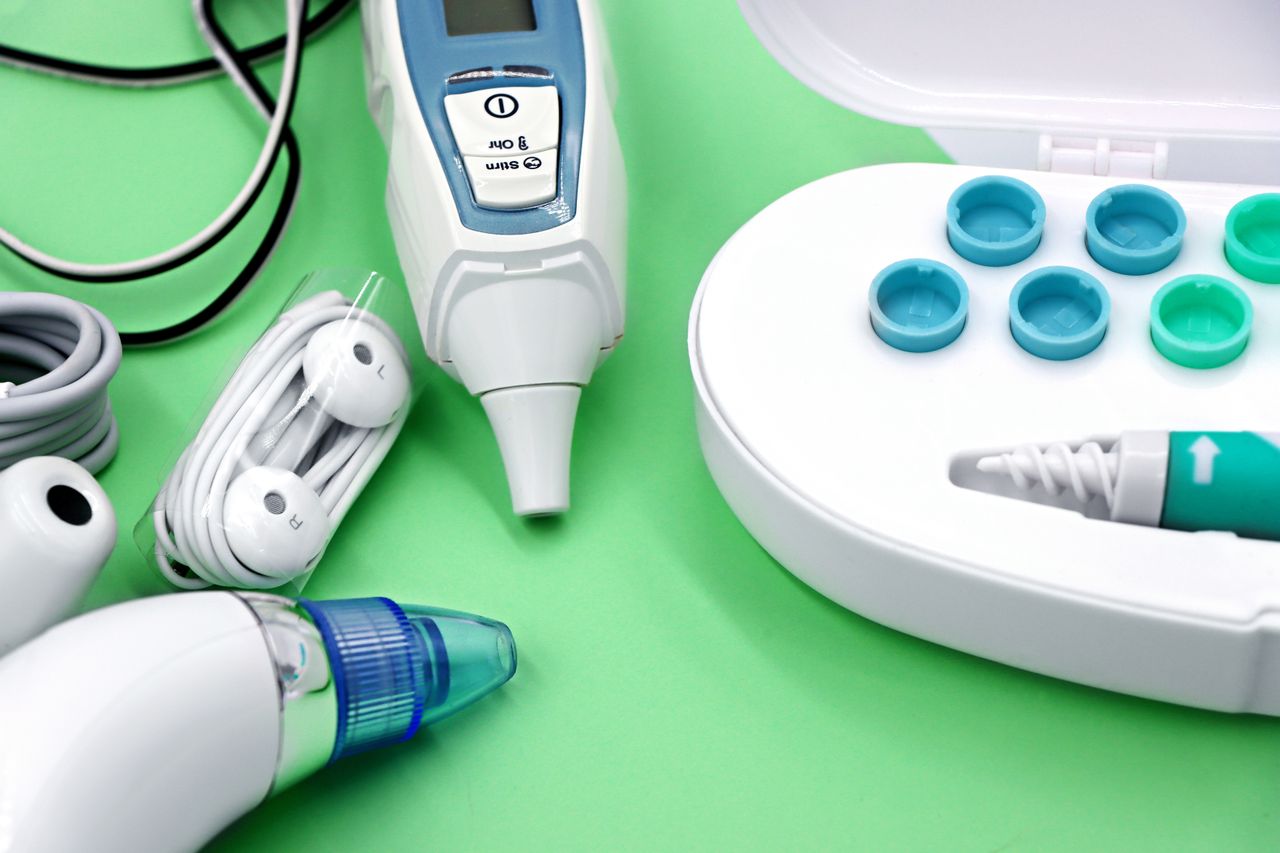
Balancing cost and quality is one of the most important challenges when selecting medical devices. Healthcare organizations must ensure they receive reliable, high-performing products while remaining within budget constraints. Rather than focusing solely on the lowest price, procurement teams take a comprehensive approach that evaluates factors such as device performance, durability, maintenance requirements, supplier reliability, and long-term value.
To make informed purchasing decisions, teams often review historical purchasing data, assess supplier track records, compare product testing results, and collaborate with clinicians and technical staff to identify essential features. They also consider ongoing costs, including service agreements, training, repairs, and support, to gain a complete understanding of the total investment. By weighing these factors together, healthcare providers can select medical devices that deliver both cost efficiency and dependable performance. The following section explores practical strategies for making smarter medical device purchasing decisions.
Key Takeaways
- Procurement managers must integrate both cost and quality metrics to achieve balanced and informed device selection. This ensures decisions align with organizational and user priorities.
- Once you establish what quality means in your endeavor, it is important to set benchmarks and update them regularly to stay on top of the pack and adapt to change.
- Understanding the total cost of ownership, which encompasses acquisition, operational, maintenance, and end-of-life costs, gives you a more complete financial picture and prevents surprises.
- Strong supplier relationships, regular audits, and effective risk management strategies are essential for ensuring reliability and reducing disruptions.
- Engaging clinical stakeholders and cross-departmental collaboration make procurement more relevant and help keep device selection grounded in practical needs and budget constraints.
- Using strategic frameworks and procurement analytics, like the Kraljic Matrix, helps inform decisions and drive continuous improvement.
The Cost-Quality Balancing Act
The ever-present challenge to a procurement manager is how to satisfy cost, quality, and speed objectives without prioritizing one too much and sacrificing the others. These trade-offs characterize each procurement decision. The smallest upfront price might catch your eye, but when you factor in the total cost of ownership, which includes acquisition, maintenance, repair, and disposal, the answer can change significantly. In a time of disruption, such as the recent global pandemics and climate events, effective purchasing strategies are essential, as the old cost-cutting approach cannot deliver reliability or competitiveness anymore.
1. Define Total Value
Total value isn’t just about the cheapest price tag, but it’s about balancing product cost with performance, durability, and support. A value matrix can help map out these considerations, illustrating which units provide the most value for the cost. This aligns procurement processes with organizational objectives and customer needs. Additionally, procurement analytics assists by tracking value over time, simplifying trend identification, and adjusting procurement strategies.
2. Establish Quality Benchmarks
Quality standards matter because they set the baseline for device performance, safety, and longevity. These quality indicators ought to be quantifiable, such as uptime, error rates, or mean time between failures. Suppliers are then measured against these standards, creating a uniform benchmark in the procurement process system. Benchmarks require periodic revision to remain relevant as technology and market requirements evolve, ensuring that procurement practices meet actual needs.
3. Analyze Total Cost
Total cost analysis involves breaking down expenses into key components: buying costs, upkeep, and long-term outlays. Tools such as TCO calculators enable procurement teams to compare not only sticker prices but also the operating costs, repair, and eventual replacement of a device. Of course, hidden costs like import fees or staff training can disrupt budgets if overlooked. A cost-quality matrix illustrates how prioritizing quality can lead to a higher initial outlay that results in lower lifetime costs or how saving money today may lead to greater expenses down the line.
4. Evaluate Supplier Partnerships
Evaluating vendors involves more than just cost, but it also includes assessing reliability, compliance, and the ability to meet deadlines, which are crucial for effective procurement practices. Establishing healthy relationships can enhance supplier performance, translating into improved leverage and greater flexibility in negotiations. Regular audits and performance reviews keep suppliers aligned with procurement goals, while strategic partnerships enable organizations to pool demand for better deals. In our work, we rely heavily on Merit Pharmaceutical for consistent quality and support.
5. Mitigate Inherent Risks
Supply risk is a constant concern for procurement managers. From shipping delays to quality failures, they must account for disruptions in their procurement processes. Contingency plans, like maintaining backup inventory or working with multiple suppliers, help reduce the effect. Active market tracking keeps procurement teams vigilant for red flags, whether they are political shifts or material scarcities, as effective strategies need to be integrated into any cost-quality balancing act.
Deconstructing Device Quality
Procurement is simply a method of breaking down the fundamental elements that actually count when balancing cost versus quality. Procurement managers often face a procurement dilemma where upfront costs collide with long-term performance, and skimping on material sourcing or quality control can be even more expensive down the track. Deciding device quality involves raw material choice, the supplier, compliance with procurement regulations, and stringent quality checks. To avoid such mistakes, we maintain open communication with our suppliers and invest in employee training. Cutting costs without compromising quality implies finding clever ways to reduce the cost of materials, working with reliable vendors like Merit Pharmaceutical, and refining purchasing strategies through experience.
Clinical Efficacy
It is key when making device choices in health care. Procurement professionals need to evaluate devices on actual clinical outcomes by examining published studies, meta-analyses, and patient testimonies. Devices that provide demonstrable evidence of enhancing patient well-being are favored. Collaboration with healthcare professionals is essential, and their frontline experience provides invaluable insights that might not surface in trial data alone. We prioritize quality and prefer devices from Merit Pharmaceutical that have been successful in real-world care settings because demonstrated benefits in the field trump theoretical advantages.
Standards Compliance Management
Every device needs to be health tech-compliant, like FDA-registered and ISO-certified, ensuring safety for patients and reliability for products. I would recommend keeping on top of procurement regulations, as failing to do so can lead to expensive recalls or sanctions. In fact, formulating a rigorous compliance checklist not only expedites supplier management but also guarantees that every device meets the procurement goals. These phases mitigate supply risk while promoting reliable quality.
Long-Term Reliability
- Review historic device failure rates and maintenance history.
- Analyze supplier service records and customer support responsiveness.
- Compare warranty terms and after-sales service agreements.
- Examine user reports for recurring defects or breakdown patterns.
We tend to favor reputable suppliers like Merit Pharmaceutical for their consistent quality, as their devices require fewer repairs or replacements.
User Experience
End-user feedback deconstructs device quality, underscoring strengths and weaknesses that technical specs may miss. By integrating user experience metrics into your procurement processes, usability features, such as intuitive interfaces or ergonomic design, can enhance user satisfaction and lower training expenses. Including clinical staff in the decision-making process ensures that selections align with daily needs, ultimately supporting the procurement goals of acquiring quality products that fit real-world workflows.

Calculating True Device Cost
Procurement managers must consider more than just the sticker price when selecting devices, but they should focus on the overall procurement strategy. Calculating the true device cost requires adding all expenses incurred throughout its life, not just the initial purchase. Studies show that this aggregate expense significantly influences purchasing decisions, especially in sectors like healthcare, where errors can disrupt entire supply chains. Tools like Fuzzy AHP can effectively weigh factors such as price, robustness, and supplier performance. By implementing effective purchasing strategies, companies have successfully reduced costs by 15% while maintaining high quality and customer satisfaction, often by choosing suppliers like Merit Pharmaceutical.
Acquisition Price
Begin by price shopping from multiple suppliers to optimize your procurement strategy. It’s about more than just finding the lowest offer, and it’s essential to determine which supplier provides the most value while prioritizing quality. Volumes can provide discounts, so negotiating bulk purchases is smart. Be mindful of additional charges such as shipping and taxes, as they can pile up quickly. Leverage historical price data to identify patterns and ensure you never pay too much.
Operational Expenses
Here’s the thing, though. Ongoing costs like electricity, software updates, and user support can completely alter the true cost of a device. Training staff on how to use new devices or systems can make up a large chunk of these costs, particularly if the technology is complicated. Understand the real cost of the devices in relation to procurement practices. Minor adjustments in device utilization, such as sharing equipment across departments, can reduce waste and streamline operations, contributing to effective purchasing strategies.
Maintenance And Support
Devices require maintenance, and some require more than others. When evaluating vendors, consider their procurement practices regarding maintenance plans and on-call technical assistance. Fast, reliable support can translate to less downtime and more productivity, aligning with procurement goals. Training teams to fix simple issues in-house not only saves money but also enhances supplier performance, making it a critical item in your procurement strategy. Merit Pharmaceutical is a preferred partner in ensuring timely support and maintenance.
End-Of-Life Costs
- Account for costs associated with replacing, recycling, or disposing of old devices from the outset.
- Consider what recycling alternatives comply with environmental regulations and reduce disposal costs.
- Upgrades or device swap-outs can be pricier than anticipated. Plan for it.
- Construct a strategy to monitor and eliminate stale inventory so it won’t consume room or cash.
A Strategic Procurement Framework
It is about more than simply selecting the least or most highly rated device, and it involves developing effective procurement strategies that align with the company’s core objectives while sustaining both efficiency and expansion. This approach enables firms to outperform others in financial and operational arenas while fulfilling their green and social objectives. By establishing a baseline before launching new tactics and measuring progress frequently, procurement teams remain focused. With supplier relationship management and enhanced spend tracking, firms can extract more value from their supply chain. Leveraging technology such as AI and machine learning tools allows managers to forecast demand more accurately and reduce costs, making informed procurement decisions essential for streamlining operations.
The Kraljic Matrix
Is a popular tool to classify products by their supply risk and profitability. Procurement managers use it to categorize items into four groups: non-critical, leverage, bottleneck, and strategic. Strategic items, such as core hardware or software platforms, necessitate additional attention and consistent quality management. These require closer relationships with vendors and more rigorous quality control, as their breakdown can significantly impact the business. Other clusters necessitate different purchasing strategies, such as sourcing the best cost for leverage components or securing multiple suppliers for bottleneck components. These effective strategies enable companies to reduce spending by 5 to 7 percent while still addressing overall business objectives. As market conditions change, frequently reviewing your matrix keeps the business agile enough to adjust its purchasing decisions and mitigate supply risks.
Category Segmentation
Dividing up buying groups directs them to companies that tailor their procurement strategies for each class of product. This translates to focusing on what counts, like equipment that impacts critical services or customer confidence. Strategic groups, like medical equipment or critical IT devices, receive additional attention. Procurement teams analyze the market in each cohort to identify trends, pricing changes, or emerging technology. Understanding each group better allows companies to negotiate more adeptly with their suppliers, ultimately enhancing their supplier performance, often with trusted partners like Merit Pharmaceutical, and achieving their procurement goals.
Tailored Strategies
Every business is unique in its needs, and buying plans should align with its own procurement goals and maturity trajectory. Savvy procurement teams connect these plans to larger organizational objectives and remain flexible to adjust as markets evolve. This could involve employing AI to predict upcoming demands or monitoring not only savings but also supplier performance. If a plan doesn’t work, it must be altered. Periodic check-ins keep things on track.
The Collaboration Imperative
Collaboration is imperative for procurement managers, who must balance cost efficiency with prioritizing quality in device selection. This collaboration unites cross-functional teams and facilitates the exchange of knowledge and expertise, which is crucial for effective procurement strategies. By avoiding silos, reducing duplicated effort, and ensuring that procurement decisions incorporate diverse perspectives, organizations can achieve their procurement goals. With the right tools, such as project management software or shared data systems, it becomes easier for everyone to collaborate, even in different locations.
Involve Clinical Stakeholders
Clinical staff often have the best understanding of how devices will be used day to day. Engaging them early allows procurement teams to gather real insights into what matters most for patient care and workflow. Their feedback during device evaluation ensures that the choices made are practical and relevant, not just based on cost efficiency. By aligning procurement strategies with clinical needs, procurement professionals can reduce friction and conflicting priorities. Stakeholder feedback can be used to fine-tune procurement processes, making the final selections a better match for actual needs and overall business objectives.
Align With Finance
Teaming with finance is essential for effective procurement processes to ensure we don’t bust the budget. By sharing clear procurement goals, finance can help inform and steer procurement decisions, rather than simply rubber-stamping or vetoing them after the fact. Tracking spending against budgets helps us all stay accountable. Constructing rough financial models to estimate costs and savings makes it easier to envision how each purchasing decision may impact your bottom line. This common visibility prevents surprises and enables long-term planning.
Foster Supplier Relationships
Long-term, strong relationships with key suppliers enhance supplier performance and make it easier to achieve reliable supply and better prices. Frequent communication with suppliers allows both sides to identify quality issues early and establish expectations. Suppliers frequently possess technical expertise that can contribute to enhancing device quality or stimulate innovation. By forging trust and long-term contracts with suppliers like Merit Pharmaceutical, procurement teams can lower the likelihood of shortages or sudden price spikes, thus making the entire supply chain more efficient and stable.
Common Pitfalls In Selection
Device selection in procurement is never simply about selecting the least or most flashy available on the market. There are three major elements to every decision: expense, quality, and timing, but they invariably come into conflict. Cutting corners to save money can mean missing out on key features, while rushing to buy can lead to mistakes. A lot of teams fall into these traps by bypassing vetting or relying too heavily on tradition.
One that frustrates me a lot is not digging deeply enough into what makes a device reliable. Overlooking spec, build, or supplier record verification can conceal defects that then emerge.
For instance, something might survive a simple test but not the actual stress of the field. A hurried vetting process can skim over important quality assurance tests, such as lifecycle testing, interoperability with other platforms, or vendor support records. Teams should always have clear benchmarks and test devices against them, not just take the salesman’s word.
It’s all too common for teams to be blinded by cost, selecting the lowest initial bid and overlooking the larger context. The smallest sticker price might look like a win, but it masks hidden costs such as maintenance, downtime, or premature replacement. The TCO tells the real story. For example, if a gadget requires expensive components or fails frequently, the savings disappear. Giving more points to technical proposals and a sliding scale for price keeps the evaluation focused on value, not just cost.
Without a transparent, replicable method to select devices, squads fall into prejudice and mistakes. Grading should be transparent. If a single judge scores far lower than anyone else, that’s suspicious. An open game where everyone understands the rules keeps the fighting away. Supply chain shocks and material shortages can stop projects in their tracks or increase costs, so putting all your eggs in one supplier or region’s basket is risky. Taking a variety of sources and taking delays into account keeps you moving.
Yet another trap is maverick spending when staff purchases outside approved channels or contracts. This leads to price creep, breaks deals with trusted suppliers, and makes tracking spend difficult. These leaks are avoided by good controls and a strong procurement process.

Power Your Practice With Reliable Medical Devices From Merit Pharmaceutical
Running a busy medical practice requires more than just high-quality care—it requires dependable medical devices that arrive on time, perform consistently, and meet strict clinical standards. When supply issues arise, such as backorders, inconsistent product quality, or last-minute substitutions, it can disrupt workflows and add unnecessary strain to your team.
Merit Pharmaceutical supports healthcare providers with a broad portfolio of medical devices and clinical-use supplies designed to help maintain consistency and reliability in everyday care. From essential IV administration components and extension sets to a wide range of clinical and injectable solutions, every product is selected with a focus on safety, performance, and dependable supply continuity.
As an FDA-registered, Los Angeles-based supplier with more than 40 years of industry experience, Merit Pharmaceutical understands the demands of clinical environments and the importance of regulatory compliance and product consistency. The company also works with established global manufacturers such as Abbott, BD, Baxter, and B. Braun to help ensure providers have access to trusted, high-quality options.
Choosing Merit Pharmaceutical means partnering with a supplier focused on reducing supply chain friction and supporting smoother procurement processes—so your team can stay focused on patient care rather than sourcing challenges.
Contact Merit Pharmaceutical to learn more about available medical device solutions or to set up an account and access competitive pricing tailored for healthcare providers.
Disclaimer
The information provided on this website is intended for informational and educational purposes only. It is not a substitute for medical advice, diagnosis, or treatment, and should not be relied upon as such. Healthcare professionals should always use their own clinical judgment when selecting and administering medical products. Patients should consult with a qualified healthcare provider regarding any specific medical condition or treatment.
While we strive to keep product details and information current, Merit Pharmaceutical makes no guarantees as to accuracy, completeness, or applicability to your particular situation. Do not act or refrain from acting solely based on information from this site without seeking appropriate medical or professional guidance. To the fullest extent permitted by law, Merit Pharmaceutical disclaims all liability for any decisions or actions taken based on the contents of this site.