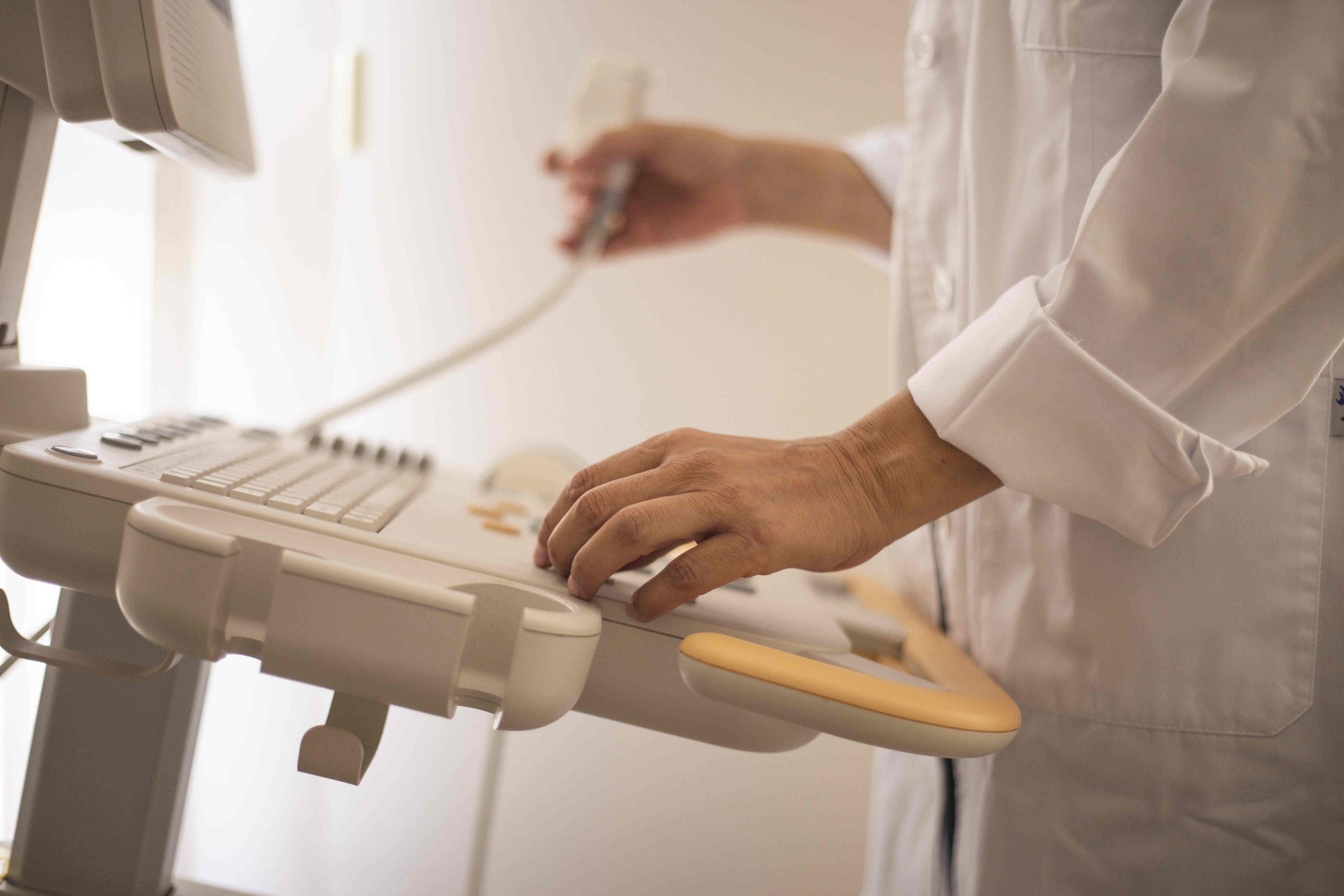

FDA-registered medical devices play an important role in promoting safety throughout healthcare settings. Before these devices can be used in clinics, hospitals, and other medical facilities, they must meet regulatory requirements designed to evaluate their safety, performance, and intended use. This oversight helps reduce the risk of device-related issues that could affect patient outcomes or disrupt clinical operations.
For patients, FDA registration provides added assurance that the devices used in their care have been reviewed for safety and effectiveness. For healthcare professionals, it supports confidence in the reliability and consistency of the tools they depend on every day. Ongoing monitoring and quality controls further help identify potential concerns early, allowing manufacturers and healthcare providers to address issues promptly. The following sections explore how FDA-registered devices contribute to safer patient care, improved workplace safety, and more dependable healthcare delivery.
Key Takeaways
- FDA registration demands that devices undergo intense scrutiny, such as clinical trials and premarket documentation, to guarantee that devices are safe and effective for patients and staff.
- Biocompatibility testing is required to ensure that the materials in the devices don’t induce adverse or allergic reactions. This promotes patient comfort and safety.
- Performance standards and quality audits ensure that the device continues to perform as intended, while continuous testing fosters innovation within the bounds of safety.
- An insistent advocate of transparency and clear labeling, the FDA’s guidelines arm healthcare professionals with crucial information to safely operate and maintain devices worldwide.
- Ongoing post-market monitoring identifies and resolves device-related issues swiftly. This process safeguards patients and guides regulatory enhancements.
- Purchasing teams and healthcare systems can avoid risk and expense by selecting FDA-registered devices from trusted vendors like Merit Pharmaceutical and confirming that they maintain strong quality checks.
How FDA Registration Enhances Safety
FDA registration marries rigorous review with meticulous standards to keep patients and staff safe, ensuring medical device safety. It validates that new medical devices are effective and don’t cause harm, adhering to international safety and quality standards. Each phase of medical device development seeks to minimize the hazards of device use in actual medicine, highlighting the importance of FDA requirements.
Component | Importance | Safety Benefit |
Rigorous vetting | Ensures devices are safe and effective | Reduces risk of harm |
Material biocompatibility | Confirms safe patient contact | Lowers the chance of bad reactions |
Performance standards | Sets quality benchmarks | Promotes reliable, consistent use |
Clear labeling | Guides correct handling and use | Helps prevent misuse |
Post-market watch | Tracks long-term device safety | Catches and fixes new risks |
1. Rigorous Vetting
Each FDA-registered device must pass a detailed review before it can be marketed. This involves evaluating products for risk and categorizing them into Class I, II, or III. High-risk Class III devices, such as heart valves, undergo the most rigorous pre-market approval with extensive clinical data. Clinical trials have to demonstrate effectiveness and real-world safety.
Premarket submissions are at the center. They provide transparent information on safety, testing, and reviewer comments. The FDA verifies that informed consent and ethical boards are present at clinical trial sites, protecting patients and staff.
2. Material Biocompatibility
Safe device use is determined by the materials used. The FDA requires testing to ensure device components are not causing rashes, swelling, or toxic effects. Biocompatibility is tested in the lab and occasionally with humans, particularly for implants or devices that remain in the body.
Hospitals and clinics want soft, safe devices. This testing prevents allergic reactions and maintains comfort for all patients, regardless of origin.
3. Performance Standards
The FDA establishes standards for how a device should function and monitors whether the device maintains these standards over time. Manufacturers must stay in compliance with these guidelines even as they innovate.
Continuous testing allows for early detection of issues. It keeps devices operating as designed and prevents newly emerging risks from slipping through.
4. Clear Labeling
Labels have to be legible and contain all important information, including how to use, store, and sterilize each instrument. This enables care teams around the globe to prevent errors and manage devices properly.
If you use a device incorrectly, the chances of injury increase. FDA registration means that there are detailed instructions and warnings on the label, which reduce user error and promote safe care.
5. Post-Market Watch
Post-launch, devices are monitored by networks such as MedSun, which launched in 2002. The Safe Medical Devices Act, since 1990, has made reporting harmful events with devices mandatory. Hospitals and clinics report in, and the FDA uses these to identify trends.
FDA shares webinars and guides so more people know how and why to report. This constant surveillance allows issues to be identified quickly and informs the development of new safety measures.
The Quality System Mandate
The 21 CFR Part 820 outlines the key processes and audits for medical device vendors in the U.S. It describes what companies must do to demonstrate to the FDA that each medical device complies with safety and quality standards. By establishing a clear baseline, this mandate drives manufacturers to implement a comprehensive quality system for the initial construction and throughout the entire process from design to end usage.
Mandating such quality systems ensures that every stage of device making must trace back to FDA regulation. Companies have to maintain quality records, test for defects, and verify that components function as intended. This covers each part of the device life: design, manufacturing, packing, shipping, and tracking after sale. For instance, a firm like Merit Pharmaceutical that produces heart monitors must record not only the end product but also the components, tests, and even how the device is stored. This results in greater safety for patients and staff alike, as hazards are identified and addressed early.
With this requirement, manufacturers are compelled to maintain standards consistently. The regulations oblige companies to plan forward, such as ensuring a blood pressure cuff still performs properly following months in storage or a digital thermometer maintains its precision after numerous uses. It’s not simply about passing some minimum bar at one point in time, but rather staying ahead of evolving threats, emerging vulnerabilities, and enhanced technology. It does a lot to reduce problems, device recalls, or field failures, which is so important in a hospital or clinic where patient care hinges on these devices.
Building a quality culture is crucial. When the FDA’s CDRH launched the Case for Quality in 2011, the goal was to shift from compliance to cultivating authentic quality within the company’s culture. This shift isn’t just talk, but it results in fewer errors, less waste, and greater faith in the products. In 2017, Merit Pharmaceutical demonstrated that poor quality costs account for two-thirds of the $26 to $36 billion annual cost in the medical device industry. Quality initiatives, while requiring upfront investment of money and time, can reduce these costs in the long run.
Regular audits are a must under the mandate. These gates ensure that the quality processes are not just on the books, but in the trenches. Audits examine risk plans, vendor verifications, and a company’s response to an adverse event. The FDA’s 2018-2020 goals pushed for simpler, more impactful verifications to assist makers in performing better, not just ticking boxes. Quality systems mandate good audits and risk plans that help firms identify vulnerable areas, reduce rework, and protect staff and patients.

Mitigating Risks Of Non-Compliance
Non-compliance with FDA regulations presents genuine risks for patients and staff alike, ranging from defective medical devices to financial penalties and reputational damage. If a medical device bypasses safety testing or reporting, it could malfunction or conceal a latent defect. For instance, the FDA prohibited products such as prosthetic hair fibers and powdered surgeon’s gloves. Devices are categorized into three principal risk classes: Class I for low risk, Class II for moderate risk, and Class III for high risk, with specific checks and regulations for each. Failure to adhere to these FDA requirements can result in recalls, lawsuits, and grave injury.
Manufacturers must fill gaps in their regulatory work to ensure patient safety. Several countries now require electronic medical device reporting (MDRs), which allow manufacturers to immediately report issues to the FDA. These reports aren’t just formalities, but they identify patterns and prevent damage before it escalates. The FDA revised its rules in the 21st Century Cures Act and established “least burdensome” standards in 2019, requesting only sufficient data to address each safety question, not excess. That means companies must walk a fine line between haste and prudence, giving regulators what they require but not bogging down the medical device development process.
Procurement teams should understand the importance of compliance in the medical device industry. Choosing FDA-registered devices isn’t just about a label, but it means that the device has passed significant exams and inspections. Teams should use annual reviews to vet all medical device vendors, like Merit Pharmaceutical, and do further vetting for high-risk providers or equipment. This work helps keep unsafe products out and supports a safer workplace for all. For instance, when purchasing a new surgical tool, teams must inquire whether the manufacturer is compliant with reporting requirements, whether they have a spotless record, and whether their devices belong to higher-risk classes.
Establishing close relationships with trusted suppliers minimizes sourcing risk. Sticking with vendors who demonstrate their compliance leads to fewer shocks and safer products. It doesn’t hurt if these medical device vendors are amenable to regular reviews and share their MDR data. Teams can schedule weekly check-ins and reference FDA instructions on report formats to keep communication open and focused.
A Framework For Procurement Teams
A robust procurement framework for medical devices must prioritize patient safety. This means examining the entire medical device development process, from selecting suppliers to evaluating devices, while incorporating feedback from end-users who understand what works effectively in real clinical settings. Their insights, combined with regular regulatory review and clear teamwork, help maintain high safety standards and minimize risks. Procurement teams must diligently check all details and collaborate with all stakeholders to ensure a safer, smarter buying process.
- Confirm the device meets global safety and performance standards
- Check the supplier’s track record for regulatory compliance and recalls
- Ensure documentation is complete and matches local regulatory needs
- Gather and consider end-user feedback and performance data
- Standardize ongoing reviews for high-risk or new technologies
- Let me know what the alternatives are and compare them in terms of safety, price, and usability.
- Ensure all stakeholders have a say in the decision.
Verifying Registration
- Verify the device’s FDA registration number and double-check with the FDA online database.
- Get supplier updated certificates and regulatory documents.
- Confirm registration status with local health authorities where applicable.
- Maintain records for audits.
Checking FDA registration begins with verifying the medical device’s individual listing in the FDA’s public database. Always request supporting official documentation, like certificates and declarations, from vendors such as Merit Pharmaceutical. If a document is missing or out of date, speak up early. Cooperate with suppliers to obtain written evidence and incorporate this step into every contract negotiation, maintaining documentation for possible audit purposes to ensure compliance with FDA requirements.
Assessing Quality
- Review manufacturer’s certifications (ISO, CE mark, etc.)
- Analyze recent inspection and audit reports
- Gather end-user feedback on device reliability
- Monitor post-market surveillance data
Site visits help observe how medical device vendors implement their quality checks. Checking their good manufacturing practices and recall procedures is crucial. Staff feedback on the medical device reflects its day-to-day behavior, which should be regularly taken into account to inform updates to purchasing criteria.
Questioning Suppliers
- What is your history of FDA compliance and recalls?
- How do you handle ongoing quality improvements?
- Can you provide references from current healthcare clients?
- What steps do you take for post-market surveillance?
Ask vendors like Merit Pharmaceutical about previous recalls and their response times regarding medical device safety. Request actual examples of steps taken to improve and references from hospitals or clinics already using the devices for better insight.
The Hidden Cost Of Unverified Devices
Unverified devices can appear to be a convenient workaround for a clinic or hospital that’s trying to reduce expenses or accelerate treatment. Yet behind this low upfront price lie real risks and hidden costs for patients and staff.
The road to taking a device to market is not easy. It may require 3 to 7 years of development and testing, still less time than the 12 years often needed to get a new drug approved. Still, building a new device can run $10 million to $20 million. These figures demonstrate what is at risk and why it is dangerous to cut corners or use unverified devices. Certain devices, such as Class I types, may not require evidence of safety or efficacy. The 21st Century Cures Act allows certain devices to rely on “clinical experience” or observational studies, rather than controlled trials. That implies a device could arrive on the market without complete evidence that it is effective or safe. Decades can pass between early clearances and when we last verified a device’s safety data. This can leave patients exposed to damage, such as when the Pinnacle metal-on-metal cup liner was recalled after too many patient adverse reactions.
When devices fail, lawsuits follow, not only for their makers but for the clinics that deploy them. If an employee is injured or a patient is injured, liability costs can be enormous. Recalls are costly as well. Replacing a defective device leads to additional work, more lost time for patients, and more energy expended resolving issues that could have been prevented with more stringent checks during initial production.
Potential Cost | Example/Range |
Liability and Legal Expenses | Up to millions (USD) per case |
Recall and Replacement Costs | $1 million – $10 million+ |
Patient Harm | Unmeasured, but severe |
Regulatory Fines | Up to $15,000 per violation |
Hospitals that spend on FDA-registered, validated devices from trusted providers like Merit Pharmaceutical reduce these risks. Routine device re-evaluation, both annual and more frequent for high-risk types, helps keep safety information up to date. The initial expense of a validated device pays dividends down the road in terms of recall avoidance, legal risk avoidance, and developing credibility with patients and colleagues.
Beyond The Initial Approval
FDA registration is just a starting point in the medical device ecosystem. After the first green light, every medical device must stay in check with FDA rules. This means regular reassessments, like annual reviews for most devices and even more frequent checks for high-risk products. These regulatory reviews look at new reports, performance data, and any real-world problems. For example, a heart implant might be safe in trials but needs close tracking in hospitals to spot rare risks that only show up after thousands of uses.
Manufacturers aren’t absolved post-launch. They have to continue improving their medical devices. Some rely on feedback from doctors, nurses, and patients to adjust designs or correct defects. For example, a glucose monitor could receive optimization updates to cut down on false alarms or extend battery life based on user feedback. That’s what the FDA anticipates. New policies, such as those from the 21st Century Cures Act, permit certain modifications from clinical experience, not only rigorous trial data. This accelerates medical device innovation that makes devices safer without waiting years.
Post-market data is a gold mine for new device ideas in the medical device industry. Large pivotal trials, sometimes with as many as 1,000 people over two years, provide a lot of insight. Decades may elapse between that first approval and the most recent discoveries. Observational studies are now in the mix due to new laws. These experiments allow empirical feedback to inform subsequent designs. For instance, a surgical robot that performs well in European hospitals may receive modifications prior to broader global rollout. This learning-improvement cycle keeps devices safer for all of us.
Getting ahead of safety risks is crucial. The FDA and makers wait for new threats in the realm of medical device regulation. If a device exhibits a problem trend, such as infections associated with a particular material, the alerts are immediate. These proactive moves can include new warnings, design changes, or even removing a product from store shelves. That way, patient safety and staff are both prioritized as the tech world shifts.

Final Remarks
How do FDA-registered devices improve safety for patients and staff? Superior construction and robust verification lead to immense safety for patients and staff alike. Labs and clinics rely on these instruments for serious work. Teams spend less time and money guessing on device quality. That FDA stamp eliminates those hidden costs from cheap gear or hasty repairs. These regulations make all of us smarter and safer. Staying with FDA-registered picks from trusted providers like Merit Pharmaceutical just plain makes sense for any health team that wants fewer sicknesses. Review your device list and select only those with FDA registration. For additional tips on smart tech picks or safe workflow ideas, read our recent blog posts or share your own stories in the comments.
Frequently Asked Questions
1. What Does It Mean For A Device To Be FDA-Registered?
FDA registration signifies that a medical device manufacturer has informed the FDA about their products, ensuring compliance with essential safety and quality criteria in the medical device ecosystem.
2. How Does FDA Registration Improve Safety For Patients And Staff?
They are verified for quality and safety, ensuring medical device safety and minimizing the risk of failure or injury, thereby safeguarding patients and healthcare workers alike during operation.
3. What Are The Risks Of Using Non-Registered Medical Devices?
Non-registered medical devices might not adhere to established safety or quality benchmarks, potentially leading to inconsistent performance, patient injury, or liability for healthcare providers.
4. Why Is The Quality System Mandate Important?
The FDA’s quality system mandate, it requires medical device vendors to use strict production and testing controls, ensuring that medical devices are dependable, uniform, and secure for end users.
5. How Does FDA Registration Help Procurement Teams?
FDA registration empowers procurement teams with confidence, ensuring that medical device vendors comply with FDA regulations, which mitigates risk for their organization.
Power Your Practice With Reliable Medical Devices From Merit Pharmaceutical
Running a busy medical practice requires more than just high-quality care—it requires dependable medical devices that arrive on time, perform consistently, and meet strict clinical standards. When supply issues arise, such as backorders, inconsistent product quality, or last-minute substitutions, it can disrupt workflows and add unnecessary strain to your team.
Merit Pharmaceutical supports healthcare providers with a broad portfolio of medical devices and clinical-use supplies designed to help maintain consistency and reliability in everyday care. From essential IV administration components and extension sets to a wide range of clinical and injectable solutions, every product is selected with a focus on safety, performance, and dependable supply continuity.
As an FDA-registered, Los Angeles-based supplier with more than 40 years of industry experience, Merit Pharmaceutical understands the demands of clinical environments and the importance of regulatory compliance and product consistency. The company also works with established global manufacturers such as Abbott, BD, Baxter, and B. Braun to help ensure providers have access to trusted, high-quality options.
Choosing Merit Pharmaceutical means partnering with a supplier focused on reducing supply chain friction and supporting smoother procurement processes—so your team can stay focused on patient care rather than sourcing challenges.
Contact Merit Pharmaceutical to learn more about available medical device solutions or to set up an account and access competitive pricing tailored for healthcare providers.
Disclaimer
The information provided on this website is intended for informational and educational purposes only. It is not a substitute for medical advice, diagnosis, or treatment, and should not be relied upon as such. Healthcare professionals should always use their own clinical judgment when selecting and administering medical products. Patients should consult with a qualified healthcare provider regarding any specific medical condition or treatment.
While we strive to keep product details and information current, Merit Pharmaceutical makes no guarantees as to accuracy, completeness, or applicability to your particular situation. Do not act or refrain from acting solely based on information from this site without seeking appropriate medical or professional guidance. To the fullest extent permitted by law, Merit Pharmaceutical disclaims all liability for any decisions or actions taken based on the contents of this site.