Effective training is essential when introducing new medical devices into a healthcare setting. Proper education helps ensure that clinicians and staff understand how to operate equipment safely, use its features correctly, and respond appropriately to potential issues. A well-structured training program not only supports patient safety but also helps healthcare professionals feel more confident and prepared in their daily responsibilities.
Many healthcare organizations use a combination of instructional methods, including presentations, training videos, hands-on demonstrations, and supervised practice sessions. Staff members are often given opportunities to work directly with new devices, ask questions, and complete real-world scenarios that reflect clinical use. Competency assessments, quizzes, and practical evaluations may also be used to confirm that users can operate the equipment effectively before it is used in patient care. In addition, reference materials and refresher resources help reinforce knowledge over time. The following sections examine common training approaches, best practices, and strategies for maintaining long-term proficiency with medical devices.
Key Takeaways
- Conducting thorough needs assessments and designing structured training programs are essential for ensuring that staff develop the required competencies for new medical device operation across diverse clinical settings.
- Hands-on practice, everything from simulation training to collaborative sessions, really makes the difference in enabling staff to feel confident and capable, transitioning from the technical knowledge into real-world application.
- Competency verification and refresher training are critical components to sustaining proficiency, helping clinics maintain high standards of use and adapt to technological updates.
- Collaborating with device manufacturers provides advanced technical knowledge, real-time support, and tailored resources that are critical for onboarding and ongoing learning.
- Tracking training efficacy via clinical outcomes, staff confidence, and operational data enables actionable feedback to fine-tune training and optimize patient safety.
- To have hard conversations about training challenges like lack of time, resistant staff, and technology gaps, be flexible, transparent, and foster an environment of psychological safety and peer mentorship.
The Core Training Framework For New Medical Devices
Effective training for new medical devices is a structured process that starts with clear needs assessments and stretches to ongoing learning. Clinics face the dual challenge of meeting strict regulatory standards and ensuring every staff member builds the skills needed to use new tools safely. The framework below covers the main stages and strategies used by clinics worldwide.
1. Needs Assessment
Clinics begin by determining what staff already know and what the knowledge gaps are. We accomplish this via surveys, brief presentations, and interviews. It’s not only technical; we also cross-reference the skills necessary for day-to-day patient care with leadership. They collaborate with team leads and clinical managers to identify the critical tasks and align training with practical requirements. Hazardous or complicated subjects take precedence. This allows the clinic to focus its time where it counts.
2. Program Design
With the needs identified, clinics develop a training plan. Each plan details what staff are going to learn, how they will learn, and when. There’s no magic formula, but certain personnel require additional hands-on training, while others require deep dives into the software. Many clinics implement a combination of online modules, peer training, and quick, focused bursts like five-minute team meeting talks. They can’t be generic. The training has to match the device, and it has to be simple to use. Each objective is concrete, so it’s easy to verify if the training succeeds.
3. Hands-On Practice
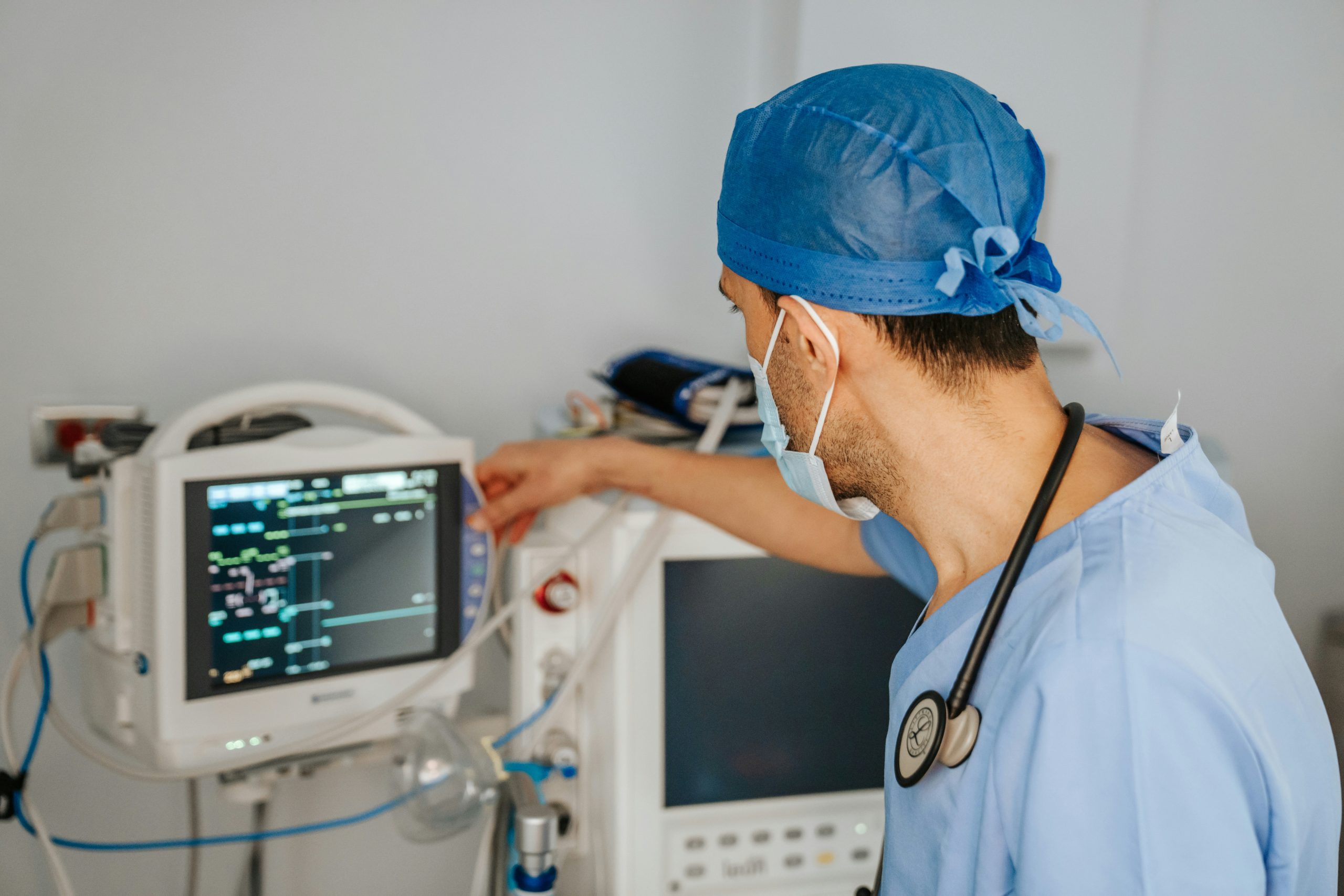
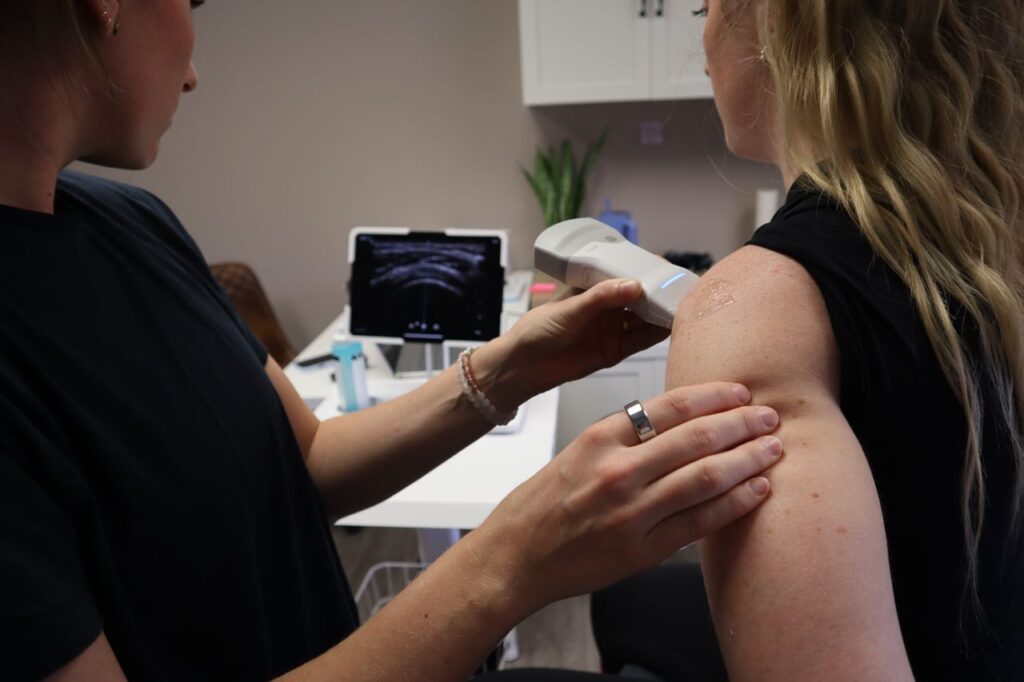
It’s practice that makes the biggest difference. Employees use equipment in captive settings, often with a vendor demonstrating the fundamentals. Clinics establish life-like simulations, so squads can get accustomed to the device in real time. They think best when small groups practice together, swapping tips and assisting one another. Trainers provide immediate feedback, correcting errors early. Short, repeatable sessions accommodate busy schedules and increase confidence.
4. Competency Verification
Staff must show they can use the device safely. Clinics set clear ways to test this, like checklists or skill tests. Checks don’t stop after training. Regular reviews are part of the job. Results are logged, so leaders see who needs extra help. Peer review is common, making staff accountable to each other as well as to managers. This meets regulatory requirements and ensures devices work as the maker promised.
5. Sustained Proficiency
Learning doesn’t stop at the initial training. Clinics conduct follow-ups and refreshers, particularly when a device switches. We post updated guides for staff to reference as needed. Super users, staff who know the device inside and out, help train others. Routine check-ins and feedback keep everyone current.
The Manufacturer’s Critical Role
Device makers define the context in which clinics educate their staff regarding new tools. Their feedback defines the initial courses, informs ongoing education, and maintains faculty prepared for industry shifts. Clinics frequently collaborate with device makers to align training goals with actual needs. That means deciding what to teach, how thorough to be, and how to stay current with new developments. Makers provide wide exposure, based on thousands of users and various care settings. This assists clinics in identifying problems early and developing training that suits actual needs.
Initial Onboarding
Powerful onboarding is about more than a fast tour. It begins with a schedule that introduces new employees to the fundamentals, including how the equipment functions, what safeguards are important, and essential dos and don’ts. Makers provide step-by-step instructions, videos, and interactive tutorials to assist. Spec sheets, safety checks, and real use cases are all covered in these resources. Experienced personnel, such as equipment nurses, can intervene with anecdotal experiences and minutiae, rendering the process less conceptual and more tangible.
Our staff needs to understand what’s required, how to manage, clean, and use the device while keeping patients safe. Makers can tailor training to the clinic’s precise needs, such as a pediatric ward or an operating room. Clinics ensure that any device in use aligns with the manufacturer’s specifications and that no step is overlooked in terms of setup or inspections.
Technical Support
It takes more than a manual to keep devices going and growing. Makers provide help lines, repair squads, and rapid responses for emergency issues. Clinics educate staff to document errors transparently and communicate information to support teams. They explain what occurred, what actions were attempted, and what risks exist for patients.
A nice library of FAQ sheets, quick guides, and sample reports helps teams solve common problems independently. Having these resources close at hand translates to less time waiting and more time treating patients. The manufacturer plays an equally critical role, as makers use feedback from multiple clinics to identify patterns and disseminate updates or repairs. Open discussion of issues and solutions enables clinics to learn quickly and bypass errors.
Advanced Training
For deeper cases, such as special scans or rare treatments, manufacturers provide masterclasses. These sessions explore bonus functionality and demonstrate how to leverage the device for hard cases. Clinical experts, typically from the manufacturer’s end, provide advice from elsewhere or from research. The staff joins if their work requires more advanced skills or if the clinic introduces new techniques. Makers assist clinics in determining whether further training may be required by reviewing error rates or device usage statistics. These high-level lessons help teams stay sharp, up-to-date, and confident that they’re using the device as safely as possible.
Measuring Training Impact Beyond Completion
Measuring the impact of staff training with new medical devices is more than simply measuring training completion. Clinics require tangible ways to determine whether the training results in improved patient outcomes, robust user confidence, and optimized workflow. The table below shows some common metrics used to check if training works:
Metric | What It Measures | How It’s Used |
Patient Outcome Scores | Health results after device use | Compare data before/after |
Device Error Rates | Frequency of misuse or malfunction | Spot training gaps |
Staff Confidence Surveys | Self-reported comfort and skill | Track learning over time |
Task Completion Time | Speed of device-related processes | Gauge workflow improvement |
Compliance with Protocol | Adherence to manufacturer guidelines | Ensure safe, proper use |
Retraining Participation | Staff engagement in follow-up training | Check long-term retention |
Clinical Performance Outcomes
- Establish baseline patient outcome data before training and then continue tracking after device utilization.
- Gather reports of negative incidents or complications associated with device usage.
- Compare clinical outcome metrics to identify gaps where staff may not fully understand or apply the training.
- Use the results to inform your training content and approach, and real-world cases.
- Feature success stories where training made a difference in patient safety or recovery.
Information from adverse events, even those that are minor, assists clinics in identifying training or device familiarity vulnerabilities. This data helps determine what should receive additional emphasis in future sessions.
User Confidence
Staff confidence grows through real practice, not just slides. Surveys and self-assessments let staff share how they feel about using new tools. Peer talks can help staff swap tips and calm nerves, especially when learning complex devices. Recognizing when someone reaches a milestone, like safe first use under supervision, lifts morale and shows progress.
Short refresher sessions or 1-on-1 coaching, especially for specialists, can target hard features or reduce tech anxiety. Super users or mentors provide continued assistance, so new users find it less intimidating to raise questions and develop proficiency.
Operational Efficiency
Measuring how much time your staff used to spend on device tasks, before and after training, provides real insight into those workflow gains. If tasks get faster and errors fall, training works. Clinics can understand where slowdowns occur, perhaps with a new feature, and leverage that data to conduct targeted refreshers. Periodic audits of operational metrics, such as average setup time or adherence to device checks, maintain the emphasis on continuous advancement.
Brief, targeted training, maybe even on a single tricky feature, is easy to accommodate into packed schedules and maintains skill freshness. Peer-to-peer or small-group sessions led by super users provide ongoing feedback and quicker troubleshooting.
Overcoming Common Training Hurdles
Training employees on new medical devices has its own set of hurdles. Clinics have to overcome barriers such as a lack of time, resistance to change, and insufficient technology skills to make sure all staff members can operate devices in a secure and efficient way. Smart training is practical, uses the power of both group and individual learning, and encourages transparency to address issues immediately.
Time Constraints
It’s hard for clinics to find time for training without impacting patient care. Microlearning means making short, focused training bite-sized, enabling your staff to learn in short bursts and optimizing the little time they have. Online and virtual training sessions bring an extra degree of flexibility, allowing staff to get through modules during slow periods or while working remotely. Not all topics are created equal, so clinics address the most important device features and safety issues up front. This focused methodology guarantees that essential skills are acquired even when time is limited. We schedule sessions in less busy hours, either early morning or late afternoon, which minimizes disruption to patient schedules. Overseeing personnel’s initial deployment of a device grounds essential skills and provides real-time feedback, ensuring patient care quality is upheld.
Staff Resistance
Employees might be reluctant to embrace new technology, particularly if they’re content with existing workflows. Engaging staff early by gathering feedback or getting them involved in pilot testing can reduce pushback. Framing these in terms of tangible real-world benefits, such as quicker patient recovery or more accurate diagnoses, allows staff to look past the learning curve. Tackling concerns head-on, whether it is a potential risk or the device is too limiting, creates confidence. A few clinics have found that recruiting esteemed colleagues as “device champions” aids in buy-in and reduces group stress. These advocates can talk about their experiences and address questions, so they can make change seem less intimidating.
Technology Gaps
Varied levels of staff comfort with technology can impede training. Clinics take tech skill baselines at the outset and then drive training to the appropriate levels. Less experienced staff should receive additional assistance, like personalized coaching or bonus sessions on fundamental device functions. Access to detailed user reports and interactive resources enables all to learn at their own speed. By pairing tech-savvy team members with those less familiar, you promote collaboration and peer learning. Specialist physicians could have personalized sessions, while periodic retraining and competence checks ensure that all users are up to the manufacturer’s standards.
The Human Factor In Device Adoption
How clinics actually adopt new devices is a lot more than reading a manual or following instructions. The heart of effective adoption is the human factor: how real staff learn, adapt, and grow confident in using new tools. Human factors and usability engineering design and test for safer, friendlier devices, but their full impact hinges on how clinics assist people to acclimate. Your real-world training needs to mirror your day-to-day environment, staff requirements, and the unique combination of skill levels and expectations found in every clinic.
Psychological Safety
Employees need to sense security when adopting new devices, particularly in tense situations. Such a culture supports candid discussion of what is effective and what is problematic. Check-ins, both group and one-on-one, help identify issues before they become impasses and keep stress at bay. Mistakes, after all, aren’t merely tolerated but regarded as part of the road to mastery, a mentality that helps alleviate the fear of erring on a patient’s behalf. Workshops emphasize actual feedback, frequently employing user satisfaction surveys with Likert scales to identify pain points and monitor improvement. Clinics that embrace every voice, from junior nurses to seasoned doctors, experience faster adoption and fewer expensive mistakes.
Peer Mentorship
Creates connections between novice and experienced users. Pairing up staff by device experience allows expertise to spread organically. Senior clinicians conduct practical workshops, imparting advice that manuals omit, such as how to wear small, wearable devices or reposition controls for various hand sizes. A community develops as staff share victories and process disappointments as a group. Team members are eager advocates for late adopters, and impromptu peer-led workshops keep the skills sharp. We don’t consider something successful solely because of device uptime but by how confident everyone ionthe team feels.
Leadership Buy-In
Essential for enduring change. When senior leaders attend training, employees notice. Management signals support by funding deep programs, hiring usability specialists, and allowing staff time to learn, not hurry. In several clinics, leaders emphasize that improved device utilization results in more secure treatment and satisfies increasing criteria. Regulations are only intensifying over the next five years. Top-down strategic messages tie device adoption to the mission of patient safety, establishing priority.
Future-Proofing Your Training Strategy
Training staff to use new medical devices isn’t a one-and-done activity. It just keeps rolling. It is critical to help staff keep up as clinics introduce new tools or refresh old ones. Staff need to grab what they need initially, then learn more as they engage with the device over time. Retraining and skills checking just once or twice a yearhelps ensure staff know what they’re doing, even with contingencies or safety measures they may overlook. For rare or seldom-used features, staff could use additional nudges or a crash course to keep these skills fresh.
Working with vendors is a must. Clinics can’t simply purchase the device and wish for the best. They must cultivate robust vendor relations. That way, vendors can assist in calibrating training to match the clinic’s way of working, not just whip through a generic demo. It helps to put in the book rules around what vendor-led training should look like, who attends, and how to manage updates. If the device receives new functionality or safety warnings, clinics must have a strategy to communicate these updates immediately.
New methods to train, such as microlearning and gamification, have a big impact. Microlearning breaks big lessons into brief, focused pieces. This allows team members to experience training in a manner that matches their daily work. Gamification, such as turning tasks into games or quizzes, can keep staff more engaged. It may even increase their retention. Here are some examples of new training methods:
Training Approach | How It Works | Example Use Case |
Microlearning | Short, focused lessons | Mobile app on device setup |
Gamification | Games, points, and quizzes | Quiz on safety checks |
Simulation-based | Practice in a virtual or mock setting | Simulated surgery with a new tool |
Peer-to-peer training | Staff teach each other | The senior nurse shows the new nurses |
As clinics grow, training needs to grow. With more staff joining or new devices rolling out, clinics require a strategy to future-proof their training. Staff feedback is critical. After each course or refresh, solicit feedback from staff on what was effective and what was not. Leverage this to continue improving the program. Identifying where employees excel or have difficulty allows you to future-proof your training strategy.
Final Remarks
How do clinics train staff on new medical devices? They provide practical assignments, actual case trials, and intensive supervision. Our trainers demonstrate every step in person, not just with slides or manuals. Makers frequently attend these sessions and respond to questions immediately. Good clinics solicit feedback from staff and use it to address weak spots. They keep their lessons short and real, not stuffed with jargon or tech-speak. Teams build trust by exchanging victories and insights. Strong leaders support the effort with time and resources. Clinics that do all this develop rockstar teams that catch on quickly and wield every new instrument with mastery. Got a story or tip to share? Leave a comment below and join the conversation.
Frequently Asked Questions
1. How Do Clinics Start Training Staff On New Medical Devices?
Clinics start with a training framework. This means incorporating hands-on demos, supervised practice, and detailed instructions. This method ensures personnel know device operations and security.
2. What Role Do Manufacturers Play In Device Training?
Manufacturers send them the manuals and hold a class with their experts and technical support. Their expertise enables clinics to provide precise and safe training.
3. How Do Clinics Measure The Effectiveness Of Device Training?
Clinics use assessments, direct observation, and feedback surveys. These tools help ensure staff can operate devices confidently and safely in real-life scenarios.
4. What Are Common Challenges In Training Staff On New Devices?
Typical pitfalls involve limited training time, differing competencies, and pushback to change. Tackling these up front enhances training and device uptake.
5. How Important Is Staff Engagement In Training Success?
Engaging the staff is crucial. Hands-on experience and dialogue with expert clinicians, along with follow-up support, result in greater comprehension and utilization of devices.
Power Your Practice With Reliable Medical Devices From Merit Pharmaceutical
Running a busy medical practice requires more than just high-quality care—it requires dependable medical devices that arrive on time, perform consistently, and meet strict clinical standards. When supply issues arise, such as backorders, inconsistent product quality, or last-minute substitutions, they can disrupt workflows and add unnecessary strain to your team.
Merit Pharmaceutical supports healthcare providers with a broad portfolio of medical devices and clinical-use supplies designed to help maintain consistency and reliability in everyday care. From essential IV administration components and extension sets to a wide range of clinical and injectable solutions, every product is selected with a focus on safety, performance, and dependable supply continuity.
As an FDA-registered, Los Angeles-based supplier with more than 40 years of industry experience, Merit Pharmaceutical understands the demands of clinical environments and the importance of regulatory compliance and product consistency. The company also works with established global manufacturers such as Abbott, BD, Baxter, and B. Braun to help ensure providers have access to trusted, high-quality options.
Choosing Merit Pharmaceutical means partnering with a supplier focused on reducing supply chain friction and supporting smoother procurement processes—so your team can stay focused on patient care rather than sourcing challenges.
Contact Merit Pharmaceutical to learn more about available medical device solutions or to set up an account and access competitive pricing tailored for healthcare providers.
Disclaimer
The information provided on this website is intended for informational and educational purposes only. It is not a substitute for medical advice, diagnosis, or treatment, and should not be relied upon as such. Healthcare professionals should always use their own clinical judgment when selecting and administering medical products. Patients should consult with a qualified healthcare provider regarding any specific medical condition or treatment.
While we strive to keep product details and information current, Merit Pharmaceutical makes no guarantees as to accuracy, completeness, or applicability to your particular situation. Do not act or refrain from acting solely based on information from this site without seeking appropriate medical or professional guidance. To the fullest extent permitted by law, Merit Pharmaceutical disclaims all liability for any decisions or actions taken based on the contents of this site.