Key Takeaways
- Injectable pharmaceuticals are crucial in IV therapy because they allow for immediate, precise, and targeted delivery of medications, which is vital in emergencies and personalized treatments.
- You gain optimally dosed medication in IV therapy, as professionals optimize medication administration per your unique requirements, increasing therapeutic benefits and reducing side effects.
- Knowing drug compatibility is crucial to your safety in IV therapy. Doctors rely on compatibility resources and continuous training to prevent dangerous interactions and mistakes.
- Stringent protocols for safe administration, with meticulous verification, appropriate dilution, and ongoing patient monitoring, are essential to safeguard your health and preserve the efficacy of your IV therapy.
- Systemic barriers like drug shortages, regulatory challenges, and training gaps affect the quality of your care. Healthcare systems must combat these through contingency planning, policy advocacy, and standardized training.
- Advances in IV drug delivery technology and personalized medicine promise to improve your experience and outcomes. Ongoing evaluation and value assessments help justify the use of injectable pharmaceuticals in cost-effective patient care.
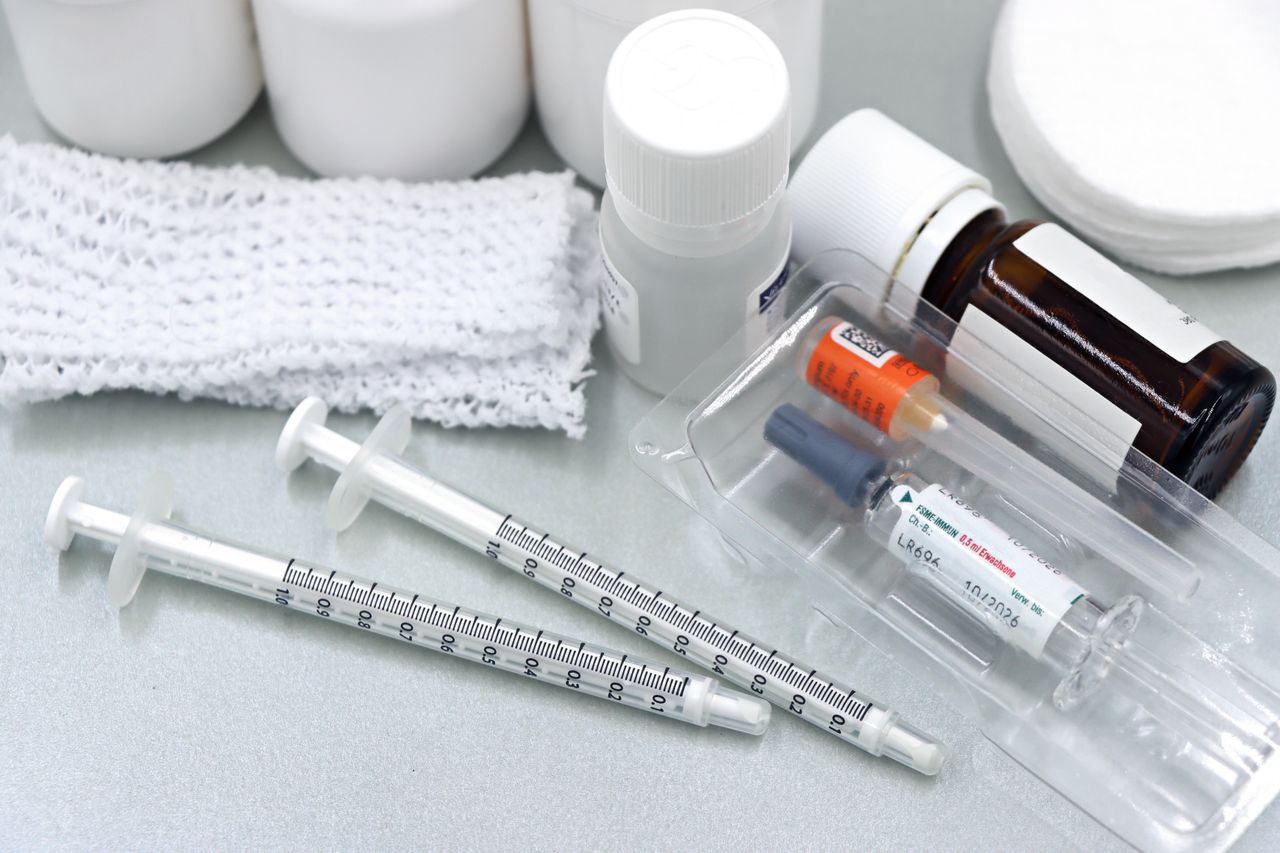
Here’s where the injectable pharmaceuticals come in. They allow you to get necessary medications or fluids directly into your bloodstream. These medicines can be employed for rapid treatment, enhanced dosing, or when oral medications fail. Several IV therapy regimens employ injectables to address infections, pain management, or rehydration, with doses customized to your requirements. Hospitals, clinics, and even some home setups utilize these for more control over care and speedier results. When you sign up for an IV program, you trust professional staff to compound and administer these medicines with care. To find out what injectables can do for your health, you need to understand how they fit into IV therapy and what options you can choose from for your needs.
The Role Of Injectables In IV Therapy
Injectables have become a cornerstone of intravenous administration, providing targeted treatment and exact control over patient requirements. They avoid the digestive tract, guarantee instant results, and assist you in keeping peak drug concentrations in your bloodstream. Their application has spread around the world, from emergency and high-acuity hospitals to boutique elective wellness clinics, highlighting the importance of an IV compatibility tool to minimize risks and optimize benefits.
1. Direct Delivery
Injectables are what make intravenous therapy so powerful because they let you deliver medications straight into your bloodstream. This method bypasses the digestive tract, allowing the drugs to act quickly without any loss in the process. For those who can’t swallow pills or are unconscious, peripheral IV access is frequently the sole secure treatment path. You witness this in trauma rooms or when someone requires a quick hit during surgery. Infusion pumps allow us to regulate precisely the amount and rate of the IV fluids, which is crucial for your safety.
Some patients — like those battling severe nausea or gut issues — depend on this form of delivery. If you’re in a circumstance where time is of the essence, such as a car crash or major surgery, direct delivery is a lifeline. IV therapy began in the 19th century for cholera epidemics. It is now employed for a range of treatments, including antibiotics, pain medication, vitamins, and emergency medications.
2. Precise Dosing
Precision is key with IV therapy. You require the appropriate dose for your weight, age, and medical history, or you’re at risk for side effects. The healthcare team relies on formulas, tables, and occasionally software to determine the appropriate dosage for you. Pre-filled syringes are standard. They reduce errors and ensure you receive what you require, not a drop more.
Double-check the dose before administering any IV medication. This sounds rigid, yet it’s how they protect you from mistakes. In countries with lower digital health penetration, manual checks and standard operating procedures matter even more.
3. Rapid Action
Feature | Example Use | Effect in Emergencies |
Immediate onset | Epinephrine for allergy | Stops anaphylaxis in seconds |
Fast absorption | Morphine for pain | Quick pain relief after trauma |
Direct effect | Naloxone for overdose | Reverses opioid toxicity fast |
Reliable access | Diazepam for seizures | Halts status epilepticus |
In acute care, you need intravenous medications that work now, not later. IV injectables such as epinephrine, naloxone, or morphine are staples in ambulances, ERs, and even field clinics. The immediate availability of these IV medications can be the difference between life and death, which is why critical care units always have them at the ready.
4. Sustained Infusion
Sustained infusion means your drug is dripped in slowly over hours or days. This maintains a constant drug level in your bloodstream, which is crucial for scenarios such as chemotherapy or insulin. It’s a mainstay for chronic diseases requiring long-term, stable dosing.
These continuous infusions keep you out of the hospital longer and on your regimen. The technology here, smart infusion pumps, tracks and adapts flow rates to your body’s response, keeping things safe and trustworthy.
5. Critical Care
IV injectables are your strike force for critical care, fast action. If you’re treating serious infections, organ failure, or sudden shock, these drugs allow you to act before things escalate. Complicated cases, such as sepsis, require this degree of control. Managing these meds requires special education, as errors can cause damage.
They’re crucial during transport, stabilizing you until you arrive at advanced care, be it another hospital or a specialized unit.

Navigating Drug Compatibility
Drug compatibility is at the heart of safe intravenous therapy. Incompatibility can lead to adverse reactions, medication errors, and compromise patient safety. When administering IV medications, whether in one syringe or through the same IV line, it’s crucial to consider compatibility. Incompatibility can often cause significant drug issues, with nearly half of IV patients encountering these complications; incompatibility is the culprit in about 41% of cases. Utilizing an IV compatibility tool, such as reliable reference databases and mobile apps, is essential for cross-checking drug combinations in fast-paced care environments. Ongoing training on compatibility best practices is vital for healthcare teams, as protocols and drugs frequently change. These safeguards are not only best practices but also life-saving measures.
Physical Incompatibility
Physical incompatibility occurs when two drugs or a drug and IV solution react and cause a visible change, such as a cloudy solution, color change, or precipitate. These reactions can clog the IV line or even endanger the patient if particles get into their bloodstream. Visual cues such as small crystals or a cloudy look should always warn you to pause and reconsider the combination, as such changes usually indicate the medications aren’t compatible to administer together.
For reduced risk, use IV solutions with each drug that are known to be compatible. Mixing methods count as well. Drug Compatibility: Add drugs in the proper sequence and stir gently, not vigorously. If you notice any transformations in the solution, do not give it. Flushing the line with a compatible fluid after each drug prevents mixing and maintains the patency of the line. This is a standard practice in many clinics.
Chemical Incompatibility
Chemical incompatibility can be less obvious, occurring at the molecular level and potentially rendering IV medications ineffective or creating toxic byproducts. For instance, an antibiotic might lose its efficacy if mixed with a different drug that alters its chemical composition. Occasionally, the outcome is a novel compound that can injure the patient, highlighting the importance of using an IV compatibility tool to check for drug incompatibilities before administration.
Consulting drug compatibility databases is essential, especially since almost all incompatibility events occur between an IV bolus and an infusion or between two intravenous medications. Labels on syringes should always include key information: patient name, dose, time, and your initials, which helps reduce medication errors in hectic wards.
Stay educated and aware of new drugs or shifts in practice, particularly with high-alert drugs such as heart rhythm or blood pressure medications. This knowledge is crucial for safe intravenous administration and minimizes the risk of harmful confusion during IV medication administration.
Therapeutic Incompatibility
Therapeutic incompatibility occurs when the drugs interfere with each other or negate effects, and can cause treatment to fail. It is not about something they can see; it is about the outcome for the patient.
- Mixing a hypertensive drug with a hypotensive one can lead to unpredictable effects on blood pressure. It is essential to understand the potential interactions and complications that may arise from such combinations. Always consult a healthcare professional before making any changes to medication regimens.
- Like putting a sedative and a stimulant in the same IV.
- Combining anticoagulants with drugs that promote clotting
- Administering drugs with overlapping toxicities, like nephrotoxins
Know what you want the drugs to do for the patient, and select combos that facilitate, not sabotage the plan. Some good planning up front, combined with consideration of the entire drug regimen, keeps these problems at bay. Always consider what each drug contributes and what could happen if its effects overlap.
Protocols For Safe Administration
Safe administration protocols for injectable pharmaceuticals in intravenous therapy are your shield against errors and damage. Protocols for safe IV medication administration help you manage risk, maintain sterility, and ensure the correct drug gets to the correct patient. Following these protocols is not just a matter of compliance but rather of patient safety, fostering positive outcomes, and supporting best practices that translate globally.
Verification
Start with the basics: always verify the patient’s identity using two identifiers, such as name and date of birth, before IV administration. This way, it minimizes the possibility of mix-ups and ensures the correct person is getting the correct medication. For instance, in a hectic hospital, scanning a patient’s wristband can immediately verify their name and date of birth.
Barcoding is one of the most significant advances in medication safety. By scanning both the medication and the patient’s tag, you automate that cross-checking, reducing accidental human errors and ensuring that the medication is correct to the prescription. It records each administration, allowing you to audit and optimize your workflows.
Double-checking dosages and drug compatibility must be addressed with a healthy protocol-based approach. Use this checklist:
- Confirm the right patient with two identifiers.
- Check the right medication by comparing labels and orders.
- Double-check the correct dose with a second clinician, particularly for high alert medications.
- Confirm the correct route by reviewing the order and equipment, for example, IV.
- Confirm the right time, avoiding early or late administration.
- Document everything promptly for traceability.
- Verify the right reason for the medication.
- Assess the patient’s response after administration.
Interdisciplinary communication is essential. Communicate with pharmacists, nurses, and physicians to clarify orders, discrepancies, and make sure everyone is aware of any allergies or changes in condition.
Dilution
Dilution is key. Improper dilution can result in toxicity or other negative effects, as overly concentrated medications can be harmful to tissue or organs. Manufacturer guidelines on dilution ratios are a non-negotiable step. You need to peruse official sources and product inserts for each pharmaceutical.
Dangers of incorrect dilution encompass accelerated side effects, particularly if the medication is administered too quickly. For example, a potent drug given in seconds can cause a serious allergic reaction, and there may not be enough time to intervene. Training is critical. Anyone preparing or giving IV meds needs to be schooled in dilution, using sterile water or saline, figuring out the correct volume, and mixing gently to avoid air bubbles.
Be sure to keep everything sterile throughout, particularly the syringe tip when affixing it to a needleless connector, to prevent contamination. To reduce complications such as vein irritation, flush the syringe at the same rate as the administered medication.
Monitoring
Continued monitoring is imperative. Be alert to complications during and after IV administration because problems can occur rapidly as the drug bypasses first-pass metabolism.
Important factors to monitor are vitals such as heart rate, blood pressure, and respiration rate. Monitor the infusion site for swelling, redness, or pain, which may indicate infiltration or infection. Documentation is crucial. Note patient reactions — anticipated or not, as this information informs care down the line and assists with monitoring long-term trends.
If they did, timely intervention is needed. Treating protocols for safe administration require preparedness to cease the infusion and deliver emergency care, particularly with short administration of medicines, as you don’t have that much time to act if the patient is allergic.
Overcoming Systemic Barriers
Injectable drugs are a big part of intravenous therapy. You encounter more than clinical decisions in IV medication administration. Systemic barriers may impede frictionless access, decelerate care, and create safety or equity gaps. These obstacles, such as supply issues, stifling protocols, and inadequate education, inform how you, your staff, and your patients navigate IV fluid therapy regimens. Being aware of these obstacles empowers you to conquer them in your practice.
Drug Shortages
Drug shortages strike IV therapy programs hard. When the standard drugs run out, you’ll need to pivot quickly. This can translate to resorting to alternative medicines or having pharmacies compound drugs on-site, which may not always provide equal safety or efficacy. It interferes with patient care and potentially sows doubt for those who already have a hard time trusting the system.
For you, scarcity means discussing with patients new treatment regimens and potential side effects. You have to tell them why their treatment is shifting, which is hard to do if they already feel stigmatized or reluctant. More than one has said their health comes first despite stigma, but it still adds stress when you have to switch meds with little notice. If your system has a contingency plan for shortages, such as maintaining a whitelist and open communication channels with vendors, you’re in better shape. Without a plan, people miss doses, and efficiency and effectiveness suffer. Having defined avenues to update patients, even via simple texts, keeps everyone on pace.
Regulatory Hurdles
Regulations are there to protect patients, but they put the brakes on. If there’s a systemic barrier, like needing to follow rigorous guidelines from health officials, it might translate to piles of forms or waiting for permissions or training on new procedures. At times, novel injectable drugs get stalled for months or years by these barriers. It can prevent you from being able to deploy the best drugs for patients, particularly when other drugs become depleted.
Following the rules is non-negotiable; you endanger patient safety if you take shortcuts. You have to fight for changes that matter. Advocacy at work or on a larger scale can cut through red tape and deliver safe medicines to patients sooner. Health systems that collaborate with regulators, not just comply with them, provide superior care.
Training Gaps
Not every provider is trained the same with IV drugs. Some lose practical experience, others fail to refresh their abilities. This can cause errors or overlooked distress signals. As one person said, staff turnover makes it hard for patients to trust their provider — ‘they leave, and they give me someone else, and I have to start all over again.’
Ongoing education and skill checks matter:
- Set regular courses for new staff.
- Use peer reviews and audits to spot gaps.
- Offer training in clear local language.
- Make simulation labs standard for all IV therapy teams.
Simulation training allows you to learn without risking patients. It develops talent and assurance. Standardized programs make certain that everyone is on board with the fundamentals, so care remains safe regardless of where you’re working. Otherwise, you’re vulnerable to patchy coverage, a long wait to see a specialist, or patients who just abandon care because of previous negative experiences.
The Economic Equation
When you factor in how injectable drugs compare to intravenous therapy, the economics are not just about what you pay up front. You have to consider out-of-pocket expenses, buried savings, and the time value of IV medication administration. How drug supply chains operate, where drugs are derived, and considerations such as tariffs are all components that factor into the ultimate economic equation for your program. Tariffs can increase prices or help generate jobs locally, but they introduce a new dimension to how you budget and strategize, with worldwide supply—particularly from nations like India and China—being a significant factor. It’s important to deconstruct these fragments and look at the relationships.
Economic Factor | Direct Cost (USD) | Indirect Savings (USD) | Economic Implication |
IV Drug Purchase (per unit) | $20–$500+ | — | Upfront expense varies by branded/generic status |
IV Supplies & Equipment (per patient, per day) | $15–$40 | — | Essential, ongoing operational costs |
Reduced Hospital Stay (per day saved) | — | $2,500–$3,000 | Fewer admissions save significant sums |
Lower Complication Rate (annual) | — | $5,000–$20,000 | Fewer adverse events reduce care costs |
Discounts on Branded Drugs | -25% to -50% | — | Can lessen overall spend, but affect company revenue |
Tariff Impact | varies | — | May push up cost or reshape the supply chain |
Direct Costs
Direct expenses are always top of mind, especially when considering intravenous administration costs. You pay for the drugs themselves, and that price swings a lot. Generic drugs may be priced far lower than branded ones. For instance, a generic antibiotic could be $20, whereas a branded one can be $500 or higher. These are more than just drug costs; IV bags, tubing, and catheters for each patient contribute significantly. Each day, you could be out $15 to $40 just on these little extras related to IV fluid therapy.
Drug prices are determined by regulations and agreements. Reimbursement policies and what insurance and governments pay can alleviate or exacerbate the strain on your budget. Tariffs can increase prices, particularly if the pills or active pharmaceutical ingredients (APIs) are sourced from specific countries. These tariffs are designed to increase local jobs or protect supply, but if manufacturers pass on the increased costs, you see it in your budget for intravenous medications.
You must budget for the equipment and storage, safe handling, and the drugs. The economic equation is that an expensive plant takes three to five years to set up, with lots of red tape, which adds to what you pay for every dose. Brand drug discounts, sometimes as high as 50%, can help take the edge off, but only if you can bargain or qualify for the best deals on IV medication administration.
Transparency on drug pricing is crucial. Without well-defined figures, you can’t make intelligent decisions about which medications to employ or how to schedule your IV therapy clinic regimen.
Indirect Savings
You can really save when IV therapy works. Good programs lead to fewer issues, like infections or failed treatments, so you don’t have to foot the bill for additional care. Every day a patient gets out of the hospital earlier can save $2,500 to $3,000. If you put them on the right drug at the right time, you bypass expensive readmissions.
Long-term, a good IV program leads to fewer dollars blown on complications. This, in turn, leaves more of your budget for new therapies or better tools. Capturing these results is more than just a checkbox; it demonstrates the worth of your initiative and helps you retain funding.
When you do good IV therapy, you save on staff time, have faster patient turnover, and fewer errors. These savings aren’t always easy to tally, but over time, they add up in a major way.
Value Assessment
Valuing things is required. You need to understand whether your expenditures on IV drugs deliver returns in improved patient outcomes and reduced complications. Patient outcomes- how quickly they recover or if they are pleased with treatment- determine the actual value of your offering.
Data analytics is your friend here. Record each dose, each result, and leverage that data to observe what is effective. These insights guide you in choosing which medications to take and where to invest or conserve. Keep updating your schedule as new drugs and recommendations emerge, and ensure your selections align with what benefits your patients most.
Regular monitoring and adjustments ensure your IV therapy remains current, secure, and affordable.
The Future Of IV Drug Delivery
IV drug delivery is evolving rapidly, with advancements in intravenous therapy enhancing safety and accuracy for patients. The emphasis is now on delivering IV medications directly to the cells or tissue that need them, which can assist in treating previously hard-to-access areas like the brain, gut, or even skin and lungs. This targeted approach translates into fewer side effects and more effectiveness because the medicine goes where it’s most required. Nanoparticles, for instance, hold great potential in this context as they assist in delivering pharmaceuticals to hard-to-reach places such as brain tumors while protecting the rest of your body from potent side effects. Progress is being made toward making intravenous medications last longer in your body, with some allowing medication to be dispensed in slow bursts, thereby reducing the number of doses necessary. This is particularly beneficial for long-term care patients such as diabetics and cancer patients, as these systems can be pre-configured to release medicine at specific times, better aligning with your body’s requirements.
You can already see technology taking a larger role in how IV therapy functions. AI and machine learning are now utilized to anticipate the correct dose, identify risks in advance, and assist in new drug design. For instance, an IV compatibility tool can demonstrate how a drug will migrate within your body before administration, making the process more time-efficient and safer. Wireless and soft electronics also play a significant role, enabling you to direct drug release with a click or remote, allowing you to administer your treatment at home rather than at the clinic. Envision a little patch or device beneath your skin, delivering the appropriate dosage when you require it. This type of control is booming, aligning with the lifestyles of hectic individuals across the globe.
Personalized medicine is making IV drugs fit you better. It’s no longer a “one size fits all” approach. Your genetics, health, and previous responses to medication are all critical factors in determining the best IV fluid therapy for you. Some systems use genetic information to select the ideal drug and customize the dosage, which reduces adverse reactions and optimizes treatment. The transition from IV to subcutaneous (SC) administration is momentous. It’s easier and less painful, but it poses challenges for large or high-dose biologics. New devices are being developed to facilitate this transition, allowing you to take higher doses under the skin, making care more convenient and rapid, which is vital if you’d like your hospital stays to be less frequent.
There’s ample room for more research and innovation in IV therapy. As the drug delivery space is projected to continue to grow and reach $2206.5 billion by 2026, more opportunities await to capitalize on safer, smarter, and more personalized care. The drive for improved injectables, more intelligent drug release, and additional methods for targeting the right cells will continue to transform how IV treatment fits into your wellness regimen.

Conclusion
Injectable pharmaceuticals provide your IV therapy program a powerful advantage. You experience faster outcomes and more attentive treatment, without the wait! Drug match and safety matter most, so you need clear steps and open checks every time. You get actual improvements in cost and velocity, not just on paper but in clinics and wards everywhere. New tech keeps coming fast, so you will see lots more safe, steady options soon. You help mold this transition by posing insightful questions and collaborating with your team. For deeper dives or tips on new tools and trends, check the resources linked here. Your next step toward safer, smart care for your patients is your peace of mind.
Frequently Asked Questions
1. How Do Injectable Pharmaceuticals Enhance IV Therapy Programs?
Injectable pharmaceuticals, including intravenous medications, ensure you receive exact drug doses injected into your bloodstream. This enhances treatment delivery and efficacy, rendering IV therapy more precise and efficient for your individual health profile.
2. What Should You Consider For Drug Compatibility In IV Therapy?
You need to verify the compatibility of each IV medication with the IV solution and other medications using an IV compatibility tool. Incompatible drugs can lead to reactions or decrease effectiveness, so always heed guidelines and your healthcare provider for safe intravenous administration.
3. Why Are Strict Protocols Important For IV Drug Administration?
Rigorous protocols safeguard your safety during intravenous administration. They eliminate infection, dosing errors, and adverse reactions, ensuring you receive the proper IV medication at the correct dose and time.
4. What Barriers Can Affect Access To Injectable Drugs In IV Therapy?
Systemic barriers, such as cost, availability, and regulations, can postpone or restrict your access to necessary intravenous medications in IV therapy programs.
5. How Does The Cost Of Injectable Drugs Impact IV Therapy Programs?
Premium prices can restrict your entry to cutting-edge intravenous therapies. Doctors balance effectiveness with cost to keep IV medications affordable and widely available.
6. What Advancements Are Shaping The Future Of IV Drug Delivery?
Advancements such as intelligent infusion pumps and enhanced drug formulations are enhancing the safety and efficacy of intravenous therapy. These developments assist in obtaining improved care with fewer side effects and complications, particularly in intravenous medication administration.
7. How Can You Ensure Safe Administration Of Injectable Pharmaceuticals In IV Therapy?
Handle with professional healthcare providers who follow best practices for intravenous administration, ensuring your IV medication is safe and effective at every point.
Looking For A Reliable Source Of Injectable Pharmaceuticals?
The quality of your injectable products can have a direct impact on patient care, treatment outcomes, and day-to-day efficiency. Whether you’re managing a medical practice, wellness clinic, or infusion center, partnering with a trusted pharmaceutical supplier helps ensure you have access to the products you need when you need them.
Merit Pharmaceutical has served healthcare professionals for more than 40 years, providing dependable access to injectable pharmaceuticals, IV therapy products, and medical supplies from respected manufacturers. Our commitment to quality, consistency, and customer support helps practices across the country maintain smooth operations and deliver exceptional care.
Contact Merit Pharmaceutical today to learn more about our product offerings or register for an account to simplify your ordering process and gain access to competitive pricing.
Disclaimer
The information provided on this website is intended for informational and educational purposes only. It is not a substitute for medical advice, diagnosis, or treatment, and should not be relied upon as such. Healthcare professionals should always use their own clinical judgment when selecting and administering medical products. Patients should consult with a qualified healthcare provider regarding any specific medical condition or treatment.
While we strive to keep product details and information current, Merit Pharmaceutical makes no guarantees as to accuracy, completeness, or applicability to your particular situation. Do not act or refrain from acting solely based on information from this site without seeking appropriate medical or professional guidance. To the fullest extent permitted by law, Merit Pharmaceutical disclaims all liability for any decisions or actions taken based on the contents of this site.