

Clinics carry needles, sterile IV catheters, and saline solution for each patient. Gloves, face masks and hand sanitizer go a long way towards reducing infection risks. Staff use alcohol prep pads and disinfectant wipes to sanitize the skin and work space. Sharps containers and disposal bins ensure used items are discarded correctly. Clinics supply IV tubing, infusion pumps and secure tape for stable and safe therapy. Proper labels and patient charts prevent confusion. Below, lists and guidance illustrate how each item assists clinics in providing safe care on a daily basis.
Key Takeaways
- What supplies are necessary to keep iv therapy clinics operating safely
- Ensure infection control with sterile supplies, proper skin preparation, and PPE for all staff.
- Provide clinics with emergency resources such as anaphylaxis kit, oxygen, and dependable vital signs monitoring equipment.
- Consider strong supply chain management — vetting suppliers, quality checks, inventory management systems to prevent shortages.
- Stay compliant with all regulations by maintaining current documentation and using supplies that adhere to safety and efficacy standards.
- Train your staff continuously on protocols for cannulation, infusion, site care, emergency response, and how to use technology properly, to keep your clinic operating at its best.

Essential IV Therapy Supplies
IV hydration clinics require a wide variety of essential equipment to operate safely and effectively. Quality IV therapy equipment safeguards patients and staff, promoting positive outcomes in healing. Clinics should maintain all gear sterile and prepared, utilizing infusion therapy services that comply with safety regulations and best practices.
- High-quality IV catheters: Choose from tunneled and non-tunneled types, in sizes that fit the patient and vein.
- IV needles: Use 18, 20, and 22 gauge sizes for different needs.
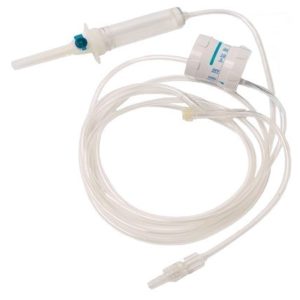
- IV administration sets: Secure, reliable tubing and connectors for safe fluid delivery.
- IV bags and solution containers: Critical for holding and delivering fluids or mixtures.
- IV poles: Available in four, five, or six-leg varieties for support and ease of movement.
- Diagnostic tools: EKG machines for heart checks when needed.
- Blood pressure monitors: Track vital signs during therapy to watch for changes.
- Bandages and tourniquets: Needed for vein location and post-treatment care.
- Comfort supplies: Warm blankets and cozy chairs to support patient comfort and peace of mind.
1. Cannulation
Clinics may choose IV catheters depending on patient requirements and vein accessibility, especially in the context of IV hydration treatments. Tunneled and non-tunneled types are both used, and staff must clean and close them using sterile techniques to prevent infection. Good cannulation equals less pain and fewer problems, so staff recognize when it’s done right in their infusion therapy services.
2. Infusion
Infusion pumps play a crucial role in the iv hydration business by assisting in configuring the ideal flow of fluids and medications. Staff monitor the rates and swiftly repair any issues, ensuring compliance with regulations and patient safety.
3. Fluids
Choose IV hydration treatments that suit the patient’s requirements, such as isotonic, hypotonic, or hypertonic solutions. Saline and lactated ringers are typical. Successful IV clinics keep the IV bags in a medical fridge and check dates very frequently, ensuring optimal hydration services.
4. Additives
Vitamins and nutrients can be blended into IV hydration treatments for personalized palliative care. We utilize only FDA-approved additives, and all containers receive clear labels. Staff are trained in safe mixing and dosing processes, ensuring that errors are unlikely.
5. Site Care
Site care for intravenous therapy begins before the IV hydration treatment is inserted and continues after it’s removed. Always use sterile gloves and alcohol wipes. Educate patients to monitor for swelling or pain post-iv hydration services. Nurses check sites for phlebitis during each visit.
Infection Control Mandates
IV hydration clinics require strict infection control mandates to protect their patients and staff during IV hydration treatments. These include protocols, training, and protective gear. Clinics must screen visitors, limit patient contact, and educate staff about infection risks and prevention.
Mandate | Protocol/Requirement |
Protocols | Clean hands, disinfect surfaces, skin prep, waste disposal, visitor screening |
Training Measures | Staff education on infection risks, vaccines, cleaning, PPE, skin prep, and ongoing assessment |
PPE Requirements | Provide masks, gloves, gowns for all clinicians; fit and usage training; routine checks |
Oversight | Assign group or person for infection control activities; monitor compliance and updates |
Surface Disinfection
Clinics utilize EPA-approved disinfectants on all treatment surfaces. They kill the majority of typical bacteria and viruses. Cleaners are used on beds, counters and equipment between patients.
Staff receive instruction on these products, focusing on technique and contact time. Every clinic establishes a cleaning schedule – daily and between sessions – to keep high-touch areas safe. Everything is recorded for audits and regulators visits to help clinics demonstrate compliance and find gaps.
Skin Preparation
Antiseptic, usually chlorhexidine or alcohol, to prep skin before cannulation. It minimizes the infection risk at the injection site. Clinics maintain a constant supply of anti-bacterial wipes and solutions, all housed in a sanitized, dry location.
Staff are taught to cleanse skin in a circular motion and allow it to dry prior to initiating IV access. Training includes how to identify allergic reactions to skin prep and what to do if one occurs. Training campaigns educate on why this phase counts and how it integrates into grander infection control schemes.
Personal Protection
Each provider receives gloves, masks and gowns prior to initiating IV therapy. It provides training on how to put on and take off these items to avoid cross-contamination. Clinics maintain surplus PPE and conduct routine inventory reviews.
Guidance to staff to self-report if PPE is damaged or dressed incorrectly. Reporting breaches assists clinics in making improvements. We update policies based on these reports to keep everyone safer.
Waste Disposal
Used needles slip into color-coded, puncture-resistant containers. Biohazardous waste is segregated in color-coded bags or bins, simplifying disposal.
Staff are trained on waste separation policies and the ways in which it affects community health. Periodic audits verify that procedures are adhered to, and that discard zones remain tidy. When problems occur, we revisit and refine the procedure.
Emergency Response Equipment
For IV hydration clinics, the right IV therapy equipment isn’t just regulatory—it’s a bare minimum for safe operation. Having these supplies within reach in patient rooms and prep areas minimizes danger during emergencies. Medication integrity is preserved through proper storage, such as closed dark-storage cabinets for light-sensitive solutions and refrigerators for medications. A wheeled supply cart and neat storage ensure staff can move quickly without disarray, supporting efficient infusion therapy services.
Anaphylaxis Kit
Make sure your anaphylaxis kit is fully stocked with essential equipment. This has to encompass epinephrine auto-injectors, antihistamines, corticosteroids, and airway management devices. Expiration dates should be frequently monitored, with expired items swapped out to maintain the kit’s preparedness. Clinics providing infusion therapy services should keep the kit where it’s easy to grab, not stashed behind locked doors or in a distant storage. The staff training doesn’t stop—everybody needs to recognize anaphylactic reactions and use the kit, which means conducting drills and hands-on scenarios on the regular. These actions minimize pause and error when time is critical.
Vital Signs Monitoring
We monitor patient vitals during iv hydration treatments, of course. Emergency response equipment – things like blood pressure monitors, thermometers, and pulse oximeters should be in good working order and easily accessible in every patient room or on a supply cart. Staff must be able to measure and document blood pressure, heart rate, oxygen saturation, and temperature. Regular inspections help identify problems ahead of time. Each reading should be recorded immediately, establishing a transparent log if an issue arises. Above all, excellent, calibrated machines ideally avoid such errors, ensuring the success of the iv hydration business.
Oxygen Supply
Clinics must ensure they have essential equipment like oxygen tanks, masks, and nasal cannulas readily available on-site. Regular checks for leaks or malfunctions in all oxygen delivery systems are crucial. Personnel should be trained to initiate oxygen therapy and adjust the flow for both adults and children. Maintaining an oxygen log minimizes the risk of running out during critical moments. By organizing these supplies in a prep area or on a portable cart, staff can respond quickly, enhancing their infusion therapy services.
First Aid
- Adhesive bandages: cover small cuts or punctures
- Sterile gauze pads: control bleeding and protect wounds
- Antiseptic wipes: clean minor wounds
- Disposable gloves: reduce risk of infection
- Tourniquets: stop bleeding or help find veins
- Cold packs: reduce swelling or pain
Crew require first aid training and they need to practice it frequently to ensure readiness for any situation. Periodic first aid drills keep us all on our toes, much like how successful iv hydration clinics maintain their operational efficiency. Make sure your first aid station is immediately visible and uncluttered, similar to the organization seen in iv therapy equipment setups.
Supply Chain and Quality
Safe and efficient IV hydration clinics require a reliable source of quality IV therapy equipment. One step after another in the supply chain—supplier choice, inventory management—defines patient care and clinical operations. Clinics must verify not just the kind of supplies—IV bags, catheters, antiseptics—but how these are sourced, stored, and tracked.
Supplier Vetting
Researching suppliers for the iv hydration business begins with a background check on their reputation, reliability, and experience in supplying IV therapy products. Certification and evidence that you meet international standards, like ISO or GMP, is essential for any successful iv infusion clinic. Clinics ought to request product samples prior to bulk orders to verify the quality themselves and identify any defects or variations. Keeping a roster of reliable vendors enables clinics to respond quickly in the event of a problem or a sudden shortfall, making sourcing more efficient.
Quality Control
Quality checks occur immediately upon delivery in the iv hydration business. Employees check boxes for evidence of tampering, damage, or expiration dates. Items such as IV bags of saline, Ringer’s, or sterile water are stored in a clean, orderly prep area to avoid any contamination. All IV hydration treatments and injections are recorded with information on batch and expiration date, ensuring that any problems can be tracked. Employees must be trained to identify issues, such as broken seals or discoloration of solutions. When issues are identified, clinics provide feedback to vendors to obtain rapid remedies and enhance future shipments. Maintaining a sterile injectable log is essential.
Inventory Systems
- Inventory software to record each item, track usage and generate reorder alerts. That software can flag when stock is running low or is close to expiration.
- Frequent stock takes to maintain accurate accounting and identify shortages promptly.
- Everyone needs to know how to operate the system so that no supplies disappear or become expired under the radar.
- Must-have items—such as extension tubing, swabs, and tourniquets—need to be on a checklist to simplify and expedite restocking.
Bulk 503B products assist iv infusion clinics in satisfying demand without individual prescriptions, which can drive down costs for infusion therapy services. Crash carts with necessary equipment in every treatment room must be within arm’s reach.
Regulatory and Compliance Kits
IV therapy clinics require regulatory and compliance kits to operate safely and legally. These kits contain numerous tools and documentation that assist clinics in meeting intricate regulations imposed by local, state, and federal health authorities. For instance, clinics in certain states would need to obtain specific licenses like the Home Care Organization (HCO) license in Virginia for home IV infusion therapy. Every location has its own rules, so clinics have to look up and comply with local laws to ensure their IV hydration business operates smoothly.
All materials, including IV fluids, needles, and catheters, must comply with FDA safety and quality parameters. This implies that clinics should purchase solely from reputable suppliers and maintain documentation of sourcing. Medical refrigerators and Wi-Fi data loggers are required to keep medicines at appropriate temperatures and monitor information in real time. For instance, a clinic could leverage a Wi-Fi logger to check if a fridge ever exceeds safe temperatures, which safeguards patient safety and ensures compliance with regulations in the IV hydration industry.
Vital sign monitors are essential for infusion therapy services. Devices such as blood pressure cuffs, pulse oximeters, and EKG machines assist staff in monitoring clients’ health during and post-IV therapy treatments. These resources need to be reviewed and updated frequently to remain accurate. Additionally, having defibrillators and first aid kits accessible in every clinic room is crucial—not only for compliance but also for rapid response in emergencies, underpinning the importance of patient safety in the hydration business.
Keeping up with changing laws is hard work. Clinics need to review their compliance at least annually or whenever there is a change in regulation. Employees require consistent instruction on these guidelines, so all understand what’s expected and why it’s important. Training needs to include how to operate the necessary equipment, complete logs, and respond to an inspection. When staff know the rules, clinics are less at risk of getting fined or losing their good name, ultimately contributing to a successful IV therapy business.
The Unseen Operational Layer
The unseen operational layer includes all the behind-the-scenes processes that help an IV therapy clinic operate safely, efficiently, and consistently. While patients primarily see the treatment itself, successful clinic operations depend on effective inventory management, appointment scheduling, equipment maintenance, staff training, and compliance procedures.
Strong operational systems help reduce waste, control costs, improve patient safety, and create a more seamless experience for both staff and patients. At the center of these efforts are well-documented standard operating procedures (SOPs). SOPs provide clear guidance for routine tasks, helping ensure consistency across the clinic while reducing the likelihood of errors.
Ongoing staff training is equally important. Proper training helps team members follow established protocols, identify potential issues early, and respond appropriately when unexpected situations arise. In addition, monitoring operational metrics such as patient wait times, supply usage, and equipment performance allows clinics to identify opportunities for improvement and maintain high service standards.
Single-Use vs. Reusable Supplies
Type | Advantages | Considerations |
Single-Use | Lower infection risk, convenient, eliminates cleaning requirements | Higher ongoing costs and increased waste |
Reusable | Reduced waste and lower long-term replacement costs | Requires cleaning, sterilization, and ongoing maintenance |
Single-use items such as IV catheters, syringes, and needles help minimize the risk of cross-contamination and support infection-control efforts. These materials must be disposed of properly using approved sharps containers and medical waste systems.
Reusable items, such as certain tourniquets or equipment accessories, require thorough cleaning and sterilization between uses. Staff should be trained on proper handling, storage, and sanitation procedures to maintain safety and compliance. Choosing between disposable and reusable supplies often depends on patient volume, operational needs, sustainability goals, and budget considerations.
Scaling Supply Management
As clinics grow and patient demand increases, supply requirements become more complex. Effective forecasting helps ensure that essential items remain available without creating excessive inventory.
Monitoring treatment volume, seasonal demand patterns, and supply usage trends allows clinics to make informed purchasing decisions. Maintaining strong relationships with reliable suppliers can also help reduce disruptions and improve responsiveness during periods of increased demand.
Developing contingency plans for supply shortages or unexpected increases in patient volume helps clinics maintain continuity of care while minimizing operational challenges.
Technology Integration
Technology plays an increasingly important role in modern clinic operations. Electronic health records (EHRs), inventory management systems, scheduling platforms, and digital documentation tools help streamline administrative tasks while improving accuracy and efficiency.
These systems can reduce manual errors, improve communication among staff, and provide better visibility into clinic performance. Regular training ensures employees can use technology effectively and confidently.
As new tools become available, clinics should periodically evaluate their systems and processes to identify opportunities for greater efficiency, stronger compliance, and improved patient experiences. Thoughtful technology integration helps support long-term growth while maintaining high standards of care and operational excellence.
Conclusion
IV therapy clinics must monitor their supplies on a daily basis to maintain safety, efficiency, and compliance. Sterile needles, fresh saline solutions, gloves, disinfectant wipes, medical tape, and other essential supplies all play an important role in supporting safe patient care. Personal protective equipment (PPE), including masks and gowns, helps reduce the risk of contamination and supports infection-control efforts throughout the clinic.
In addition to routine treatment supplies, clinics should maintain immediate access to emergency equipment such as first aid kits, oxygen supplies, and automated external defibrillators (AEDs) to respond quickly to unexpected medical situations. Clear labeling practices and secure storage systems help keep medications, fluids, and treatment supplies organized, protected, and easily accessible when needed.
Because healthcare regulations and industry standards can evolve over time, staff should regularly verify that supplies, equipment, and operational procedures remain compliant with applicable requirements. Every component of a clinic’s supply management program contributes to patient safety, operational efficiency, and quality care. Conducting routine inventory audits, monitoring expiration dates, and maintaining strong relationships with trusted suppliers can help prevent shortages and ensure uninterrupted service. Preparation, organization, and ongoing oversight are key to supporting safe and effective IV therapy operations.