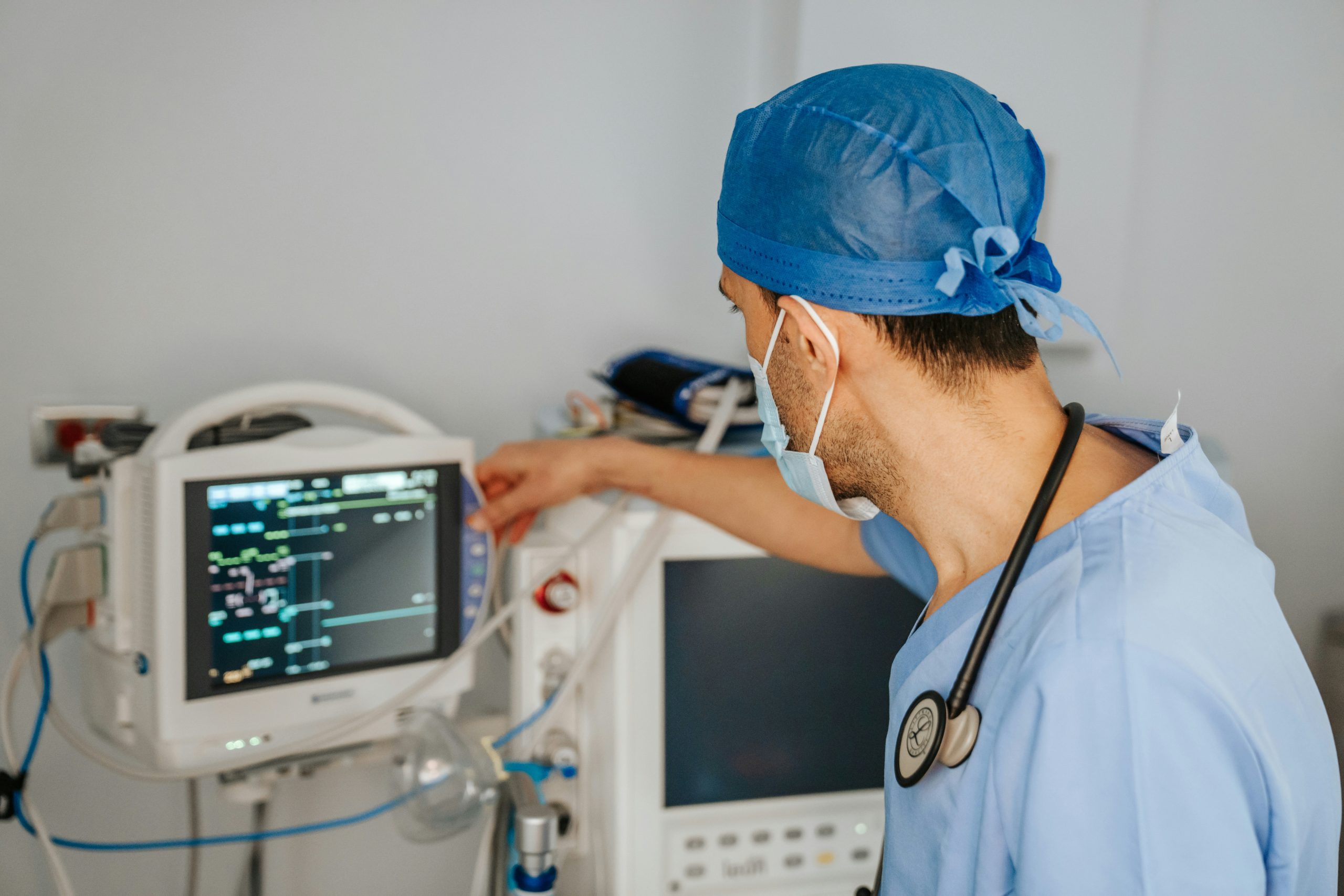
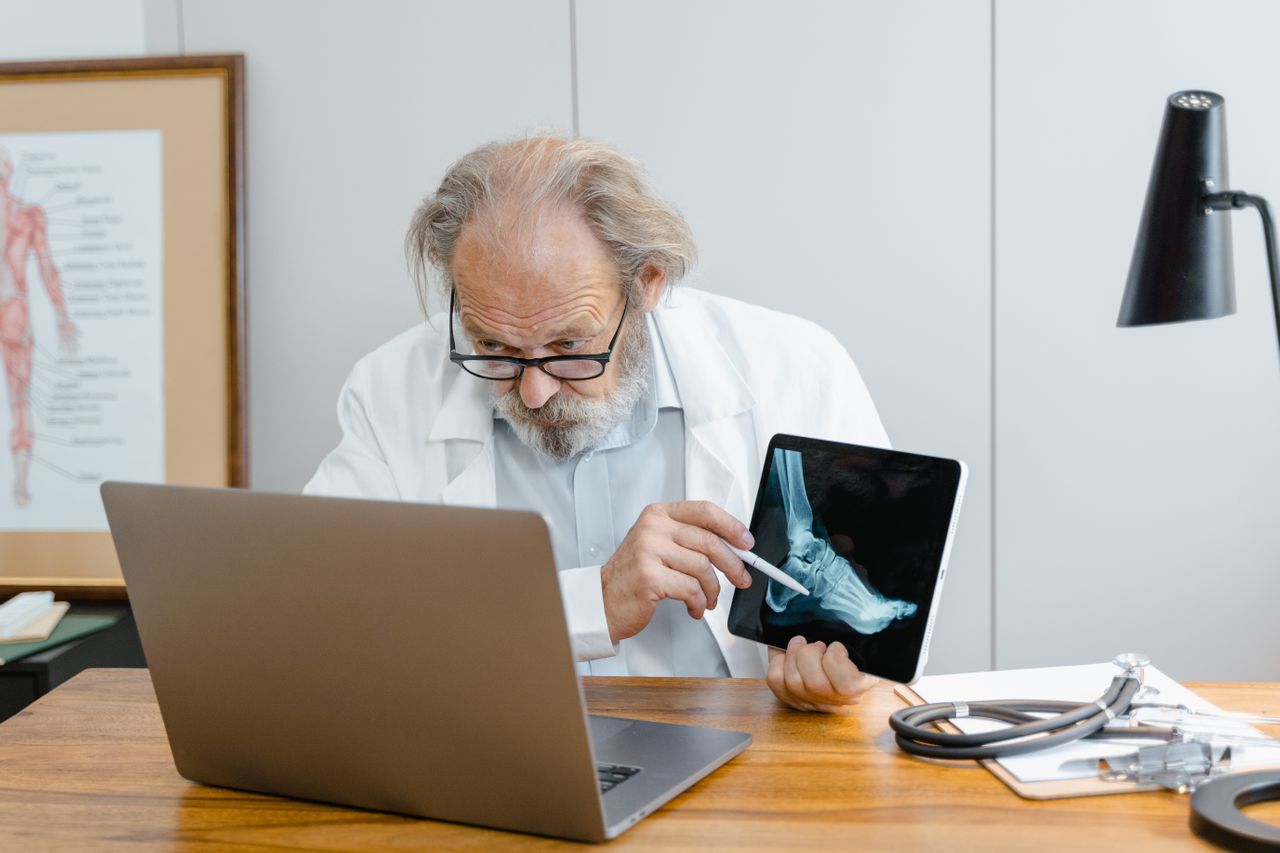
Doctors and medical professionals deemed basic exam room supplies such as disposable gloves, hand sanitizer, examination tables, and disinfectant wipes as essentials for day-to-day work. Supplies like blood pressure cuffs, stethoscopes, thermometers, and otoscopes further facilitate thorough exams and patient care. For simple stuff, docs need tongue depressors, gauze and bandaids. Stocking sharps containers and biohazard bags keeps the room safe and clean. Basic organization aids, such as storage trays and wall dispensers, support staff in working more quickly and maintaining a neat environment. A well-stocked exam room equates to fewer delays and seamless appointments for doctors and patients alike. The sections below deconstruct each supply, revealing real-world uses and care.
Key Takeaways
- Outfitting exam rooms with must-have diagnostic tools, consumables, and protective gear is key for precise patient evaluations and upholding care excellence.
- Keeping supplies organized, easy to access, and regularly replenished goes a long way towards efficient clinical workflows and minimal hassle and delays for the patient.
- Specialty-specific supplies and adaptable exam room layouts are critical to meet the distinct needs of various medical specialties, enabling holistic and customized patient care.
- Incorporating digital tools — like electronic health records and point of care devices — streamlines data processing and facilitates quicker, smarter decisions at the time of visit.
- Putting patient comfort, staff ergonomics, and streamlined organization first establishes a warm, safe atmosphere that serves both patient satisfaction and clinical outcomes.
- Addressing supply management obstacles involves prudent budgeting, minimizing waste, and consistent team education for best practices and sustainable resource utilization.

Essential Exam Room Supplies
Medical professionals depend on a fully stocked medical exam room to deliver secure, effective, and standardized care. An expertly stocked medical office supplies list drives efficiency, enables precise examinations, and ensures proper infection control. The necessities break down into five categories, each critical to the contemporary examination rooms.
1. Diagnostic Tools
A stethoscope continues to be a fundamental instrument, vital for auscultating heart and lung sounds in the medical exam room. Otoscopes and ophthalmoscopes are key too, providing immediate diagnostic information about ear and eye conditions. Modular vital signs monitors—blood pressure, pulse, temperature, oximeters—are standard now, enabling real-time metrics to be taken efficiently. Diagnostic machines like ECG units and defibrillators are essential for emergency cases in healthcare facilities. X-ray machines facilitate full examinations when imaging is required. A point of care diagnostic system, commonly integrated with electronic health records, can facilitate effortless transfer and analysis of patient information, minimizing mistakes and streamlining efficiency.
2. Basic Consumables
Disposable gloves, gauze, and antiseptics are the bedrock of infection control in a medical office. These medical supplies need to be well stocked and within easy reach in the examination rooms. Patient gowns and drapes provide comfort and privacy, preserving dignity during medical examinations. Accessories such as swabs, urine cups, and test tubes should be stocked up on for immediate testing, ensuring compliance and safety.
3. Protective Equipment
PPE keeps healthcare workers and patients safer in the medical exam room. Face masks and shields prevent airborne pathogens and droplets, while gloves and gowns are essential for any bodily fluid or close patient interaction. Regular inspections and refills of PPE stocks are scheduled to ensure safety, which is particularly critical in our current healthcare landscape, where infection threats are omnipresent.
4. Patient Draping
Patient drapes—paper, cloth, and disposable liners—that are soft and hypoallergenic. As mentioned above, adjustable examination tables that can be lowered to a minimum height of about 43 cm are highly preferable as they accommodate patients with limited mobility, including users of accessible wheelchairs. In a medical exam room, your surfaces should be smooth and easy to clean. Medical office supplies should be arranged for quick access to avoid interruptions and maintain the examination as unobtrusive as possible.
5. Specimen Collection
Effective specimen collection in a medical office requires proper swabs, sterile containers, and accurate labels. Our clinical staff adhere to rigorous procedures for collection, storage, and transportation to the Lab, thereby safeguarding sample integrity. Paper charting supplies and binder accessories serve as a fallback if digital health record systems aren’t available, ensuring continuity in medical examinations.
Supplies by Medical Specialty
Supplies by Medical Specialty
Every specialty uses unique supplies that fit the needs of their patients and their care. Every specialty depends on distinct instruments, disposables and devices to ensure treatment is secure, precise and convenient. Supply has to suit the specialty’s need – whether the practice is pediatrics, dermatology, gynecology or cardiology. Specialty supplies should be accessible to staff and prepped for quick utilization during exams or procedures. This table shows core supplies for several specialties:
Specialty | Essential Supplies |
Pediatrics | Pediatric stethoscopes, child-sized cuffs, playful décor, distraction toys, themed exam table paper |
Dermatology | Dermatoscopes, biopsy kits, cryosurgery tools, sterile gauze, magnifying lamps, disinfectant cleaners |
Gynecology | Speculums, gynecological exam tables, privacy screens, patient gowns, lubricating gel, sanitary linens |
Cardiology | ECG machines, blood pressure monitors, stethoscopes, heart models, patient education leaflets, calm lighting |
Pediatrics
Pediatric clinics require medical office supplies that are safe, comfortable, and entertaining for young patients. Pediatric stethoscopes, child-sized blood pressure cuffs, and themed exam table paper help make medical examinations less scary. While most pediatric offices adorn examination rooms with toys, colorful wall art, and distraction tools to reduce anxiety, staff receive coaching on how to speak kindly and include parents in care conversations. These little efforts go a long way in building trust with both pediatric patients and their families.
Dermatology
Dermatology practices require specialized instruments for skin inspections and procedures. Dermatoscopes, magnifying lamps and biopsy kits are core supplies, as are sterile gauze and disinfectant cleaners for patient safety. A few offices maintain cryosurgery tools for eliminating skin lesions. Clean, organized rooms not only facilitate patient comfort but demonstrate professionalism, something important when working with delicate skin concerns.
Labs in dermatology offices require such things as microscope slides, cover slips and pipettes. Maintaining these as staples is crucial for both regular exams and emergencies.
Gynecology
Gynecology offices prioritize privacy, comfort, and sensitive care. Adjustable exam tables and screens put patients at ease. Stock speculums, lubricating gel, patient gowns and sanitary linens to support a variety of exams and procedures.
Staff must be trained to discuss women’s health issues openly and supportively. This enhances patient experience and promotes candid discussions. Supplies such as appointment books, charting software and clean bedding are daily necessities.
Cardiology
Cardiology offices require sophisticated diagnostic tools to evaluate cardiac conditions. They use ECG machines, blood pressure monitors, and stethoscopes as a matter of course. Heart models and printed guides help patients understand complex conditions.
A serene, silent room can relieve patient tension during exams. Staff employ clipboards, notepads, and software for precise charting and follow-up planning.
The Modern Exam Room
Today’s examination rooms are more than just a place for a checkup. These days, healthcare settings mix technology, spatial planning, and patient-centric design to optimize both the quality of care and workflow. It’s important to welcome new tools and digital solutions like telemedicine equipment, but it’s equally important to design a space in which patients feel at home and staff can be productive. As care teams adjust to novel requirements, the configuration and inventory of every room shift to facilitate dynamic workflows, patient needs, and compliance.
Digital Integration
Digital tools such as electronic health record (EHR) systems are now a fixture of most medical exam rooms. These platforms assist in properly logging patient details and sharing data between providers. Tablets or computers for point-of-visit entry save time and reduce mistakes, which translates to less paper forms and aids with privacy, keeping the medical office less cluttered. These tools must be easy for both staff and patients to use, as complex check-in kiosks and digital consent forms can tank patient satisfaction. Regular software updates are necessary to stay abreast of healthcare privacy rules and to protect against data breaches — an issue worldwide.
Point-of-Care Tech
Point-of-care testing devices — such as handheld blood analyzers or rapid strep-test kits — provide doctors with immediate results without having to send samples to an external lab. This accelerates the decision-making process and usually results in improved outcomes for patients. Handheld diagnostic devices facilitate the flexibility to switch up the medical exam room, if it’s small or shared between providers. Training is key: without the right know-how, even the best medical equipment cannot deliver its full value. It’s smart, too, to validate whether the tech actually impacts patient experience or improves solution times.
Telehealth Tools
Telehealth is now a fixture in many examination rooms, particularly for remote consults or follow-ups. Top-notch video cameras and microphones are necessary for folks to communicate clearly and meaningfully across a distance. Secure internet gateways safeguard patient privacy, which is paramount everywhere. Well-training on telehealth tools and protocols enables staff to provide the same quality care online as they do offline. Medical exam rooms should be sufficiently spacious—ideally 10 x 10 feet, with a 60-inch wheelchair turn—to accommodate medical equipment and ensure unimpeded access and easy movement by all occupants.
A Doctor’s Selection Criteria
Doctors are selective when choosing medical office supplies for their examination rooms. These decisions significantly impact treatment excellence, patient security, and efficient medical practice management. A doctor’s choice is based on various factors—performance, safety, compliance, and the right medical equipment for their specific needs.
Factor | Considerations |
Efficacy | Clinical outcomes, evidence-based practices, diagnostic accuracy |
Safety | Compliance with standards, patient and staff safety, feedback incorporation |
Durability | Material quality, frequency of use, maintenance requirements |
Regulatory Approval | Local and national compliance, documentation, supplier credibility |
Accessibility | Adjustable tables, accessible furniture, modular equipment |
Telemedicine Support | Internet reliability, video quality, backup systems |
Usability | Ease of use, maintenance, adaptability, EMR support |
Clinical Efficacy
- Evidence-based selection of diagnostic tools
- Ability to improve patient outcomes
- Consistent clinical performance
- Adaptability to different patient populations
- Ease of integration with telemedicine and EMR systems
- Adjustable lighting and seating for diverse patient needs
Effectiveness comes first in medical practices. Doctors depend on diagnostic tools, such as modular vital signs monitors, which provide precise information quickly. Adjustable exam tables and adaptable lighting in the medical exam room enhance patient comfort and examination quality. Regular audits identify areas for improvement, allowing practices to update medical equipment as research progresses.
Patient Safety
Patient safety steers each sourcing decision in medical facilities. All medical equipment had to comply with existing safety regulations and be convenient to clean. Protocols need to be checked periodically—mechanics search for corrosion or defects that might endanger a patient. Nurses and assistants are trained in safe use, but clinics gather patient feedback to detect problems early. In bustling clinics, user-friendly, point-of-care devices reduce exposure for patients and providers.
Durability
Busy examination rooms demand medical office supplies designed to endure. Doctors are willing to pay for quality, like a rugged otoscope or adjustable exam table, ensuring they do not keep breaking. Certain healthcare equipment with service plans or extended warranties makes upkeep easier and cheaper in the long run. Staff frequently inspect all clinical equipment, removing any that appear compromised or on the verge of breakage.
Regulatory Approval
Adherence to health care regulations is a must, especially in medical facilities where anything from a blood pressure cuff to telemedicine equipment must be appropriately approved. Staying on top of shifts in health regulations and collaborating with reputable vendors who can demonstrate compliance safeguards patients and clinics alike, reducing legal liability and ensuring quality in medical examinations.
The Unseen Essentials
Beyond the obvious implements and medical office supplies, examination rooms are influenced by a variety of less apparent supplies and design decisions. These “unseen essentials” significantly impact how patients and staff feel, work, and relate. They go beyond comfort, influencing how effectively care is delivered and how satisfied patients feel upon leaving. Both patient and staff input are invaluable in identifying which nitty gritty things are really important and where the potential areas of improvement lie.
Patient Comfort
- Soft lighting and calming wall colors
- Cozy, accessible exam tables and chairs (ADA compliant)
- Clean linens, disposable covers, and blankets
- Personal protective equipment for staff and patient reassurance
- Air purifiers for better air quality
- Water dispensers, reading material, and simple distractions for waiting
- Adjustable room temperature controls
- Easy-to-read educational posters and charts
- Noise-reducing materials to maintain privacy
Patient comfort in the medical exam room must be checked and updated regularly — based on patient input and clinical staff feedback. Small comforts, like magazines or fresh water, combat nervousness, and a serene environment fosters confidence and transparency. Being aware of these small touches can transform the visit experience for patients of any demographic.
Doctor Ergonomics
Overlooked but Essential: Supporting medical staff is key to quality care Exam rooms should accommodate doctors and nurses of all statures, with height-adjustable stools and tables. Instruments like otoscopes, ophthalmoscopes, and modular monitors must be at arm’s reach. If employees have to stretch or bend too much, fatigue and mistakes increase.
Room design flexibility counts. Ergonomic desks and clever storage allow employees to operate quickly and secure. This is particularly crucial on extended shifts or with disabled patients. Good ergonomics increase job satisfaction and reduce injury risk, which benefits everyone at the clinic.
Efficient Organization
- Arrange supplies by frequency of use and clear labeling
- Have PPE, vitals monitors, and paper charting materials on standby
- Put sharps and biohazard items in closed bins, located near exam tables.
- Store backup paper forms for recordkeeping system downtime
Routine audits prevent clutter and expired products in the medical exam room. Something else we love is training clinical staff on best storage habits to keep examination rooms exam-ready, from quick checkups to emergencies, ensuring the right equipment is always available.
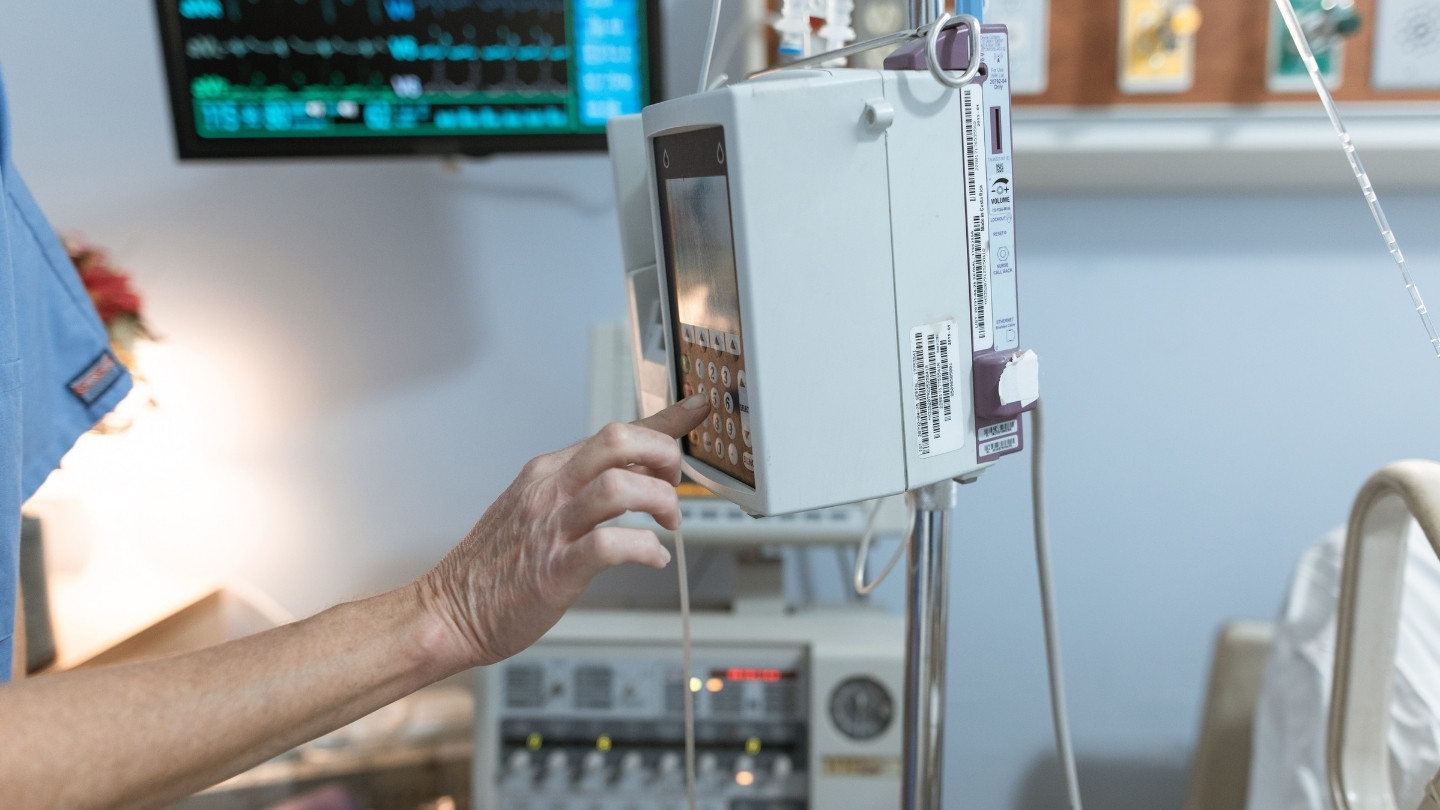
Supply Management Challenges
Supply management in the medical exam room is a never-ending struggle for care teams. Hospitals and clinics face the challenge of juggling patient care requirements, budget constraints, and efficiency. This situation translates into more than just having the proper medical supplies on hand; it also involves managing waste and costs. Supply management headaches, particularly in operating rooms, increase the urgency to seek creative solutions for sourcing and smarter inventory systems. Without a single source of truth for tracking items, it’s easy to make errors and waste time. Tech like image recognition and AI can assist, but only when partnered with transparent procedures and appropriate employee education.
Budget Constraints
Budget constraints are a significant aspect of operating a medical practice. With medical office supplies being the next biggest expense after personnel, many clinics face a balancing act between essential supplies and limited funding. Utilizing economies of scale by buying in bulk can effectively reduce total costs, resulting in cheaper per unit prices. Additionally, reprocessed devices are gaining traction in examination rooms, helping to alleviate shortages and save costs without compromising patient safety. A periodic review of expenditures with clear data will reveal waste or excessive ordering, allowing teams to scout for premium alternatives that meet safety standards but at a lower price.
Inventory Waste
Exam room waste frequently occurs when supply use is not tracked in real time, particularly in medical facilities. Orphaned medical supplies that never make it out of the closet or expire on shelves happen because particular items were over-ordered or patient needs changed suddenly. Just-in-time inventory techniques assist as they only order an item when it is needed. Educating employees on waste disposal and promoting responsible consumption can further minimize waste in medical practices. Transitioning to digital tracking that incorporates AI or image recognition can align inventory with real demand, even in times of disruption such as a global pandemic.
Staff Training
Without continuing training, it’s easy for supply use in the medical office to become inefficient. Personnel should be trained and kept up to date on new medical equipment and technologies, particularly as digital inventory tools gain prevalence. Training instills confidence and helps staff identify opportunities to save supplies or use them just a little more wisely. Clinics ought to foster an environment where individuals desire to learn and exchange ideas. Feedback surveys and check-ins measure if training is working, and if there are any gaps to be fixed — quickly.
Conclusion
Doctors rely on the right tools to get the job done well. Things like gloves, masks, and wipes are on every shelf. Gauze, tongue blades, stethoscopes assist every exam. Digital tools now enter the fray, making care quicker and more transparent. While every specialty has its own exam room supplies must-have list, the objective is consistent–secure, seamless care for every patient. It requires true craftsmanship to stock these rooms. Everything counts, even the little things, from cotton swabs to sharp bins. A good supply keeps the entire office going. To stay ahead of change, teams must observe trends and exchange old equipment for new. Have a tip or tool that helps you work smarter? Come chat and weigh in!