
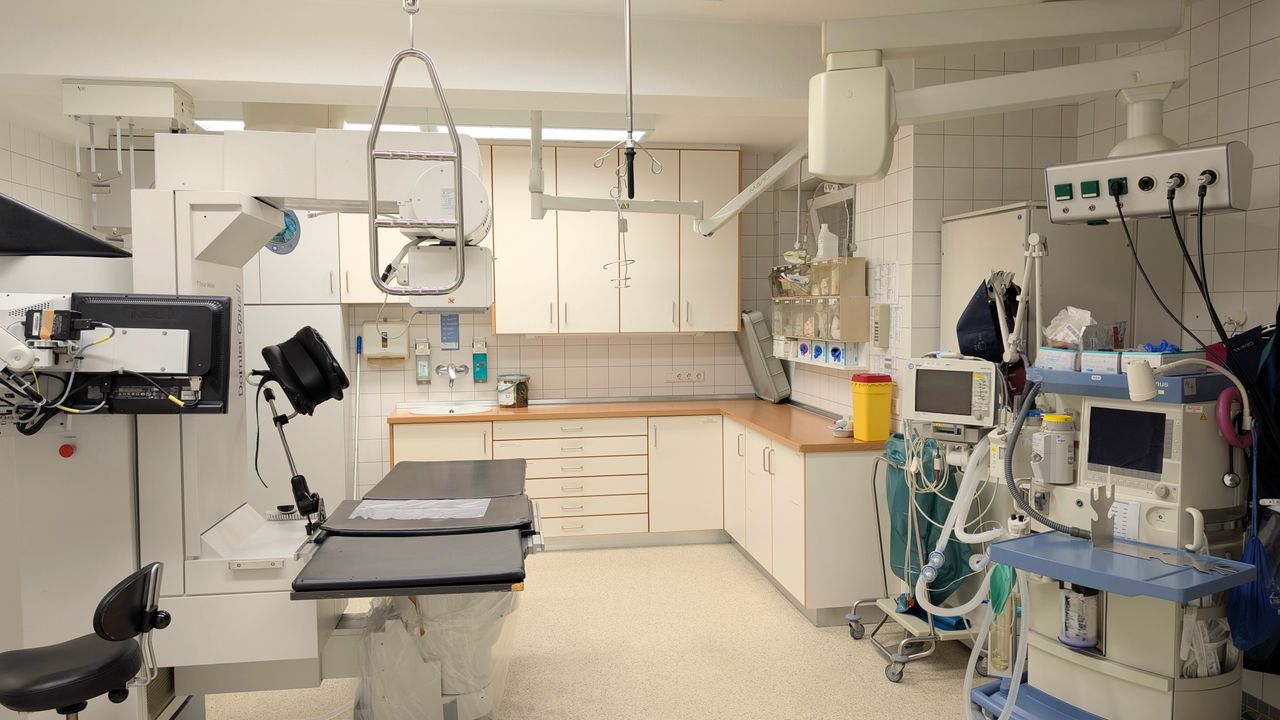
What are the dangers of purchasing inexpensive exam room disposables? They aren’t necessarily quality, so they’re more likely to tear or break during use. Certain items might not be sterile or might utilize cheap materials that either cause skin reactions or promote infection. Issues such as weak gloves, thin exam paper, or leaky covers cause friction in care and waste. Your staff might have to use additional supplies to compensate for inferior quality, driving costs even higher over time. Bad disposables can make clinics look unprofessional. To assist in balancing short-term savings with these dangers, the bulk of the post articulates important points and offers tips for making safer decisions.
Key Takeaways
- What is the danger in purchasing cheap exam room disposables, you ask? Just make sure disposables are being stored and handled properly.
- Low-quality materials tend to break down during use, provide minimal safety and must be replaced more frequently. Choosing premium-grade, quality products keeps your clinic safe and your expenses in check.
- Inaccurate results from unreliable disposables may cause you to misdiagnose or mistreat. Make sure that any disposable items for testing comply with quality.
- Badly manufactured disposables can make patients uncomfortable and uncooperative during exams. Focus on what really matters: great fit and patient comfort.
- What are the hazards of cheap exam room disposables Select products with established protective characteristics to mitigate these risks.
- Buying certified, quality disposables aids in maintaining regulatory standards, safeguards your facility’s reputation and fosters healthier outcomes for all patients.
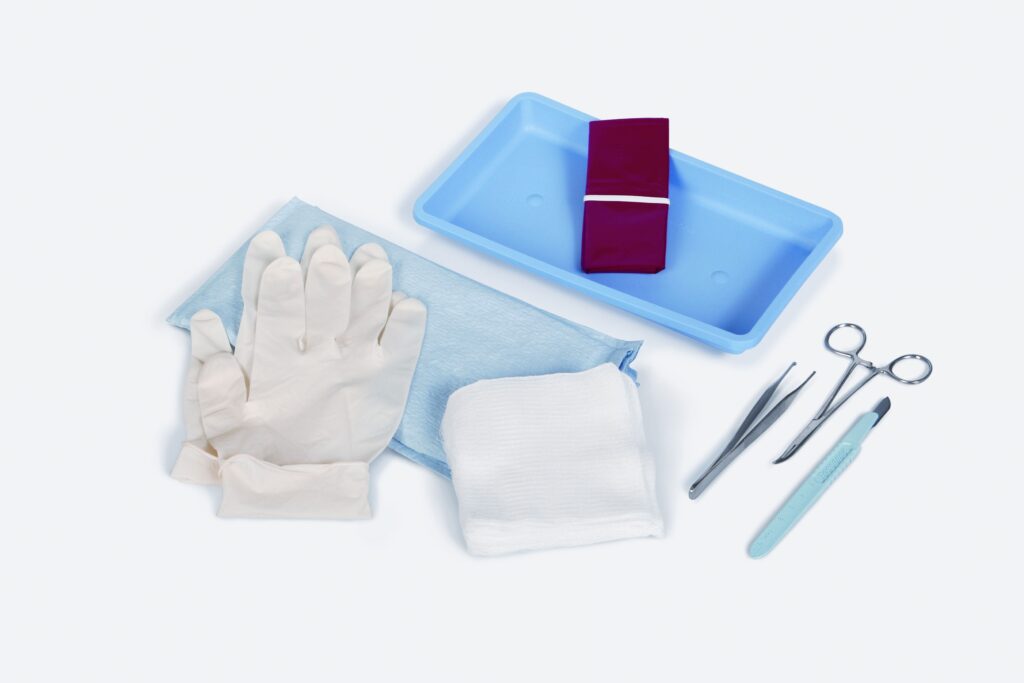
The Hidden Risks of Cheap Disposables
Cheap exam room disposables, while economical, pose hidden risks that can compromise patient safety and diagnostic accuracy. Unreliable materials and compromised sterility in disposable gowns can significantly impact infection control and overall care in various healthcare settings.
1. Compromised Sterility
- Non-sterile items may bring pathogens into clinical settings, increasing infection risk.
- They can lose their sterile barrier, making them unsafe.
- Poor storage, such as heat or moisture exposure, can compromise sterility prior to application.
- Too often, cheap stuff is packaged so poorly that you don’t even realize when the sterility of a single has been compromised.
Using items that aren’t properly sterilized, such as disposable gowns or gloves, significantly increases the health risk of infection for both patients and staff. An expired medical gown kept in a damp environment may fail to provide adequate protection against bacteria or viruses.
2. Material Failure
Cheap disposable gowns are often constructed from tenuous materials that can rip or puncture easily. When gloves break during an operation, the line between caregiver and patient dissolves. Medical gowns or face masks made from lightweight fabrics can’t withstand typical movements or fluid exposure. Such lapses can result in patient or provider exposure to biological hazards, undermining the entire purpose behind using protective apparel in the first place.
3. Inaccurate Results
Tests that use low-quality swabs or collection devices can return shaky samples, especially when paired with inferior medical supplies. Cheap tongue depressors or specimen cups can influence the quality of sample collection, occasionally contaminating or missing what’s needed. Reliable protection requires trusted materials, for every patient, every time.
4. Patient Discomfort
When exam gloves or medical gowns are cut shabbily or made from rough materials, patients certainly feel it. Gloves that don’t fit right pinch or slide, making the procedure more stressful for staff and patients alike. Some aren’t breathable, leading to discomfort or even panic attacks during extended exams, which can increase infection risks and decrease patient confidence.
5. Cross-Contamination
Because low-quality disposable gowns don’t provide a proper barrier between patients, they can actually increase cross-contamination risks. Compromised medical gowns or gloves could allow pathogens to slip past and aid transmission in various healthcare settings. When protective apparel breaks down, it endangers us all — not just the wearer.
Unseen Manufacturing Flaws
Hidden manufacturing defects in disposable gowns pose genuine dangers, particularly in various healthcare settings. Medical supplies, including protective apparel, must be held to a very high standard due to their role in protecting patients and staff. When quality control drops, defects often remain unnoticed until after use, potentially leading to infection risks and diminished faith in the medical profession. Therefore, thorough checks and inspections are vital to ensure adequate protection.
Flaw Type | Example | Risk to Patient/Clinic |
Material Impurities | Weak fibers in gloves or gowns | Poor barrier, higher infection risk |
Weak Seals | Defective seams in drape sheets | Fluid leaks, contamination |
Size Inconsistencies | Gloves not fitting properly | Reduced dexterity, tears |
Incomplete Sterilization | Residual contaminants on swabs | Spread of bacteria or viruses |
Faulty Packaging | Torn or unsealed packages | Product compromised before use |
Inferior Materials
Cheap throwaways tend to employ thin or blended fabrics. These allow liquids to penetrate, exposing patients and medical personnel to blood, viruses or bacteria. Torn gowns or broken gloves during procedures provide minimal safeguards. When materials are untested and uncertified, users can’t trust them to be safe.
Dependable, quality-constructed components keep these concerns at bay. Certified professional wear is more likely to block fluids and infection. Selecting proven components promotes patient care and maintains surgeries on the forefront of health technology.
Inconsistent Quality
Unseen factory defects in consumables—some will survive, some will break when you put pressure on them. Gloves that tear or face masks that slip out of shape can impair treatment. Even if a batch appears to be good, an unseen manufacturing defect can cause an unanticipated failure.
This randomness impacts patients. Medical personnel might have to pause operations to swap out defective pieces. Hit costs, as more product is required or wasted. Patients may even distrust a clinic if they observe sub-par supplies being utilized.
Poor Packaging
- Proper Packaging:. . * Sealed sterile packs. * Tamper-evident seals. * Bold expiration dates. * Strong, water-resistant wrappers
- Improper Packaging:* Ripped or unsealed pouches. * Unlabeled or poorly labeled. * Crushed boxes with folded corners. * Defective goods.
Excellent packaging for disposable gowns maintains sterility and security throughout shipping and storage, keeping moisture and dirt out. This ensures that medical supplies function as advertised when opened. Poor packaging can destroy sterility, increasing infection risks and potentially rendering protective apparel unusable. Clinics must check packaging prior to use to reduce these health risks.
The True Financial Cost
Healthcare providers are sometimes willing to save a few dollars on exam room disposables, but the total cost isn’t always readily transparent at the outset. Though the price tag on cheaper products might be attractive, sneaky costs can really accumulate. Cheap disposables may result in frequent replacements, legal risks and damage to a facility’s reputation. All of this feeds into the real financial cost, which is frequently far greater than it appears.
Disposable Type | Upfront Cost (USD) | Replacement Frequency | Annual Total Cost (USD) | Quality Level |
Cheap Gloves | 0.01 per piece | 50,000 per year | 500 | Low |
| Premium gloves | 0.03 each | 30,000 annually | 900 | High |
| Inexpensive dresses | 0.15 a dress | 10,000 annually | 1,500 | LOW |
| Premium Gowns | 0.30 each | 5,000 annually | 1,500 | High |
A simple intervention that reads the cost of consumables prices out loud to cardiologists can save approximately $234.77 per procedure, or 6% of total costs. Supply price education can reduce surgical supply spending by 10%-21%. A physician-led committee has reduced expenses by as much as $8 million annually, demonstrating the power of transparent, informed decision-making.
Frequent Replacements
Checklist for frequent replacements:
- Check product quality ratings and reviews from other facilities.
- Keep track of what breaks or runs out sooner than anticipated.
- Monitor how many staff complaints come from product defects.
- Compare actual usage rates to manufacturer claims.
- Review budget reports for unexpected increases in disposable spending.
Regular purchasing of low-cost disposables erodes budgets. When things need to be replaced more frequently, costs increase in these little, incremental fashions. After all, tiny price variances add up when multiplied by thousands of uses per month. This can divert funds from other patient care requirements.
Potential Litigation
Bad disposables, such as inferior medical gowns, can cause patient hurt — infections or allergic reactions, which make you liable to lawsuits. The true cost of negligence claims isn’t just financial – it’s time, stress, and potential sanctions from regulators. Liability issues are bound to arise if patient safety is ever breached by unreliable protection, and those cases can lead to expensive settlements or insurance premium increases. Being unaware of the real supply cost, these facilities may not even realize they are being put at risk until it’s too late.
Reputational Damage
Dependence on cheap disposables can damage a provider’s reputation, particularly if patients experience irritation or infections. Safety woes travel online and in local press and it becomes very difficult to recoup trust. Community members will opt for other clinics if they hear word of continuous issues — which means lower patient volume and lost revenue.
The word gets around quickly when safety is involved. Staff morale can dip, as team members are stressed to operate with dodgy tools. Even if just a few incidents occur, the lasting impact on reputation can be difficult to repair.

Navigating Regulatory Standards
Passing safety standards for exam room disposables isn’t merely a checkbox; it’s crucial for ensuring that protective apparel like gloves, gowns, and swabs are secure and appropriate for use. Each nation establishes its own criteria for what is deemed safe, with some having rigorous controls while others may be less stringent. For example, in certain nations, hospital-based HTA is now prevalent, which reviews clinical evidence, cost, and patient outcomes before any new product reaches the clinic. This process assists hospitals in selecting medical supplies that not only save money but also enhance patient safety. If a disposable gown is inexpensive but bypasses these tests, it might not be on par with compliant gowns authorized by a formal HTA.
These regulations are about more than just keeping up appearances; they play a vital role in infection control. When clinics and hospitals purchase items that comply with standards, they significantly reduce the health risks to patients and their staff. A simple example: using gloves that don’t meet standards can lead to more infections for both patients and staff. India took a significant step forward in 2017 by making generic prescriptions a legal requirement, illustrating the importance of adhering to standards to optimize health outcomes. The drive toward generics isn’t solely about cost savings; research reveals that when properly utilized, generic drugs can improve results and reduce expenses. These types of regulations serve as a safety net, allowing hospitals to focus on what works rather than just on price.
It’s risky to buy cheap exam room disposables without verifying compliance! Clinical evidence and cost-efficiency should be the driving factors, not just the cheapest option available. Many medical experts agree that navigating safe supplies requires collaboration among technical, financial, and care teams. While some products may seem similar, the absence of evidence or legal protection increases the dangers. Cutting corners can lead to significant expenses in the long run if it results in infections or legal issues. Quicker, more intelligent checks—such as the study that reduced the time to purchase from 154 days to 92.5 days—demonstrate that it is possible to be both expedient and cautious in selecting protective equipment.
The Environmental Impact
In medicine, the use of disposable gowns and other disposables is favored for their safety and convenience; however, their environmental impact is becoming an increasing concern. Nearly all cheap exam room disposables contribute to higher waste levels and additional stress on the planet. When hospitals and clinics opt for these inexpensive commodities, they often overlook the long-term damage to our air, water, and land.
Healthcare is a significant polluter, with Canada’s health system responsible for 4.6% of the country’s greenhouse gas emissions. Most exam room disposables, such as gloves, medical isolation gowns, and table paper, are made from plastic or paper. Plastic production is a major contributor to pollution, accounting for nearly 3.7% of greenhouse gases worldwide. The process consumes vast amounts of energy and oil, further exacerbating climate change. Once discarded, these materials are not easy to decompose, with globally under 10% of plastic waste being recycled. The remainder ends up in landfills or is incinerated, which adds more pollutants to the air.
Junk from inexpensive disposables is an explicit environmental risk. To give you some perspective, simply eliminating exam table paper in one clinic spared 8.2 kilometers of paper, ten trees and 148 kg of CO2 per year. This is the equivalent of driving more than 1,200 km by car. With clinics turning out low-grade, disposable goods at a rapid rate, waste accumulates quickly. Overuse is at times tied to bad science habits, which is to say, products are applied when they are unnecessary altogether.
The health dangers of plastic pollution extend outside the clinic. It costs us more than $920 billion a year in the U.S. Alone due to sickness from chemicals made from plastics. This chemical can leach into the air, water and food. They impact not only folks in the medical pipeline — but neighbors and distant relatives as well.
While some advocate for better recycling and sorting of medical waste, the most effective solution is to simply reduce the use of disposables from the outset. Clinics can minimize waste by optimizing care, choosing products with minimal packaging, and stocking only what is necessary, including reusable gowns and other sustainable options.
A Clinician’s Viewpoint
Clinicians operate in frenetic environments where they balance patient care, emerging technologies, and the demand for dependable instruments. When it comes to exam room disposables—gloves, medical gowns, syringes—quality is not just a matter of comfort or brand. It defines how productive a visit is for both patient and provider.
Healthcare professionals depend on quality disposables, such as reusable gowns and gloves, to help keep things safe and flowing. From a clinician’s perspective, a glove that tears, a gown that leaks, or a swab that snaps can decelerate an entire visit. This situation becomes exacerbated if a clinician is already having difficulty dividing their attention between a patient and a screen. For instance, when flitting between a computer to locate a patient’s medical history, attention moves away from the patient. If a glove rips in such a moment, that translates into increased time and reduced focus for the patient. These minor lapses accumulate, diminishing the care.
Patient trust is a whole other piece of the puzzle. When a patient observes a provider utilizing low-quality or defective disposable gowns, it can induce skepticism. It could have them questioning whether other aspects of their treatment are being compromised for expense. This can damage the relationship that clinicians toil to foster.
Purchase decisions aren’t clear-cut. Although clinicians often assist in selecting what disposables to purchase, their responsibilities can be ambiguous. Some work solo, with little feedback from others, so great concepts can slip through the cracks. No clear analysis of who ought to be involved can result in hold-ups or even disputes over what to purchase. Not every clinician is equally savvy about which products, like reusable PPE or disposable gowns, wear the best.
Price is always on our minds, particularly as budgets become lean. Some clinicians are more inclined to pinch pennies, even if it means selecting inferior products. This short-term mindset sets up long-term problems, such as increased occupational injuries or subpar clinical outcomes. With new products releasing every year or two, it’s hard to keep up, but it’s important for both safety and care.
Conclusion
What are the risks of cheap exam room disposables? Low-grade gear can break or fail, which endangers patients and staff. Faults from shoddy construction can evade inspections and cause actual damage. From wasted stock to extra cleanups, hidden costs add up. Regulations frequently identify brands that fall short, and that can knock your image. Single-use trash piles up, too, which hurts the planet. A lot of clinicians witness this compromise on a daily basis. Small savings initially can translate into big expenses down the road. To keep care safe, shop for quality, not price. Comment with your thoughts or real stories below.