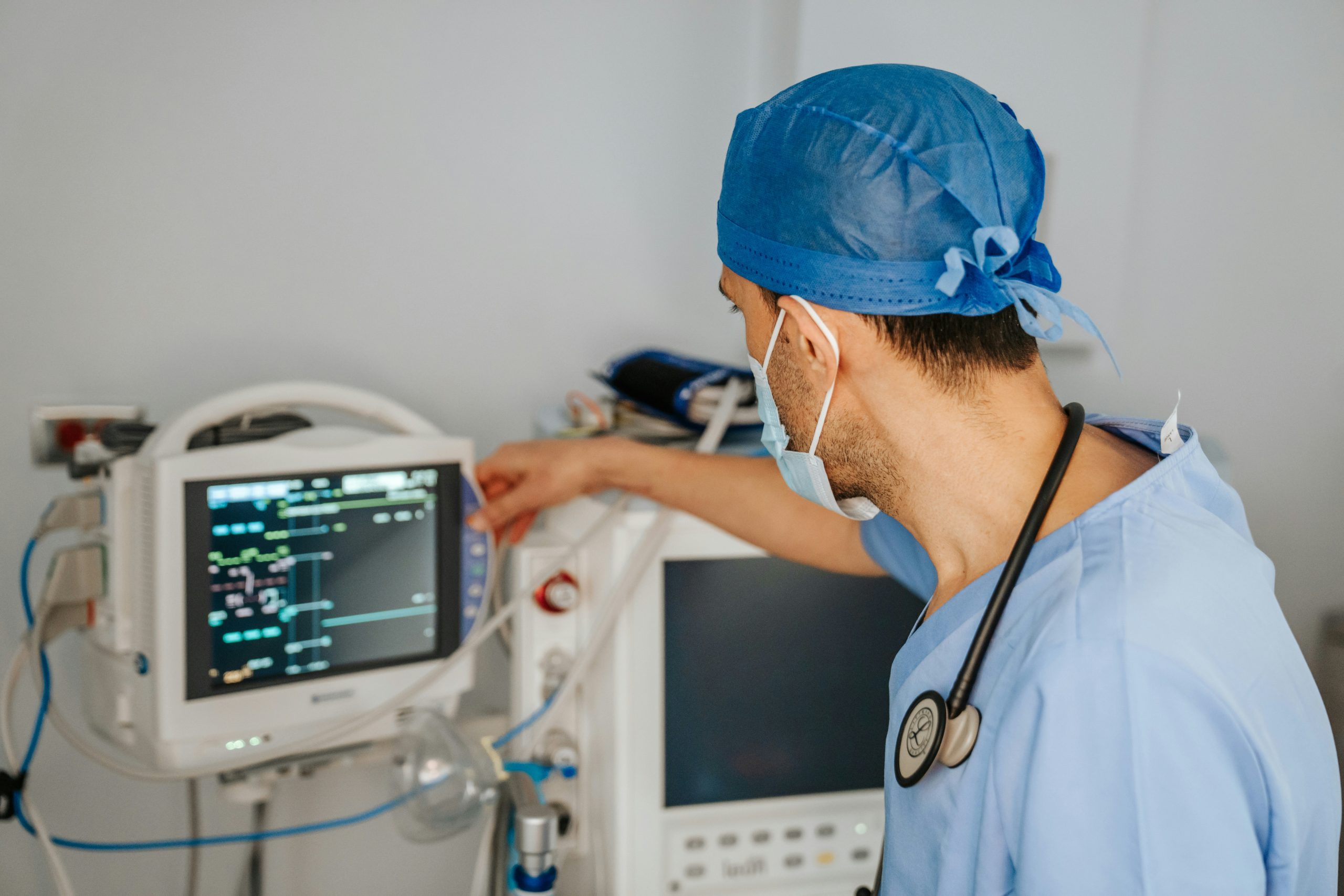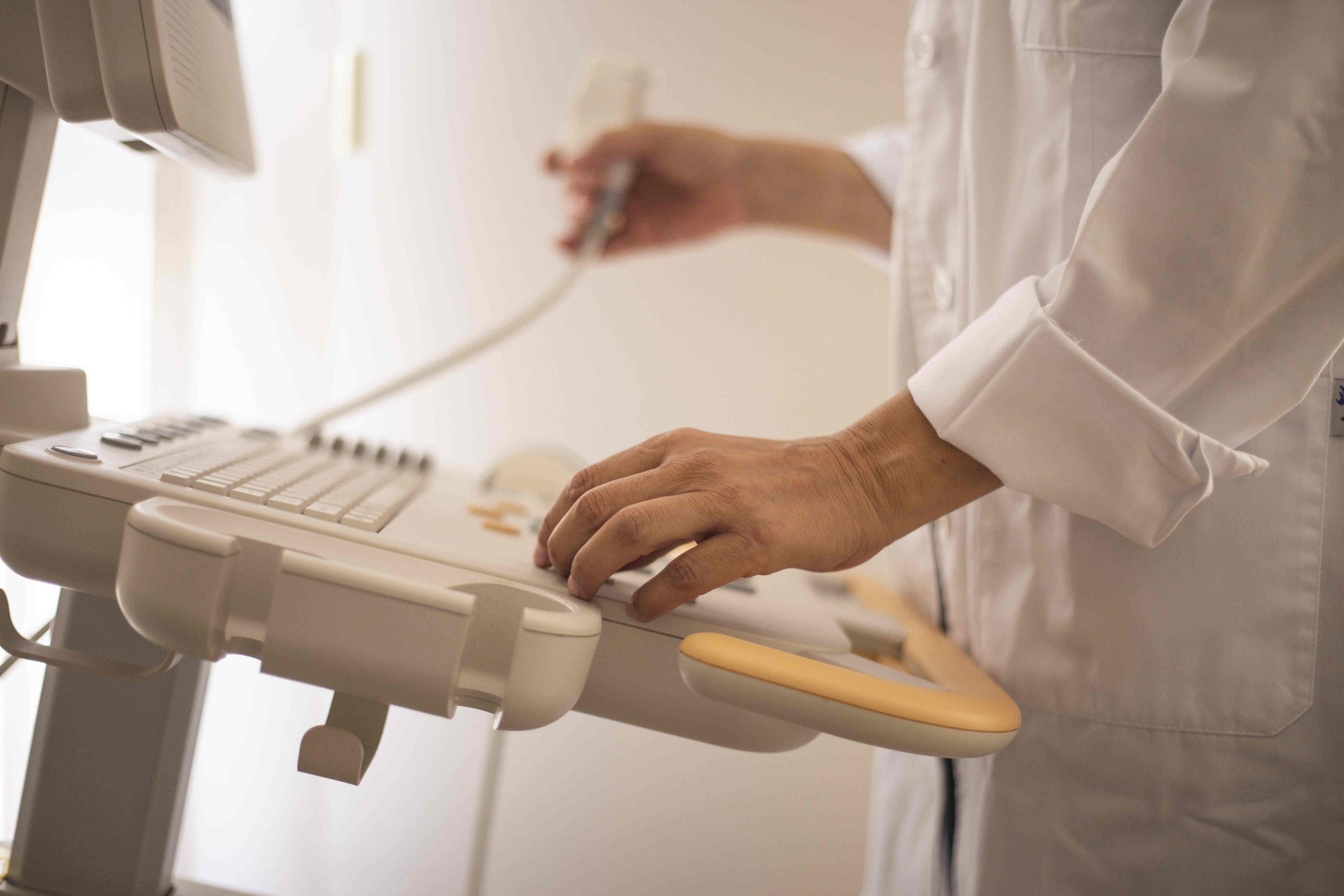
The best exam room supplies for California clinics include disposable gloves, disinfectant wipes, medical-grade paper, digital thermometers, and sharps containers. Clinics in California tend to choose supplies that adhere to rigorous health regulations and facilitate efficient patient treatment. Basic things like blood pressure cuffs, hand sanitizers, and disposable gowns assist both staff and patients in remaining safe. For clinics serving diverse populations, easy-to-clean surfaces, readily visible labels, and disposable items reduce dangers. Lots of clinics select green because it meets state regulations on waste. Filling these essentials minimizes lag and keeps clinics prepped for fresh demands. In the next section, discover how these supplies slot into real-world workflows to comply with state regulations for daily use.
Key Takeaways
- Choosing durable exam tables, high-tech diagnostic equipment, and comfortable chairs is essential to maximizing patient care and workflow at California clinics.
- Adherence to state-specific regulations, including seismic safety and accessibility requirements, is necessary to protect your patients and staff and your license to operate.
- As in piloting digital health integrations such as electronic health records and telemedicine platforms.
- With some attention to comfort and inclusive design, it is a patient experience game-changer.
- Sourcing medical equipment from trusted, affordable, and sustainable vendors will allow clinics to provide quality care while keeping costs in check and supporting environmental initiatives.
- By consistently reviewing and refreshing equipment and clinical protocols, clinics can stay agile to technological shifts and changing healthcare requirements.
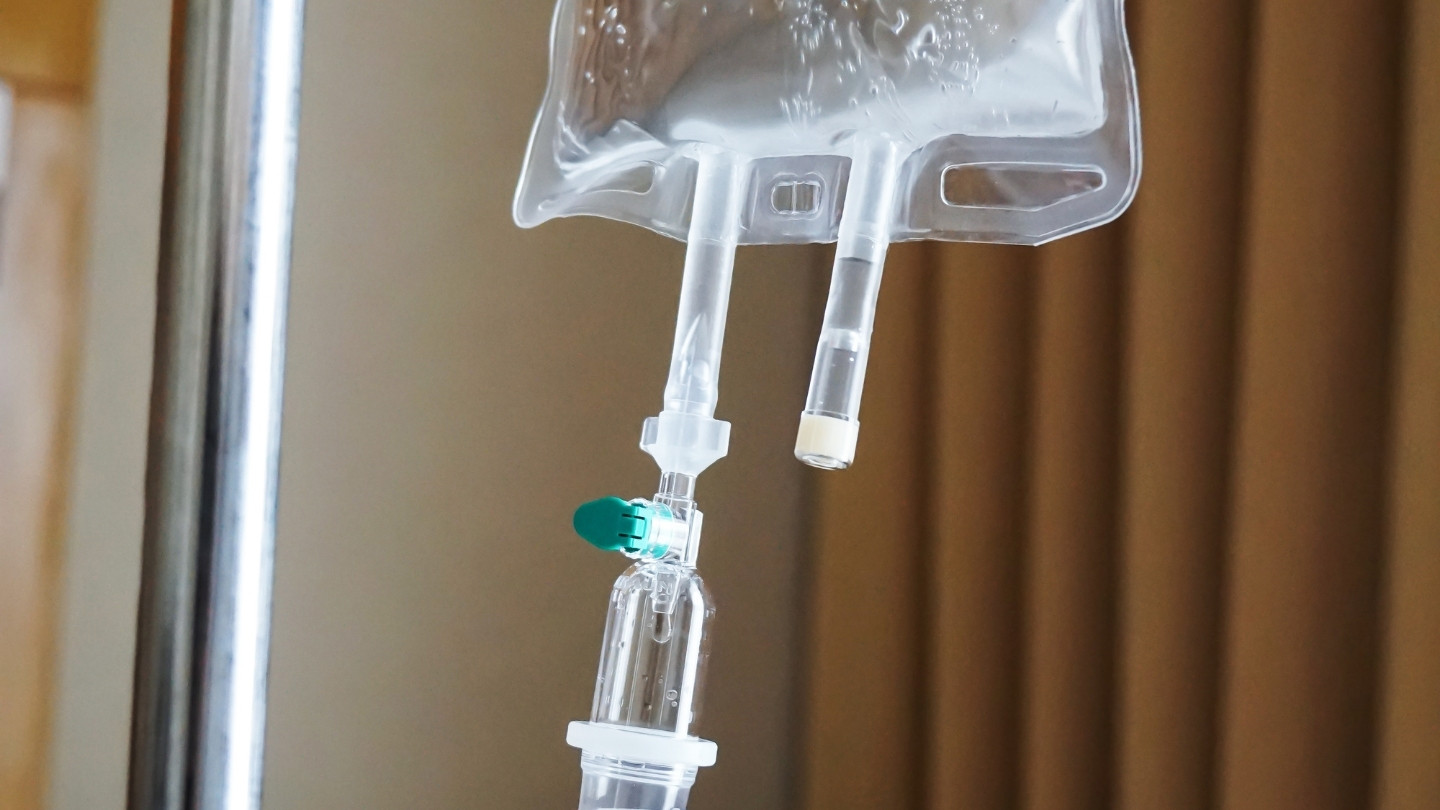
Core Exam Room Supplies For California
Choosing the appropriate exam room supplies for California clinics is all about quality, accessibility, and workflow. Fundamental medical tools are at the heart of each patient exam. Clinics should prioritize:
- High-quality examination tables for patient support
- Diagnostic tools for accurate health assessments
- Ergonomic seating for both patients and clinicians
- Hygiene stations for infection accessibility and control
- Disposables for daily clinical operations
Examination Tables
Resilient exam tables are essential. These should be able to withstand heavy use and accommodate patients of all sizes. Power exam tables facilitate height adjustment to enhance patient access and ease clinical workflow. Adjustable models aid various procedures and preserve patient dignity. ADA-compliant tables guarantee your clinic is up to code and accessible to patients with disabilities. Check out features such as seamless cushions, robust lifting motors, and side rails for added safety.
Diagnostic Tools
Clinics are required to have diagnostic sets with stethoscopes, otoscopes, and blood pressure monitors. These are the bare minimum items for a comprehensive test. Equipping walls with digital vital sign monitors can help you keep track of patient changes in real time. These all-in-ones, featuring everything from thermometers to pulse oximeters, take on most exam requirements. EHR stations, equipped with barcode scanners and mobile carts, assist staff in updating patient records swiftly and minimizing errors.
Seating Solutions
Seating should be ergonomic to safeguard staff from strain. A proper clinic features provider stools that adjust, patient chairs with armrests, and additional seating for visitors/family. Each seat needs to be secure, sanitary, and safe. Choosing chairs that complement the room’s decor aids in maintaining a serene and inviting space.
Hygiene Stations
Sanitizer is a must. Clinics require hand sanitizer pumps, disinfectant wipes, and soap dispensers at doors. Waste bins need to be lidded to prevent the transmission of infections. Gloves and masks should be easily accessible to staff and patients. If you’re going to share exam rooms, make sure your cleaning schedules are posted and followed so you keep things safe.
Essential Disposables
Gloves, gowns, and masks must be on hand. Rip-Resistant, Moisture-Protected Table Paper Core exam room supplies for CA. Basic lab supplies, like swabs and specimen cups, accelerate point-of-care testing. Keep consent, referral, and charting forms within arm’s reach to ensure charts stay full.
Meeting California’s Unique Standards
California clinics meet their own high bars, with strict rules governing every choice about exam room supplies. State building codes specify precise requirements for exam rooms, supply storage, and even ventilation. They require a clean utility room to process and store equipment, as well as a soiled workroom for linens. Sterilization has to take place in rooms with vents that exhaust steam outside. There is a separate area for sterile and drug supplies. Each medication prep station requires its own counter, handwash sink, and storage. They help avoid contamination, safeguard patients, and maintain the quality of care. Clinics need to satisfy these standards even when space and budgets are limited.
Regulatory Compliance
All medical equipment must be up to state and federal codes. It’s crucial to verify current regulations, as California frequently updates its standards to align with advancements in science and safety concepts. After a few months, policies should be reviewed. Recording each compliance action is a smart practice, not to mention evidence for inspections and audits. Clinics should maintain maintenance, check, and staff training logs. Our legal experts can help you navigate industry-specific health laws and skirt penalties. Their guidance may be the difference between passing and failing an inspection.
Seismic Safety
California’s earthquake risk means clinics must use seismic safety to design heavy equipment, and cabinets need to be secured to floors or walls so they don’t topple and injure someone. This goes for exam tables, shelves, and even computers. Staff have to conduct emergency drills a few times a year. These drills instruct rapid, safe behavior during a quake. Emergency plans need to be reviewed and updated regularly to align with best practices. Items such as flashlights and first aid ought to be within easy reach.
Accessibility Mandates
| Feature | Description | Standard |
| Door Width | Wide enough for wheelchairs | ≥ 86 cm |
| Exam Table Height | Adjustable for easy transfer | 46-86 cm range |
| Wall Stations | Reachable from a seated position | ≤ 122 cm high |
| Sink Controls | Easy for those with limited hand use | Lever or sensor |
| Clear Floor Area | Space for patient turning and assistance | ≥ 1.5 m x 1.5 m |
Wall stations and switches must be installed within reach from a sitting position. Our adjustable exam tables accommodate patients of all sizes or physical abilities. Employees need to learn how to assist visitors with sight, hearing, or mobility requirements. The training should be frequent and practical.
Prioritizing Patient Experience
Patient experience influences health outcomes and satisfaction. Clinics that prioritize patient experience, by focusing on comfort, digital convenience, inclusivity, and feedback, witness real gains in quality of care and efficiency.
Comfort Amenities
- Soft blankets and ergonomic pillows for patient relaxation
- Seating with firm support and adjustable height
- Temperature controls and gentle lighting to reduce stress
- Refreshment stations with water, tea, and light snacks
- Art, plants, and soothing wall colors for a peaceful ambiance
- Quiet zones for privacy during sensitive discussions
A cozy, clean room with dim lights and soft green or blue hues soothes the nerves. When patients get blankets or supportive pillows, they’re more likely to get comfortable and settle in, particularly for longer visits, as well as for kids and elderly patients. Something as straightforward as providing refreshments in the waiting area can help soothe frayed nerves and make delays more bearable, a very important consideration when you consider that, over the last few years, average wait times have grown 24%.
Digital Integration
Electronic health records reduce mistakes and accelerate patient intake. Digital appointment scheduling trims wait times and enables clinics to make good use of space. Patient portals allow patients to access test results, update information, and submit questions, fostering trust and engagement. Telemedicine introduces convenience, enabling clinics to reach patients who can’t make it to an in-person appointment or need a check-in that doesn’t require examination.
With mobile carts and digital tools in exam rooms, it’s easier for clinicians to pull up patient data, show visuals, or update charts while talking with patients. This immediate access enhances communication and personalizes visits. Clinics that shift away from rigid templates and paper logs are less likely to experience bottlenecks and maximize exam room utilization, a major concern as 72% of health systems operate under optimal room utilization capacity.
Inclusive Design
Let’s say a clinic embraces every patient. Have signage and forms in multiple languages. Incorporate wide doorways, non-slip floors, and adjustable tables for those with mobility issues. Visual cues, tactile markers, and good lighting assist those with sensory or vision challenges. Art and decor should reflect multiple cultures so that anyone feels represented.
Spaces that feel safe and open foster candid conversations and comprehensive exams. A considerate design, leaving room for relatives or assistants, honors various cultural values regarding medical care.
Patient Feedback
Request feedback following every visit. Leverage surveys, suggestion boxes, and digital forms. Explaining this input exposes holes and establishes credibility. Monitoring feedback over time reveals what’s effective and what requires modification. Tiny pivots, such as a form refresh or new amenity, can go a long way. Clinics that act on feedback demonstrate compassion and maintain the human element of care.
The Practitioner’s Perspective
Clinic exam rooms are a silent testimony to the quality of a practice and the quality of care. The aesthetics and utility of these spaces are important, both for the clinician’s well-being and for the patient encounter. Little things like décor, the selection of supplies, and considerate organization influence what patients believe, frequently prior to a provider even stepping foot in the room.
Ergonomic Equipment
Ergonomics is no buzzword! For clinical staff pounding floors or desks all day, the right chair equals less downtime and fewer injuries. Selecting chairs with lumbar support or height-adjusted desks assists providers of all physiques to work comfortably. Adjustable stools, exam lights, and mobile work surfaces assist staff to shift positions with ease, reducing repetitive strain. Easy-to-implement solutions, such as anti-fatigue mats or exam tables with adjustable heights, provide comfort and efficiency, especially for those with long shifts. Periodic reviews should be standard, ensuring that all equipment remains ergonomic and keeps up with changing staff requirements.
Workflow Efficiency
Clinic flow starts with smart design and the appropriate equipment. Excess equipment in a view congests a space and bogs down each person. Some of the practicing clinicians I spoke with discovered that having benefits from your visits by keeping only the essentials exposed and storing the others away. An EHR that integrates with practice management systems keeps staff from being data-entry bottlenecks. Continuing staff training on diagnostic devices and process tweaks makes daily work easier. Regular workflow reviews, for example, timing how long work takes from patient intake to discharge, expose where minor tweaks can recapture lost minutes. Even minor adjustments, like moving supply carts, can make a big difference.
Durable Materials
Busy clinics require gear that gets the job done. Stainless steel and reinforced plastics withstand daily abuse and powerful cleaners. It’s intelligent to select exam tables and chairs that are constructed with sealed seams so they can be easily wiped down, addressing both hygiene requirements and patient comfort. For that big-ticket item, check the warranty, and good coverage means the manufacturer stands behind their item. Tables with reinforced frames or modular components minimize replacement expenses and downtime. Hard-wearing, easy-to-clean surfaces back up infection control and provide a polished impression that reassures patients of the clinic’s standards.
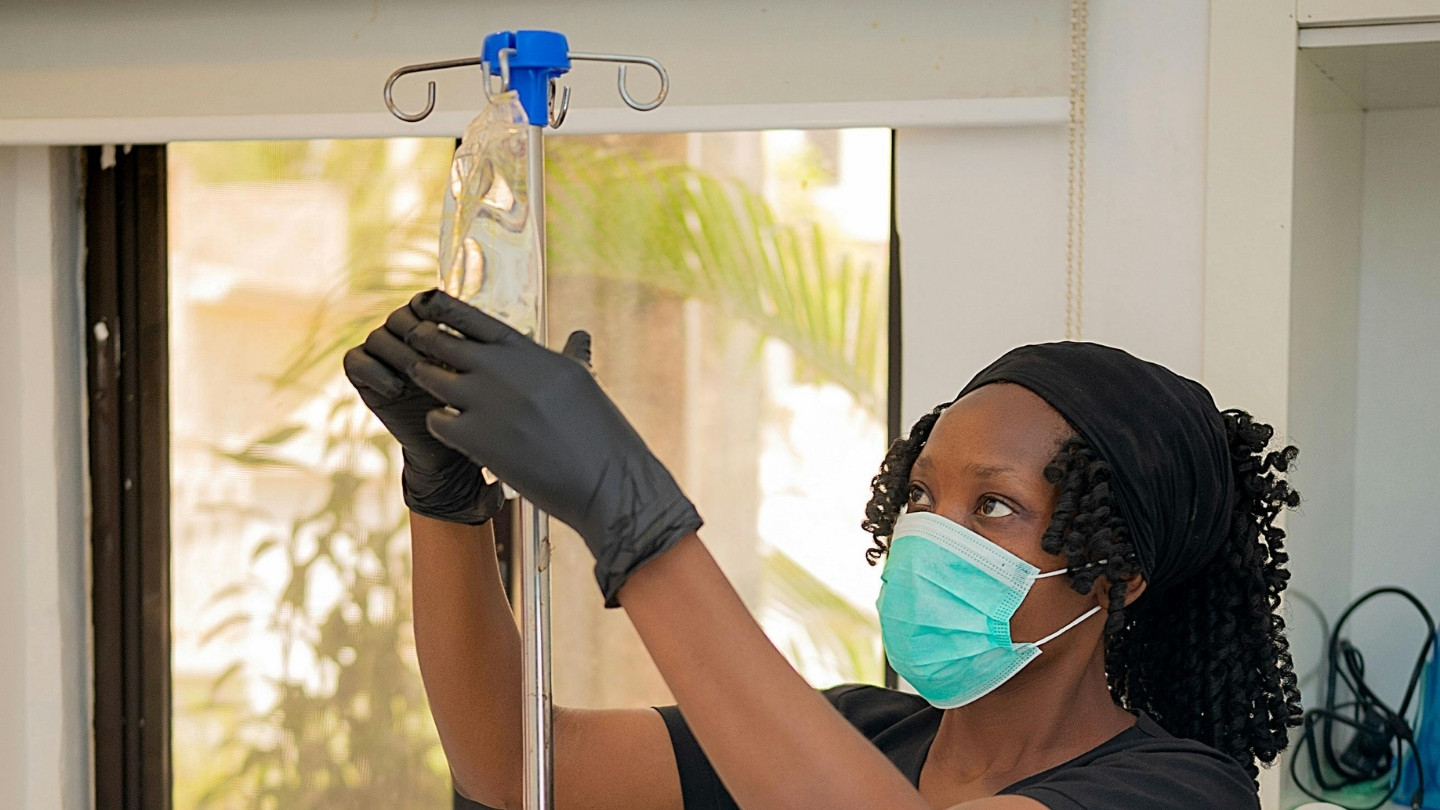
Smart Sourcing And Procurement
Smart sourcing and procurement are crucial to operating cost-effective, compliant clinics in California. Selecting exam room supplies means striking the proper balance between cost, quality, compliance, and sustainability. Clinics need to pay attention to trusted suppliers, mindful spending, and green practices. These smart sourcing and procurement tidbits, such as making a habit of reviewing procurement lists and emphasizing immediate needs, help clinics run smoothly.
Cost-Effectiveness
- Don’t just look at the sticker price. Consider hidden costs, such as maintenance, warranties, and downtime. A low-cost machine might have exorbitant service charges or a short life expectancy, increasing the total cost of ownership.
- Think certified refurbished gear. These can provide 30% savings versus a new equivalent without sacrificing quality. A refurbished blood pressure monitor, exam table, or otoscope from a trusted supplier is warranted and goes through rigorous inspection.
- When possible, take advantage of price match policies. This guarantees that your clinic isn’t overspending on disposable gloves or syringes. Some suppliers will match or beat competitor prices, adding up to serious savings over the course of a year.
- Fix budget boundaries. Rethink your budget and prioritize buys; choose those that affect patient safety or compliance first. Use a checklist and review every 6-12 months as needs and rules evolve.
Supplier Vetting
Verify supplier backgrounds for reliability and compliance, as erratic deliveries or sub-par quality can throw care into chaos. Ask for product samples, whether it’s wound dressings or thermometers, so you can actually check the quality before placing a bulk order. Scan customer reviews and testimonials to get a sense of the supplier’s performance. Do customers praise their service, durability, and punctuality? Establishing long-term relationships with suppliers who demonstrate reliability and openness simplifies reorder processes and allows for negotiation of improved contract conditions in the future.
Sustainable Choices
Choose exam gloves, gowns, and paper products that are recycled or biodegradable. Choose vendors who use renewable energy or eco-friendly packaging. Establish recycling bins for sharps containers and packaging to minimize landfill waste. Educate employees on sorting recyclables and green labels. Sustainability in procurement supports the environment and a great clinic reputation.
Future-Proofing Your Clinic’s Supplies
To future-proof your clinic’s supplies, construct a system that can pivot with new technology, evolving legislation, and expanding patient requirements. California clinics need to future-proof their supplies for new care models, renovations for accessibility compliance, and rapid tech developments in health care. Clever foresight keeps clinics prepared, protected, and productive.
Telehealth Readiness
Telemedicine tools have become essential. Clinics will need to future-proof their supplies with HD cameras, secure telehealth platforms, and modular vitals signs monitors that can plug in data from remote visits. Training your staff is just as important as the hardware. Your staff needs to learn how to walk patients through virtual consults, maintain your systems, and identify red flags in remote triage.
Electronic prescriptions increase the efficiency of handling medications and decrease mistakes, particularly when integrated with a clinic’s primary notes. Secure chat and video links are crucial to safeguard patient privacy throughout virtual care. Privacy isn’t just a legal risk but a trust and patient safety issue. Clinics have to use encrypted, HIPAA-compliant platforms and update security frequently.
Emerging Technology
Med-tech moves fast, so clinics should make note of new innovations like smart exam tables with power lift functions that can descend as low as 43 centimeters. This makes care safer for everyone, but it’s mandated by new ADA regulations. Specialty tables, such as OB/GYN, bariatric, and pediatric, bolster diverse patient needs and assist clinics in compliance with legal requirements.
Equipment planning conditions care speed and care quality. With modular exam tools, such as otoscopes, ophthalmoscopes, and speculae, your clinic is future-proofed for many exams. Oximeters, ECG machines, defibrillators, and X-ray equipment are top choices for an exam room setup. Tell clinics to stock up on gloves, masks, and gowns as well. These essentials safeguard everyone from staff to patients and are now a given in any environment.
New workflow and diagnostic software can save time and reduce errors. Clinics might want to collaborate with tech companies to pilot state-of-the-art solutions before they become the new norm. Regular staff training is crucial. A clinic that future-proofs its team remains safer and more efficient for years to come.
Conclusion
Keeping sleek with your exam room supplies makes a world of difference for California clinics. Top picks like rugged exam tables, easy-to-clean seating, and state-of-the-art diagnostic equipment keep up with tough state regulations. Basics, like touch-free hand gel pumps or clear storage bins, can influence a patient’s visit and make everyday work easier for staff. Smart supply selections help clinics to function more effectively, save time, and increase confidence between staff and patients. Make a habit of reviewing what you use, collaborating with your team, and doing occasional check-ins on new gear as it hits the scene. To help keep your clinic future-ready, post your own advice or questions on supply selection below! Let’s support one another’s growth.