Among California medical suppliers providing FDA-registered infusion devices are many reputable companies. These suppliers include FDA registration for devices such as infusion pumps and sets, meeting rigorous standards for safety and quality. Most operate out of California and distribute to hospitals, clinics, and home health organizations. To satisfy compliance requirements, suppliers display registration information on their corporate websites and in product literature. Many also assist healthcare teams with training and technical support for device installation and use. The following sections guide verifying FDA registration before purchasing or deploying infusion devices.
Key Takeaways
- When selecting infusion device suppliers in California, prioritize those with proven FDA registration, as this ensures adherence to essential safety and quality standards recognized globally.
- Consider suppliers with extensive distribution networks and positive reputations to guarantee timely access to devices in various healthcare settings.
- Knowing the regulatory landscape and classification systems for infusion devices is key. This intelligence assists in pinpointing compliant manufacturers and projecting regulatory challenges.
- Go beyond referrals and reputation; perform rigorous supplier audits, including certification verification, safety, and recall procedures, to maintain product quality and minimize risk.
- Beyond devices, look for California medical suppliers with biomedical support, custom solutions, and solid training programs, because they can make a big difference in device performance and patient outcomes.
- Deliveries, bulk orders, pricing models, flexibility, these details, among others, are part of an effective supply chain that facilitates the sustainable relationships medical suppliers want to engage in.
California Suppliers For Infusion Devices
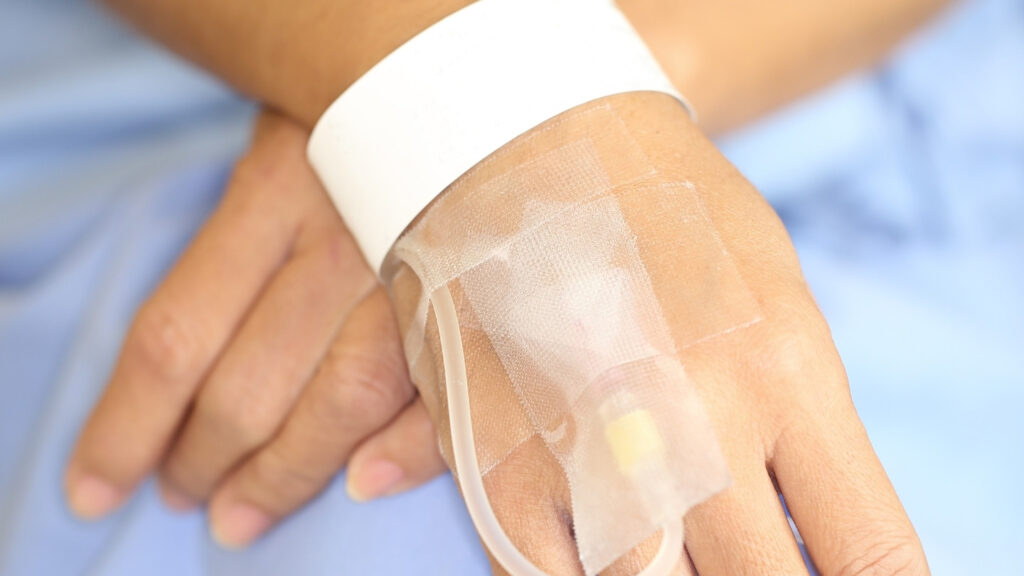
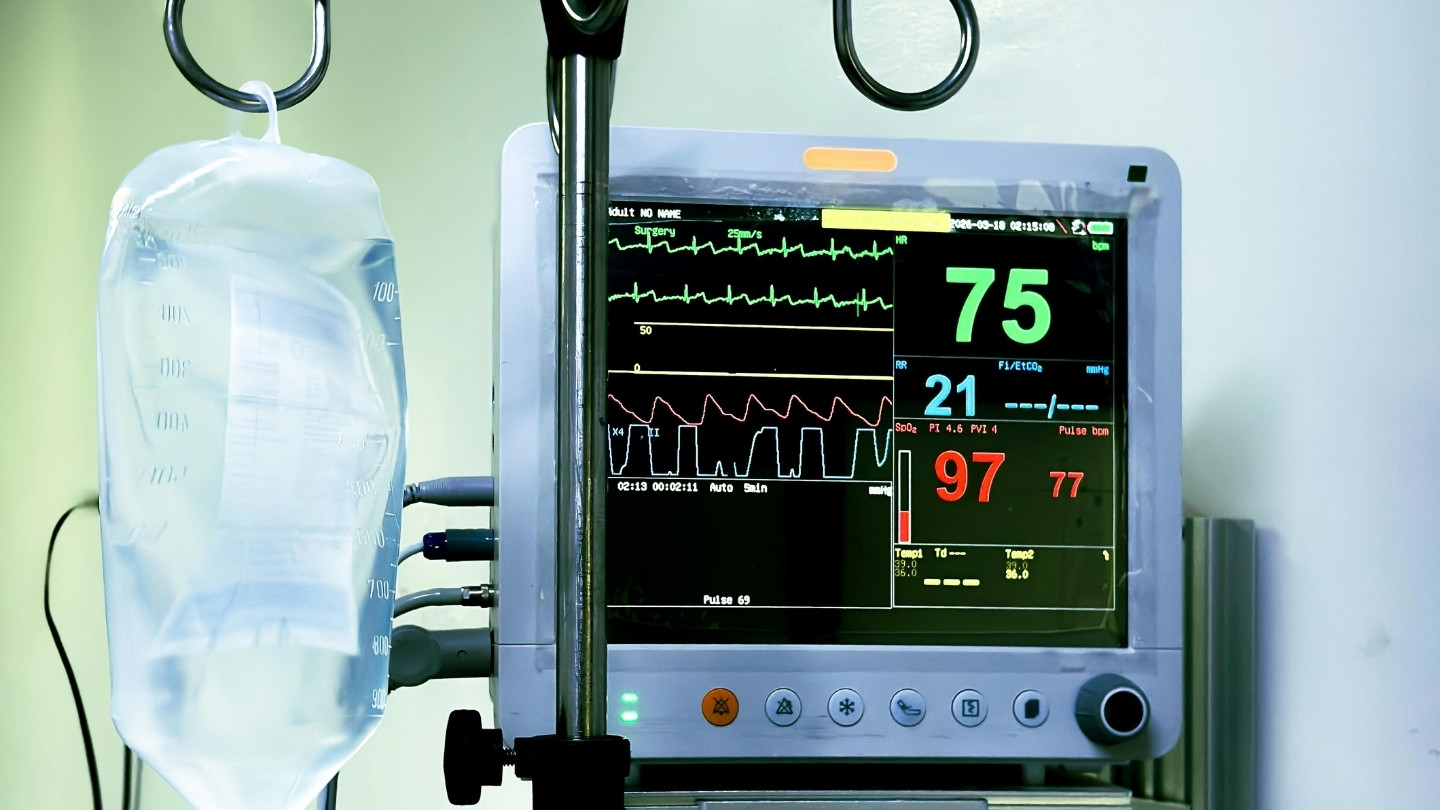
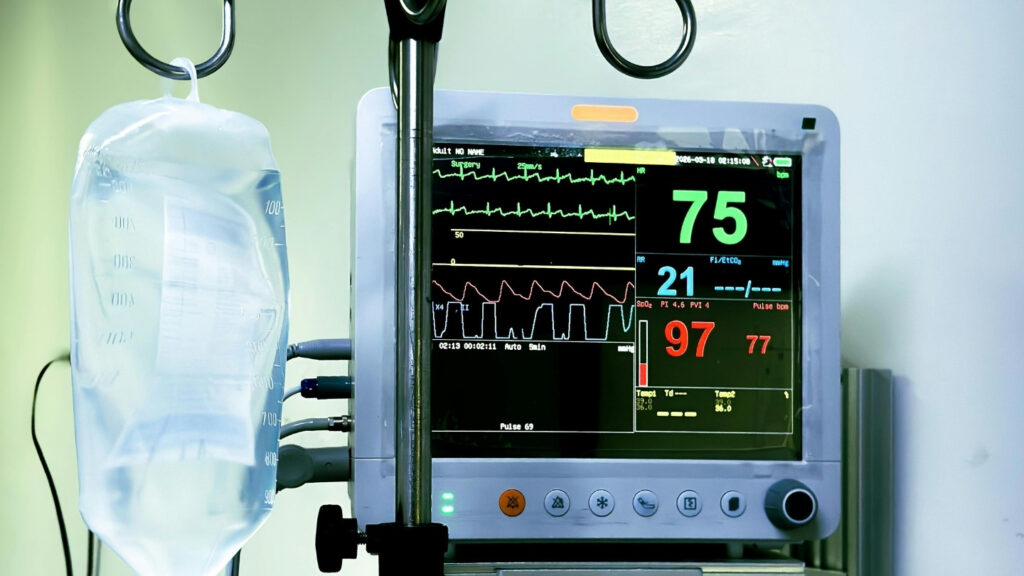
California is a vital medical device manufacturing center, with an extensive network of suppliers offering FDA-registered infusion devices. These devices, which are critical to healthcare, have been used to treat more than 80 percent of inpatients who receive infusion therapy for everything from pain management to chemotherapy to nutrition. Multitherapy, syringe drivers, and portable units are available in the state’s suppliers’ product portfolios. Several offer custom manufacturing, product lifecycle management, and sourcing services to healthcare customers locally and globally.
Distributors
Top distributors in California with expansive networks provide hospitals, clinics, specialty care centers, and other specialized organizations with FDA-registered infusion devices. They usually carry all types of infusion pumps, from volumetric & syringe to portable ambulatory units. Many urban areas receive next-day delivery, and rural areas take slightly longer. Distributors’ prices compete; some include bundled maintenance and payment plans. Service is a differentiator; best-in-class distributors offer live tracking and responsive tech support, minimizing downtime for providers.
Manufacturers
California suppliers for infusion devices, including some top infusion device manufacturers, use precision engineering techniques such as plastic injection molding and deep drawing. These manufacturers invest heavily in R&D, producing innovative products, such as multichannel pumps and wireless-enabled devices. They follow stringent quality assurance processes, with most holding ISO 9001:2008 certification and CE marking, ensuring global regulatory compliance. Manufacturer reputation plays a role in device reliability. Hospitals tend to prefer brands with a history because they have a track record for safety and performance.
Specialty Providers
Some California suppliers specialize in niche infusion devices and therapies, such as pediatric or home-based infusion services. These niche vendors set themselves apart through customization, providing customized device setup and individualized clinical assistance. Their staff usually consists of biomedical engineers and clinicians who direct client facilities through device selection, setup, and maintenance. By focusing on particular patient needs, such as rare disease therapies, specialty providers create value beyond traditional distribution models.
Rental Services
Rental services for infusion devices are common, serving the requirements of short-term care or trial therapies. Renting gives them more financial flexibility. Clinics can obtain state-of-the-art equipment without a big initial investment. Contracts range from a week to months and include servicing and technical support. In fact, many suppliers have online applications and quick approval for rental devices, allowing this to be an option for both small practices and large hospitals.
Understanding FDA Registration
FDA registration for medical devices such as infusion pumps indicates that the manufacturer has informed the U.S. Food and Drug Administration regarding the device and presented it for evaluation. Registration is not a seal of approval; it is an essential regulatory barometer. For infusion devices, FDA clearance is a guarantee that our products meet rigorous safety and performance standards prior to arriving at hospitals and clinics across the globe. It’s important for patient safety because it avoids the spread of dangerous or untrustworthy equipment. Devices can’t be legally sold or used in the US without FDA clearance, and not complying means serious legal and financial repercussions for manufacturers.
Regulatory Framework
The regulatory framework for medical devices in the US is governed by the FDA’s Center for Devices and Radiological Health (CDRH). Infusion devices are regulated by the FDA, but other regulators, such as CMS, can impact guidelines surrounding reimbursement and utilization. Clinical data is central to regulatory approval by demonstrating that a device is safe and effective for its intended use. Manufacturers are usually required to submit elaborate clinical trial results and real-world data. Post-market surveillance is key once a device hits the market. This includes monitoring adverse events and device failures, which necessitate continuous reporting to maintain patient safety and regulatory compliance.
Device Classification
The FDA classifies medical devices into three categories: Class I (low risk), Class II (moderate risk), and Class III (high risk). Infusion pumps and their accessories are Class II, in most cases, as they pose a moderate risk and require special labeling and performance standards. Implantable infusion devices, such as chemotherapy, typically fall under Class III. Device classification determines the regulatory path a manufacturer needs to take. For instance, Class II devices typically need a 510(k) premarket notification, whereas Class III devices necessitate a more stringent premarket approval (PMA). It affects the speed at which suppliers can get devices to market and the amount of evidence they need to back up their claims.
Compliance Path
Manufacturers seeking FDA registration must submit detailed product information, including technical documentation, safety test results, and clinical evidence. For most infusion devices, a 510(k) submission is needed to show that the new product is substantially equivalent to an existing, legally marketed device. For higher-risk devices, a PMA involves extensive clinical trials and risk assessments. Pre-market submissions are reviewed by FDA experts, who may request additional information or testing. Once a device is cleared or approved, manufacturers must maintain strict quality controls and report any adverse events to remain in compliance.
Vetting Supplier Quality
Supplier quality vetting is the cornerstone of sourcing medical infusion devices, where patient safety and regulatory adherence are critical. For international readers, understanding California supplier vetting can assist you in making wise, informed decisions. We begin with a rigorous audit, both documentation and on-site, to cover all aspects of supplier dependability.
- Start by asking and inspecting the supplier’s quality management system (QMS) documentation, such as ISO 13485 certification and FDA registration information. Such certifications establish a regulatory and SOP baseline.
- Finally, vet the supplier’s product quality controls, such as procedures for routine product inspections and testing to ensure devices adhere to precise specifications and safety standards.
- Perform on-site audits to witness manufacturing workflows, quality gates, staff training, and safety standards in action.
- Investigate the change control process, ensuring changes to design, materials, or procedures are properly documented, reviewed, and approved before implementation.
- Dig into risk management, looking for foresight in identifying and mitigating risks that could affect device quality or safety.
- Examine defect rates, trends in customer complaints, and any previous product recalls or regulatory actions to get a sense of the supplier’s track record.
- Keep the line of communication open and have a transparent relationship, where each party is dedicated to quality improvement.
Verification Process
The check begins by verifying the supplier’s QMS certifications and FDA registration. Third-party audits and site visits can help validate capabilities, looking for consistency in equipment calibration, staff training, and adherence to written protocols. Critical metrics like yield rates, defects, and on-time delivery. Third-party audits introduce objectivity, and all should be recorded in a database for future reference.
Safety Protocols
Suppliers need to demonstrate compliance with rigorous safety standards. This covers sterilization standards, traceability of materials, and batch testing. Periodic compliance auditing and corrective action reports support patient safety. Risk-based approaches, including FMEA, are standard in big manufacturers. These protocols directly influence which suppliers are selected for long-term partnerships.
Recall Management
Recall management needs well-defined procedures for swift action. They must vet supplier quality, determine which suppliers and manufacturers to involve, orchestrate a recall strategy, communicate quickly with distributors and users, and record every step. A track record of efficient recalls indicates trustworthiness. Recalls affect reputation, and suppliers with a history of transparent, timely action can expect to keep trust.
Beyond Device Sales
California medical suppliers for FDA-registered infusion devices are in a business much bigger than device sales. The medical device field is enormous; it’s a $10 billion a year business with products in 75 countries. Device companies have thousands of patents and tens of thousands of employees around the world. Their prominence on the global health stage is defined by an uncompromising commitment to research, innovation, and direct clinical impact, with companies investing billions annually to drive new solutions and improve patient care.
Biomedical Support
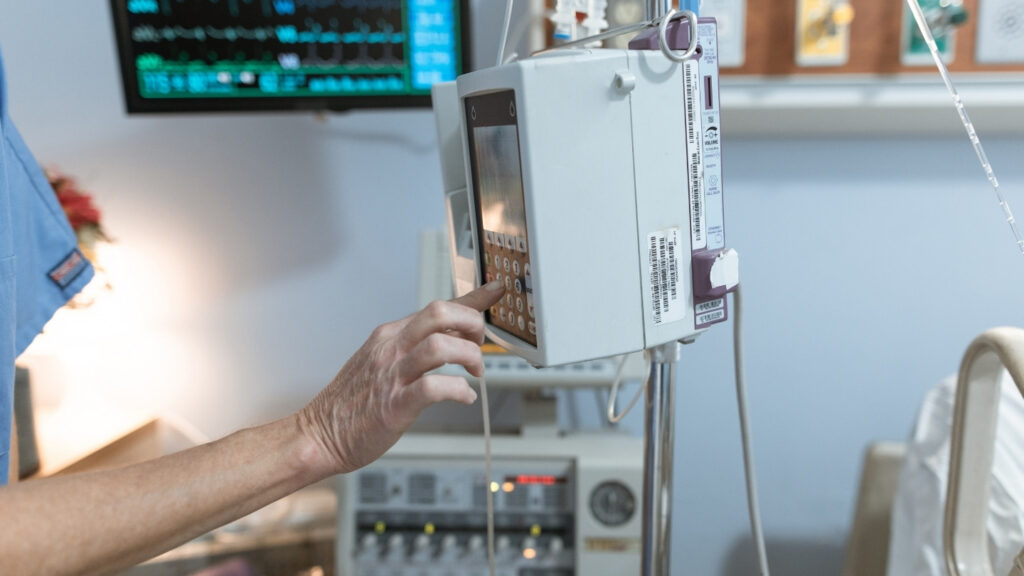
Biomedical support is a core service for many suppliers, making sure infusion devices function safely and reliably. This support covers routine maintenance, software updates, and troubleshooting assistance, all steps important to reducing downtime and risk. Most top providers hire their own technical staff or employ specialized biomedical engineers who can, for example, perform calibration and urgent repairs. Remote diagnostics, device loaners, and on-site visits are all part of ongoing service contracts. These actions decrease device failures and assist providers in staying ahead of regulatory requirements. With dependable biomedical support, that equals fewer device errors, less patient risk, and superior clinical outcomes.
Custom Solutions
Custom solutions have become a key differentiator for top suppliers. Hospitals and clinics may need infusion devices configured for unique patient groups or specialized therapies. Leading suppliers work with clinical teams to map exact needs, using advanced data modeling and iterative design methods. The process typically starts with a needs assessment, followed by prototype development, testing, and on-site validation. Customization can cover hardware tweaks, software interfaces, or workflow integration. Personalized solutions enhance clinical flexibility and can improve patient experiences, such as reducing therapy time or improving medication accuracy. Suppliers who offer custom builds often stand out in a competitive market.
User Training
- In-person device operation workshops
- Online simulation modules and video tutorials
- Train-the-trainer programs for clinical educators
- Refresher and certification courses
Good user training is critical. Good training means less misuse, safer use, and more successful patients. It saves by reducing device error and increasing staff confidence. Ongoing education, ranging from refreshers to new feature updates, touches base with clinical teams as devices change. Training is available in multiple languages and formats, supporting a global workforce and diverse patient populations.
Navigating Supply And Logistics
Providing FDA-registered infusion devices in California is about more than just shipping products. It requires strategic foresight and a solid understanding of regulations such as ISO 13485 and FDA 21 CFR 820. Everything we do, from sourcing to delivery, is connected in some way to device safety, patient care, or cost containment. Navigating Supply + Logistics: Digital tools like IoT tracking now give suppliers more visibility into their supply chains, helping them stay ahead of compliance standards and rapidly shifting demand.
Delivery Timelines
Almost all infusion device providers establish delivery windows anywhere from days to weeks. Expediency is a function of inventory, shipping possibilities, and customs inspections. Delays can come from customs holds, paperwork, or device part shortages. Late deliveries can destabilize treatment, and so providers and suppliers need to remain in sync. Dependable suppliers typically employ real-time tracking and provide updates, allowing purchasers to prepare for patient demands or even emergencies.
Transparent deadlines keep both sides moving quickly if schedules slide. Written agreements on lead times and shipping methods eliminate guesswork. Certain vendors will provide rush orders for emergency treatment, but these can be more expensive. Ideally, you’ll want to work with vendors that have a history of being communicative and punctual.
Bulk Orders
Buying infusion devices by the truckload reduces unit cost and shipping fees. Bulk orders may get you a discount, but only if the supplier can fill them. Handling bulk shipments involves storage, expiration date monitoring, and defect inspection upon receipt. Certain hospitals rely on automated systems to record new stock as it arrives.
Negotiating bulk deals is about more than just requesting a discounted rate. Buyers should negotiate up front for better payment terms, warranties, and support. Occasionally, suppliers will accommodate staged deliveries, but not all, thereby spreading out shipments to coincide with usage and storage availability.
Pricing Models
| Factor | Description |
| Volume discounts | Lower unit price for bigger orders |
| Regulatory compliance | Extra costs tied to meeting FDA standards |
| Device complexity | More features can mean higher prices |
| Service agreements | Maintenance or training may add to costs |
| Delivery logistics | Fast or specialized shipping changes the price |
Clear pricing enables buyers to determine whether inflated prices actually correspond to device quality and service. For example, a few suppliers provide detailed, line-item quotes, so you can more easily shop around or identify sneaky charges. Comparing the price to the sticker, we consider reliability, service, and ease of use.
Conclusion
When it comes to choosing the right infusion device, you need a supplier who checks all the boxes. Seek obvious FDA listings, quick assistance, and open communication. Top-tier California suppliers demonstrate what great service is: straightforward ordering and transparent tracking. They understand hospital and clinic requirements are dynamic, so they provide support for setup, training, and updates. Great vendors make it easy, not difficult. They speak clearly, provide product guides, and resolve problems quickly. To verify a supplier, request evidence of FDA documentation and confirm their track record. The right partner helps you thrive and stay safe.