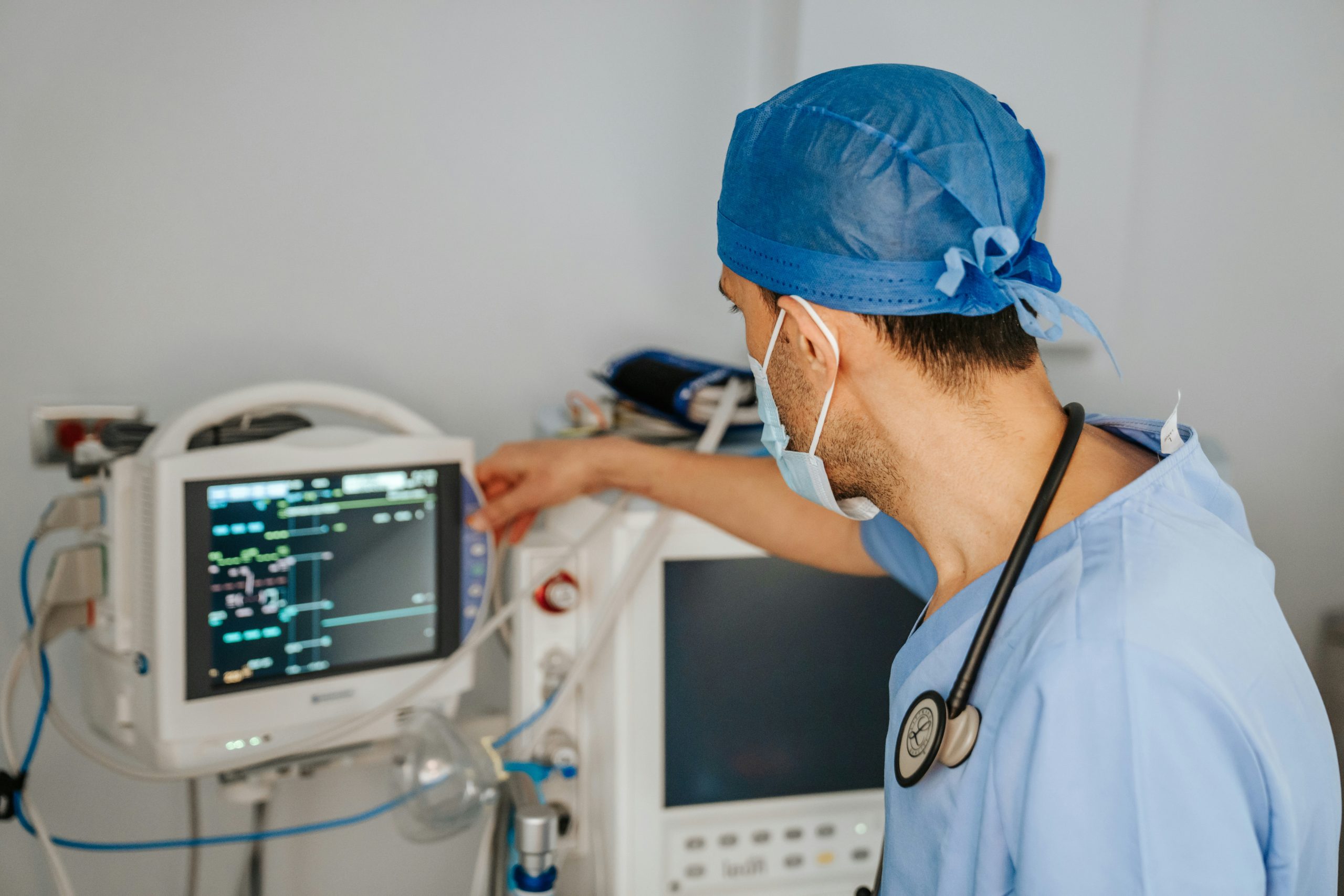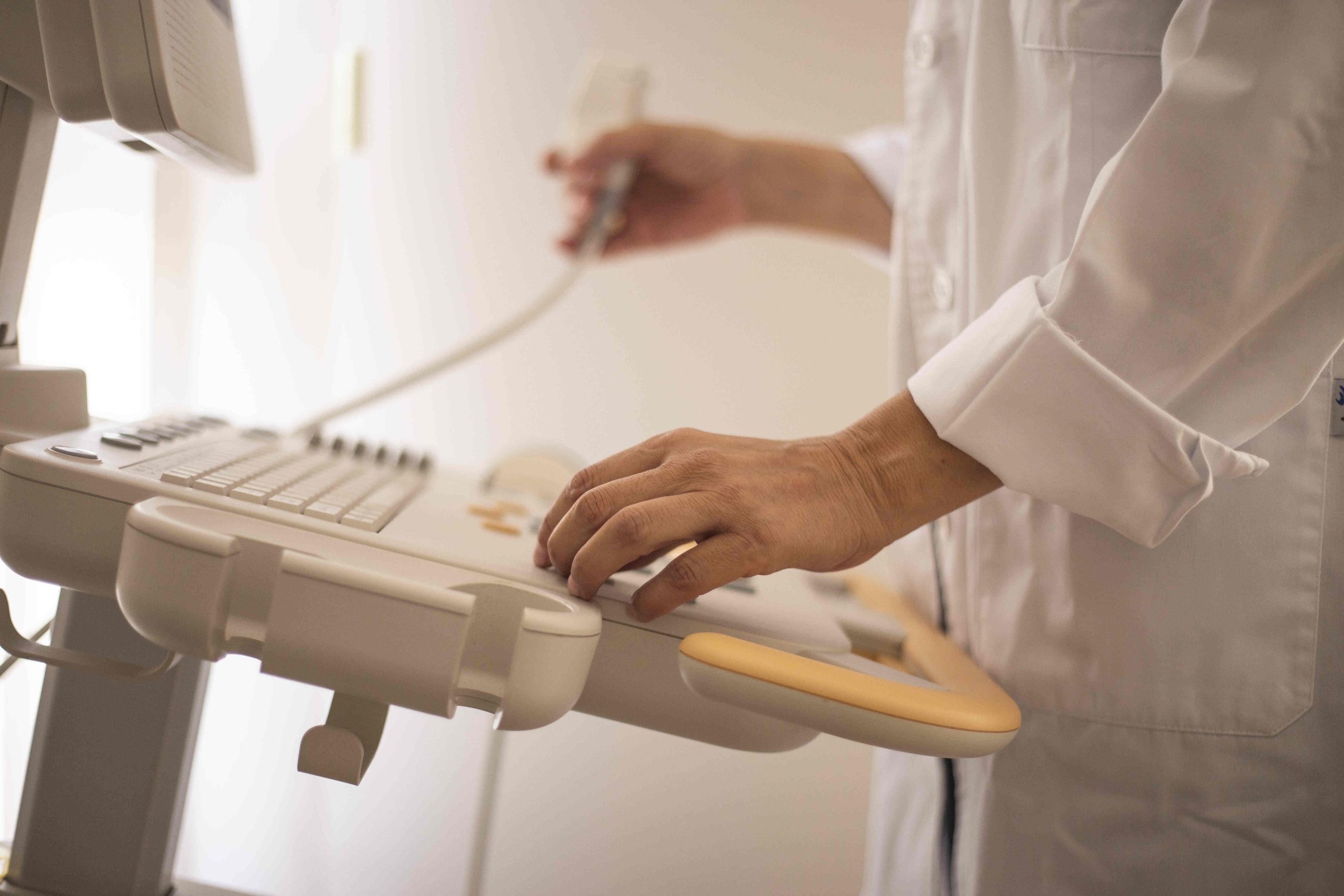

Medical devices play an important role in modern clinical care, from diagnostic equipment and monitoring technologies to treatment-related devices and other products used by healthcare professionals. These devices can support physicians, nurses, technicians, and other clinical staff in diagnosing conditions, monitoring patients, delivering treatments, and improving the overall efficiency of care. Because medical devices can directly affect patient safety and clinical outcomes, clinics need reliable processes for evaluating, purchasing, using, maintaining, and documenting them. Selecting products with appropriate FDA registration and regulatory compliance can be an important part of a broader risk-management strategy.
However, clinics should understand that the term “FDA-registered” does not mean the FDA has approved or cleared the specific device. The U.S. Food and Drug Administration explains that establishment registration and device listing do not, by themselves, indicate FDA approval, clearance, or authorization. This distinction is important because clinics may encounter various regulatory claims when researching medical devices and healthcare products. Rather than relying solely on marketing language, clinics should look beyond a registration claim and evaluate a device’s applicable regulatory status, labeling, identification information, supplier documentation, intended use, and other relevant requirements. Taking these steps can help healthcare organizations make informed purchasing decisions while reducing the potential for regulatory, operational, and patient-safety risks.
Key Takeaways
- FDA registration and device listing can provide useful regulatory information, but they are not the same as FDA approval, clearance, or authorization.
- Clinics should verify a device’s applicable regulatory status through appropriate FDA databases, records, and supporting documentation.
- Medical devices should be selected based on their intended use, applicable labeling, clinical requirements, and the needs of the healthcare facility.
- Reviewing manufacturer and supplier information can help clinics identify products and maintain better purchasing records.
- Proper staff training can reduce the risk of misuse, improper operation, handling errors, and other avoidable problems.
- Clinics should maintain accurate records supporting device identification, purchasing, installation, maintenance, training, and use.
- Unique Device Identification (UDI) information can help clinics identify and track applicable medical devices throughout their use.
- Routine inspection, maintenance, and monitoring can help identify device problems before they create greater risks.
- Clinics should have procedures for documenting complaints, malfunctions, adverse events, recalls, and other device-related concerns.
- Effective device management should continue throughout the product lifecycle rather than ending once a medical device has been purchased.
Understand What FDA Registration Actually Means

One of the first ways clinics can reduce medical device risk is by understanding exactly what FDA registration means. Medical device regulations can involve several different requirements, and terms such as registration, listing, clearance, approval, and authorization have different meanings.
FDA Registration Is Not The Same As FDA Approval
The FDA generally requires certain medical device establishments to register and list applicable devices. However, the FDA specifically cautions that registration of an establishment, assignment of a registration number, or listing of a medical device does not denote FDA approval or clearance.
This distinction is important when a clinic is evaluating a device supplier. A company may describe a product as “FDA registered,” but that phrase should not automatically be interpreted as meaning that the FDA has reviewed and approved the device for every claimed use.
Depending on the device, its classification, and applicable requirements, a product may be subject to different regulatory pathways, including 510(k) clearance, Premarket Approval (PMA), De Novo classification, or applicable exemptions.
Clinics therefore benefit from looking at the complete regulatory picture instead of relying on one phrase or registration number. Understanding what information has actually been submitted to or recorded by the FDA can help purchasing and compliance teams make more informed decisions.
Why Clinics Should Look Beyond Marketing Claims
Clinics can reduce risk by asking suppliers for specific regulatory information rather than relying solely on broad marketing statements.
When evaluating a medical device, a clinic may want to determine:
- The legal or proprietary name of the device
- The manufacturer and establishment information
- The device model or catalog number
- The intended use
- Applicable labeling and instructions
- Whether a premarket submission applies
- The relevant 510(k), PMA, De Novo, or other regulatory information when applicable
- Device identification information such as the UDI
- Lot, batch, serial, and expiration information when applicable
The FDA’s Establishment Registration & Device Listing database can be used to search registered establishments and listed devices.
This type of verification is particularly useful when multiple products appear similar but have different specifications, intended uses, or regulatory histories. A clinic should make sure that the information being evaluated corresponds to the exact device it plans to purchase rather than a different product manufactured or distributed by the same company.
Taking time to clarify these details before purchasing can reduce confusion later and create a stronger foundation for the clinic’s device-management process.
Verify The Device’s Regulatory Status Before Purchasing
Purchasing decisions are an important opportunity for clinics to reduce risk before a medical device ever reaches a patient. Once a product has been purchased, incorporated into clinical workflows, and distributed among staff, correcting a poor purchasing decision can become more difficult.
Check The Appropriate FDA Information
Clinics should avoid treating a supplier’s statement that a product is “FDA registered” as the final step in due diligence. Instead, staff responsible for purchasing or compliance should verify the available regulatory information.
The FDA provides databases and resources that can help users determine whether a device has been cleared or approved when a premarket pathway applies. The agency identifies resources such as the Devices@FDA database and relevant 510(k), De Novo, and PMA databases for checking regulatory information.
A basic verification process may include:
- Identify the exact device. Confirm the manufacturer, product name, model, and catalog information.
- Determine the intended use. Make sure the intended clinical application matches how the clinic plans to use the product.
- Check FDA information. Search the appropriate FDA database or regulatory record.
- Review labeling. Confirm that instructions, indications, warnings, contraindications, and other information are appropriate for the intended use.
- Document the verification. Keep relevant purchasing and regulatory records for future reference.
This process does not need to be unnecessarily complicated. Establishing a consistent checklist can help clinics make regulatory verification a routine part of procurement rather than something performed only when concerns arise.
Match The Device To The Clinic’s Intended Use
Even when a device has an appropriate regulatory status, clinics still need to consider whether the product is suitable for their specific clinical environment.
A device should be used according to its labeling, instructions, and intended purpose. Staff should not assume that a device is appropriate for a particular application simply because it is legally marketed or registered with the FDA.
Careful matching of the product to the clinical need can help prevent inappropriate use and reduce avoidable patient-safety risks.
Clinics may also consider practical questions before purchasing. Is the device compatible with the clinic’s existing equipment? Does the facility have appropriate storage space? Can staff receive the necessary training? Are maintenance or calibration procedures manageable? Can the clinic maintain appropriate inventory and traceability records?
Considering these factors before purchase can help prevent operational problems that may otherwise arise after the device is already in use.
Evaluate Suppliers And Product Documentation

Risk management does not end with verifying a device’s FDA information. Clinics should also evaluate the supplier and the quality of the documentation accompanying the product.
A reliable documentation process allows the clinic to establish a clear connection between the product it receives and the information reviewed before purchase. This can be valuable when questions arise about performance, maintenance, inventory, or safety.
Maintain Clear Purchasing Records
A clinic should be able to determine where a device came from and which specific product was purchased. Maintaining organized records can make it easier to investigate questions involving product quality, recalls, complaints, or adverse events.
Useful purchasing records may include:
- Supplier information
- Manufacturer information
- Product name and model
- Catalog or reference number
- Purchase date
- Quantity purchased
- Lot or batch number
- Serial number, when applicable
- Expiration date, when applicable
- UDI information, when applicable
- Applicable regulatory documentation
- Invoices and purchase orders
Good documentation creates a traceable record between the clinic, supplier, manufacturer, and individual device.
It can also improve internal accountability. If a clinic has multiple departments or locations, clear records can help staff determine which products were purchased, where they were distributed, and which specific units may be affected by a product notice or recall.
Be Cautious With Unsupported Claims
Clinics should be cautious when suppliers make broad claims about regulatory status, safety, effectiveness, or clinical performance without supporting documentation.
For example, terms such as “FDA certified” or “FDA approved” should not be accepted without determining what regulatory action actually applies. The FDA explains that it does not issue medical device establishment registration certificates and does not “certify” registration information.
A more reliable approach is to request specific, verifiable information about the product and its regulatory status.
Clinics can also establish purchasing policies that identify which types of documentation should be collected before a new device is added to the inventory. A standardized process can reduce the possibility that an important piece of information will be overlooked simply because different employees handle purchasing at different times.
Use Device Identification And Traceability Procedures
Traceability is another important component of clinical risk management. When a clinic can quickly identify a particular device, it is better positioned to respond if a safety issue, product complaint, recall, or other concern arises.
Without an effective identification system, staff may have difficulty determining whether a particular product is affected. This can delay internal review and make inventory management more difficult.
Use UDI Information When Applicable
The FDA established the Unique Device Identification system to improve the identification of medical devices from manufacturing and distribution through patient use. A UDI generally contains a device identifier and, when applicable, production information such as lot or batch numbers, serial numbers, manufacturing dates, or expiration dates.
Clinics can incorporate applicable device-identification information into their inventory and recordkeeping processes.
For example, a clinic may maintain records showing:
Device Information | Why It Matters |
Manufacturer | Identifies the company responsible for the device |
Device name | Helps distinguish products |
Model/catalog number | Identifies the specific product or configuration |
UDI | Supports standardized device identification |
Lot/batch number | Helps with product traceability |
Serial number | Helps identify individual devices when applicable |
Expiration date | Helps prevent use of expired products |
Purchase date | Creates a purchasing history |
Supplier | Establishes the source of the device |
Accurate identification is especially valuable for clinics with large inventories or multiple treatment areas. A structured inventory system can help staff locate specific products and confirm whether they remain within their applicable use period.
Improve Recall Readiness
If a manufacturer issues a recall or safety notice, traceable records can help a clinic determine whether it has affected products.
Without adequate records, staff may need to manually inspect inventory or reconstruct purchasing information. A structured tracking system can make the response faster and more organized.
Recall readiness is not simply about responding after a problem has been identified. It is also about preparing in advance so employees know where relevant information is stored and who is responsible for taking action.
Clinics can periodically review their inventory records to confirm that device information remains accurate. This can help identify missing serial numbers, outdated records, or other documentation gaps before they become important during an incident.
Train Staff On Proper Device Use

Even an appropriately regulated medical device can present risks if it is improperly used. Staff training should therefore be part of a clinic’s device-management program.
Training is particularly important when a clinic introduces unfamiliar equipment, changes clinical procedures, hires new employees, or begins using an existing device for a different workflow.
Follow Manufacturer Instructions
Clinical personnel should understand the manufacturer’s instructions for use, applicable warnings, precautions, operating procedures, cleaning requirements, storage requirements, and other relevant information.
Training should be appropriate for the type of device and the employee’s responsibilities.
Depending on the device, training may address:
- Proper setup and operation
- Patient preparation
- Appropriate device settings
- Infection-control procedures
- Cleaning and disinfection
- Storage
- Inspection before use
- Recognizing malfunctions
- Responding to alarms or error messages
- Reporting problems
- Proper disposal or handling of single-use products
Training should also make clear when an employee should stop using a device and seek assistance. Employees should not be expected to troubleshoot problems beyond their level of training or authority.
Document Training
A clinic can strengthen its risk-management process by documenting who has received training and when.
Training records may include:
- Employee name
- Device or equipment covered
- Training date
- Trainer or training source
- Topics covered
- Competency assessment, when applicable
- Refresher training dates
Documentation can help the clinic demonstrate that employees received appropriate instruction and can also identify when additional training may be necessary.
Refresher training may also be appropriate when manufacturer instructions change, equipment is upgraded, recurring operating errors are identified, or staff members demonstrate uncertainty about proper procedures.
By making training an ongoing process, clinics can help ensure that knowledge remains current rather than assuming that one training session will be sufficient throughout the device’s entire service life.
Maintain, Monitor, And Report Device Problems

Medical device risk management continues throughout the product’s useful life. Clinics should have procedures for identifying problems, removing questionable equipment from use, documenting complaints, and escalating serious incidents when appropriate.
A device that was properly selected and functioning normally when purchased can still develop problems over time. Regular monitoring helps clinics respond to those problems rather than allowing them to become recurring sources of risk.
Establish Routine Inspection And Maintenance
The clinic should follow applicable manufacturer recommendations and internal procedures for inspection, cleaning, calibration, servicing, and maintenance.
A maintenance program can help identify issues before they affect patient care.
Depending on the device, records may document:
- Routine inspections
- Preventive maintenance
- Calibration
- Repairs
- Service dates
- Replacement parts
- Cleaning or reprocessing
- Equipment failures
- Device removal from service
- Return-to-service dates
Maintenance schedules should be clear enough that responsible staff know when inspections or servicing are required. Records should also be easy to locate when the clinic needs to confirm whether a device has been maintained appropriately.
A device that appears damaged, malfunctioning, or otherwise unsuitable for use should be handled according to the clinic’s established procedures. Staff should know how to identify the device as unavailable for use when necessary and how to notify the appropriate person.
Have A Process For Device Complaints
Staff should know how to report concerns involving device quality, performance, reliability, or safety.
For manufacturers, importers, and other parties subject to applicable requirements, FDA medical device reporting rules establish obligations involving certain deaths, serious injuries, and malfunctions. User facilities also have specific reporting requirements for certain device-related deaths and serious injuries.
Clinics should maintain internal procedures that explain:
- Who receives device-related complaints
- How the incident is documented
- When a device should be removed from use
- When the supplier or manufacturer should be contacted
- When regulatory reporting may be required
- How relevant records are preserved
Prompt documentation can help prevent the same issue from being overlooked or repeated.
It can also help a clinic identify patterns. A single equipment problem may appear isolated, while several similar reports over time could indicate a larger concern involving a particular product, component, procedure, or training issue.
Build A Comprehensive Medical Device Risk-Management Process

The safest approach is to treat device selection as one part of a larger lifecycle-management process rather than as a one-time purchasing decision.
A comprehensive approach connects purchasing, regulatory verification, inventory management, staff training, maintenance, monitoring, and incident response. This allows clinics to manage devices consistently from the time they are considered for purchase through the end of their useful life.
Create A Device Evaluation Checklist
A standardized checklist can help purchasing and clinical teams evaluate devices consistently.
For example:
Evaluation Area | Questions to Consider |
Regulatory status | Has the applicable FDA information been verified? |
Intended use | Does the product match the clinic’s intended application? |
Labeling | Are instructions, warnings, and precautions available? |
Identification | Can the device be clearly identified and tracked? |
Supplier | Is supplier information documented? |
Training | Can staff receive appropriate training? |
Maintenance | Are inspection and maintenance procedures available? |
Storage | Can the clinic meet applicable storage requirements? |
Traceability | Can lot, serial, UDI, and expiration information be recorded when applicable? |
Incident response | Is there a process for complaints, malfunctions, and adverse events? |
Using the same evaluation framework for different products can improve consistency. It can also help identify concerns early, before a purchasing decision has been finalized.
Review Device Risk Over Time
A device that was appropriate when purchased should still be periodically reviewed.
Clinics can consider reviewing their device inventory when:
- Manufacturer instructions change
- A safety notice or recall is issued
- A device experiences repeated malfunctions
- New staff members require training
- Maintenance requirements change
- A product reaches the end of its expected service life
- The clinic changes how the device is used
- New regulatory information becomes available
This ongoing approach helps clinics avoid treating compliance as a one-time task.
Periodic review can also help organizations identify devices that are no longer needed, have become difficult to maintain, or no longer fit the clinic’s current workflows. Removing outdated or unnecessary equipment can make inventory management more efficient and reduce the chance of confusion between current and discontinued products.
Integrate Device Management Into Broader Compliance
Medical device management can also be incorporated into the clinic’s broader quality and compliance program. Purchasing, clinical, administrative, and safety personnel can work together to establish consistent procedures.
The goal is not simply to purchase a device that appears to have an FDA registration record. The goal is to create a documented process that considers regulatory status, intended use, identification, training, maintenance, monitoring, and appropriate response to problems.
This approach also encourages accountability. When responsibilities are clearly assigned, staff are more likely to know who verifies regulatory information, who maintains inventory records, who schedules maintenance, and who handles device-related complaints.
Ultimately, effective medical device risk management is about creating reliable processes rather than relying on a single regulatory label or one-time review.
Conclusion
Clinics can reduce risk by taking a comprehensive approach to medical device selection and management. FDA registration and device listing can provide important information, but they should not be confused with FDA clearance, approval, or authorization. The FDA explicitly states that registration and listing alone do not establish that a device has been approved or cleared.
For clinics, effective risk management begins with verifying the specific device and its applicable regulatory status. From there, organizations can strengthen safety through careful supplier evaluation, accurate documentation, device identification, staff training, maintenance, traceability, and appropriate incident-response procedures.
The process should continue throughout the device’s lifecycle. Regular reviews, accurate inventory records, staff education, maintenance procedures, and clear reporting processes can help clinics respond to problems more effectively and maintain better oversight of the products used in their facilities.
By establishing consistent processes before and after purchase, clinics can make more informed medical device decisions while supporting patient safety and regulatory compliance. For clinics seeking dependable medical device solutions, Merit Pharmaceutical can help support informed purchasing and product-management decisions.
Frequently Asked Questions
1. Does FDA Registration Mean A Medical Device Is FDA Approved?
No. FDA registration and device listing do not by themselves mean that a medical device has been approved, cleared, or authorized by the FDA. The applicable regulatory pathway depends on the specific device.
2. How Can A Clinic Verify A Medical Device’s FDA Registration?
Clinics can use the FDA’s Establishment Registration & Device Listing database to search registration and listing information. Depending on the device, clinics may also need to review applicable premarket databases, such as those covering 510(k) clearances, De Novo classifications, or PMA approvals.
3. What Should Clinics Look For When Evaluating A Medical Device?
Clinics should consider the device’s intended use, applicable regulatory status, manufacturer and supplier information, labeling, instructions for use, identification information, maintenance requirements, staff training needs, and traceability requirements.
4. Why Is UDI Important For Medical Devices?
A Unique Device Identifier can help identify and track applicable medical devices. The FDA’s UDI system is designed to improve device identification from manufacturing and distribution through patient use and can support postmarket surveillance and patient safety.
5. Can Staff Training Reduce Medical Device Risk?
Yes. Proper training can help healthcare personnel understand how to operate devices according to applicable instructions, recognize problems, follow cleaning and maintenance procedures, and respond appropriately to device-related concerns.
6. Should Clinics Keep Records Of Medical Devices?
Yes. Maintaining records of device purchases, manufacturers, models, lot or serial numbers, UDI information, expiration dates, maintenance, training, and device-related incidents can improve traceability and support effective risk management.
7. What Should A Clinic Do If A Medical Device Malfunctions?
The clinic should follow its established device-safety and incident-reporting procedures. Depending on the circumstances, the device may need to be removed from service, documented, evaluated, and reported to the manufacturer or appropriate regulatory authority. Certain medical device incidents are subject to FDA reporting requirements.
8. Is An FDA Registration Certificate Proof That A Device Is Compliant?
Clinics should be cautious about relying on such certificates. The FDA states that it does not issue medical device establishment registration certificates, and registration or listing does not itself indicate FDA approval or clearance.