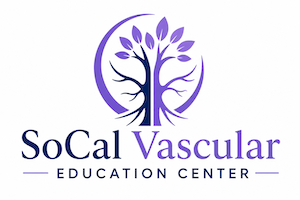
IV nutrition therapy supplies that ensure the best patient outcomes include sterile catheters, high-quality infusion pumps, nutrient-rich solutions, and single-use syringes. They reduce infection risk, maintain nutritional stability, and provide constant flow rates. Selecting supplies constructed with durable, medical-grade materials reduces the risk of leaks and obstructions. Using precise infusion pumps allows you to administer precise dosages, ensuring that your patients receive the appropriate amount each time. Supplies with explicit labels and traceable lot numbers help you comply with safety regulations and identify issues quickly. For clinics and care teams, selecting reputable brands and verifying current certifications can help make treatment more secure and simpler. The following section reveals how each supply functions in your daily care.

Key Takeaways
- What IV nutrition therapy supplies provide the best patient outcomes?
- Use FDA-registered and ISO13485-certified products to ensure you are safe and reliable when doing IV sessions.
- Choose and care for catheters, tubing, solution bags, infusion pumps, and connectors that provide efficient nutrient delivery and comfort to patients.
- Use aseptic procedure and appropriate handling of all IV supplies to decrease the potential for contamination and complications.
- Adopt advances in material science and targeted delivery mechanisms for enhanced efficacy and patient experience.
- Review your IV nutritional therapy supplies regularly to ensure the best patient outcomes.
Beyond the Formula
The supplies you select for IV nutrition therapy are more than nutrient purveyors. They influence the efficiency with which the body absorbs what it needs, the safety of the process, and the likelihood that patients experience actual benefits. IV nutrient therapy has evolved considerably in recent years, with improved instruments and additional research informing safer and more effective treatment. Many individuals report short-term improvements such as increased energy or better hydration following IV therapy, although these experiences can vary widely and are often anecdotal. IV therapy may help correct deficiencies more quickly in patients who have absorption issues, such as those with certain gastrointestinal conditions. While IV administration bypasses the digestive system, absorption and utilization of nutrients still depend on the patient’s biology and health status. IV therapy should be seen as a supportive option—not a replacement for balanced nutrition, healthy lifestyle habits, or ongoing medical care.
Great ingredients are everything. The right vitamins and minerals, in clean form and the right dose, are a big deal. If you use cheap ingredients or old ingredients, you’re asking for subpar or even dangerous outcomes. For instance, water-soluble vitamins such as B12, folate, and vitamin C are frequently administered via IV to address deficiencies quickly, particularly in patients with gut issues that impede oral absorption. For those with celiac, inflammatory bowel, or those who have had weight-loss surgery, IV therapy can plug holes that food and oral supplements cannot get to.
For example, advanced blends in IV therapy can be customized to what each individual requires. If your kid is low in a particular vitamin or mineral, or if she has a weak immune system, the formula can be adjusted accordingly. This is great for you quick-fixers, like pre- or post-surgery or when you’re sick. Still, the right blend can certainly assist; it is not a magic elixir and should be used judiciously.
Water is a huge component of any IV drip. These liquids not only transport the nutrients but also assist the body in utilizing them effectively. If your cells are well-hydrated, they can absorb and utilize vitamins and minerals more quickly and completely. Excessive or improper use of IV therapy can damage your veins, leading to swelling, bruising, or even permanent harm. Neglecting the rigorous aseptic measures can invite infection, which may be quite severe and even fatal.
Essential IV Nutrition Supplies
IV nutrition therapy relies on a dependable arsenal of supplies to satisfy patient demands and improve results. It has to be supplies that meet worldwide health standards, that aid in sterile technique, and support patients and clinical scenarios from hospitals to mobile wellness clinics. Core components include:
- Sterile catheters (peripheral, midline, central)
- High-quality tubing
- Solution bags are compatible with nutrients
- Precision infusion pumps
- Secure connectors
- Comprehensive nutrient range (vitamins, minerals, electrolytes)
- Supplies meeting FDA and ISO13485 standards
Certified products, like FDA-registered and ISO13485-certified supplies, minimize risks. These certifications demonstrate that the product passes rigorous safety inspections and quality assurance, which is vital for clinical application and for non-hospital installations. Sterile handling is mandatory, as any lapse can cause infection or abscesses. An inventory of essentials gives you the flexibility to customize treatments for IBD, celiac, or post-bariatric surgery, where oral absorption is compromised.
1. The Catheter
Selecting the appropriate catheter is critical to both safe and effective treatment. Peripheral catheters suffice for acute needs, while central ones are for complicated or long-term cases. Well-placed translates to less pain, fewer blockages, and fewer complications, leading to smoother therapy for patients. Always inspect catheter sites for leaks or infection and educate patients on how to identify issues or maintain their lines. This is an essential step, particularly if you serve people in clinics or at home.
2. The Tubing
Premium quality tubing keeps the flow consistent. IV nutrition tubing won’t kink or clog, delivering nutrients quickly to the bloodstream, which is critical for water-soluble vitamins B12 and C. Scan for cracks or weaknesses, replace compromised components, and employ aseptic technique at all times. Regular inspection and cleaning keep it from becoming contaminated.
3. The Solution Bag
Choose solution bags that complement your nutrient blends. Sterility prevents infections, and the bag material must not interact with the nutrients to maintain their stability. Select bag sizes and concentrations to accommodate each patient’s needs. Take, for instance, high-dose vitamin C, which requires 25 to 50 grams and a sizable, stable bag to ensure potency and safety.
4. The Infusion Pump
Infusion pumps allow you to regulate the dose and speed. Programmable pumps are best for custom plans and patients with evolving needs, such as those with gut absorption complications. Calibrate your pumps regularly and train staff to prevent errors. Precision counts, particularly when providing neuro-nutrients like vitamin B12.
5. The Connectors
Connectors have to lock tight, yet come apart quickly if necessary. Good design reduces leaks and accidental disconnects. Safety features are most important in mobile or outpatient settings, where patients shift more. Inspect connectors for wear frequently and replace them if they appear damaged.
Material Science Matters
The materials you select for IV nutrition therapy can alter your patient outcomes. Various supplies—needles, tubing, and infusion devices—each affect the quality and safety of your therapy. With material science racing forward, it translates to you having more choices than ever before. New technology leads to better patient comfort, fewer side effects, and better outcomes.
| Innovation | Impact on IV Therapy Supplies | Examples |
| Silicone-based tubing | Less leaching keeps nutrients stable | Long infusions |
| Polyurethane catheters | Softer, more flexible, less irritation | Pediatric use |
| Sterile, closed systems | Low risk of infection | Oncology wards |
| Antioxidant coatings | Less oxidative stress protects nutrients | Vitamin C drips |
Material science can make all the difference to how stable and usable your nutrition is. A few plastics can leach with some vitamins, so you could be losing vitamins even before the drip is finished. Take vitamin C, for instance, a popular antioxidant that can degrade when exposed to air or certain plastics. If you pipe it through tubing with the proper coating or substance that is non-reactive, you leave vitamin C more intact and poised for the body. This is important for other water-soluble vitamins as well, such as B vitamins, which are commonly used for the rapid treatment of deficiencies. The quicker and more stable the delivery, the more amazing your findings.
Comfort and safety count just as much. Advanced materials such as soft polyurethane maintain your patients’ comfort, minimize pain, and minimize skin reactions. Closed infusion systems and sterile single-use needles reduce infection risk as well. These improvements translate to fewer side effects, like inflammation or rash, and can lower the risk of allergies. Newer materials even help keep minerals like calcium and magnesium from dropping out of solution, which keeps your therapy more effective and gentle on the veins.
What you wear must satisfy rigid guidelines. Most countries have their standards, whether it’s ISO groups or local medical boards. These regulations assist in ensuring that your IV fluids are secure, sterile, and non-reactive. Keeping up with these updates is a must, until the science and rules both change fast. Smart materials and smart regulations keep your practice safe and your results robust.
Precision Delivery Systems
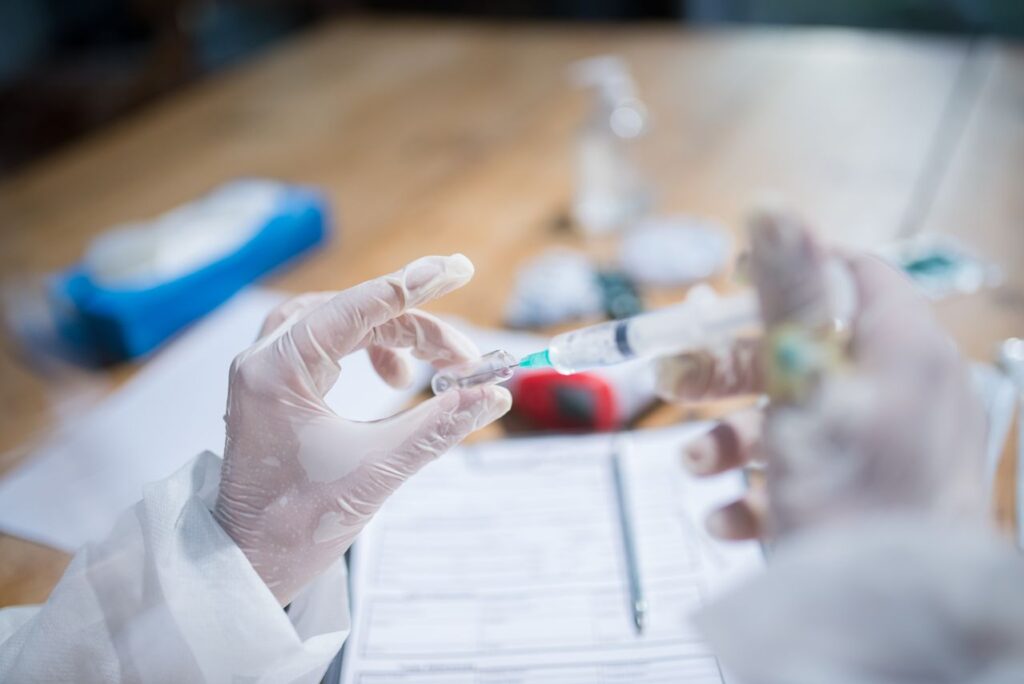
Precision delivery systems are transforming the way you provide IV nutrition therapy. They employ state-of-the-art tech to assist with optimizing nutrient delivery. They reduce waste, reduce side effects, and allow patients to feel better faster. That’s a giant leap beyond old IV systems, which frequently blanket the entire body and overlook tiny but critical requirements.
| System Type | How It Works | Pros | Use Case Example |
| Infusion Pumps | Control drip speed & volume | Steady flow, less risk of overload | Standard hospital IV setups |
| Smart Pumps | Track dose in real time | Fewer mistakes, quick alerts | ICU care, complex drug mixes |
| Nanoparticle Carriers | Tiny particles deliver nutrients | Targeted, less waste, fewer side effects | Cancer care, brain or gut delivery |
| Liposome Systems | Nutrients packed in lipid bubbles | Slow release, better uptake | Chronic condition support |
| Microencapsulation | Wraps nutrients in small shells | Protects from breakdown, timed release | Patients with gut absorption issues |
Most clinics have infusion and smart pumps. These can measure what goes in, and you can receive instant notifications if there’s an issue. Certain configurations are capable of monitoring your nutrient levels in real-time, allowing you to adjust treatment dynamically. This real-time feedback is essential for patients dealing with health complications that shift quickly, such as kidney or liver impairment.
Newer systems use nanoparticles or liposomes to deliver nutrients exactly where they’re needed. For instance, individuals with brain or gut disorders could benefit more from these variants as the nutrients are delivered to the precise area without significant degradation. These can even leverage your genetic information to influence selection and timing, a big advancement for personalized medicine.
They worked better for people with hard health requirements. For instance, a person with stubborn gut problems may require nutrients protected until they reach the intestines. In research settings, targeted delivery systems such as nanoparticles or liposomes are being studied for their potential to deliver nutrients or medications more precisely within the body. While these technologies show promise, especially in fields like oncology and chronic disease research, many applications are still experimental and not widely used in everyday clinical IV nutrition therapy.
It turns out, as my research shows, that precision systems can translate to fewer side effects and better overall outcomes. For the most part, these are new, and you want to be certain the crew assisting you understands the technology. It takes the expertise of medical, engineering, and scientific professionals to construct these tools correctly. As additional research is published, you’ll notice even more methods these systems support care work better for you.
Validating Supply Efficacy
To ensure IV nutrition therapy supplies are effective, you require a transparent method to monitor their effect and safety. A good checklist helps keep this process on track. Begin by ensuring that all supplies are of global quality. Check for markings indicating it is sterile, expiration dates, and storage requirements. Check for compatibility with your IV solutions. Make sure to use supplies that are latex or other allergen-free. Just check that the packaging is secure and undamaged. Verify that all connectors, drip sets, and catheters are single-use to reduce the risk of infection. Incorporate measures to record any supply problems, such as leaks or defective seals, and monitor these over time. This allows you to identify trends and address issues quickly.
Clinical trials and published studies are always crucial for validating the efficacy of IV therapy products. Some clinical studies have explored the effects of IV vitamin C at 25 to 50 grams, particularly for immune support and reduction of oxidative stress. While IV vitamin C can achieve much higher blood levels than oral doses, its benefits vary depending on the individual and their underlying health conditions. Research is ongoing, especially around its potential roles in inflammation, wound recovery, and supportive care in oncology. However, it should not be considered a stand-alone treatment or a guaranteed therapeutic outcome. IV therapy is notable for promptly correcting deficiencies, particularly of water-soluble vitamins like B12, folate, and vitamin C, where oral formulations are limited because of the liver’s first-pass effect. IV or injectable B12 can quickly restore levels in individuals with significant deficiencies, which may help improve symptoms related to nerve health, such as neuropathy or cognitive difficulties associated with low B12. This applies primarily to deficiency-related cases. It is not proven to prevent dementia in the general population, and its effects depend on the patient’s specific medical condition and the cause of their symptoms.
Having input from both clinicians and patients provides a practical perspective. Talk to nurses and doctors as well about ease of use, supply failure rates, and patient comfort during and after treatment. Gather patient feedback on their recovery speed from fatigue, jet lag, or dehydration when receiving IV fluids with B vitamins, vitamin C, or electrolytes. This feedback identifies which supplies are the most effective in practice.
Arrange periodic check-ins of supply effectiveness. Follow infections, phlebitis, or allergic reactions to identify vulnerabilities. Ensure nurses implement rigorous aseptic procedures to reduce complications such as abscesses. See if it makes a difference after brand or formulation changes. This continuous evaluation effort enables you to maintain care quality and pivot quickly as new information or treatments emerge.
The Practitioner’s Role
You have a crucial role in ensuring IV nutrition therapy is safe and beneficial for patients. Your efforts begin by understanding the latest IV therapy and supply facts. New research and new products are released all the time. Stay sharp by perusing clinical journals, going to workshops, or participating in online forums. This will assist you in identifying what is most effective and what warrants further investigation, particularly with long-term clinical studies of IV vitamin therapy for non-hospital use still lacking.
You have to collaborate with other caregivers. By sharing your knowledge and learning from peers, you will pick up on best practices. For instance, exchanging tips on dealing with vein care can reduce the chances of phlebitis or bruising. Many teams talk about which brands of IV bags or catheters wear well in actual practice. These conversations frequently result in minor but crucial adjustments, such as adopting a needle-free connector system to reduce infection risk.
Patient education is a significant component of your responsibilities. Everyone wants instant gratification, and you assist in steering them toward reality. Describe how IV therapy can rapidly replenish B12, folate, or vitamin C levels, especially when gut issues like celiac or IBD prevent typical absorption. Let them know that good nutrition is still the foundation for health, and IV therapy is not a long-term substitute for food. Review potential complications, such as vein collapse or allergic reaction, so they can catch trouble ahead of time.
Every patient is unique. You have to craft treatment plans that are appropriate for their personalized health needs and objectives. Spend time reviewing their past medical history, active medications, and lab results. Some may require quick assistance with vitamin depletion, while others need a more gradual solution. You must understand the pharmacokinetics of vitamins and nutrients, including how quickly they are absorbed, distributed, and eliminated. Dosing must be cautious; begin with the minimum dose that does the trick and observe for adverse or intolerant symptoms.
Conclusion
To provide consistent care, you need quality IV nutrition therapy supplies. Clean tubing, sharp needles, and strong bags mean safety. Pumps that work smoothly reduce waste. Quality supplies seal drips, prevent spoilage, and reduce the risk of injury. Clear labels and smart design assist you in working efficiently and reducing errors. You see the results clearly: quicker healing, fewer problems, and more trust between you and those you care for. Every decision influences how effectively your efforts assist others. So to maintain your standard, review your supplies, seek out best-in-class tools, and discuss with your team. For additional safe and smart IV care tips, contact or consult reputable health resources.
Frequently Asked Questions
What are the essential IV nutrition therapy supplies you need?
You require sterile mixing bags, high-quality catheters, precision infusion pumps, and a micron filter. These supplies help keep your patients safe, provide accurate dosing, and lower infection risk.
How does material quality affect IV nutrition outcomes?
High-quality, medical-grade materials reduce contamination and allergic reactions. This assists you in delivering safer, more effective IV nutrition therapy to each and every patient.
Why is a precision delivery system important in IV therapy?
A precision delivery system guarantees a specific amount of the right nutrients at the right rate. It prevents dosing errors and promotes superior patient outcomes.
How can you validate the efficacy of IV nutrition supplies?
You want to look for regulatory certifications and clinical evidence. Most trusted brands share evidence and documentation to demonstrate the safety and efficacy of their products.
What is the practitioner’s role in optimizing IV nutrition therapy?
Your experience choosing, compounding, and delivering supplies guarantees the most effective results. Keeping up with best practices translates into patient safety and satisfaction!
What are the best IV filters for patient safety?
Micron filters, like 0.2-micrometer filters, can trap bacteria and particles. Applying these filters safeguards your patients against potential complications in therapy.
How can you ensure cultural inclusivity in IV nutrition therapy?
You must factor in patient histories, nutrition requirements, and tastes. Speaking with empathy and tailoring therapy to patients’ needs increases trust and health outcomes.
Choose Quality IV Nutrition Therapy Supplies With Confidence
Providing safe and consistent IV nutrition therapy starts with selecting dependable supplies that support accurate delivery and patient safety. From infusion pumps and IV administration sets to extension sets and other essential IV therapy components, choosing quality products can help healthcare providers maintain efficient workflows while supporting established clinical protocols. Working with a trusted supplier also helps simplify inventory management and ensures access to dependable products when they are needed most.
For more than 40 years, Merit Pharmaceutical has supplied healthcare providers with high-quality IV therapy products and essential medical supplies. Whether you are expanding your IV nutrition therapy program or replenishing everyday inventory, our experienced team is committed to helping you find products that meet your clinical and operational needs. Explore our IV Sets, Solutions & Devices, browse our IV Administration Sets and IV Extension Sets, contact Merit Pharmaceutical with any questions, or register for an account to streamline future ordering.
Disclaimer
The information provided on this website is intended for informational and educational purposes only. It is not a substitute for medical advice, diagnosis, or treatment, and should not be relied upon as such. Healthcare professionals should always use their own clinical judgment when selecting and administering medical products. Patients should consult with a qualified healthcare provider regarding any specific medical condition or treatment.
While we strive to keep product details and information current, Merit Pharmaceutical makes no guarantees as to accuracy, completeness, or applicability to your particular situation. Do not act or refrain from acting solely based on information from this site without seeking appropriate medical or professional guidance. To the fullest extent permitted by law, Merit Pharmaceutical disclaims all liability for any decisions or actions taken based on the contents of this site.