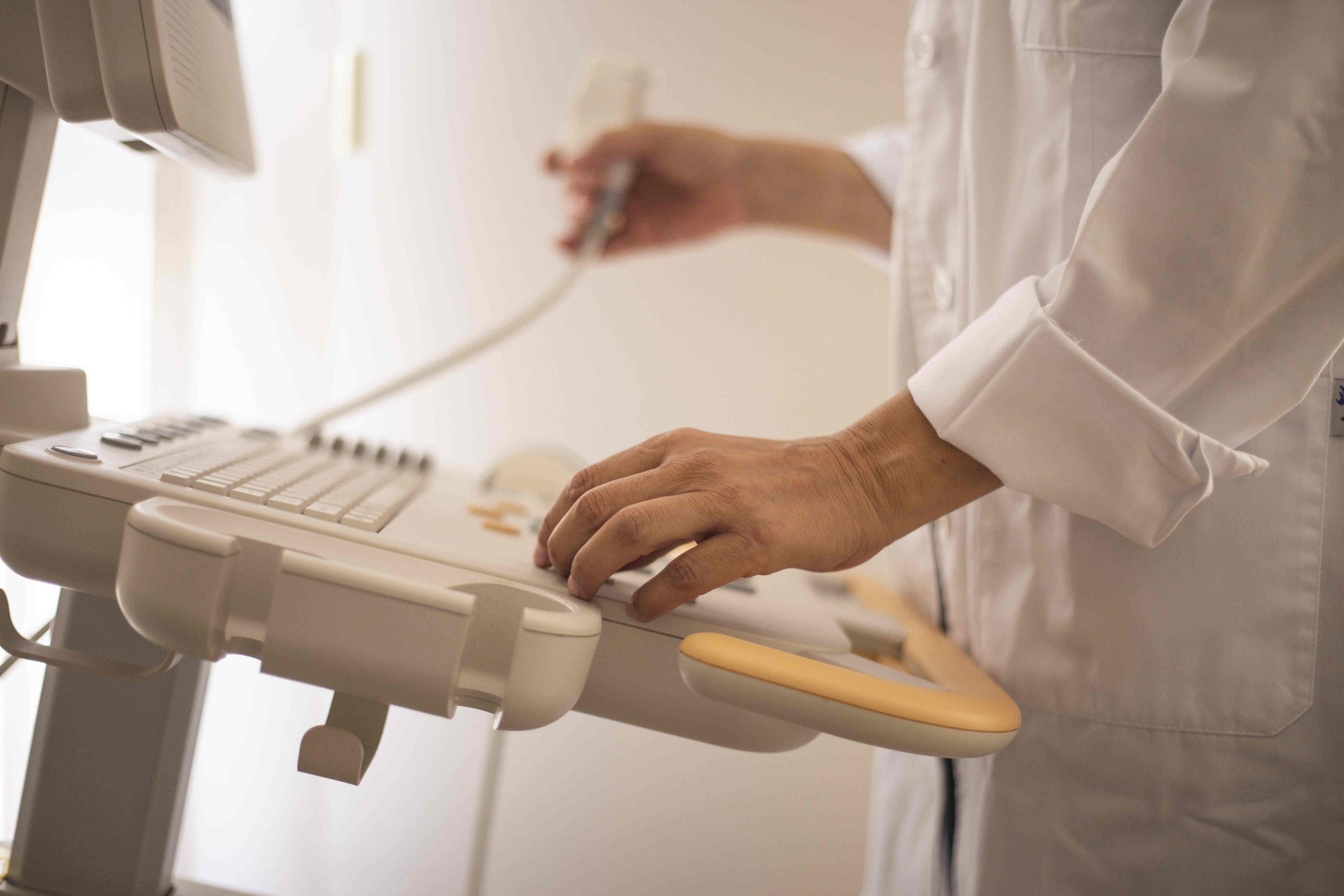
Infusion sets deliver fluids and medications directly to your body during outpatient care, allowing you to receive treatment without an extended hospital stay. For many, those sets allow nurses to administer medications quickly, secure you, and reduce waiting. No more needle sticks or extra minutes per visit. Clinics can assist more individuals daily, and you spend less time in a medical chair. Most sets are compatible with pumps and bags, so care teams can use what suits their needs most. You receive consistent dosing, improved comfort, and reduced risk of complications. The components below will explain how these sets make your visits easier and safer.

Key Takeaways
- Here’s how infusion sets can help outpatient care efficiency.
- Infusion sets help you spend less time administering medication, so you can see more patients without sacrificing care.
- Efficient use of infusion sets drives outpatient care efficiency by aligning resource utilization, minimizing manual processes, and maximizing staff productivity.
- Premium infusion sets play a key role in enhancing outpatient care efficiency.
- Focusing on patient comfort and infusion set education can improve the outpatient experience.
- By keeping pace with the latest infusion set technology and safety protocols, you can minimize risks, enhance outcomes, and realize long-term cost savings.
How Infusion Sets Work
Infusion sets are a core component of numerous outpatient treatment regimens, assisting you in receiving medications or fluids absent hospitalization. Understanding how they work can help you and your care team select the optimal one, identify issues quickly, and keep your therapies on target.
Knowing how infusion sets work helps minimize them to optimize patient care. An infusion set is a tiny gadget that allows medication or fluids to be delivered from a pump or bag, via slender tubing, into your body. Most folks wear them for around two or three days before changing to a new one, as the chance of skin irritation or blockages increases the longer you wear them. Some newer sets, known as extended-wear sets, can last up to seven days. This translates into fewer changes and reduced opportunity for complications. A majority of those who give them a whirl (77.8%) can maintain the same set for the missing week. Occasionally, you need to remove a set prematurely if the medicine reservoir is depleted, if the set is pulled out unintentionally, or if it begins causing pain or leaking. All these things can delay your treatment or put it at risk.
Understanding the features of infusion sets that make medication delivery better aids you in understanding why they are important. Each set has a few main parts: a soft or steel needle that goes under your skin, tubing that connects the set to the pump, and an adhesive pad that sticks it in place. If the pad doesn’t stick well or the needle is difficult to insert, you’ll likely have to switch infusion sets more often. Others use softer materials or better adhesives for more comfort and better hold, so you can move around more and worry less about leaks or dislodgement.
Determining how infusion sets reduce the risks of complications during outpatient treatments is crucial for your well-being. Each time you swap a set, there’s a potential for infection or irritation. The more frequently you switch, the greater your risk. With a set that works longer and sticks better, you eliminate these issues. You utilize less plastic, too, with extended-wear sets reducing yearly waste by as much as 63%. It’s good for you and for the planet.
Understanding the significance of infusion sets in keeping medication flowing. If the flow stops or slows, your treatment can miss or injure you. Great infusion sets maintain a reliable and secure infusion of medicine for as long as you wear them, ensuring you receive the precise amount at the optimal moment.
The Efficiency Equation
Outpatient care is based on this equation of efficiency: fast, safe, and resource-efficient. Infusion sets lie at the core of this equation, influencing how efficiently clinics are able to serve patients and workflows. Efficient infusion processes do not just accelerate care; they can help reduce mistakes and even decrease expenses, which is critically important in busy environments where time and resources are at a premium.
1. Time Savings
Infusion sets reduce the time it takes to initiate and complete medication delivery. Clinics with smart pumps or optimized tubing systems save minutes per patient, which accumulates rapidly throughout the day. This, in turn, liberates you to see additional patients or focus more time on complex cases.
You can utilize these time gains by shifting employee schedules, minimizing waiting, or evening out the daily rhythm. With less downtime, your team can concentrate on the work that requires human attention and enhance care.
Yes, faster infusions not only transform workflow but also transform how patients feel about their visits. When minutes are saved at each step, gratification climbs.
2. Patient Throughput
With superior infusion set designs, you’ll move patients through the clinic more efficiently. That translates into more patients getting seen per day without rushing care.
You can schedule appointments more effectively and utilize your space more intelligently. By monitoring the time each infusion requires, you identify bottlenecks and eliminate them permanently. This increased throughput allows you to assist more individuals while maintaining excellence.
3. Resource Allocation
Infusion sets simplify efficiency. With regular sets and defined procedures, you manage inventory and prevent excess. Using data can reveal buying trends and assist you in purchasing precisely what you need.
Staff spend less time doing manual things, like testing or switching lines. This increases their productivity and allows them to spend more time on bedside care.
4. Clinical Precision
Premium infusion sets reduce the danger of dosing errors. Research indicates that IV infusions are responsible for more than 50% of all serious medication errors, so water-resistant, tamper-proof sets and pumps are critical. Mistakes decrease when clinical pharmacists review charts or when nurses apply tubing sets containing integrated safety devices.
If you adhere to best practices and monitor your results, you can detect issues early and maintain therapy security.
5. Patient Experience
A dependable infusion set makes your patients feel secure and cared for. Feedback listening lets you identify problems and optimize your process. By educating patients on their infusion set, you can alleviate concerns and increase confidence.
When patients are at ease, their experience is improved, and they’re more likely to maintain their treatment.

Design and Technology
Infusion sets keep outpatient care safe and smooth. The newest designs center on both functionality and integration into your lifestyle. Numerous sets include safety steps, such as drug libraries, that support you in administering the correct medication at the appropriate dose. A few pumps even make these safeguards the default, so you’re less likely to bypass them inadvertently. If the set detects a dose outside a safe range, it can suspend the infusion and request that you verify the doses before continuing.
Designers now give more consideration to simplifying sets. You may encounter transparent displays, minimalist direction indicators, or color-segmented piping. These will significantly simplify step adherence, even if you are an infusion care rookie. Certain sets are built to accommodate your workflow so you don’t have to adapt much. When design and routine align, things are less likely to go wrong. If the technology doesn’t fit your typical workflow, it can bog you down or lead to errors.
Here is a quick look at common infusion set types:
| Infusion Set Type | Key Features | Pros | Cons |
| Standard set | Manual controls, basic safety | Simple to learn, low cost | Fewer built-in safety steps |
| Smart pump set | Drug library, hard stops, alerts | Safer dosing, tracks errors | Needs more training, costs more |
| Wearable/programmable | Compact, programmable, wireless | Good for active users, less hassle | May need frequent charging, not for all meds |
Tech is evolving rapidly in this space. Smart pumps help prevent errors before they occur, as many hospitals now deploy. Hard stops and alerts can save time and reduce risk. New pumps you wear keep your blood sugar steady without tons of shots every day. Having the tech is not sufficient. Research shows that hands-on training is key. Maker tutorials or e-learning are a great start, but to really master all functionalities, you’ll likely need more hands-on experience. When new tech arrives, you or your team might not want to alter your workflow. This can drag down the speed with which you experience the actual advantages.
Safety and Risk Mitigation
Infusion sets are critical to safe outpatient management. They reduce medication errors with administration only if you establish appropriate policies and follow them. Research indicates that more than 50% of all medication errors and adverse events occur with intravenous infusions. You need robust risk mitigation.
| Safety Protocol | Strategy | Example/Detail |
| Standardized Procedures | Make sure everyone follows the same steps and checks | Use one drug pump library for all sites, inpatient and outpatient |
| Technology Integration | Use smart pumps with safety features | Enable all pump safety modes; set alerts for dose limits |
| Documentation | Keep clear, complete records for each infusion | Fill out forms in real-time, track all changes |
| Process Streamlining | Simplify and align workflows | Use checklists; standardize order entry, delivery, and monitoring |
| Equipment Checks | Inspect and test infusion sets before use | Check for leaks, make sure pumps are clean and working |
To reduce accidents, you have to educate your crew on the proper use of infusion sets. Training should include best practices for using pumps, identifying issues, and quickly addressing them. True skills labs and practical exercises help your team make full use of all safety features. Presentations and refreshers keep everyone current. One study found personnel skipped steps or forms in nearly half of the mistakes, so solid training and reminders do count.
Verifying that personnel adhere to protocols is crucial. Random spot checks, audits, or feedback can help. Establish a mechanism by which your team can conveniently report issues or near-misses. That helps you catch little things before they become damaging. The FDA received over 56,000 reports of pump issues in only 4 years, some causing patient harm or even death, so you can’t overlook these inspections.
Smart pumps do assist, but they’re not ideal. Hardware breaks. Coding errors still occur if employees hurry or cut corners. That’s why you need smart gear and smart habits in your clinic.
The Human Element
Infusion sets are more than tools; they define the effectiveness of outpatient care for you, your teams, and your patients. Staff training is a major component of this. A well-informed crew can identify issues quickly, understand how to operate every set piece, and reduce the likelihood of errors. Training is never one-and-done. You have to update your team as devices evolve and new smart pump features are released. Human factors experts, critical in verifying how user-friendly devices are, are frequently excluded from selecting or evaluating infusion pumps. A few countries are now requesting human factors and usability evaluations, but the majority of clinics continue to bypass this step. Usability tests for infusion sets and pumps range from a little less than an hour to a half day. This is time well spent. When you know how your team uses the tools, you can fix what gets in the way.
Teamwork is another part of it. Outpatient care is fast, and having everyone on the same page really helps. When your team swaps tricks or trades tales about device quirks, you nip issues in the bud. Human factors and ergonomics (HFE) in healthcare encompass more than just new device design. It’s how to make old tech work better, how to be able to observe what is and isn’t working, and how to learn from mistakes. Mistakes like pump failures usually trace back to larger issues, perhaps a hasty purchase decision or insufficient backing for new technologies. That’s why it continues to be important to bring in those other voices, from nurses to techs.
You need to hear from patients as well. When you inquire of them how the infusion feels, what concerns they have, or if something isn’t working, you gain a clearer understanding. Patients are quick to identify these minor foibles, and their input assists you in modifying your strategy or direct device selections. Open conversations foster trust and assist you in identifying gaps in care.
Establishing trust between your team and the patient is essential. When patients feel safe enough to share, and your team listens, we all win. Medication error software can assist, but only if your staff actually employs it. Somewhere is as low as 45% usage, proving that technology is only as good as the humans supporting it.
Economic Impact
Infusion sets have a significant impact on your outpatient care experience and its cost. By using best-in-class infusion sets, you support increased care velocity, reduce errors, and save costs in the long term. If you consider cost-effectiveness, the initial outlay to establish a new infusion suite or purchase better sets frequently seems insignificant once you observe the new revenue and savings. For instance, new outpatient spaces have a small initial build and daily running costs relative to the income these spaces generate. A pilot program demonstrated a mean revenue of $309,410 USD per quarter, which leapt to $770,006 USD the next year after the infusion was shifted to the outpatient setting.
The dollars saved aren’t the only thing. By reducing issues like infections or treatment setbacks, you sidestep those enormous expenses that tend to accumulate quickly. As an example, one study observed that a delayed chemotherapy could amount to approximately $10,000 USD just on day one. With improved infusion sets, you enable your team to operate quickly and more securely, resulting in fewer issues and less wasted time. You reduce the LOS per patient, so they can leave earlier, and you expend less of your resources per visit.
Smart investments in top-notch infusion technology are about more than patient safety. They’re about keeping your practice or clinic financially viable in a shifting health marketplace. If you optimize better tools, you reduce the chance of expensive errors and help your nurses and staff utilize their time effectively. Getting smarter about when you use data and how you work with vendors, billers, and insurers can save even more. As more sites shift from fee-for-service to value-based, it’s crucial to demonstrate strong outcomes with low costs. Smart infusion sets assist you in addressing these new payment models by making care safer, faster, and less wasteful.
Conclusion
Infusion sets allow your care team to accomplish more in less time. Nurses spend less time on setup and checks, so you get care that moves faster and feels smoother. Good design and strong safety features translate into fewer errors and less waste. Every set provides you with consistent delivery and comfort, so you spend less time waiting or fretting. Hospitals and clinics save money and can attend to more people per day. Your odds for secure, consistent outpatient care increase with the appropriate equipment in place. For smarter care and less strain, consult your care team on how new infusion sets can assist you. Your voice designs the care you receive, so speak up and be informed about your options.
Frequently Asked Questions
What is an infusion set, and how does it work in outpatient care?
An infusion set is a device that administers fluids or medicine directly into your bloodstream. It enables fast, precise, reliable therapy and reduces your clinic time.
How do infusion sets improve efficiency in outpatient care?
Infusion sets accelerate drug delivery and minimize manual effort for healthcare providers. That translates to briefer visits for you and more patients processed in a day.
What design features make infusion sets more effective?
Today’s infusion sets utilize cutting-edge materials and built-in secure connections to minimize leaks and blockages. This guarantees you receive precise dosages and encounter complications less often.
Are infusion sets safe for regular outpatient use?
Indeed, infusion sets are safe. They come with infection and accidental disconnection protection so you can feel confident while you’re getting care.
How do infusion sets support cost savings in outpatient care?
Infusion sets reduce the requirements for additional medical personnel and the length of hospital stay. This reduces clinic and healthcare costs.
Can infusion sets help reduce errors during outpatient treatment?
Infusion sets reduce handling and automate medication delivery. This minimizes human error and ensures that you get the right dose each and every time.
What role do healthcare professionals play in using infusion sets?
We choose, place, and monitor infusion sets so you are safe! Their knowledge keeps the device functioning properly, and you receive appropriate care.
Support More Efficient Outpatient Care With Quality Infusion Sets
Choosing the right infusion sets can help outpatient clinics improve workflow efficiency, support consistent medication delivery, and create a better experience for both patients and healthcare providers. Reliable infusion products reduce treatment interruptions, simplify daily operations, and help clinical teams deliver safe, efficient care throughout every stage of the infusion process.
For more than 40 years, Merit Pharmaceutical has supplied healthcare providers with dependable infusion products and essential IV therapy supplies. Whether you are expanding outpatient infusion services, evaluating new infusion sets, or maintaining a reliable inventory, our experienced team can help you find products that support your clinical and operational goals. Explore our IV Administration Sets, browse our IV Sets, Solutions & Devices, contact Merit Pharmaceutical with any questions, or register for an account to simplify future ordering.
Disclaimer
The information provided on this website is intended for informational and educational purposes only. It is not a substitute for medical advice, diagnosis, or treatment, and should not be relied upon as such. Healthcare professionals should always use their own clinical judgment when selecting and administering medical products. Patients should consult with a qualified healthcare provider regarding any specific medical condition or treatment.
While we strive to keep product details and information current, Merit Pharmaceutical makes no guarantees as to accuracy, completeness, or applicability to your particular situation. Do not act or refrain from acting solely based on information from this site without seeking appropriate medical or professional guidance. To the fullest extent permitted by law, Merit Pharmaceutical disclaims all liability for any decisions or actions taken based on the contents of this site.