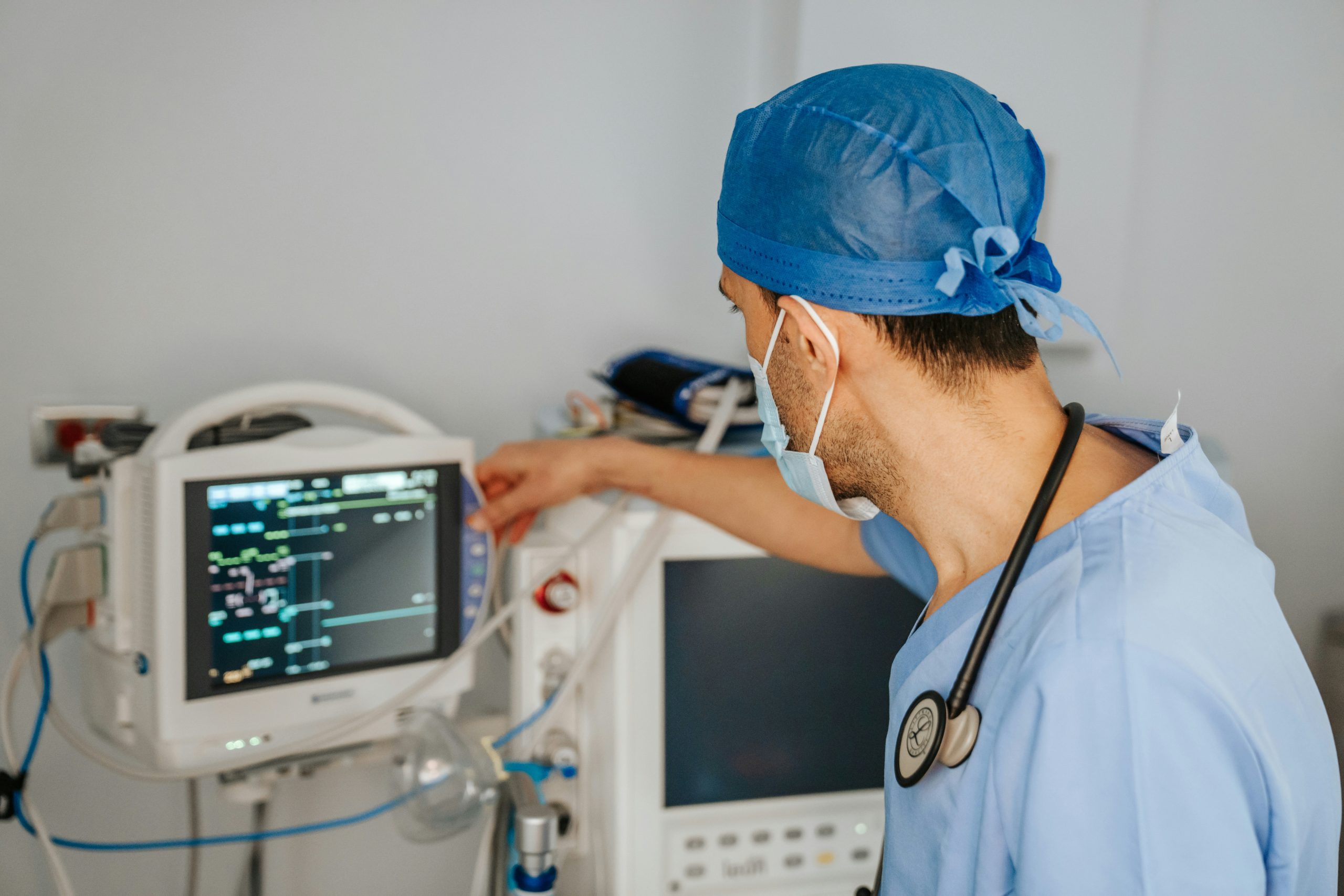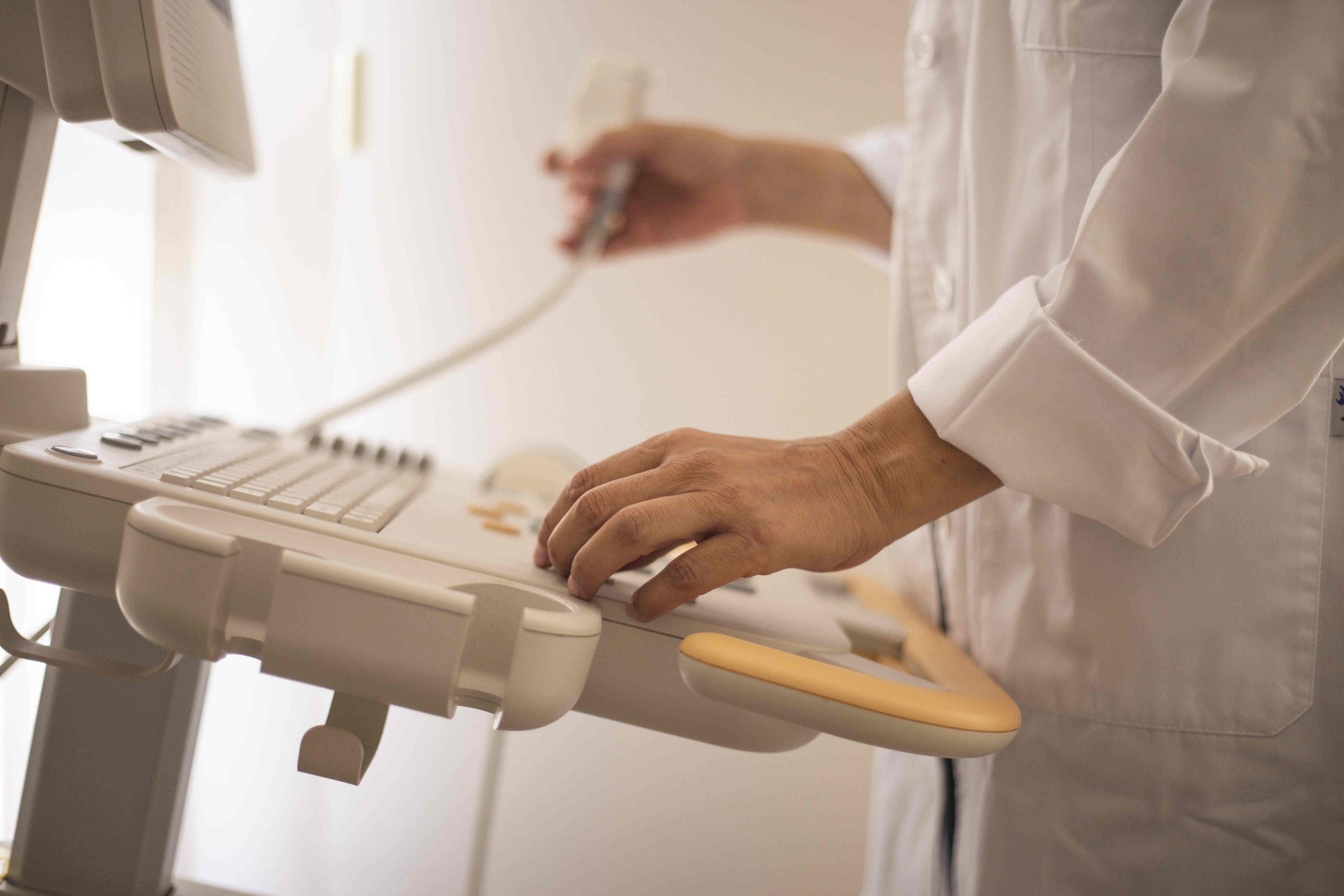
Hospitals train staff for safe IV therapy administration by using hands-on practice, classroom lessons, and clear written steps. You learn about infection rules, how to pick the right veins, and how to check for problems with the IV line. Most places use checklists and direct teaching from skilled nurses or doctors. Some hospitals use online videos or training modules that show each step in detail. You get regular checks to make sure your skills stay up to date. Safety rules, patient comfort, and quick problem-solving are the main goals. These training steps help keep IV therapy safe and lower mistakes. The next part shares more about these methods and what you can expect if you work in healthcare.

Key Takeaways
- Comprehensive IV therapy training covers foundational knowledge, aseptic technique, practical skills, simulation labs, and regular competency verification to support safe and effective care.
- Standardized protocols, evidence-based guidelines, and ongoing education assist in keeping skills current and mitigating the risk of IV-related complications.
- We cannot stress enough the importance of in-person practice and simulation labs if you want to develop real-world IV administration skills and confidence.
- Leading medical centers train doctors and nurses to deliver IV therapy safely.
- Ongoing education, mentorship opportunities, and performance evaluations keep your skills up to date and aligned with the latest healthcare protocols.
- Open communication, teamwork, and a supportive culture empower you to report mistakes, exchange stories, and be part of a safer care culture.
The Hospital IV Training Blueprint
Hospital IV training blueprints detail safe IV therapy, including patient checks, IV setup, and care to enhance IV medication safety. Comprehensive training is needed to meet global standards and equip staff to save patients and minimize IV medication administration errors. In the table below, I’ve summarized the key curriculum components and their importance.
| Component | Relevance |
| Anatomy & Physiology | Helps you find veins and avoid injury during IV access |
| Medication Protocols | Reduces the chances of giving the wrong drug or dose |
| Aseptic Technique | Lowers infection risk for both you and your patients |
| Practical Skills | Builds confidence with real IV equipment, like bags, tubing, and catheters |
| Simulation Labs | Let’s you work through real-life scenarios before seeing patients |
| Competency Verification | Make sure you are ready and stay up-to-date |
| Documentation & Record-Keeping | Protects from errors and meets legal standards |
| Patient Education | Helps patients spot and report problems early |
1. Foundational Knowledge
Your training begins at ground zero. You discover how veins function, how to locate a safe site, and why anatomy is crucial when initiating IVs. Knowing typical IV drugs and when to use each one keeps your patients safe. You even get tools to detect drug interactions that may be harmful, so that everything is done cautiously.
Good paperwork is a necessity. They direct you on how to utilize eMAR or MAR to dispense orders and verify errors. This lays the groundwork for safe and clear IV therapy.
2. Aseptic Technique
Sanitized hands save lives. You’re trained to wash your hands before and after each step and taught how to deal with IV gear without contaminating the room. Checklists lead you on what to do when, from skin prep to maintaining clean IV lines.
Random, regular checks and audits make sure you follow the rules every time. If you drop something, you receive immediate feedback on correcting it. These habits prevent infections and protect your workplace.
3. Practical Skills
You get hands-on with IV kits, working with bags, tubing, and catheters. Trainers take you through every step, from prepping the skin to taping down the line. You learn to identify and address issues such as infiltration or phlebitis.
Simulations allow you to practice your skills in a safe environment. Senior staff provide advice and demonstrate how to correct errors. You receive direct feedback so you know what to practice.
4. Simulation Labs
Simulation labs provide you with a secure environment to learn. These rooms look and feel like the actual ones, complete with manikins and IV pumps. You face dummy emergencies, like air embolism or IV leaks, and acclimate to actual stress.
You rehearse solo and in squads, so you develop individual talent and ensemble awareness. Your work is scored, so you know where to improve.
5. Competency Verification
Before you treat real patients, you have to prove your skills. Trainers observe you perform each step, monitoring for safety and strong habits. You repeat this check on a predetermined schedule so you stay sharp.
If you’re struggling, additional training is waiting. This prepares you for new drugs, devices, or protocols.
Integrating Advanced Technology
Preparing your team for safe IV therapy is about incorporating cutting-edge technology. Some hospitals have jumped on the tech to reduce risk, accelerate care, and provide real-time alerts. This table shows some tech used for IV therapy and how it helps keep patients safe:
| Technology | Safety Benefits |
| Computerized IV infusion safety systems | Cuts down on input errors, boosts dosing accuracy |
| Infusion pumps with smart features | Gives alerts for wrong dosing, keeps dosing on track |
| Wireless connectivity for IV pumps | Makes it easy to update drug libraries and track usage |
| Continuous respiratory monitoring | Spots breathing issues early, even with the right drug doses |
| Safety software with decision support | Warns nurses before risky errors can happen |
Computerized IV infusion safety systems are now a significant focus of hospital training. Such systems assist your team in reducing errors in dose preparation. With smart pumps, the risk of programming the incorrect rate or dose decreases. Once smart pumps with safety technology were deployed, for instance, one hospital prevented 166 overdoses in a mere nine months. Of those, 33 were high risk, demonstrating the technology’s actual worth. More than 50% of all serious drug errors in hospitals occur during IV therapy, so this step matters for your team and your patients.
Most new pumps have wireless connections. As early as 2004, this upgrade allowed your hospital to update drug libraries and monitor data without taking the pumps offline. This results in more timely safety checks and easier case reviews. Pumps with embedded safety regulations additionally alert if the intended dose is excessive or rapid. Random audits found that more than 98 percent of nurses adhered to these safety measures when alerts were presented by software.
It’s critical to train your employees in new technology! If planning misses, employees will not believe in the system or be prepared to use it. Others will resist as well, some may even push back, because change is difficult. Concise, incremental training and real-world exercises help you develop confidence and increase competence. Continuous respiratory monitors are important. Sometimes the ‘tech’ is the only indication a patient is not breathing well, even when the medicine and settings are right. This allows your team to intervene before damage occurs.
Sustaining Staff Proficiency
Maintaining your staff’s IV skills is not a one-and-done situation. Most hospitals will encounter resistance when attempting to change the learning culture. You can close that divide with well-structured, consistent education focused on IV medication safety. Expert Anders Ericsson demonstrates that neither training nor experience alone is significant in developing expertise. For instance, 75 percent of nurses in one study cited training as making them better at IV therapy, compared to 56.5 percent who cited real-world experience. Planning and frequent auditing of practice assist in identifying sore points as soon as possible. Age, schooling, and time on the job all influence how staff stay sharp in the context of intravenous therapy. Without consistent effort, skills and knowledge can fall off.
Ongoing Education
To ensure all of your staff maintain proficiency, you make learning part of the work, incorporating essential topics like IV medication safety. Our online courses and workshops fit into hectic schedules, allowing your staff to stay up-to-date on IV infusion safety initiatives and practice. Guest lectures on IV therapy can provide new perspectives and innovations that your staff might not encounter daily. Sharing stories and lessons learned helps everyone grow, especially when staff come from different backgrounds.
- Access to global online courses on IV therapy
- Safety-focused IV therapy workshops
- Updates on new IV products or standards
- Case studies and webinars from international experts
Skill Retention
Skills decay if not exercised, especially in critical areas like IV medication safety. You can decelerate this by establishing drills that allow staff to rehearse IV starts, troubleshooting, and addressing complications related to intravenous therapy. Pairing newer staff with experienced mentors fosters both skill and trust within your team. Periodic sessions reduce strain when real cases arise, ensuring patient safety.
- Monthly hands-on practice sessions
- Annual skill checks
- Peer mentorship programs
- Scenario-based learning modules
Incident Analysis
Every mistake or close call in IV medication safety is an opportunity to educate. Looking into each case means examining what went amiss, not who did it. When you inspect incidents as a team, you cultivate a culture that prizes transparency and actual enhancement. By sharing these lessons, you help all of us — not just those involved. Action plans from these reviews can patch vulnerabilities in the IV infusion safety initiative and keep the entire system safer for patients.

The Human Factor in Safety
It’s the human factors that determine just how safe IV medication is for your patients. Hospitals examine not only the individual worker’s proficiency but also the environment around them. Mistakes tend to arise from a combination of device design, workflow, and team practices. Design and usability issues with medical devices such as IV infusion pumps can lead to over- or under-infusion or delays that endanger patients. That’s where human factors and ergonomics (HFE) come in. Applying it helps identify these vulnerabilities, both in selecting new tools and refining old ones. Their human factors experts and usability testing are absent from many hospitals’ buying and training steps, even as regulators urge their use.
Interprofessional Teams
When you put nurses, pharmacists, and doctors in the same room, patient safety improves significantly. Each group approaches IV therapy, including IV medication safety, from a different perspective. Nurses detect variations in patient condition, while pharmacists understand drug interactions and dosing. Physicians manage the treatment course. Weekly team meetings allow members to exchange observations, discuss challenging cases, and align on intervention strategies. Cross-disciplinary training means everyone learns how the others function. You can use simulations and practice as a team, responding to problems like IV infusion programming errors or allergies, fostering trust and vigilance against potential complications.
Patient Communication
Your patients should be aware of what’s going on with their IV therapy. Training is on using explicit, uncomplicated language when you describe the IV infusion process or obtain consent. It’s not only about telling, but also about listening to questions or concerns. A lot of patients are nervous about intravenous therapy; therefore, you have to respond to their inquiries and confirm that they comprehend. Written materials like guides or posters can help break down steps or hazards in an accessible way. When your patients feel heard, they help detect problems early.
Error Prevention
- Use checklists and protocols for every IV therapy.
- Scan barcodes on meds and patient ID before administering any medication.
- Educate all healthcare workers on typical IV mistakes and their prevention.
- Create a culture in which everyone can raise their voice when they see a safety risk.
The Hidden Curriculum of Safety
Even if these rules are unwritten, the secret safety curriculum informs the behavior of you and your colleagues at work. You absorb signals from the surroundings, from how people operate, and from what is embraced or overlooked. These intangible lessons can significantly impact your IV medication safety experience. For instance, through observation, you might learn that you do not need to double-check every drug or that it is okay to use a smaller syringe if that is what is available, even though protocols say to use a 10 ml syringe for IV infusion via a central line.
Informal education frequently occurs in the break room or during shift changes. When you chat with colleagues about patient outcomes or exchange ‘near miss’ stories, you inadvertently educate and get educated. These moments can propagate positive habits or occasionally permit unsafe shortcuts to sneak in. For example, someone might suggest that diluting medication is optimal for minimizing pain or extravasation despite there being safer, more effective strategies supported by the IV infusion safety initiative.
Good role models on your squad are crucial. When senior staff adhere to protocols, such as using capnographic monitoring for high-risk patients or the right steps for IV preparation, junior staff observe that these steps are important. If experienced nurses bypass checking the respiratory status or dismiss the safety software, those habits get passed down as well. We need everyone to demonstrate the correct behavior at all times to ensure effective intravenous therapy.
To keep safety stout, your hospital makes room for free dialogue. Brief meeting check-ins, peer conversations during breaks, and collective reviews of recent incidents all help you identify holes and dispel misconceptions. If there is a widespread assumption that administering diluted drugs is invariably necessary, these lectures are an opportunity to disseminate knowledge and demonstrate how certain procedures may endanger patients, thus reinforcing the importance of medication safety.
Hospitals observe how these covert teachings alter your actions. If employees shortcut with IV drugs or if myths proliferate, lessons get revised. Routine competency sessions address safe patient handling and the most current evidence, assisting you in unlearning bad habits. With standardized training and tools such as safety software and continuous monitoring, you’re more prepared to identify issues early and protect patients from potential complications.
The Future of IV Training
IV therapy training is evolving rapidly, with a strong focus on IV medication safety. New technologies and pedagogies are transforming the way we learn safe IV care. Simulation-based training is one major transformation. With realistic mannequins and practice arms, you have the chance to test out IV skills in a risk-free environment before treating live patients. This immersive style gets you hitting veins on the first try more frequently and with fewer errors or infections. Even more hospitals have turned to virtual and augmented reality. These allow you to view the veins beneath the skin, experiment on various cases, and train for when things go haywire, all in an environment where actual damage cannot be caused. This makes your learning more tangible, enhancing your recall of the infusion process steps with greater memory.
Customized training is expanding, too, particularly in the context of the IV infusion safety initiative. You could encounter courses pitched at your ability and learning speed. For instance, if you’re a beginner, you can spend time on fundamentals. If you’ve done IVs before, skip ahead to the hard ones. Deep learning tools can monitor your advancement and identify where you require additional practice. This type of feedback is essential for true expertise. It does imply that training could require more time or more assistance.
Hospitals are monitoring new rules and standards as well. These rules can influence what you need to learn and how you should work. You have to stay current with shifts, such as infection control or new device protocols. IV training now has more emphasis on preventing issues before they begin, like minimizing phlebitis or conserving supplies to save on expenses.
Partnering with schools and universities draws in new ideas. Others join with universities to develop improved curricula and pilot new equipment. This allows your training to keep pace with novel catheters or smart pumps. We’re building courses for all types of learners, regardless of your experience or position. The drive toward standard training is powerful, so all receive the same good foundation.
Competency-based programs are coming up fast. These allow you to demonstrate competence before advancing to more difficult challenges. You go at your speed, not the class’s. This suits you and nurtures your development, ultimately enhancing patient safety in the field of intravenous therapy.
Conclusion
How do hospitals train staff for safe IV therapy? You receive practical drills, on-the-job audits, and technology that accelerates learning. Instructors utilize practice kits, intelligent pumps, and transparent, sequential instructions. Nurses trade tales and advice, so every shift is like a pow-wow. We all learn to identify mistakes quickly and correct them immediately. You observe an increase in skill and speed because practice adheres. Teams stay on top of new tools and regulations, so care remains top-notch. Safety sprouts from daily work, not just big changes. Looking to make a real shift in patient care? Ask questions, join drills, and help your crew keep raising the bar. Your share keeps the entire effort whole.
Frequently Asked Questions
How do hospitals ensure staff are properly trained for IV therapy?
Hospitals ensure patient safety by training staff in safe IV therapy administration through comprehensive training programs that cover IV medication safety, practical experience, competency evaluations, and simulation exercises before they work on actual patients.
What role does technology play in IV therapy training?
Sophisticated tools, like simulation mannequins and e-learning modules, support safe medication practices by allowing you to rehearse intravenous therapy with no danger, helping you gain confidence and refine precision.
How do hospitals keep staff skills up to date in IV therapy?
Frequent refresher training on IV medication safety and continuous evaluations ensure you stay up to date, keeping your skills fresh and enhancing patient safety.
Why is the human factor important in IV safety?
Your vigilance, communication, and teamwork are essential for ensuring IV medication safety. Even with state-of-the-art tools, it is what you do that stops mistakes and saves patients with intravenous therapy.
What is the “hidden curriculum” in IV training?
The hidden curriculum teaches safety culture and teamwork through experience and mentorship, emphasizing the importance of IV medication safety and ethical decision-making in addition to formal education.
How do hospitals measure the effectiveness of IV therapy training?
Hospitals measure performance through competency tests, observation, and feedback, which help identify gaps and ensure that intravenous therapy is delivered with IV medication safety.
What trends are shaping the future of IV therapy training?
Innovations like VR simulation, mobile apps, and data-driven feedback are becoming trends in intravenous therapy. These technologies provide convenient, customized practice and prepare you for real-world obstacles in patient safety.
Partner with Merit Pharmaceutical for Reliable IV Therapy Solutions
Effective IV therapy depends on more than skilled healthcare professionals—it also requires dependable, high-quality supplies that support safe and efficient patient care. From staff training and competency development to the equipment used every day, every component plays a role in reducing medication errors, improving workflow, and delivering better patient outcomes. Choosing reliable IV therapy products helps healthcare facilities maintain consistent standards of care while adapting to evolving clinical demands.
Merit Pharmaceutical is committed to supporting hospitals, clinics, and healthcare providers with premium IV therapy supplies designed for quality, reliability, and compliance. Whether you’re strengthening your IV therapy program, training clinical staff, or sourcing dependable medical products, Merit Pharmaceutical offers trusted solutions that help promote safety, efficiency, and confidence in every patient interaction.
Disclaimer
The information provided on this website is intended for informational and educational purposes only. It is not a substitute for medical advice, diagnosis, or treatment, and should not be relied upon as such. Healthcare professionals should always use their own clinical judgment when selecting and administering medical products. Patients should consult with a qualified healthcare provider regarding any specific medical condition or treatment.
While we strive to keep product details and information current, Merit Pharmaceutical makes no guarantees as to accuracy, completeness, or applicability to your particular situation. Do not act or refrain from acting solely based on information from this site without seeking appropriate medical or professional guidance. To the fullest extent permitted by law, Merit Pharmaceutical disclaims all liability for any decisions or actions taken based on the contents of this site.