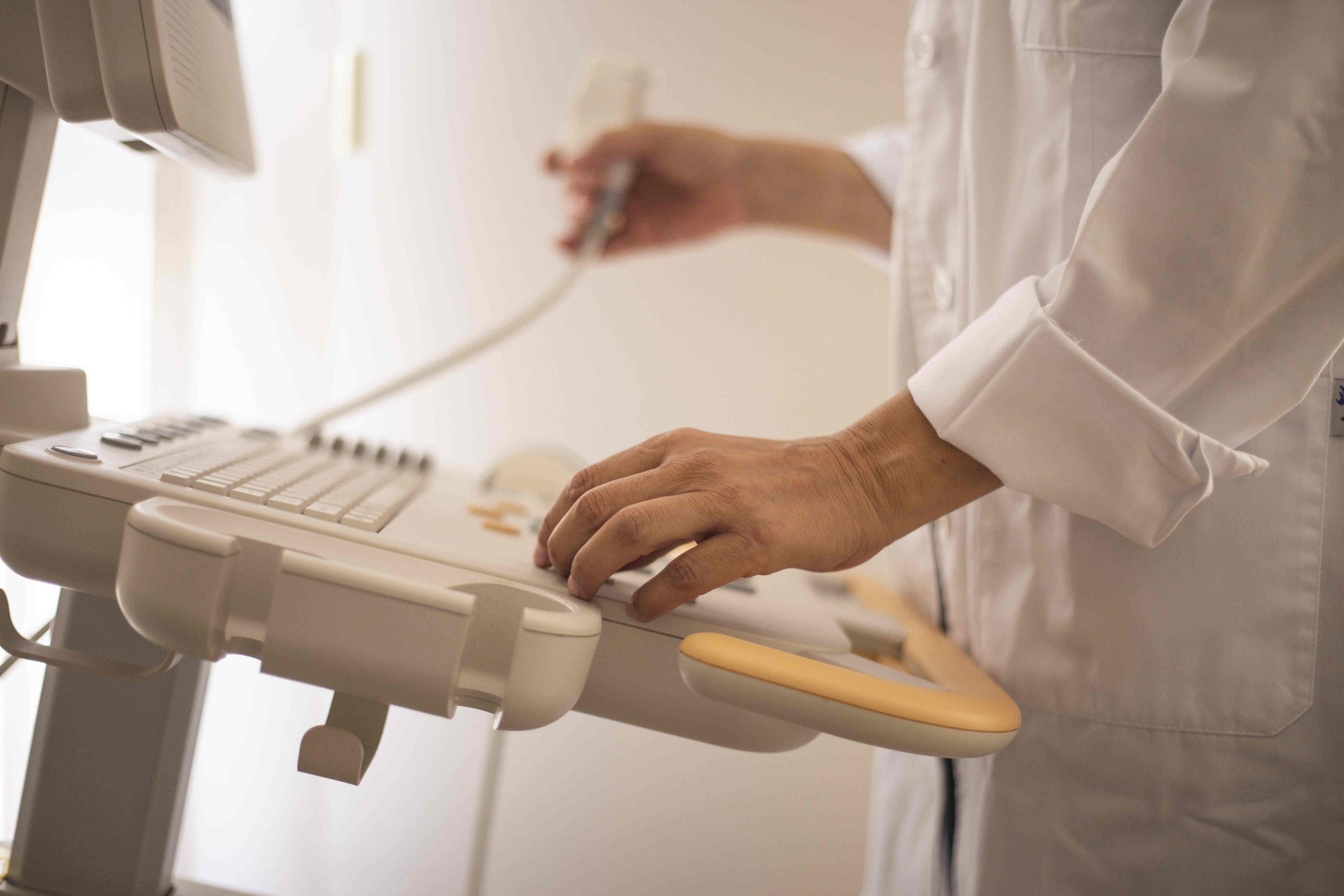
How do clinics decide between gravity vs. Pump IV sets? You’ll observe clinics employ gravity IV sets for uncomplicated fluids, where a reliable flow suits and fewer devices are required. Pump IV sets fit situations where precise rates are important, such as with potent drugs or in pediatrics, as the pump provides total control and minimizes the risk of errors. Staff skills, available equipment, and the speed the IV needs to run all play big roles in the decision. Both types function in daily care, but the right set is a matter of aligning safety with speed and ease of use. The following will highlight the primary factors influencing each decision in a clinical setting.

Key Takeaways
- Think about both gravity and pump IV sets, as each has advantages and disadvantages for various patient requirements and clinical situations.
- Clinics opt for gravity sets because they are inexpensive and easy to set up. They are ideal for stable patients with anticipated fluid needs or in resource-constrained environments.
- Pump infusion systems offer precise control, reduce human error, and are the preferred method during high-risk medications or treating critically ill patients.
- Patient condition, medication type, and the clinical setting should guide your decision when choosing between gravity and pump IV sets for optimal outcomes.
- Choosing the right IV setup can save you from hidden expenses and headaches caused by an inappropriate infusion technique.
- Being aware of emerging IV technologies and smart systems can assist you in optimizing safety, precision, and efficiency in your clinical practice.
Understanding the Two IV Systems
You need to understand the two IV systems to select the right one for your clinic, especially when considering infusion devices like IV pumps. Knowing the basics allows you to match each system to the needs of your patients and clinic, as both can administer isotonic, hypotonic, or hypertonic solutions. Each system has its own pros and cons when it comes to IV therapy.
| Feature | Gravity Infusion | Pump Infusion |
| Setup Complexity | Simple, fast | More complex, needs programming |
| Cost | Low | Higher (equipment and maintenance) |
| Accuracy | Less (manual control) | High (automated, precise) |
| Staff Training | Minimal | Specialized, device-specific |
| Best Use | Stable, predictable needs | Critical, complex dosing |
| Risk of Error | Higher (manual adjustment) | Lower (automated safety checks) |
Gravity Infusion
Gravity infusion utilizes the force of gravity for fluid delivery. You hang the IV bag above the patient, and the liquid drips down the tube into their bloodstream. Using macro-drip sets (10, 15, or 20 drops per ml) or micro-drip sets (60 drops per ml), you can manually regulate the drip rate. This approach is inexpensive and requires little training. Staff can establish it rapidly, which alleviates the burden on an overwhelmed or under-equipped clinic.
You should rely on gravity infusion when your patient has consistent, foreseeable fluid demands, like standard hydration with isotonic fluids like 0.9% normal saline or lactated Ringer’s. It is dependable as long as you watch the drip chamber and make sure the bag is hanging at the appropriate level.
- Not as accurate for small or complex dosing.
- Flow rate changes with bag height or patient movement.
- No automatic alarms for blockages or air bubbles.
- Harder to use with very thick or fast fluids.
Pump Infusion
Pump infusion uses electronics to deliver fluids. These pumps allow you to specify flow rates precisely, which is important for drugs with narrow dosing requirements. They are great for hyper- or hypotonic solutions or patients requiring changing rates, such as those in intensive care.
Infusion pumps can take macro-drip and micro-drip sets. Staff can program rates in mL per hour, providing more control over how much fluid the patient receives. Integrated alarms notify you of occlusions, air bubbles, or empty bags, minimizing human error. In-line filters with pore sizes ranging from 0.2 to 15 micrometers can provide additional protection by preventing particulates from entering the bloodstream.
- Programmable dosing and infusion rates.
- Alarms for air, occlusion, or low battery.
- Does error reduction software.
- History logs for infusion events.
Key Decision Factors for IV Sets
Selecting between gravity tubing and various infusion pumps for IV sets boils down to key factors that determine safety, precision, and suitability for individual patient needs, including patient health, the medication, the care setting, safety issues, and workflow fit.
1. Patient Condition
Critically ill or unstable patients often require infusion devices to ensure accurate fluid administration, allowing control over fluid rates down to a fraction of a milliliter. This precision is crucial, as minor disruptions in fluid balance could inflict damage. When a patient is moving or fidgeting, IV gravity tubing becomes imprecise due to changes in height and back pressure, leading to uneven dosing. Certain conditions, such as heart failure or kidney disease, necessitate strict restrictions on fluid intake. This is where pump systems excel, as gravity sets are only accurate to 10%. For intensive care cases, using infusion pumps with premium features, like air-in-line detection, can help maintain dosing safety and precision.
2. Medication Type
Pumps are essential for administering high-risk drugs such as chemo or powerful antibiotics, especially when utilizing infusion pumps for accurate infusion rates. If the medication is viscous or large volume, an infusion device maintains a steady flow, crucial for safe administration. Viscosity for fluids ranges from 1 to 15 cP and affects manual regulation. Certain drugs will react with specific plastics or must be administered at a controlled speed for safety purposes. Therefore, it’s important to verify compatibility with both gravity tubing and pump administration sets, especially for specialized infusions like parenteral nutrition or blood products.
3. Clinical Setting
A hospital, clinic, or home care site determines which IV set is most suitable. With trained staff and access to various infusion pumps, hospitals can administer more complex IV infusions. In-home care, while gravity tubing sets are straightforward and require less training, accuracy may decrease if the bag is hung too low or the patient moves. Resource limitations and training play a significant role. Outpatient clinics may prefer gravity for speed, but inpatient wards might opt for infusion devices for safety. In emergencies, gravity sets are quick to deploy when every second counts.
4. Safety and Accuracy
Safety first, particularly when errors in IV dosing are documented in as many as 84% of cases. Infusion pumps reduce human error by providing precise volumes, often accurate to within plus or minus 0.1 mL, while IV gravity tubing can fluctuate with patient movement or back pressure. Simple maintenance and calibration keep these infusion devices operating correctly. Newer devices with air-in-line alarms enhance safety and prevent complications from starting.
5. Workflow and Staffing
Staff numbers and skills make all the difference. IV gravity tubing sets save time when you have more patients and fewer hands, but infusion pumps require more know-how and upkeep. In hustle-and-bustle units, gravity settings accommodate quick work, but you sacrifice some precision. Incorporating various infusion devices into your workflow may necessitate additional training on the front end, but ultimately, it can enhance safety for those high-risk cases.
When Gravity Sets Are Preferred
Gravity IV sets, often regarded as lightweight infusion pumps, are ideal in clinics where supreme accuracy is not paramount or when cost and portability are crucial. They provide scalable approaches to maintenance, stable caseloads, and resource-constrained settings.
| Scenario | Reason for Preference |
| Stable patient needing maintenance fluids | Predictable needs, less monitoring |
| Clinics in resource-limited settings | Low cost, no pump required |
| Short-term hydration in outpatients | Simple, quick setup |
| Low-volume infusions (ex, antibiotics, vitamins) | Lower risk, specific flow rates |
| Mobile care (home, emergency, transport) | Lightweight, easy to move |
Simplicity
Gravity sets are famous for their minimal installation, making them ideal for IV fluid administration. You hang the bag of fluid, connect the IV gravity tubing, and adjust the roller clamp. This barebones beginning assists care groups in acting rapidly, especially during active shifts or emergencies.
You don’t need extensive training or technical expertise to employ gravity sets, allowing staff to initiate IV infusions without hesitation, even if they’re new to the clinic or working in unfamiliar settings. Because the design is simple, there’s less opportunity for user error compared to various infusion devices.
The convenient workflow allows therapy to start earlier. For instance, in a small clinic or community outreach, you can administer treatment rapidly to more people without waiting for specialized instruments or debugging technology.
Cost-Effectiveness
Gravity sets are a lot less expensive on the front end than infusion pumps. No electronic units, software, or servicing contracts are necessary. Over time, this saves a lot on expenses, which counts for clinics with lean budgets or those in low-income areas.
You save on maintenance. No batteries, calibration, or repairs are necessary. For routine treatments such as simple hydration, antibiotics, or vitamin infusions, the savings accumulate year over year. For clinics needing to stretch every dollar, gravity sets make sense for routine care where pinpoint accuracy isn’t a top priority.
Mobility
Gravity infusions are simple to transport and administer almost anywhere, including clinic rooms, patient homes, or even in ambulances. They don’t anchor you with cables or bulky machines.
Patients aren’t bedridden for most treatments. With a pole and tubing, they can actually walk and change rooms. This flexibility enhances comfort and puts patients at ease.
- When gravity sets are preferred.
- No power outlets or batteries are needed, so deployment is fast.
- Patients gain mobility and feel less restrained in treatment.
- Lightweight and compact for mobile outreach or emergencies.
This mobility fits outpatient care, at-home care, or distant clinics where transporting large equipment is not possible.

When Pump Sets Are Essential
Pump infusion sets are critical to patient care when you require precise management of infusion volume and rate of medication or fluids into the body. These infusion devices count most when safety and precision cannot be a gamble. In some clinics, the requirement for consistent and reliable delivery means various infusion pumps are a necessity for some patients and therapies.
Pump sets are necessary when you have to administer drugs or fluids at a fixed rate. If you’re managing a recipient that requires a particular drug to flow in at a specific rate, an infusion pump eliminates the guesswork. This is crucial for high-alert drugs, such as chemotherapy or insulin, where even a subtle dose shift can be damaging. Infusion devices simplify matters for patients who have to be mobile. The pump maintains the flow, so a patient can walk or turn in bed without pausing or altering their therapy.
You might encounter tricky medication regimens that evolve. This is where the pump sets are invaluable. It allows you to configure, track, and optimize flow rates with precision. When it comes to IV antibiotics, post-surgery pain relief, or ongoing IV infusions in chronic care, pumps enable safer care by keeping the dose exactly where you want it. This minimizes the possibility of errors that could occur if you had to manually tweak the drip.
Pump technology has developed over the past few years. Today’s pumps have alarms, safeties, and tracking. These assist in identifying issues before they become dire. In ICUs or surgery, various infusion devices let you maintain control when the stakes are highest, like administering anesthesia or cardiac drugs. This degree of control helps reduce complications and enhance patient outcomes.
When pump sets are essential. The pump does most of the work, so you can get on with other important tasks, confident that the patient’s medicine is being administered as scheduled. Pump sets go everywhere—hospital, clinic, or home—and can even be worn under clothing.
The Hidden Costs of IV Selection
The decision between gravity tubing and pump IV sets is not simply a matter of upfront price or convenience. The hidden expenses of IV choice arise when you choose the wrong system for a patient’s needs. You risk hidden costs that extend beyond the sticker price. For instance, a gravity system may appear to be less expensive initially, but it often causes dosing errors if not monitored carefully. These missteps can injure patients and increase your expenses for extra attention. If you use infusion pumps for low-risk fluids where gravity would suffice, you’re purchasing equipment you don’t require, and that cost accumulates.
The consequences of the wrong infusion device can manifest weeks or months afterwards. For example, using a set that doesn’t correspond to the pump type or changing systems too frequently can result in infection, air bubbles, or dosing errors. These complications demand additional therapy, increase your nursing burden, and can even prolong patients’ hospitalizations. Research of more than 6,400 surgeries discovered that IV set frequency and type vary by surgery and pump used, so aligning the right infusion system to the right application is essential.
Certain clinics choose gravity sets to reduce costs, and that can be counterproductive. You pay more for supplies and staff time if you have to change sets more often. Nurses report that set changes take two to five minutes each. In a packed ward, this time accumulates quickly, distracting nurses from other duties and inflating labor expenses. It is the cost of administration, not just the set, that can be high. In one hospital, simply increasing infusion time from 72 hours to 96 hours saved $700,000 in a year.
Equipment failure or using a set not engineered for both systems can translate to more frequent changes, more waste, and more disruptions. Nurses tell me that changing sets requires concentration and can pull attention away from bedside care, potentially leading to errors. Interchangeable sets, which are compatible with both gravity and pump, might have less frequent changes and reduce nursing burden. This decreases expenses, infection risk, and maintains care flow.
Future of IV Infusion Technology
IV infusion technology is racing ahead, fueled by the imperative to reduce mistakes and improve patient care. As you explore new alternatives, you’ll notice a shift toward infusion devices that incorporate intelligent capabilities, remote mobile control, and strong integration with other care infrastructures. It is not just about new machines, but how these fit into clinics, homes, or remote setups.
Smart infusion pumps and automated systems are playing a huge part in making infusions safer and more accurate. These pumps utilize sensors, integrated safety checks, and digital controls to monitor flow rates and detect deviations in real time. For instance, if a patient’s position or fluid viscosity shifts, quality pumps, including IV gravity tubing systems, can detect this and adjust the flow. This leads to less fumbling and fewer mistakes. Over 50% of IV medication errors, ranging from 13% to 84%, occur during preparation or administration. Consequently, many clinics are choosing smart pumps to assist staff in remaining vigilant and detecting dangers early.
Wireless and mobile tech are innovating IV therapy. Wireless infusion devices allow you to monitor or configure infusions remotely, providing both care teams and patients with greater flexibility. In areas where nurses can’t observe a patient every minute, remote alerts or mobile apps help you respond quickly if something goes awry. Clinics have electronic health records noting every drip and dose, so you can identify trends, catch issues, or adjust care plans with actual data.
Telehealth is starting to shape IV therapy. For patients receiving IV infusions at home or in remote locations, telehealth enables care teams to monitor status, support setup, or adjust doses, all without an in-person visit. This can translate to improved access and reduced travel, a win for clinics and patients alike.
You’ll notice that this is the direction of future IV infusion technology: tech that acts as an integrated system. Pumps will soon connect wirelessly with patient monitors or other equipment, so you receive comprehensive visibility into every patient’s requirements. Powered by AI and machine learning, the new pumps will probably detect mistakes before they injure patients, learn from prior data, and assist you in making smarter decisions.
Conclusion
Selecting the way clinics administer IV fluids influences care daily. Gravity sets are great for straightforward, unvarying tasks. Pump sets are a lifesaver in tight spots, like with kids or strong meds, where every drop matters. Costs count, but safety and control matter even more. New gear keeps arriving, but fundamentals still drive clever selections. Consider an experienced nurse at a hectic city ER who relies on the pump for a newborn or a rural clinic nurse who continues using gravity lines for secure, uncomplicated fluids. Your needs, skills, and tools cultivate your choice. To find the optimal fit, discuss with your team and your supplier. You decide what works best for your clinic, your staff, and your patients.

Frequently Asked Questions
How do clinics choose between gravity and pump IV sets?
Clinics choose between gravity tubing and various infusion pumps based on patient requirements, medication, precision, and safety. They use gravity sets for basic IV fluid administration and pump IV sets for precise control or sensitive medications, guided by your treatment plan.
What are the main benefits of gravity IV sets?
Gravity IV sets, known for their simplicity and affordability, are convenient infusion devices ideal for stable patients receiving basic fluids, allowing for quicker IV fluid administration.
When are pump IV sets necessary?
Clinics decide on gravity tubing versus various infusion pumps. Pump IV sets are essential for accurate infusion rates, especially when exact dosing is necessary or for high-risk medications, making them key for pediatric and critical care.
Are gravity IV sets less expensive than pump sets?
Yes, using gravity IV tubing generally costs less to purchase and maintain, allowing for lower treatment costs when these infusion devices are safe to use.
What hidden costs should you consider with IV set selection?
Pump sets, including various infusion pumps, might require special maintenance, training, and power, contributing to long-term expenses that clinics must balance for optimal care.
How is IV infusion technology evolving?
New IV innovations, including various infusion pumps, are getting smarter and safer. These pumps automate your infusion and enhance accuracy while tracking your infusion live, improving your comfort and safety every step of the way.
Can all medications be given using gravity IV sets?
No, certain medications require exact delivery that only an infusion pump can provide. Your care team selects the safest option based on your particular drug and situation.
Choose the Right IV Sets for Every Clinical Application
Selecting between gravity IV sets and pump IV sets requires careful consideration of patient needs, medication requirements, and clinical workflow. Having access to dependable IV administration products allows healthcare providers to choose the most appropriate solution for each treatment while supporting safe, accurate, and efficient infusion therapy. Working with a trusted supplier also helps ensure consistent product availability and reliable support as your facility’s needs evolve.
For more than 40 years, Merit Pharmaceutical has supplied healthcare providers with high-quality IV administration products and essential IV therapy supplies. Whether you are selecting gravity IV sets for routine infusions or pump-compatible IV sets for therapies requiring greater precision, our experienced team is here to help you find products that meet your clinical and operational requirements. Explore our IV Administration Sets, browse our IV Sets, Solutions & Devices, contact Merit Pharmaceutical with any questions, or register for an account to simplify future ordering.
Disclaimer
The information provided on this website is intended for informational and educational purposes only. It is not a substitute for medical advice, diagnosis, or treatment, and should not be relied upon as such. Healthcare professionals should always use their own clinical judgment when selecting and administering medical products. Patients should consult with a qualified healthcare provider regarding any specific medical condition or treatment.
While we strive to keep product details and information current, Merit Pharmaceutical makes no guarantees as to accuracy, completeness, or applicability to your particular situation. Do not act or refrain from acting solely based on information from this site without seeking appropriate medical or professional guidance. To the fullest extent permitted by law, Merit Pharmaceutical disclaims all liability for any decisions or actions taken based on the contents of this site.