
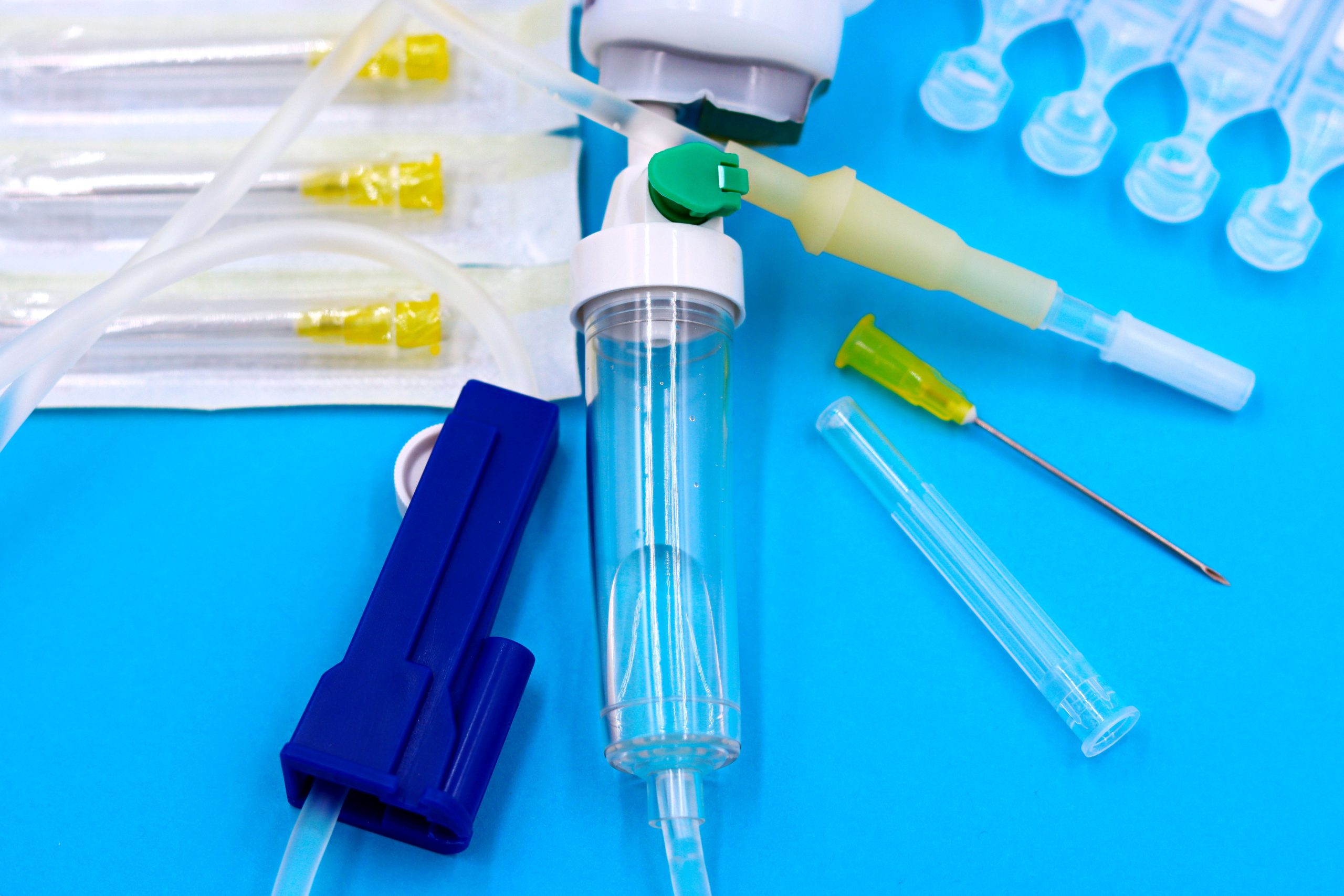
The best IV sets for outpatient infusion centers are those that combine precise flow control, low priming volume, and reliable air elimination. Premium polyurethane or silicone tubing minimizes kinking and withstands the pressure of pump-driven infusions. Integrated 0.2 to 0.22 µm filters help protect patients from particulates and bacteria during extended or multiple treatments. Sets with adjustable clamps and transparent, graduated chambers enhance dosing precision and minimize waste. Compatibility with commonly used infusion pumps and standard Luer connectors reduces setup time and training requirements. Cost per use and supplier reliability influence long-term value. Below, we contrast top models, clinical priorities, and selection criteria for small to mid-size outpatient centers.
Key Takeaways
- If you’re a nurse or pharmacist ordering infusions, focus on sets that provide precise dosing and patient safety, such as accurate drip chambers, flow regulators, and volume markings to minimize medication errors.
- Choose medical-grade, DEHP-free, and latex-free options with sterile packaging and light-protective or in-line filtration options to protect medication integrity and reduce allergic and infectious risks.
- Guarantee connection security and system compatibility with luer lock or reinforced connectors, anti-kink tubing, and sets designed and approved for your facility’s infusion pumps and electronic workflows.
- Standardize low-priming-volume, easy-to-prime IV sets that are pre-assembled or color-coded and document priming volumes in medication records to optimize workflow and reduce waste.
- Reduce infusion risks with safety features like auto air stop and air-eliminating filters, aseptic technique, routine site monitoring for phlebitis, and staff training on priming and device use.
- Balance operational and financial goals by considering the total cost of ownership, locking in reliable suppliers and multiple vendors, and instituting waste-reduction protocols to safeguard budgets and ensure consistent supply.
Key Selection Criteria For IV Sets

Selecting the appropriate IV infusion sets for outpatient infusion centers presents a challenge in balancing accurate dosing, patient safety, and workflow efficiency. The right infusion set must ensure precise flow rates, safeguard medication stability, and be compatible with common pumps and charts, all while minimizing contamination risks and enhancing patient outcomes.
1. Drip Rate Precision
Choose IV infusion sets with accurate drip chambers that match clinical needs: micro drip (60 gtt/ml) for slow, precise infusions and macro drip options (10, 15, 20 gtt/ml) for higher flow. The precision of flow rate significantly influences drug delivery, particularly for narrow-therapeutic-index drugs and oncology agents. Clear volume markings on IV tubing verify the delivered volume at the bedside. Tactile flow regulators and roller clamps enable clinicians to physically adjust flow rates, while electronic pump compatibility is essential for intelligent IV medication administration control.
2. Material Safety
Medical-grade, non-toxic materials should be the priority for IV infusion sets. DEHP-free and latex-free choices prevent leaching and allergic responses for vulnerable patients. Ensure that tubing, connectors, and needles are sterile and uncontaminated to facilitate effective IV medication administration. Packaging must maintain sterility up to the point of use, and components should be disposable to minimize the risk of infection. Material compatibility with drug formulations is important, as certain lipophilic drugs can leach out of PVC or plasticizers, degrading potency. Select according to the drug profile.
3. Connection Security
Secure luer lock or well-engineered slip connections stop accidental disconnection and leaks. Reinforced hubs and ergonomic connector shapes decrease strain at attachment points and simplify pump hookup for IV infusion sets. Needleless connectors and tight seals enable closed IV administration systems to reduce infection and air embolism risk. Anti-kink tubing and strain relief maintain flow and avoid occlusion alarms that interrupt treatment and increase chair time.
4. Medication Integrity
Lightproof IV sets and tubing protect photosensitive drugs, such as those common in oncology and certain antibiotics. In-line filters, generally 0.22 or 0.5μ, filter out particulates and bacteria, helping maintain medication integrity during IV administration. Ensure appropriate IV infusion sets are selected for use with primary and specialty formulations, such as biosimilars.
5. Device Compatibility
Verify compatibility with major infusion pump brands, including smart pumps and gravity, as well as standard primary and secondary infusion sets. Ensure compatibility with primary and secondary bags, Y-sites, and electronic medication administration records to log doses effectively.
Essential IV Set Features

Choosing IV infusion sets for outpatient infusion centers means having a clear vision of the functional features affecting safety, workflow, and drug compatibility. Here’s a summary of the must-have features matrix, including specific considerations for venting, filtration, and auto-air-stop that inform device selection and infusion therapy protocols.
- Auto air stop (including auto air stop filter)
- Vented and non-vented options
- In-line filtration of 0.22 µm or 0.5 µm, where applicable
- Multiple injection/Y sites and rubber injection ports
- Sterile packaging and easy-to-prime tubing
- UV-resistant materials when needed for light-sensitive drugs
- Choice of drip chamber: microdrip (60 gtt/ml) and macrodrip (10 gtt/ml, 15 gtt/ml, 20 gtt/ml)
- PVC vs. DEHP-containing options depending on compatibility concerns
- Air vent plus solution filter where appropriate
- Clear replacement schedule: replace set every 72 to 96 hours for continuous infusions
Vented Vs. Non-Vented
Vented sets are designed for rigid containers, primarily glass bottles, featuring a vent that prevents a vacuum from forming and ensures a consistent flow of IV fluid. They include an air vent and often a solution filter to keep contaminants away while allowing air in. Opting for vented sets is crucial when the source container cannot collapse as fluid exits, particularly in IV medication administration.
Non-vented sets, on the other hand, are suitable for flexible plastic bags. These sets rely on bag collapse to generate pressure and prevent air from entering the IV line. Choosing non-vented sets for soft bags minimizes unnecessary air movement, thus reducing the risk of embolism during infusion therapy. Healthcare personnel should select the appropriate IV infusion set based on the container type and medication. For example, most biologics delivered in glass vials require a vented system, while nearly all premixed saline or carrier bags use non-vented tubing.
In-Line Filtration
In-line filters get rid of particulates, bacteria, and cellular debris, with common pore sizes being 0.22 µm and 0.5 µm. The 0.22 µm size is for microbiological protection, and the 0.5 µm size is for trapping larger particles while maintaining a higher flow.
Filters reduce pyrogenic reactions and decrease bloodstream infection risk. Pair pore size to drug type. Lipid emulsions, parenteral nutrition, chemo, and immunotherapeutics each have differing filter requirements. Integrated filters that double as auto air stop devices provide redundancy.
Auto Air Stop
Auto air stop features detect air and stop flow when the bag empties to prevent air embolism. Some designs combine the auto air stop with a filter so the line blocks air as it filters fluid. Train staff on device function, reset procedures, and when manual clamp backup is required.
Integrate auto air stop sets into protocols for oncology and critical infusions, where any air entry is inexcusable. Change sets per policy every 72 to 96 hours and record the device type in the patient record.
Understanding IV Set Materials
The choice of IV infusion set materials significantly influences safety, drug compatibility, and workflow in outpatient infusion centers. Various polymers and additives affect flexibility, leachables, allergen risk, and durability. Below, materials are compared and examined through three focused topics: DEHP, latex-free options, and lightproof IV sets. Technical information on aspects like filter sizes, vented versus non-vented sets, and drip rates is integrated into advice for purchasing and clinical application, ensuring appropriate IV infusion practices.
DEHP Considerations
PVC often contains DEHP to keep it soft, but it’s crucial to avoid DEHP-laden IV infusion sets in vulnerable populations. This includes neonates, oncology patients, and those undergoing long-term IV therapy. Cumulative exposure to DEHP can pose significant risks, so selecting DEHP-free IV infusion tubing specifically labeled is essential. Many alternatives use TOTM or other non-PVC polymers that minimize leachables, ensuring patient safety.
Some regulators have guidance restricting DEHP in devices intended for pediatric and prenatal use, emphasizing the need for vendors to provide proper documentation. When choosing IV administration supplies, verify compatibility with lipophilic drugs, as these often leach out more plasticizers. Clinical examples such as chemotherapies and lipid emulsions increase leach risk, making DEHP-free options preferable.
DEHP-free, in contrast, is a quality marker. Freestanding ambulatory centers with mixed caseloads require DEHP-free stock for pediatric and oncology suites and maintain separate clear storage to prevent inadvertent use.
Latex-Free Options
Latex allergy can cause severe reactions in patients and staff. Focus on synthetic materials for injection ports, phlebotomy hubs, and tubing to eliminate natural rubber latex sources. Keep only latex-free administration sets in units that have varied populations or incomplete allergy histories.
Clearly label latex-free products on shelves and trays. Training should incorporate identification of latex-free labeling and replacement procedures. Vinyl, silicone, and certain thermoplastic elastomers can replace latex at a similar cost and with comparable flexibility. Latex-free decreases adverse events and eases triage. It supports inclusion for patients with documented sensitivity.
Light-Protective Tubing
Regular IV sets don’t protect drugs from UV degradation. Lightproof sets, which include amber or opaque tubing, protect photosensitive medications like certain antibiotics and oncology drugs. Employ 0.22 µm inline filters where indicated, and select photo-protective tubing for drugs known to degrade with light.
KEEP light-protective sets where they are easily accessible during frantic prep. Add lightproof tubing to your protocols and label infusion orders to guarantee you’ve selected the correct set. Lightproof versions provide an additional level of drug integrity control without affecting drip rate options such as macro or micro drip.
Optimizing Clinical Workflow
Optimizing clinical workflow at ambulatory infusion centers involves making intentional decisions about appropriate IV infusion sets that align with staffing, scheduling, and drug acuity. The right IV sets not only reduce setup time but also minimize medication waste and the risk of infusion errors. These decisions interact with nurse-to-patient ratios and scheduling models that consider monitored medications, ultimately enhancing flow and patient experience.
Pump Compatibility
Ensure that each IV infusion set is licensed for your pump models to prevent flow errors and liability problems. Whenever possible, use sets with universal connectors, as they allow one inventory item to be used across multiple pump brands and minimize cross-training. It’s crucial to match tubing diameter and length to pump specs; a mismatch can change flow resistance and bolus timing. For instance, a longer, narrow tube delays delivery and complicates dose timing for short infusions. Keeping a list of compatible IV administration supplies per pump in both procurement and clinical areas expedites purchasing, guides bedside staff, and facilitates rapid troubleshooting when delays occur, minimizing wasted nursing minutes during peak busy times.
Ease Of Use
Select IV infusion sets with transparent drip chambers, oversized readable markers, and color-coded ports so nurses can verify setup at a glance. Pre-assembled or ready-to-use IV administration supplies reduce handling steps, decrease contamination risk, and minimize chair time for patients. Ergonomic connectors and soft, kink-resistant tubing simplify handling during line changes or chair transfers, which is important when one nurse is responsible for several patients. Train staff on new set features with targeted simulation sessions and bite-sized quick-reference guides. Measuring setup time before and after training helps quantify improvements. Rationalized sets and training combined minimize long waits, which builds prestige and differentiates you from the competition.
Priming Volume
Select low-priming-volume IV infusion sets to save expensive biologics and enhance dosing precision, particularly for pediatrics and small adults. When scheduling IV administration, consider total system priming volume and record it in medication sheets for QA and dose cross-checking. Deploy low-volume sets for intermittent or bolus dosing to ensure the delivered drug concentration is predictable. By tracking priming volumes, data can be used to fine-tune scheduling and staffing based on drug acuity and anticipated chair time.
Mitigating Infusion Risks
Mitigating infusion risks at outpatient infusion centers necessitates a layered approach that incorporates appropriate IV infusion sets, staff practice, environmental controls, and operational policy. This strategy aims to avert air embolism, minimize phlebitis, and preserve asepsis while keeping workflows lean and patient-focused.
Preventing Air Embolism
Auto air stop IV infusion sets and air-eliminating filters are essential components in the infusion industry. These sets halt infusion when air is detected and capture microbubbles before catheter entry, respectively. When selecting an IV infusion set, choose those with transparent, visible drip chambers to make small air volumes apparent during infusions. Induct staff to prime IV tubing completely, open clamps in the right order, and top off IV bags before fluid levels get near the drip chamber to prevent entrainment. For extended IV therapy, employ level alarms or infusion pumps that have air detection, incorporating these steps into your SOPs and competency checks.
Reducing Phlebitis
Select IV infusion sets designed to be gentle on veins: soft, flexible tubing and catheters with atraumatic tips lower mechanical irritation. Next, mitigate infusion risks by using an appropriate IV infusion catheter gauge: a small gauge for small veins and a larger gauge only when needed for high flow, tailored to infusion osmolarity and rate. As per policy, rotate sites usually every 72 to 96 hours or sooner if erythema is observed to decrease inflammation risk. Use in-line particulate filters to catch microparticles that can trigger inflammation. Educate staff to check injection sites frequently and to record any erythema, tenderness, or swelling. Early removal and relocation of the catheter stunts progression and enhances comfort level.
Ensuring Asepsis
Use sterile, single-use administration sets and keep them in clean, dry locations to maintain sterility. Follow strict aseptic technique during setup: hand hygiene, glove use, antiseptic skin prep with appropriate contact time, and no-touch handling of connectors. Drug preparation should take place in a designated clean room area or a laminar flow hood when required, with appropriate labeling and expiration checks. Numbered checklist to follow strict aseptic technique during IV setup, medication preparation, and administration:
- Clean hands and gloves. Check patient ID and allergies.
- Sterilize the insertion site with chlorhexidine or alcohol for a minimum contact time and let it dry.
- Prime tubing completely with sterile technique. Mitigating infusion risks: cap sterile lines until connection.
- Label lines, record lot and expiry, and observe the site at specified intervals.
Private rooms, lower nurse-to-patient ratios, and staggered appointment times minimize cross-exposure. Follow industry best practices to maintain low risks.
Operational And Financial Impact
Operationally, the selection of IV infusion sets dictates chair turnover, nursing time, and inventory flow. Costs are intimately connected to clinical throughput and reimbursement timeliness, particularly with the buy-and-bill model in the infusion industry. Below, three concentrated spheres- cost-effectiveness, supply chain reliability, and waste reduction- describe what to measure and how to respond.
Cost Efficiency
Compare unit cost and total ownership before buying. Unit price counts, but so do durability, failure rate, and rework time. A low-cost set that has to be replaced often extends nursing hours and delays patients. Total ownership includes purchase price, returns, training, and wasted drug from set failure. Centers with high specialty-drug spend feel cash pressure. The average annual cost per infusion patient ranges from 32,000 to 136,000. That gap induces working capital pressure and makes set selection strategic.
- Unit cost vs. expected lifespan.
- Failure rate and associated re-doses or chair delays.
- Drug loss from high priming volume.
- Training and compatibility with existing pumps.
- Warranty, supplier support, and return policies.
Brand/Model | Unit Cost (USD) | Priming Volume (mL) | Failure Rate (%) | Estimated Annual TCO |
Merit Pharmaceutical Model X | 6.50 | 2.0 | 0.3 | 7,800 |
Merit Pharmaceutical Model Y | 4.20 | 4.5 | 1.2 | 9,600 |
Merit Pharmaceutical Model Z | 8.00 | 1.2 | 0.1 | 6,500 |
Clinical Supply Reliability
Rely on trusted partners for a consistent supply of IV infusion sets. Suppliers such as Merit Pharmaceutical offer extensive distribution and nationwide coverage, lowering backorder risk for IV administration supplies. Maintain safety stock based on lead time and usage, and use multiple vendors to mitigate single-source failure. Contracts include delivery windows, penalty clauses, and responsive support. When making big drug purchases, obtain a business card to generate an interest-free float of approximately 30 days to alleviate cash flow. Automating receipt matching cuts administrative hours and liberates staff to handle vendor issues and patient care.
Waste Reduction
Low-residual and low-priming-volume IV infusion sets reduce drug loss and waste costs. It is crucial to educate staff on priming, flushing, and reuse rules where clinically appropriate, particularly in an ambulatory infusion center. Establishing disposal and recycling procedures while monitoring waste monthly can lead to significant savings. A mid-size center spending 100,000 USD on eligible supplies monthly could save approximately 60,000 USD per year with improved procurement and waste management, ultimately enhancing patient outcomes.
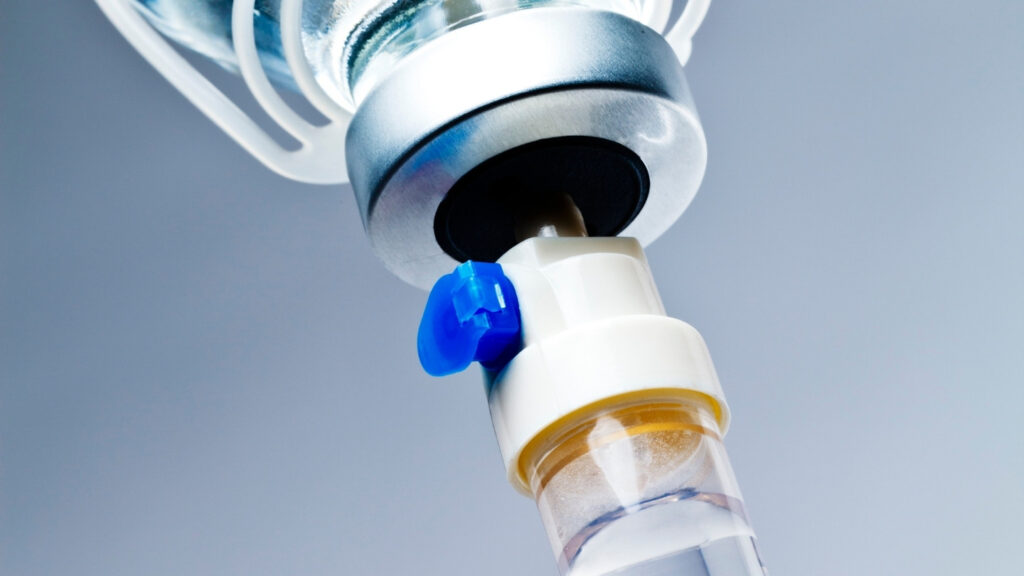
Conclusion
Selecting IV sets for outpatient infusion centers involves obvious compromises. Choose sets with kink-resistant tubing, low-priming volume, and dependable drip chambers to reduce waste and save time. I prefer PVC-free bags and polyurethane or silicone lines for drugs that bind or leach. Lower infection and dislodgement rates occur using needle-free ports and securement features. Standardize on a handful of trusted SKUs to expedite staff training and maintain a slim inventory. Monitor usage and failure rates with easy logging or a minimal dashboard to identify issues quickly. Small moves yield real gains: lower patient wait times, fewer line changes, and steadier costs. Experiment, experiment, experiment.
Frequently Asked Questions
1. What IV Set Features Matter Most For Outpatient Infusion Centers?
Ensure you’re selecting IV infusion sets with low priming volume, reliable flow regulators, integrated filters, and clamp security, which enhance dosing precision and accelerate setup while minimizing waste.
2. Which IV Set Materials Are Best For Patient Safety and Drug Compatibility?
Medical-grade PVC-free materials, such as polyethylene or polyurethane, and DEHP-free PVC are preferred for IV infusion sets, as they reduce leachables risk and enhance compatibility with numerous biologics and chemo agents.
3. How Do IV Sets Affect Clinic Workflow And Throughput?
What are the best IV infusion sets for outpatient infusion centers? Fewer manual steps lead to reduced errors, allowing infusion clinicians to treat more patients per shift.
4. What IV Sets Reduce Infusion-Related Complications?
Choose IV infusion sets that use air-elimination designs, inline filters, and secure clamps to reduce air emboli and particulate exposure.
5. How Should Centers Balance Cost and Quality When Selecting IV Sets?
Focus on clinical outcomes and total cost of care by considering appropriate IV infusion sets, product durability, error reduction, and waste savings to maximize value.
6. Are Specialty IV Sets Needed For Biologics and Chemotherapy?
Yes. For such cases, use IV infusion sets made for hazardous or sensitive drugs with the appropriate IV infusion materials, dedicated waste routes, and compatibility testing to safeguard patients and personnel.
7. How Can Clinics Ensure Selected IV Sets Meet Regulatory and Safety Standards?
Check ISO and regional regulatory certifications, ask for product safety data, and review clinical evidence or vendor validation studies on IV infusion sets before adoption.