

Hospitals can reduce waste and decrease expenses by selecting IV solutions that are aligned with patient requirements and supply chain advantages. These consist of standardized kit sizes, multi-dose options where safe, and tubing and bag designs that waste less fluid. Clinical protocols that coordinate with device selection and staff training on dosing and flushing minimize discard rates. Inventory tools that monitor expiration and usage assist in shifting ordering to avoid waste. Quantified advantages encompass fewer wasted milliliters per dose, decreased purchase spending, and minimized medical waste streams. The remainder of this post details actionable device decisions, protocol adjustments, and inventory habits that teams can implement in hospital environments.
Key Takeaways
- Hospitals can reduce waste by focusing on IV products with recycling in mind, reusable parts, and minimal packaging to reduce single-use plastic and cardboard.
- Use precision dosing tools and smart-designed IV sets to minimize medication mistakes and excess drugs. This approach cuts down on regulated medical disposables and patient harm.
- Connect IV usage data to inventory and waste management systems to prevent overstocking, automate tracking, and identify the biggest waste generators.
- Train clinical staff on segregation, spill protocols, and sustainable practices. Run regular waste audits to measure progress, adjust workflows, and ensure compliance.
- Consider full lifecycle costs when adopting advanced IV solutions. They allow phased rollouts and pilot tests to control initial investment and favor supplier sourcing that has credentials in waste-minimizing.
- Cultivate leadership support and a hospital-wide sustainability culture to conquer resistance, align incentives, and enhance successful IV-centric waste reduction efforts.
The Hidden Waste Of IV Therapy

IV therapy is an unsung champion of hospital waste reduction, generating controlled medical waste, such as sharps, dirty tubing, and used syringes, along with regular waste from single-use bags, pump sets, and boxed supplies. The staggering global consumption of approximately 16 billion injections annually illustrates the magnitude of healthcare waste management challenges. Poor segregation and disposal practices exacerbate the problem, increasing the volume and commingling hazardous and nonhazardous streams. This situation heightens the demand for proper waste management services in healthcare facilities, which generate up to 0.5 kg of hazardous waste per bed per day in high-income contexts.
Plastic Overload
Single-use plastics dominate IV waste: infusion sets, tubing, connectors, and fluid bags. One average adult infusion episode can employ several meters of tubing and a 500-1,000 mL bag, along with single-use pump accessories, which, multiplied across wards, becomes tonnes of plastic per year. Effective healthcare waste management is hindered by contamination with body fluids and mixed polymers, and many hospital programs aren’t equipped to clean, sort, and reclaim these materials. Contaminated plastic IV components end up in landfills or incineration, contributing both long-lasting microplastics and greenhouse gases. There are sustainable alternatives: reusable stainless steel devices for certain use cases, mono-material bags, and take-back initiatives, but scale is inhibited by logistics, sterilization requirements, and regulatory oversight in medical waste disposal.
Fluid Spillage
Spills can transform what could be nonhazardous waste into contaminated, regulated medical waste. A single ruptured bag or line may require absorbents, decontamination, and packaging as infectious waste, which contributes to overall waste volume and disposal costs. Some IV solutions and admixtures can be chemically hazardous if they contain cytotoxics or incompatible agents, generating hazardous waste streams when spilled. Implementing hospital waste reduction strategies, such as secure connections, standardized bag sizes, secondary containment, and staff training, can decrease infection risk as well as the financial burden of cleaning up.
Medication Errors
Medication errors in IV prep or admin can lead to surplus pharmaceutical waste and patient injury, contributing to overall waste in healthcare facilities. Overdrawn or misdosed vials frequently become regulated medical waste, requiring special handling. Implementing precision dosing systems and barcode verification can not only eliminate wasted doses but also enhance proper waste management practices, ultimately reducing the environmental impact.
Packaging Excess
Bulk shipping and overpackaged IV kits contribute to hospital waste reduction challenges, adding cardboard, plastic wrap, and filler material to waste streams. Unnecessary layers bloat volumes and processing time. Implementing a waste management plan by auditing suppliers for recyclable materials and selecting consolidated delivery schedules can significantly reduce overall waste.
How Better IV Solutions Reduce Waste
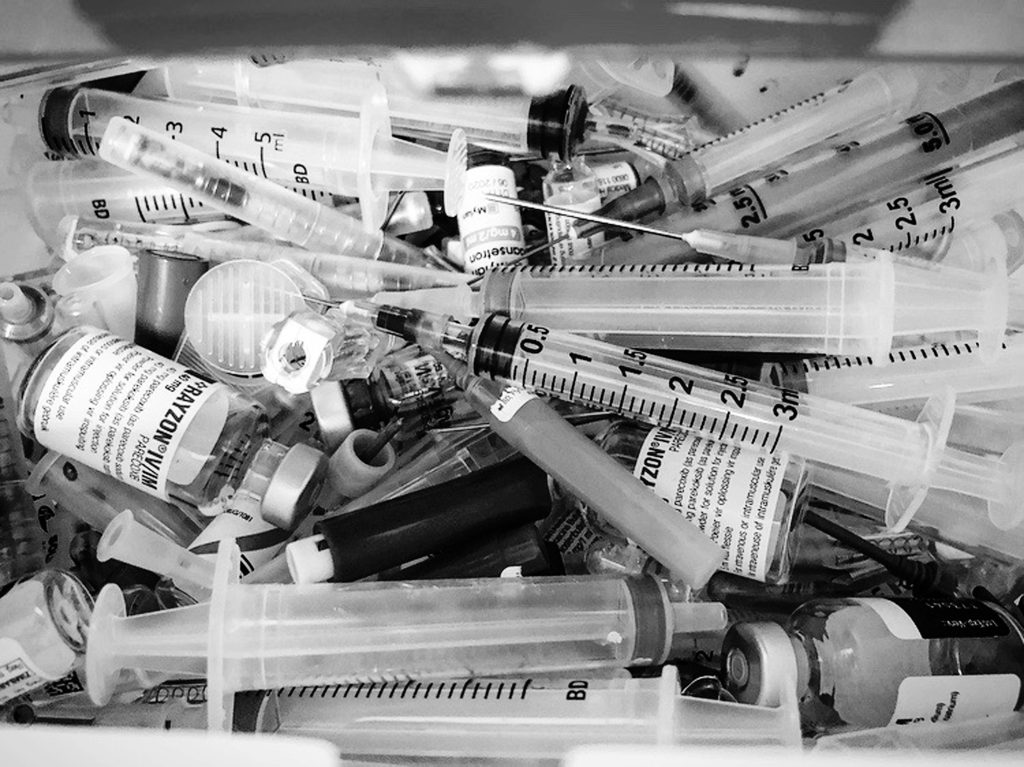
Better IV solutions cut waste by changing the materials, design, systems, dosing, and packaging that surround IV use. These innovations minimize the quantities of single-use disposables, decrease hazardous waste streams, and simplify healthcare facilities’ integration of medical waste management into larger waste management plans such as segregation, storage, transport, treatment, and disposal.
1. Material Technology
To achieve hospital waste reduction, healthcare facilities should use plastics that can be recycled or materials that break down in safe ways to lower plastic waste. Recyclable polymers and biodegradable blends for tubing and bags not only reduce the mass of post-use waste entering hazardous streams but also contribute to effective waste management. Material advances reduce toxic additives, resulting in a smaller environmental impact when items are treated or incinerated. Hospitals should conduct life-cycle assessments to compare traditional PVC and mixed polymers with sustainable alternatives. A simple table contrasting weight, recyclability, toxicity, and cost per unit assists procurement in making informed choices. By starting to recycle mixed plastics in high-use rooms and measuring diversion rates, hospitals can expand their waste management plan effectively.
2. Smart Design
Design changes aimed at hospital waste reduction eliminate waste at the source. Sets constructed from fewer components, built-in sterilizable components, and modular assemblies lead to fewer disposables. Equipment that permits brief sterilization cycles and simple teardown encourages reuse without prolonged downtime. Smart features like color-coded pathways and detachable sections make segregation for recycling easier. List key features: modular, low-part count, sterilizable, clearly labeled, and identify how each minimizes supply waste. Less waste from disposables reduces the 15 percent hazardous waste component caused by single-use devices and enables healthcare waste management practices.
3. Coordinated Systems
Connect IV inventory and usage tracking to waste management systems to discover where waste originates. Automated tracking tools reveal overstock, expiration patterns, and usage spikes, helping teams trim surplus inventory that fuels approximately 30% of wasteful healthcare spending. This integration optimizes safe management and simplifies the segregation of regulated medical waste, minimizing 50% of waste that’s typically mis-sorted. Trace the source-to-waste workflow to identify flow alteration points and employ automation to encourage the right streams.
4. Precision Dosing
Precise dosing minimizes leftover medication that ends up getting trashed, contributing to hospital waste reduction. Precision IV pumps and dose-banded products not only reduce the amount of expired medications but also enhance medical waste management by minimizing medication errors and reducing risks for patients and staff.
5. Packaging Minimization
Smaller, reusable packaging minimizes overall waste and disposal expenses. Procurement should seek suppliers with transparent packaging data and use a waste management plan that scores material recyclability and shipping footprint. Training staff on segregation and packaging handling enhances hospital waste reduction strategies and amplifies those savings significantly.
The Financial Impact

Minimizing IV-related waste has an immediate, quantifiable impact on hospital waste reduction and overall health system expenses. The U.S. health care sector invests about 25% of total health spending in domains associated with waste management, with economic costs ranging from $760 to $935 billion. Targeting IV waste is a specific, high-return subset of that problem. Small per-unit savings compound quickly. A 0.5 to 2 percent reduction in IV consumable waste across a 500-bed hospital can translate to tens of thousands of euros saved annually after medical waste disposal needs are counted.
Procurement Savings
Choosing efficient IV sets and low-waste solutions reduces unit costs and decreases the amount of wasted product. Standardized, low-waste IV kits cut variation caused by physician preference card errors, which frequently lead to overstocking and unused materials in the OR. Bulk buying and contract uniformity diminish unit prices and expired inventory.
Central buying should monitor SKU-level consumption, waste, and return rates to identify waste causes and vendor opportunities. Leverage data to model reorder points and minimum order quantities that align with true clinical demand.
Best practices for procurement teams:
- Consolidate suppliers for items like IVs to gain volume discounts.
- Standardize product families to reduce clinician-driven variation.
- Implement just-in-time ordering for high-turnover items.
- Monitor expiry and usage by department weekly.
- Link buying to clinical-led formularies and preference card audits.
Disposal Costs
IV medical waste disposal consists of direct costs like handling, transportation, and specialized treatment fees, and indirect costs such as medical staff time and regulatory compliance. Around 15% of healthcare waste is regulated hazardous or infectious material, which can cost multiple times as much per kilogram to dispose of compared to general waste.
Traditional IV systems that produce sharps, drug residue, and mixed-contaminant tubing lead to waste-minimizing closed systems. The latter decrease regulated waste mass and therefore decrease annual disposal costs. Hospitals that measure existing disposal spend can calculate annual cost avoidance by projecting decreased regulated waste tonnage after the product switch.
Efficiency Gains
Efficient IV workflows reduce labor associated with inventory checks, waste segregation, and disposal logging. Less time spent managing waste frees nurses and support staff to provide patient care, indirectly lowering labor costs and increasing throughput. Quantify savings in terms of fewer minutes per IV setup, fewer waste-handling events, and fewer compliance incidents.
Document process changes and tie them to cost outcomes: reduced waste volumes, lower disposal bills, and measurable staff time savings. Hospitals that reported sustainability work saved actual money. One program family saved an estimated $68 million in 2018, proving operational change pays.
A Greener Clinical Workflow

Ingraining sustainable waste habits into everyday clinical work cuts down on material waste and operational expense while enhancing patient safety. Start by mapping where IV-related waste is created: prep areas, bedside, pharmacy compounding, and procedure rooms. Targeting change at these junctures provides quick victories. For example, piloting mixed-plastics recycling in one ward can quickly become practical once staff accept to segregate it properly there and spread the system hospital-wide. With approximately 50 percent of healthcare waste being mis-sorted, targeted interventions in healthcare facilities where staff actually work are critical for effective hospital waste reduction.
Staff Training
Training on segregation, disposal precautions, and infection control is essential for consistent practice in healthcare facilities. Using short, role-specific modules, such as nurses focusing on bedside segregation and safe sharps handling, and pharmacists on single-dose vial use and medical waste reduction, can enhance knowledge. It is crucial to detail the importance of proper waste management, as mishandling increases infection risk and economic burden. With eighty-five percent of waste being general and suitable for recycling, implementing hospital waste reduction strategies can significantly impact sustainability efforts. Encouraging staff to participate in sustainability projects fosters engagement, leading to better outcomes.
Inventory Control
Engage an inventory system that monitors lot numbers, expiry dates, and usage rates to reduce expired inventory and support hospital waste reduction strategies. Use consumption data to set reorder points, preventing overstock and minimizing waste management needs that can lead to wasting thirty percent of spending. Audit ordering patterns for physician preference card errors, a known source of medical waste, and update cards with clinician input. Combined with regular audits, mismatches between supply and clinical need can be uncovered and used to guide changes to pack sizes or multi-dose policies.
Best Practice | Purpose | Action |
Track by lot/expiry | Reduce expired stock | Implement barcode scanning |
Set dynamic reorder | Prevent overstock | Use consumption-based thresholds |
Update preference cards | Cut OR waste | Regular clinician reviews |
Waste Audits
Conduct periodic audits to identify IV waste hotspots, recording quantities, varieties, and reasons for medical waste. Use a checklist to capture findings and establish targets for hospital waste reduction, such as percentage reduction and diversion rates to recycling or safe reuse. Engage nursing, pharmacy, supply chain, and sustainability teams to create audit-driven interventions that enhance waste management practices across healthcare facilities.
Overcoming Adoption Hurdles
Hospitals encounter many obstacles in transitioning to superior IV waste solutions, particularly in implementing effective hospital waste reduction strategies. Resource constraints, low stakeholder buy-in, and ineffective communication typically decelerate change, while regulatory oversight from OSHA, DOT, and CDC complicates the waste management process, necessitating a clear management plan.
Initial Costs
Next-generation IV systems and reusable components must account for up-front spending on devices, sterilization gear, and staff training. When comparing that cost with long-term gains, such as hospital waste reduction, it becomes evident that less single-use purchasing leads to lower disposal fees and fewer regulated medical waste shipments, ultimately cutting recurring DOT and hazmat costs. A phased rollout can relieve budget stress, starting with one high-use unit like an OR where you can quantify per-case waste and cost. Adoption hurdles may include funding from capital budgets or green-health grants, supplier leasing, or energy-efficiency incentives. In some areas, hospitals could enjoy sustainability rebates or low-interest loans to make upgrades. Construct a simple three-year ROI model with reduced waste volumes, avoided disposal fees, and reduced PPE spending to make the case to finance teams.
Staff Resistance
Employees fret about their workflow, additional steps, and security, especially when it comes to proper waste management. Recognizing those fears aloud can help. Demonstrating how decreased contamination by colored bins and enhanced separation improves worker safety and decreases needle-sticks and exposures is essential for effective healthcare waste management. Overcoming adoption hurdles can be achieved through hands-on demos and small, common training sessions that make reuse protocols second nature. Engaging frontline stakeholders,-the nurses, pharmacists, and waste handlers who deal with IVs daily- is crucial, as their input drives actionable protocols and fosters buy-in. Providing support channels like quick-reference cards and rapid-response contacts during the pilot phase can further enhance the waste management system.
Equipment Compatibility
New IV products must align with existing sterilization, waste management, and documentation systems to ensure proper waste management and minimize liability. It’s essential to evaluate fit against on-site processing capacity, addressing hospital waste reduction strategies to reduce third-party processing. Planning tech integrations, such as barcoding and inventory feeds, is crucial before purchase. Conducting a pilot in a defined space will help gather data on contamination rates and cycle times, ultimately supporting effective medical waste disposal efforts. Use a checklist for regulatory alignment and training needs to ensure a smooth transition.
Beyond IVs: A Cultural Shift
Hospital waste provides insight into the operations of healthcare facilities, including how supplies are purchased and the implementation of hospital waste reduction strategies. Transitioning from waste remediation to source prevention requires a culture shift across the organization, starting with a shared goal to reduce waste, enhance medical waste management, and protect health and the environment.
Promote a Hospital-Wide Commitment to Sustainability and Waste Minimization Beyond IV Therapy
Hospitals need to establish serious goals related to hospital waste reduction and integrate them into policy, job descriptions, and review processes. Procurement must focus on waste management by purchasing products with less packaging, longer life, and clear end-of-life paths. Clinical teams should audit protocols to eliminate single-use items where safe reuse or reprocessing is feasible, especially for health care waste management. Facility teams require collection points and routes that make recycling the simplest option. Posting simple, visual cues in clinical spaces can demonstrate proper waste management, such as color-coded bins with photos and short checklists on drug prep trolleys.
Encourage Leadership to Champion Environmental Stewardship and Sustainable Development Goals
Leaders establish the bellwether for health care waste management. Beyond IVs: A cultural shift issues regular reports showing waste tonnage, misclassification rates, and cost saved through diversion. Share a few short case studies at staff meetings: a ward that cut hazardous bag use by 40% after a training, or a lab that reduced single-use plastics by switching suppliers. Integrating hospital waste reduction strategies can make hospital targets part of a wider initiative, such as the European Waste Framework Directive, to evidence a legal and ethical duty, not just cost saving.
Integrate Waste Reduction Into All Aspects of Healthcare Delivery and Facility Management
Train frontline staff with hands-on modules and brief refreshers to enhance hospital waste reduction efforts. Target training where misclassification is high, as audits show that 15 to 50 percent of non-hazardous items end up in costly hazardous bins. Use real-time feedback: quick audits, visible dashboards, and ward-level champions. Procurement and supply-chain teams must collaborate with clinical staff to evaluate the product life-cycle impact. Effective healthcare waste management strategies, like recycling programs, can significantly reduce overall waste, with large hospitals recovering 55 to 65 percent of waste, while smaller clinics recover up to 80 percent.
Celebrate and Share Success Stories to Inspire Continual Improvement in Hospital Waste Management
Celebrate successes among teams to enhance hospital waste reduction. Small wins breed change, so post monthly metrics, run cross-site peer visits, and reward healthcare facilities that reduce waste per patient through effective waste management strategies.
Conclusion
How can hospitals reduce waste with better IV solutions? For hospitals, switching to ready-to-use bags, dose-banded syringes, and smart pumps results in distinct reductions in discarded fluids and expired stock. A ward that shaves 20% of your IV waste can free up budget for staff training or patient supplies. Cleaner supply chains and easy standard steps make daily work quicker and safer. Staff buy-in goes up when clinicians experience less waiting and fewer mistakes. In the long run, the Earth loves a little less plastic and a lot fewer shipments. Small pilots, clear metrics, and steady training make change stick. Conduct a pilot on a small, focused scale, such as one unit, with volume and cost tracking, and then scale up accordingly. Hit that next step and pilot this month!
Frequently Asked Questions
1. How Do Better IV Solutions Reduce Medical and Material Waste?
How hospitals can achieve hospital waste reduction with better IV solutions. This slashes discarded fluid, unused tubing, and single-use vials, leading to less waste and improved waste management.
2. Can IV Improvements Save Hospitals Money?
Yes. Less product waste, alongside effective hospital waste reduction strategies, leads to fewer supply orders and lower disposal costs, ultimately resulting in reduced operational expenses.
3. Do Eco-Friendly IV Products Affect Patient Safety?
No, when products are compliant with health care waste management standards. Their dose is accurate, and many of the greener IV choices are just as sterile, supporting hospital waste reduction efforts.
4. Which Workflow Changes Support Lower IV Waste?
Standardized IV kits and smart pumps with dose optimization, along with proper waste management practices, help reduce medical waste and enhance care activities.
5. What Are Common Barriers To Adopting Better IV Solutions?
Barriers such as staff resistance, budget constraints, supply chain issues, and regulatory approvals can hinder effective healthcare waste management. Tackle these through pilot programs, cost-benefit data, and clinical stakeholder engagement.
6. How Fast Can A Hospital See Results After Switching IV Solutions?
Some hospital waste reduction strategies show up within weeks from improved inventory control and standardized kits, while complete financial and environmental benefits frequently become evident within three to twelve months.
7. Are There Measurable Environmental Benefits From IV Waste Reduction?
Yes. Implementing hospital waste reduction strategies leads to less plastic, less discarded fluids, and reduced hazardous waste volume, all of which trim carbon footprint and landfill impact. Track metrics such as waste weight and hazardous disposal costs to quantify benefits.