

Infusion therapy is an essential part of modern outpatient and clinical care. From hydration and antibiotics to pain management, biologic therapies, chemotherapy, nutrition, and other prescribed treatments, clinics rely on infusion equipment and supplies to deliver therapies accurately and efficiently. While medications and clinical protocols receive significant attention, the quality, organization, and availability of the supplies used during treatment can also have a meaningful impact on workflow.
When infusion therapy supplies are poorly selected, inconsistently stocked, difficult to use, or incompatible with existing equipment, small problems can quickly become operational challenges. Staff may spend extra time searching for supplies, preparing equipment, troubleshooting connections, replacing components, or waiting for missing items. Repeated interruptions can affect patient flow, staff productivity, inventory management, and the overall treatment experience.
Better infusion therapy supplies can help clinics establish more predictable workflows. The right combination of infusion sets, extension sets, connectors, syringes, needles, administration components, pumps, tubing, filters, securement products, and related accessories can support standardized procedures and reduce unnecessary interruptions.
Improving efficiency does not simply mean purchasing more supplies. Clinics need to select products based on clinical requirements, compatibility, safety, usability, inventory needs, and the therapies they provide. A supply that works well for one application may not be appropriate for another.
This article explains how clinics can improve infusion therapy efficiency through better supply selection, organization, standardization, inventory planning, staff training, and supplier relationships.
Key Takeaways
- Better infusion therapy supplies can help clinics create more consistent and organized treatment workflows.
- Quality, compatibility, usability, and reliability should be evaluated together rather than separately.
- Standardizing frequently used supplies can reduce unnecessary variation and simplify staff training.
- Efficient inventory management helps prevent both shortages and excessive overstock.
- Supplies should be selected according to the clinic’s therapies, patient population, equipment, and established clinical protocols.
- Staff feedback can help identify supplies that create workflow delays or unnecessary complications.
- Reliable suppliers can help clinics maintain consistent access to appropriate infusion therapy equipment and supplies.
- Efficiency improvements should never compromise infection prevention, medication safety, patient monitoring, or established clinical standards.
What Are Infusion Therapy Supplies?

Infusion therapy supplies are the disposable and reusable components used to prepare, administer, monitor, and support intravenous or other infusion-based treatments. Depending on the clinical setting and therapy, supplies may include administration sets, tubing, extension sets, needleless connectors, syringes, needles, filters, flush supplies, catheters, securement products, dressing materials, infusion pumps, and other equipment.
The exact supplies required vary considerably. A clinic administering short outpatient infusions may have different needs from an oncology center, specialty infusion center, hospital department, home infusion provider, or ambulatory surgery facility. Medication type, route of administration, treatment duration, vascular access device, pump requirements, and patient characteristics can all influence which products are appropriate.
For this reason, product selection is an important operational decision. Rather than treating every infusion supply as interchangeable, clinics should evaluate how each product fits into the complete treatment process. A supply that is easy to use, compatible with existing equipment, consistently available, and appropriate for its intended application can contribute to a smoother workflow.
Why Do Infusion Supplies Have Such A Significant Impact On Clinic Efficiency?
Efficiency depends on more than how quickly a clinician performs a procedure. It is influenced by everything that happens before, during, and after treatment. If a nurse has to search through several storage areas to locate an administration set, an appointment may take longer. If tubing or connectors are incompatible with existing equipment, staff may have to troubleshoot or replace components. If frequently used products are regularly out of stock, employees may need to locate alternatives or delay treatment preparation.
These issues may seem minor individually, but repeated interruptions can consume substantial staff time. Better supplies can support efficiency by making routine procedures more predictable. When staff know where supplies are located, understand how they are used, and can depend on consistent availability, they can spend more time on direct patient care and less time resolving preventable logistical problems.
How Can Clinics Boost Efficiency With Better Infusion Supplies?
1. Evaluate Current Infusion Workflows
Before purchasing new infusion therapy equipment or supplies, clinics should examine how infusion procedures are currently performed. A workflow assessment can identify delays, unnecessary movement, supply waste, and repeated troubleshooting. Staff members who routinely prepare and administer infusions are particularly valuable sources of information because they experience these issues directly.
Clinics should examine which supplies are used most frequently, which products are difficult to locate, which components regularly require replacement, and whether employees are using different products for the same routine procedure. They should also consider whether supplies are regularly out of stock, whether products are stored near where they are needed, which components create the most troubleshooting, and whether products are being discarded because they expire before use.
2. Choose Supplies Based On Clinical Requirements
The best infusion therapy supplies are not necessarily the cheapest or newest products available. They are products that appropriately meet the clinic’s clinical and operational requirements. Clinics should consider the therapies they administer, infusion duration, vascular access methods, required flow rates, medication characteristics, equipment compatibility, and applicable clinical protocols.
A component designed for one infusion application may not be appropriate for another. Compatibility between tubing, connectors, pumps, access devices, and other components is particularly important. Product selection should therefore involve appropriate clinical and procurement personnel rather than relying solely on price comparisons.
What Infusion Therapy Equipment Should Clinics Consider?

Infusion Delivery Pumps
Infusion pumps can support controlled delivery when required by the therapy and clinical protocol. Because different pump technologies are designed for different applications, clinics should select equipment according to their actual treatment requirements.
Administration Sets And Tubing
Administration sets and tubing are fundamental components of many infusion procedures. Their design, length, connection type, priming requirements, and compatibility can influence preparation time and workflow.
Extension Sets And Connectors
Extension sets and connectors can affect how easily clinicians access infusion lines and connect components. Consistent use of appropriate connectors can simplify routine procedures and reduce unnecessary variation.
Injection Supplies
Syringes and needles are commonly used in medication preparation, flushing, and other infusion-related procedures. Clinics may benefit from standardizing commonly used sizes and configurations while maintaining access to specialized products when required.
Filters And Specialized Components
Some therapies or clinical applications may require filters or other specialized components. These should be selected according to the medication, the device manufacturer’s instructions, and applicable clinical protocols rather than treated as general-purpose supplies.
Securement And Dressing Supplies
Appropriate securement and dressing products can support vascular access management and help clinicians perform procedures consistently. Keeping commonly used products organized near treatment areas can also reduce unnecessary staff movement.
How Does Standardization Improve Infusion Workflow?
When employees use several different products for essentially the same routine task, they may need to remember different preparation steps, connection methods, packaging, or operating characteristics. This can increase cognitive workload and complicate training.
Where clinically appropriate, clinics can establish preferred products for commonly performed procedures. This can simplify staff training, supply organization, inventory forecasting, purchasing, procedure consistency, equipment familiarity, and troubleshooting.
Standardization does not mean every infusion procedure should use identical supplies. Specialized therapies may require specialized products. Instead, the objective is to reduce unnecessary variation while preserving the flexibility required for appropriate patient care.
Can Better Supplies Reduce Infusion Preparation Time?
Preparation time can be affected by several small factors. Packaging that is difficult to open, components that require unnecessary manipulation, inconsistent product configurations, or missing accessories can all add time.
Clinics can improve preparation efficiency by organizing commonly used supplies in logical locations and ensuring staff understands the standard setup for routine treatments.
Some facilities may also create procedure-specific supply groupings or standardized preparation areas when appropriate. These systems should still follow applicable infection prevention requirements and should not encourage unnecessary pre-opening or preparation of products that could be compromised before use.
How Can Inventory Management Improve Infusion Efficiency?
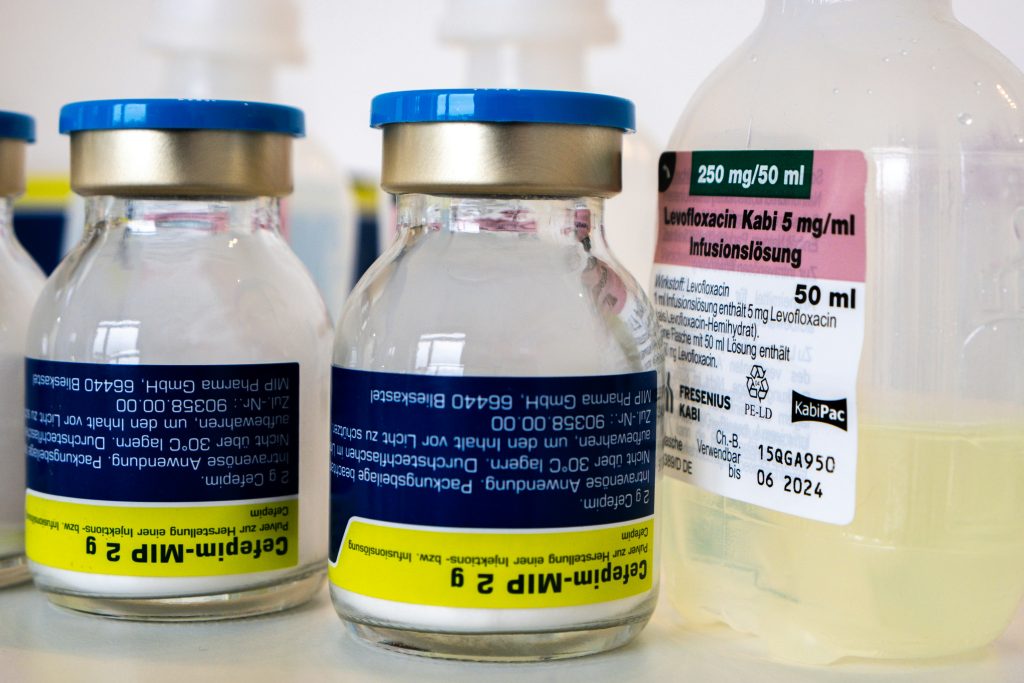
Inventory management is a major part of infusion supply efficiency. A clinic that frequently runs out of essential products may experience treatment delays and emergency purchasing. At the opposite extreme, excessive inventory can tie up capital, consume storage space, and increase the risk of products expiring before use.
Establish Minimum And Maximum Stock Levels
Clinics can establish minimum stock levels for frequently used products. When inventory reaches a defined threshold, a replenishment process can begin. Maximum levels can also prevent unnecessary over-ordering.
Track Usage Trends
Historical usage data can help clinics understand which products are consumed most quickly. A clinic may find that certain administration sets are used substantially more frequently than others. Purchasing can then be aligned with actual demand rather than assumptions.
Monitor Expiration Dates
Clinics should maintain appropriate inventory rotation practices and follow manufacturer storage requirements. Products approaching expiration should be managed according to organizational policies and applicable safety requirements rather than used solely to avoid waste.
Separate Routine And Specialized Supplies
Frequently used products should be easy for authorized staff to locate, while specialized or less frequently used products can be stored separately. This approach can make treatment areas easier to navigate without eliminating access to specialized supplies.
How Does Product Quality Affect Infusion Efficiency?
A product that does not perform as expected may require replacement, troubleshooting, or additional documentation. In a busy clinical environment, these interruptions can affect multiple appointments. Quality should therefore be considered part of total operational value rather than simply as a purchasing specification.
Clinics should evaluate manufacturer reputation, product consistency, appropriate regulatory status, quality controls, packaging integrity, compatibility, usability, availability, technical support, and applicable warranty or service provisions. Purchasing decisions should also follow the clinic’s established procurement and clinical evaluation processes.
Why Is Equipment Compatibility So Important?
Infusion systems are made up of multiple components. Pumps, tubing, connectors, syringes, access devices, and other supplies may interact during treatment. If components are incompatible, the result can be operational problems and potentially serious clinical concerns.
Clinics should verify compatibility using manufacturer instructions, product specifications, and applicable clinical guidance before adopting new products. Compatibility should be evaluated during product selection rather than after supplies arrive. A lower-cost component is not necessarily a cost-effective choice if it requires additional adapters, changes established workflows, creates training difficulties, or cannot be reliably integrated into the clinic’s equipment ecosystem.
How Can Clinics Organize Infusion Supplies More Efficiently?

Frequently used supplies should be stored in locations that are logical and accessible to authorized staff. Labels should be clear, storage areas should be maintained consistently, and inventory should be arranged so staff can quickly identify the required product.
Clinics can organize supplies according to frequency of use, procedure type, product category, treatment area, size or configuration, and routine versus specialized use. The organization system should be simple enough that staff can maintain it consistently.
Can Better Supplies Help Reduce Waste?
Yes. Supply waste can occur for several reasons, including over-ordering, expiration, unnecessary variation, damaged packaging, incorrect preparation, and opening products that are ultimately not needed.
Standardization can make purchasing and forecasting easier. Better inventory rotation can reduce expiration-related waste. Clear procedures can help ensure that supplies are selected correctly before products are opened.
Clinics should also distinguish between unavoidable clinical waste and preventable operational waste. Patient safety and infection prevention should always take priority over efforts to minimize supply consumption.
How Can Staff Training Improve Infusion Supply Efficiency?
Even excellent equipment cannot deliver its full operational value if staff are unfamiliar with it. When a clinic introduces a new pump, administration set, connector, or other infusion product, appropriate training should accompany the change.
Training can cover intended use, setup procedures, equipment compatibility, operating features, troubleshooting, storage requirements, cleaning and maintenance where applicable, product-specific precautions, and when to escalate a problem.
Training should remain consistent with manufacturer instructions and the clinic’s policies. New employees should receive appropriate orientation, while existing employees may need updates when products or procedures change.
Why Should Clinics Involve Clinical Staff In Purchasing Decisions?

Procurement teams understand cost, contracts, ordering, and supplier relationships. Clinical staff understand how products perform in real-world workflows. Both perspectives are important.
A product that appears attractive from a purchasing standpoint may create additional work for nurses or technicians. Conversely, a clinically preferred product may have availability, supply, or cost considerations that need to be addressed.
Collaborative evaluation allows clinics to consider total value rather than purchase price alone. Staff feedback can also reveal practical issues that are not obvious from a product specification sheet.
How Can Reliable Infusion Therapy Suppliers Support Clinics?
A dependable supplier can become an important part of a clinic’s operational strategy. Suppliers may provide access to a broader selection of infusion therapy equipment and supplies, product information, technical assistance, ordering support, and consistent replenishment.
When evaluating a supplier, clinics should consider product availability, ordering convenience, delivery reliability, product range, manufacturer relationships, technical support, customer service, product documentation, equipment servicing where applicable, and the ability to accommodate changing clinical needs. A strong supplier relationship can also make it easier for clinics to communicate upcoming demand changes and address supply issues before they disrupt patient care.
What Should Clinics Consider When Comparing Infusion Therapy Equipment Suppliers?
Price is important, but it should not be the only consideration. Clinics should look at the total value provided by each supplier. A supplier offering a lower unit price may not provide the same level of availability, support, product consistency, or equipment expertise.
- Product Selection: The supplier should carry the infusion therapy equipment and supplies the clinic actually needs, including products appropriate for routine and specialized applications.
- Availability: Commonly used products should be consistently available, with dependable replenishment when inventory needs to be restored.
- Product Knowledge: The supplier should be able to answer practical questions about products, specifications, intended applications, and compatibility.
- Service: The supplier should provide responsive assistance when the clinic has an ordering, equipment, or product issue.
- Reliability: Consistent delivery performance is important because supply delays can affect clinical operations.
- Scalability: The supplier should be capable of supporting the clinic if treatment volume increases or services expand.
The best supplier relationship should support both current requirements and future operational needs.
How Can Clinics Use Data To Improve Infusion Supply Management?
Data can turn supply management from a reactive process into a more proactive one. Clinics can monitor monthly supply consumption, stockout frequency, emergency orders, product expiration, supply waste, procurement costs, delivery performance, equipment downtime, and staff-reported workflow issues. These measurements can reveal where improvement opportunities exist.
For example, frequent emergency orders may indicate that minimum inventory levels are too low. Excessive expired inventory may indicate over-ordering. Repeated product substitutions may suggest availability problems with a particular supplier. The purpose of measurement is not to create unnecessary administrative work. It is to identify recurring problems that can be addressed systematically.
What Are The Biggest Mistakes Clinics Make With Infusion Supplies?
- Focusing Only on Purchase Price: The lowest unit price does not necessarily represent the lowest total cost. Labor, waste, compatibility issues, emergency purchasing, and downtime can all influence the true cost of a supply.
- Ordering Without Usage Data: Guessing inventory requirements can result in shortages or excess stock. Usage history can provide a more reliable basis for forecasting.
- Ignoring Staff Feedback: Employees who use supplies every day often identify workflow problems long before procurement teams see them in purchasing data.
- Introducing Too Much Product Variation: Having numerous products for similar applications can complicate training, storage, ordering, and routine procedures.
- Failing To Verify Compatibility: New supplies should be evaluated for compatibility before implementation.
- Neglecting Supplier Reliability: A product is not particularly useful to a clinic if it cannot be obtained when needed.
How Can Clinics Build A More Efficient Infusion Supply Strategy?
Building an efficient infusion supply strategy can help clinics reduce unnecessary spending while keeping essential supplies available when patients need them. A practical approach starts with five key steps.
Step 1: Assess The Existing Workflow: Document how supplies are selected, retrieved, prepared, used, stored, and replenished.
Step 2: Identify Bottlenecks: Look for recurring delays, stockouts, waste, compatibility issues, and unnecessary product variation.
Step 3: Prioritize High-Impact Supplies: Focus first on products used frequently or products that create significant workflow problems.
Step 4: Evaluate Alternatives: Compare products based on clinical suitability, quality, usability, compatibility, availability, and total cost.
Step 5: Measure Results: After implementing changes, track relevant performance indicators to determine whether the new system actually improves efficiency.
This approach allows clinics to make incremental improvements rather than attempting to change the entire supply system at once.
How Do Better Infusion Supplies Support Patient-Centered Care?
Efficiency should ultimately support better patient care. When staff spend less time searching for equipment or resolving avoidable supply problems, they have more time available for clinical responsibilities and patient communication.
A well-organized infusion environment can also create a more predictable experience for patients. Treatment areas can operate more smoothly, preparation can be more consistent, and staff can focus on monitoring and supporting patients throughout their appointments.
Efficiency should never be viewed as a reason to rush care. Appropriate assessment, preparation, monitoring, infection prevention, medication safety, and documentation remain essential. The best infusion supply strategy improves workflow while preserving the highest appropriate standards of patient care.
What Is The Long-Term Value Of Investing In Better Infusion Therapy Supplies?
The value of better supplies extends beyond a single purchase. Consistent equipment can simplify staff training. Standardized products can make inventory easier to manage. Reliable suppliers can reduce procurement uncertainty. Better-organized treatment areas can reduce unnecessary movement. Appropriate equipment can help clinicians perform routine processes more consistently. Over time, these improvements can contribute to a more efficient clinical operation.
The key is to view infusion therapy supplies as part of the clinic’s overall workflow rather than as isolated disposable products. Every component interacts with people, procedures, equipment, inventory, and patient care. When these elements work together effectively, the clinic can create a more dependable infusion environment.
Why Is Supplier Expertise Important For Infusion Therapy Equipment?
Infusion therapy equipment can involve specialized specifications and compatibility requirements. Clinics therefore benefit from working with suppliers that understand the equipment they provide rather than treating infusion supplies as generic commodities.
An experienced supplier can help clinics navigate product categories, understand equipment options, evaluate appropriate solutions, and maintain consistent supply. This expertise can be particularly valuable when a clinic expands services, introduces new therapies, replaces aging equipment, or attempts to standardize its current inventory.
What Should Clinics Look For In A Better Infusion Therapy Supply Program?
A strong program combines the right products with the right processes.
- Appropriate Products: Supplies should match the clinical applications and equipment for which they are intended.
- Reliable Availability: Frequently used supplies should be available when needed.
- Organized Storage: Staff should be able to locate products efficiently.
- Standardization: Routine procedures should use consistent products where clinically appropriate.
- Inventory Visibility: Staff should understand current stock levels and replenishment requirements.
- Staff Competence: Employees should receive appropriate training for equipment and supplies.
- Supplier Support: Vendors should provide dependable communication and service.
- Continuous Improvement: Clinics should periodically review performance and adjust their supply strategy.
This combination is more effective than simply purchasing a larger quantity of supplies.
Conclusion
Better infusion therapy supplies can play an important role in helping clinics improve efficiency, but the greatest benefits come from using equipment and supplies as part of a coordinated operational strategy. The right infusion therapy equipment can help reduce unnecessary workflow interruptions, support consistent procedures, simplify inventory management, and improve staff familiarity with routine treatment processes. Standardization can reduce complexity, while appropriate inventory controls can help prevent shortages and unnecessary waste.
Clinics should evaluate supplies according to their actual clinical requirements, equipment compatibility, usability, quality, availability, and total operational value. Staff involvement is equally important because the people using infusion supplies every day can provide valuable insight into practical workflow challenges.
Choosing Merit Pharmaceutical can further strengthen this strategy by providing consistent access to appropriate products, product knowledge, technical support, and dependable service. Ultimately, efficiency is not about doing more with fewer resources at the expense of patient care. It is about eliminating avoidable obstacles so clinical teams can work in a more organized, predictable, and dependable environment.
Frequently Asked Questions
1. How Can Better Infusion Therapy Supplies Improve Clinic Efficiency?
Better infusion therapy supplies can improve efficiency by supporting consistent workflows, reducing unnecessary troubleshooting, simplifying inventory management, and helping staff locate and prepare commonly used equipment more easily.
2. What Infusion Therapy Supplies Should Clinics Keep In Stock?
Common categories may include administration sets, tubing, extension sets, connectors, syringes, needles, securement products, dressing materials, and other procedure-specific components. Clinics should establish inventory levels based on actual usage and clinical requirements.
3. Is It Better To Standardize Infusion Therapy Equipment?
Standardization can simplify training, inventory management, product selection, and routine workflows when clinically appropriate. Specialized treatments may require specialized supplies, so standardization should be balanced with clinical requirements and manufacturer guidance.
4. How Should Clinics Choose An Infusion Therapy Equipment Supplier?
Clinics should evaluate suppliers based on product quality, availability, compatibility information, customer service, delivery reliability, technical expertise, product selection, and long-term support.
5. Can Better Infusion Supplies Reduce Supply Waste?
Standardizing frequently used products, tracking consumption, rotating inventory appropriately, monitoring expiration dates, and ordering according to actual demand can help clinics avoid unnecessary overstock and product loss without compromising patient safety.