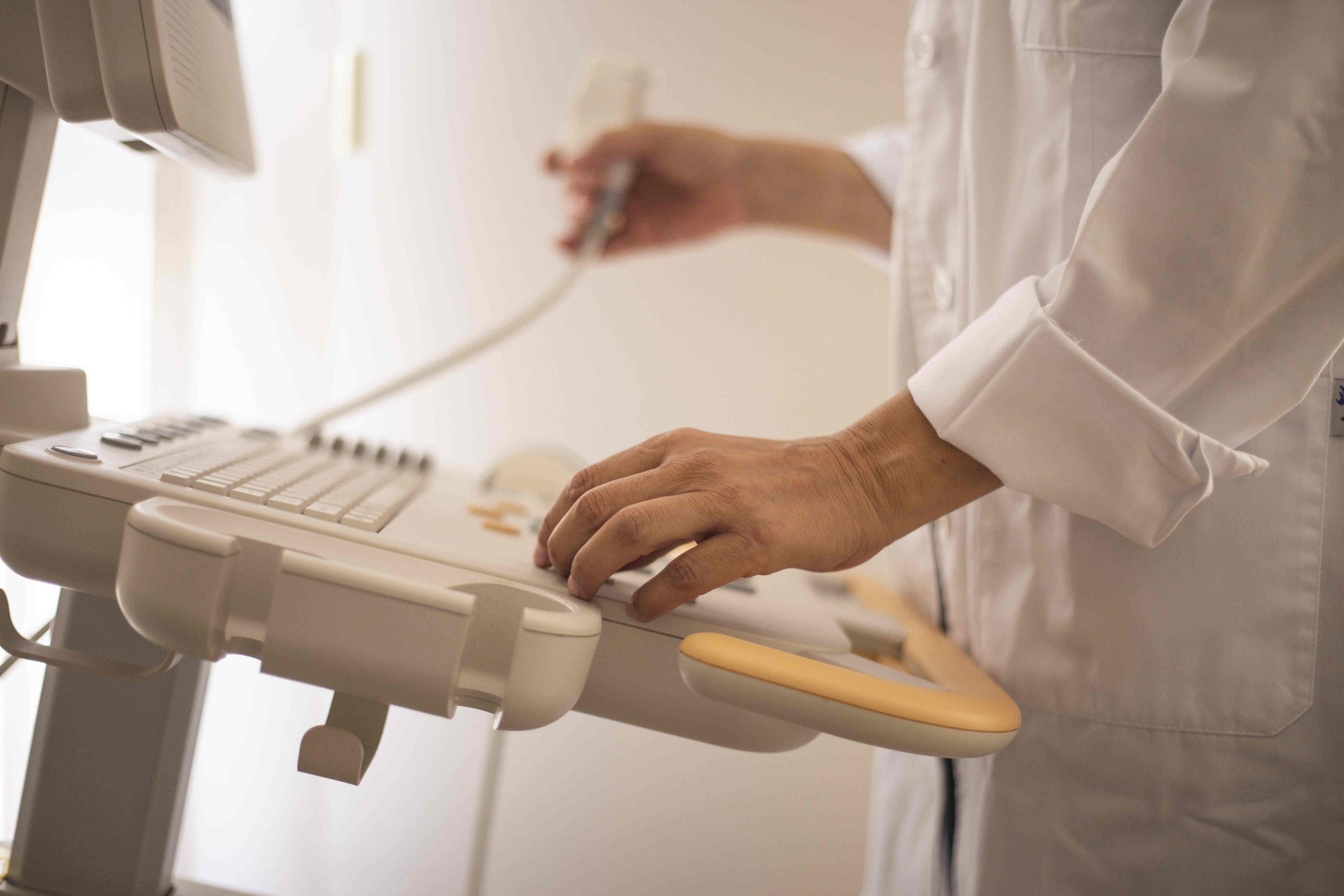

IV infusion sets vary in type and size, including features such as drip chambers, needle gauge, and tubing length. Strong, medical-grade materials reduce the chances of leaks and breaks. With clear markings on the set, it’s easy for your staff to monitor flow rates and fluid levels. Needle size and tubing length can vary depending on treatment requirements or patient comfort. Certain sets provide additional perks, such as filters or bendable tips, that can enhance safety or comfort. Understanding these factors aids med spa and clinic staff select sets that meet their requirements and provide secure, seamless care.
Key Takeaways
- Define your treatment protocols and keep them updated so that the IV infusion sets you select are appropriate for the particular medication and patient needs.
- Consider patient profiles, allergies and preferences to determine the optimal and safe infusion sets for each individual.
- Put a premium on quality — make sure your sets are DEHP-and-latex-free.
- Consider staff usability and train accordingly on handling, connections types and flow control to reduce errors and improve patient care.
- Work with trustworthy suppliers who provide a dependable supply, support, and affordable pricing without sacrificing safety.
- Be aware of the new technologies and refine processes to keep things efficient and of high quality.
Key Selection Criteria for IV Infusion Sets
Choosing the right IV infusion set for medical spas and clinics involves more than evaluating product features. The selection process should align with treatment protocols, patient needs, safety standards, and operational requirements to support effective and reliable IV therapy.
1. Treatment Protocol
The intended therapy should guide infusion set selection. Continuous hydration therapies often require different configurations than intermittent or bolus infusions.
Treatment duration is another important factor. Longer infusions may benefit from sets equipped with anti-reflux features or integrated filters that help support safety and reduce contamination risks.
Medication characteristics also matter. Factors such as viscosity, light sensitivity, and administration requirements can influence which infusion set is most appropriate. Because clinical practices continue to evolve, treatment protocols should be reviewed regularly to ensure infusion equipment remains aligned with current standards of care.
2. Patient Profile
Each patient presents unique considerations that can affect infusion set selection. Age, vein condition, medical history, allergies, and prior IV therapy experiences should all be evaluated.
Patients with delicate veins or heightened sensitivity may benefit from smaller-gauge components or specialized tubing designed to improve comfort. Screening for latex sensitivities or material allergies is equally important when selecting appropriate infusion products.
Patient feedback can also provide valuable insights regarding comfort, ease of treatment, and overall satisfaction.
3. Material Integrity
Material quality plays a critical role in both safety and performance. IV infusion sets should be inspected for defects, damage, or compromised packaging before use.
Medical-grade materials help minimize risks associated with leaks, contamination, and equipment failure. Clinics should also verify compatibility between infusion sets and the medications or fluids being administered, as some therapies require specialized materials or filtration systems.
Routine quality checks during receiving, storage, and use help maintain consistent standards throughout the clinic.
4. Usability
Ease of use can significantly impact efficiency and patient care. Infusion sets with ergonomic designs, flexible tubing, and secure connection points may help reduce setup time and minimize user error.
Proper staff training remains essential regardless of product design. Ongoing education ensures personnel understand correct setup procedures, safety practices, and troubleshooting techniques.
Encouraging staff feedback can also help identify opportunities to improve workflows and equipment selection.
5. Regulatory Compliance
All infusion sets should meet applicable safety, quality, and regulatory requirements. Clinics should maintain accurate documentation regarding product specifications, purchasing records, inspections, and inventory management.
Regular audits help verify compliance and identify areas for improvement. Staying informed about evolving regulations allows facilities to maintain high standards of patient safety and operational readiness.
Anatomy of an IV Set
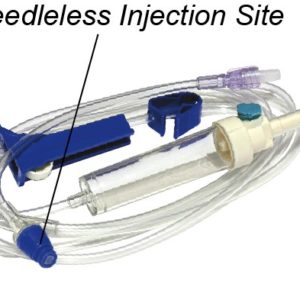
An IV infusion set consists of several components that work together to deliver fluids safely and efficiently. These typically include a spike for accessing fluid containers, a drip chamber for monitoring flow, tubing for fluid transport, and a cannula or needle for vascular access.
Some infusion sets also include filters designed to reduce the passage of particulate matter. Understanding the purpose of each component helps clinicians select the most appropriate setup for specific treatment applications.
Vented vs. Non-Vented IV Sets
Feature | Vented IV Set | Non-Vented IV Set |
Application | Glass containers | Flexible plastic bags |
Air Exchange | Allows air entry through vent | No vent required |
Flow Support | Maintains pressure balance | Relies on container collapse |
Safety Benefit | Prevents vacuum formation | Helps maintain system sterility |
Vented infusion sets are commonly used with rigid fluid containers because they allow air to enter as fluid leaves the container, supporting consistent flow rates.
Non-vented sets are generally used with flexible bags that collapse as fluid is administered. This design helps maintain sterility while reducing contamination risks.
Proper staff training is essential to ensure the correct set type is selected for each application.
Luer Lock vs. Luer Slip Connections
Luer lock connections use a threaded mechanism that securely fastens components together, reducing the risk of accidental disconnection during treatment. These connections are often preferred when secure attachment is especially important.
Luer slip connections use a push-fit design that allows faster attachment and removal. They may be useful in situations where speed and convenience are priorities.
Understanding the advantages of each connection type helps clinicians select the most appropriate option based on treatment needs and patient circumstances.
Filter Integration
Integrated filters help capture particulate matter and contaminants before fluids reach the patient. Filter-equipped infusion sets may be especially beneficial when administering therapies that require additional protection against particles.
Filters should always be inspected before use to ensure integrity and proper function. Staff should understand when filtration is recommended and how different filter types support various treatment applications.
When used appropriately, integrated filtration can provide an additional layer of safety and help support high-quality patient care.
Controlling Infusion Flow
Mastering drip rate control with IV infusion sets is a key element of safe and effective care in medical spas and clinics focusing on IV therapy treatments. Meticulously controlling fluid delivery ensures that patients receive the appropriate IV infusion, avoiding excess or deficit. Infusion sets utilize lengthy, sterile IV tubing equipped with a clamp to allow staff to adjust the flow rate. The flow of IV fluids is contingent upon the venous set; vented sets utilize gravity and atmospheric pressure, while non-vented sets depend on gravity and the pressure from a collapsing fluid container. Pumps in the infusion clinic have their own springs for controlling flow and signaling when the infusion is complete. Some can even detect minuscule air bubbles, crucial for therapies requiring continuous or pulsed IV hydration treatment, anywhere from 500 nanoliters to 10 milliliters per pulse.
Micro Drip
- Great for kids or elderly patients requiring small, precise doses
- Good for slow infusions of medicine where precision is critical.
- Required for drugs that may induce side effects when administered too quickly.
- Used on cosmetic or wellness IV hydration with precise dosing
Micro drip sets, a vital component of IV therapy, are designed for precise control. They provide IV fluids at a slow, inflexible rate, typically around 60 drops per ml, allowing nurses to establish and maintain a constant flow, which reduces chances for mistakes. Since the rate is slow, these infusion sets work best with medications that need to be administered gradually, especially for patients who can’t handle significant changes in volume. Clinics often incorporate micro drip sets into protocols for IV hydration treatments where accuracy is crucial. Training staff on these systems enhances patient safety by reducing the risk of infiltration or overdose.
Macro Drip
Macro drip sets are for speed. They’re a staple for adults who require copious fluids quickly, in cases of dehydration or in urgent care. With bigger drops — roughly 10 to 20 per milliliter — they can tolerate higher volumes in a smaller window. This renders them perfect for emergencies or when patients require major fluid surges.
Staff should certainly monitor flow rate. Too much, too quick can cause overload. Good training means staff know when to grab macro drip sets, how to tweak them, and what to watch for during the infusion. Frequent monitoring prevents issues and ensures therapy aligns with the objective, be it rapid rehydration or sustained support.
Material and Safety Considerations
Choosing the right IV infusion sets for med spas and clinics involves considering material safety, allergy risks, and drug protection. Prioritizing safety in IV therapy treatments reduces the risk of infection, trauma, or allergic reactions. Below is a safety checklist for selecting appropriate IV infusion materials.
- Choose sets constructed from world-standard biocompatible materials.
- Go with non-PVC like TPE or PE if you’re for kiddos, expectant patients or anyone chemically sensitive.
- If PVC, seek transparency ≥90% and tensile strength ≥15 MPa.
- Confirm that the bacterial endotoxin level is less than 0.5 EU/mL to reduce infection risk.
- Go with pick sets that have a hemolysis rate of less than 5% for safe infusions.
- Needlestick protection should hit at least 99.5% success.
- Before you use it, always check the package, review the product information, examine tubing for cracks, and test that safety features function.
- Change sets every 72 to 96 hours or sooner if protocols dictate.
DEHP-Free
DEHP is a plasticizer found in many PVC products, but it can leach into fluids and cause damage, especially in children or expectant mothers. Transitioning to DEHP-free iv infusion sets is the most effective way to minimize risk. Staff should be educated on the significance of this issue and the appropriate iv therapy treatments to use, particularly for vulnerable patients. Ensure that vendors provide proof that their products are DEHP-free, and routinely check your inventory to guarantee secure, current options are available.
Latex-Free
Latex can cause allergic reactions ranging from mild to severe anaphylaxis. It’s crucial to ensure that latex-free IV sets are used, providing a safer option for all patients, including those without allergies. During patient consults, mention these latex-free alternatives to raise awareness. Employees should be trained to identify and respond quickly should a latex allergy develop, and it’s important to stock sufficient latex-free supplies—not only for those with a known allergy but also as a standard for everyone in the IV therapy clinic.
Light Protection
Certain vitamins, antibiotics, and biologics deteriorate when exposed to light, diminishing in strength or even becoming harmful. Utilize lightproof IV sets for interventions that require protection, such as vitamin infusions or some antibiotics. Ensure all personnel are aware of which medications require light protection, and the reasons behind it. Proper storage of IV fluids and sets is crucial to remain protected per protocol, allowing you to administer the correct dose each time.
Evaluating Vendor Partnership
Selecting a vendor partnership for your infusion clinic is more than just choosing a line-item product. Clinics and med spas must consider various pragmatic and regulatory issues, from stable sourcing of iv fluids to on-the-ground support for iv hydration treatments. Months of research, software demos, and advice from industry veterans are often essential for making a prudent selection, especially for rookies.
Supply Reliability
Supply reliability is the foundation of everyday clinical operations, especially in the iv hydration industry. Missing one shipment of essential items, such as iv fluids or iv administration supplies, can throw both patient care and business flow off whack. Rate vendors not on what they say, but their fulfillment rates and the actual lead times they deliver. It’s good to monitor these statistics over a period of time — patterns emerge, and you know which vendors are reliable and which make things late. Having a backup supplier isn’t a nice-to-have; it’s crucial for the unexpected, be it a supply chain lag or unexpected vendor shutdown. Talk early about known risks, like holidays or regional disruptions, so you aren’t caught off guard. After all, having defined contingencies ensures clinics remain primed and defenses intact.
Product Support
Robust vendor partnerships are what set you apart in your day-to-day workflow and long-term growth in the IV therapy business. A vendor should provide training for staff, particularly when introducing new IV tubing or methods. Being able to tap into troubleshooting guides, rapid-response customer service, and case studies all help to flatten the learning curve and reduce the risk of expensive missteps in IV treatments. For new clinicians, relying on a vendor’s experience—whether through direct support or accessing the wider networks—can steer them clear of missteps. Evaluate how quickly and well vendors respond to problems, ensuring assistance is there when needed.
Future-Proofing Your Practice
Embracing innovation and intelligent workflows is essential for clinics and med spas that wish to stay ahead in the rapidly evolving IV hydration industry. By staying alert to advances and making smart choices with your IV infusion sets and medical equipment, you can establish a strong foundation for safe, efficient, and patient-focused IV therapy treatments.
Emerging Technology
Automated infusion pumps now allow providers to customize flow rates with greater precision, minimizing dangers of under- or over-infusion. Many of these pumps have vital signs monitoring integrated, which can help identify issues earlier. Newer versions facilitate wireless data transfer, enabling seamless integration of treatment records into electronic patient files for IV therapy clinics.
Telehealth tools enable infusion clinics to monitor patients remotely. Imagine a patient receiving IV hydration treatment at home who can log symptoms and send updates to the clinic via a secure app. This allows clinics to track progress and intervene early if problems arise. Research continues with intelligent IV sets that alert for obstructions or air bubbles, resulting in less manual monitoring and improved safety for IV treatments.
A few clinics deploy AV systems in the treatment room. I have seen them used to showcase the menu at a medical spa or define technical terms. This not only helps patients feel more informed but also establishes trust in the IV hydration business.
Operational Efficiency
Standardized protocols for IV setup and administration result in less guesswork and mistakes. Clinics typically maintain a sterile injectable log of patient information, treatment, and vital signs, making audits and follow-ups more dependable.
An IV prep station with emergency equipment and IV components can make treatment flow easier. For instance, having IV poles, ceiling chain hooks, or emergency oxygen within arm’s reach minimizes wasted time and maintains safety of care. Inventory tracking tools alert your team when supplies get low, keeping clinics stocked and preventing last-minute scrambles.
Employee education is crucial. Best practice refreshers, new equipment and data entry keep the clinic humming. Clinics that provide a broader menu of services, such as hormone testing or hormone therapy, will often use symptom checklists in combination with blood testing to rapidly identify patients who may benefit.
Comfort can’t be ignored. Lounge chairs, magazines and Wi-Fi make patients feel at ease, enhancing the experience and increasing loyalty.
Conclusion
Selecting the best possible IV infusion sets for your med spa or clinic requires time and care. Easy-to-read labels, durable construction and sleek flow assist staff efficiency and client safety. Search for reinforced tubing, sharp needles and quality clamps. Select sets from brands that provide convenient assistance and reliable supply. Look over all safety indications and compare with local regulations. Communicate with teams and audit feedback to spot genuine issues quickly. Stay alert for new tech and easy enhancements that suit your budget. To stay ahead, keep learning and request that vendors send you updates or samples. Looking to amplify outcomes and retain clients? Begin with the perfect iv sets and reliable collaboration. Contact trusted vendors for samples or additional information.