

Healthcare supply chain management plans, sources, moves, and tracks medical goods and services. It includes devices, medicines, and consumables procurement, inventory management, cold chain logistics, and supplier management. Smart systems minimize stockouts, waste, and costs without disrupting patient care. Important metrics are fill rate, days of inventory, order accuracy, and lead time variance. Technology, from inventory management software to barcode scanning to demand forecasting models, helps teams predict needs and automate routine tasks. Being proactive about risk management for disruptions and having clear contract terms with suppliers fortifies resilience. The body describes actionable steps, tool selections, and metric goals for teams striving to optimize supply reliability and cost efficiency.
Key Takeaways
- Healthcare supply chain management prevents critical clinical delays and enables superior patient outcomes by providing timely access to these products and maintaining their integrity through strong cold-chain and traceability capabilities.
- Use predictive intelligence and advanced analytics to synchronize inventory with dynamic demand, enhance forecasting, and optimize transport planning to reduce lead times and avoid stock-outs.
- Build operational resilience with diversified sourcing, redundancy, and digital transformation, including ERP, RTLS, blockchain, and automated replenishment to withstand disruptions and improve visibility across the network.
- Stay on top of regulations and be audit-ready with accurate documentation, quality assurance integration, and traceable audit-ready reports for domestic and international standards.
- Eliminate waste and cost with standardized workflows, automated replenishment, and data-driven inventory controls that reduce expiries, simplify procurement, and enable sustainability imperatives.
- Unify clinical and financial objectives by facilitating collaboration between clinicians, procurement, and finance professionals, using data to optimize quality and cost, and driving greater value through group purchasing and contract management.
Unique Medical Logistics Challenges

Medical logistics confront a narrow blend of urgency, hazard, and compassion requirements that complicate supply chain management in healthcare more than any other field. Here are the primary operational obstacles to overcome before going deeper. Regulatory change, disaster, and global emergency risks open sudden supply and demand gaps. Import/export or cold storage rules might change with minimal advance notice, resulting in last-minute reroutes or new vendors. Natural disasters can close airports and roads, while pandemics drive spikes in some items and the collapse of typical demand. In certain developing areas, a policy change can create an imbalance in the healthcare landscape, leading to one province having too much and another having none, since purchases are separate and not linked to central data.
- Timely delivery under strict schedules
- Temperature control for vaccines and biologics
- Fragmented procurement and regional imbalances
- Intra-hospital patient moves adding transport load
- Regulatory shifts and emergency-driven supply shocks
- Lack of real-time visibility and poor reporting
- Overstocking, stockouts, and waste from poor forecasting
- Limited logistics capacity in low-resource settings
Product integrity is nonnegotiable for vaccines and biologics. Cold chain failure leads to lost potency, and a bad cold chain has led to children aged 12 to 23 months receiving inadequate vaccinations in certain regions. Temperature excursions can occur at loading docks, in transit, or in storage. Solutions range from passive thermal packaging rated for a certain number of hours to validated active refrigeration with alarmed telemetry and clear handling industry standards. For example, vaccine carriers with freeze-prevent sensors and data loggers reduce silent damage during multi-stop last-mile runs, enhancing the overall security of medical supply chains.
Robust tracking and reporting systems provide the increased visibility necessary to act. Digital inventory systems with SKU-level tracking allow teams to view stock across sites, highlight low levels, and avoid duplicate ordering that causes overstocking in one area and shortages elsewhere. Data analytics can inform demand forecasts related to season or outbreaks and assist in redistribution. Real-time GPS and temperature telemetry help validate chain integrity and facilitate compliance audits, which are crucial for maintaining operational efficiency.
Reporting should tie to procurement cycles so purchase orders reflect current needs, reducing waste and stockouts that affect patient care. By integrating advanced logistics management consulting services, healthcare providers can optimize their supply chain strategy, ensuring that the healthcare supply chain is digital and resilient against disruptions.
Value Of Supply Chain Management
In healthcare, effective supply chain management is the foundation of clinical care and operational efficiency. It encompasses planning, sourcing, procurement, and inventory while adhering to industry standards, making it essential for addressing the escalating threats to the viability of the healthcare supply chain.
Benefit | Outcome |
Cost reduction | Up to 10% lower costs, reduces contract leakage and emergency premiums |
Clinical reliability | Fewer delays, better access to sterile products, improved patient safety |
Operational efficiency | Streamlined procurement, warehousing, and distribution |
Waste and emissions cut | Less expired inventory, lower transport emissions |
Regulatory readiness | Accurate records, QA integration, audit preparedness |
Resilience | Redundancy, multiple suppliers, contingency logistics |
1. Clinical Outcomes
Getting devices and medicines to patients when needed significantly impacts both patient outcomes and clinician workflow in the healthcare industry. When supplies are stocked, procedures begin on time, allowing clinicians to concentrate on care. Conversely, when they are not, caregivers experience increased stress and delays. Eighty-six percent of nurses report leaving procedures to locate supplies at least some of the time. Trusted supply chains enhance operational efficiency by ensuring the consistent use of sterile, quality products, which empowers infection prevention and minimizes cognitive friction, ultimately allowing physicians to make better clinical decisions.
2. Waste Reduction
With automated replenishment and demand forecasting, companies in the healthcare industry can reduce expired and unused stock. Standardized ordering practices eliminate the ad hoc buys that cause contract leakage and overspending, enhancing operational efficiency. Transport-related emissions and cost per item are both reduced through optimized routing and consolidated shipments, while tracking consumption across departments shows where inter-department transfers save money compared to outside emergency buys, providing finance teams transparency into premiums and cross-facility costs.
3. Regulatory Alignment
Supply chains in the healthcare industry must comply with FDA, federal, and international rules for medical devices and drugs, ensuring accurate documentation for audits. At the core of our value is effective supply chain management in healthcare. Maintaining records and traceability enhances inspection readiness. With the escalating threat of targeted cyberattacks, having flexible procurement and contract procedures is crucial to avoid disruptions.
4. Supply Continuity
Diversified sourcing, GPOs, and multiple supplier contracts mitigate single-source risk in the healthcare industry. Predictive analytics and global demand forecasts identify upcoming shortages, allowing teams to increase orders before outages. Thanks to contingency plans and flexible logistics management, supply chain experts can respond quickly during crises and help keep critical medical supplies flowing.
5. Operational Resilience
Redundancy across networks guards against cyber threats, weather, or market shocks. Investment in digital tools enhances operational efficiency and visibility in the healthcare supply chain, while regular KPI monitoring and benchmarking drive steady improvement through effective vendor collaboration.
Predictive Intelligence In Healthcare Logistics
Predictive intelligence in healthcare logistics leverages machine learning and advanced analytics to anticipate demand, optimize inventory levels, and identify probable disruptions in advance. In this section, we cover how to deploy these tools, feed them real-time data, apply models to transport planning, and construct dashboards that steer daily decisions.
Use predictive intelligence to anticipate demand and streamline inventory management within the healthcare industry. Machine learning models, including time series, gradient boosting, and recurrent neural networks, train on past consumption, seasonality, EHR triggers, and supplier lead time to forecast need. Train models on big data and update them often to adapt to shifting clinical guidelines or outbreak patterns. Use scenario-based forecasts to maintain safety stock only where clinical risk justifies it. For example, a hospital group that used demand forecast models reduced stockouts of critical injectables by 40 percent while cutting perishable waste, showcasing the importance of effective supply chain management.
Leverage MIS real-time data to spot trends and recalibrate supply chain strategies. Feed live streams from inventory management, procurement, point-of-care systems, and external sources such as public health dashboards. Process big data with stream analytics so it alerts you to unusual consumption or supplier delays within hours. Real-time visibility allows logistics teams to reroute orders, prioritize shipments, or temporarily flex stock between sites. For example, integrating lab order volumes and ambulance logs helped a regional network reassign ventilator reserves during a surge, emphasizing the need for logistics management in emergencies.
Combine predictive intuition for transport planning and lead times to ensure timely delivery of medical goods. Use the demand forecasts together with route optimization and carrier performance models to schedule pickup windows, consolidate orders, and select carriers by reliability and cost. Predictive routing cuts lead times and fuel use, and models can warn of probable delays three months out from supplier risk scores and geopolitical indicators. For example, a supply hub used predictive routing to reduce average lead time by one and a half days and lowered urgent expedited shipments.
Develop dashboards and reports to visualize supply chain performance and drive data-based decision-making. Create role-based dashboards displaying fill rates, days in inventory, forecast error, and risk indices. Add drill-downs to the unit level and exportable reports for finance and clinical leaders. Clear visuals assist in slashing administrative expenses. Predictive intelligence can reduce these by as much as 30 percent and liberate resources for patient care, ultimately improving the overall healthcare landscape.
Healthcare Supply Chain Management Solutions
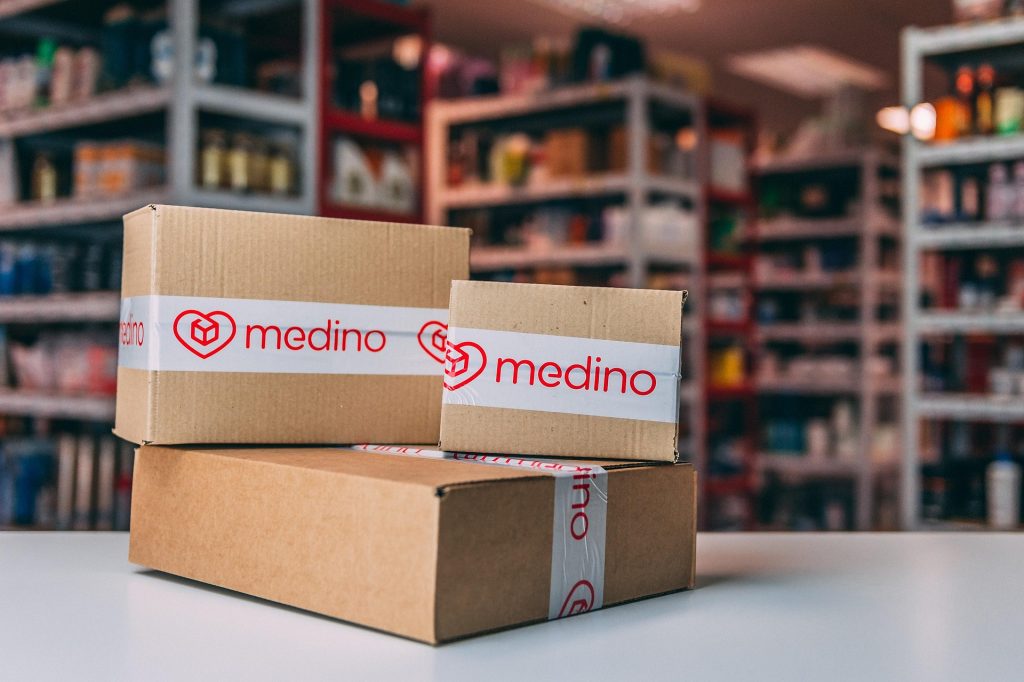
Healthcare supply chain solutions encompass procurement, inventory, logistics management, contract, and planning functions to mitigate risk and ensure care delivery. The COVID-19 pandemic exposed vulnerabilities in the healthcare landscape, revealing frail links that continue to disrupt operations. Almost 80% of healthcare providers and 84% of suppliers predict that issues will either worsen or remain the same over the next year. Effective supply chain management must connect data, implement contracts, and provide traceability to the point of care.
Solution Category | Core Features | Example Technologies | Primary Benefit |
Cloud ERP & Procurement | Centralized catalogs, PO workflows, contract rules, supplier portals | Cloud ERP, API integrations, e-procurement | Single source of truth for spend and contracts |
Inventory & Warehouse | Real-time stock levels, automated replenishment, bin management | WMS, RFID, barcode scanners | Reduce stockouts and carrying costs |
Cold-chain & RTLS | Temperature logs, alerts, geolocation, tamper detection | IoT sensors, RTLS, blockchain anchoring | Preserve product integrity, audit trails |
Unit-level Traceability | Serialization, item history, recall workflows | RFID, 2D barcodes, blockchain | Faster recalls, clinical link to usage |
Analytics & AI | Demand forecasting, anomaly detection, contract leakage | ML models, dashboards, cost engines | Optimize reorder points, detect overspend |
Cold-Chain Verification
- Real-time temperature capture with time-stamped records at transport, storage, and receiving.
- Redundant sensors and calibration logs detect sensor drift and validate the data.
- End-to-end timestamped chain of custody connecting each shipment to specific lots and recipients.
- Automated alert thresholds, escalation rules, and role-based notifications for corrective action.
- Interface with quality management systems to automatically generate deviation reports for audits.
Monitor and save temperature readings at every handoff to ensure that spoiled medical supplies never reach patients. Merit Pharmaceutical’s Healthcare Supply Chain Management Solutions integrate these feeds into inventory, enabling automatic blocking of quarantined stock. With audit-ready exports and immutable logs, often anchored in blockchain technology, regulatory inspections become less costly and more efficient, enhancing operational efficiency in the healthcare industry.
Unit-Level Traceability
Make item-level tracking available for devices and drugs to accelerate recalls and connect use to outcomes in the healthcare landscape. Use serialization, RFID, and barcode scans to capture every movement from supplier to bedside, enhancing operational efficiency in the healthcare supply chain. Maintain logs that track who used a piece of equipment, when, and in what procedure to fuel clinical reporting and billing effectively.
Automated Replenishment
Establish reorder points based on historical usage and machine learning-driven demand forecasts that detect disruption early in the healthcare landscape. Effective supply chain management solutions connect replenishment to procurement and warehouse systems, allowing purchase orders to flow automatically while receipts update stock. By eliminating grunt work and paperwork, your staff can concentrate on patient care. Dashboards monitor fill rates, lead times, and contract leakage, enabling teams to respond to supply risk and lost savings effectively.
Healthcare Supply Chain Management Services

Healthcare supply chain management services start with a clear, practical view of what needs to change and how to keep it working. Services typically begin with a baseline assessment of processes, data quality, and system coverage so teams know where gaps and costs hide. This leads into SOP development for ordering, inventory checks, stock rotation, and other repeatable tasks so staff follow one clear method and reduce variation across sites, ultimately enhancing operational efficiency in the healthcare landscape.
Consulting and implementation for supply chain optimization focus on five linked functions: planning, sourcing, procurement, inventory, and contract lifecycle management. Consultants map existing workflows, redesign roles and handoffs, and establish KPIs linked to cost, service level, and waste. In practice, this means constructing demand-forecast models based on historical usage and disruption signals, setting up ERP modules to track inventory and financial flows, and operating pilot sites to validate reorder points and carrying cost trade-offs, all while adhering to industry standards.
We provide custom logistics, warehousing, and distribution services for hospitals, clinics, and labs. This includes services such as site layout for FEFO, surgical set kitting, cold-chain monitoring for biologics, and last-mile delivery route planning. Examples include central pharmacy consolidation to cut duplicate orders and automated white-glove transport for temperature-sensitive materials. Real-time telemetry and simple dashboards enable staff to react to delays and confirm delivery quality, significantly improving supply chain management in healthcare.
Credentialing, contract development, and compliance support help reduce contract leakage and address regulatory requirements. Teams centralize contract repositories, automate approvals, and compare invoice prices to negotiated rates to detect anomalies that cost millions each year. Contract lifecycle tools enforce renewal reminders, track scope changes, and link procurement data to legal terms so spending follows policy, ensuring that healthcare providers are aligned with the latest cybersecurity measures.
Continuous training, support, and performance tracking sustain the gains. These services comprise role-based training on SOPs and ERP functions, data-quality audits to enhance completeness, and analytic routines that identify price anomalies or predict demand shocks. Connected supply chain and financial systems provide real-time financial impact and predictive intelligence, enabling you to visualize cost implications of sourcing decisions and forecast resilient, strategic spend. You build executive buy-in and risk plans that decrease shortages and keep care flowing, ultimately supporting the viability of the healthcare supply chain.
The Clinical-Financial Alignment Strategy
Clinical-financial alignment connects supply chain management in healthcare to clinical needs and the budget, ensuring decisions add authentic value. Start by assembling a steering committee that includes leaders from clinical teams, procurement, finance, and operations. This committee prioritizes and greenlights category strategies, evaluating trade-offs where a two-dollar lower unit price may ultimately cost more if it is late or does not meet clinician preference. Cross-functional governance renders those trade-offs visible prior to signing contracts, enhancing operational efficiency.
Build a dashboard of key metrics and revisit it quarterly to tweak tactics as markets evolve. Track supply expense as a portion of revenue, supply cost per visit or procedure, contract compliance rate, and inventory turns or days on hand. Deploy these metrics to identify contract leakage as units purchase outside negotiated contracts. Contract leakage frequently siphons off millions. The dashboard helps identify which departments require focused training or stricter purchase controls.
Employ data analytics and decision support to align cost and quality. Integrate claims, clinical outcomes, and supply usage to demonstrate which products deliver superior outcomes at similar cost. Use predictive models to forecast demand by service line and to size safety stock from a clinical risk perspective. Decision support can flag when a cheaper item endangers increased waste, rework, or adverse events, highlighting the financial case for preferred items to procurement and finance.
Cultivate supplier relationships beyond mere transactions. Shift key suppliers to partnership agreements with shared service level objectives, collaborative inventory planning, and provisions for short-notice shortage responses. For instance, a catheter supplier may hold consignment inventory in high-use units, while a gown supplier maintains dual-site buffer stock to meet surge needs. Such partnerships decrease stockouts and optimize the cost of care in the healthcare landscape.
Build integrated sourcing strategies that leverage group purchasing power and category management. Aggregate suppliers where clinically tolerated, then implement volume-based contracts to achieve better pricing and service. Align clinical strategies with financial objectives, ensuring that sourcing, procurement, inventory, and contract lifecycle teams don’t manage these tasks as siloed efforts. Active work and quarterly steering reviews keep the system agile and responsive to the escalating threats in the healthcare industry.
Conclusion
The healthcare supply chain now directs patient care and patient cost. Robust logistics eliminate waste, maintain essential inventory, and allow caregivers to concentrate on care. Predictive models detect demand changes quickly. There are easy inventory heuristics and direct data ties to finance that bring budgets to life. Real-world wins include a hospital that slashed expired meds by 40% after demand modeling and a clinic that saved 12% on implants by centralizing orders.
Take small steps. Pilot it on one item or unit. Monitor stock days and fill rates. Share numbers with clinical leaders every week. Leverage tools that match your team and data. Over time, track cost per case and on-time fills. Transparent objectives and consistent transformation result in more secure treatment and less expense.
Frequently Asked Questions
1. What Are The Biggest Logistics Challenges Specific To Healthcare Supply Chains?
Healthcare supply chains require effective supply chain management, including temperature control, regulatory compliance, product traceability, and emergency response times, introducing complexity and cost compared to general logistics.
2. How Does Supply Chain Management Add Value To Healthcare Organizations?
Because supply chain management in healthcare and clinical services is interdependent, the ability to manage risk and quality of care is impacted by your capability to manage your healthcare supply chain effectively.
3. What Is Predictive Intelligence In Healthcare Logistics?
Predictive intelligence leverages technology, data analytics, and machine learning to anticipate demand in the healthcare landscape, identify risks, and refine inventory, enhancing operational efficiency and care continuity.
4. Which Solutions Improve Healthcare Supply Chain Performance?
Key solutions in the healthcare industry include centralized procurement, real-time inventory tracking, automated replenishment, and integrated EHR and ERP systems to enhance operational efficiency and align clinical needs.
5. What Services Do Third-Party Healthcare Supply Chain Providers Offer?
Third-party vendors play a crucial role in logistics management, providing purchasing, storage, and distribution services to optimize operational efficiency in the healthcare supply chain.
6. How Does Clinical-Financial Alignment Benefit Supply Chain Management?
Aligning clinical and financial teams enhances operational efficiency in the healthcare industry, ensuring that purchasing decisions support patient outcomes while controlling costs and optimizing logistics management.
7. How Can Hospitals Measure Supply Chain Success?
Monitor metrics such as stockout rates, inventory turnover, and on-time deliveries to enhance operational efficiency in the healthcare supply chain and ensure effective supply chain management.