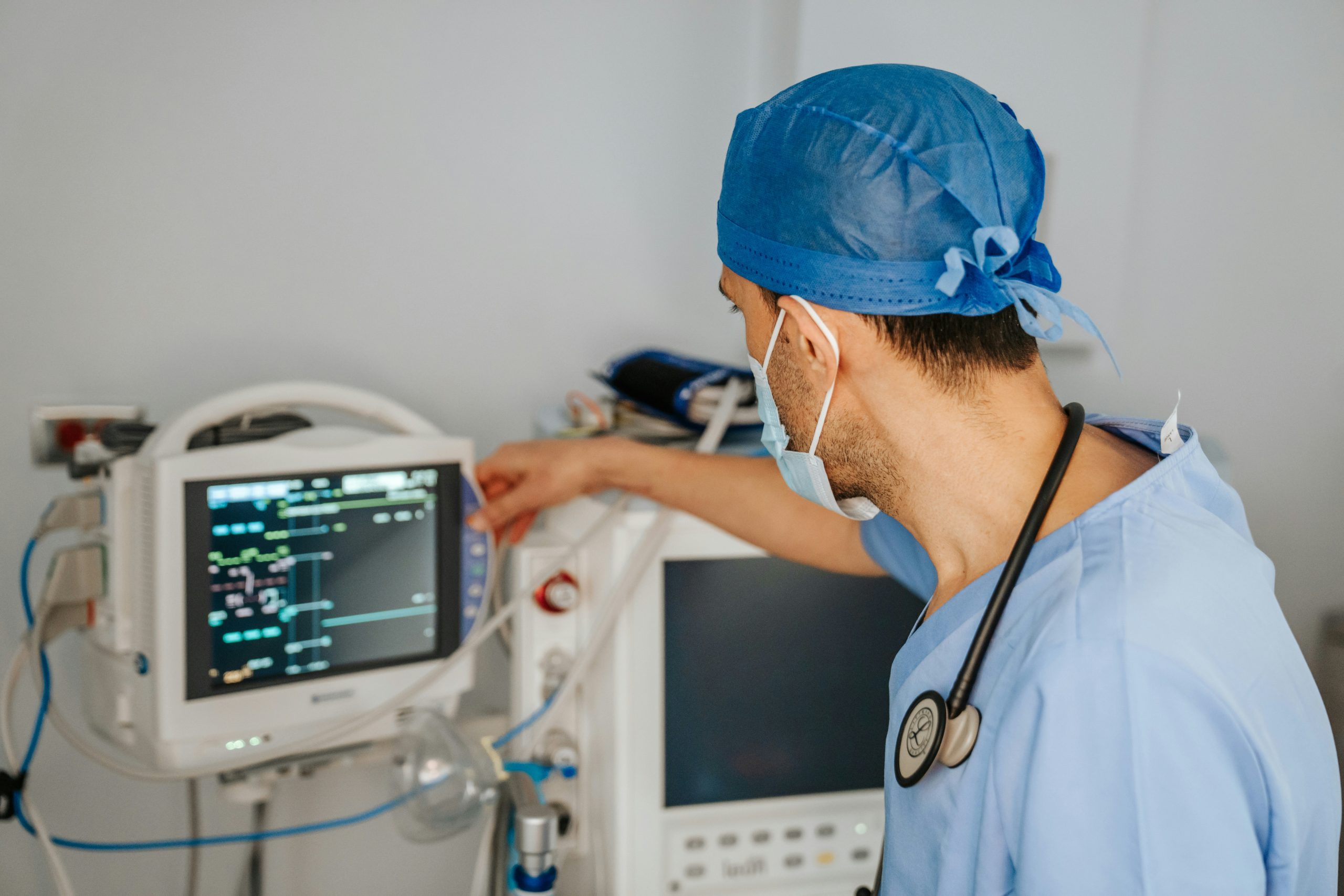
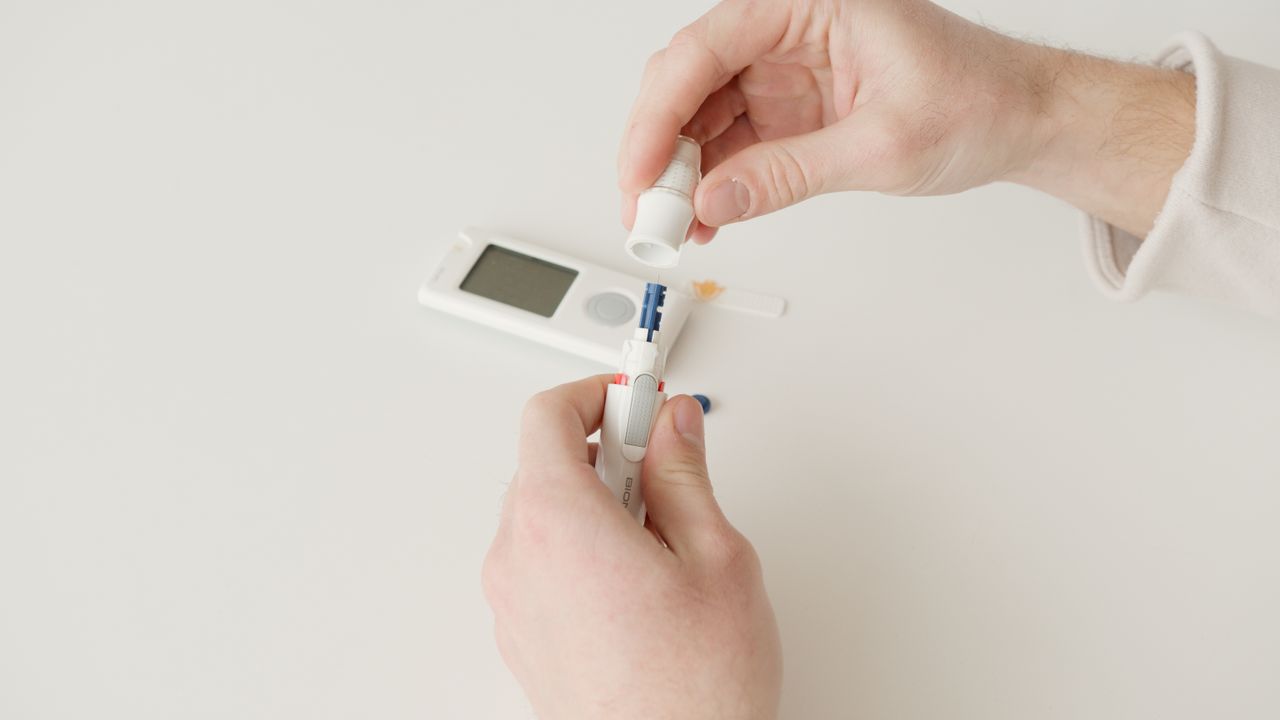
Sterile dressings are critical for exam room safety as they reduce the risk of infection during and after treatment. Sterile dressings are essential in keeping wounds, burns, or surgical sites protected from bacteria and other germs. In the majority of care settings, providers do not have access to this equipment and instead depend on sterile dressings to maintain patient wounds clean and promote healing. Employing sterile dressings safeguards employees and patients by limiting the transmission of viruses in communal areas. Any skin break can allow bacteria entry, so a sterile dressing is essential. We’re talking about hospitals and clinics and safety standard kind of dressings, giving every patient safe and careful treatment. The following section demonstrates where dressings align in the exam room safety guidelines and everyday treatment.
Key Takeaways
- Sterile dressings are imperative because they prevent infection by providing a protective barrier to germs, which is a must for exam room safety in any healthcare setting.
- Following strict sterilization methods and guaranteeing packaging security are essential components in keeping dressings sterile from manufacture to use. This reduces the chances of contamination throughout the process.
- Healthcare workers must be well educated and trained on the use of sterile dressings to maintain best practices and meet regulations.
- Non-sterile alternatives increase the risk of complications such as delayed healing and increased infection. They increase associated costs and negatively affect patient outcomes.
- Maintaining a strong sterile supply chain from working closely with trusted suppliers to appropriately storing is key to keeping sterile dressings available and safe.
- Implanting top-notch sterile dressings fosters optimal healing, bolsters patient-provider trust, and generates outstanding healthcare outcomes and cost savings for organizations everywhere.
What Defines “Sterile”?
Sterility implies that all living microorganisms are eliminated, including bacteria, fungi, and spores. This is the kind of cleanliness that should be the floor for safe healthcare. In any exam room or surgical suite, sterile wound dressings and equipment form a protective shield between the patient and the world. The lack of microbes is not a small thing, it is actually the very essence of infection control. Items like sterile gloves, gowns, and hospital dressing products are essential in keeping infection risk near zero. Even brushing against the outer 2.5 centimeters (one inch) of a sterile drape can break this protection, illustrating how rigorous these standards are. What does ‘sterile’ really mean and why is it so important?
Sterility Assurance
Each sterile dressing has to go through rigorous criteria before it can be employed. Hospitals and clinics conduct routine audits to ensure supplies are kept, managed, and utilized within safe parameters. They are trained on why sterility assurance is important, particularly for something like central line changes or catheter insertions, where infection can be deadly.
State-of-the-art instruments monitor sterility. Signs on boxes, robots, scanners, and digital traces support visual inspections. This combination of manual and tech-based measures collaborates to maintain infection risk at a minimum.
Sterilization Process
- Cleaning: Remove visible dirt or organic matter from dressings and tools.
- Disinfection: Use chemicals or heat to kill most germs but not all spores.
- Sterilization involves applying steam, ethylene oxide, or radiation to destroy all microbes.
Each step adheres to established procedures in wound care. Staff are taught to operate and observe sterilization units, looking out for any indication of malfunction. Different methods suit different materials: steam for metal instruments, ethylene oxide for plastics, and radiation for certain disposables. When done, the sterile wound dressings or needle is actually sterile and safe to use.
Packaging Integrity
Sterile dressings should come sealed and remain so until used. A ripped wrapper, moisture, or even a tiny pin hole lets in bacteria. Employees learn to notice these problems immediately. Packaging matters too, it has to keep out moisture, dust, and air.
Upon delivery and immediately before use, packages receive a close inspection. If anything is amiss, it does not go in. They safeguard the patient and preserve the sterile field.
Why Sterile Dressings Are Essential
Why sterile wound dressings matter is crucial for patient safety, they serve as a first line of defense against infections and complications globally. These dressings do more than just cover a wound, they provide physical protection and foster a healing environment. Advised by health protocols in numerous countries, sterile dressing packs are non-negotiable in effective wound care.
1. Preventing Infection
Sterile dressings serve as a protective barrier, preventing dangerous bacteria, viruses, and other pathogens from infiltrating open wounds. The use of hospital dressing products, particularly sterile wound dressings, is crucial as surgical site infections significantly raise patient morbidity and medical expenses. By implementing infection prevention protocols and using sterile dressings consistently, clinics can reduce the risk of infection and enhance patient outcomes. Tracking infection rates allows care teams to observe the most effective dressing techniques, while teaching patients to keep wounds covered minimizes infection risks when they exit the clinic.
2. Protecting Patients
Sterile dressings are essential as they protect wounds from dirt, dust, and germs in the air during and after procedures. These hospital dressing products prevent body fluids from accessing points of injury, which is critical for maintaining a secure environment. Many patients feel more comfortable when they understand the importance of sterile wound dressings. By explaining the benefits, they grasp what we’re doing to keep them safe. When patients learn how to treat their wounds with sterile products, they adhere to care and achieve greater success in wound healing.
3. Ensuring Compliance
Healthcare rules state that we need sterile wound dressings to ensure patient safety. Staff must undergo ongoing training sessions to keep skills fresh, particularly in using hospital dressing products. Best practice is to monitor sterile dressing consumption and record the procedure, keeping the exam room safer for everyone.
4. Supporting Healing
Sterile wound dressings maintain the cleanliness and moisture of your wounds, promoting quicker tissue regeneration and healing. Hydrogel dressings, for example, provide additional moisture and assistance for challenging wounds. Frequent wound checks help staff observe the effectiveness of the dressing. Clinicians select the appropriate dressing for each wound, sometimes it needs to be moist, sometimes it requires air, and sometimes it needs protection.
5. Establishing Trust
When clinics consistently use sterile wound dressings, patients feel safe and cared for. Candid conversations about the importance of sterile dressing instill trust. Understanding patients’ perceptions of their care helps clinics learn and improve. Over time, this commitment to sterile technique builds a reputation for safety and craft.
Risks Of Non-Sterile Alternatives
Non-sterile dressings might appear to be an easy, affordable solution. They carry a host of risks that affect patients and clinics across the globe. Although there are anecdotal cases of no ill effects from non-sterile dressings, we know these dangers are very real, particularly for individuals with compromised immune systems or wounds vulnerable to infection.
- Higher infection risk than non-sterile alternatives. It identified eight surgical site infections in 963 admissions, or 0.83 percent, over a three-month period that were directly related to non-sterile dressings. These dressings can be vectors for bacteria such as coagulase-negative Staphylococcus and Bacillus, causing wound infection or even life-threatening systemic illness in vulnerable patients.
- Healing can be delayed when wounds get infected. Delayed healing is common and extends recovery while at times causing more serious medical issues. When bacteria enter the wound environment, chronic wounds and recurrent infections are more probable, leading to more doctor’s appointments and days missed at work or school.
- Unsuccessful efforts to sterilize non-sterile dressings, like boiling or using alcohol based cleansers, don’t necessarily succeed. These can either leave chemical residues or not eliminate some pathogens, endangering patients to both infection and chemical irritation.
- Financial costs increase precipitously with infection. Curing those wound infections can mean additional antibiotics, extended hospital stays and even surgery. These expenses accumulate quickly, particularly at clinics or hospitals with limited budgets. Sterile dressings are more expensive initially, but they help avoid expensive complications down the line.
- While a few studies indicate that clean, non-sterile dressings do not necessarily result in poor outcomes, these findings are inconclusive. Studies indicate sterile dressings are typically a safer choice and it has the potential to backfire if an infection does result when you use non-sterile alternatives to economize or be expedient.
Educating staff to identify hazards of non-sterile dressings is essential. Every HCW should be aware of why sterile matters and how to verify if a dressing is actually sterile. This keeps patients and clinics safe wherever they are in the world.
The Sterile Supply Chain
A sterile supply chain is the foundation of exam room safety. Every link from manufacturing to use must collaborate to maintain sterility and reduce the risk of hospital-acquired infections (HAIs). Any errors in production, storage, or use can lead to contamination, increased sickness, and greater expenses for all. Following sterile procedures and working with trusted partners ensures that sterile wound dressings effectively protect patients.
- Manufacturing begins with stringent sterilization procedures. Premium fabrics are autoclaved or run through chemical sterilants and microbes are killed before the product is even packaged. Quality control is relentless. Sterility indicators, batch coding, and seal checks are de rigueur at every plant. We select only partners that have global certifications, such as ISO 13485. Suppliers are required to produce sterilization logs and walk through the process, not just hand over paperwork. Trust is built on witnessing their craft and knowing their track record.
- Storage can make or break supply safety. Sterile dressings have to remain dry, cool, and free from dust or vermin. Staff monitor temperature and humidity, and storerooms are routinely cleaned. We keep all boxes off the floor and sorted so the oldest stock is deployed first. Labels are scanned for expiry. If something has a broken seal, it is discarded. All the staff that deal with supplies receive education on what is considered “sterile” and the significance of it. Regular audits keep the pressure on, so nothing slips through the cracks.
- Application is the final, yet most conspicuous, stage. Nurses and doctors wash their hands, don sterile gloves and employ instruments that have been inspected for accurate labels, load codes and intact packaging. The uppermost part of each sterile drape is considered non-sterile, anything within the one inch border is not used. Dressings come open just prior to use and are not left to sit. Supervisors look out for them, and everybody is warned that a single lapse, such as bare hands contacting a sterile pad, will negate all the caution exerted to this point. There are continual reviews of infection rates, and process adjustments are made if the rates increase.
Cost Beyond The Price Tag
Cost in exam room safety is beyond the price tag. While sterile wound dressings may appear expensive initially, the true cost encompasses long-term safety, risk, and systemic impact. Between the sterile and non-sterile dressings, the former seems more costly per pack. Costs associated with non-sterile use, such as infection treatment and legal risks, pile up quickly.
It’s costly to treat infections caused by bad wound care. Surgical site infections, for example, total approximately $10 billion annually in the U.S. alone. Every infection can translate to additional hospital days, medications, and staff time. A few studies demonstrate no obvious damage from clean dressings in minor wounds, but most serious instances, such as open surgical wounds, require diligent sterile attention to prevent complications. Hospitals that utilize sterile dressing packs can save over $400 per case simply by reducing labor and sterilization expenses. Every minute spent waiting on re-sterilization in the OR costs at least $1,342 per case, not including the additional burden on staff.
Selecting premium sterile dressings offers more than security. It translates to improved patient outcomes and fewer infections. This reduces the risk of litigation and maintains trust. Hospitals can reduce wasted and lost instruments, recovering approximately 10% of reusable instrument value annually. These savings can go to better staff training or more supplies, making care safer for everyone.
Here’s where the argument for sterile dressing gets even more robust in controlling the healthcare budget. The initial outlay is offset by reduced infection treatment, litigation, and work time. While clean technique may be sufficient in some circumstances, hospital dressings continue to be essential in high-risk situations.

Implementing Best Practices
Sterile dressings are integral to safe and effective wound care in exam rooms. Well-defined, organized best practices for using sterile hospital dressings reduce infection risk to healers and patients alike, ensuring patient safety. Every stage from choosing to ditching must adhere to research-backed techniques, with regular education and transparent dialogue among employees.
Proper Selection
Getting it right with the sterile dressing starts with the wound. Providers need to consider the type, size, and depth and then select a dressing that corresponds to those needs. This aids in faster wound healing and reduces the infection risk. For instance, a shallow scrape may require a basic adhesive pad, whereas a deeper injury may necessitate a sophisticated hydrocolloid or foam dressing.
Employees must be familiar with every dressing variety. Training about what dressings work best for different situations, like burns, surgical incisions, or chronic ulcers is important. Providers should confer with each other when cases are complicated. The objective is to discover what’s effective for the patient, not merely what’s available. These regular dressing checks identify trends and inconsistencies, allowing teams to course-correct and maintain care continuity.
Correct Application
Putting on a sterile dressing isn’t just slapping it on! These are simple but standard best practices: wash your hands, clean the wound, and use sterile scissors. Doing it the same way each time reduces errors. Staff frequently rehearse with dummies or in simulation labs prior to handling actual patients.
Results count. Supervisors or peers can observe how dressings are applied, provide feedback or schedule additional coaching if necessary. Healthcare keeps evolving, so teams must keep evolving. Changing drapes in surgery may contribute, with data mixed and not always strong. Others, such as adhesive types of drapes, have demonstrated benefits in certain studies, but the results are not definitive. Iodine drapes, for example, can irritate some people’s skin.
Safe Disposal
Soiled dressings have bacteria on them and need to be treated carefully. Safe disposal rules signify that staff toss stained dressings in labeled bins for biohazard waste. This prevents bacteria from spreading. Training on waste rules is included in onboarding and ongoing refreshers.
To catch mistakes early, watch staff toss out dressings. Proper disposal implies less damage to the local ecosystem. Healthcare teams use color-coded bins to ensure waste is properly disposed of and everyone is safer.
Final Remarks
That’s why sterile dressings keep exam rooms safe. They prevent germs from propagating and reduce the risk of infection. Sterile instruments and dressings are essential because they safeguard both the patients and the clinical staff. Non-sterile wrap or pads will get you in trouble quickly. Even tiny oversights can create major dangers. Safe supply chains and clear rules make it possible for clinics to do things right every day. Smart dressing purchases and storage save you money and hassle down the line. Good habits count more than cool equipment. Follow proven steps and trust the fundamentals. To keep care safe, help train your team, check your supplies, and use what works! For additional tips and true stories from the trenches, follow me or subscribe to the blog!
Frequently Asked Questions
1. What Makes A Dressing “Sterile”?
A sterile dressing, which is crucial for wound care, is devoid of all living organisms. It is sterilized and sealed to prevent contamination of open wounds with bacteria or viruses, ensuring patient safety in exam rooms.
2. Why Are Sterile Dressings Important In Exam Rooms?
They protect wounds from dangerous bacteria, which is why sterile wound dressings are crucial for maintaining a sterile environment in the exam room, ensuring safety for both the patient and the provider.
3. What Risks Come With Using Non-Sterile Dressings?
Non-sterile dressings can give rise to infections, delay the healing process, and cause medical complications, potentially leading to higher health care costs and compromising patient safety in wound care.
4. How Is Sterility Maintained During The Supply Chain?
Sterile wound dressings are individually sealed in protective packaging and treated with care during shipping and storage, ensuring they remain uncontaminated until use.
5. Can Non-Sterile Dressings Ever Be Safely Used?
Why sterile wound dressings matter for exam room safety is crucial. Use sterile dressings exclusively for minor, closed wounds where the risk of infection is minimal and in accordance with clinical protocols.
Protect Every Patient Visit With High-Quality Sterile Dressings
Patient safety begins with the right supplies, and sterile dressings are one of the most important tools for preventing infection and supporting proper wound healing. Whether you’re treating minor injuries, caring for surgical sites, or managing routine procedures, using dependable sterile dressings helps create a safer clinical environment for both patients and healthcare professionals. Choosing products that meet rigorous quality standards also promotes regulatory compliance, improves workflow efficiency, and reinforces patient confidence in your care.
At Merit Pharmaceutical, we provide premium sterile dressings and essential medical supplies designed to support hospitals, clinics, and healthcare facilities with reliable performance and consistent quality. Our products help healthcare teams maintain high infection-control standards while delivering the safe, effective care patients deserve. Contact Merit Pharmaceutical today to learn how our trusted sterile dressing solutions can help strengthen exam room safety, improve patient outcomes, and keep your facility prepared for every procedure.
Disclaimer
The information provided on this website is intended for informational and educational purposes only. It is not a substitute for medical advice, diagnosis, or treatment, and should not be relied upon as such. Healthcare professionals should always use their own clinical judgment when selecting and administering medical products. Patients should consult with a qualified healthcare provider regarding any specific medical condition or treatment.
While we strive to keep product details and information current, Merit Pharmaceutical makes no guarantees as to accuracy, completeness, or applicability to your particular situation. Do not act or refrain from acting solely based on information from this site without seeking appropriate medical or professional guidance. To the fullest extent permitted by law, Merit Pharmaceutical disclaims all liability for any decisions or actions taken based on the contents of this site.