
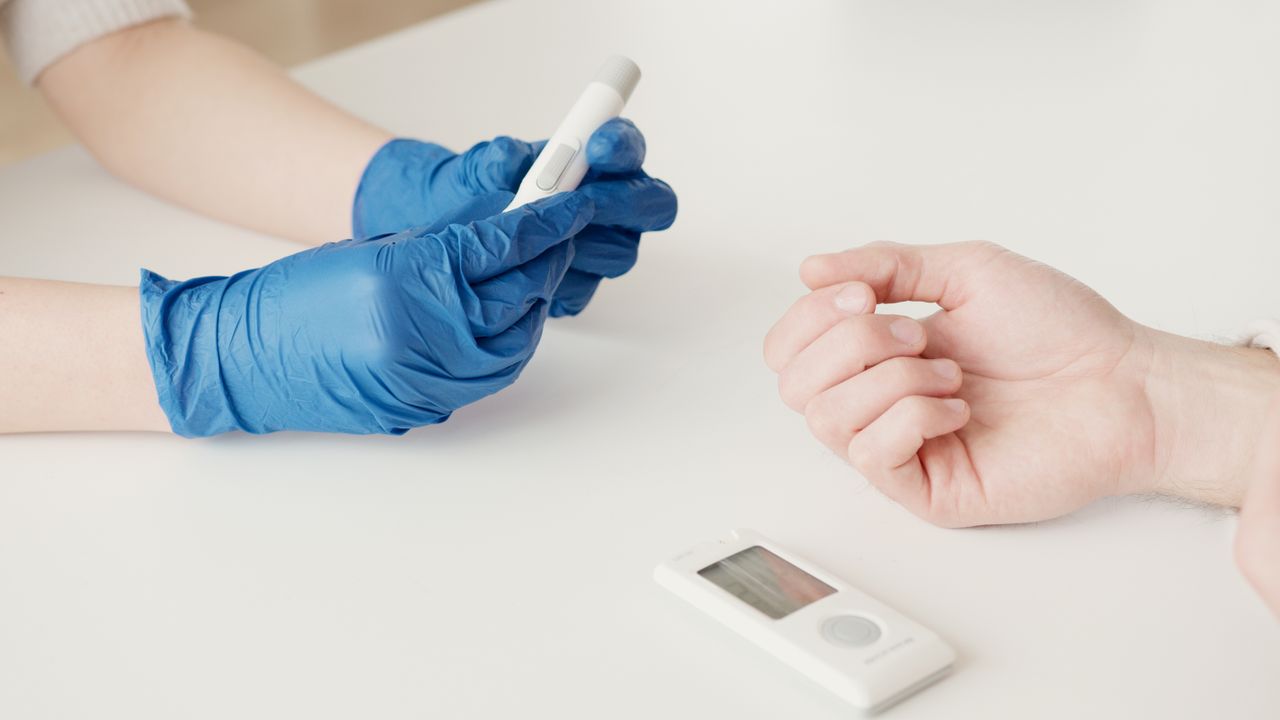
What kinds of exam gloves offer the strongest protection for providers? Nitrile gloves resist chemicals, viruses, and punctures, making them the winner for numerous health care environments. Latex gloves are form-fitting and allow users to maneuver their hands effortlessly. Some people develop skin reactions from latex. Vinyl gloves are cheaper but do not provide the same protection to block germs or chemicals as nitrile or latex. To select the right glove, consider the fit, how long you will wear them, and what you are doing. Many clinics choose nitrile for high-risk care and latex for tasks requiring a tight fit. More on choosing the right glove follows.
Key Takeaways
- Choosing the right exam glove material is important, with nitrile gloves providing the greatest protection against pathogens and chemicals. Chloroprene is a dependable alternative for individuals with latex allergies.
- By focusing on key characteristics like glove thickness, texture, and fit, which play a significant role in both comfort and safety, you can tailor the right type of glove to the precise needs of the procedure.
- Familiarity with global standards like ASTM, EN, and AQL is important for helping you ensure glove safety, quality, and compliance across international healthcare settings.
- Evaluating the hidden risks associated with glove materials, including chemical permeation, allergenic potential, and material degradation, helps mitigate hazards and prevents adverse reactions among staff and patients.
- Whether low, moderate, or high, matching glove choice to the risk level of clinical tasks offers healthcare providers protection, dexterity, and comfort.
- Keeping up with innovations in glove technology and sustainable materials will enable future progress in provider protection and eco-consciousness.
Which Exam Gloves Offer Best Protection?
Caregivers count on exam gloves daily to help stay safe from infection, chemicals, and skin irritants. Glove choice is influenced by task hazard, allergy management, and comfort for long shifts. There is no one glove type to rule them all. Every glove has its advantages and disadvantages that you need to consider.
Types of Exam Gloves and Their Key Attributes:
- Nitrile: Highest protection, strong chemical resistance, puncture-resistant.
- Latex: Snug fit, good dexterity, risk of allergies.
- Vinyl: Affordable, best for low-risk, non-hazardous tasks.
- Chloroprene: Latex-free, good chemical resistance, eco-friendly option.
- Blended materials: Combined strengths for specific uses.
1. Nitrile Gloves
Nitrile examination gloves are a primary option for anyone coming into contact with harmful substances or hazardous chemicals. Their puncture resistance outshines latex and vinyl, providing reliable protection against germs and contaminants. Nitrile exam gloves effectively block oils, acids, and many solvents, making them perfect for labs or medical work that requires adequate protection. Most nitrile exam gloves are now powder-free to reduce allergy risks and feature textured fingers for enhanced grip, even when wet. This combination of comfort, flexibility, and excellent chemical resistance makes nitrile gloves suitable for most clinical purposes.
2. Latex Gloves
The latex gloves are prized for their fit and tactile sensitivity, making them a mainstay in the healthcare industry for decades. They’re particularly suitable gloves for tasks requiring a sensitive touch, like exams or minor procedures. Latex doesn’t provide adequate protection against all chemical transmission and is less puncture resistant than nitrile exam gloves. There is also a risk of latex allergy for users and patients that warrants caution. While powdered gloves are convenient to wear, they can increase allergy risk, so opting for powder-free gloves is usually preferable.
3. Vinyl Gloves
The appeal of vinyl gloves lies in their low cost and simplicity for performing everyday, non-hazardous tasks. Made from polyvinyl chloride, they’re softer yet less durable than nitrile exam gloves or latex options. Therefore, these gloves are ideal for quick exams or low-risk treatments, although nitrile examination gloves offer better protection. Powder-free vinyl gloves reduce allergies and enhance hygiene, making them a sensible choice for simple sanitizing in low-risk environments.
4. Chloroprene Gloves
Chloroprene gloves, which are derived from synthetic rubber, closely resemble latex and serve as an excellent alternative for individuals with latex allergies. Their chemical resistance is nearly as effective as that of nitrile exam gloves, making them safe for use with various hazardous materials. These gloves offer a great combination of comfort and reliable protection, featuring flexibility and a snug fit. Additionally, the environmental benefits could attract some providers, as chloroprene is considered more sustainable than certain other synthetic materials. For those needing both protection and allergy-free wear, chloroprene stands out as a suitable glove option.
5. Blended Materials
Blended gloves, crafted from materials like nitrile and vinyl, offer unique qualities tailored for specific clinical requirements. These nitrile examination gloves can provide superior stretch, resistance, or comfort compared to traditional single-material options. They serve as an affordable option when rapid glove changes are necessary or when providers seek flexibility. The key is to align the blend with the required risk and dexterity, ensuring that blended gloves meet the same safety standards for reliable protection in healthcare.
Beyond Material: Critical Glove Features
When choosing exam gloves, it’s essential to consider more than just the material, whether it’s nitrile, latex, or vinyl. The best protection for providers comes from a combination of factors that go beyond the glove’s material, including nitrile exam glove characteristics like thickness, texture, fit, and cuff design. These specifics significantly influence grip, dexterity, comfort, and the risk of contamination, making high-quality nitrile examination gloves a reliable choice for safety.
| Feature | Description | Impact On Use |
| Thickness | Ranges from 21 gauge (thin) to 7 gauge (thick) | Balances protection with sensitivity |
| Texture | Smooth or textured (fingertips or full palm) | Improves grip and control |
| Fit | Multiple sizes and gender-based options | Reduces fatigue, boosts precision |
| Cuff Design | Standard, beaded, or extended cuffs | Prevents roll-down, blocks fluid entry |
| Protection Level | Level 1 (55% impact absorbed) to Level 3 (80% impact absorbed) | Matches glove to risk level |
Thickness Impact
- Thin gloves (21 gauge) assist with high dexterity tasks such as fine suturing or catheter placement.
- Thicker gloves (7 gauge) are better for work that has more risk, like dealing with chemicals or cleaning up body fluids.
- Thicker gloves reduce the hazard of punctures and can muffle touch, complicating fine work.
- For long shifts, we recommend medium-thickness gloves that balance comfort and safety. Test gloves in real work to discover what works.
Texture’s Role
We found that textured fingertips really make a difference when you’re handling tools or whatever, particularly when wet. The right texture ensures you can maintain a firm grip on forceps, syringes, and other small objects, even when blood or other fluids are present. Slick nitrile exam gloves can slip at the worst moment, so the majority of surgical and examination gloves today have some type of texture. Various brands utilize raised dots, micro-roughness, and ribbing. The best selection of disposable gloves is job-dependent. For fine work, a light texture can provide sufficient grip without making the glove feel rough. For thicker operations, a deeper pattern can provide additional grip and prevent slipping.
Fit And Dexterity
Let’s discuss critical glove features beyond material, especially when selecting exam gloves. If gloves are too tight, hand fatigue can set in quickly, if too loose, grip is compromised. Dexterity is crucial for tasks like stitching or prepping medication, where small mistakes can have significant impacts. Look for nitrile examination gloves with adjustable or beaded cuffs to ensure a secure fit and block splashes. Sterile gloves must adhere to strict quality standards, allowing under 1.5% to have pinholes, which is vital for high-risk tasks. Experimenting with sizes and styles is essential.
Understanding Glove Performance Standards
Medical gloves, such as nitrile examination gloves, adhere to rigorous international standards to ensure reliable protection for providers. These benchmarks assist purchasers in evaluating glove performance, fit, and longevity. The article focuses on the physical properties of glove performance, including tensile strength and elongation, summarizing key standards that inform the selection of appropriate gloves.
| Standard | Description | Significance |
| ASTM D3578 | Covers natural rubber latex exam gloves | Ensures quality, tensile strength, and elongation for latex |
| ASTM D6319 | Covers nitrile rubber exam gloves | Sets benchmarks for synthetic gloves’ strength and flexibility |
| EN 455 | Specifies requirements for medical gloves in Europe | Ensures compliance with EU health and safety regulations |
| AQL | Acceptable Quality Level for defects in glove manufacturing | Assures low rates of pinholes and defects |
ASTM Standards
ASTM standards underlie medical glove safety and performance in much of the world. These standards, like ASTM D3578 for latex and ASTM D6319 for nitrile examination gloves, establish minimum acceptable tensile and tear resistance, which are very important for medical environments where gloves can’t bust. ASTM-certified disposable nitrile gloves are the minimum for dependable hand safety. Providers should seek out gloves with these certifications, as they ensure a quality that safeguards against tears and perforations. Knowing ASTM glove standards lets you compare glove performance to clinical tasks. High-stress procedures, for instance, might require superior tensile strength. Across brands, ASTM standards provide a reliable protection baseline for measuring glove performance and help prevent skin contact or allergies.
EN Standards
EN standards ensure that disposable gloves comply with health and safety laws in Europe. EN 455, a widely recognized benchmark, sets requirements for everything from glove dimensions to watertightness, including criteria for nitrile examination gloves. Its certifications help buyers worldwide source gloves that meet stringent European health care protocols, making it vital for clinics that serve international patients or join global supply chains. Staying informed about EN standard updates helps buyers remain compliant and confident in their glove procurement decisions.
AQL Levels
Knowing your glove’s AQL, or Acceptable Quality Level, indicates the threshold for defects such as pinholes in a batch of nitrile exam gloves. Low AQL numbers mean fewer defects, which provides better protection against contamination. Consumers can look at AQL ratings to differentiate the quality of disposable gloves among producers. For medical gloves, an AQL of 1.5 or less is considered top quality, ensuring reliable protection and minimizing infection hazards when handling patients.
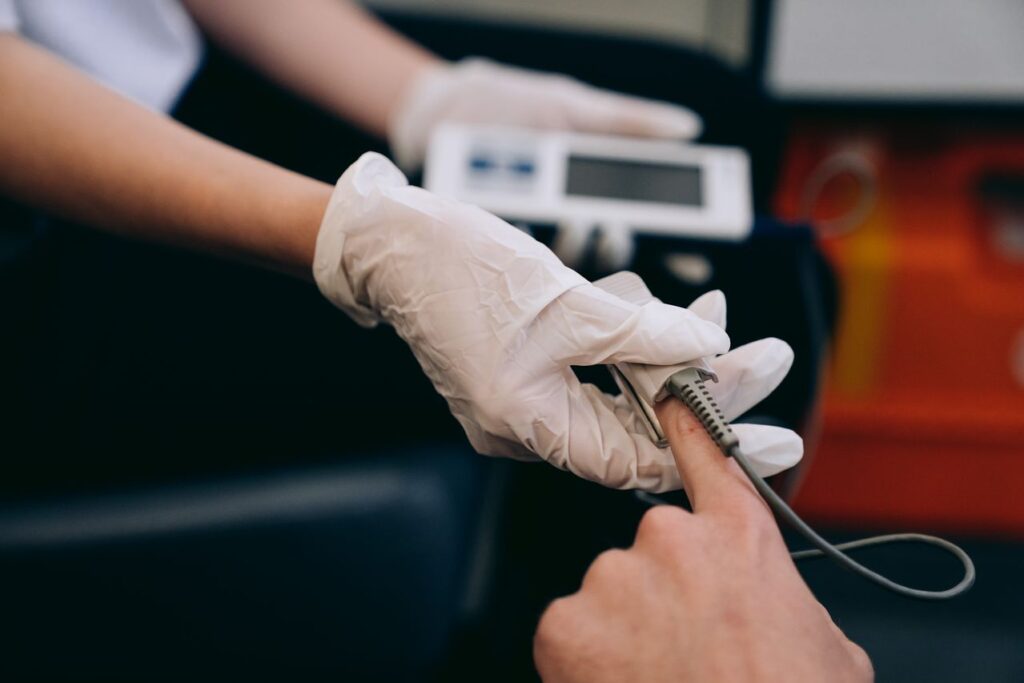
The Hidden Risks In Glove Selection
Exam gloves, particularly nitrile exam gloves, are providers’ first line of defense. Choosing the right glove option is about more than price or comfort, all materials, including disposable nitrile gloves, have their own risks and rewards, which count for safety for both the wearer and the patient.
Chemical Permeation
Gloves are not a universal chemical barrier, especially when it comes to handling hazardous chemicals. While vinyl gloves may be an affordable option, they don’t provide adequate protection against harsh chemicals and solvents, making them a poor choice in high-risk situations. On the other hand, nitrile exam gloves are puncture-resistant and specifically formulated for chemical use, offering excellent chemical resistance. They may not be suitable gloves for every procedure, particularly those requiring a delicate touch. Latex gloves offer moderate chemical resistance but degrade quickly when exposed to certain chemicals. Therefore, compatibility tests, often guided by manufacturer charts, are essential before selecting gloves. It’s crucial to monitor gloves for any signs of breakdown, such as swelling or discoloration, and change them at the first sign of weakness.
Allergenic Potential
Not all gloves are safe for all people. Latex, while biodegradable, is a known allergen and can trigger severe reactions in sensitive providers or patients. To mitigate this risk, many facilities have switched to nitrile exam gloves or vinyl gloves. Nitrile remains a popular choice as it is latex protein-free and ideal for nearly all users, making it a reliable protection option, though it is not as biodegradable. Educating staff to notice redness, itching, or swelling is crucial because allergic responses can snowball fast. In high patient turnover environments, using disposable nitrile gloves prevents cross-reactions, even for individuals with undiagnosed allergies. Protocols should compel staff to opt for nonlatex gloves whenever there is any risk of reaction.
Material Degradation
Even the best disposable gloves can wear out due to factors like heat, sunlight, or chemicals, which accelerate this process. Proper storage in a cool, dry place away from direct light helps prolong the shelf life of nitrile examination gloves. Once gloves become brittle, torn, or sticky, they must be discarded regardless of remaining inventory. Educating staff is crucial, providers should check for rips or weak spots before starting any procedure to prevent microtears that could lead to contamination or exposure. Monitoring glove condition during and after use is the simplest way to ensure reliable protection.
Matching Gloves To Clinical Tasks
Glove up! Understanding how to match examination gloves to clinical tasks is crucial. The hazard level of each procedure determines which disposable nitrile gloves or standard exam gloves will be most effective, whether it’s simple sanitation or high-risk surgery, ensuring reliable protection for both providers and patients.
Low-Risk Scenarios
Checklist for low-risk clinical tasks:
- Select gloves that are comfortable and allow you to have good hand mobility.
- Gloves that fit right, not too tight or too loose.
- Match gloves to clinical tasks. Select vinyl or polyethylene for rapid, non-invasive care.
- Put on your disposable gloves each time to help prevent the transmission of microorganisms.
- Train all staff to toss used gloves into the appropriate bin, not normal garbage, to reduce contamination.
Lightweight gloves work best here. They should still prevent blocking fluids. As comfort decreases, staff will wear them improperly or less frequently. The objective is to strike a balance between protection and utility.
Moderate-Risk Scenarios
- Gloves need to provide more effective barrier protection, such as nitrile or latex.
- Test if gloves are resistant to mild chemicals and some punctures.
- Bring in some textured surfaces for easier gripping of tools or samples.
- Be sure the gloves are powder-free to reduce allergies.
Certain procedures, like drawing blood or administering injections, require medical exam gloves that provide more than just a barrier to touch. Staff training should include when to change to thicker or more resistant nitrile examination gloves if tasks become more complex. Changing gloves during these tasks is essential, particularly after coming in contact with fluids or transitioning between patients to ensure reliable protection for all parties involved.
High-Risk Scenarios
High-risk care, like surgery or working with toxic chemicals, requires gloves with superior tear and puncture resistance. Surgical-grade nitrile or latex gloves are best as they both block bloodborne pathogens and harsh chemicals. Double-gloving is standard and provides a defense-in-depth layer if the outer glove tears. Matching Gloves to Clinical Tasks, staff must know why this matters and how to check for glove failures.
We conduct random checks during these tasks to confirm that all comply with safety rules. A supervisor should watch for lapses and remind teams to stick with protocols. This all adds up to a safer workplace.
The Future Of Provider Hand Protection
Provider hand protection is evolving rapidly, driven by novel requirements in clinics and laboratories. Tougher safety standards, heavier patient caseloads, and emerging hazards drive glove manufacturers to innovate smarter ways to safeguard hands while keeping work comfortable and secure. New glove technology isn’t just a barrier, it’s smarter, safer, and more comfortable gear. Nitrile exam gloves are becoming a preferred choice due to their excellent chemical resistance and reduced likelihood of causing allergic reactions compared to latex.
New glove materials to the rescue. Nitrile examination gloves now lead many charts due to their robust resistance to chemicals and pathogens, and they’re less likely to cause allergic reactions than latex. Manufacturers continue exploring mixes of nitrile and synthetic rubbers to protect against little critters and chemicals, even those impervious to traditional gloves. For instance, a few new nitrile exam glove blends include chloroprene, a soft rubber, to increase elasticity and reduce hand fatigue during extended shifts. These mixes provide a snug fit, reduce the tear hazard, and decrease the likelihood of skin rash, which is a true benefit for eczema-prone workers. Research in Europe and Asia has demonstrated that TPE-made gloves can equal latex for barrier safety, minus the latex allergy concerns.
Allergy risk remains a major concern. Latex has been a mainstay for decades, but is no longer used as often due to the prevalence of allergies. Vinyl gloves are budget-friendly but provide less protection and tear more easily, so they are ideal for brief, low-risk tasks. Nitrile and neoprene gloves help solve this, as they block most risks without the same allergy problems. This transition to these types of gloves, particularly in high-risk areas such as surgery or laboratories, indicates how much importance safety and comfort have now.
Sustainability is now a huge part of glove selection. Many hospitals and clinics want gloves that degrade faster or have less plastic. A few producers incorporate things like plant-based latex or recycled goods to reduce waste and decrease their carbon imprint. For instance, certain brands now manufacture biodegradable nitrile exam gloves that begin to degrade within a year under optimal conditions. It’s a gradual pivot, with buyers increasingly demanding green solutions that can still adhere to safety standards.
Design continues to evolve. Textured fingers on gloves provide grippiness when tools or surfaces become watery. Some gloves provide a double-dip layer for additional protection, while others apply inner coatings that wick moisture and cool the hands. Makers trial every new concept in real laboratories and clinics to observe what assists the most in enhancing safety and comfort for users.
Final Remarks
In order to select the appropriate exam gloves, providers must consider both the material and fit for each procedure. Nitrile gloves offer robust protection from punctures and a wide range of chemicals, which is why they’re our preferred option for most clinical tasks. Latex provides good touch and grip, but some people are allergic. Vinyl suits brief, low-risk activities but falls short for high-risk work. Glove thickness, textured grip, and the right size all contribute to safety and comfort. The best glove meets safety regulations and suits the task. For safety updates, follow new research and updates from reliable organizations. Want more tips or have a question? Comment below or join the discussion.

Frequently Asked Questions
1. Which Exam Glove Material Offers The Best Protection For Providers?
Nitrile exam gloves usually provide the best protection, offering excellent chemical resistance and superior puncture resistance compared to latex or vinyl gloves, making them ideal for high-risk healthcare procedures.
2. Are Latex Gloves Safe For All Providers?
No, latex gloves can trigger allergic responses in some individuals, making nitrile exam gloves or vinyl gloves a better choice for those with latex allergies.
3. What Certification Standards Should Exam Gloves Meet?
Look for nitrile exam gloves that meet international standards such as ASTM D6319 or EN 455, ensuring these gloves provide reliable barrier protection.
4. How Do I Choose Gloves For Different Clinical Tasks?
So handpick gloves at the risk of a task. Opt for nitrile exam gloves for high-risk and chemical work, and vinyl gloves for low-risk and short-term tasks.
5. Can Exam Gloves Protect Against All Chemicals And Viruses?
No, not all examination gloves protect against every chemical or virus. No matter the type, always check the manufacturer’s specifications to ensure the nitrile exam gloves are suitable for your needs.
Protect Your Team With Reliable Exam Gloves From Merit Pharmaceutical
The right exam gloves do more than meet compliance requirements—they help protect healthcare providers, support infection prevention, and improve confidence during every patient interaction. Whether your facility needs nitrile gloves for high-risk procedures, latex gloves for superior tactile sensitivity, or dependable alternatives for routine care, choosing high-quality products can make a meaningful difference in both safety and efficiency. Durable, properly fitted gloves reduce the risk of tears, improve dexterity, and allow clinicians to focus on delivering exceptional care without unnecessary interruptions.
At Merit Pharmaceutical, we provide premium exam gloves designed to meet the demanding needs of hospitals, clinics, physician offices, and healthcare facilities. Our carefully selected products are manufactured to rigorous quality standards, delivering dependable barrier protection, comfort, and performance across a wide range of clinical applications. Whether you’re replenishing everyday essentials or strengthening your facility’s infection control strategy, our team is ready to help you find the right glove solutions. Contact Merit Pharmaceutical today to explore our selection of high-quality exam gloves and keep your healthcare professionals protected with products they can trust every day.
Disclaimer
The information provided on this website is intended for informational and educational purposes only. It is not a substitute for medical advice, diagnosis, or treatment, and should not be relied upon as such. Healthcare professionals should always use their own clinical judgment when selecting and administering medical products. Patients should consult with a qualified healthcare provider regarding any specific medical condition or treatment.
While we strive to keep product details and information current, Merit Pharmaceutical makes no guarantees as to accuracy, completeness, or applicability to your particular situation. Do not act or refrain from acting solely based on information from this site without seeking appropriate medical or professional guidance. To the fullest extent permitted by law, Merit Pharmaceutical disclaims all liability for any decisions or actions taken based on the contents of this site.