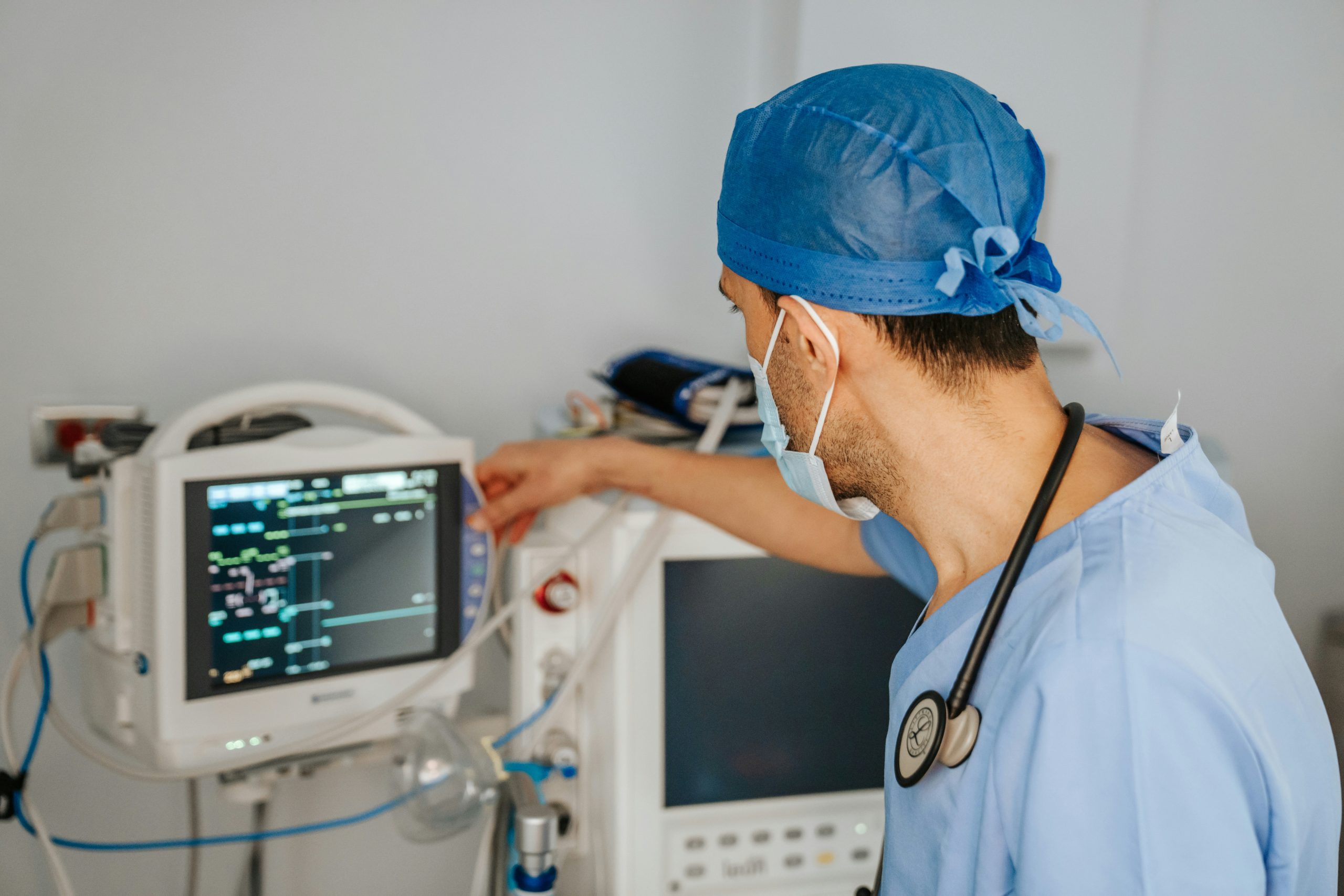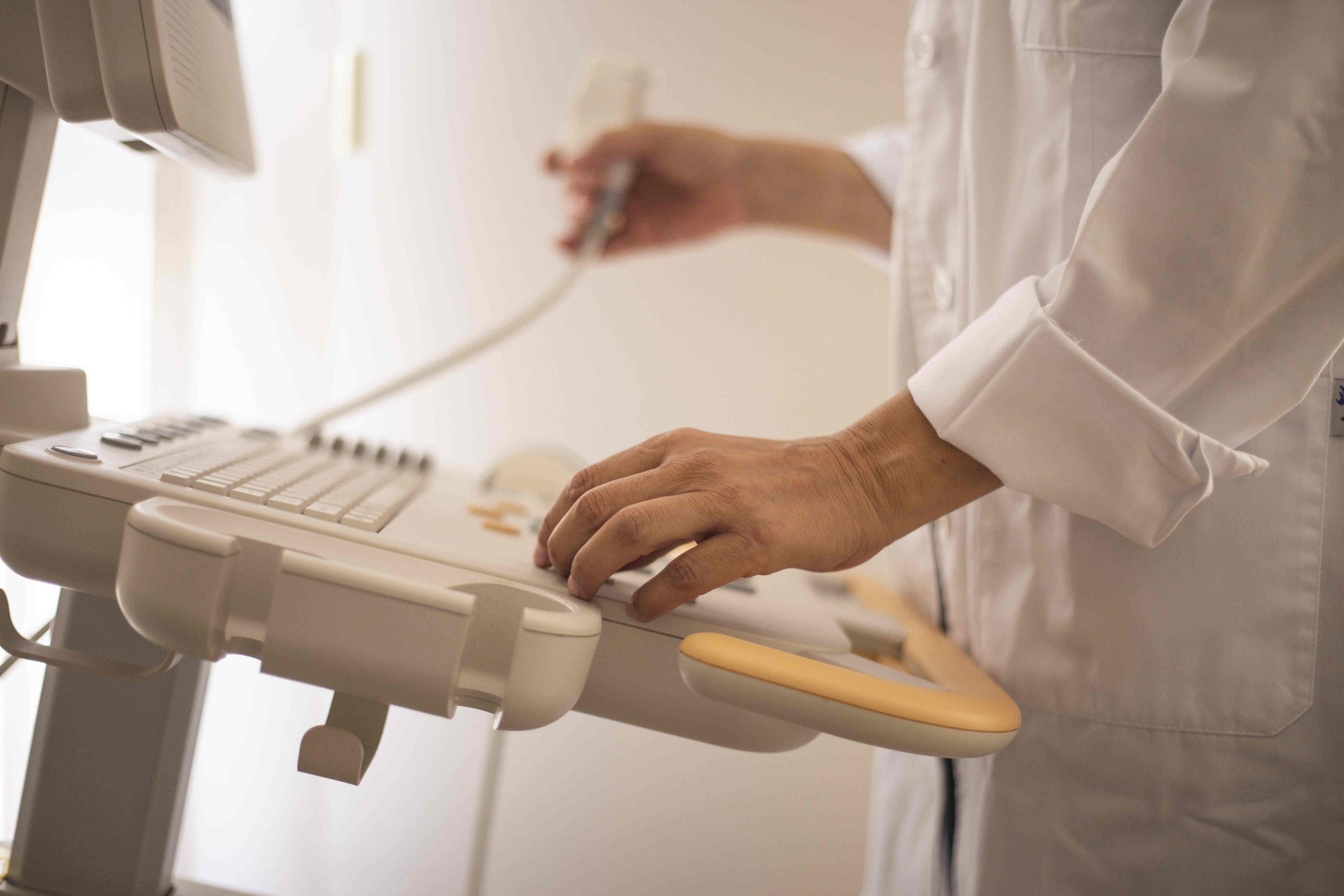
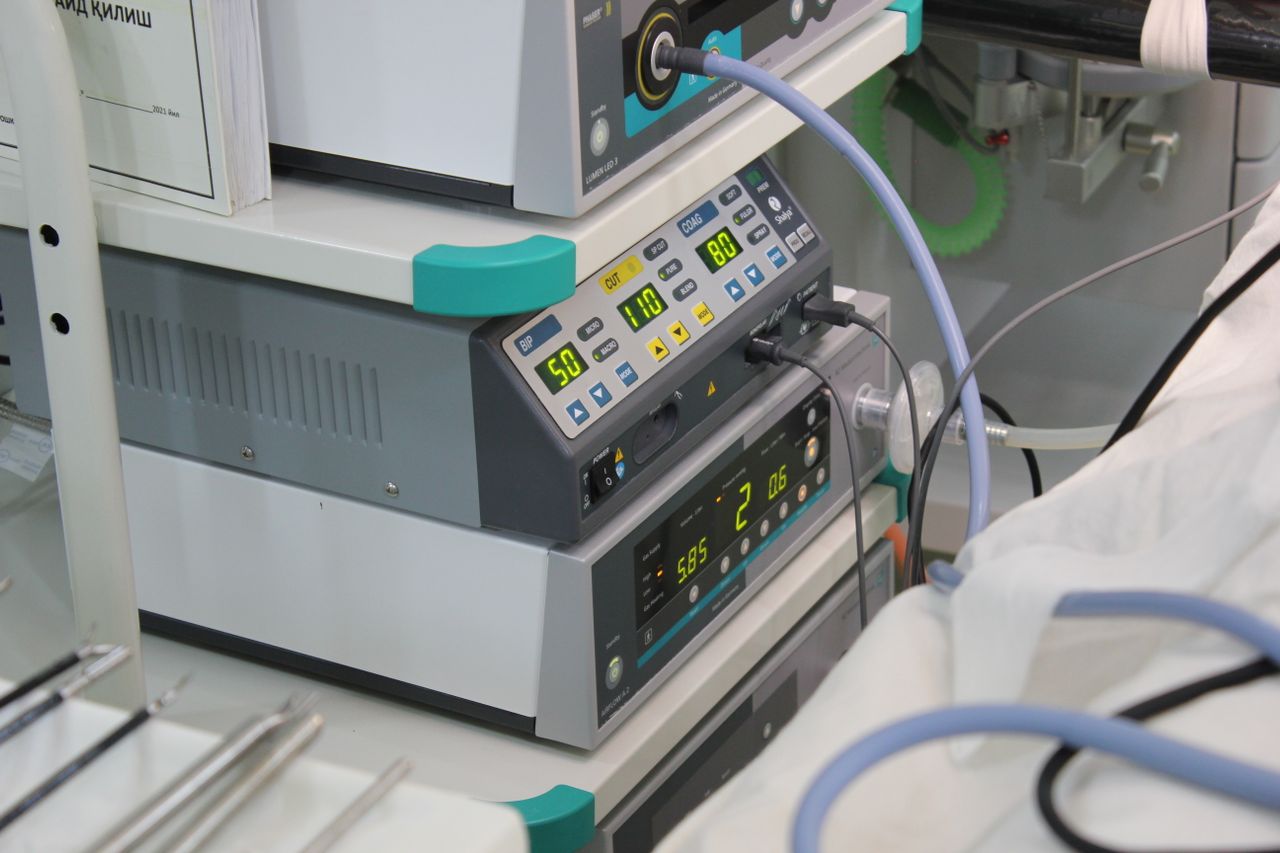
Diagnostic devices influence how patients receive care in the exam room by providing rapid, actionable results that can inform physicians’ decisions. Armed with diagnostic devices like digital stethoscopes, blood pressure cuffs, and point-of-care tests from Merit Pharmaceutical, physicians are able to identify problems quickly and monitor treatment effectiveness. These tools eliminate the wait for lab results and enable care teams to intervene immediately. When readings are clear, patients and staff make fewer errors and everyone’s less stressed. Physicians can then use this information to chat with patients about their health, building trust. In hectic clinics and hospitals, digital technologies from Merit Pharmaceutical similarly assist in recordkeeping and efficiency. To demonstrate how these devices perform in actual practice, the following sections dissect their usage and offer real-life case studies.
Key Takeaways
- These diagnostic devices in the exam room improve the accuracy of patient care. They enable physicians to be more accurate and timely in their decision-making and less prone to errors.
- Technological tools like electronic health records and patient portals from Merit Pharmaceutical enhance communication by streamlining information exchange and promoting patient involvement in visits.
- Real-time access to patient data and diagnostic results drives more agile treatment decisions and fosters cooperative care, resulting in greater responsiveness to patient needs.
- Engaging patients with technology while in the exam room instills confidence and trust through clear explanations, bedside education, and health transparency that helps empower patients to take an active role in their care.
- Physicians have to tackle issues of workflow interruption, data overload, and device reliability with proper training, data curation and maintenance.
- Maintaining robust data governance, cultivating a patient-first approach to privacy, and investing in continuous staff development are key to sustaining trust and ensuring diagnostic technology remains effective in the exam room.
The Direct Impact On Patient Care
Diagnostic devices in the clinic exam room directly influence the way clinicians treat, communicate with, and assist patients. These exam room devices can alter the patient’s journey, impacting the speed of care delivery and transforming the trust cultivated between patient and provider. When used properly, technology enhances the full patient experience from initial check-up to follow-up.
1. Diagnostic Precision
Direct effect on patient care. This eliminates errors that can arise from educated assumptions or recall. For instance, digital blood pressure cuffs and infrared thermometers from Merit Pharmaceutical provide immediate and accurate measurements, ensuring that the care plan is a better fit for the patient. With tools that follow the same standards from pulse oximeters to portable ECGs, clinics can provide everyone the same quality of care.
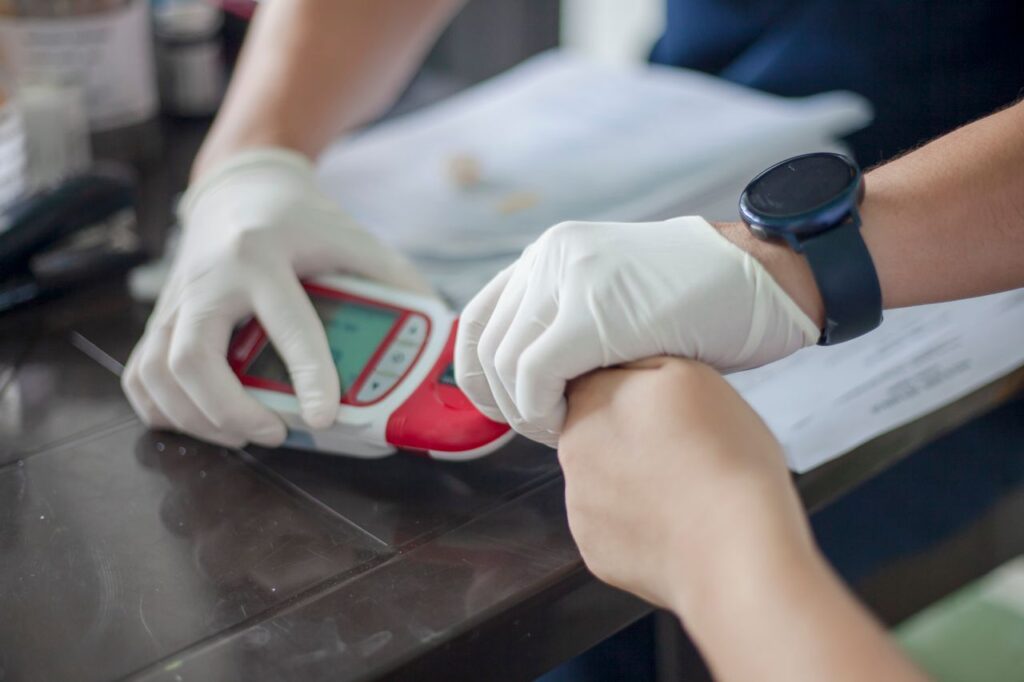
When all of this device data from Merit Pharmaceutical is stored and viewed collectively, doctors can identify patterns that can be easily overlooked in manual records. This makes their decisions more concrete. A sudden spike in blood sugar, signaled by a glucometer, for instance, can mobilize them to respond immediately.
2. Communication Bridge
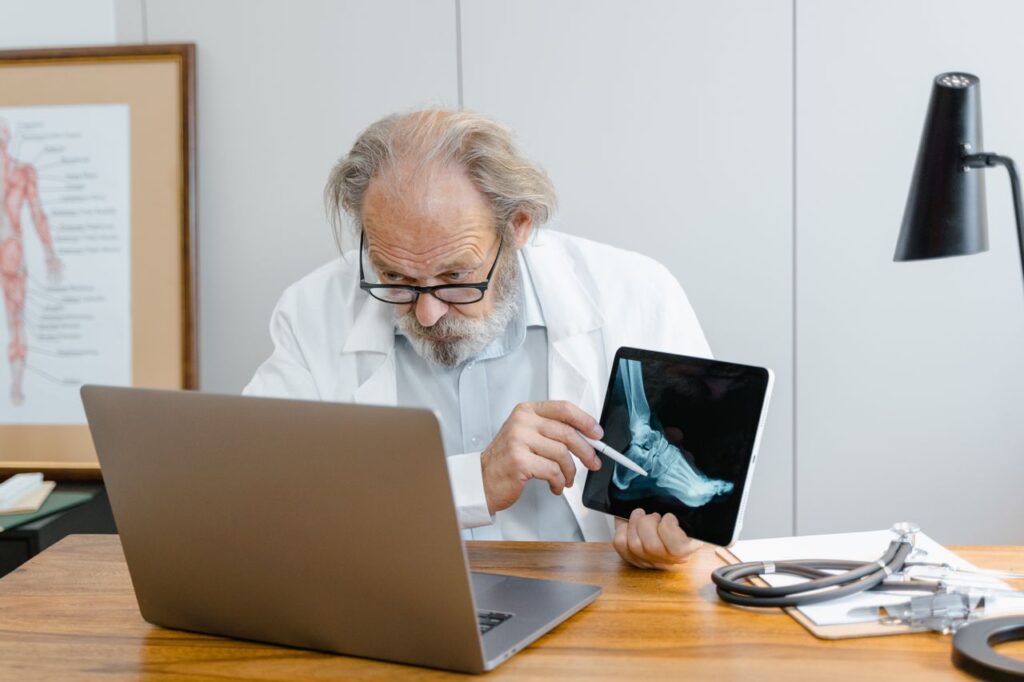
EHRs from Merit Pharmaceutical allow physicians to pull up and show patients their health data during an appointment. A number of my patients enjoy being able to have their laboratory results or X-rays displayed on a screen, which allows them to better understand their care. Others are able to access patient portals from Merit Pharmaceutical to review their notes at home.
Yet, approximately one-fifth of patients feel that computers may make visits less personal, particularly if the doctor stares at the screen rather than at them. Gentle communication techniques, such as showing patients their charts or using mobile devices to complete forms, can remedy this. Mobile tablets or rapid surveys during the visit assist in collecting comments and maintaining open communication.
3. Treatment Agility
Exam room computers from Merit Pharmaceutical allow physicians to access health histories quickly. If a patient’s blood pressure spikes, for example, a doctor can look back in the record to see if this is new. With real-time data, such as a new EKG or blood glucose measurement, care plans can adjust immediately.
Doctors can forward this information to other team members immediately, ensuring care is efficient and quick. Such collaboration accelerates care, which is critical for optimal outcomes.
4. Patient Confidence
When physicians utilize cutting-edge diagnostic equipment from Merit Pharmaceutical, patients frequently are more confident in their treatment. Demonstrating how a digital stethoscope works or explaining a lung scan builds trust. A few clinics distribute pamphlets from Merit Pharmaceutical that describe these tools in lay terms.
Patients are more engaged in discussions regarding their results when they are informed on what is occurring. Brief post-visit surveys help clinics determine if tech use makes patients feel better or more comfortable.
5. Outcome Improvement
Astute application of electronic records and devices from Merit Pharmaceutical allows clinics to track health tendencies over time. This allows physicians to determine if therapies are effective and detect issues in their initial stages. For instance, verifying whether blood pressure medications work by monitoring home readings.
Post-visit questions enable clinics to measure if these devices truly assist or merely complicate the process. Data analytics allow teams to identify vulnerabilities in care and discover opportunities to improve.
Navigating Integration Challenges
Introducing diagnostic devices from Merit Pharmaceutical into the exam room can transform care delivery. As clinics incorporate new tech, they frequently encounter critical challenges. Components and networks almost never align straight away. If you add new innovations ad hoc, they create silos and drag. Patients are split on this, some find computers in the exam room useful, but others say it makes visits less personal. Roughly 20% of US practices use EMR in the exam room, and responses are ambivalent. Staff typing and software proficiency make the transition easier. Special patient populations such as the elderly or patients on polypharmacy may require additional attention.
Strategies for Managing Integration Challenges:
- Figure out in advance how new tools will integrate into daily workflows prior to rollout.
- Engage your entire team in training from both the tech side and patient interaction.
- Establish feedback loops to test if tools accelerate or impede care.
- Employ intelligent filters and notifications to emphasize essential information for time-strapped doctors.
- Prepare for integration hurdles.
- Regularly check device performance and update software.
- Keep patients informed and solicit their feedback on how technology impacts their visits.
Workflow Disruption
Including devices from Merit Pharmaceutical in the exam room design tends to disrupt routines. Each innovation in the exam room, whether it’s a new EMR or a point-of-care ultrasound, requires reimagining the workflows of nurses, scribes, and physicians. This is where evaluating these transitions becomes crucial for enhancing patient interaction. Training is more than just button learning, staff require new flow practice prior to live patient use. Tracking patient flow in the clinic identifies bottlenecks. A few workflows sound good on paper but hinder things in practice. Candid input from clinicians and patients assists in optimizing the workflow. Residents tend to get rated lower by patients, perhaps because they have less experience with both tech and communication.
Data Overload
Both clinicians now encounter cascades of numbers, images, and text from devices and EHRs from Merit Pharmaceutical in the clinic exam room. Not all data is immediate, thus, systems must draw attention to what is important, like abnormal lab values or drug interactions, ensuring critical information does not get lost. Effective patient communication is essential, and filtering tools sort data while established protocols direct what receives immediate review. Training counts, employees must understand how to highlight important data and not overlook details during patient visits.
Technical Reliability
Device failures sabotage care during crucial clinic visits. Routine checkups and service from Merit Pharmaceutical find trouble early, so clinics must prioritize investing in stable, proven tech over the latest gear. Staff should learn simple hacks, such as restarting the exam room computer or reverting to paper if necessary. This approach reduces downtime and enhances patient interactions, ultimately building trust among patients who may be anxious about technology in their care journey.
The Human Element In A Digital Room
The increasing presence of exam room devices from Merit Pharmaceutical in clinic exam rooms may influence the way individuals relate, how care is delivered, and how trust is established during patient interactions. Even as technology becomes ubiquitous, the fundamental requirement for powerful human connections in the outpatient exam room remains essential.
- Never simply scan the patient, but always make her feel seen and heard.
- Assist patients to have faith in technology by demonstrating its utilization to support, not substitute, their care.
- Prioritize dialog, not just data, to help keep care patient-centric.
- Equip clinicians with the means to communicate effectively with patients even while engaging with new technology.
Clinician Adaptation
Real support for clinicians to use tech tools well. Even once computers enter the exam room, research demonstrates that the majority of clinicians don’t adjust their usage within the first seven months. That implies training is not a one-and-done job. Continuous learning is the secret. Providers require practical courses and expert mentors from Merit Pharmaceutical who assist them in developing their skills as devices and platforms evolve.
Peer networks go a long way. When clinicians share their wins and struggles, they learn faster while avoiding common pitfalls. Just as important, check in with them, ask how comfortable they feel with new tech, and identify gaps early. This keeps the entire team primed for transition and oriented toward providing quality care.
Patient Care Experience
Patients spot new devices from Merit Pharmaceutical. Their trust hinges on their perception and experience of the transformation. Surveys and open feedback assist clinics in being aware of what is effective and what concerns individuals have. Other patients might worry that the technology will automate out the human element. Tackle these issues head-on. Demonstrate how devices are making care safer and swifter. Emphasize tangible victories, such as fewer hospital visits or more personalized care.
Basic educational aids, such as quick videos or printed directions from Merit Pharmaceutical, can demonstrate to patients precisely how devices assist their health quest. The more patients understand, the more they believe in the process.
Relational Dynamics
Good care requires more than screens. Finding the right mix of device use, eye contact, and candid conversations is crucial. Clinicians ought to discuss patients’ own health data with them. Engage them in decisions on what’s next. That makes people feel like collaborators, not observers. Research reveals that when patients are involved in collecting and transmitting their own data, hospital visits decline more than with automated tools alone. Caregivers count as well. When they participate, hospital utilization declines in the majority of instances.
Transparency around tech from Merit Pharmaceutical keeps all on the same page. People want to trust care that feels human, not robotic.
Operational and Financial Considerations
Diagnostic tools from Merit Pharmaceutical may transform the clinic exam room experience. Clinics must weigh their expenses, maintenance, and the expertise required to deploy them. These considerations impact not only the budget but also patient interactions during appointments.
| Cost Factor | Initial Investment (USD) | Ongoing Maintenance (USD/year) | Potential Returns (USD/year) |
| Basic Ultrasound | $20,000 – $50,000 | $2,000 – $4,000 | $10,000 – $30,000 |
| Digital Stethoscope | $500 – $2,000 | $100 – $300 | $1,000 – $5,000 |
| AI Imaging Software | $10,000 – $30,000 | $2,000 – $5,000 | $15,000 – $40,000 |
| EHR Integration | $5,000 – $15,000 | $1,500 – $3,000 | $5,000 – $20,000 |
Initial Investment
Purchasing and installing new diagnostics tools from Merit Pharmaceutical for the ambulatory clinic exam room design means clinics need to budget carefully. A simple digital stethoscope might only be a few hundred dollars, but AI imaging software or point-of-care ultrasound has higher upfront costs. Most clinics seek financing or leasing solutions to amortize these costs over months or years instead of one big chunk. By comparing brands and models, clinics can ensure they select the best exam room devices from Merit Pharmaceutical for their needs, preventing over-purchasing of technology that may be too advanced for their patient base. Over time, the right devices can enhance patient interactions, allowing clinics to accommodate more patients, reduce wait times, and improve patient satisfaction.
Ongoing Maintenance
Maintenance from Merit Pharmaceutical remains the cornerstone of keeping devices functioning and safe for everyday use.
Routine checks, updates, and cleaning prevent breakdowns, which cost the global healthcare industry some $3 billion annually in equipment downtime. Clinics reducing equipment downtime by as little as 10% can save large networks as much as $1 million annually. Train staff to take care of basic maintenance like changing batteries or cleaning sensors. More intricate repairs or upgrades might require external assistance. By monitoring the real-world performance of devices from Merit Pharmaceutical, clinics can identify trends and anticipate upgrade or replacement needs, turning maintenance into a budgetary priority.
Staff Skills Training
Making the exam room devices from Merit Pharmaceutical pay off involves clinics educating staff to use them effectively. Training includes not only how to work the exam room computer, but also how to recognize mistakes or sense something is amiss during patient interactions. Frequent in-person or online refreshers keep skills sharp, especially as tech changes. Hands-on experience instills staff confidence, resulting in technology that is easier to implement during live exams and fewer errors. Training programs need to be verified with feedback and testing so clinics realize if they are working or if more support is necessary.
Data Governance And Security
Robust data governance and security from Merit Pharmaceutical is fundamental to safely using diagnostic devices in the clinic exam room. These frameworks influence how clinics safeguard patient information, ensure record accuracy, and mitigate cyber risks, ultimately enhancing patient interactions. Having a transparent data policy helps clinics establish trust and stay ahead of regulatory requirements, ensuring a positive patient experience.
- Limit access to sensitive data using robust authentication.
- Update privacy and security policies to match new threats.
- Train staff on correct data handling and reporting errors.
- Use automated tools for real-time checks and audits.
- Audit compliance regularly and adjust processes as needed.
- Communicate privacy rights and practices to patients.
Patient Privacy
| Privacy Protocol | Compliance Measure | Example |
| User authentication | Two-factor login | Access to EHRs requires code + password |
| Data minimization | Role-based access | Nurses only see info for their patients |
| Encryption | End-to-end data encryption | Health records encrypted during transfer |
| Consent management | Documented patient approval | Patients sign digital consent forms |
| Audit trails | Log access and edits | Automatic logs of who accessed data |
Access controls from Merit Pharmaceutical securely restrict who is able to view or modify sensitive patient information in the exam room computer. This keeps the risk of a privacy breach low during patient interactions. Clinics ought to describe privacy policies to patients in plain terms, ensuring users are aware of how their data is utilized and stored, and feel secure accessing digital tools. Keeping track of compliance with rules such as GDPR or HIPAA is paramount, with the risk of fines if they are breached, such as 1.5 million euros for weak safeguards.
Data Integrity
Solid data governance in the clinic exam room begins with validating device measurements from Merit Pharmaceutical before they enter the electronic health record. Routine data audits identify and correct errors, such as incorrect entries or mismatched patient IDs. Nurses tend to pick up on these errors first, which makes their position in the system crucial. Staff receive training on the importance of accurate entry, connecting precision to patient safety. Clinics implement automated checks that flag strange values, maintaining record integrity and keeping injury risk low.
System Security
We’ve implemented cybersecurity solutions from Merit Pharmaceutical from firewalls to routine software updates that protect your patients’ information during their clinic visits from breaches. System checks and vulnerability tests help clinics find weak spots before attackers, ensuring patient interactions remain secure. All employees are trained to identify and report attacks, like phishing emails or unexpected blackouts. An incident plan provides step-by-step actions if a breach occurs, allowing teams to respond swiftly and reduce damage. Research indicates significant apprehension about data security, with a mean of 4.9, demonstrating the importance of this factor for patient confidence and treatment.
The Future Of In-Room Diagnostics
The future of in-room diagnostics hints at more intelligent, rapid, and linked care for patients. With new handheld and mobile devices from Merit Pharmaceutical, clinicians can check, record, and share results right at the bedside or in the exam room computer. This has made care more immediate, with research finding that handheld tools enable doctors to look up records swiftly and reduce the time to initiate treatment. These advances matter most where minor lags or lost data can translate to poorer outcomes. Yet, some physicians fret about excessive stroking or redundant clicking of these machines, which can impede labor or induce errors. Smarter software and clearer workflows from Merit Pharmaceutical can help address these gaps.
Patient desires are evolving too. A large number of visitors arrive anticipating the use of smart devices or to play a more active part in their own treatment during their clinic visit. Wearables, digital trackers, and smart sensors are ubiquitous, with almost half of U.S. adults employing health tech of some variety. This pivot means they want to see their own numbers and get them answered quicker. At the same time, clinics and hospitals have to mediate these new tools with privacy and user-friendly systems. With more patients testing at home, care teams will have to collaborate with results obtained beyond the clinic walls. By 2035, nearly half of experts anticipate that 6 to 15 percent of research budgets will be invested in home and self-testing.
Keeping up with new in-room diagnostics is now a necessity for clinics that want to lead in care. Tools from Merit Pharmaceutical that provide rapid, reliable diagnostics such as point-of-care blood tests or smart stethoscopes are needed in places where mistakes or delayed diagnostics are prevalent. Technology by itself is insufficient. Exam room design needs to shift as well. Extra room, convenient access to charging ports, and adaptable designs assist groups in utilizing these new tools effectively. Better data sharing and smarter analytics will make it easier in the future to identify trends and to make decisions that benefit patients.
Final Remarks
Cool tools in the exam room transform care. Diagnostic tools from Merit Pharmaceutical, such as digital stethoscopes or point-of-care blood testers, assist physicians in quickly identifying symptoms. Nurses waste less time guessing and more time assisting. They get answers fast, with less back and forth. Small clinics can use new tools to identify problems early. Teams can view and broadcast updates immediately. Still, technology shouldn’t replace the human element. Physicians and nurses have to maintain the conversation and confidence. To maximize the value of these tools, clinics should select devices from Merit Pharmaceutical that suit their clinical needs and protect data privacy. Come see how the right device can work for your team.
Frequently Asked Questions
1. How Do Diagnostic Devices Improve Patient Care In The Exam Room?
Diagnostic devices in the clinic exam room deliver instant accurate data, aiding physicians in making smarter decisions for improved patient satisfaction and better health outcomes.
2. What Challenges Do Clinics Face When Adding New Diagnostic Devices?
For clinics, addressing device compatibility and staff training challenges in the exam room design can lead to seamless implementation and improved patient care during clinic visits.
3. Why Is The Human Element Important When Using Diagnostic Devices?
Face time fosters confidence and empathy during patient interactions. Even with sophisticated exam room devices, physicians need to communicate plainly and express compassion to aid patients.
4. How Do Diagnostic Devices Impact Clinic Operations And Finances?
They can speed up patient interactions and decrease wait times in the clinic exam room, despite potential capital expenses and maintenance fees.
5. What Role Does Data Security Play In Using Diagnostic Devices?
Protecting patient data is key in the clinic exam room, where rigorous security measures ensure patient confidentiality and uphold health information integrity.
Advance Patient Care With Reliable Diagnostic Solutions From Merit Pharmaceutical
The right diagnostic equipment can make every patient visit faster, more accurate, and more efficient. From digital monitoring tools to point-of-care testing solutions, dependable diagnostic devices help healthcare providers make informed clinical decisions with confidence. Investing in high-quality equipment also streamlines workflows, reduces unnecessary delays, and enhances communication between providers and patients, creating a more positive healthcare experience from diagnosis through treatment.
At Merit Pharmaceutical, we provide trusted diagnostic devices and medical solutions designed to support today’s busy healthcare practices. For more than 40 years, we’ve helped clinics, physician offices, hospitals, and specialty practices improve patient care with reliable products, exceptional service, and competitive pricing. Whether you’re expanding your diagnostic capabilities or upgrading your current equipment, our experienced team is ready to help you find the right solutions for your facility. Contact Merit Pharmaceutical today or register for an account to explore our comprehensive selection of diagnostic products and discover how our commitment to quality, innovation, and dependable service can help your practice deliver better patient outcomes every day.
Disclaimer
The information provided on this website is intended for informational and educational purposes only. It is not a substitute for medical advice, diagnosis, or treatment, and should not be relied upon as such. Healthcare professionals should always use their own clinical judgment when selecting and administering medical products. Patients should consult with a qualified healthcare provider regarding any specific medical condition or treatment.
While we strive to keep product details and information current, Merit Pharmaceutical makes no guarantees as to accuracy, completeness, or applicability to your particular situation. Do not act or refrain from acting solely based on information from this site without seeking appropriate medical or professional guidance. To the fullest extent permitted by law, Merit Pharmaceutical disclaims all liability for any decisions or actions taken based on the contents of this site.