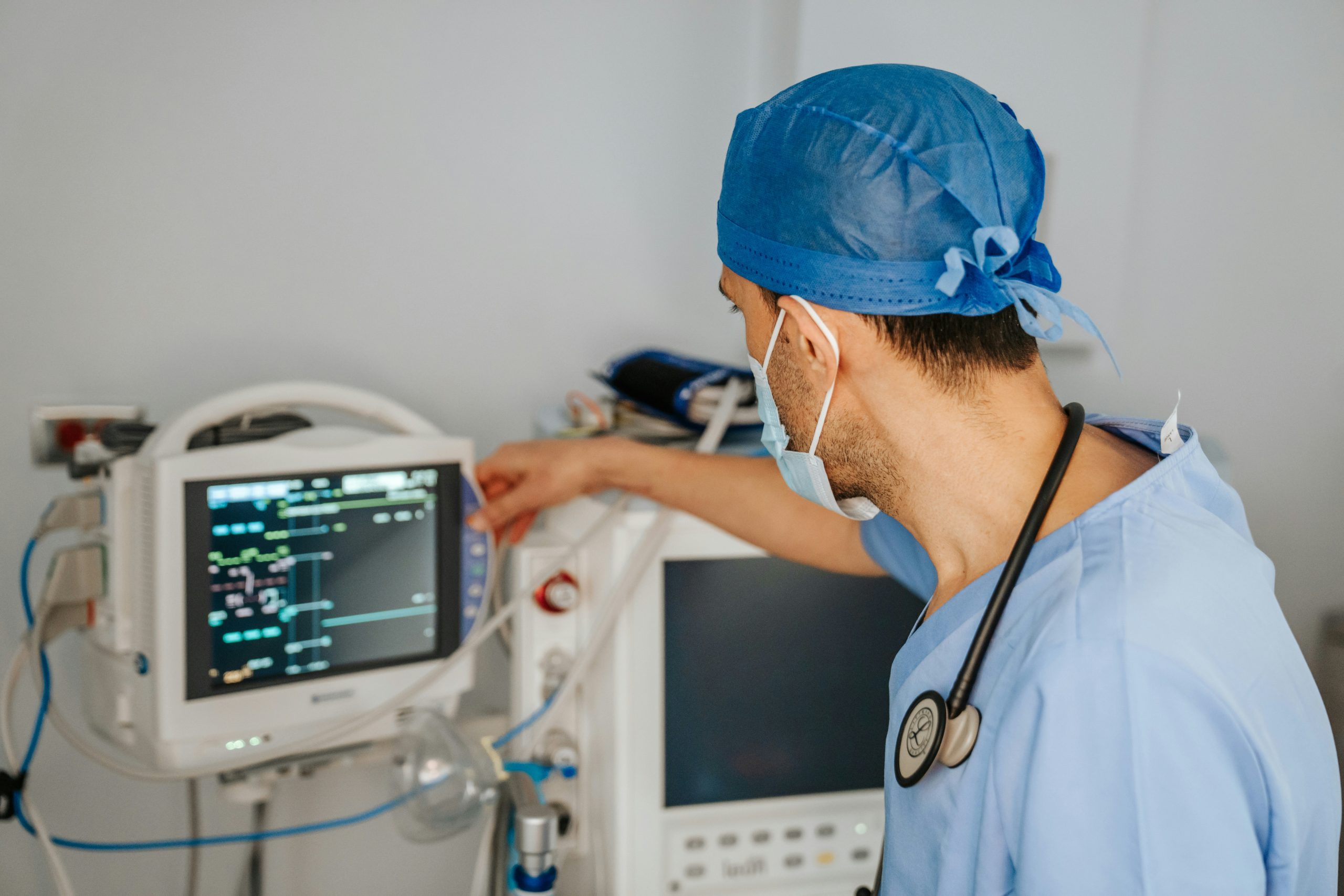

Many of them provide an extensive selection, including everything from surgical instruments to diagnostic equipment, all complying with rigorous quality and safety standards. Purchasing through authorized distributors ensures hospitals receive items that comply with state and federal health care regulations. A lot of Los Angeles hospitals participate in group purchasing organizations to leverage better pricing and consistent supply. Certain premium suppliers maintain regional warehouses, which may hasten delivery and reduce freight expenses. To choose the ideal supplier, hospitals verify certifications, product portfolios, and after-sales service. The following sections will describe how these channels operate and what hospitals need to understand before purchasing.
Key Takeaways
- Los Angeles hospitals should consider both national and regional suppliers to get a wide selection of medical devices, as well as timely delivery, and support local needs.
- It is crucial to ensure that your suppliers meet these requirements in order to maintain safety, compliance with the law, and quality consistency in medical supplies across hospitals and clinics.
- By leveraging specialty vendors and group purchasing organizations, hospitals can tap into niche products, better prices, and bulk purchasing power through negotiated agreements.
- Strong procurement strategies, including tech tools, data-driven analysis, and bulk purchasing, can optimize your inventory management and cut operational costs.
- Building long-term partnerships with suppliers, maintaining open communication, and periodically reviewing supplier performance are important for ensuring ongoing support and continuous improvement.
- Proactively identifying procurement risks and establishing contingency plans fortifies supply chain resilience, enabling hospitals to mitigate disruptions and adapt to shifting market conditions.

Sourcing Wholesale Medical Devices
Sourcing wholesale medical devices is a complex process that goes beyond basic procurement. Hospitals must judge product quality, compliance with regulatory standards, and the reliability of the supplier. Key criteria include the following:
- Product quality and safety, verified by FDA clearance and following medical device standards.
- Inventory scope spanning from durable medical equipment to diagnostic machines and surgery kits.
- Prices, including private labels, against the national brands.
- Shipping times and capacity, with certain networks capable of next-day delivery.
- Customer support and after-sales service are particularly important when hospitals require assistance with inventory or technical assistance.
- Backed with support tools such as barcode-based scanning for incoming stock and dashboards for reporting.
Regional Suppliers
Our regional suppliers in Southern California typically offer more customized service and quicker turnaround than the national chains. These suppliers know the local healthcare landscape and can stock products that match the specific needs of area hospitals. Logistics is a strength, with short supply routes to supply hospitals in cities and semi-urban areas. Long-term contracts with regional sources can generate stable supply chains and strong partnerships, minimizing potential disruption.
Specialty Vendors
Some suppliers specialize in niche medical devices, such as orthopedic implants, for example, or infection control devices. Their experts are usually of better quality and more compliant. Specialty vendors could deliver custom solutions, tailoring their options for unique hospital requirements. Establishing exclusive relationships with vendors like these can assist healthcare operations in obtaining cutting-edge or difficult-to-source products.
Group Purchasing
Hospitals can join group purchasing organizations and get better pricing through collective negotiation. It aggregates the buying power of multiple facilities, which may translate into bulk discounts and better contract terms. Membership qualifications differ; thus, hospitals need to shop around for the one that fits best and then bargain for the best supply deals.
Direct Manufacturers
Hospitals occasionally purchase direct from manufacturers to bypass intermediaries and reduce expenses. This direct sourcing provides greater transparency to product specs and allows hospitals to order personalized devices. By staying in touch with the manufacturers, you’re able to get early access to new products and help the hospitals stay ahead and lead in medical technology.
Verifying Your Supplier
For LA hospitals buying wholesale medical devices, supplier verification is mandatory. The consequences associated with inadequate checks of suppliers, from legal ramifications to patient safety issues, mean that a transparent, systematic verification procedure is crucial. This implies going beyond paperwork to actually auditing compliance, certifications, and performance to guarantee safe, timely delivery of devices that satisfy all requirements.
Local Compliance
Hospitals need to verify that suppliers comply with all local compliance rules by health authorities, such as the FDA in the US. That means, for example, making sure that your supplier has business licenses, medical device permits, and an unblemished record with regulators. Checking out supplier compliance history is crucial; previous violations or current investigations are red flags. It’s wise to verify their address and contact information to make sure the business is legitimate, and you can reach them. Periodically review updates in healthcare regulations and ensure your suppliers update their procedures to stay compliant as well, minimizing their exposure to legal risks.
Quality Certifications
| Certification | Description | Significance |
| ISO 13485 | Medical device quality management system | Ensures global quality standards |
| CE Mark | EU conformity for health, safety, and environment | Required for European sales |
| FDA Registration | US Food and Drug Administration certification | Legally required in the US |
Quality certifications demonstrate a supplier’s dedication to excellence and patient safety. Hospitals should never hesitate to request current documentation, such as ISO 13485, CE Mark, or FDA Registration, and can confirm details directly with the issuing organization. Going over the supplier’s quality assurance processes ensures that every product they send is still safe. Supply vendors should recertify as industry standards shift, allowing hospitals to trust in up-to-date best practices and not dated processes.
Supply Chain Audits
- Examine the supplier’s delivery records, monitoring punctual shipments and delays.
- Check inventory management systems for reliability and scalability.
- Confirm that your supplier is transparent about sourcing and logistics or able to trace medical devices.
- Assess communication systems and responsiveness to issues.
Hospitals review audit results to identify vulnerabilities in a supplier’s process or delivery. If problems are discovered, such as late shipments or safety lapses, they can leverage this feedback to determine if they need a new supplier. Taking actions, such as adjusting delivery timelines or quality inspections, fosters a stronger supply chain and business continuity.

Navigating LA’s Unique Logistics
Hospitals in LA, meanwhile, encounter these logistical impediments every day as a result of the city’s sheer size, population density, and complicated transportation network. The region’s sprawling highways, busy ports, and erratic traffic make it difficult for hospitals to receive supplies when they need them. Deliveries can be delayed by construction, weather, or even a single traffic jam in an unfortunate location. Such delays aren’t only annoying, they can endanger patient care.
To circumnavigate such issues, hospitals require a defined logistics plan. This is about more than selecting a quick messenger. It’s about strategizing routes to circumvent congestion, planning shipments in off-peak time periods, and having contingencies at the ready. A lot of the hospitals in LA actually coordinate with local transport services that are familiar with the city’s special shortcut sauce and can change routes spontaneously if necessary. For instance, a hospital might employ small vans rather than large trucks to slip through congested streets, or establish local storage hubs nearer to high-traffic regions.
Technology is central to this. These tracking tools allow hospitals and suppliers to visualize shipments in real time. This allows personnel to detect and resolve bottlenecks before they grow larger. Digital inventory systems can notify if stock gets too low, so orders go out before supplies run out. They assist in compliance with stringent industry regulations, maintaining devices at proper temperatures, tracking every leg of the journey, and verifying accurate labeling on each package. Certain LA venues employ supply chain software that integrates with delivery apps, providing staff with real-time data.
Teaming up with a savvy logistics professional can go a long way. Your right partner already knows LA’s ports and highways, knows how to manage fragile or sensitive products, and keeps up with health care regulations. These pros employ specialized solutions, such as insulated boxes for perishables or enhanced protection for premium packages. They assist hospitals in staying up to date with fluctuating guidelines and ensuring that nothing falls through the cracks.
Smart Procurement Strategies
Smart procurement for hospitals in Los Angeles can be instrumental in streamlining processes, reducing expenses, and facilitating compliance. Smart procurement is built on solid relationships with suppliers, powerful data-driven insights, and weaving technology into processes to enhance visibility and flexibility. Good strategies are based on regulatory standards from the FDA, which protect patients and offer hospitals legal protection.
Contract Negotiation
Hospitals should bargain hard with device vendors, negotiating contracts for the products. Clear contracts outline expectations, deliverables, and accountability, which are key to preventing confusion. Multi-year contracts can help to lock in pricing and ensure steady supply, which is important for items with volatile demand or pricing. By reviewing contracts regularly, hospitals can adapt to shifts in the marketplace or new health care demands. Knowing who is on the procurement team and establishing a relationship with them makes your negotiation easier and more effective.
Bulk Purchasing
| Advantage | Description |
| Cost Savings | Buying in larger quantities reduces unit price and shipping fees. |
| Fewer Stockouts | Large orders help maintain supply for critical medical devices. |
| Simplified Logistics | Consolidated orders mean fewer shipments and less paperwork. |
| Leverage in Negotiation | Bulk orders provide bargaining power for better terms. |
Hospitals should leverage data to identify patterns and determine what supplies are sensible to purchase in bulk. Coordinating with other departments to consolidate orders can help optimize these advantages. Inventory thresholds are crucial because hospitals can preempt stockpiling or shortages of essential items by understanding when bulk orders are warranted.
Technology Integration
Technology adds precision and pace to smart procurement. Smart ordering systems allow hospitals to streamline paperwork and eliminate delays. Inventory management software tracks stock levels in real time and can automatically reorder when supplies run low, minimizing the chance of stockouts. Telehealth solutions create new pathways to supply chains, facilitating access to devices for on-site and remote care. If you’re integrating these systems, it supports compliance, enhances reliability, and allows procurement teams to concentrate on quality, such as monitoring vendors with zero recalls.
Beyond The Initial Purchase
Sourcing wholesale medical devices is just the beginning for hospitals in Los Angeles. The long-term value comes from what happens after that initial order, how hospitals collaborate with suppliers, handle inventory, and ensure ongoing support. Robust systems and strong relationships help patient care flow smoothly and keep operations efficient.
Fostering Partnerships
Hospitals in Los Angeles benefit from cultivating genuine partnerships with their suppliers. Ongoing communication builds trust and gives both sides the chance to discuss issues or emerging needs. By sharing usage data and insights, suppliers can provide better solutions tailored to each facility, not just more products. Establishing preferred vendor relationships within Los Angeles can lead to advantages such as consistent pricing, dependable shipments, and early access to new devices. Regular feedback sessions or collaborative workshops also help ensure hospitals and suppliers continue to move forward together.
Managing Inventory
A good inventory system does much more than track what’s on the shelf. Los Angeles hospitals can start with a checklist: first, set par levels for must-have items; next, use barcode scanners to make restocking and audits faster. Inventory software that ties into hospital management systems allows orders and stock levels to update in real time. Routine reviews help identify slow-moving or soon-to-expire stock, ensuring smarter decisions about replenishment. Customized reports highlight usage trends so procurement teams know what’s in highest demand. Approval rules and curated supply lists also help prevent waste while ensuring that critical items remain available.
Ongoing Support
Post-purchase support is just as important as the sale. Hospitals in Los Angeles rely on suppliers to assist with training, troubleshooting, or recalls. Reliable vendors provide a single point of contact so issues get resolved quickly. Hospitals can request product updates, training guides, or demonstrations of new tools as they become available. This ongoing collaboration helps facilities stay current with medical innovations and maintain confidence in their supply chain. Feedback loops also ensure that suppliers continue to improve, strengthening the long-term partnership between hospitals and their procurement teams.
Mitigating Procurement Risks
Medical device procurement risk isn’t hypothetical but a reality, molded by tangible shocks and evolving trends. Hospitals in Los Angeles must identify these risks ahead of time. While local sourcing can help reduce long-haul delays, it doesn’t eliminate risk. Local markets have their own shortages or price increases, and hospitals must remain vigilant.
Constructing solid plans for unknown issues is a necessity. Easy measures, such as maintaining a buffer inventory of essential supplies or establishing arrangements with secondary vendors, prepare hospitals to handle things when they go awry. Stockouts demonstrate why it’s prudent to plan for worst-case scenarios. Contingency plans should include how to identify early warning signs, such as price shocks or delayed shipments.
Looking at contracts and deals with suppliers is a key part of risk control. Hospitals should request provisions that specify consequences in the event of delayed, insufficient, or quality-failing supply. When a hospital’s primary vendor is in distress, others might not have the capacity or equipment to step in quickly. This is why it’s imperative to include explicit return, replacement, and penalty rules in each contract.
Open dialogue with suppliers is another good way to reduce risk. When hospitals and sellers share news about stock, demand, or delays, they can correct small issues before they escalate. Truthful and consistent status updates assist all parties to anticipate, plan more effectively, and respond more quickly to changes. Reliable, long-term relationships with vendors establish a more secure, supportive network for all.
Conclusion
Reliable vendors serve major hospitals and smaller offices. Local distributors in Los Angeles usually provide rapid delivery and understand local regulations. Hospitals should always cross-check supplier records, seek transparent device labeling, and request evidence of safety. Careful planning reduces costs and prevents delays. Many buyers in Los Angeles opt for group buying for affordable prices. Staying alert and asking sharp questions keeps supply chains strong. To source the best deals, network with fellow purchasers, exchange tips, and stay abreast of regulations. Wish to share your own tips or inquire? Join in the comments.