
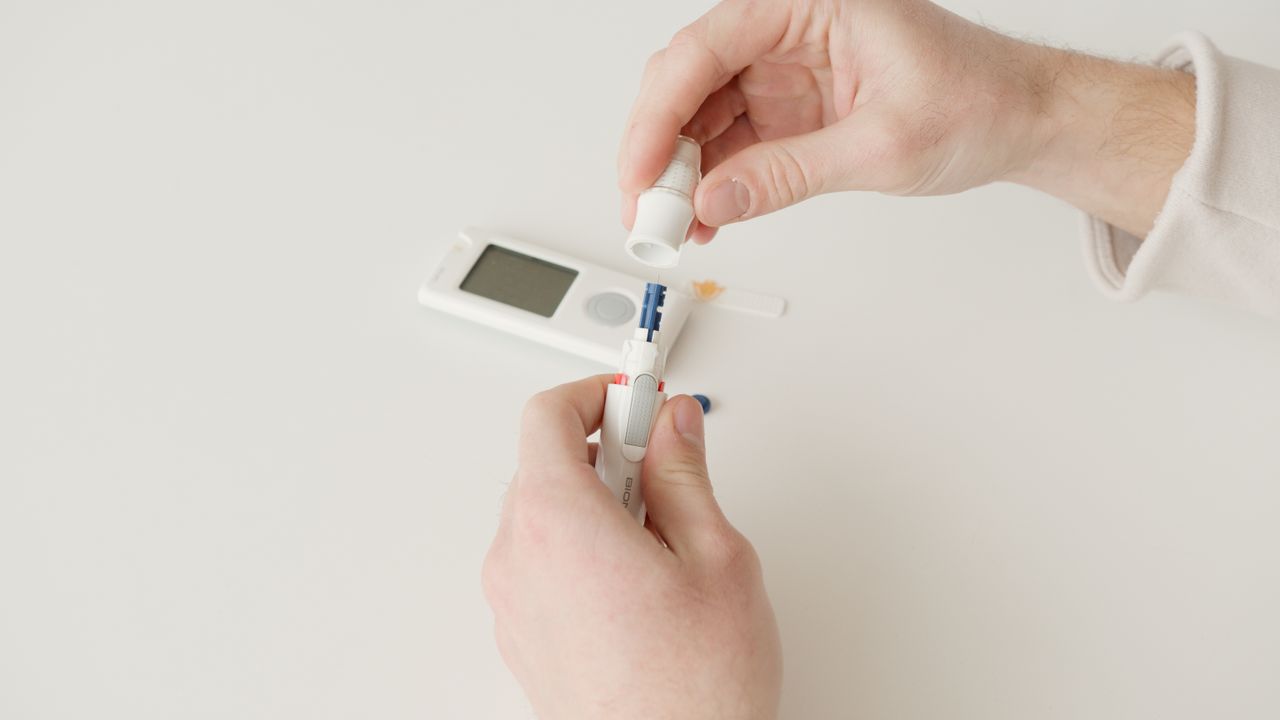
Procurement teams verify quality in medical devices through rigorous checks, certificate reviews, and adherence to guidelines from organizations such as ISO and FDA. Procurement teams typically review supplier audits, test reports, and device records to ensure every item meets health and safety requirements. They scan for clear documentation, monitor components used, and observe the performance of every device in actual operation. To be extra safe, teams employ sample testing and may even consult with users or physicians for input. Teams stay current on new regulations and adjust their processes to align with the most recent legislation. In the following segment, we will share specifics on critical activities and actual checks performed by teams in their day-to-day work to illustrate how this process operates.
Key Takeaways
- Here’s why that should be the case and how procurement teams verify quality in medical devices.
- What are some of the quality control measures procurement teams can put in place to verify quality in medical devices?
- Actively tracking post-market data and supplier audits regularly fuels continuous improvements, supports proactive risk management, and cultivates dependable supplier relationships.
- Incorporating risk identification and mitigation into procurement processes enables companies to more effectively address supply chain challenges and maintain quality.
- Soliciting clinical feedback and evaluating the total cost of ownership enable procurement teams to make informed purchasing decisions that balance performance, long-term value, and user satisfaction.
- By adopting technological innovations such as automation and AI, procurement teams will be better positioned to advance quality verification into the future and address emerging industry challenges.
Why Quality Verification Matters
This quality verification provides the backbone of a safe and effective medical device procurement strategy. It keeps patients safe, helps businesses comply with regulatory firewalls, and safeguards companies from expensive delays. Procurement teams deploy these checks and systems because they help reduce risks, comply with legislation, and protect their brands in the competitive medical device manufacturing industry.
Patient Care Safety
Patient safety is at the heart of every medical device procurement strategy. Devices that slip past quality control can injure and even kill patients. More than a million medical devices are recalled annually, frequently due to safety issues. Stringent quality assurance checks screen out flaws before devices enter patients. Continued education for procurement teams keeps them up to date with new safety standards and best practices in the medical device manufacturing industry. Stopping even one defective device from getting to a patient can save a life. Teams employ strong audits and process monitoring to identify vulnerabilities and repair them rapidly, leading to improved patient results and fostering confidence in the equipment and the clinician.
Policy And Regulation Adherence
Guidelines such as the FDA’s and ISO 13485 establish the benchmark for medical device quality assurance on a global scale. Procurement teams verify that each action adheres to these criteria, ensuring effective supplier management processes. You’re going to need exacting records, or auditors will want evidence, not sugar-coated assertions. With regulations shifting and new standards emerging, teams have to remain vigilant and tweak their workflows frequently. By working with qualified suppliers, you minimize your chances of a failed audit or lost access to the market. Quality audits, internal and external, identify opportunities for enhancement and help ensure the team remains aligned with regulations as they change.
Financial Impact
Quality Initiative | Cost (USD, annual) | Potential Savings (USD, annual) |
Recalls prevention | 250,000 | 1,000,000 |
Warranty claim reduction | 100,000 | 500,000 |
Supplier reliability | 75,000 | 300,000 |
Quality audits | 50,000 | 200,000 |
Bad quality in the medical device manufacturing industry causes costly recalls, lawsuits, and sales losses. Businesses that implement quality assurance testing save money. Trustworthy medical device manufacturers are less expensive overall, even if their initial bids appear to be higher, ensuring product quality and reducing risk.
Reputation Management
Brand reputation in the medical device manufacturing industry depends on the quality of medical devices. Providers and patients want evidence that devices are safe and consistent. Just as importantly, good relationships with reliable suppliers lend credibility and expediency to resolving issues when they occur. Being proactive in addressing quality concerns demonstrates that you care about your end users and that you can be trusted long-term. Positive case studies and customer feedback can emphasize sourcing victories and support a brand’s reputation within the medical device industry.
How Procurement Teams Verify Quality
Procurement teams use a systematic process to verify quality in medical devices, leveraging supplier management requirements and quality assurance criteria alongside technology. They’re not just concerned with price or delivery, but rather, they focus on validating that every product is safe, dependable, and adheres to rigorous standards. Establishing granular controls and straightforward tactics ensures that each vendor and item undergoes uniform inspections. All documentation, including audits and certificates, is stored in one secure digital location, simplifying audits and compliance in the medical device manufacturing industry.
1. Scrutinize Documentation
Procurement teams begin by thoroughly reviewing all supplier documentation, including quality agreements and certifications, to ensure compliance with supplier management requirements. They validate that each document is authentic, current, and aligned with the required standards, such as ISO 13485 for medical devices, which is crucial for maintaining product quality. This step helps detect fraud and establishes trust in the medical device manufacturing industry. All of this documentation is stored in a centralized system, always prepared for audits, which assists in monitoring trends over time.
2. Validate Supplier Credentials
Teams dig deep into supplier histories, focusing on supplier management requirements. They verify certifications and previous work while inquiring about references from other healthcare purchasers. Questionnaires assist in obtaining information about the quality management system of the supplier and how they manage risk. Teams cross-reference these details with rules to ensure every supplier meets their requirements, crucial for filtering out unreliable suppliers in the medical device manufacturing industry.
3. Assess Manufacturing Processes
Procurement teams often conduct audits to evaluate how each supplier manages medical device manufacturing. They seek evidence of good manufacturing practices (GMP) and assess whether equipment and staff meet quality standards. Additionally, they inquire about mechanisms for early issue identification, collaborating with suppliers to ensure their processes align with supplier management requirements.
4. Evaluate Product Performance
Procurement tests samples, performance checks, and defect data while ensuring supplier management requirements are met. They check with doctors or nurses for feedback and do comparisons with other medical device manufacturers on the market. Any problems are flagged and tracked, allowing teams to understand how each device performs in actual use, not just on paper.
5. Monitor Post-Market Data
Teams track devices after they ship, using a robust medical device procurement strategy. They monitor for fresh safety alerts, recalls, and complaints, relying on this to inform upcoming purchases. Regulatory updates and real-world reports help them detect trends and risks, enabling them to shift to reliable suppliers or re-validate quality if required.
The Role Of Supplier Audits
Supplier audits are a primary means of verifying that medical device manufacturers comply with required regulations and standards. Each audit examines the supplier’s quality system, its process steps, and its documentation handling. This allows the buyer to determine if the products adhere to applicable regulations, such as ISO 13485 or FDA 21 CFR part 820.50. The depth of the audit can vary depending on how key the product is, whether the supplier has its own quality system, and any previous issues. Teams maintain lists of approved suppliers, contractors, and consultants. These logs help monitor every single one’s labor and guarantee that only the most reliable suppliers remain in the medical device manufacturing industry.
That’s why our audit checklists are designed to span what counts. They inquire about the supplier’s process, employee expertise, defect inspections, and response time. Each point connects to a principal risk or principal rule. For instance, a checklist might inquire whether the supplier tests each part, traces each batch, or maintains training records. This assists in identifying vulnerabilities quickly within the supplier management process. The list can vary if regulations evolve or if previous audits discover deficiencies.
Audit findings are more than just a score. Teams leverage the results to advocate for better work and develop relationships of trust. If a supplier’s system is robust but one step slips, both sides can agree on a fix. Teams audit suppliers to see if they implement steps and maintain fixes over time. This prevents small problems from escalating into big hazards. If audit findings are shared, we all learn and grow, buyers and suppliers alike. Open discussions can melt tension and allow both sides to see the other’s perspective. Supplier teams get together after the audit, discuss the results, and schedule modifications. They monitor whether solutions are effective and whether suppliers maintain high performance over time.
Audit Finding | Typical Action Taken | Outcome For Supplier Relationship |
Process gap found | Update process, train staff | Stronger trust, better output |
Records not complete | Improve record-keeping | Fewer mistakes, clear review paths |
Missed rule or standard | Fix process, update checklist | Higher safety, less risk |
Slow fix to the past issue | Set a clear time frame for fixes | Faster response, closer partnership |
Integrating Risk Management
Healthcare procurement teams must integrate risk management into their medical device procurement strategy to ensure medical device quality. Tackling risk early and often yields better results, as outlined in ISO 14971:2019 and ISO 13485:2016. These global standards emphasize the requirement for organized risk analysis, openness, and strong protections. Documenting, traceability, and oversight of outsourced processes are not just good practices, but they are a necessity as regulators like the FDA shift towards more stringent quality management system requirements by 2026.
Risk Identification
- Integrate risk management to identify and map out weak links in supplier chains, such as inconsistent batches, lack of certification, and previous nonconformities.
- Look for process gaps when conducting supplier audits, such as missing documentation or training lapses.
- Don’t forget external risks, such as geopolitical instability, shipping delays, or sudden regulatory changes.
Applying risk management trends to nonconformance percentage, complaint data, or late shipments indicates underlying problems. By analyzing these metrics, you will be able to catch trends before they become issues.
Cross-functional teams, engineers, clinicians, and quality assurance provide new perspectives on hazards. Their input spans technical failures, clinical concerns, and compliance gaps, providing a more comprehensive risk profile.
All conclusions should be recorded in a central risk register. This archive informs future purchasing strategies, influences vendor choice, and assists with audits.
Safety Risk Control
- Establish explicit contingency plans for every significant risk, such as rerouting orders to other vendors or hoarding essential materials.
- Outline roles and steps for crisis response so teams act quickly if disruptions occur.
- Establish robust, transparent connections with second-tier vendors. These connections keep supply lines flowing when the unforeseen occurs.
- Review risk plans regularly. Industry standards and regulations change, so strategies must adapt.
Real-Time Monitoring
In addition, procurement teams need to monitor supplier performance without pause. Live dashboards, fueled by automated data collection tools, highlight any downturn in quality or delivery.
Supplier contracts get regular compliance checks. These audits help ensure vendors continue to comply with quality agreements and evolve to new standards.
Open lines of communication help fix small problems before they grow. Continuous supplier feedback fosters trust and quality alignment.
In-Practice Effectiveness
It takes more than reading a spec sheet to confirm medical device quality assurance. Procurement teams go beyond the spec sheet, looking for proof, user feedback, and systems integration checks. A spec sheet may list “burst strength: 350 kPa,” but a lab report saying “burst strength per ISO 2758: 352 kPa, tested March 2025” brings context and assurance. That builds real trust in device performance and safety, especially in the medical device manufacturing industry. Documentation, traceability, and transparency inform every decision, safeguarding patient outcomes and your reputation.
Clinical Feedback
Procurement teams work with clinical staff to collect feedback on how devices perform in day-to-day life. Healthcare workers who employ these instruments can identify subtle but life-saving problems overlooked in benchmarks. Their feedback underscores hits and misses, such as how washable something is or how dependable it is during marathon shifts. Teams frequently establish organized surveys, feedback meetings, or test launches to gather this information. These insights inform future supplier selections and prevent repeat issues.
Making it a loop where users give feedback after each round of procurement makes it better. User experience data, like the intuitiveness of a monitor interface, gets injected into quality checklists. Procurement teams then refresh criteria, customizing to match the actual needs of frontline staff and patients.
Supply Chain Resilience
Evaluating the strength of the supply chain goes beyond just counting suppliers. Teams meticulously review a supplier’s audit records for non-conformances and their corrective actions, ensuring compliance with supplier management requirements. They also request calibration logs on testing instruments like micrometers and burst testers to uphold quality assurance testing standards. Whenever feasible, diversifying sources mitigates risk in the event of disruptions caused by one country or partner. Effective inventory management captures lot IDs and roll numbers, linking them to individual test reports, thus enhancing the transparency of the medical device manufacturing process from creation to the customer.
Teams monitor global risks, like regulatory changes or shipping delays. Transparent supplier data, such as current certificates in their scope, helps identify gaps before they impact care. Certificates need to be fresh. A three-year-old document is no longer valid if audit cycles are every year.
Ownership Cost Analysis
What real cost calculation goes way beyond sticker price? Teams consider maintenance, calibration, and staff training costs throughout the device’s life. Well-made devices might be pricier initially, but they pay for themselves by enduring, requiring lower maintenance, and reducing downtime. Our procurement strategies factor in all indirect costs, like training, support, and spares, so nothing slips through the cracks.
Cost management is based on proven data, not vendor hype. Teams rely on audit reports and certificates from trusted organizations to differentiate options. This way, it’s a decision made based on reality, not hype.
Future Of Quality Verification
Quality checks for medical devices are evolving rapidly as new technology arrives, particularly within the medical device manufacturing industry. Digital tools have a greater role, rendering quality verification faster and more precise. Data analytics, for instance, aids teams in identifying patterns and challenges as they arise. This allows them to address issues in advance rather than retroactively. Blockchain is beginning to be leveraged more to monitor each stage of a device’s lifespan. With blockchain, everyone in the chain sees the same facts, making it tough to forge records, which is crucial for trust and safety.
AI and machine learning now assist teams in gauging their suppliers in the medical device procurement strategy. AI lets teams mine massive amounts of information to identify top-performing suppliers and predict which might fall short. AI can even flag risks before they become problems. For instance, if a supplier’s goods exhibit a minor yet consistent decline in quality, machine learning can detect that prior to it deteriorating. Predictive analytics is a leap forward, assisting teams to predict and prevent issues before they make it to market. These tools transform quality checks from a sluggish, manual odyssey to an intelligent, continuous verification.
Laws and regulations influence how medical device manufacturers ensure devices are secure. Standards such as ISO 13485 and FDA 21 CFR Part 820 establish the fundamentals of quality. When new tech arrives, like 3D printing or nanotech, the rules will have to catch up. Teams have no choice but to keep up or get left behind. Proper supplier management is critical to quality assurance’s future. Teams should select suppliers who adhere to standards, audit them, and maintain audit logs.
Teams that want to keep up need to cultivate a work culture that embraces change. We mean experimenting with new tools and working methods, embracing failures as learning opportunities, and disseminating knowledge. It’s not just tech, but it’s people and collaboration. Quality checks will mix more with other tasks, such as sourcing and producing, to keep the entire pipeline flowing.
Final Remarks
Procurement teams play a significant role in ensuring the reliability and safety of medical devices. They don’t just look at specs or check boxes. They travel to sites, test samples, and interview suppliers. They leverage real-time data to support every decision. Supplier audits surface latent risks before they go to the field. With risk checks, they can detect problems more quickly, resulting in better patient care. New tools such as smart sensors and live dashboards assist teams in identifying patterns early on. The demand for eagle eyes and rapid intervention will only increase as new tech launches. To get ahead, keep learning and sharing your thoughts. Join the conversation and influence how teams confirm quality across the globe.
Frequently Asked Questions
1. What Is Quality Verification In Medical Device Procurement?
Procurement teams verify quality by implementing a robust medical device procurement strategy to ensure products are dependable and risk-free for patients.
2. How Do Procurement Teams Assess Medical Device Quality?
Procurement teams in the medical device manufacturing industry check quality by sampling and evaluating supplier management processes to ensure product quality.
3. Why Are Supplier Audits Important?
Supplier audits help validate medical device manufacturers’ adherence to stringent quality control systems, driving compliance with global regulations in the medical device industry.
4. What Role Does Risk Management Play In Procurement?
Risk management in the medical device manufacturing industry assists in identifying and mitigating potential quality problems at an early stage, leading to reduced risks of defects and recalls.
5. Can Quality Be Verified By Reviewing Technical Specifications Alone?
No, just looking at technical specifications doesn’t cut it. A thorough supplier management process that includes physical inspections, performance tests, and compliance checks delivers a more comprehensive evaluation of medical device quality.
Power Your Practice With Reliable Medical Devices From Merit Pharmaceutical
Running a busy medical practice requires more than just high-quality care—it requires dependable medical devices that arrive on time, perform consistently, and meet strict clinical standards. When supply issues arise, such as backorders, inconsistent product quality, or last-minute substitutions, they can disrupt workflows and add unnecessary strain to your team.
Merit Pharmaceutical supports healthcare providers with a broad portfolio of medical devices and clinical-use supplies designed to help maintain consistency and reliability in everyday care. From essential IV administration components and extension sets to a wide range of clinical and injectable solutions, every product is selected with a focus on safety, performance, and dependable supply continuity.
As an FDA-registered, Los Angeles-based supplier with more than 40 years of industry experience, Merit Pharmaceutical understands the demands of clinical environments and the importance of regulatory compliance and product consistency. The company also works with established global manufacturers such as Abbott, BD, Baxter, and B. Braun to help ensure providers have access to trusted, high-quality options.
Choosing Merit Pharmaceutical means partnering with a supplier focused on reducing supply chain friction and supporting smoother procurement processes—so your team can stay focused on patient care rather than sourcing challenges.
Contact Merit Pharmaceutical to learn more about available medical device solutions or to set up an account and access competitive pricing tailored for healthcare providers.
Disclaimer
The information provided on this website is intended for informational and educational purposes only. It is not a substitute for medical advice, diagnosis, or treatment, and should not be relied upon as such. Healthcare professionals should always use their own clinical judgment when selecting and administering medical products. Patients should consult with a qualified healthcare provider regarding any specific medical condition or treatment.
While we strive to keep product details and information current, Merit Pharmaceutical makes no guarantees as to accuracy, completeness, or applicability to your particular situation. Do not act or refrain from acting solely based on information from this site without seeking appropriate medical or professional guidance. To the fullest extent permitted by law, Merit Pharmaceutical disclaims all liability for any decisions or actions taken based on the contents of this site.