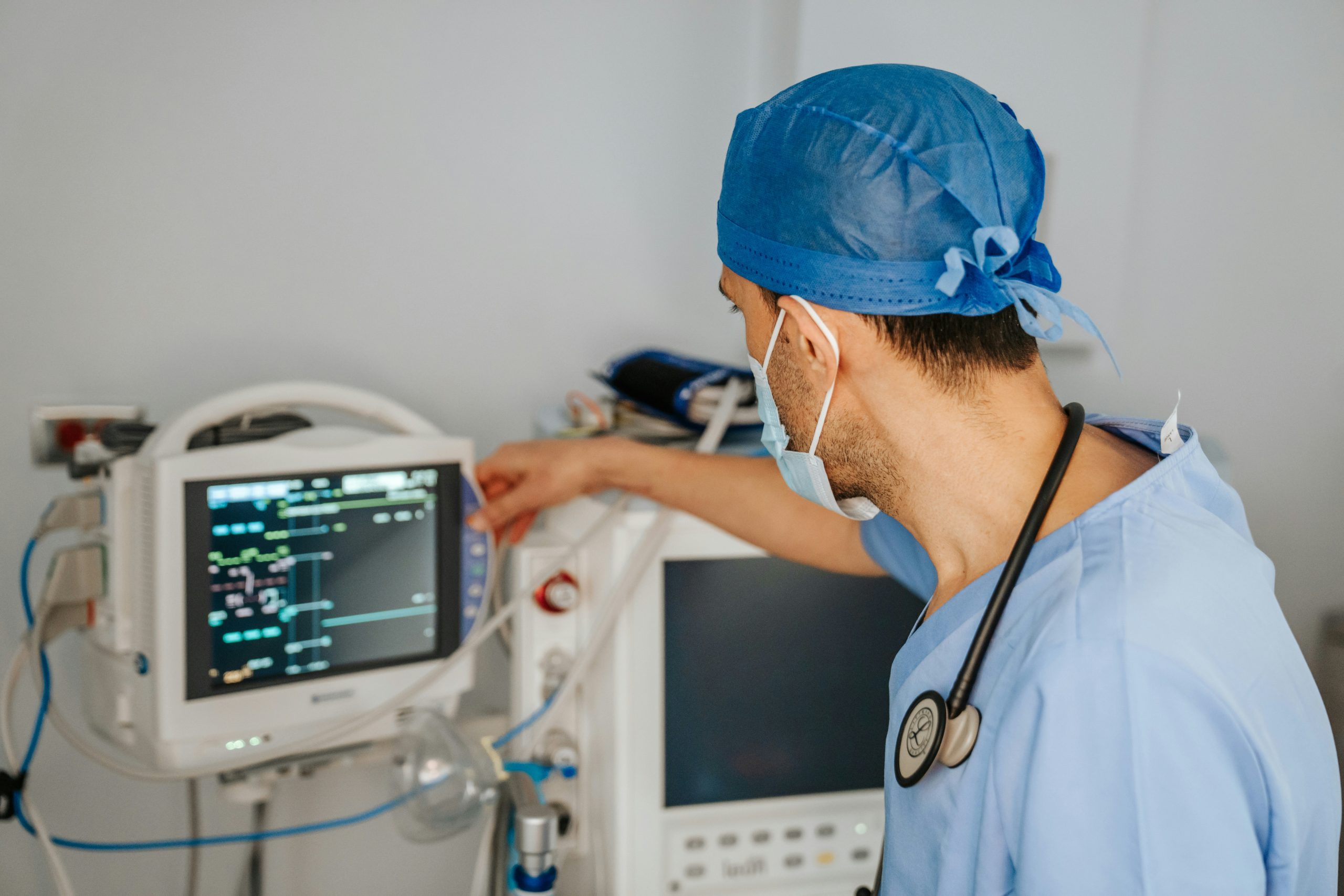
Clinics should do business with FDA-registered device suppliers to ensure devices comply with rigorous safety and quality standards. FDA registration means that every supplier carries out extensive inspections and testing prior to any device being shipped to clinics. This crucial move lets clinics reduce liability, sidestep recalls, and earn patient confidence. Sourcing exclusively from FDA-registered suppliers also aligns clinics with legal regulations, reducing penalties or litigation. Devices from these suppliers provide clear logs and reports, which make audits straightforward. For clinics, it means less guesswork and more defined actions for safe patient care. To see how these rules assist clinics in daily work, the following section will deconstruct the rules and real-life benefits.
Key Takeaways
- Partnering with FDA-registered device suppliers is essential for clinics seeking to ensure patient safety, demonstrate regulatory compliance, and maintain high standards of care.
- Clinics can reduce liability by working with device makers who comply with rigorous FDA standards and documentation.
- Long-term relationships with trusted suppliers build a culture of quality and innovation and help simplify procurement and compliance.
- Trusted access to FDA-registered devices ensures clinics can keep their operations running smoothly and minimize downtime. This protects their brand reputation domestically and abroad.
- Regularly verifying supplier registration status and understanding the differences in regulatory classifications are critical steps for effective supplier evaluation and risk mitigation.
- By embracing world-class standards and focusing on ongoing excellence, clinics become leaders in trust with patients and with clinical stakeholders.
Why Choose FDA-Registered Suppliers?
By dealing with FDA-registered device suppliers, clinics are choosing products that have cleared rigorous safety and efficacy screenings. These suppliers adhere to Good Manufacturing Practice (GMP), ensuring that every aspect from design to manufacture aligns with FDA standards. Medical device registration entails regular inspections, enhancing product quality and reliability. Such measures significantly diminish the risk of hazardous devices entering clinics, offering peace of mind to both staff and patients.
1. Patient Safety
FDA-registered suppliers must adhere to strict regulatory compliance and safety standards. Devices undergo thorough testing and inspection before reaching clinics, ensuring any issues are reported and resolved immediately. This commitment translates into fewer device failures and reduced risk to patients. With these FDA-cleared devices, clinics can prioritize safety as a core value rather than just a target. Patients expect safe care, and clinics that prioritize trusted suppliers enhance safety for everyone.
2. Device Efficacy
FDA approval isn’t solely focused on safety, but it also ensures that the medical device performs as advertised. The FDA thoroughly checks clinical evidence to determine if a device, whether a diagnostic tool or surgical instrument, meets the required performance standards. By providing a comparison of device indications, we enable clinics to select the best fit for their patients, ensuring that each purchase aligns with regulatory compliance requirements and is supported by evidence and demonstrated outcomes.
3. Legal Protection
Purchasing FDA-registered equipment protects clinics from liability and ensures regulatory compliance. Federal rules can be complex, but using FDA-registered suppliers helps clinics remain compliant with the law. It is easier to obtain liability insurance when clinics use registered products, reducing the risk of incurring expensive fines. If a problem arises, demonstrating adherence to FDA regulations provides an additional level of legal protection.
4. Supply Chain Integrity
Trusted suppliers make trusted supply chains, particularly when they are FDA-registered, ensuring adherence to medical device approval pathways. Regular inspections mean clinics can rely on consistent shipments and minimal unexpected issues, contributing to regulatory compliance and fewer days out of service.
5. Brand Reputation
Clinics that use FDA-registered devices demonstrate a commitment to quality. Patients want to trust clinics that use safe, vetted equipment. This confidence enables clinics to differentiate themselves, bring in more patients, and enhance their standing in the community. Selecting premier suppliers communicates a clinic’s dedication to safety and care.
Beyond The Certificate
FDA registration marks a basic threshold in the medical device approval process, but it does not guarantee ongoing quality or innovation. Clinics must look beyond the certificate and assess how device manufacturers uphold safety standards, manage risk, and invest in technology and relationships to ensure regulatory compliance.
A Culture Of Quality
Quality is more than passing a threshold. It’s about partnering with vendors who put quality front and center. FDA registration marks a beginning, but it does not guarantee that all third-party suppliers have the same standards as original manufacturers. As you might imagine, there’s a hole in federal law; third-party suppliers don’t have to comply with 21 CFR 820, which is the medical device coverage for quality systems, unless they want to. This means clinics have to be cautious and seek out those who actually dedicate themselves to quality beyond the certificate.
When clinics work with cGMP- and ISO 13485-compliant suppliers, they receive the advantages of strong design review, quality planning, and audit systems. These guidelines intersect but are different. ISO 13485 is worldwide, while cGMPs are U.S.-centric. A great supplier will welcome ongoing audits and inspections, using them to spot problems early and improve quickly. Clinics should anticipate open lines for reporting issues, resolving concerns, and keeping devices dependable.
Commitment To Innovation
It’s not just quality; it’s innovation that gets you better results. Suppliers that spend on R&D deliver smarter devices sooner. By selecting FDA-registered manufacturers who insist on innovating, clinics gain access to safer, more effective solutions. This can imply devices that prevent mistakes, conserve time, or assist patients in recovering more rapidly.
Staying ahead means more than buying what’s new. Clinics should work with suppliers who evaluate emerging technologies, test them, and share honest feedback. This partnership supports smarter choices, from selecting devices that fit clinic needs to updating workflows for better patient care. A supplier’s willingness to adopt safer, more practical solutions shows commitment to both progress and responsibility.
A Partnership Mindset
Success is built on relationships in the long run. Clinics win when suppliers view them as partners, not just clients. This begins with exposing challenges and collaborating on solutions, whether optimizing device shipment or adjusting to new compliance.
A good supplier appreciates feedback, leveraging it to improve products and align with the clinic’s objectives. Clinics can leverage vendor expertise, discovering new methods to simplify processes or improve patient results. For foreign manufacturers, a U.S. Agent is essential. This intermediary ensures the FDA communication process works efficiently, mitigating risk and accelerating issue resolution.
How To Vet Your Supplier
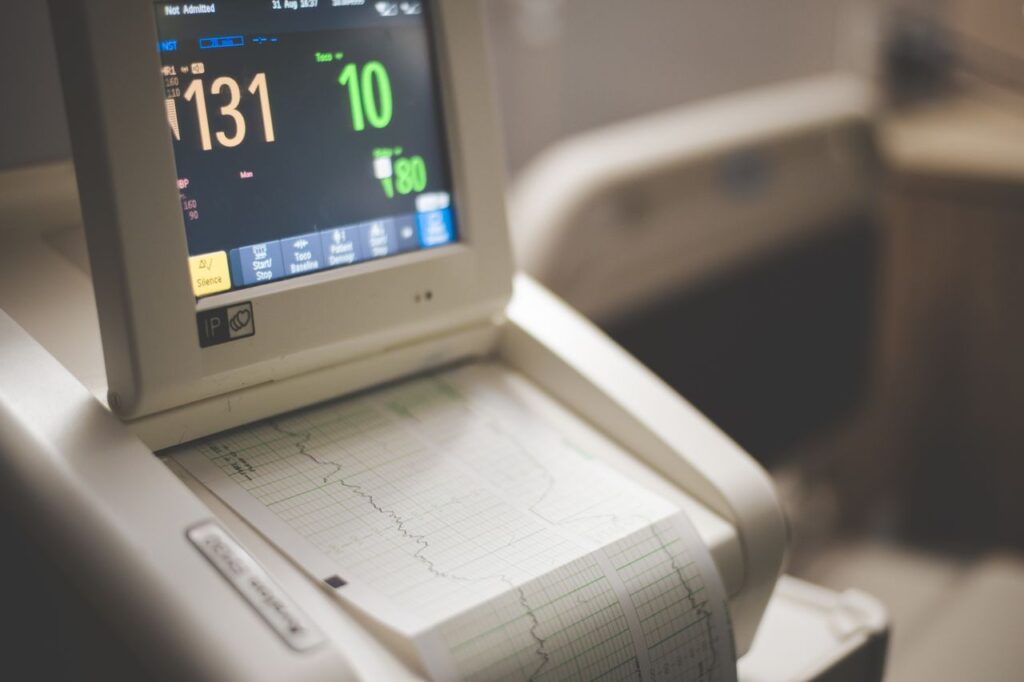
Clinics need a clear process to vet medical device suppliers, ensuring they receive only safe, quality products that meet FDA regulation standards. This vetting process goes beyond just price or speed, but it involves checking the supplier’s background, legal status, and proof of quality. By maintaining a comprehensive record of approved suppliers and contracts, clinics can achieve regulatory compliance with both local and international regulations, including the FDA’s Part 820 for Purchasing Controls. We provide a checklist so clinics can evaluate product types, price models, insurance, and service promises before signing any deal.
Verify Registration
Ensure that each supplier has up-to-date FDA registration and appropriate licenses, including compliance with FDA regulations. Use the public FDA database to check device listings and manufacturer names, confirming their adherence to regulatory compliance requirements. For additional rigor, look for NABP VAWD accreditation, indicating an added focus on distribution excellence. Always verify credentials before making a purchase.
- Look up the supplier’s name or registration number in the FDA Establishment Registration and Device Listing database.
- Check live device listings, expired approvals, and pending approvals.
- Request proof of compliance for Part 820 Purchasing Controls.
- Look for other accreditations or licenses required in your area.
Ask For Documentation
Seek clear, complete paperwork from your supplier on every device. This must encompass compliance evidence, inspection results, and clinical data when accessible. Quality management systems must adhere to FDA regulations. If possible, look over the prior 483 reports, which highlight any recent FDA-found issues. Store all documentation where it is secure yet accessible for audits or subsequent vetting. This step is key for clinics in countries with strict or changing health rules.
It’s savvy to review supplier insurance, including general and pharmaceutical coverage. Insurance details can demonstrate if a supplier is risk-ready.
Understand The Difference
Not all medical devices are created equal. FDA-registered means the supplier is on the agency’s radar and adheres to protocols, but this is not equivalent to FDA approval or clearance. Certain products might have special labels, such as humanitarian device exemptions, which alter the review process. Educate your team to identify these phrases and understand what they signify to prevent errors.
Understanding device classes, approval paths, and what makes a supplier “legit” assists clinics in making better, safer decisions. This goes for big hospital systems and small clinics.
Criteria | Supplier A | Supplier B | Supplier C |
FDA Registration | Yes | No | Yes |
Inspection Reports | Complete | Partial | Complete |
Insurance Coverage | Full | Basic | Full |
Pricing Model | Fixed | Hybrid | Percent |
Delivery Commitment | 7 days | 14 days | 10 days |
Mitigating Inherent Clinic Risks
Medical device sourcing presents various risks for clinics, especially when engaging with suppliers that are not FDA-registered. Such practices can lead to significant legal, financial, and reputational damage. To mitigate these risks, clinics should prioritize regulatory compliance by conducting regular reassessments, including annual comprehensive reviews and frequent checks for high-risk vendors. Additionally, post-market surveillance and careful supplier selection are essential for sustainable operation in the healthcare industry.
Legal Liability
Using devices from non-compliant suppliers puts clinics at serious legal risk. Devices not cleared via the FDA’s proper channels, like PMN or 510(k), can expose clinics to lawsuits if safety or efficacy are challenged. The Institute of Medicine criticized the PMN pathway for having no safety checks and recommended eliminating it. Clinics should remain informed about regulatory enforcement, as the 21st Century Cures Act has caused concern regarding device oversight.
Conforming to FDA rules protects you from most liability claims. Devices that clear pivotal trials, which can include up to 1,000 subjects with extended follow-up, are less likely to injure. Liability insurance for FDA-registered devices is typically stronger, offering more financial protection.
Financial Loss
Device recalls or failures may imperil clinic workflows and incur sharp fines. It’s even worse if the device isn’t FDA-registered because reimbursement and insurance coverage can be refused. Inherent clinic risks include more than just replacement costs. Clinics risk losing revenue from delayed treatments and patient attrition. Patient trust can degrade fast after a bad outcome.
- Direct costs from device replacement and repair
- Revenue loss from canceled or delayed procedures
- Increased insurance premiums following claims
- Legal fees and regulatory fines
- Loss of future business due to damaged reputation
Whether that’s an emergency reserve, alternative suppliers, or something else, having a contingency plan in place means clinics can be resilient during these device-related crises.
Reputational Damage
A safety incident can generate negative press that stays around longer than the problem itself. Mitigating the inherent risks of clinics is important. IOM’s call to tighten device regulation, as in their 2011 review of DBS exemptions, underscores how much vigilance is still needed.
Patient feedback and safety reports come in handy for identifying red flags. By monitoring these channels, clinics can act fast to address emerging issues.
- Conduct regular safety audits and patient surveys
- Respond promptly to adverse event reports
- Publish transparent safety records
- Educate staff on device best practices
- Engage with the community to build lasting trust
The Operational Impact
Opting for FDA-registered device suppliers lays out a transparent route for clinics to have efficient, secure, and 100% compliant operations. These suppliers must adhere to rigorous quality assurance protocols and FDA manufacturing guidelines, simplifying clinics’ ability to comply with local and global regulatory compliance requirements. This enables efficient workflows and allows clinics to deliver care on an ongoing basis without delay or risk.
Streamlined Compliance
By collaborating with FDA-registered suppliers, clinics can effectively manage regulatory compliance with less angst. These suppliers must adhere to the regulations in the U.S. Code of Federal Regulations Title 21, Part 820, which cover everything from device design to clinical checks and market production. Their facilities are documented with the FDA, simplifying inspections and enabling clinics to verify that each product meets high product quality standards.
One significant advantage is the implementation of quality management systems that assist clinics in complying with regulatory guidelines. Third-party companies producing replacement parts without legal oversight must meet stringent criteria as FDA-registered suppliers. This minimizes the risk of non-compliance, which can lead to costly fines or even delays in medical device approval.
Standard check and buy device procedures save time and spare clinics from errors. Employees can receive focused education on compliance, so they understand what to watch out for when new regulations arise or when working with new tools.
Consistent Performance
Clinics can count on FDA-registered devices to provide consistent outcomes, crucial for routine care and crises. Periodic monitoring of device performance through spot checks and annual reviews helps these tools continue to work as intended. Establishing explicit performance criteria assists clinics in verifying that vendors are fulfilling their responsibilities.
Thus, if there’s a device issue, clinics can address it quickly. Suppliers usually maintain mechanisms to quickly report and resolve problems to maintain levels of care. Quality replacement parts extend the life of your devices and reduce total operational expenditures.
Reduced Downtime
Purchasing from reputable vendors assists clinics in preventing unexpected failures that can halt patient treatment. Following regular checkups and repairing damage with quality parts allows preventive maintenance to keep devices operational far longer and cuts down on expensive replacements.
With response plans in place for recalls or device failures, clinics can respond rapidly and minimize disruption. This is crucial for clinics that must detect and monitor health threats quickly, as in a potential pandemic. By keeping vital equipment at your fingertips, clinics can get their work done without pause.
A Global Quality Benchmark
It’s a global quality benchmark that’s now indispensable for clinics committed to being ‘safe and effective.’ Using standards established by the International Organization for Standardization (ISO), clinics verify that their medical device registration meets global benchmarks. With regulatory frameworks such as the EU MDR and US FDA regulations establishing a global quality benchmark, it is simpler for clinics to achieve regulatory compliance. These benchmarks employ a risk-based approach, so each device is evaluated based on its function, who operates it, and what potential risks could arise. This way, clinics can tailor their workflows to address the true needs of both patients and medical professionals globally.
International Trust
Clinics that opt for FDA-registered device providers demonstrate a commitment to patient safety and efficacy, reflecting their adherence to regulatory compliance. This selection shows patients, partners, and regulators that the clinic meets high standards. With FDA approval, clinics can gain confidence from global patients and partners, as FDA registration serves as a robust quality indicator. Partnerships become simpler to initiate and maintain when both parties recognize common quality benchmarks. Transparency in medical device sourcing enhances trust among patients, investors, and insurers, adding an extra degree of credibility when clinics deploy FDA-registered devices.
Market Access
The fact that they are sourcing FDA-registered devices gives these clinics the ability to reach more markets, not just in the U.S., but globally. Most countries view medical device approval as their stamp of approval, enabling clinics to enter more quickly. By using FDA-registered devices, clinics gain a competitive advantage over others that can’t quite make the cut. For instance, clinics can feature FDA registration as a headline message in their marketing, assisting them in attracting patients who prioritize safe, evidence-based treatment. This provides clinics with a tool to differentiate and gain confidence in new and mature markets.
Future-Proofing Standards
Collaborating with FDA-registered suppliers enables clinics to stay abreast of evolving regulatory compliance requirements. When regulations shift, these suppliers update first, ensuring clinics remain prepared for the medical device approval process. Employees receive continuous education to stay up-to-date with training requirements, which helps ensure everyday work conforms to current standards. Clinics that invest in this type of learning are better positioned to identify hazards sooner and discover how to make care safer. It is a mentality that keeps clinics forward-looking and primed for what is to come.

Final Remarks
Working with FDA-registered device suppliers raises the standard for clinics. Clinics get clearer rules, safer instruments, and a lower risk of complications. For teams, it’s easier to stay abreast of world standards and demonstrate quality to patients. A supplier with the right stamp delivers true confidence, no fumbling, no holes. Imagine a clinic in Tokyo or São Paulo that must conform to stringent regulations and maintain cutting-edge care. Relying on proven suppliers means less stress and more time for what matters: helping people. Post your own device picks or what guided your team. Let’s continue this conversation and collectively work towards helping each other choose wisely in a crowded and hectic marketplace.
Frequently Asked Questions
1. What Does It Mean For A Device Supplier To Be FDA-Registered?
An FDA-registered supplier has completed the medical device registration process with the Food and Drug Administration, ensuring adherence to rigorous safety standards and quality assurance protocols essential for medical devices.
2. Why Is Working With FDA-Registered Suppliers Important For Clinics?
FDA-registered suppliers assist clinics in confirming that the equipment they employ conforms to established safety and quality benchmarks. This minimizes the risk of defective equipment and helps safeguard patient safety.
3. How Can Clinics Verify If A Supplier Is FDA-Registered?
Clinics can verify the FDA’s public database for medical device registration using the supplier’s name or device information, confirming the current status of any FDA-registered suppliers.
4. Do FDA Registration And Certification Mean The Same Thing?
No, because they’re different. FDA registration signifies that the supplier has completed medical device registration with the FDA, while certification may imply adherence to additional standards like ISO, which are not mandated by FDA regulations.
5. What Risks Do Clinics Face When Not Using FDA-Registered Suppliers?
Non-registered suppliers can increase the risk of device failures and lawsuits, leading to potential patient injuries and regulatory compliance issues for unauthorized medical devices.
Power Your Practice With Reliable Medical Devices From Merit Pharmaceutical
Running a busy medical practice requires more than just high-quality care—it requires dependable medical devices that arrive on time, perform consistently, and meet strict clinical standards. When supply issues arise, such as backorders, inconsistent product quality, or last-minute substitutions, they can disrupt workflows and add unnecessary strain to your team.
Merit Pharmaceutical supports healthcare providers with a broad portfolio of medical devices and clinical-use supplies designed to help maintain consistency and reliability in everyday care. From essential IV administration components and extension sets to a wide range of clinical and injectable solutions, every product is selected with a focus on safety, performance, and dependable supply continuity.
As an FDA-registered, Los Angeles-based supplier with more than 40 years of industry experience, Merit Pharmaceutical understands the demands of clinical environments and the importance of regulatory compliance and product consistency. The company also works with established global manufacturers such as Abbott, BD, Baxter, and B. Braun to help ensure providers have access to trusted, high-quality options.
Choosing Merit Pharmaceutical means partnering with a supplier focused on reducing supply chain friction and supporting smoother procurement processes—so your team can stay focused on patient care rather than sourcing challenges.
Contact Merit Pharmaceutical to learn more about available medical device solutions or to set up an account and access competitive pricing tailored for healthcare providers.
Disclaimer
The information provided on this website is intended for informational and educational purposes only. It is not a substitute for medical advice, diagnosis, or treatment, and should not be relied upon as such. Healthcare professionals should always use their own clinical judgment when selecting and administering medical products. Patients should consult with a qualified healthcare provider regarding any specific medical condition or treatment.
While we strive to keep product details and information current, Merit Pharmaceutical makes no guarantees as to accuracy, completeness, or applicability to your particular situation. Do not act or refrain from acting solely based on information from this site without seeking appropriate medical or professional guidance. To the fullest extent permitted by law, Merit Pharmaceutical disclaims all liability for any decisions or actions taken based on the contents of this site.