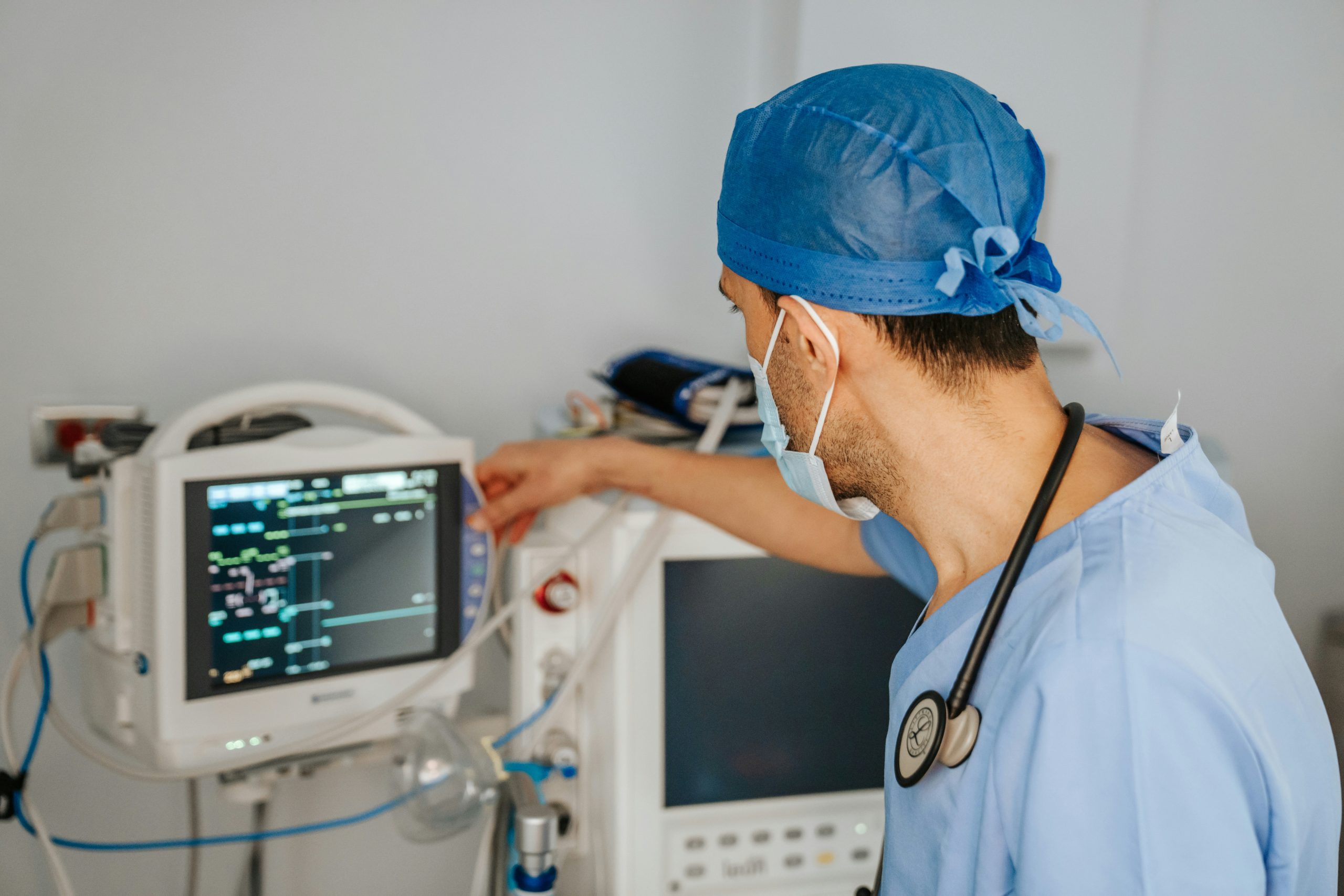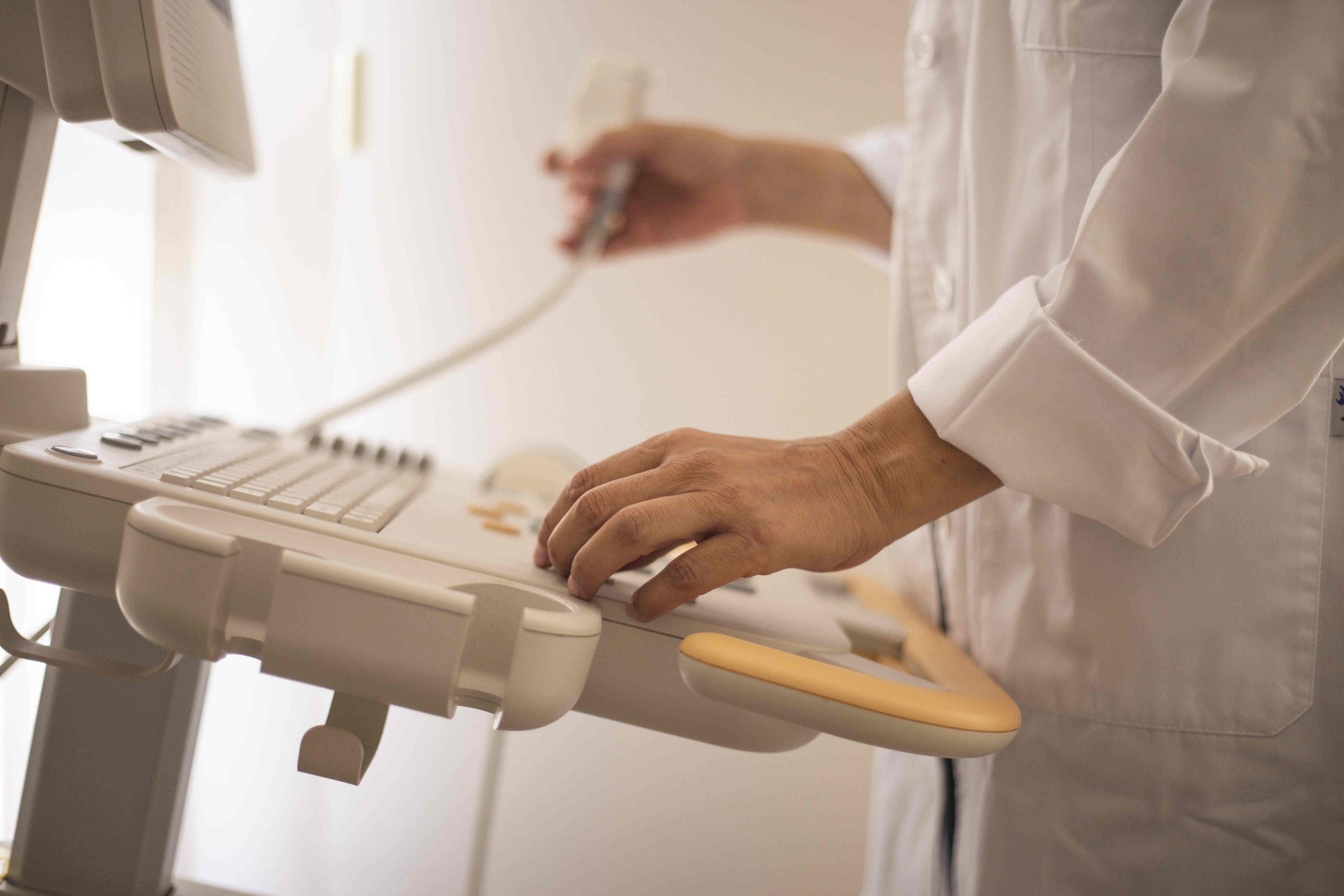
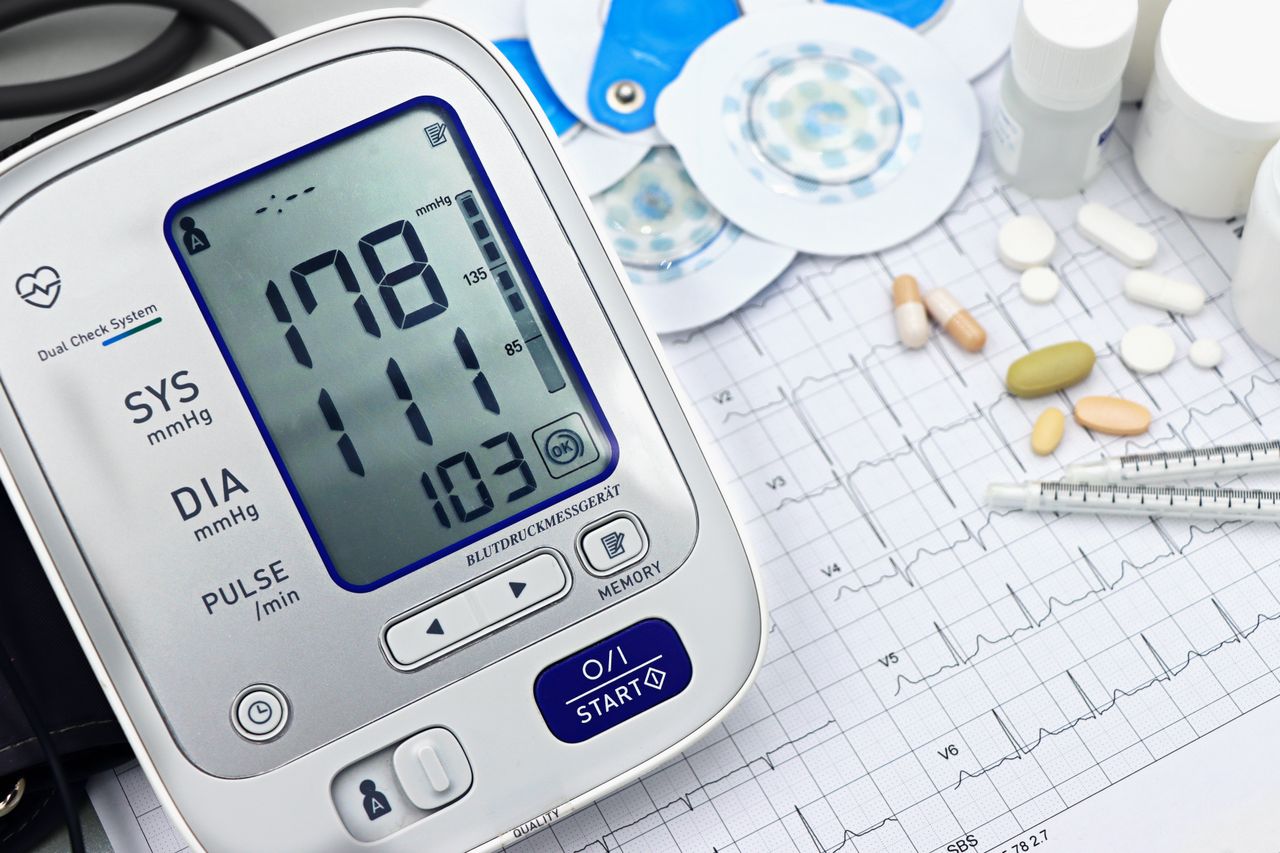
Inquiring about safety checks, device approval, and past recalls helps clinics reduce risks. Requesting information on after-sales service, repair response times, and training demonstrates the amount of support clinics will receive should anything go awry. Price breakdowns, total cost for setup, and what is and isn’t included help clinics plan their budget well. Warranty terms, spare part costs, and upgrade options provide clinics with a clearer perspective of the device’s long-term value. To assist clinics in selecting the right device, the main text will provide critical questions accompanied by guidance for every phase of the purchasing journey.
Key Takeaways
- Before buying, clinics should ask medical device suppliers questions to determine their credibility, such as about quality systems, experience in the industry, and independent testimonials and reviews.
- Verifying the supplier’s regulatory compliance, including ISO 13485 certification and safety standards, ensures the devices comply with local and international regulations.
- Clinics need to focus their questions on device performance, system integration, data security, and clinical evidence to ensure reliability, interoperability, and patient safety.
- Thorough cost analysis, such as an examination of the total cost of ownership, potential ROI, and hidden fees, allows clinics to make informed buying decisions.
- Sustainable success requires strong training, maintenance, and warranty support along with the supplier’s dedication to future upgrades, scalability, and operational resilience.
- With proper due diligence and a willingness to seek transparent information, clinics can safeguard patient outcomes, maximize operational efficiencies, and future-proof their medical technology investments.
Evaluating Supplier Credibility
A medical equipment supplier can be a game-changer for clinics and their patients. Healthcare providers must evaluate supplier credibility to protect against risk and confirm continued support, ensuring quality products and reliable devices.
- Regulatory certifications and documented compliance
- Quality management systems and audit records
- Market reputation and customer references
- Supplier’s experience and track record in the medical device field.
- Capability to provide long-term support, warranty, and ongoing training.
Regulatory Requirements Management
Certification/Requirement | Description | Why It Matters |
ISO 13485 | Medical device quality management | Ensures global standards are met |
ISO 9001 | General quality management | Shows seriousness and process rigor |
GMP (Good Manufacturing Practices) | Production standards | Reduces risk of defects and recalls |
FDA Registration | US product safety and efficacy | Mandatory for market access |
Clinics must inquire whether the supplier has a spotless record with regulators or if they’ve ever encountered compliance problems, such as recalls or warning letters. It is crucial to check that the medical devices they use are FDA-registered, as this proves that they are both safe and effective. Compliance with ISO 13485 indicates strong internal processes and quality assurance, which is important for the long-term performance of medical equipment.
Medical Device Quality
Inquire about the quality control processes of the medical equipment supplier. How do they test their medical devices before shipping? Credible suppliers implement specific mechanisms for ongoing quality enhancement, such as regular audits and prompt action on defects. Request documentation from recent audits or quality reviews. Some suppliers manage recalls with open corrective action plans, while others lack these processes. A supplier with ISO 9001 and certified service centers that offers 24/7 tech support and adequate training stands out for its commitment to service and maintenance.
Market Reputation
Check the supplier’s reputation in the healthcare industry, not only on their site but in independent or peer evaluations. It’s essential to find out from other clinics what their real experience was with the medical equipment supplier. Did the supplier provide ongoing support, or was it a one-and-done deal? Awards, recognitions, and collaborations with reputable medical organizations offer helpful indicators of trustworthiness. Ask instead for direct referrals. You want to hear from actual healthcare providers about how warranties are handled, response time, and the quality of training, which is where the rubber meets the road and where marketing materials can fall short.
Essential Questions For Suppliers
Clinics should inquire about these three things before purchasing any medical devices. The objective is to confirm that the device will work consistently, integrate into their healthcare system, secure patient information, and provide demonstrated outcomes. Questions every clinic should ask any medical equipment supplier, each with focused questions and context.
1. Device Performance
Request technical specifications and performance metrics such as accuracy, precision, and uptime percentages. Ask for actual performance information from clinics like yours, not just lab results. Learn how frequently devices need repairs and how quickly Merit Pharmaceutical can address issues. Inquire about maintenance schedules, preventive plans, and insist on device testing and validation, such as ISO or CE certifications. Request clinical evidence demonstrating the impact of these reliable devices in real-world healthcare settings.
2. System Integration
Discuss how the medical device will integrate with your existing software, hardware, and workflows. Inquire whether the device integrates seamlessly with your EHR and if it supports HL7, FHIR, or DICOM. Ask about Merit Pharmaceutical’s support during the integration stage, such as technical help desks or on-site engineers. Request references from clinics with comparable systems where the supplier managed integration. Ensure the supplier can offer user training to assist your team in adopting new features and prevent workflow disruptions.
3. Information Safety Measures
When evaluating a medical equipment supplier, it’s crucial to ask about their security measures. Ensure they comply with global data protection rules like HIPAA or GDPR, not just local laws. Inquire about the device’s method of data encryption in transit and at rest. Additionally, ask if they have redundant data centers for backup and recovery, and request records of previous security incidents and how they were managed, ensuring you choose a reliable partner for your healthcare practices.
4. Clinical Evidence
Require published clinical tests or trials demonstrating the medical devices’ effectiveness and safety. Request case studies or examples in comparable healthcare settings. Ask if independent third-party evaluations or accreditations are backing up Merit Pharmaceutical’s claims. Verify if the supplier offers continual updates as new data arises.
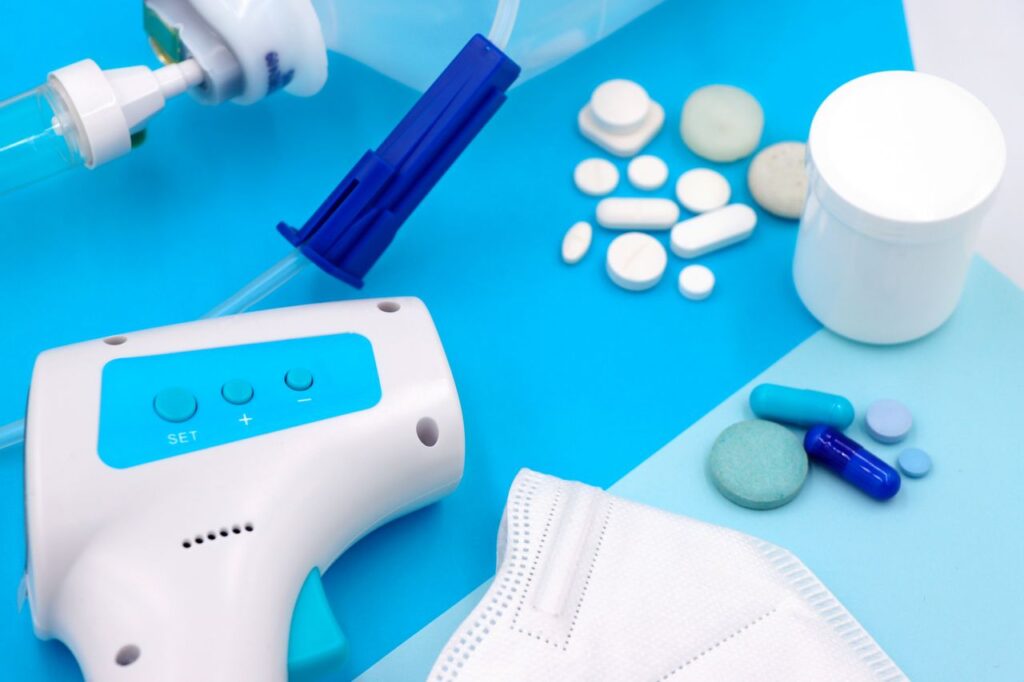
Analyzing Financial Implications
Clinics need to peer into the complete financial crystal ball before purchasing medical devices from reliable suppliers. This prevents surprise expenses and guarantees that the acquisition reinforces persistence in healthcare practices.
- Initial purchase price and installation fees
- Ongoing maintenance and support agreements
- Training costs for staff
- Cost of potential downtime and repairs
- Financing and tax deductions (for example, section 179)
- Comparison of comprehensive versus limited service contracts
- Evaluation of projected return through improved outcomes and workflow
- Transparency of supplier contracts and hidden fees
All-In Cost
Cost Component | Description |
Initial Purchase | Base price of new equipment (e.g., $25,000+) |
Installation | Fees for setup and integration |
Training | Cost of staff education and onboarding |
Maintenance | Ongoing service, parts, and repairs |
Downtime | Losses from equipment being out of service |
The cost of a new medical device can be high, so clinics must accommodate the overall price within their yearly or project budget. Include installation, training, and maintenance contracts in your calculations. Clear supply contracts need to detail every fee, from material expenses to overdue fees, ensuring transparency in the purchasing decision.
Return On Investment
Calculate financial impact by observing how the device assists patients and the workflow. Devices that reduce procedure or error rates save costs in the long term. Request case studies or examples from Merit Pharmaceutical on how their products resulted in actual savings or enhanced care. Include potential tax savings such as Section 179 write-offs.
Hidden Fees
Many clinics encounter unexpected fees post-purchase, particularly regarding medical equipment purchases. Be sure to inquire about costs for staff retraining, software upgrades, or out-of-hours service. Your suppliers need to clarify if future updates incur additional costs or if support ceases after a certain period. Read all fine print, especially concerning clear supply contracts or parts replacement, to ensure no hidden expenses arise later.
Assessing Long-Term Support
Long-term support is most important in selecting a medical equipment supplier. It determines not only how well the medical devices will perform initially but also for years to come. Clinics should seek out vendors who view the transaction as a long-term relationship, not a short-term transaction. The checklist below helps clinics cover every part of long-term support: staff training, maintenance services, warranty coverage, quick repair response, easy access to spare parts, and clear supply contract terms. Devices have to run 24/7. Any downtime, even brief, can jeopardize patient care. Clinics require experienced suppliers who provide technical assistance, authorized service centers, and preventive maintenance.
Skills Development
Have the supplier outline all the training possibilities for your staff. Confirm whether training offers both initial onboarding and later refreshers.
Check whether they have online tutorials or onsite workshops. Some vendors host both, so employees can learn in flexible ways. Check how long the training lasts and if it covers all device features. Training should address routine use, troubleshooting, and safety measures.
Check for evidence that the training is effective, such as testimonials from clinics that have implemented the device. Good providers will even have client testimonials or case studies where their personnel picked things up fast and securely. Think long-term support. Devices evolve with new updates, meaning clinics need new training when new features are added.
Preventive Maintenance
Begin by inquiring what the maintenance contract includes. Certain contracts are full coverage during business hours, and others provide parts and labor as required. Preventive maintenance is crucial. Enquire about maintenance frequency and whether these visits identify problems prior to failures.
Check whether the vendor maintains parts in stock at authorized service centers. Fast repair is a given, with crews on-site 24/7. Demand actual response time metrics. Downtime in device use is not feasible in patient care. Maintenance contracts create trust and establish explicit responsibilities for both sides.
Warranty
Look behind your warranty. Be sure it encompasses all the major parts and endures long enough to protect the clinic’s investment. Discuss long-term support, too. Some warranties are strictly for defects, while others include free maintenance or replacements.
Obtain explicit filing guidelines and anticipated turnaround. Quick claim service keeps care going smoothly. Find out whether the supplier has a record of standing behind claims. Past performance is the best indicator of future support.
Future-Proofing Your Investment
Selecting medical devices is a significant decision that extends past the initial cost or manufacturer. Clinics should consider future-proofing, continuous support, and the capacity to adapt to new developments in the healthcare system. A savvy purchase isn’t just what you buy, but it’s also how you future-proof it with upgrades, expansion, and cutting-edge medical technology. Clear metrics for tracking success, and attention to warranties, support, and compliance all matter for future-proofing your investment.
Upgrade Path
Inquire with the medical equipment manufacturer about how software and hardware upgrades will be handled throughout the device’s entire lifecycle. It’s crucial to find out whether upgrades can be performed in-house, over the air, or if you’ll have to ship the unit back. Additionally, ask about the cost of each type of upgrade, as some vendors include upgrades with maintenance contracts while others will bill you separately. This knowledge is essential for making informed purchasing decisions regarding medical devices.
See how frequently new updates or models come out, and if they can still support older devices. This helps healthcare providers avoid huge surprise bills. Inquire whether new features can be retrofitted onto older models without having to replace the entire system. The vendor should demonstrate a commitment to future-proofing devices with industry-standard updates and regulatory requirements, which is vital for maintaining operational costs in healthcare settings.
Ease of transition is important. Check if upgrading will compel staff retraining, interfere with daily activity, or entail additional equipment. For instance, certain medical device companies provide one-on-one migration strategies or weekend installation to minimize downtime. A reliable vendor will offer 24/7 support, certified service facilities, and preventive maintenance agreements to minimize breakdown risk and maintain uptime.
Product Roadmap
Ask for a product roadmap, including planned updates, new devices, and release dates. This allows clinics to budget and anticipate workflow changes in advance. If the supplier’s timeline aligns with your clinic’s objectives, it is more straightforward to justify the investment.
Inquire how the vendor monitors the direction where healthcare is trending and aligns their roadmap to emerging demands, such as telehealth or data privacy. Seek evidence that the supplier can quickly respond to new regulations or technology shifts. Solid examples are periodic software patches or hardware upgrades that align with international standards.
Infrastructure Scalability
Discuss how the devices can scale with your clinic. For example, adding new units, users, or features is important. A provider who has worked with clinics or networks larger than yours and has successfully grown with them is less risky. Check if devices can integrate with other platforms, so expansion down the road is simple.
Versatility is crucial. Other dealers allow clinics to scale in increments or to seamlessly add additional functionality. Request illustrations of what they have done to manage growth for other customers. This indicates whether the provider can keep up with rapid shifts in healthcare demand.
Verifying Operational Resilience
Operational resilience is an absolute must when choosing a medical equipment supplier. Downtime of critical medical devices, such as ventilators or imaging systems, can put patients at risk. Healthcare providers need to thoroughly test a supplier’s operational resilience to keep devices running in any scenario and evaluate whether the supplier’s resilience aligns with the intensity of healthcare settings globally.
Clinical Supply Flow
A supplier’s supply chain plan describes their willingness to make on-time deliveries, particularly for urgent devices. Clinics should request transparent information from the supplier about their relationship with manufacturers and distributors, specifically whether those are contractual or certified. You want to know if suppliers keep multiple sources for critical components. It is dangerous to be single-source.
Ask for details on inventory control. Does the supplier employ automated systems to track parts and finished goods? How do they check for operational resilience, like the speedy availability of original parts? Check the supplier’s operational resilience for global events, customs delays, or transport breakdowns. These could include emergency stockpiles, backup shipping partners, or alternative delivery routes.
Certain vendors will provide maintenance plans that specify response times and maintenance schedules. These contracts spell out the relationship and can be a good measure of commitment to continued support.
Post-Market Surveillance
Tracking device performance post-installation demonstrates a medical equipment manufacturer’s commitment to patient safety and enhancement. If you are verifying operational resilience, inquire if the supplier runs a formal post-market surveillance program and how often they review device data. They should validate their operational resilience by asking suppliers to prove how they monitor and respond to adverse events or failures, for example, by sharing incident rates and case studies.
Openness is essential in the healthcare industry. Clinics should anticipate consistent reporting on device reliability, technical updates, and adaptations following the detection of recurrent issues. A supplier’s training approach, including day-to-day operation, safety, and elementary troubleshooting, reflects a continuous improvement mentality.
Continuing monitoring means suppliers are prepared to pivot and proactively solve issues before they impact care. Availability of 24/7 support and local certified service centers introduces yet another level of resilience.
Recall Process
Rapid recall procedures are crucial. Clinics should ask for the supplier’s written recall procedure, with timelines and notification steps. Inquire how the supplier reaches out in a recall. Do they send an email, do they call, or do both? What is the timeline for an urgent alert?
Test response time. How fast can the supplier exchange broken components or equipment? Historical recall performance, with data or citations, is a very good predictor of future reliability. Providing immediate technical support and guidance in the event of recalls is what true professionals do.
Final Remarks
When selecting a medical device supplier, clinics have to ask the right questions! Good questions assist clinics in verifying the true value of what the supplier proposes. Trust, price, service, and the future all matter a great deal. A good supplier like Merit Pharmaceutical will provide full transparency, repair protocols, and ongoing support. Clinics that ask these questions can identify vulnerabilities up front and mitigate risk. This keeps their patients safe and budgets on track. For best results, meet up with suppliers, compare answers, and ask more questions if something seems amiss. Good decisions begin with good questions and open discussions.
Frequently Asked Questions
1. What Credentials Should Clinics Verify With Medical Device Suppliers?
Clinics should request certifications and regulatory compliance records from experienced suppliers, validating that medical equipment manufacturers meet industry standards and legal requirements.
2. How Can Clinics Assess A Supplier’s Financial Stability?
Request balance sheets and insurance coverage from medical equipment suppliers to validate their capacity for continued support and warranty.
3. Why Is Operational Resilience Important For A Supplier?
Operational resilience means that experienced suppliers will be able to deliver reliable devices when things go awry. Clinics should inquire about supply chain strategies and contingency plans.
4. How Do Clinics Ensure A Device Is Future-Proof?
Inquire about the medical equipment supplier’s software update policy, if the devices are compatible with emerging technologies, and what upgrade paths are available. Future-proof medical technology minimizes long-term costs and risks.
5. How Can Clinics Verify A Supplier’s Reputation?
Request testimonials and case studies from experienced suppliers, as a solid reputation signals reliability and quality in medical equipment and services.
Power Your Practice With Reliable Medical Devices From Merit Pharmaceutical
Running a busy medical practice requires more than just high-quality care—it requires dependable medical devices that arrive on time, perform consistently, and meet strict clinical standards. When supply issues arise, such as backorders, inconsistent product quality, or last-minute substitutions, it can disrupt workflows and add unnecessary strain to your team.
Merit Pharmaceutical supports healthcare providers with a broad portfolio of medical devices and clinical-use supplies designed to help maintain consistency and reliability in everyday care. From essential IV administration components and extension sets to a wide range of clinical and injectable solutions, every product is selected with a focus on safety, performance, and dependable supply continuity.
As an FDA-registered, Los Angeles-based supplier with more than 40 years of industry experience, Merit Pharmaceutical understands the demands of clinical environments and the importance of regulatory compliance and product consistency. The company also works with established global manufacturers such as Abbott, BD, Baxter, and B. Braun to help ensure providers have access to trusted, high-quality options.
Choosing Merit Pharmaceutical means partnering with a supplier focused on reducing supply chain friction and supporting smoother procurement processes—so your team can stay focused on patient care rather than sourcing challenges.
Contact Merit Pharmaceutical to learn more about available medical device solutions or to set up an account and access competitive pricing tailored for healthcare providers.
Disclaimer
The information provided on this website is intended for informational and educational purposes only. It is not a substitute for medical advice, diagnosis, or treatment, and should not be relied upon as such. Healthcare professionals should always use their own clinical judgment when selecting and administering medical products. Patients should consult with a qualified healthcare provider regarding any specific medical condition or treatment.
While we strive to keep product details and information current, Merit Pharmaceutical makes no guarantees as to accuracy, completeness, or applicability to your particular situation. Do not act or refrain from acting solely based on information from this site without seeking appropriate medical or professional guidance. To the fullest extent permitted by law, Merit Pharmaceutical disclaims all liability for any decisions or actions taken based on the contents of this site.