IV push therapy supplies differ from IV drip therapy supplies primarily by the method in which medicine or fluids enter the bloodstream. IV push requires a syringe and a needle or catheter, so the medication goes in quickly and at a fixed dose. IV drip supplies include a bag, tubing, and a drip chamber, so fluids or medicine drip slowly over time. IV push is ideal for rapid administration, whereas IV drip suits consistent, prolonged therapies. Each needs its own supplies for safe usage. Whether you should choose IV push or IV drip depends on the nature of the medicine, the speed in which it needs to act, and patient requirements. The following sections detail the primary supply variations and when to employ each technique.
Key Takeaways
- How are IV push therapy supplies different from IV drip therapy supplies?
- IV drip therapy supplies would be things like IV bags, long tubing and infusion pumps, enabling a continuous and carefully controlled infusion of fluids or medications.
- Their use of primary containers, tubing length and flow regulation methods determines how each therapy is administered and monitored.
- That being said, both IV push and IV drip necessitate precise preparation, sterile procedures, and suitable safety measures to minimize hazards and ensure patient safety.
- Healthcare providers need to take into account patient characteristics, clinical guidelines and workflow habits when deciding between IV push and IV drip.
- Efficient inventory control, such as waste reduction and supply optimization, impacts patient outcomes and health care expenditures.
Understanding Administration Methods
IV push and IV drip therapies each serve to administer medications and fluids directly into the bloodstream. However, their distinctions influence treatment decisions, patient results, and resource requirements. IV push injections utilize a lightning-fast method to administer medication in an impact-driven dose, whereas IV drip treatment employs a slow, steady stream to address longer-term treatments. Understanding the differences between these intravenous therapy methods keeps your patients safe.
The Rapid Push
IV push therapy, a method of intravenous medication administration, involves delivering a dose of medication directly into the vein over a short duration, typically seconds to a few minutes. This technique is particularly beneficial when a rapid therapeutic effect is necessary, such as during a heart attack or acute pain flare. Nurses use prefilled syringes for IV infusion injections, ensuring sterility while speeding up the response time. These syringes facilitate easier mixing, minimize dosing errors, and promote quick action.
Before administering IV push medications, it’s vital to select a large vein and verify the IV access site’s patency by pulling back for blood return and flushing with saline solution. This step ensures that the vein can accommodate the medication and that the line is unobstructed. Additionally, checking the compatibility of the medication with any IV fluids already in use is essential to avoid adverse reactions.
Monitoring during the IV push treatment is crucial, as effects may take minutes to manifest and negative reactions can occur swiftly. A slow and steady push, often followed by a saline flush, reduces risks. Nurses must scrub the connector for at least five seconds with alcohol or alcohol-based chlorhexidine to maintain sterility. Adhering to the “eight rights” of medication administration, including verifying the patient’s identity and the medication, is essential throughout the entire process.
The Steady Drip
IV drip therapy administers fluids or medication drop by drop, with an IV bag and infusion pump regulating the speed. They’re standard fare when a patient requires fluids, nutrition or medications such as antibiotics over a prolonged period. The slow release maintains consistent medication levels, minimizing side effects and encouraging ongoing treatment.
Infusion pumps provide such control over speed that it can be matched to the patient’s needs. Drug and solution compatibility checking ensures that unsafe mixtures are avoided. Nurses check the injection site for swelling or irritation, and double-check the medication and patient details.
Steady drips permit frequent check-ups and convenient modifications. This approach works best when slow, controlled absorption is safer or when maintaining stable blood levels of a drug is the objective.
Core IV Push and Drip Therapy Supply Differences
Understanding these distinctions is crucial for medical professionals and anyone interested in intravenous therapy and its global operation.
1. Primary Containers
IV push therapy utilizes vials or prefilled syringes, typically with Luer lock tips, for rapid draws. Core pump sized for adult doses, often 3 mL, 5 mL, or 10 mL. These help provide a quick, one-time medication dose, particularly during emergencies. Drip therapy, by comparison, uses larger IV bags, typically plastic and ranging from 50 – 1,000 mL in volume. They’re intended for push and drip therapies to supply differences.
Each requires sterile, compatible packaging to avoid infections and maintain drug stability. Some medications will require glass vials or a particular bag material to prevent reacting. Container choice varies by medication, length of therapy, and local protocols.
2. Delivery Tubing
- IV push therapy uses short tubing, or sometimes none at all, as medication is delivered directly into the access.
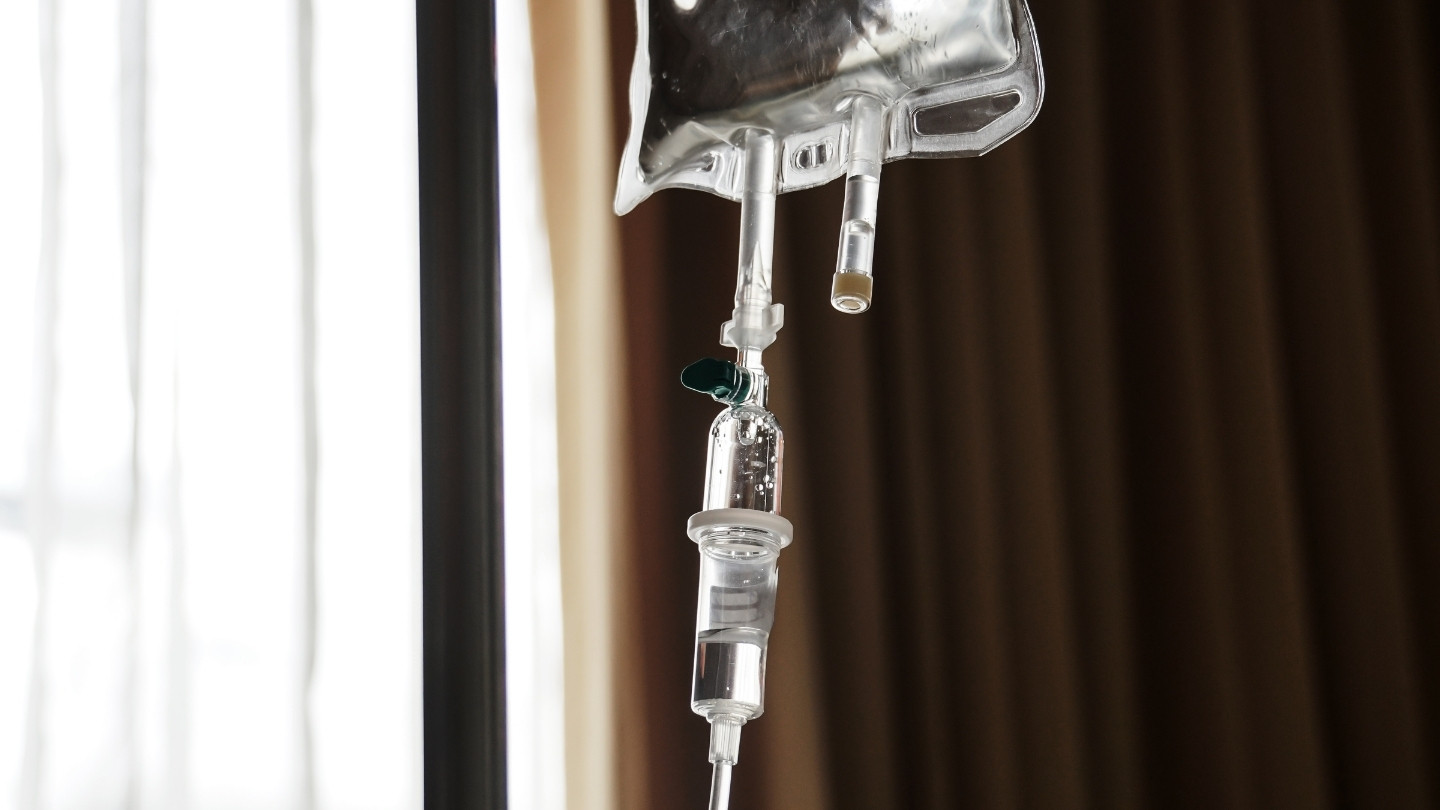
- IV drip therapy requires longer tubing so it can either hang off of gravity or be connected to an infusion pump.
- Drip chambers are components of the IV drip apparatus, allowing providers to view and count drops for precise dosing.
- Certain drugs require tubing constructed from specific materials to maintain drug stability or efficacy.
3. Flow Regulation
IV push therapy is manual — providers push the medication in over seconds or minutes. Timing and dosing require careful attention to avoid errors. IV drip therapy either uses gravity or pumps to maintain the drip rate, which makes it easier to dose over time.
Meticulous flow rate monitoring is essential in both to prevent fluid overload. Drip rates are precise, IV push depends on the person administering the medication.
4. Access Points
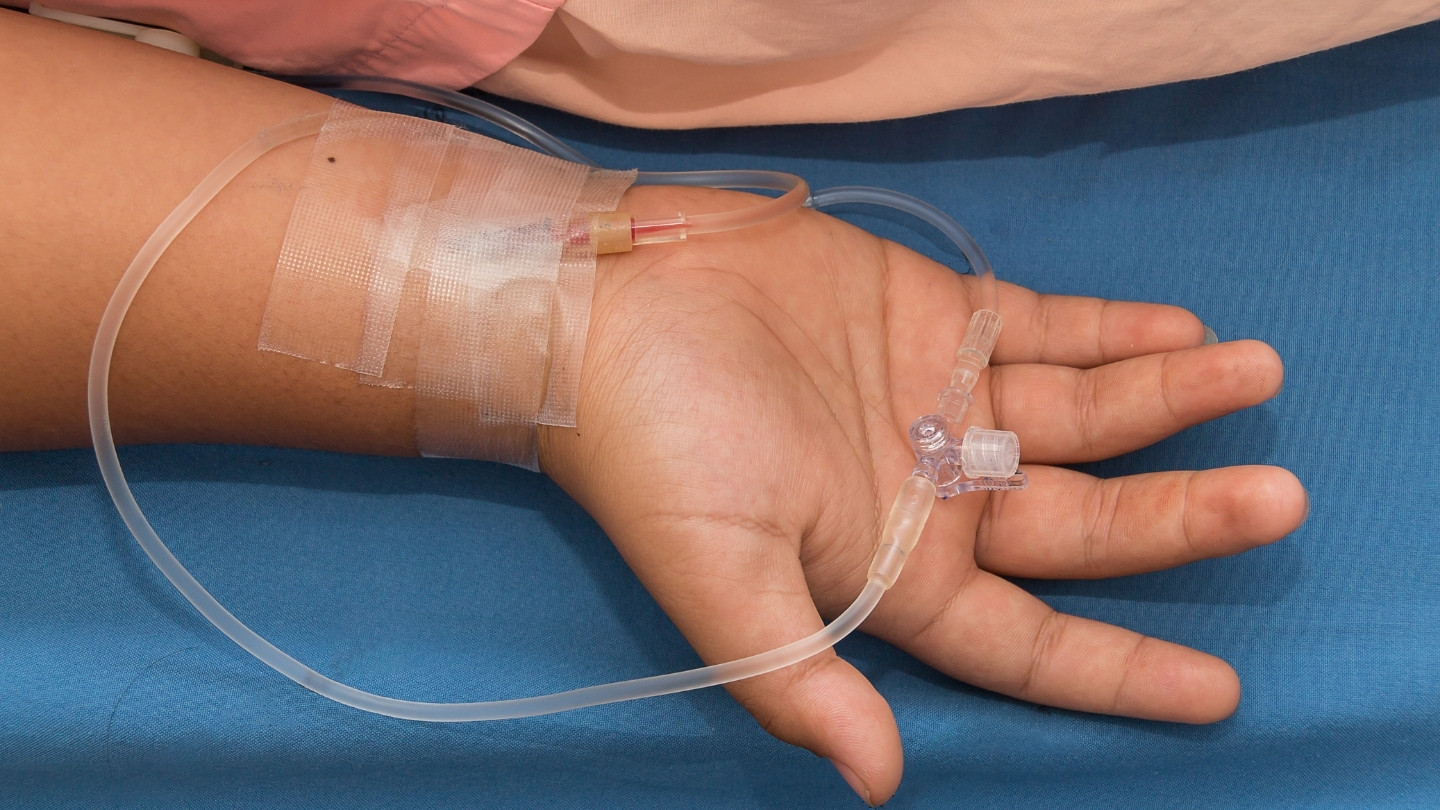
Peripheral IV lines or central lines provide access for both intravenous therapy approaches. IV push injections often involve simple setups, while drip IV therapy can require additional steps and checkpoints. Selecting the appropriate IV access point is crucial, as it can influence both safety and the efficacy of the medication administration, preventing complications such as infiltration or infection.
5. Preparation Tools
Syringes, alcohol swabs, and sterile gloves are essential for IV push medication preparation. IV drip therapy requires IV bags, tubing, and occasionally infusion pumps. Both methods necessitate careful aseptic technique and clear labels with patient information to prevent mix-ups, ensuring safe intravenous medication administration.
Design and Functional Contrasts
IV push and IV drip therapy supplies have very different design objectives. The design, safety features, and formulation philosophy vary, primarily because each treatment occupies a niche in care. IV push injections are for quick delivery of medication, while IV drip therapy is for controlled administration of IV fluids and medications over time.
Engineering Intent
IV push gear is all about speed, enabling IV push medication administration directly into the vein within minutes or seconds. This method is particularly handy in emergencies or when a drug needs to be fast-acting. The design is constructed to facilitate accurate dosing, with a tight margin of error, making careful observation essential during the process.
For IV drip therapy, it’s designed for control and stability. Macro-drip and micro-drip sets, which deliver 10, 15, 20 or 60 drops per mL, assist in customizing the rate. Infusion pumps introduce greater precision, allowing clinicians to define specific rates for individual patients. The tubing, connectors and fluid bags are engineered for continuous flow and solutions may be isotonic, hypotonic, or hypertonic, depending upon clinical necessity.
Recent advancements in needle and cannula design have significantly reduced pain and risk for patients. Modern materials and shapes simplify the process, while central lines, PICC lines, and other vascular access devices each possess unique characteristics, such as time-in-situ or flow-rate, ensuring optimal IV infusion outcomes.
Safety Mechanisms
Both styles of therapy supplies are safety crafted. IV push syringes typically have locking mechanisms to prevent inadvertent disconnection or dosing. Drip systems employ air filters and drip chambers to protect against air embolism, while anti-reflux valves prevent backflow.
Healthcare workers need to be trained on these safety steps to prevent errors. Routine inspection of apparatus, such as verifying clamps are closed and valves function, maintain safety of the operation.
New tech, such as needleless connectors, has reduced infection risk and simplified the process for staff.
Feature | IV Push Therapy | IV Drip Therapy |
Speed of Delivery | Fast (seconds-minutes) | Slow, controlled |
Safety Mechanisms | Syringe locks | Air filters, valves |
User Control | Manual dosing | Infusion pump options |
Main Use | Quick meds | Fluids/long-term meds |
Medication Stability
IV push meds are designed for rapid utilization. They’re pulled up just before delivery and completed in minutes. This reduces the danger of drug degradation or potency loss.
Drip therapy implies that drugs can languish in bags or lines for hours. This adds additional dangers. Certain medications aren’t shelf-stable, or they could degrade when exposed to light or warm temperatures. To fix this, some bags are protected or refrigerated.
Both kinds of therapies require diligent stowing away. Bad management might reduce the potency of the medicine or even render it dangerous. Adhering to the appropriate storage guidelines and utilizing the appropriate tools are crucial components of safe, effective treatment.
Impact on Clinical Practice
The available supplies and techniques for IV push injections and IV drip therapy significantly influence how clinicians design and deliver care. Each method introduces its own set of tools, techniques, and safety checks, affecting daily operations in clinics around the world.
Provider Technique
Nurses administering IV push medications need solid skills in timing and precision. They must check medication rights three times and use two patient identifiers like name and date of birth. The technique involves direct injection into the bloodstream, checking for IV line patency with a single-use 10-mL syringe and 0.9% saline, and using a flush volume twice the catheter’s size. Gloves, a drug reference, and a watch with a second hand are important for safety. IV push injections are best for drugs that need to work fast, like some heart drugs or painkillers. The nurse must consider the patient’s medical history, especially for chronic kidney disease or dialysis.
IV drip therapy, which includes IV infusion methods, requires additional setup. It involves an infusion set, meticulous flow rate titration, and frequent kink or air-in-line inspection. Calibrating the correct drip rate is critical – whether too fast or too slow can be consequential. This approach works for drugs that require slow, sustained administration, such as antibiotics or IV fluids.
Hands-on training matters for both IV push treatment and IV drip treatment. Skills such as aseptic technique, appropriate utilization of supplies, and rapid response to problems are developed through experience. Certain medications require different approaches; thicker solutions require slower pushes, whereas delicate medications may need to be diluted for an IV infusion.
Patient Monitoring
IV push therapy means nurses have to observe patients closely. Medications act quickly, so any side effects – allergic reactions or heart rate changes — can occur rapidly. Nurses look for pain or swelling at the site, sudden shifts in blood pressure or breathing.
IV drip therapy requires continuous evaluation as well. Nurses observe fluid balance, infusion rates and indications of overload or infection. They monitor vital signs, inspect the IV site, and modify the drip as necessary.
The main markers for both techniques are heart rate, blood pressure, oxygenation and comfort. Devices such as infusion pumps and monitors assist with early identification, thus enabling timely intervention.
Risk Profiles
IV push has risks such as extravasation, where medicine leaks into tissue, and systemic reactions. For certain medications, particularly those with a narrow therapeutic window, severe side effects may occur quickly.
IV drip therapy risks encompass fluid overload, particularly in heart or kidney patients. Infection is an issue with long-term lines. Air embolism and line dislodgment may occur.
Every patient’s health should drive risk screening. Age, weight, organ function and medication type all makes a difference. Risk management is different–IV push requires rapid identification of adverse reactions, whereas IV drip involves continuous line maintenance and infection prevention.
Choosing the Right Approach
Deciding between IV push injections and IV drip therapy isn’t a straightforward choice. It varies based on the immediacy of the need, the patient’s history, and the treatment objectives. Physicians must balance these factors to prevent adverse consequences and ensure optimal IV therapy care.
Emergency Scenarios
IV push is frequently employed when patients require quick-acting medications. This approach works in an emergency — for example, cardiac arrest or anaphylaxis — where rapid administration could save life. It allows healthcare teams to administer drugs in seconds instead of minutes, which can be a matter of life and death during a crisis.
A fast drug delivery is critical in ICU or trauma units. IV push allows physicians and nurses to intervene immediately, minimizing the chance of complications from a late dose. Once the patient is stable, IV drip therapy can keep them that way. Drip infusions enable a consistent dosage, something that’s critical once you’ve gotten past the emergency phase.
Adaptability in an emergency. Depending on how a patient fluctuates, sometimes they start with IV push and then transition to a drip.
Sustained Treatment
Long-term or chronic illnesses generally require IV drip therapy. This approach provides a gradual, controlled release of fluids or medicine, which can help maintain consistent drug levels in the bloodstream. Things such as dehydration, persistent infections or certain cancers respond to this. Patches and other continuous infusions reduce the chances of side effects occurring suddenly and prevent spikes and dips in drug levels.
For patients that need additional meds while on a drip, the IV push can be employed for rapid, low-volume doses. Therapeutic objectives inform these decisions — if the target is to maintain steady concentrations for hours or days, a drip is more appropriate. If a quick lift is required, it’s easy to toss a push on.
Patient Factors
Your age, weight and previous health issues play a factor in selecting the approach. Kids and elderly patients may require slower drips to prevent fluid overload, whereas adults with robust veins can handle push doses. If you have vein inflammation or phlebitis, a slower drip may be safer.
Each patient’s medical needs direct the plan. Others may have heart or kidney issues requiring less fluid and still others need more. Personal preferences count, as well. Here’s the deal – some patients like their treatments short, others are fine with long drips. These periodic inspections ensure that the selected strategy remains appropriate as circumstances evolve.
Resource Management and Efficiency
Resource management defines how IV push injections and IV drip therapy fit into clinical practice. The supplies, workflow, cost, and waste all shift depending on the IV infusion method. Care teams must examine each therapy in terms of efficiency, patient safety, and environmental impact.
Cost Implications
Cost variances between IV push and IV drip boil down to supplies and time. IV push employs single-use syringes, typically 3, 5, or 10 mL, and less consumables per dose. IV drip needs bags and tubing and occasionally infusion pumps — which all increase the bill.
Supply/Resource | IV Push (per administration) | IV Drip (per administration) |
Syringe | 1 (3, 5, or 10 mL) | Not always used |
IV bag/fluid | Usually not needed | One per medication/dose |
Tubing | Minimal or none | Required |
Pump | None | Sometimes required |
Time (minutes) | 2–5 | 20–60 |
- By minimizing use of tubing and IV bags, it reduces costs.
- Flushing lines with saline not only prevents clogging, it saves on replacements.
- Administering with Luer lock syringes limits errors and waste.
- Multi-dose vials (28 days) maximize supply utilization.
Budgeting for both ways is crucial in outpatient clinics and hospitals. Understanding genuine demand enables you to prevent wasteful excess or shortages.
Workflow Impact
IV push can accelerate urgent care, particularly in time-sensitive emergencies.
- Nurses draw and give medication using a syringe.
- Setup is quick—no need for IV bags or pumps.
- Less equipment to dispose of after use.
It’s faster to get started with IV drip therapy. It means hanging bags, priming multi-port tubing (flipping ports upside down to prevent air) and tracking flow rates. This can tie up staff, particularly when numerous patients require care simultaneously.
Better workflow equates to nurses spending less time configuring and more time caring for patients — leading to care that’s safer and more attentive.
Waste Reduction
Cutting waste begins with right-sizing supplies. For IV push, single-use syringes and saline flushes prevent sticking and additional replacements. Nurses can grab the tiniest syringe size necessary to minimize leftover medicine. Inventory checks and multi-dose vial use guidelines keep supply in check.
IV drip waste can be reduced with smart inventory checks and re-purposing or recycling when safe—such as IV tubing with multiple ports for different drugs. Sharps, like glass ampule shards, can be safely discarded to maintain a safe and clean working environment.
Sustainability in healthcare thrives as resource utilization declines. Less waste, less supplies and better recycling equals a smaller impact on the environment.
Conclusion
IV push and IV drip therapies have their own tools for very good reasons. IV push requires syringes, needles and smaller equipment for rapid dosing. IV drip uses bags, tubes and pumps for slow flow. Each setup is better for its task—one for fast hits, one for slow, sustained treatment. Our nurses and doctors select what fits the patient, the medication and the setting. Stocking the right supplies saves time, cuts waste, and helps keep care safe. To keep things slick, inventory your supplies regularly and educate your staff on the distinction. For additional tips or real-world stories on IV therapy see more guides or chat with people who use these tools every day.