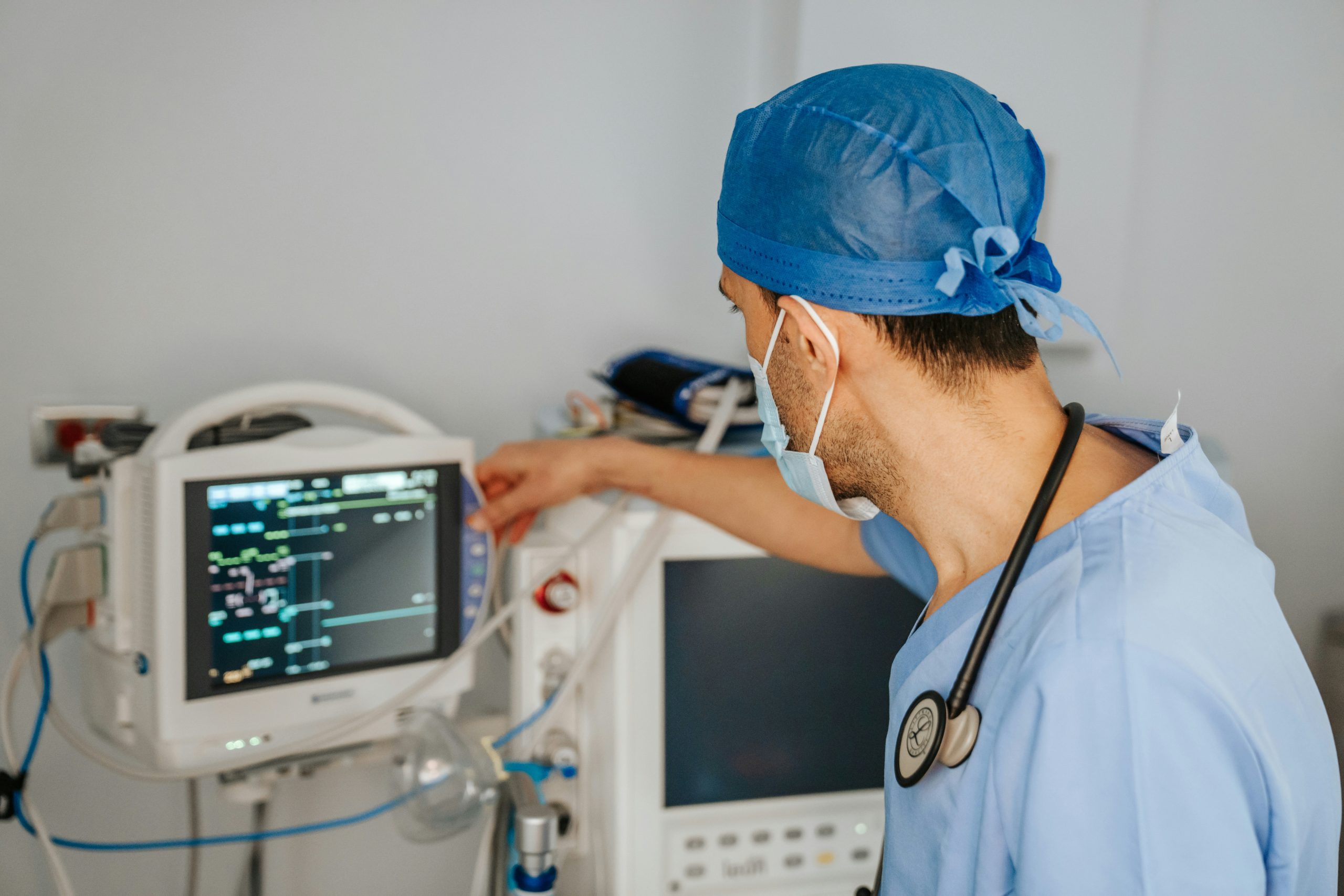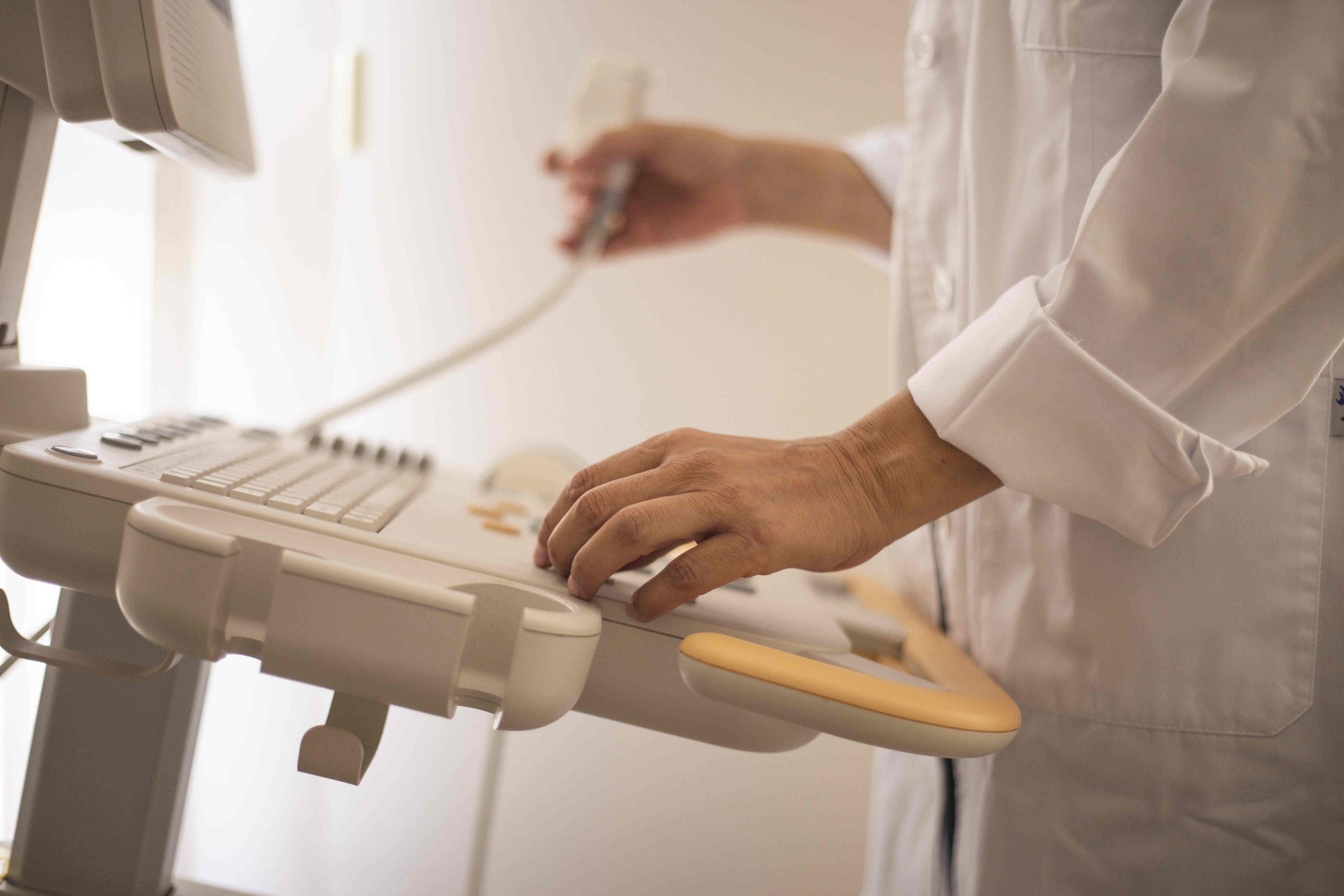
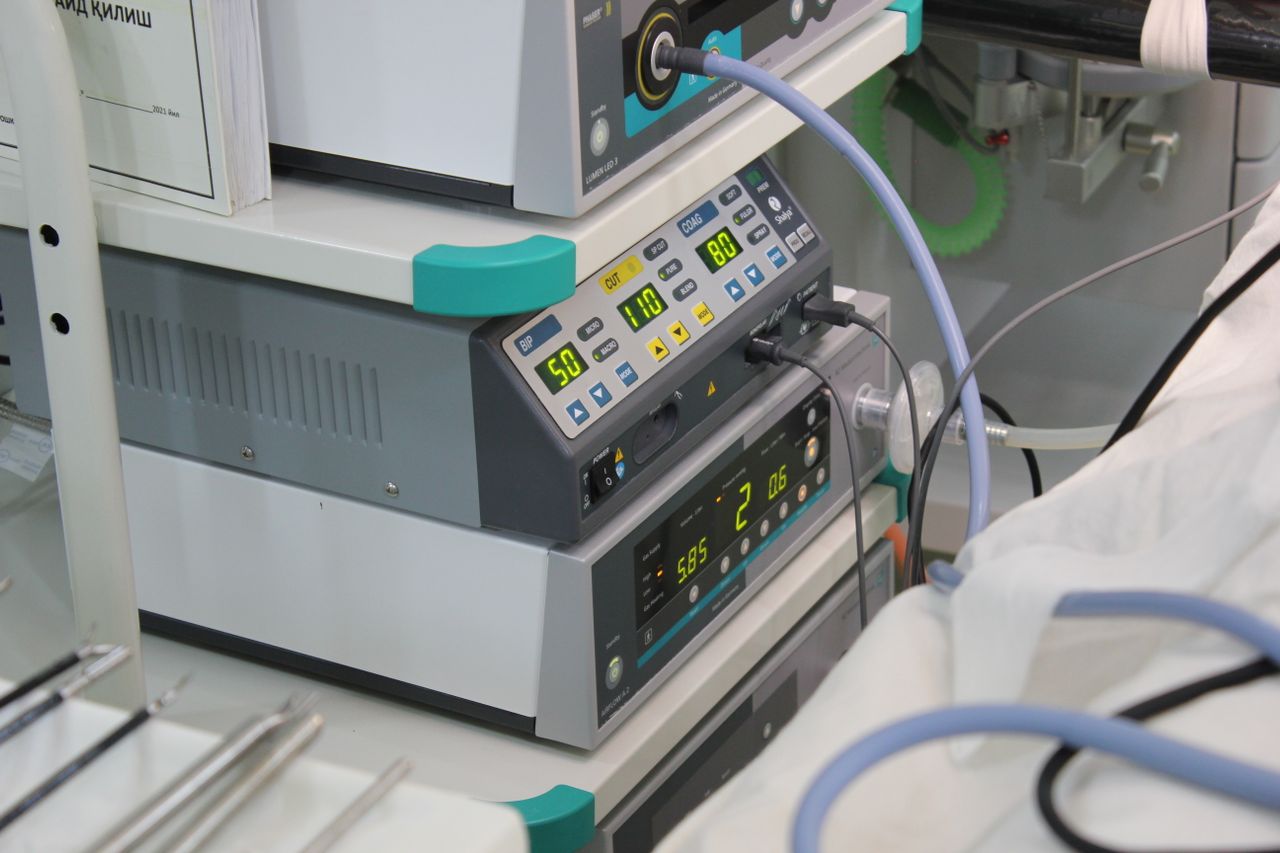
Medical devices for providers are instruments and equipment used by medical personnel to monitor, diagnose, or care for patients. From basic thermometers and blood pressure cuffs to cutting-edge imaging scanners and robotic surgery devices, reliable devices assist providers in identifying issues sooner, delivering rapid decisions, and providing enhanced care. Choosing the right device for you entails verifying ease of use, interoperability, and compliance with safety codes. With so many options on the market, each device caters to various needs and care environments. To help healthcare staff identify what’s essential, this post outlines the types, top features, and recommendations for selecting devices that work best in clinics and hospitals.
Key Takeaways
- Medical devices for providers: Think about clinical needs and anticipated patient outcomes. Engage clinicians and use case studies to inform decisions.
- * Ensure all devices are globally approved, including those certified to FDA and ISO 13485 standards, to protect patient safety and operational efficiency internationally.
- Emphasize usability through extensive user testing, healthcare professional feedback, and ergonomic and interface reviews to guarantee devices are intuitive for staff and patients alike.
- Examine technical specs to confirm performance dependability, tech compatibility, and solid manufacturer support, which are all key for integration and maintenance.
- Balance cost, quality, and long-term value by calculating total ownership expenses, evaluating supplier credibility, and considering the impact of devices on patient outcomes and facility budgets.
- Think ahead to scalability and innovation when choosing devices. Look for modular designs, robust data security, and compatibility with emerging healthcare IT systems.
The Essential Framework For Choosing Medical Devices
Selecting the appropriate medical devices, including effective medical devices and surgical supplies, is a complex procedure influenced by medical requirements, standards, user interface, technological compatibility, and price. Providers require a trusted framework, like Merit Pharmaceutical, to guide decision-making, particularly when lives are at stake.
1. Clinical Need
Begin by considering the medical conditions the device will assist with, particularly in acute care settings. A ventilator is key to acute respiratory care, whereas a glucose meter addresses chronic diabetes. It should demonstrate objective patient outcome improvement. Engage clinicians early, as their insights into day-to-day use can point to advantages or constraints that aren’t evident on paper. Check published case studies, especially those involving Merit Pharmaceutical medical products. For example, infusion pumps with programmable dosing have cut down on medication errors in hospitals, anchoring the selection process in actual outcomes.
2. Regulatory Compliance
See whether it fulfills all the necessary criteria, including verifying registrations like the FDA in the US or CE marking in Europe, and seeking out ISO 13485 accreditation for medical devices. Regulations shift, so keep current to prevent holes in the supply chain. Non-compliance jeopardizes patient safety and day-to-day operations, as demonstrated by recalls of medical equipment without documentation.
3. Usability
User testing is crucial in the healthcare facility setting. Observe providers and patients using medical devices in real-world environments. Request input because even a brilliant monitor is worthless if its interface baffles nurses. Training requirements are important as well. Certain devices, such as handheld ultrasound, are simpler to master than robotic surgical instruments. Design details matter, but a lightweight, ergonomically honed instrument minimizes strain, and an intuitive touch screen accelerates workflow.
4. Technical Specifications
Don’t compare specs when assessing medical devices. For diagnostics, verify the precision and frequency of calibration. Ensure devices, such as ECG equipment, integrate seamlessly with existing hospital infrastructure. Good technical support from providers like Merit Pharmaceutical is essential for quick assistance with repairs or upgrades, translating into reduced downtime.
5. Total Cost
Think ownership cost, not just price, especially when considering medical supplies and equipment. Maintenance, training, and service contracts all add up. Don’t just shop for the lowest quote, but compare suppliers for value, including those in the Merit Pharmaceutical network, to ensure effective medical devices and services.
How To Evaluate Supplier Credibility
Supplier credibility in medical devices, including those from Merit Pharmaceutical, is essential for providers to guarantee safe, reliable, and consistent patient care. Suppliers must adhere to tough criteria in quality, logistics, and support, ensuring effective medical devices and advanced wound care products are delivered efficiently.
Quality Systems
Start by examining the supplier’s quality management system. ISO 13485:2016 is a global benchmark for quality in medical devices. Suppliers should provide clear proof of their compliance. Ask for their QMS documentation, and audit their history for passing regulatory audits and third-party inspections. Ask for test results, with proof that quality checks are continuous, not a one-time thing.
Review of their continuous improvement. This could appear as ongoing employee education, revised SOP manuals, or new QA processes. If they’ve had recalls or failed audits, discover what they’ve done about that. Their transparency about past problems and obvious corrective actions can frequently be an indicator of their dedication to product safety and excellence.
Logistical Performance
Check logistical performance, including delivery records, inventory management, and order accuracy. If the supplier can do JIT and offload surplus and rush orders, it presents less risk for healthcare providers. They might rely on top-end distribution systems that deliver to urban and rural facilities in 24 to 48 hours, for instance.
Request KPIs, such as average lead time, order accuracy rate, and backorder frequency. A supplier that responds swiftly to demand or supply shocks may be an essential partner for clinics and hospitals in times of crisis. Flexibility and good communication lines are important. A demonstrated capacity to deliver on agreed delivery windows is also crucial.
Post-Sale Support
Consider the supplier’s post-sale support, such as warranty cover and customer service. Good suppliers provide clinical and technical staff training both face-to-face and online. Check their technical support availability and the transparency of their warranty and returns process.
Verify continuing interaction rules. Suppliers that maintain contact and provide updates or refresher training frequently assist providers in using devices more efficiently. Ongoing feedback from front-line users and finance teams can expose unexpected advantages or vulnerabilities in a supplier’s support.
Balancing Cost, Quality, And Patient Outcomes
Healthcare isn’t about chasing the newest or most expensive tools. It’s about choosing what truly improves care, keeps patients safe, and works within real-world budgets. Smart decisions around medical supplies and equipment focus on practical value, not flashy upgrades.
First, putting patient outcomes first means selecting devices that assist care teams in treating patients more effectively. Devices that provide crisper scans, assist with rapid diagnosis, or make surgery safer can all enhance patient safety and quality. For instance, a team-based surgical robotics program paid off as surgeons, staff, and a partner firm all assisted in selecting and using the appropriate tools. This emphasis on collaboration and practical application helps ensure that effective medical devices fit patients’ actual needs.
Second, cost and quality come together. Spending more is not necessarily better. For asset picks such as radiotherapy machines, it is useful to see if leasing or buying balances best over time. Committees of doctors, nurses, and managers frequently convene to review choices, relying not only on price tags but also on what research and local experience indicate. Clinical evidence and value for money usually trump an individual preference, especially when considering the long-term benefits of Merit Pharmaceutical medical products.
Long-term value matters. Longer-lasting, low-maintenance, or easily repairable devices can save many thousands of dollars time and again. User trials and health tech reviews are examples of these formal checks, providing actual data on how equipment performs and improves care. Big hospitals apply these measures to ensure that they’re not saddled with equipment that breaks down or is too expensive to maintain, particularly in the realm of acute care supplies.
Getting everyone engaged in decision-making is key. By involving surgeons, administration staff, and finance experts, providers can discuss budget concerns and care objectives. Physician-led organizations can establish benchmarks, eliminate wasteful spending, and identify significant savings, occasionally reducing costs by as much as 26 percent across clinical service lines. These steps help keep focus on what matters: good care that does not break the bank.

Integrating New Medical Devices Seamlessly
Medical device integration, especially for healthcare facilities, must be precise and transparent to workflows, while ensuring sensitivity to system integration and robust procedures. This complicated arena requires effective medical devices that blend hardware, software, and informatics, necessitating a cautious, phased approach to accommodate medical device regulation and data security considerations.
Workflow Analysis
It’s crucial to map existing workflows in a healthcare facility. This process identifies where a new medical device might assist, such as automating data gathering or accelerating diagnosis. When staff assist in mapping out these steps, they can pinpoint gaps and opportunities for improved patient care. It’s important to inquire about risks, like bottlenecks or confusion, that accompany the transition. New devices are time savers, but only if their use seamlessly matches the actual care pace. For instance, a self-regulating device might require less staff time, while others could hold up the process if they require specialist hands. Providers need to consider the impact of the device on patient flow and daily routines. Devices that automate charting or vital sign tracking frequently liberate clinicians to focus on cognitively complex work, enhancing labor productivity and enabling them to work at the top of their license.
Staff Training
Training needs to align with the actual skills and requirements of each position in a healthcare facility. Nurses, doctors, and support staff use medical devices in unique manners, making custom programs more effective. Nothing is like hands-on practice, with demos or simulations, especially when it comes to advanced wound care supplies. This makes new tools less anxiety-provoking. Regular sessions allow staff to stay current on device updates, new features, or best practices in patient care. We need feedback on what works, what doesn’t, and what could help more, as employees who feel prepared and educated make fewer errors.
IT Interoperability
Ensure that the new device integrates seamlessly with your EHR and other digital systems, as effective medical devices can help prevent information loss. Collaborating with IT teams early on is crucial for identifying and troubleshooting issues, particularly for devices linked to patient information where robust cybersecurity is essential. A device that allows independent testing of each component can simplify quality control and enable manufacturers to repurpose their work across multiple medical products.
Future-Proofing Your Medical Device Solutions
Providers today find themselves in a medical device landscape characterized by rapid innovation and technological breakthroughs in healthcare. Strains on systems are increasing as populations age, chronic disease soars, and care goes digital, necessitating effective medical devices and acute care supplies that can keep pace with future demands.
Scalability
Future-proofing medical device solutions is essential for providers who want to stay growth-ready. Systems must scale smoothly as patient volumes rise and care settings expand. That includes everything from core medical devices to advanced wound care solutions.
Take connected ECG monitors, for example. Adding beds or opening new clinics can quickly strain existing systems if capacity isn’t planned. The same applies to digital diagnostics. With more than 100 tools now available for conditions like autism and epilepsy, not every option is built to scale reliably. Choosing adaptable solutions early helps prevent costly disruptions later.
A good manufacturer, such as Merit Pharmaceutical, will provide a robust supply chain capable of handling increased demand. If a device maker cannot ramp up production or doesn’t have a nationwide distribution network, patient care could be compromised. Flexible setups, including modular machines or software-first devices with cloud-based tools, allow teams to adapt and enhance features as demands evolve. Planning for upgrades is also vital for future readiness.
Data Security
Securing patient data is non-negotiable. Devices should have hard protections, such as robust encryption and rigorous access controls. As more tools connect to networks and the cloud, risks increase. Providers should evaluate how well a manufacturer complies with regulations for data protection and whether they remain current as laws evolve. Some areas have rigid regulations, so worldwide compliance matters.
Best practice means regular audits, clear policies, and tracking who accesses what. Features such as two-factor logins, real-time alerts, and secure backups enhance security. As 5G expands, it accelerates data exchange for remote care and requires robust security protocols.
Technological Innovation
Keeping up with new tech pays off. Several devices today leverage AI and machine learning to identify trends or inform treatment. For example, skin cancer apps with AI can help flag risks sooner. Neurotech, such as brain-computer interfaces, is taking care to new levels and provides salvation for stroke or epilepsy sufferers.
Remote monitoring and telemedicine are more effective with 5G and intelligent software. Selecting vendors that build around these trends gives providers a competitive advantage. By consulting with experts and examining new research, you can get a sense of what solutions will be future-proof.
Optimizing Long-Term Device Performance
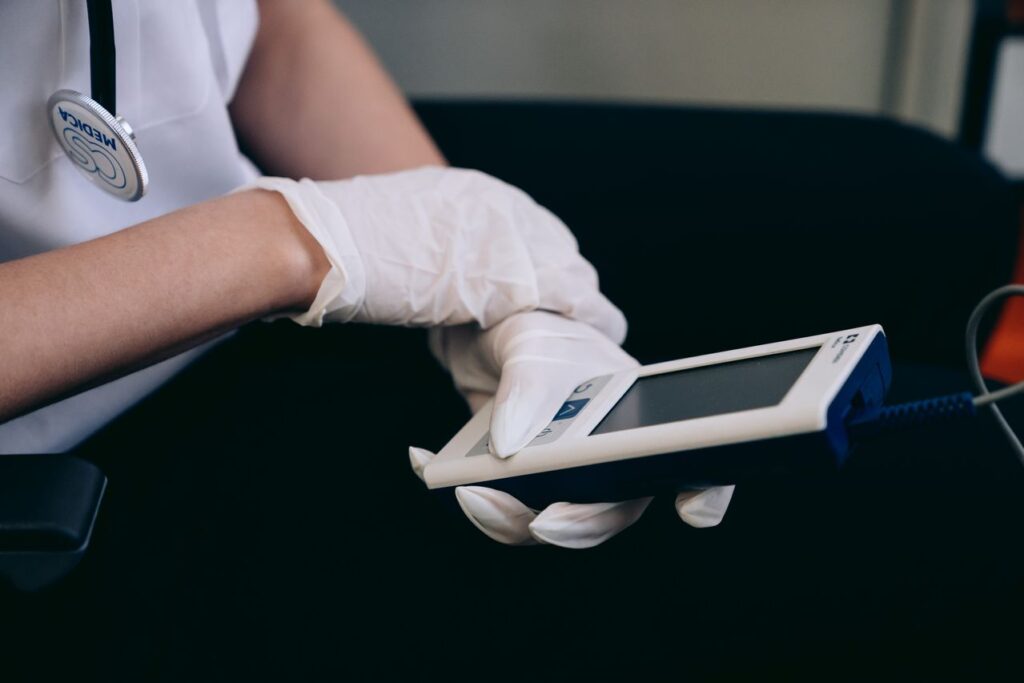
Medical devices are the foundation of contemporary medicine, especially in the context of medical supplies and equipment. It’s not merely about keeping them operational but ensuring they perform optimally and safely. To get the most out of these devices over the long term, you need a plan to look after them. Maintenance is a necessity, and establishing defined check, clean, and tune-up schedules assists in identifying minor concerns before they escalate into costly breakdowns. Several vendors, including Merit Pharmaceutical, employ online logs to record maintenance duties, simplifying compliance and asset tracking.
Measuring device use and performance provides feedback about what works and what doesn’t. Use built-in software or third-party analytics tools to monitor for patterns, such as unexpected drops in performance or surges in usage. For instance, a ventilator exhibiting elevated error rates could require a software update or hardware repair. These data points aid managers in acting before a device breaks, saving time and keeping patient care on schedule. If one node goes down, the entire system can sense the disruption, so taking action ahead of time makes a significant difference.
Hear it from the folks who use these devices every single day. Nurses, doctors, and technicians know where things go wrong or could be improved. Gathering their input is imperative. It helps steer both new equipment buying decisions and updates to current devices. This isn’t a standardized process, but needs to shift as patient care evolves, so healthcare facilities need to select scalable solutions and contracts that can adapt to changing circumstances.
Training is more important than most people realize. Devices last longer and work better when users understand how to operate them properly. Ongoing classes, practical demonstrations, and access to technical support maintain proficiency and prevent operational mistakes that lead to malfunctions. Service plans with flexible support make it easier to get ahead of issues. Additionally, providers need to stay abreast of evolving regulations and safety standards, which may differ from region to region. Rethinking service contracts and asset management keeps care consistent and devices prepared for the future.
Final Remarks
Smart provider medical device choices are safe and strong. A defined strategy, strong supplier audits, and relentless patient focus mold resilient outcomes. Selecting tools that fit actual needs, testing each tool, and managing cost relative to value all result in better care. Being open to new tools, using them correctly, and maintaining them create robust, sustainable systems. Every victory in this arena assists living, breathing individuals and collectives. To keep pace, seek input, observe actual application, and exchange success. Stay smart, stay hungry, and apply what you know to advance care. Post your comments and tips to the group. Your perspective educates us all.
Frequently Asked Questions
1. What Factors Should Providers Consider When Choosing Medical Devices?
Providers should prioritize device safety and clinical effectiveness, along with regulatory compliance and long-term support from reliable medical suppliers. These factors ensure that effective medical devices keep patients well cared for and workflows humming.
2. How Do I Check The Credibility Of A Medical Device Supplier?
Check certifications, regulatory approvals, and customer testimonials for medical supplies. Seek out providers like McKesson with visible service histories and testimonials from other clinicians.
3. Why Is Balancing Cost, Quality, And Patient Outcomes Important?
Striking this balance keeps physician offices thriving and patients cared for, allowing providers to deliver effective medical devices and better outcomes without breaking the bank.
4. What Steps Can Help Integrate New Medical Devices Into Clinical Practice?
Handled staff training, protocol updates, and compatibility with existing systems to ensure that the effective medical devices are integrated seamlessly. With good planning and communication, you should be able to have a smooth integration and minimal disruption.
5. How Can Providers Future-Proof Their Medical Device Investments?
Choose medical devices that have upgrade options, robust manufacturer support, and compatibility with emerging health technologies. This prevents continual replacement as needs change.
Power Your Practice With Reliable Medical Devices From Merit Pharmaceutical
Running a busy medical practice requires more than just high-quality care—it requires dependable medical devices that arrive on time, perform consistently, and meet strict clinical standards. When supply issues arise, such as backorders, inconsistent product quality, or last-minute substitutions, it can disrupt workflows and add unnecessary strain to your team.
Merit Pharmaceutical supports healthcare providers with a broad portfolio of medical devices and clinical-use supplies designed to help maintain consistency and reliability in everyday care. From essential IV administration components and extension sets to a wide range of clinical and injectable solutions, every product is selected with a focus on safety, performance, and dependable supply continuity.
As an FDA-registered, Los Angeles-based supplier with more than 40 years of industry experience, Merit Pharmaceutical understands the demands of clinical environments and the importance of regulatory compliance and product consistency. The company also works with established global manufacturers such as Abbott, BD, Baxter, and B. Braun to help ensure providers have access to trusted, high-quality options.
Choosing Merit Pharmaceutical means partnering with a supplier focused on reducing supply chain friction and supporting smoother procurement processes—so your team can stay focused on patient care rather than sourcing challenges.
Contact Merit Pharmaceutical to learn more about available medical device solutions or to set up an account and access competitive pricing tailored for healthcare providers.
Disclaimer
The information provided on this website is intended for informational and educational purposes only. It is not a substitute for medical advice, diagnosis, or treatment, and should not be relied upon as such. Healthcare professionals should always use their own clinical judgment when selecting and administering medical products. Patients should consult with a qualified healthcare provider regarding any specific medical condition or treatment.
While we strive to keep product details and information current, Merit Pharmaceutical makes no guarantees as to accuracy, completeness, or applicability to your particular situation. Do not act or refrain from acting solely based on information from this site without seeking appropriate medical or professional guidance. To the fullest extent permitted by law, Merit Pharmaceutical disclaims all liability for any decisions or actions taken based on the contents of this site.