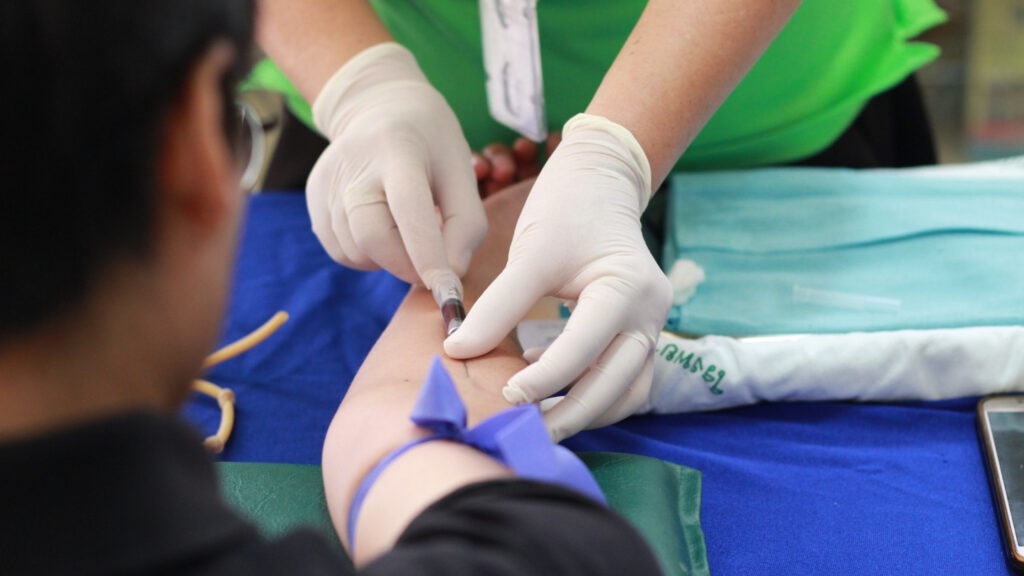

To source reliable exam room disposables, West Coast clinics often turn to trusted suppliers who meet industry safety rules and offer steady product quality. Clinics choose partners that have a proven history of delivering on time, at a good price, with transparent supply chains. Most rely on direct orders from medical supply companies, group purchasing organizations, or trusted online vendors to maintain a consistent inventory. Opting for reputable brands, viewing supplier ratings, and requesting product certificates aids in reducing the risk of substandard items. Lots of clinics rely on digital monitoring to monitor inventory and identify issues quickly. To help keep care safe and costs down, clinics stay steadfast with testing and keep in close contact with sources. The following sections display actual options and advice for optimal outcomes.
Key Takeaways
- Selecting reliable exam room disposables requires a rigorous supplier vetting process, including background checks, sample evaluations, and ongoing performance reviews to ensure consistent quality and compliance with health and safety regulations.
- Establishing quality benchmarks and doing periodic reviews keeps disposables operating at the highest performance and safety, while educating employees/personnel means they can identify and report quality concerns quickly.
- Thorough pricing, including price, shipping, hidden fees, and long-term value, to help clinics source the most affordable way to keep their exam rooms stocked.
- And when you consider last-mile delivery and port congestion on the West Coast, there are a lot of headaches in shipping exam room disposables to West Coast clinics.
- I’m a believer in the technology and the way it allows you to query not only your inventory but also your customers and your sales reps.
- I think part of our resiliency and sustainability supply chain is diversification, having contingency plans, sourcing locally, being human, and building relationships.

Sourcing Reliable Disposables
Dependable sourcing for exam room disposables is essential for clinic safety and patient care. It’s more than just buying, but sourcing reliable disposables requires consideration of supplier reliability, quality, price, logistics, and relationship management. Clinics need to select vendors who reliably deliver safe, compliant products to care for their various patient populations.
Supplier Vetting
- Begin with a thorough background check on every supplier. This means looking into their business history, finances, and reputation with other healthcare sites.
- Request samples from suppliers, such as disposable gowns, before placing large orders. Testing samples in situ, as prescribed, for example, by ASTM D1776, enables identification of poorly-made choices before they become a problem.
- Check out some customer reviews and testimonials. Top scores, particularly on dependability, indicate a vendor can come through. Industry figures indicate 50% of users cite reliability as a big issue and seek sources with robust positive comments.
- The best suppliers have return and replacement policies for stuff that just doesn’t work at your clinic. This reduces liability and shields clinics from bad inventory.
Quality Standards
Establish disposable performance criteria! For gowns, verify ASTM seam strength of 7 lbf and AAMI PB70 for barrier levels; only L3 disposable gowns achieve the ≤1.0 g of impact penetration mark. Test products frequently, on CDC-standard wash cycles for reusables, and benchmark them against results. Educate your crew to sniff out shoddy seams or inferior fabrics so that only the best of the best reaches patient hands.
Cost Analysis
Don’t just look at the sticker price but break down the total cost, including long-term use, shipping, and hidden fees. Check prices from various vendors and consider lead times; shipping delays can impact care. Follow trends to identify price increases or decreases and respond accordingly. This keeps clinics in their budget without being reckless with safety.
Logistical Fit
See if supplier delivery schedules correspond with patient flow and appointment volume. Good suppliers can take your urgent orders and maintain inventory for you. Inquire about what inventory management solutions they have and backup plans for shortages. It keeps clinics stocked and prepped, even when supply chain glitches occur.
Relationship Building
Maintain robust relationships with vendors via consistent check-ins and transparent feedback. Talk shop as they come up and collaborate on bespoke solutions, such as gowns or gloves that accommodate unique clinic requirements. Clear communication develops confidence and helps clinics receive timely updates or fix concerns quickly.
West Coast Logistical Hurdles
West Coast logistical nightmares for clinics sourcing exam room disposables. With the region’s ports, sprawling geography, and dense urban networks, these are constant obstacles to on-time, dependable deliveries. With a little insight into these hurdles and some smart approaches, clinics can maintain supply while minimizing patient care risks.
Port Congestion
Port congestion is an ongoing challenge, particularly at key gateways such as Los Angeles and Long Beach. Clinics are frequently faced with late shipments because ships sit for days awaiting discharge. By tracking real-time port data and shipping schedules, clinics can predict disruptions and respond by tweaking inventory ahead of shortages. When bottlenecks are at their worst, clinics can negotiate with suppliers to test out alternative ports like Oakland or Seattle, or even reroute shipments through less-busy Canadian facilities. Maintaining open communication with vendors about delivery dates is crucial, particularly during the lead-up to the Lunar New Year or holiday season. Shipment tracking tools enable clinics to track containers in transit, allowing them to anticipate delays and update patients.
Warehouse Location
In a single sentence, where warehouses sit matters as much as what’s inside them. If your warehouse is close to the clinic, replenishing inventory is quicker and cheaper. That’s crucial on the West Coast, where traffic can convert a 20-minute drive into an hours-long odyssey. The warehouse size should correspond to the volatility of demand. A warehouse that runs out of room in hectic months or can’t flex down during slow periods generates waste and risk. Clinics need to verify how accurately warehouse teams complete orders; sluggish or mistake-prone workers add days to the prospect of waiting. Local warehousing, whether through 3PL or shared space, can expedite emergency shipments and keep clinics humming.
Last-Mile Delivery
- Take advantage of route planning software to select the quickest delivery routes.
- Collaborate with couriers who understand how to manage medical products.
- Add delivery tracking for both staff and patients.
- Keep backup drivers and vehicles ready for urgent needs.
- Pick delivery windows that accommodate clinic schedules, not carrier routes
- Keep small buffers of key supplies onsite for high-risk items.
Modern Inventory Management
Modern inventory management in healthcare is defined by a mix of digital solutions, real-time tracking, and data-driven forecasting. Clinics, particularly on the West Coast, must manage and track hundreds of disposable products, all with varying shelf lives and lead times. It relies on software, analytics, and automation to maintain supply and reduce costs.
Inventory Software
Good inventory software needs to play nice with a clinic’s electronic health records. This allows clinical teams to monitor consumable utilization alongside patient care information, reducing redundant data entry and mistakes. One essential feature is automated low stock alerts. Such alerts help clinics in preventing shortages, given that 90% of establishments resort to second-tier suppliers when primary vendors are depleted. For multi-site clinics, multi-location inventory software is essential to resource sharing and supply smoothing. Frequent software updates do more than squash bugs. They deliver security patches and new features, which count since clinics deal with sensitive patient and stock data.
Data Analytics
Data analytics are increasingly shaping how clinics purchase and consume exam room disposables. By identifying usage trends, analytics can inform employees when to replenish and when to delay. For instance, if patient flow is spiking, clinics can anticipate greater than usual demand for gloves and wipes. ABC analysis, which categorizes items by annual buying cost, enables clinics to target high-value stocks. In reality, just 10.4% of drugs are ‘A’ class, but these require strict management. Analytics can reveal if clinics maintain excess slow-moving stock, an issue identified in 80% of baseline counts, where those items are not reordered within eight weeks. Custom reports enable clinics to identify waste and establish smarter reorder points. Mathematical modeling, employed more frequently today, undergirds these decisions and reduces waste.
Automated Ordering
Because it includes automated ordering, it eliminates tedious manual work and reduces errors. Clinics establish reorder points based on outdated usage data, ensuring that orders are dispatched before stock is depleted. Connecting these systems to supplier systems means frictionless ordering and rapid reaction to shortages as well. Just 13% of installations verify delivery lead-times, which may result in restocking delays. A few clinics maintain a buffer stock, 23% according to recent data, in case of delayed shipments or emergency demand. Even automated systems need to be checked often in order to tweak settings and keep things running smoothly. Employees need to be trained on these systems, from scanning barcodes to tracking lot numbers (which aren’t always evident on delivery slips and make tracing and recall more difficult).

The Sustainability Factor
When a clinic is making a push for eco-friendly care, its exam room disposables can play a big role in its choices. Such sourcing for sustainability requires direction. A checklist keeps clinics on track. It needs to answer questions on what the product is made of, how it’s packed and shipped, and what happens after it’s tossed. For instance, clinics might want to inquire whether gloves or drapes are constructed of plant-based fibers, whether packaging is minimal and easily recyclable, and whether the supplier provides bulk shipping that reduces waste. Your checklist should look at whether there are options for compostable or biodegradable products and whether labels or instructions were printed with non-toxic ink.
Evaluating its total ecological footprint requires considering more than the product alone. All of it, really, from the way raw materials are extracted from the earth to the way trashed disposables pile up in landfills. Some disposables use mixed materials that elude recycling or arrive in layers of cling wrap. Clinics should search for products with unambiguous recycling codes and examine if they require special bins or local initiatives for safe disposal. In a few states, clinics have to adhere to guidelines for medical trash. Choosing selections that decompose more quickly or have less of a carbon footprint assists clinics in achieving both their health and green objectives. For instance, bamboo or cornstarch blends can significantly reduce waste in face masks versus the average.
Part of that is working with suppliers who share these values. Clinics can request evidence from vendors of green standards, such as ISO 14001 or other eco-certifications. They can verify whether suppliers operate on clean energy or employ water-saving techniques at their facility. Maybe some clinics will want to participate in group buys or buying co-ops to get better terms with trusted green partners. Open conversations with suppliers may result in bespoke products, such as minimal-waste kits or refillable packaging.
Staff buy-in is as crucial as choosing the right products. Your team needs to understand why little shifts, such as separating trash or reducing packaging, make a difference. Training sessions, clear signs, and simple rules make green choices a habit. When staff witnesses the real-world effect, say, less waste or a decrease in supply expenses, they’re much more inclined to back these measures.
Building Supply Chain Resilience
For West Coast clinics, the secret to exam room disposable sourcing reliability is a resilient supply chain. Here, that could involve a mix of risk management, supplier diversification, local sourcing, and robust contingency plans. Clinics have learned from COVID that supply shortages can disrupt care and put staff at risk. Proactive planning, redundancy, and strong communication with partners enable clinics to get out in front of disruptions.
Supplier Diversification
Diversity, working with a broader range of suppliers, distributes risk. Clinics can’t depend on a single source for gloves, sterile swabs, or disposable gowns. By using multiple suppliers, clinics can compare lead times, costs, and delivery track records. It’s smart to look beyond regional suppliers as well; picking vendors from different regions helps clinics avoid being snared by local disruptions, such as wildfires or port delays. It’s worth building relationships with backup suppliers ahead of emergencies so that switches can happen easily. Regular performance reviews, using transparent metrics like fill rates and on-time delivery, are necessary to keep every supplier in the chain accountable. Good supplier relationships, built on open communication and frequent updates, provide clinics with more flexibility and predictability.
Contingency Planning
Being prepared with a plan for supply chain issues is critical. Clinics have to formulate concrete actions step-by-step for various scenarios, from delays to full supplier shutdowns. With a 15-day reserve for high-use products and as much as 60 days for slow movers, it provides clinics with a buffer against sudden shortages. Frequent drills make sure employees know how to proceed if something shifts rapidly. These drills can be as basic as a supply shortage run-through or auditing inventory tracking mechanisms. Working with suppliers to establish flexible contracts allows clinics to scale orders up or down quickly. This keeps clinics prepared to react when demand surges or new threats arise.
Local Sourcing
Local suppliers reduce shipping times and costs. Clinics are sometimes able to receive expedited shipping from local providers, triggering far less concern about global supply chain disruptions. By supporting community-based businesses, clinics establish these valuable relationships for the long-term benefit, which can translate to better terms and priority when shortages arise. Local sourcing is greener, too, with a smaller carbon footprint for shorter transport routes. Staying in close contact with local suppliers allows the clinics to identify issues early and enhance cooperation when demand shifts. This path not only promotes resilience and sustainability but also fosters robust local economies.
The Human Element In Sourcing
Human connections determine where clinics obtain premium exam room disposables. Trust between buyers and suppliers can make or break deals, particularly when clinics require consistent supply and dependable products. Personnel who can negotiate, communicate with vendors, solicit precise information, and negotiate reasonable rates can help facilities secure discounts and prevent stock-outs. By training staff to talk straight, listen, and stay open with suppliers, clinics can secure what they need, even when markets shift or supplies run thin. For instance, if a remote clinic is running low on swabs, a purchaser who’s established a trust relationship with a supplier may receive faster information or a warning of new inventory. It can keep the clinic open when others go in to drop.
Training teams to collaborate effectively with suppliers addresses identifying issues early and discussing solutions. Great talking and dealmaking skills mean employees can find out whether a supplier will ship on time or the goods will be appropriate for the clinic’s needs. Once staff know what to request and where to fact-check, they can nip issues in the bud. In settings where clinics routinely stock up to 60% of POC tests, these skills aren’t just nice to have, but they’re critical to seamless care.
By sourcing feedback from clinical personnel about the products they employ, clinics can learn what is effective and what falls flat. Nearly all healthcare workers (95%) can identify a disease that point-of-care tests assist in detecting, but only a fifth use tests alone. The remainder uses a combination of test results and their observations in patients. User comments on test tools can signal whether a batch is bad or if a provider fails. Clinics can then respond quickly, change vendors, or repair the problem. Reviews influence what to purchase next and which vendor to believe.
Building a team where buyers and clinical staff collaborate helps clinics make intelligent purchases. When sourcing teams listen to those who consume the goods, they can select products that meet actual demand. In resource-poor settings, where labs are remote, this group strategy guarantees clinics access to what assists most. It can even drive increased utilization of point-of-care tests, which 85% view as a cost-cutting lever in healthcare. Teamwork can detect problems such as dependability and stock shortages, both major stumbling blocks cited by clinics, so they can address them proactively.
Conclusion
Sourcing good exam room disposables for West Coast clinics is more than stocking shelves. West Coast clinics find dependable exam room disposables, too. They sidestep major lags. Real-time stock tools keep clinics ready for any rush. Teams that learn from each other become increasingly good at identifying vulnerabilities. Choosing products that reduce waste aids the budget and the planet alike. Staff are less stressed when they trust their supplies. For clinics, small steps, like vetting vendors or refreshing orders, produce real returns. Need to keep your clinic stocked? Give one switch from this guide a try in your next order. See your workflow smooth out! Be in the know, keep learning, and share your victories with your colleagues.